
One of the first times I came across this herb it was mentioned that it could be found in taquerias. Small bouquets of this quelite could be found on your table and you just pluck what you need and add it to your taco (1). This was said to be more common in el D.F. (2) and was considered to be more of a habit in the CDMX (3) than in other States.
- check out Books along the way for my original reference material
- el Distrito Federal – the Federal District at the heart of Mexico City
- CDMX – Ciudad de Mexico – On February 5, 2016, President Enrique Peña Nieto officiated over Mexico City formally changing from ‘Distrito Federal’ or ‘DF’ for short, to ‘Ciudad de Mexico’, abbreviated as ‘CDMX’. This came about as a result of Political Reforms enacted in 2016. No longer designated as a federal district el D.F. became a city, a member entity of the Mexican federation, seat of the Powers of the Union and the capital of Mexico. This was done because the federal government’s influence over the leadership of el D.F. had been a source of controversy among city politicians. Previously Mexico City was distinct from the various states that make up the rest of the country, and it was closely controlled by the federal government which is based there. Under its new status the CDMX will acquire some of the same functions as Mexico’s 31 regular states, with a constitution and congress holding legislative powers over public finance and security. The goal was to transform Mexico City into the 32nd state so it could achieve political and legal autonomy.

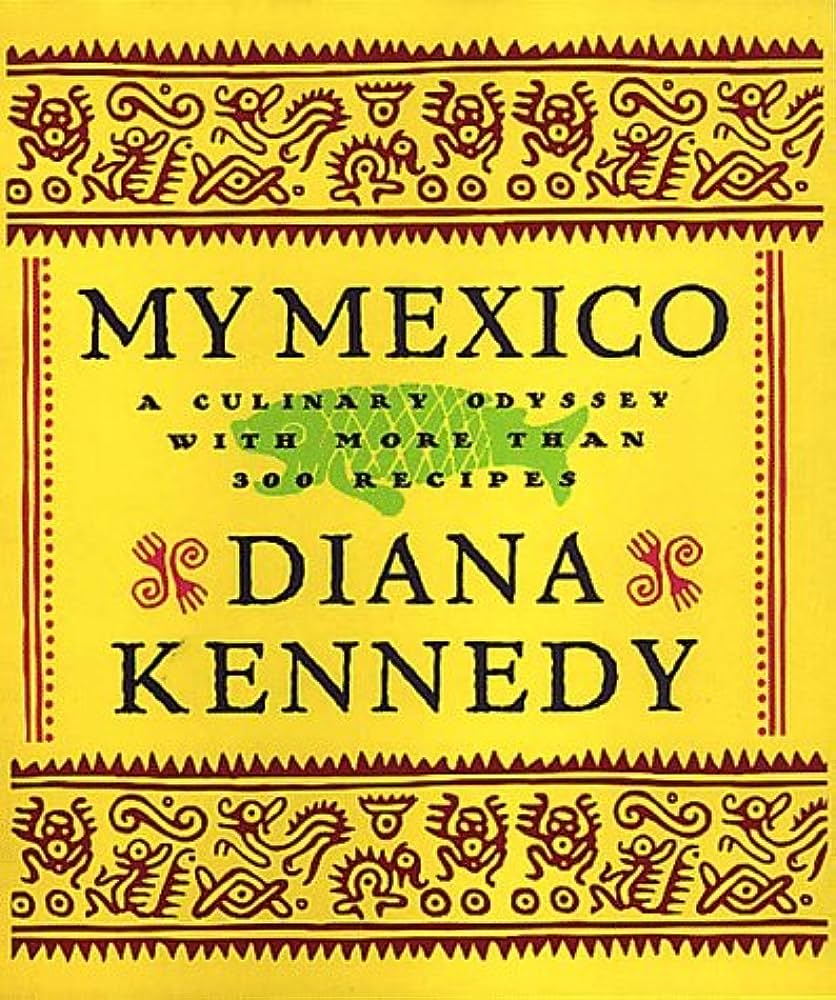
The book Rosa Mexicano by Josefina Howard was my first introduction to the word “papaloquelite”, and My Mexico by Diana Kennedy was instrumental in expanding my knowledge of the term “quelite”. Both women have similar histories in being non-Mexican but having had fallen in love with the cuisine after spending time in Mexico and I thank them for their work.
The main purpose for beginning this Blog was that, as a herbalist and a chef, I wanted to bring to the attention of non-Mexicans the wealth of indigenous Mexican herbs. This is both important for herbal medicine and the kitchen. As a herbalist I was taught next to nothing about Mexican herbs (plenty about North American herbs – north of the Rio Bravo that is) and during my apprenticeship as a chef I was taught absolutely nothing about Mexican herbs. We did learn a lot about cooking many of the ingredients that come from the Americas but zero about the origin or history of these plants. I try to go into all of these things through my Blog.
What follows is a photographic exhibition of Papalo en la calles y mercados of México.

Atlixco is a city in the State of Puebla, Mexico, located at the foot of the Popocatépetl volcano. It’s most well known for its production of ornamental plants and cut flowers.
A tianguis is an open-air market, specifically an itinerant market which springs up in a certain place for just one day of the week. The word tianguis comes from the Nahuatl “tianquiztli” which means marketplace. It differs from a “mercado” in that the mercado has its own building and functions every day whereas a tianguis is set up in the street or a park for one day of the week. In some areas, a tianguis may be referred to as a “mercado sobre ruedas” (market on wheels). See Tianquiztli for more on these markets.
Not only tacos get papalo-ified.
Outside of the CDMX this quelite is popular in Puebla where it is a key ingredient in the “sandwich” known as the cemita. This sandwich, that originally hails from the State of Puebla, gets its name from the sesame seed studded bun itself which is also known as a cemita. It is a relative of the Mexican torta which is made on a bread roll called a bolillo or a telera.

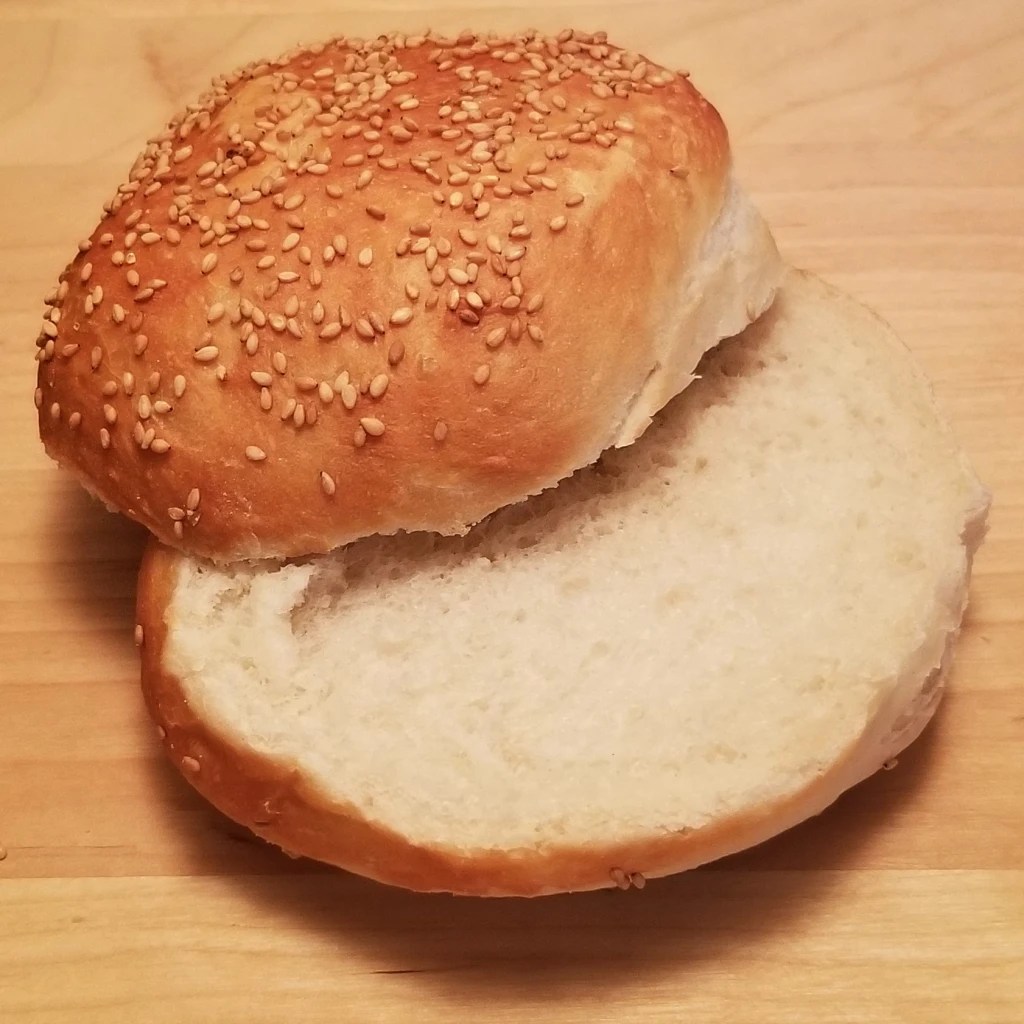
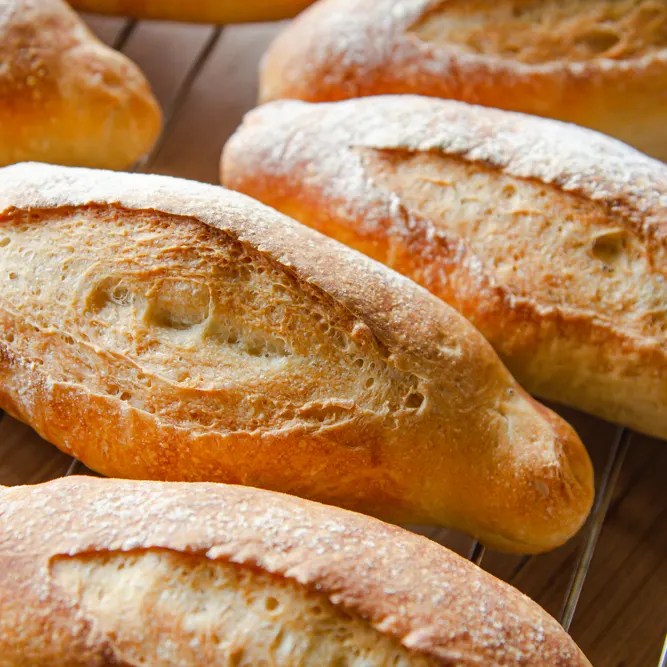
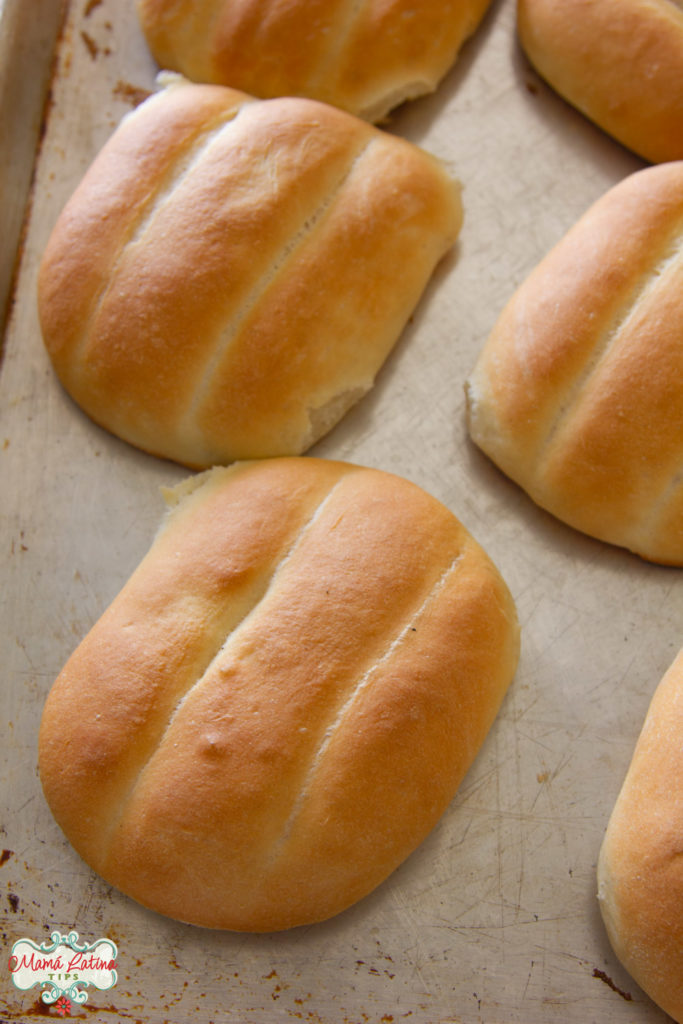
How to make each of these breads (if you so desire)
- Cemita : https://mysliceofmexico.ca/2021/06/09/puebla-style-cemita-buns/
- Bolillo : https://www.mamalatinatips.com/2020/04/traditional-mexican-bolillos-easy-recipe.html
- Telera : https://www.mamalatinatips.com/2020/06/easy-telera-bread-recipe-mexican-torta-rolls.html
Bolillos are known to be a staple foodstuff of the chilango and there’s a running joke that anything can be stuffed into a bolillo. From the guajolota (tamale in a bolillo) to the tecolota (chilaquiles in a bolillo) and its final incarnation the guajolotongo (chilaquiles AND a tamal in a bolillo) there are a megegatrillion ways to stuff a bread roll before you stuff it into your own face.

No meat, things inside bolillos, bolillos
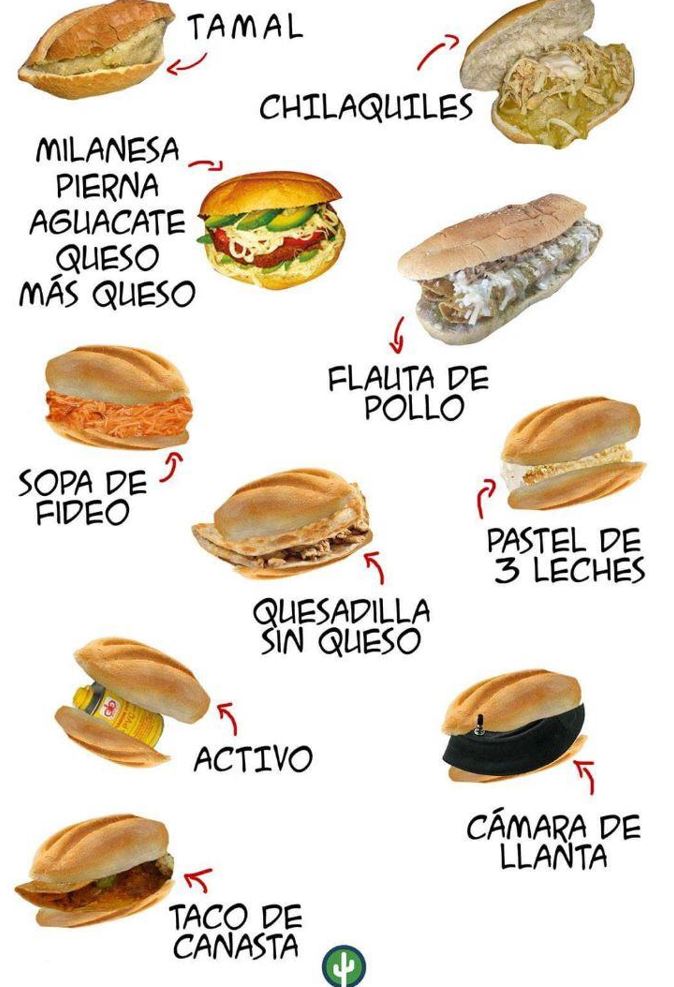
Que Viva Mexico
Looks like the Khlav Kalash man is branching out.

(https://www.chilango.com/comida/festival-carne-asada-cdmx/)
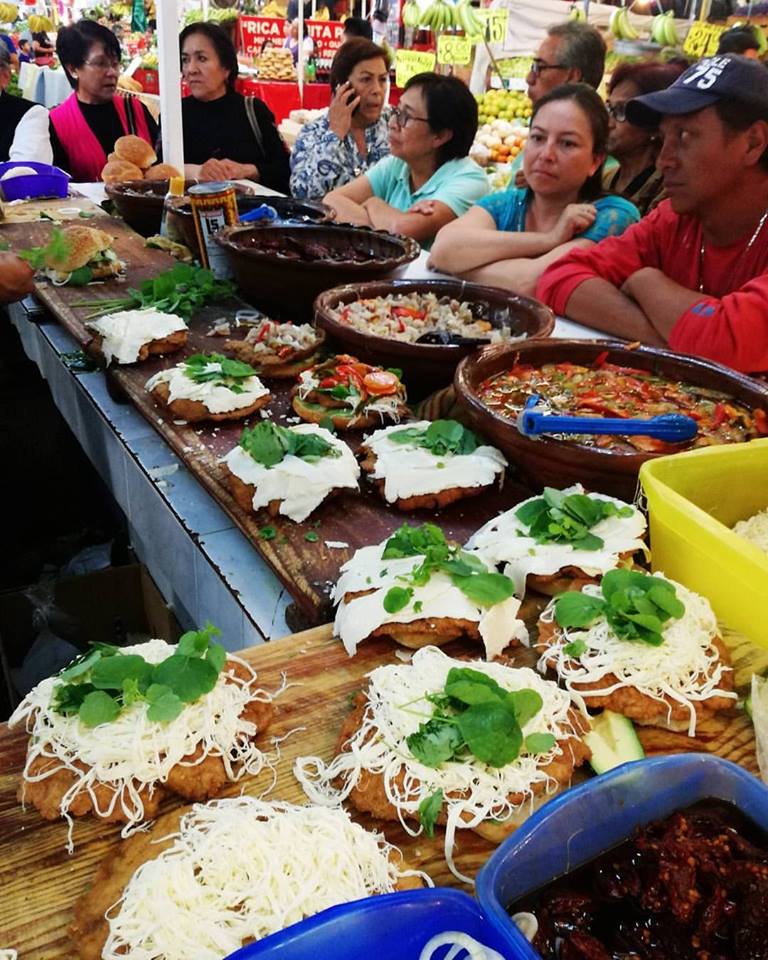
Instagram photo by @dr_a_lo
This quote was found on a menu from the Papalo Taqueria in Houston, Tejas. The sentiment speaks to my soul. You either want the food I cook or you do not, either way the door is there. Use it to enter or leave.
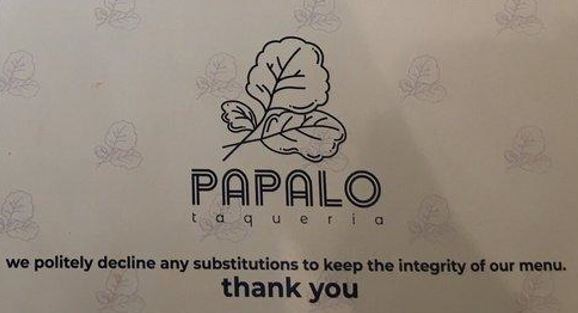
Cooking is an art and is the first form of wizardry. As an artist you are trying to express something on every plate served. The deep longings of the soul are strewn before the diner as Nezahualcoyotl would describe as a scattering of jades. Precious gems lay before you so as to assuage the hunger of your longings. DO NOT request the kitchen alter this. Would Leonardo Da Vinci alter the Mona Lisa? Fuck no!
In 2007 (sooo long ago) I specifically went to México to research papaloquelite. I visited various jardines botanicos (botanical gardens), taquerias, and Xochimilco to meet with this herb. It was quite the Disney romance (before they got woke that is).
The following pic was taken on my first (and I hope not my last) trip to México City. My heart aches for you México.
Lo and behold, the first time I found papalo was at a taqueria.
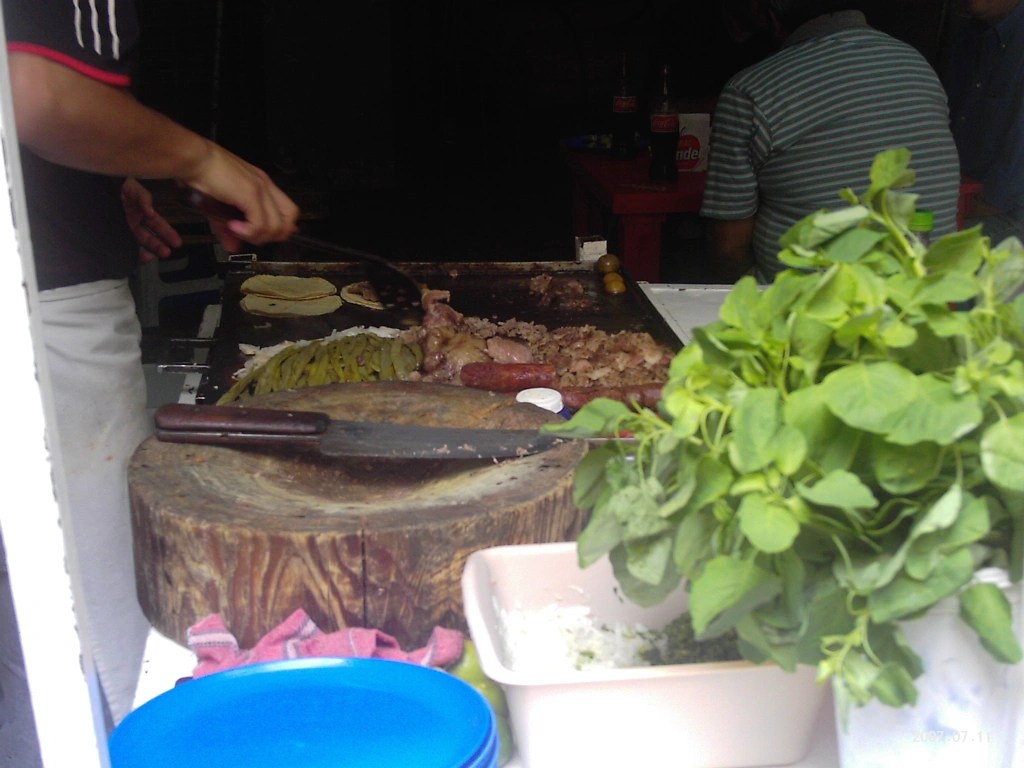
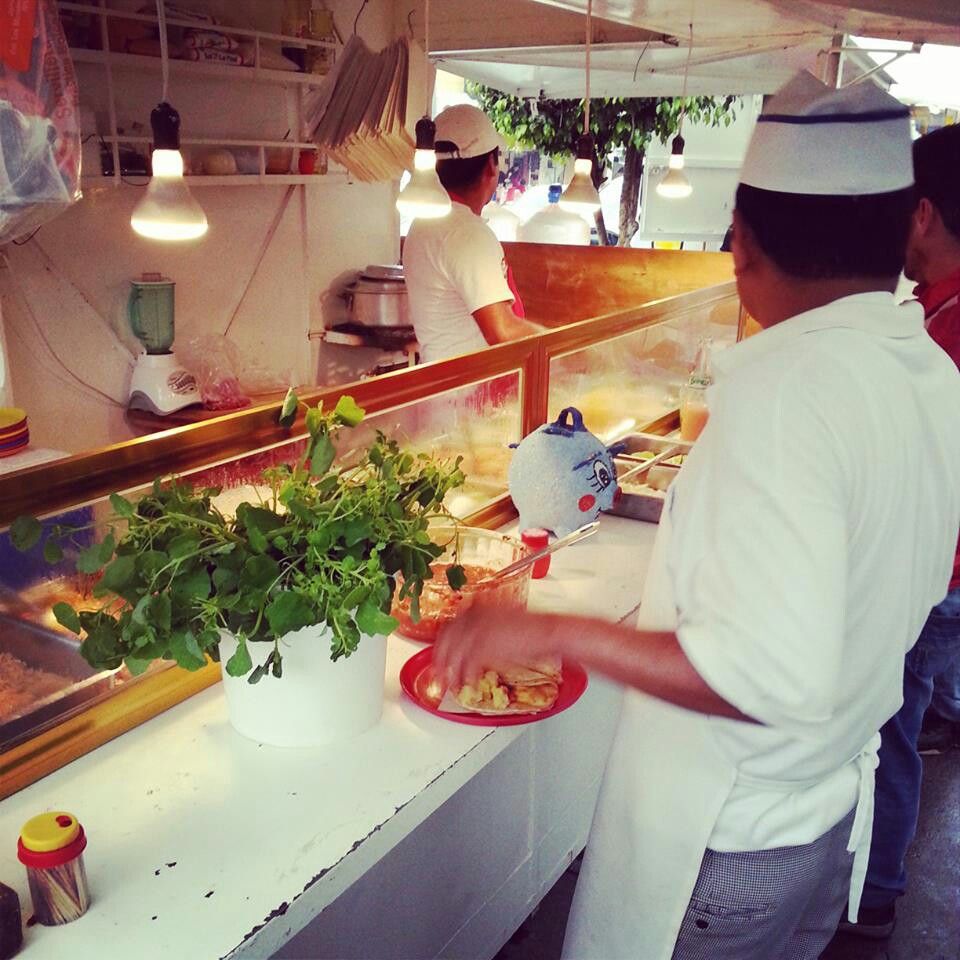
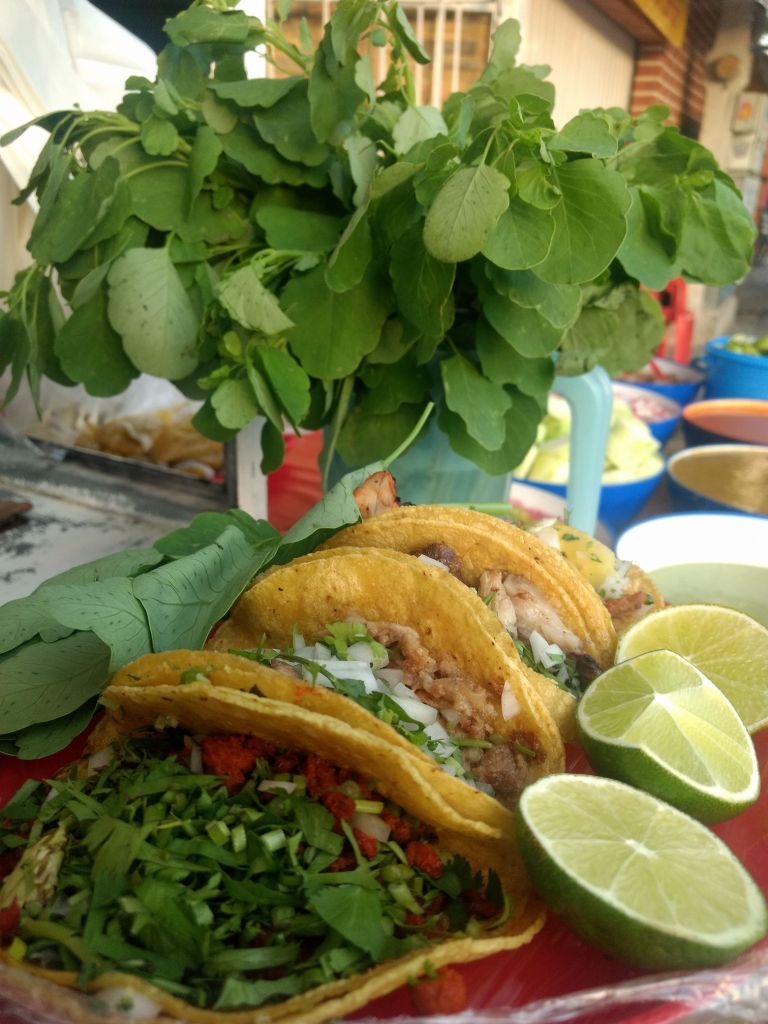
Taquerias D.F – https://www.facebook.com/photo?fbid=921478748025108&set=a.887241048115545
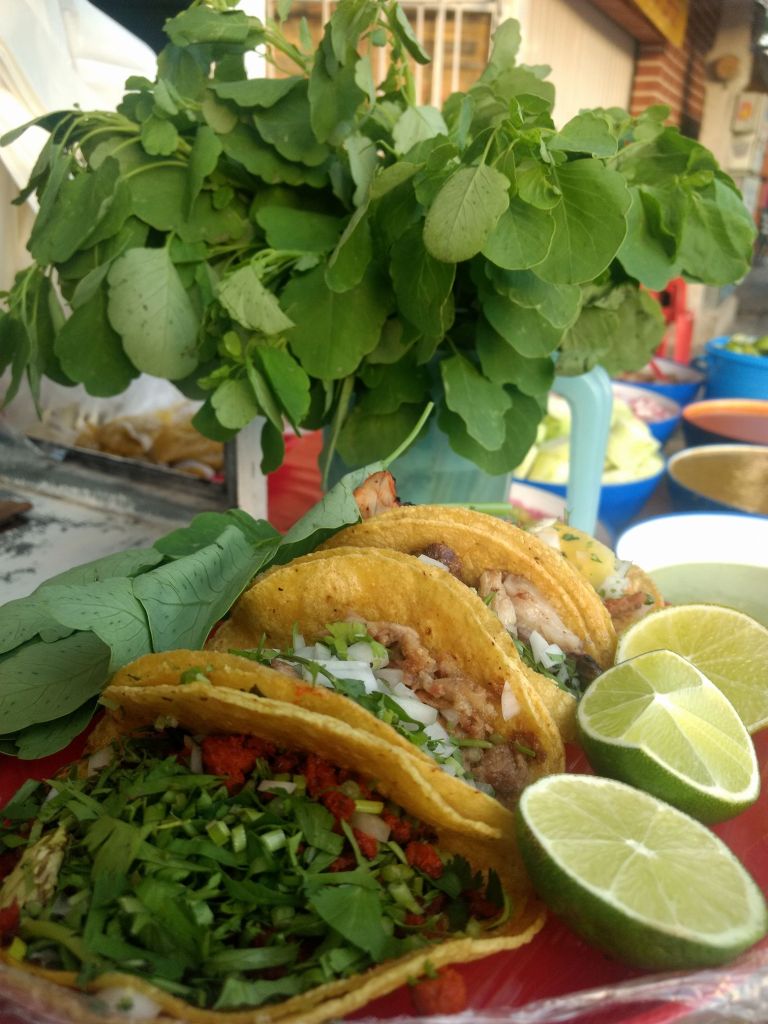

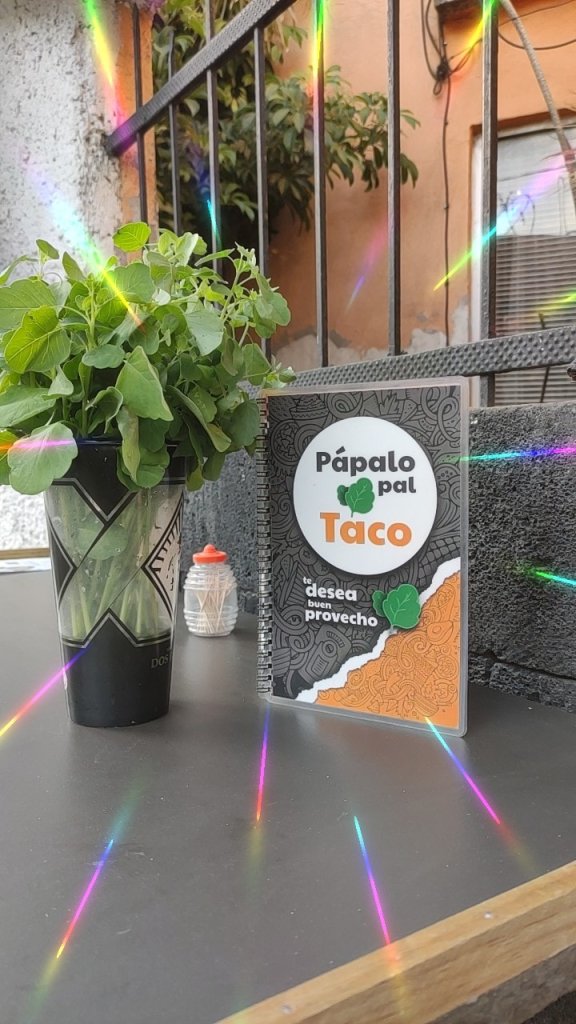
Must be a little late in the season. The papalo in the image below is filled with flower buds.

Madeleine Cocina
https://www.madeleinecocina.com/2013/10/enchiladas-en-atlixco-puebla/
This papalo was supplied by the Aqui Es Texcoco taco stand at the TASTE OF MÉXICO 2015 held at the Plaza de Cultura y Artes, a Mexican-American museum and cultural centre in Los Angeles, California. They “paired it” with lamb barbacoa tacos.
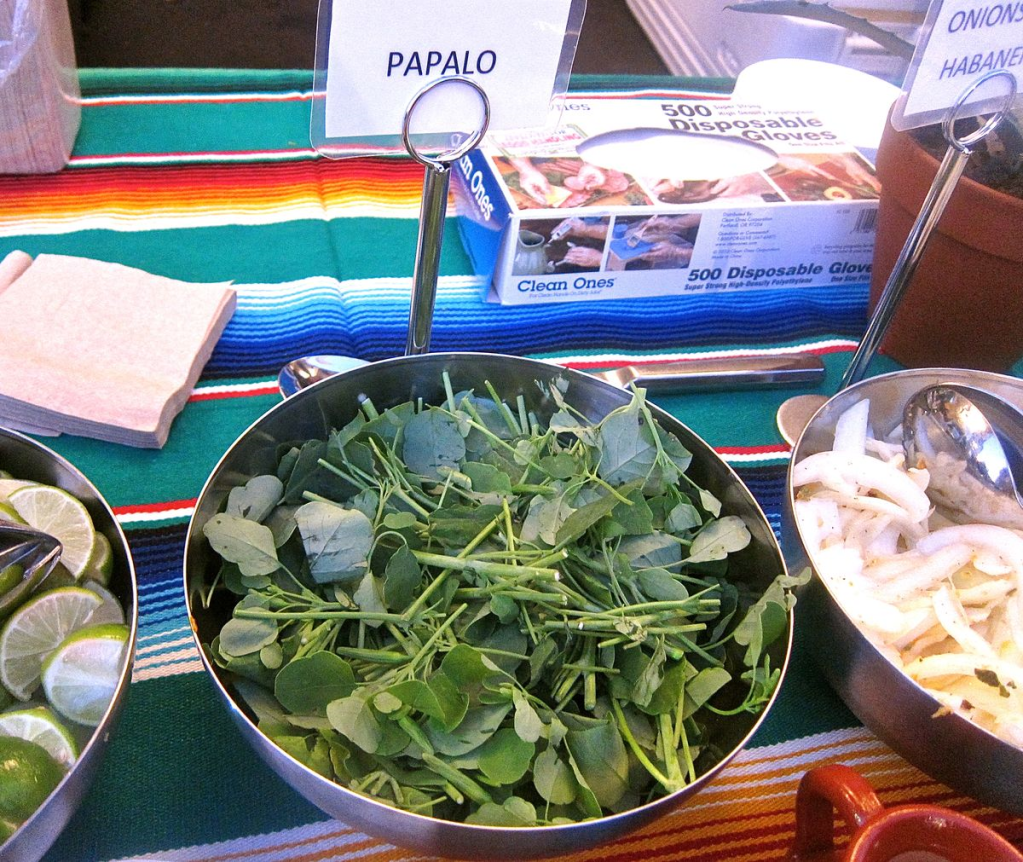
These guys below consider papalo to be one (of 7) of the most undervalued (indigenous) herbs of México (and I agree wholeheartedly)
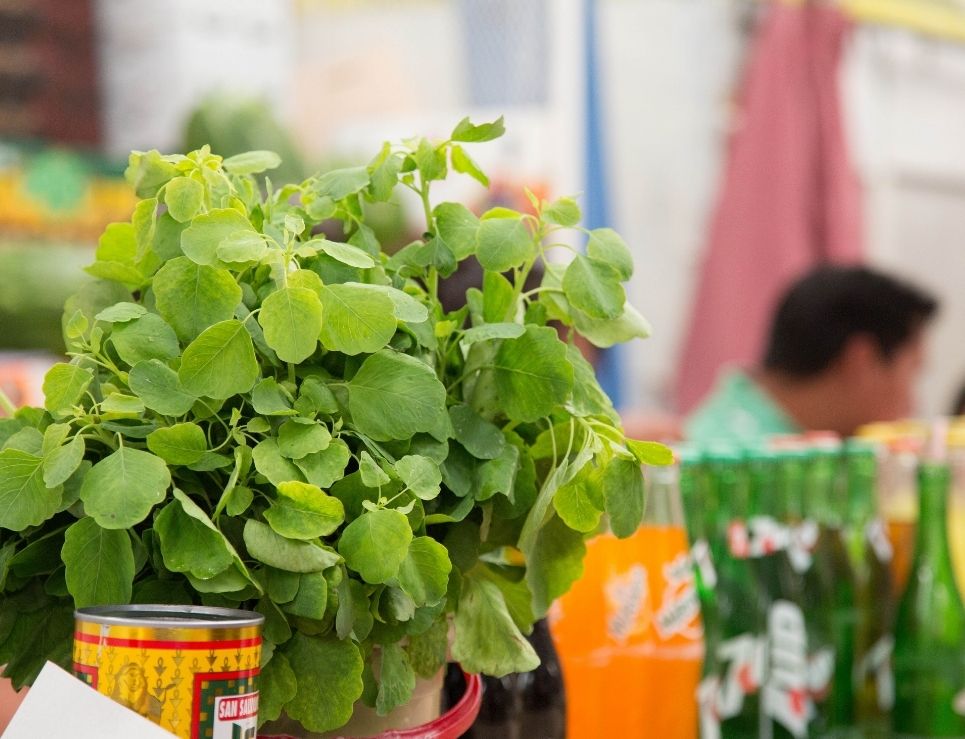
https://gourmetdemexico.com.mx/gourmet/cultura/cinco-hierbas-comestibles-mas-infravaloradas-en-la-cocina-mexicana/


Taco Maria offers more choice. Here the hungry diners were offered not only papalo (Porophyllum macrocephalum : Pápaloquelite : Porophyllum macrocephalum) but also Huacatay (a Peruvian/Bolivian herb Tagetes minuta : Huacatay Tagetes minuta), Mexican tarragon (Pericon – Tagetes lucida : Quelite : Pericón : Tagetes lucida) and por supuesto cilantro (Coriandrum sativum).
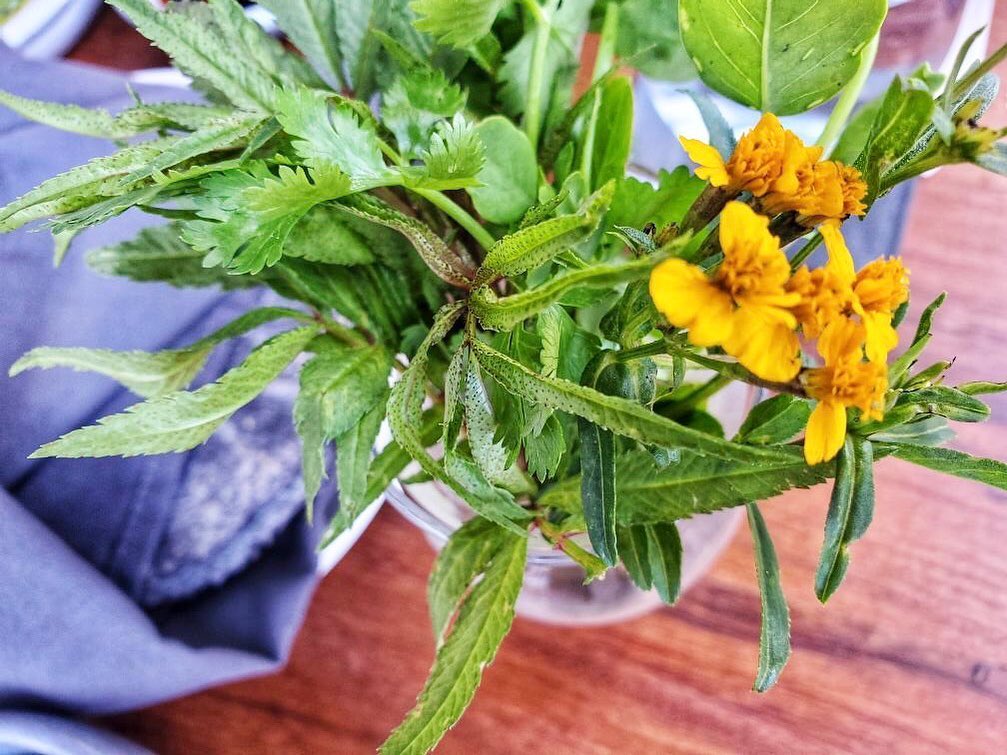
Taco Maria on Instagram
https://www.instagram.com/p/CTFlH5vpJwq/
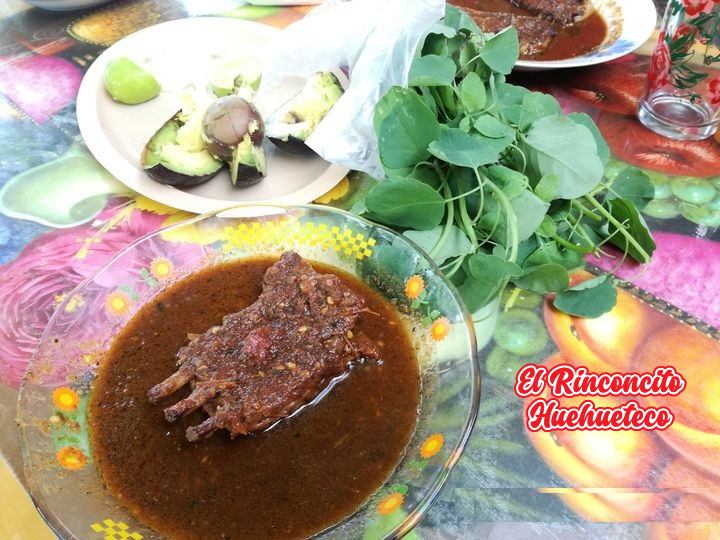
https://www.facebook.com/photo/?fbid=274318751912434&set=a.159937026683941
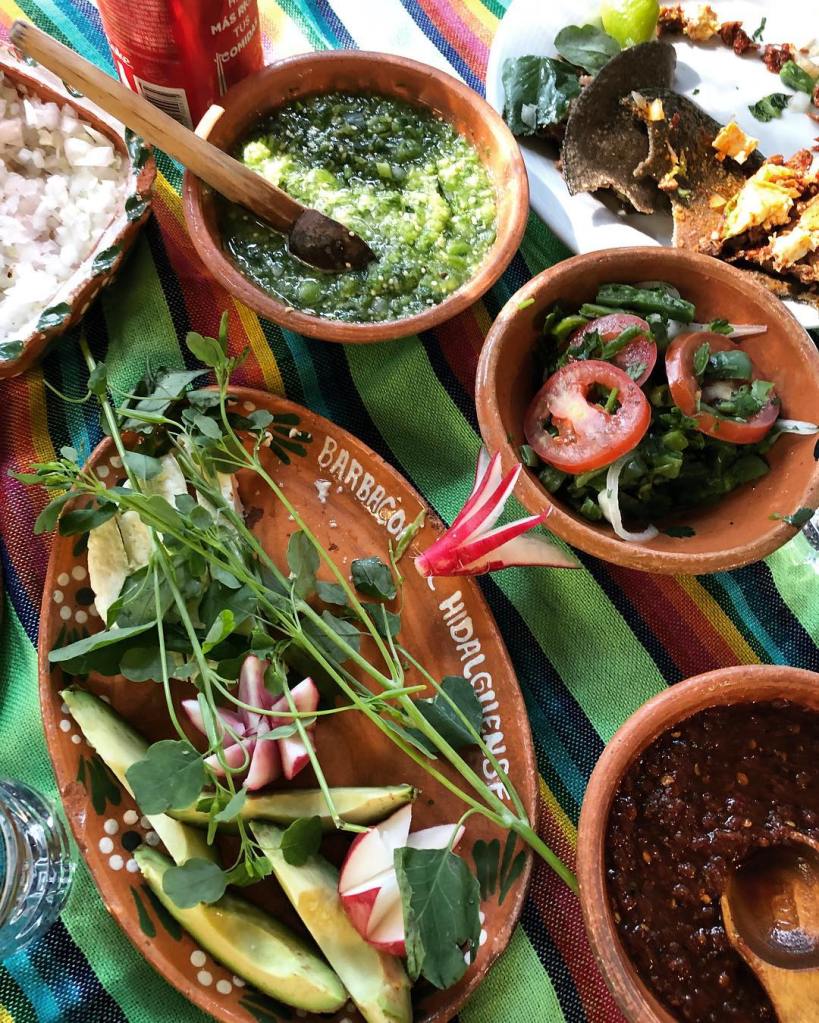
Via The Curious Mexican on Facebook
https://www.facebook.com/thecuriousmexican/photos/p%C3%A1palo-avocado-nopales-salsas-barbacoa-tacos-as-a-perfect-sunday-combo-taquitos-/2068758690011423/?paipv=0&eav=AfacprJRH9Oc9hvSpt3IQqAF2HZ72o-tQtdg60gUXDfKoROuhKM0ZpdGdOtVfx5QVuI&_rdr
Papalos unique flavour goes well with barbacoa.

Calle Gral. Venustiano Carranza 20 Pte. 2800 Toluca, State of Mexico
https://restaurantguru.com/Barbacoa-Chava-Toluca

Super Cemitas Alex, Puebla, Mexico
http://www.streetgourmetla.com/2011/01/super-cemitas-alexpueblamexico-cemitas.html
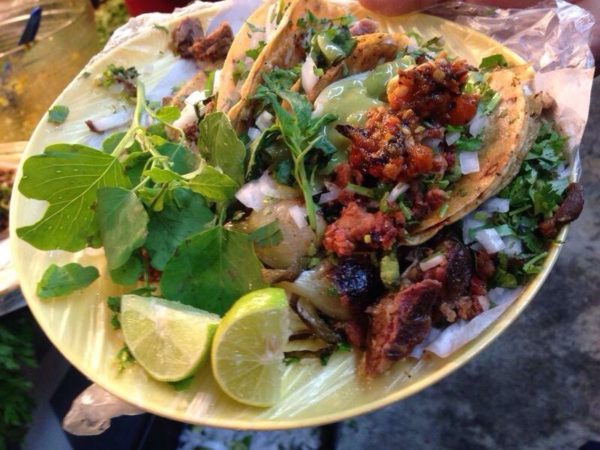
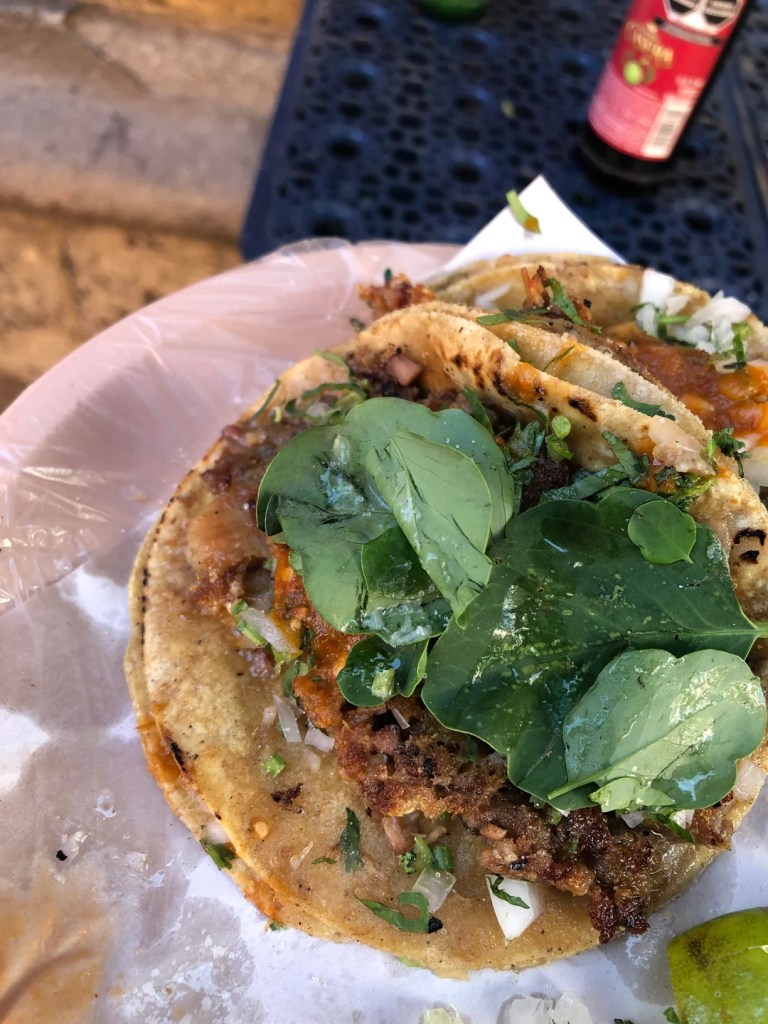
https://i.redd.it/in-mexico-city-fat-is-flavor-v0-mwkfmkqtg06a1.jpg?s=92f5447ed1637ab943a71c43aa0510b00cdd7da0
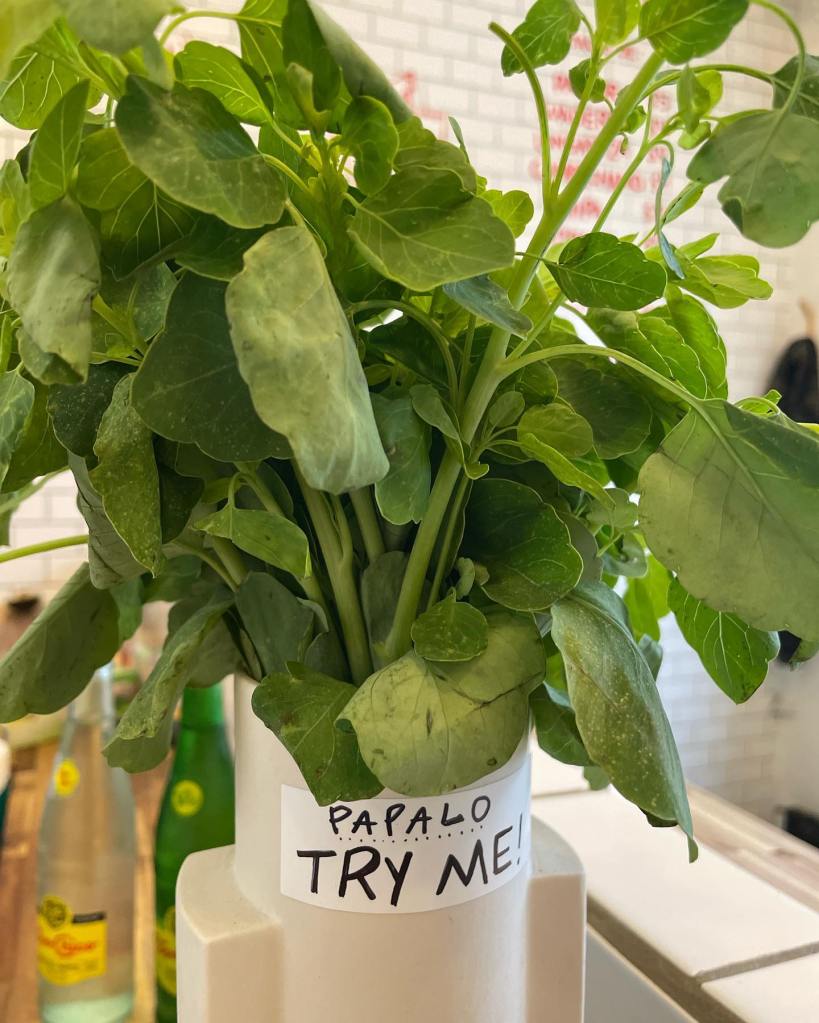
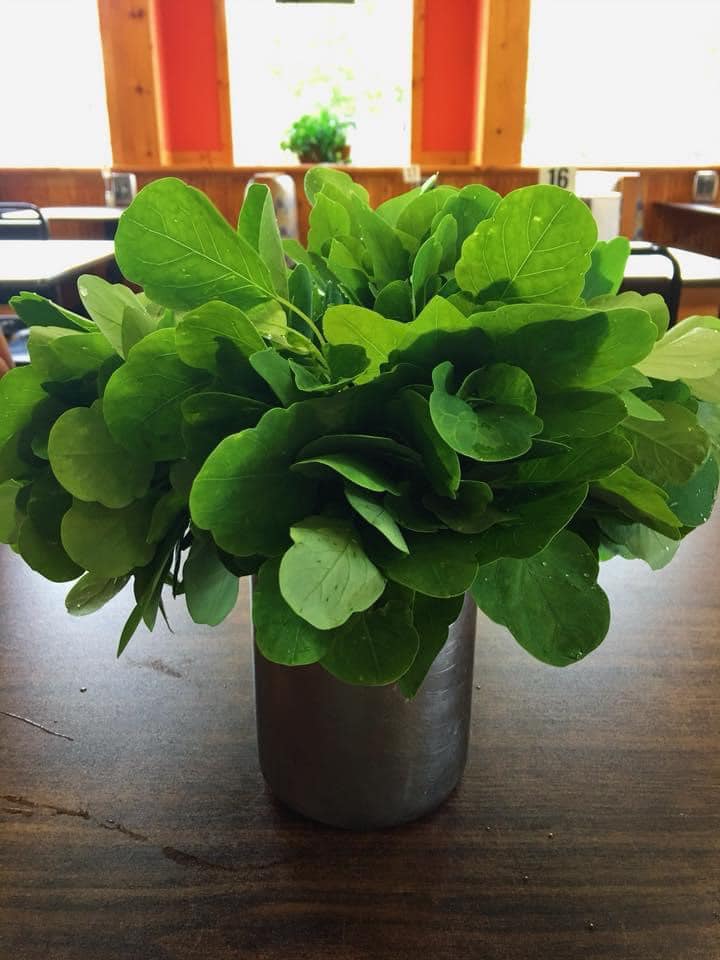
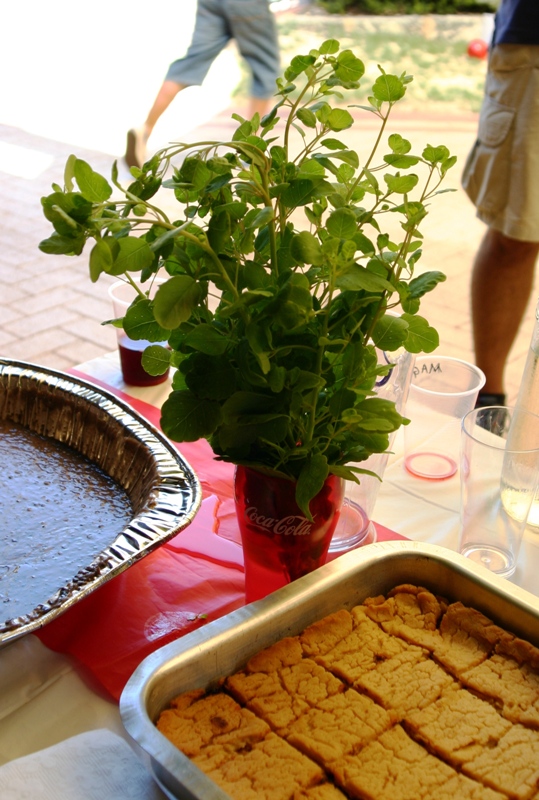
This was at my first taquiza with the Friends of México society. I had been growing papalo for a couple of years by this stage so I bought some with me. The Chilangos in the group were quite surprised and pleased to see this herb which none of them had seen since coming to Australia. Many of the Mexican herbs I wish to cook with I have to grow myself as they are not readily found in Australia. I also do this with other Mexican plants such as toloache and floripondo (these are not culinary plants though).
It was at this taquiza that I also earned the nickname “jamaica man” as I also bought with me a few litres of agua de jamaica (1) which proved to be a hit with everyone. I now have to supply (minimum) 20 litres of jamaica whenever I show up to a FOMEX event (2). Ah papalo te amo.
References
 Masa Americana

