



Mexican Yellowshow
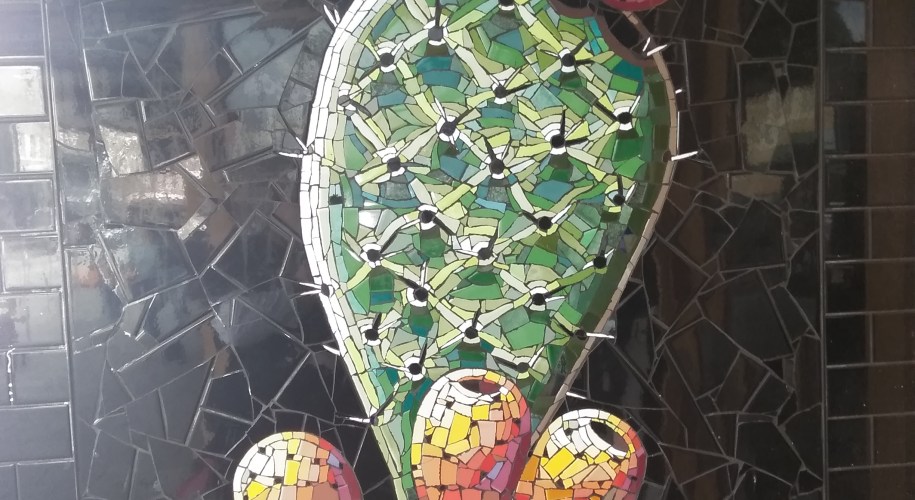
Identificación de plantas mexicanas posted on their Facebook page an image of this plant from the Que chulada oiga (1) page. They mention that “a good sinaloense has eaten from this plant” (2) and then asked “what do you call it?” (rough) translation : “That’s Awesome” A page celebrating Los Mochis, a coastal city in northern Sinaloa, Mexico Un buen sinaloense ha comido de esta … Continue reading Mexican Yellowshow

Mi colección peruana : My Peruvian Collection
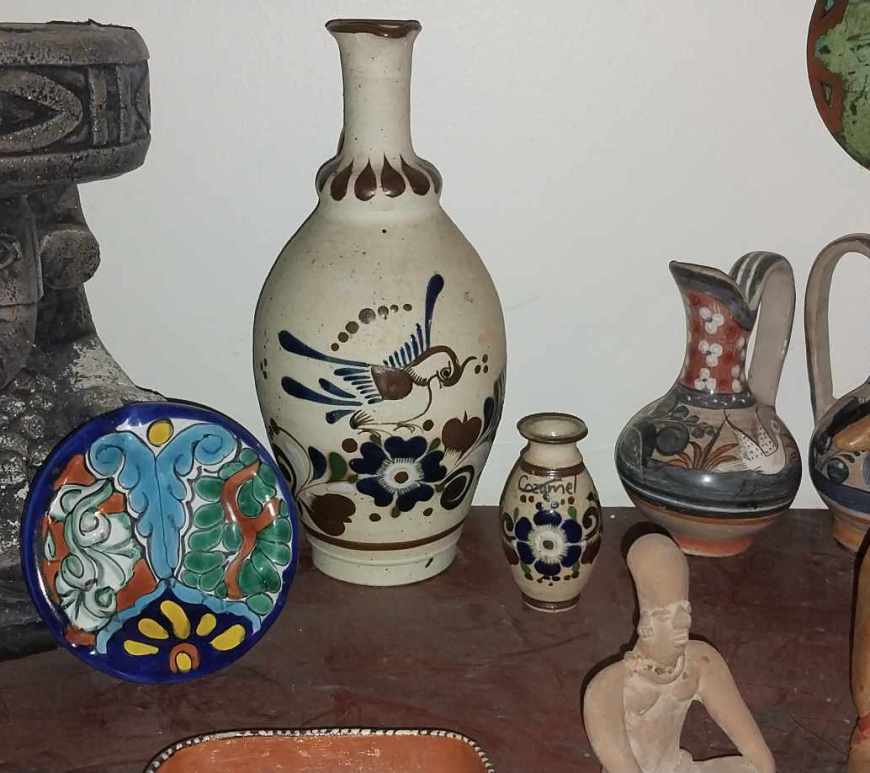
For more on Tonala style pottery check out Mexican Ceramics. Tonala Even though the primary focus of my collecting is that of Mexico, along the way I have come across other “Latin American” art and recently I came across a piece from Peru that caught my eye. Now most of the stuff I have found has been in thrift stores and consists of fairly standard … Continue reading Mi colección peruana : My Peruvian Collection
Mexican Ceramics. Tonala
The first piece of Mexican ceramics that entered my collection is the statue of Xochipilli as shown below. I carried this (and several other pieces) in my hand luggage from Mexico City to Los Angeles and then on to Sydney and Perth Western Australia. 40 hours by plane and not a single piece broken. I picked this piece up at Mercado de Artesanías de la … Continue reading Mexican Ceramics. Tonala
Yoli. Refresco Guerrerense
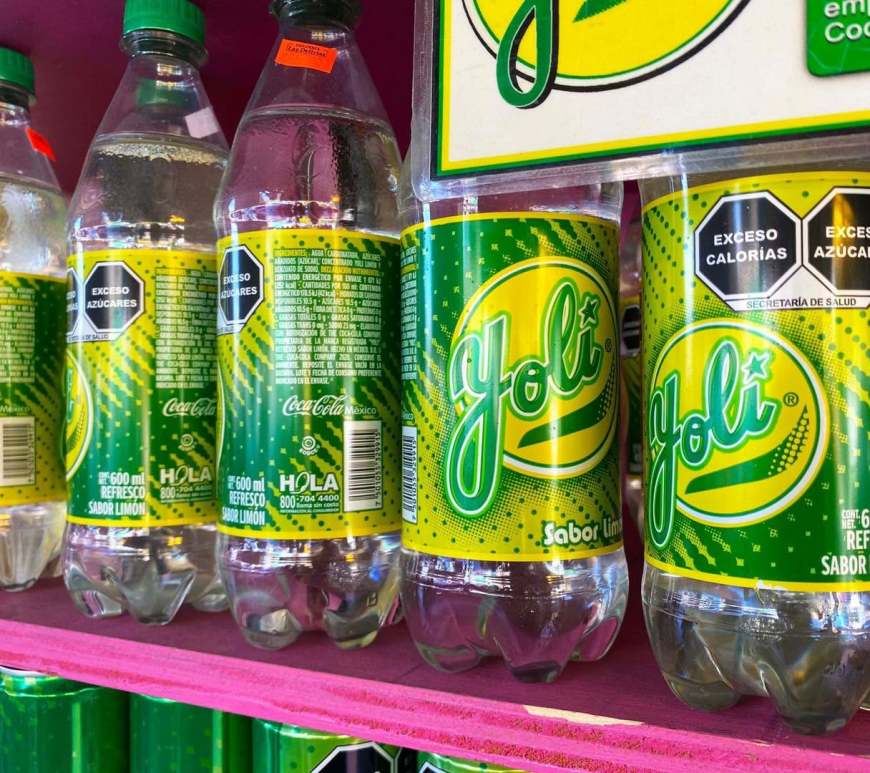
In 2025 I visited Tetipac in Guerrero to visit the childhood stomping grounds of a friend whose family has deep roots in the region. Aside from jumiles one of the things he wanted me to try was a refresco from his childhood, and one unique to the region, called Yoli. The drink was a variety of “lemonade” that proved to be very refreshing particularly as … Continue reading Yoli. Refresco Guerrerense

Máscaras : Dancing Devil Faces : Aya Huma of Ecuador
Cover Image via El Universo 2014 I have been in my new residence for nearly five years now and I am still yet to unpack every box transferred in the move. During an exploration of some of these boxes last week (I was looking for a particular book) I rediscovered a mask that I had long forgotten about. I found it, like most of my … Continue reading Máscaras : Dancing Devil Faces : Aya Huma of Ecuador
Nariño. The Place, People, and its Pottery.
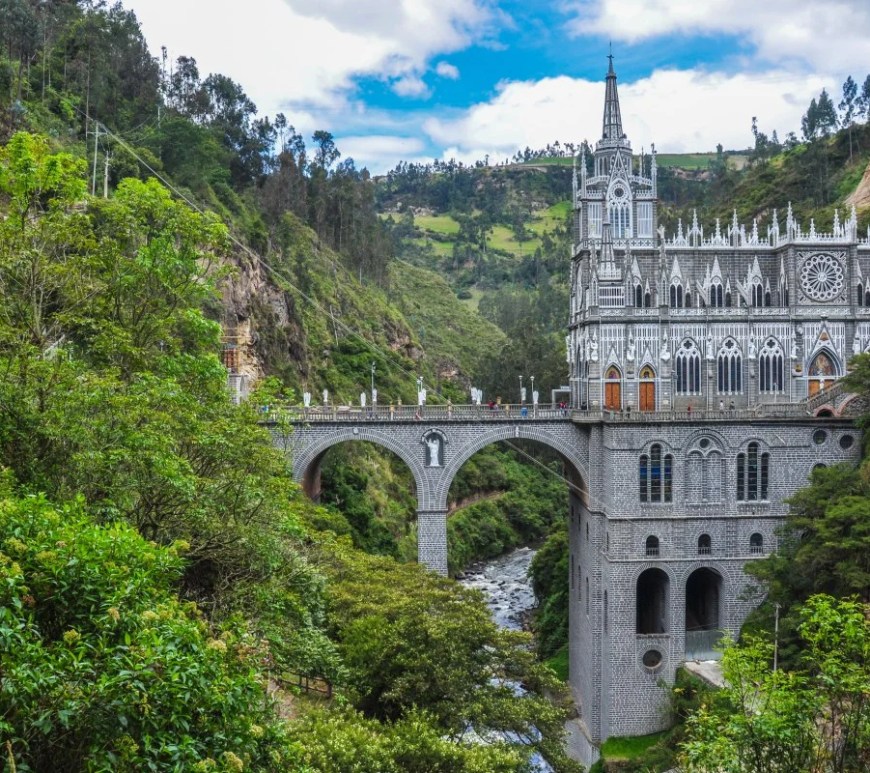
Cover Image : Las Lajas Sanctuary in the Nariño department of southwestern Colombia. This stunning neo-Gothic basilica was built inside the deep canyon of the Guáitara River. The church sits on a massive stone bridge that spans the 100-meter-deep canyon. Known as a miracle over the abyss, it has drawn global pilgrims since the 18th century to honour the Virgin of the Rosary of Las … Continue reading Nariño. The Place, People, and its Pottery.
Flores Medicinales : Matlalxochitl
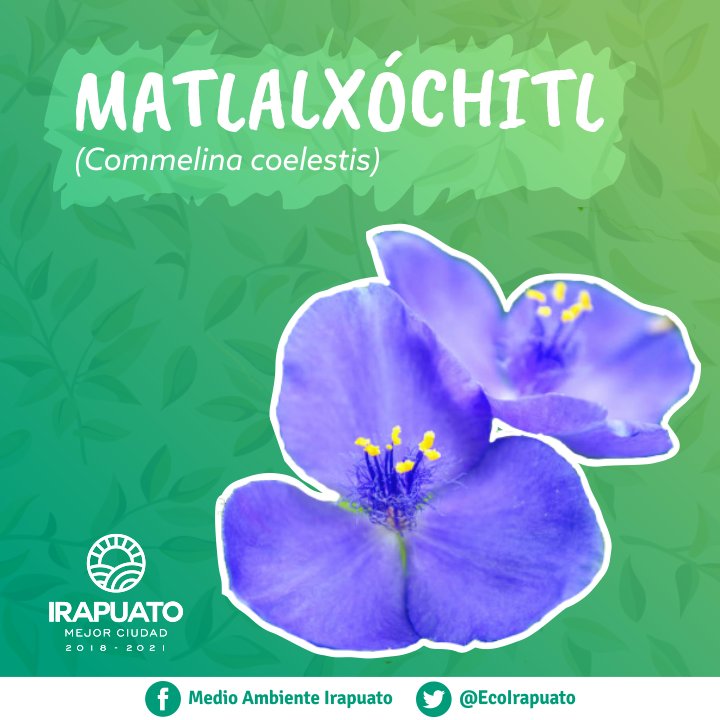
Botanical synonyms and subspecies Allosperma tuberosa (L.) Raf. Commelina acuminata Kunth Commelina alpestris Standl. et Steyerm. Commelina coelestis fo. albipetala Matuda Commelina coelestis Willd. Commelina dianthifolia Delile Commelina elliptica Kunth Commelina fasciculata Ruiz et Pav. Commelina graminifolia Kunth Commelina pallida Schltdl. Commelina pallida Willd. Commelina tuberosa L. Commelina tuberosa Lour. Commelina tuberosa Redouté Commelina tuberosa var. inflata M. Martens et Galeotti Commelina tuberosa var. nana M. Martens et Galeotti Also called : barquito, cacamatlalin (Bye and Linares, 2013), caña de pollo, … Continue reading Flores Medicinales : Matlalxochitl
Itzcoatls Mum*
*that’s “mom” for all you Canucks and ‘Muricans My first introduction to Itzcoatl, the 4th Huey Tlatoani of the Mexica people came via my studies delving into the category of herbs called quelites. Various depictions of the man, a man who, for all intents and purposes, was the bastard son of a peasant and, who was able, through the opportunities afforded him by being a … Continue reading Itzcoatls Mum*

Quelite : Metezurras
This Post is purely for informational purposes only. I have no personal experience using this herb either culinarily or medicinally and as much of the information on this species can be contradictory I recommend caution be demonstrated. A caution like this also demonstrates somewhat the loss of knowledge with regards to plants of this nature. The wild, weedy plants are often overlooked and replaced with … Continue reading Quelite : Metezurras
The Tortillero : An Unsung Kitchen Hero
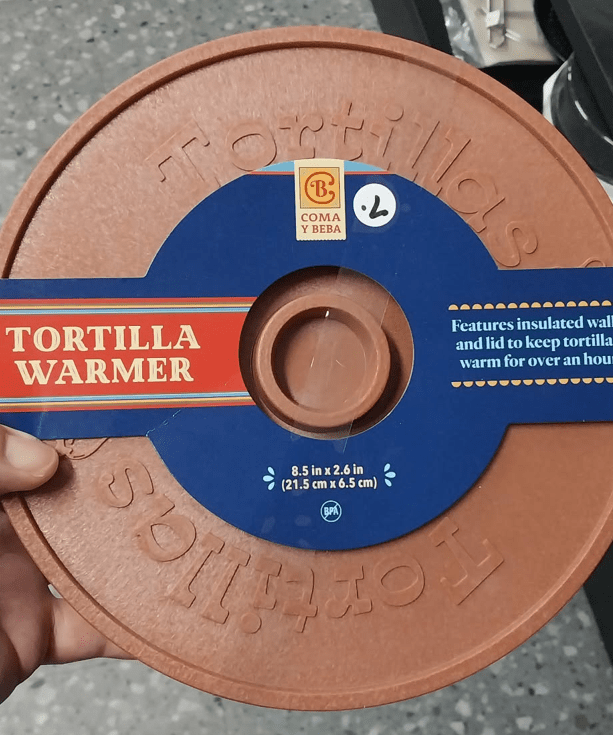
It never once crossed my mind until I came across this tortilla warmer I found it on Facebook Marketplace and was immediately drawn to its 1970’s aesthetic. My initial reaction was to frame it like the piece of art that it is and display it rather than use it for its intended purpose. It was this “intended purpose” that slowed me down and got me … Continue reading The Tortillero : An Unsung Kitchen Hero

