
Whaaaaa???
Papalo in mezcal??
Have I died and gone to heaven?
I do have some questions though. Well, only one really.
Who is the genius that came up with this one?
OK, OK, I do have a second question. Pechuga or abocado?
Now a pechuga starts with a double distilled mezcal which is then distilled a third time. In this third distillation any number of ingredients may be added (i.e. seasonal wild fruits such as apples, plums, plantains, bananas, or pineapples and maybe some spices) but the key factor, the pechuga (breast – as in chicken breast) is meat from a whole raw chicken breast, turkey breast, or piece of venison (sometimes jabali – wild boar – is used) which is suspended in the still so that the distillation vapours pass over the pechuga to create a particularly flavoured mezcal.
An abocado (yes it’s a real word and no I don’t mean avocado) is an infused or sweetened mezcal. No triple distillation is required. It is an actual thing and is regulated by NORMAS or a NOM (1). The NORMAS are written into Mexican law and in this case the definition of an abocado is ….Mezcal al que se debe incorporar directamente ingredientes para adicionar sabores, tales como gusano de maguey,damiana, limón, miel, naranja, mango, entre otros, siempre que estén autorizados por el Acuerdo correspondiente de la Secretaría de Salud (Ver 2.10), así como en la NOM-142-SSA1/SCFI-2014 (Ver 2.2) (2)
- Norma Ofical Mexicana. Each NOM corresponds to a specific (typically a) tequila distillery (although in this case we’re talking about mezcal distilleries) that has met strict government standards for production and distillation
- Mezcal that includes ingredients for additional flavors like the maguey worm, damiana, lemon, orange, mango, among others provided that they’re authorized by the Secretary of Health. (Ver 2.10), así como en la NOM-142-SSA1/SCFI-2014 (Ver 2.2).
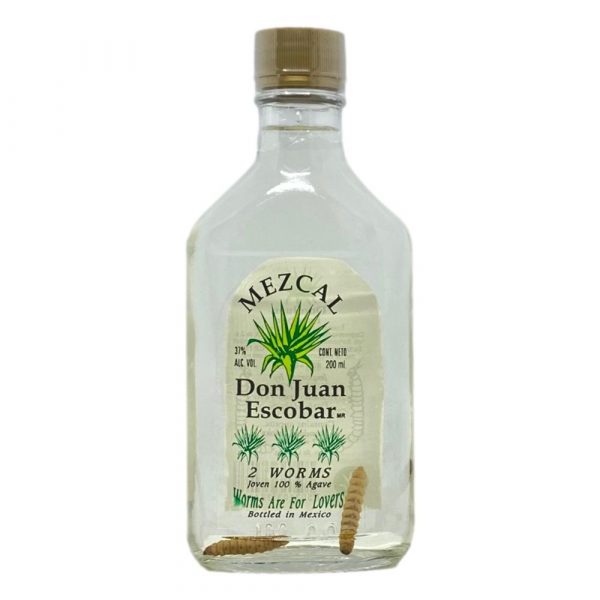

Technically these (above) can be called abocado because the gusano (not a worm but the larvae of a butterfly or moth) and the escorpion are infused in the mezcal rather than being distilled into it. I have drunk both of these varieties (and eaten the scorpion too)
These types of mezcal however are argued to be inspired by tourism rather than a mezcaleros desire to elevate the art of mezcal. This new one however is a little different.
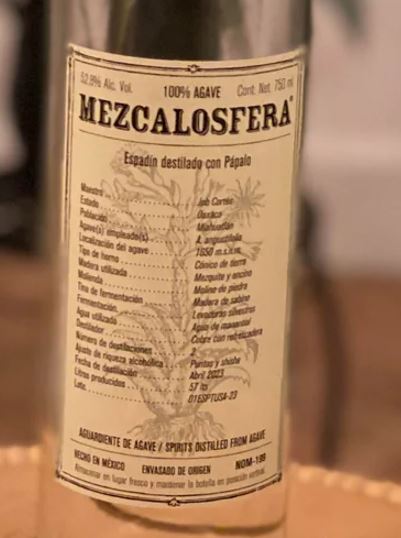
So what do we have here then?
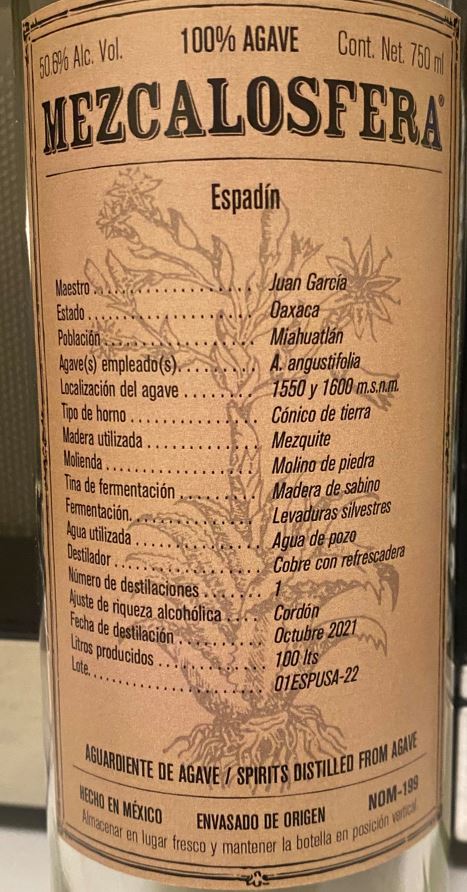

For more info on Papalo check out Quelite : Pápaloquelite : Porophyllum macrocephalum
So…..
Mezcal espadin +papaloquelite =

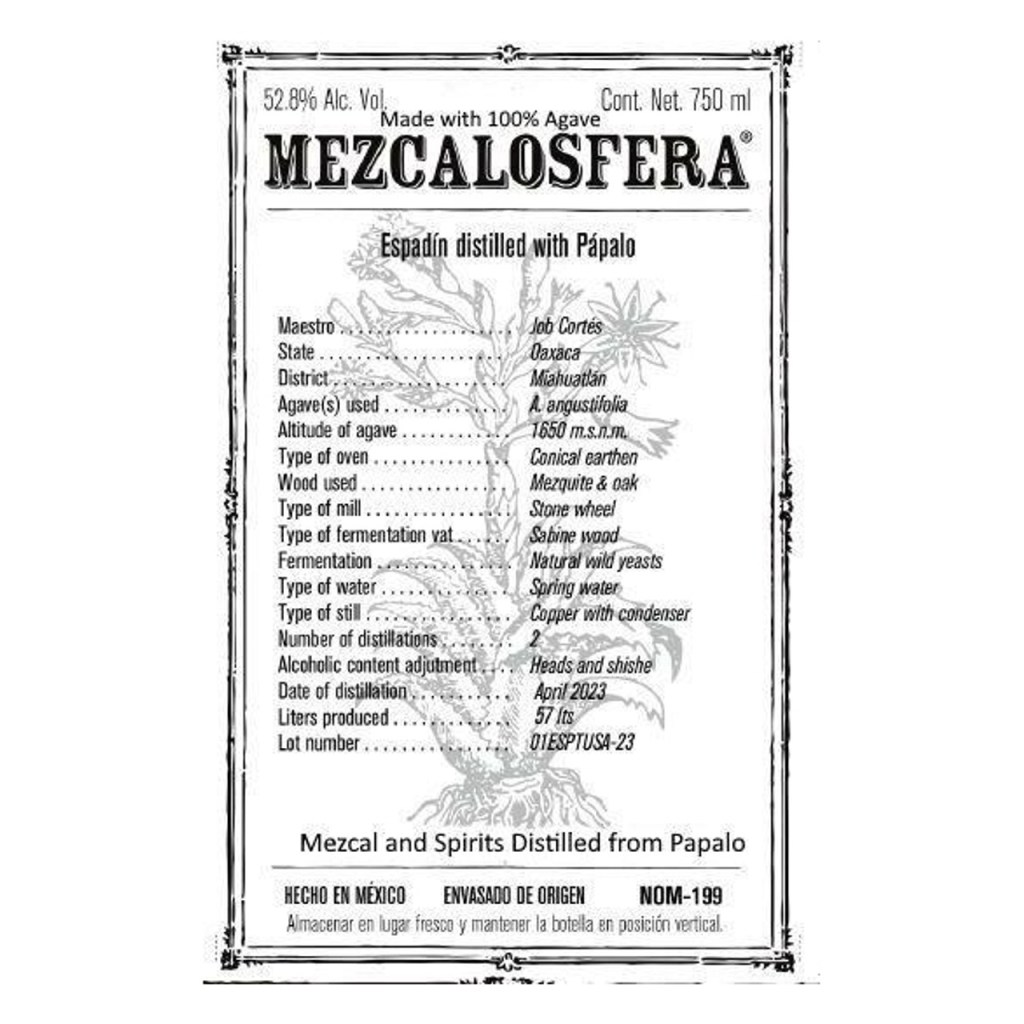
Tequila and Mezcal : A Primer : How to read a tequila or mezcal label.
Now. Is this a pechuga or an abocado? Lets look into it (honestly I don’t really care. I just want to drink it). I am curious about the artist though.
According to the tasting done by SpicVanDyke (via reddit) this mezcal has scents of “basil, spinach, kale, avocado leaf, eucalyptus, cilantro, dried tobacco, green pepper, and salsa verde” whose intensity is carried forward by its ABV (1). Spic van D was also quite surprised by the flavour of this expression and detected notes of “basil, arugula, sautéed spinach, kale, rosemary, thyme, eucalyptus, cilantro, black pepper, green pepper, salsa verde, avocado, and lime peel” and notes that “This is the most potent pechuga expression I’ve ever had, bar none. Dark, leafy, grungy, just way out of my wheelhouse entirely. Papalo seems to be a very potent herb because it just dominates the distillate here”. I can only assume by this that he has not actually eaten papalo before (Head out and get yourself a cemita Spic).
- Alcohol By Volume – the concentration of alcohol in the liquid. The higher the number, the higher the alcohol content. Beers have an ABV between 3.5% – 7% (some go higher though) and most distilled liquors fall somewhere between 40% – 50% ABV.
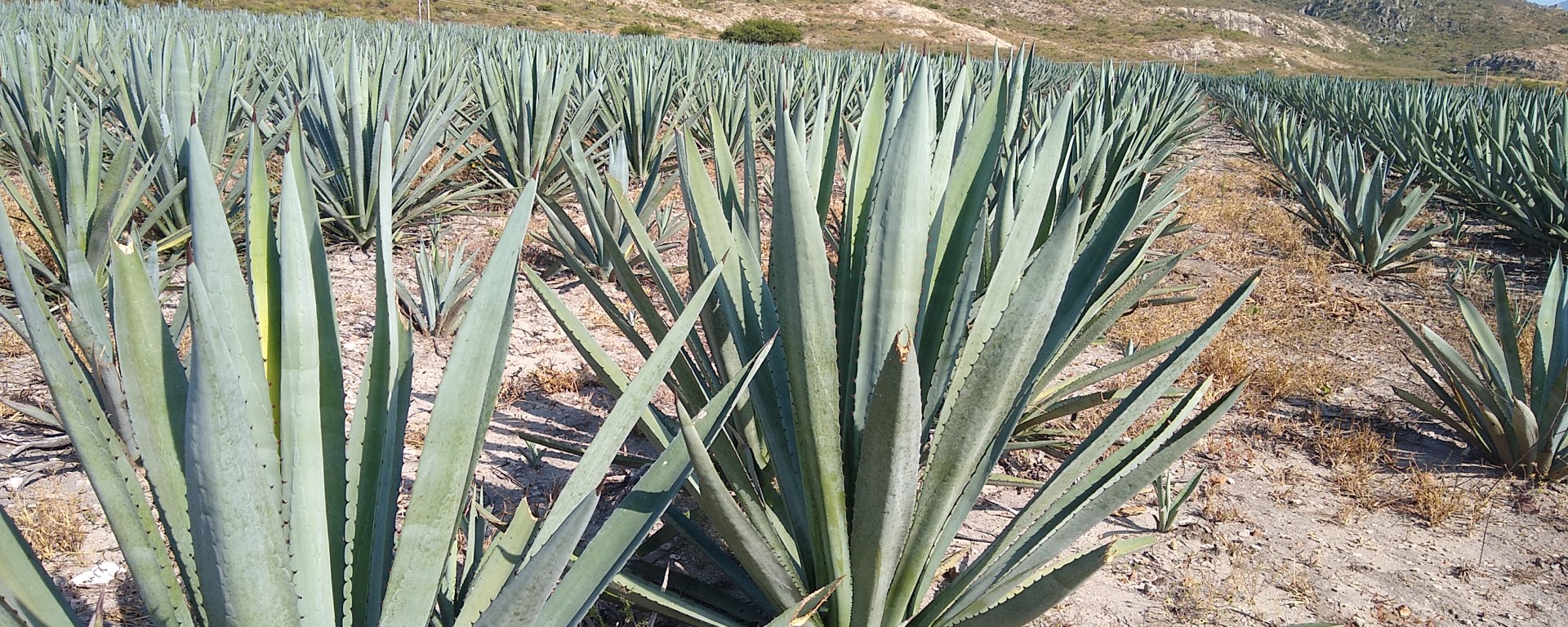
The base for this mezcal expression is Espadin.
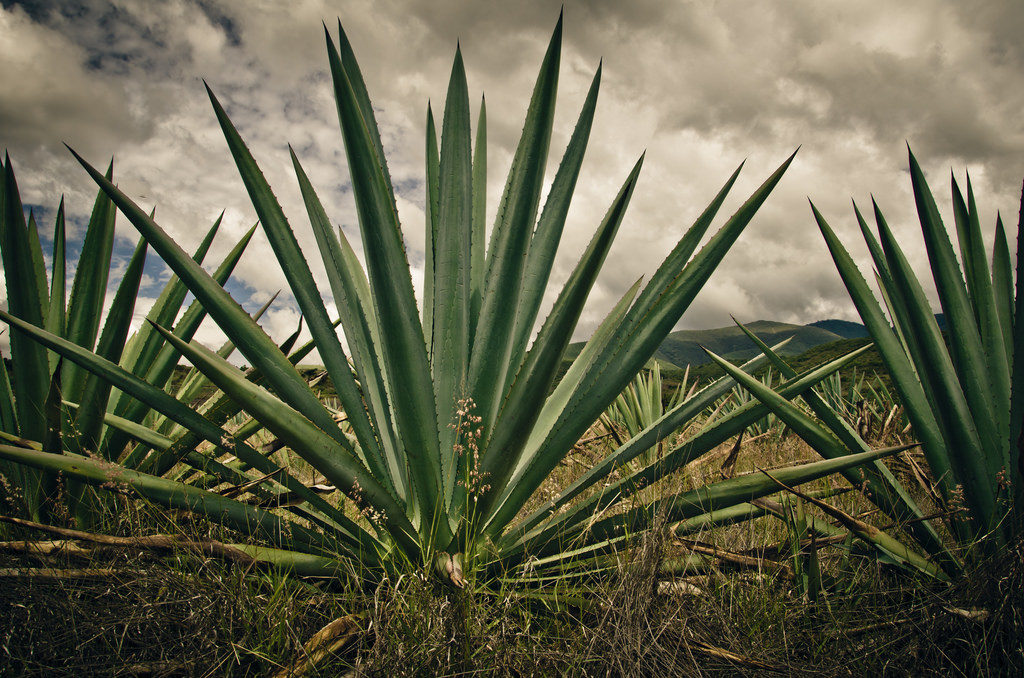
The scientific name for the agave used to make espadin is Agave angustifolia Haw but is more commonly known as maguey espadín or espadilla , maguey de mezcal or mezcalero and Dob-Yee. Its name comes from the Latin Angusti , which means narrow and describes the thin shape of its long leaves; The abbreviation Haw comes from the surname of the English botanist who classified it: Adrian Hardy Haworth. Around 70% of mezcal production comes from this variety. It is found both wild and cultivated.
This mezcal, produced under the label Mezcalosfera is on the export label from Mezcaloteca, a mezcaleria in Oaxaca dedicated to sharing traditional and regional artisinal mezcales. The name Mezcaloteca is a play on words and is a portmanteau of mezcal and biblioteca (library) and describes exactly what they do in cataloguing these regional distillates.
Mezcalotecas goal is to introduce people to the biodiversity, culture and traditions of mezcal. The agave spirits in Mezcaloteca’s library come from all over Mexico. Not all are certified as mezcal by the CRM (1) but they are all within “the historic patchwork of mezcal history and culture”.
- the Mexican government’s Regulatory Council of Mezcal (CRM), which is responsible for overseeing the production, labeling, and certification of mezcal.
Mezcaloteca opened in Oaxaca in 2010 and has dedicated itself (themselves?) to the conservation and dissemination of diversity in traditional mezcals and their biocultural processes. They promote mezcal masters and their traditional production processes
To quote Mezcaloteca’s literature directly, “Maestro mezcaleros are born into a long-standing tradition of mezcal production … passed down from generation to generation. The mastery of the tools, processes, care and selection of maguey that maestro mezcaleros have varies from region to region and is tied to the natural and cultural environment that its inhabitants have developed over generations. This results in “historic taste,” the taste of tradition; by definition, each maestro mezcalero is attached to the particular taste of his [or her] region. Without the traditional maestros mezcaleros, we would lose the biological and cultural wealth that mezcal provides to Mexico, as they are the keepers of this knowledge and the only experts alongside the people at the origin of mezcales.” (1)


Mezcalosfera de Mezcaloteca is the export label for Mezcaloteca. They aim to source all of their spirits directly from producers in the wilds of Oaxaca and have dozens of different varieties available for sale at their tasting room in Oaxaca City. Most of their spirits are labelled “Aguardiente de Agave”, however all of their limited exports are certified “Mezcal” (1). These mezcals are imported into the United States by Heavy Metl Premium Imports, which also imports popular brands Mezcal Real Minero and Rey Campero Mezcal.

The mezcal we are looking at today has been made by fifth-generation Mezcalero Job Cortés in Miahuatlán, it is double-distilled in copper pot stills, with papalo leaf being added during the second distillation. Job Cortés is the son of maestro mezcalero Margarito Cortés, and the brother of Felipe de Jesus Cortés.
64 year old Maestro mezcalero Margarito Cortes from Mengoli de Morelos, Miahuatlan de Porfirio Díaz, Oaxaca was taught to mezcal by his father and grandfather and is continuing this tradition with his brother and sons and has been working with Mezcaloteca since 2009. He produces mezcals from Tobala, Bicuixe, Barril, Espadin, Coyote, Tepextate, Pulquero, Sierrudo, and Tobaxiche and of course produces mezcals such as this one which have been distilled with other ingredients (so technically it’s a pechuga as the papalo is distilled in rather than infused?) (1)
- he also uses mango, chile habanero, coffee and seasonal fruits in some of his expressions
The Maestros (I couldn’t find a picture of Job)


Images via http://www.tenzingws.com/blog

References
Websites
- https://mezcaloteca.com/
- https://revistaquixe.com/2020/12/16/agaves-populares-que-seguro-has-probado/
- https://www.reddit.com/r/Mezcal/comments/16h9s9l/review_189_mezcalosfera_espadin_destilado_con/
- https://www.mezcalistas.com/brand/mezcalosfera/
- http://www.tenzingws.com/blog/2020/8/5/the-maestro-mezcaleros-the-keepers-of-the-knowledge
Images
- Cover Image : Agave angustifolia plants near Yagul Oaxaca : Thayne Tuason – Own work, CC BY 4.0, https://commons.wikimedia.org/w/index.php?curid=121411657
- Mezcal math Image : https://www.mezcalistas.com/mezcal-math/
 Masa Americana