

As a chef I have amassed a collection of books regarding the cuisines of many cultures. The largest section of my collection is by far the books on México (and México adjacent) cuisine. This is a small journey through the library of my mind.

This was the book that fundamentally changed my understanding of Mexican cuisine and cookery.
This book also introduced me to the quelites, in particular papaloquelite. I cannot explain the attraction but I was immediately drawn to the name. This is over 25 years ago so the internet was not the behemoth it is now and by and large if you wanted to research something you had to go to a library or find it in a physical book. Even purchasing books was more difficult as you didn’t have access to the global market as you do today.
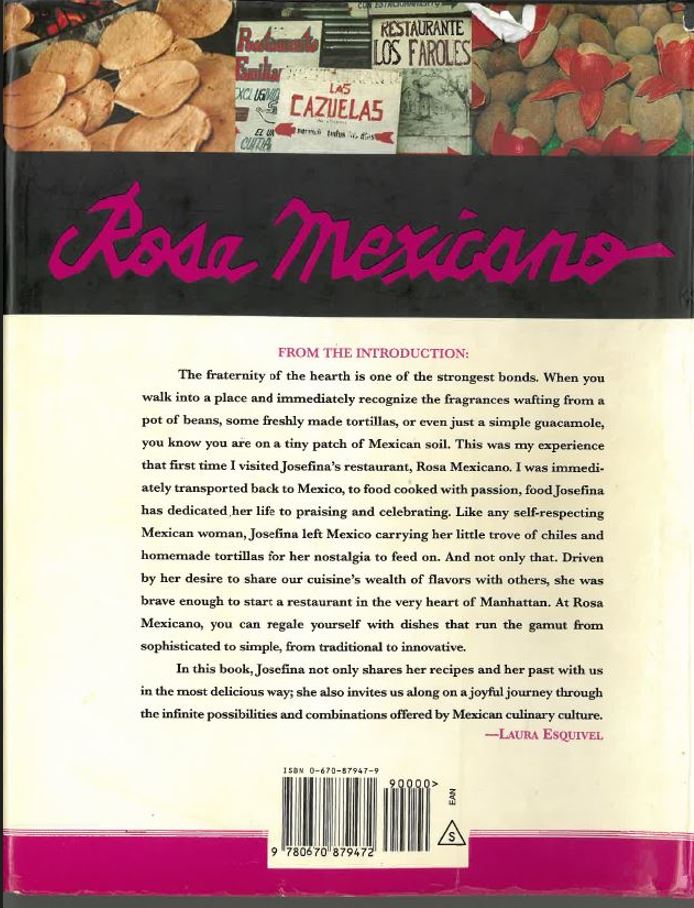
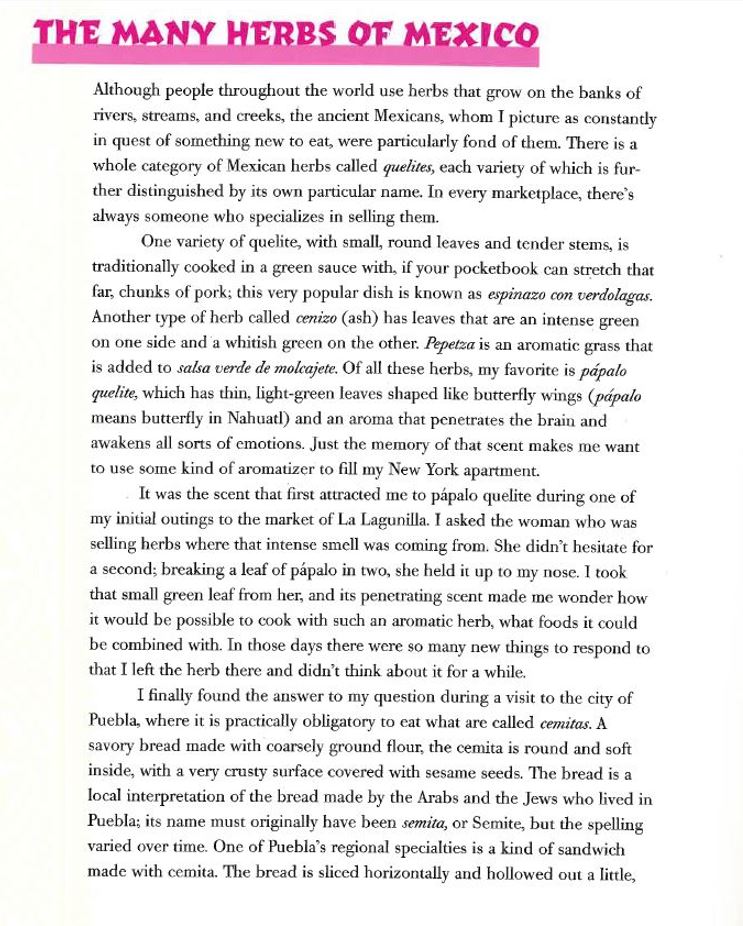

Josefinas book led me to search for papalo and it kept popping up as a herb suitable to substitute for cilantro (which is a bit ironic because it seems that – at this stage anyway – this herb was uncommon now in México due to the fact that it had been supplanted by cilantro).

Savilles book is an excellent reference for little known culinary herbs. The image in this case is incorrect though. Familiarity with a plant is vitally important (particularly if you are going to ingest it as food or medicine). A Note on Deer Weed : The Danger of Common Names. Porophyllum ruderale – which I know as Quillquina – is often identified as papaloquelite. This is not uncommon (see “A Note on Deer Weed” as mentioned above). Papaloquelite has the varietal moniker “macrocephalum” which means “big head” in reference to the leaves. The Poro -phyllum means “pored leaf” and ruderale means the plant is one of “disturbed areas” in particular where humans have cleared the ground of its current vegetation (this includes roadsides). This can also include areas that have been cleared by fire.

My saviour in those days of no internet or global bookstore access was Elizabeths bookstores. With a few locations spread around the city of Perth in Western Australia (I like the Fremantle locations) these stores are a bounty of treasures just awaiting discovery. The two books above, and the one below, are all bounty gleaned from the overflowing shelves at Elizabeths.
https://www.elizabethsbookshop.com.au/
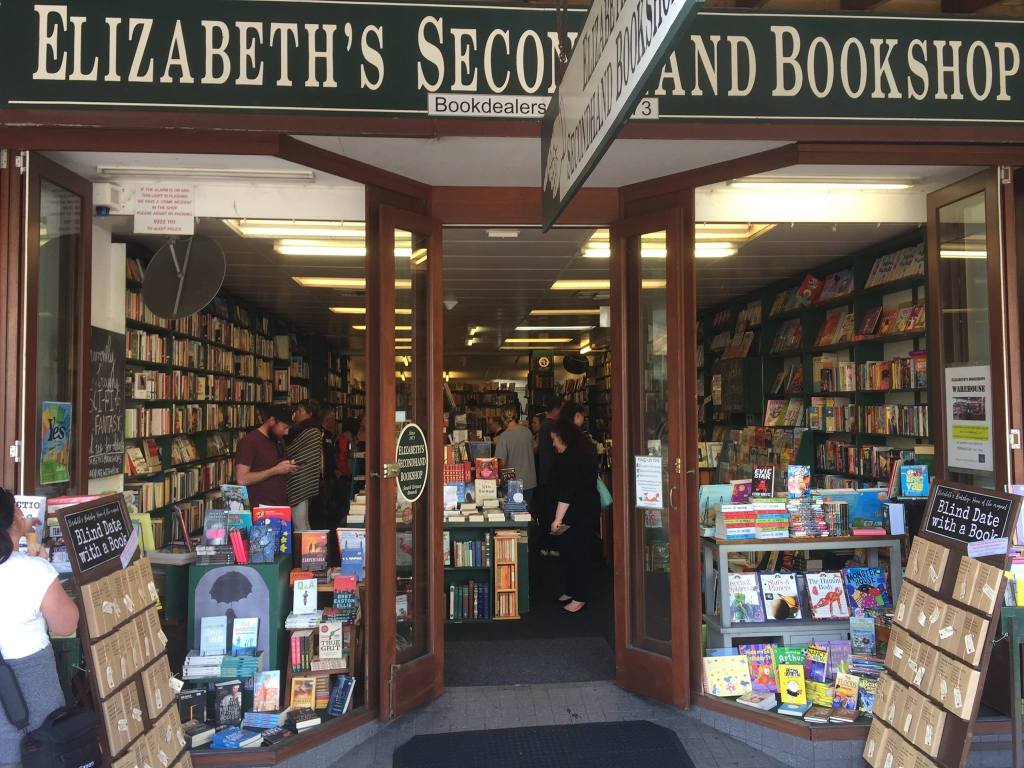
Packed to overflowing (and conveniently just across the road from a most excellent café – more on Gino’s later)
Don’t know what to read? Elizabeth (and yes there is an actual Elizabeth) has you covered. Take a gamble. Go on a blind date with a book.

Follow me down the rabbit hole.

My birthday happened to occur during the writing of this Post and by some serendipitous universal synchronicity one of my work colleagues (who knows I like both books and libraries and had no idea I was writing this) gifted me a Blind Date with a Book. Time to take a day off work I guess.
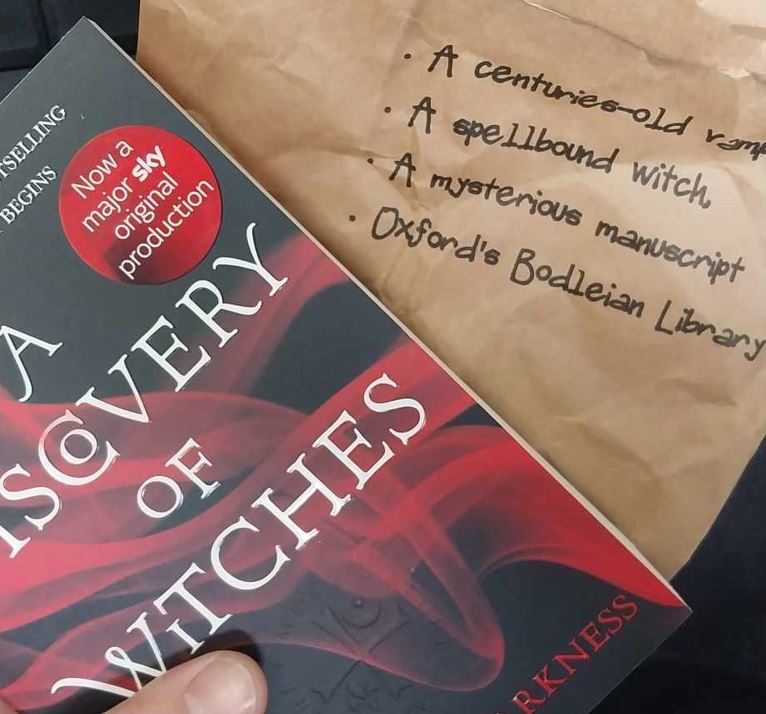
Ahhhh. Books.

Lets return to the quelites.
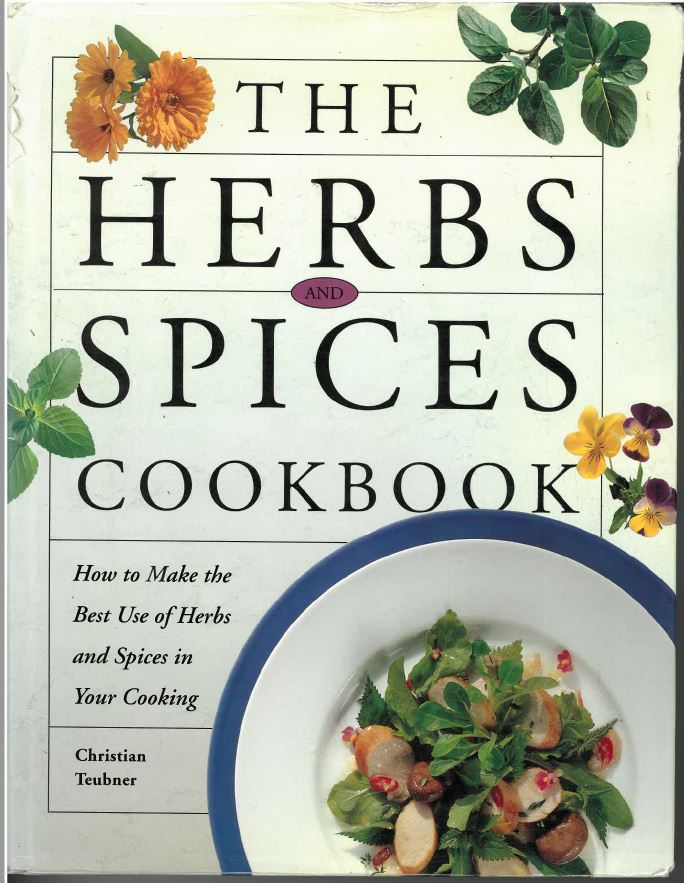
Papalo popped up again (as a cilantro substitute) in this excellent book by Teubner (and also an Elizabeth’s find). Both Saville (above) and Teubner (below) though only showed images of P.ruderale.
P.macrocephalum (papaloquelite) still lay just outside my reach.
It should be noted that papaloquelite is designated Porophyllum ruderale spp (1) macrocephalum or (more scientifically) Porophyllum ruderale (Jacq.) Cass. subsp. macrocephalum (DC.) R.R. Jonhson (PRM)
- spp = sub species


Information on papalo was difficult to come by online and the seed was even harder to source in Australia.
This was the first of my online encounters with papalo


Again, only the ruderale being shown. Where is my macrocephalum?
The seed itself took a little longer to source. From first hearing the name papalo to first receiving its seed took nearly 5 years and oddly enough it was found at a not-for-profit heirloom vegetable & herb seed business managed by the Drylands Foundation at the Drylands Permaculture Farm in the (small) city of Geraldton on the Western coast of Australia. Check them out.
From Yilgarn I received my first ever porophyllum. Porophyllum ruderale – Quelite : Quillquina : Porophyllum ruderale. This variety, commonly called Bolivian coriander is a close cousin to papaloquelite. Sadly, I have since lost this seed and am having trouble sourcing it again. There are sources in the Eastern States of Australia but due to interstate quarantine laws they will not send it across the border.
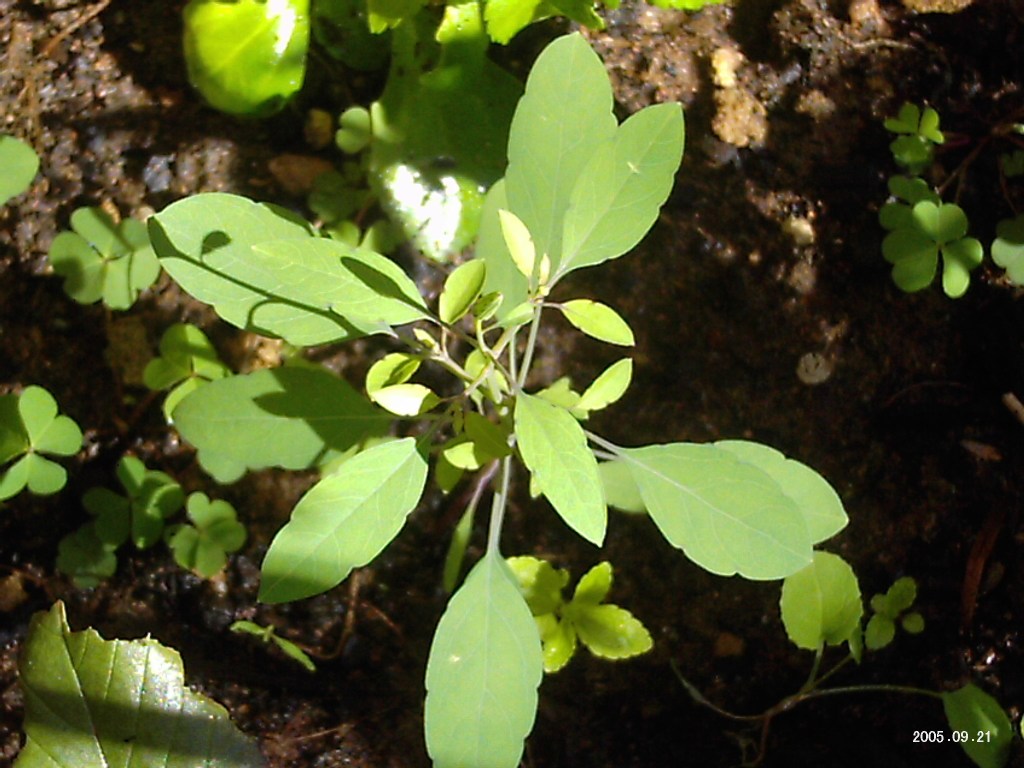
A couple of years later I sourced my first ever papaloquelite – Quelite : Pápaloquelite : Porophyllum macrocephalum.

By 2005 my family of broad leaved porophyllums was growing beautifully. Soon I shall have the narrow leaved cousins (1) (2) (3) growing too.
- Quelite : Chepiche/Pipicha : Porophyllum tagetoides
- Quelite : Porophyllum scoparium
- Pipitzcaquilitl : Porophyllum obtusifolium?

In 2010 I became a member of the Friends of Mexico Society. This group is dedicated to sharing the culture of México wherever they go. At my first taquiza I supplied agua de jamaica (which was a total hit) and fresh papalo. A chilango (1) at the fiesta was absolutely blown away by the fresh papalo.
- Chilango is a slang term for a resident of Mexico City. Depending on whose lips from which the word falls this term can be either derogatory or empowering. Papalo is not commonly consumed in Mexico. You will find it in the CDMX (México City) or Puebla most easily.
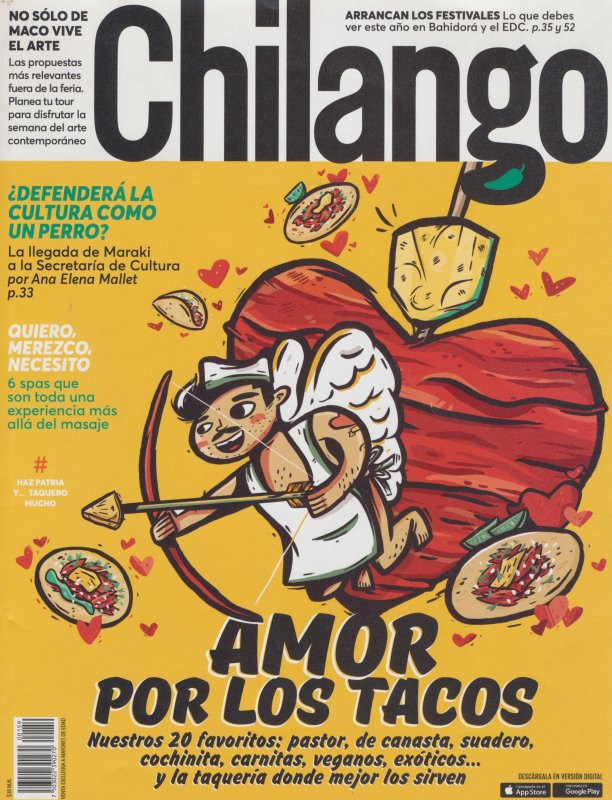
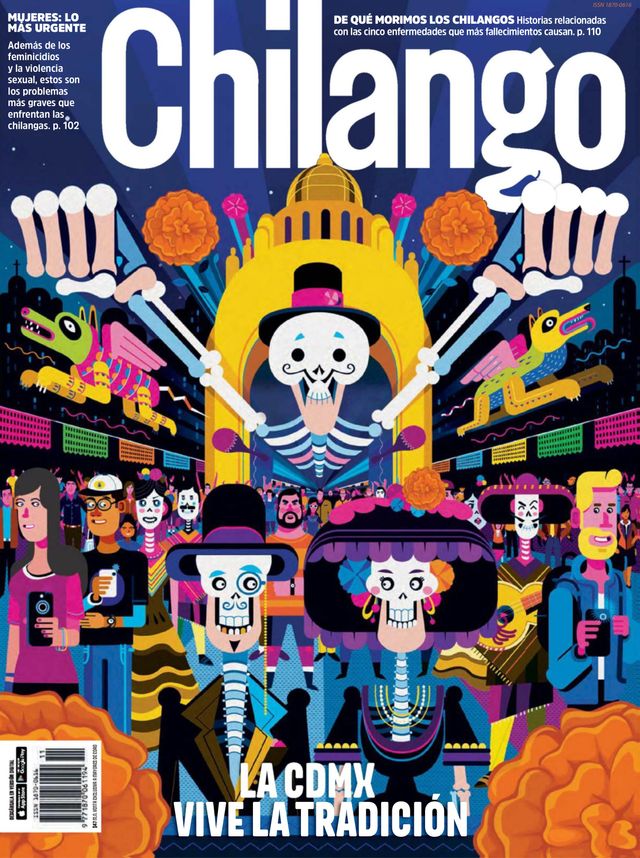
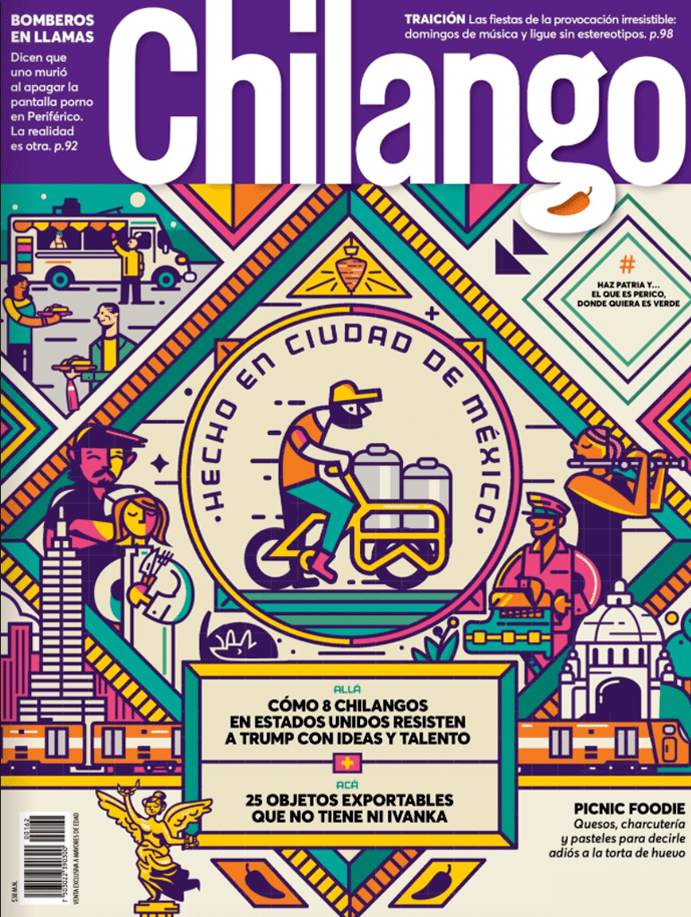
Chilango magazine in the CDMX. I love this revista and try to pick it up whenever I can. It is an excellent view of the City and a great way to learn local slang. It’s not a great way to learn Spanish (Chilango Spanish is quite different to regular español).
Taquiza Time
Assume the position.
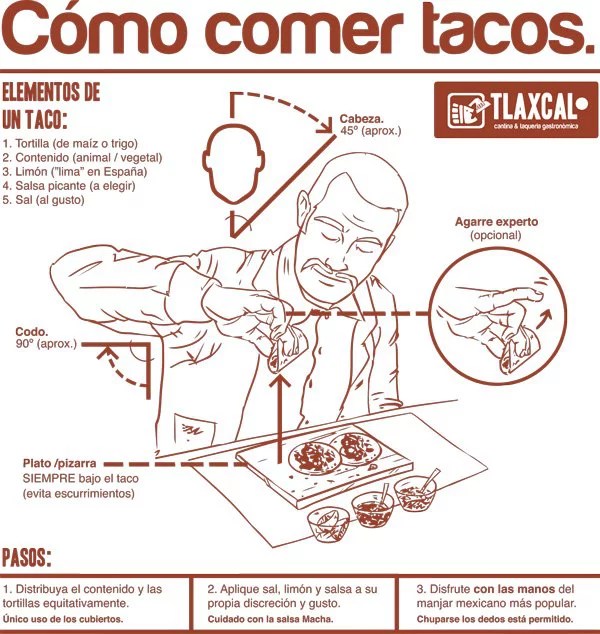
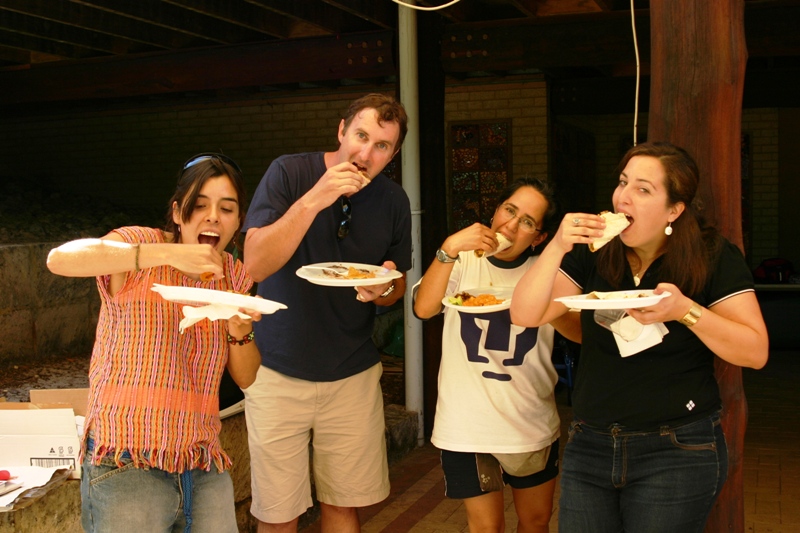
The day I lost my taquiza (1) virginity.
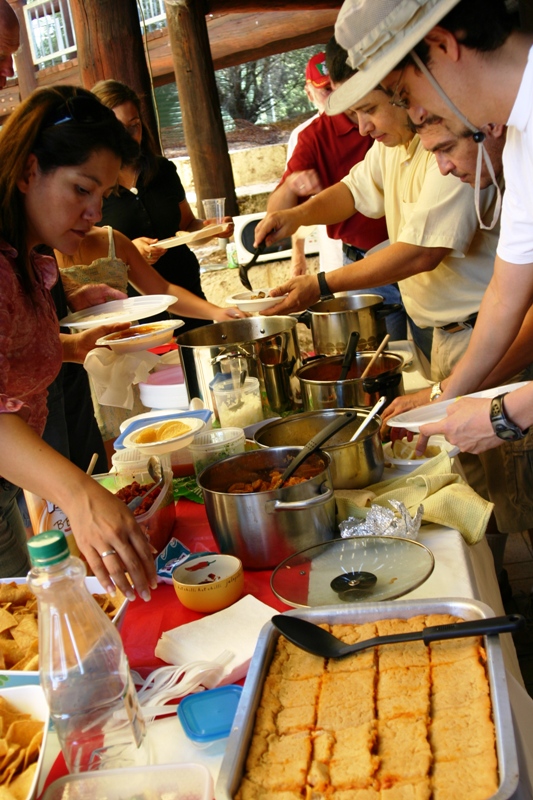
- Taquizas are party events that are held outside, in which long tables, or “mesones”, adorned with colorful tablecloths, or “manteles”, are placed on one end of the garden or yard. Chairs are set all around the site so that attendees have room to talk and socialize with the other guests while enjoying their food and drink. On the tables, there are always big containers filled with stews, or “guisados”, corn tortillas, salsas, side dishes, salads, and other food items. There’s also a table used as a makeshift bar where beverages, or “bebidas”, such as sodas, beers, liquors, and agua frescas (fresh fruit waters) flow freely. These kinds of parties are popular in part because there’s no need to hire waiters, cooks or additional help; everything is set up to be self-served. The guests get to fix their own plates, choosing between a variety of dishes, or “platillos.” After the people have eaten, the adults spend the afternoon chatting and listening to music. If it’s a big event, there’s even sometimes singing or dancing. (Spanishpod 101)
If there’s a heaven on earth then I believe there’s a good chance its in Mejico.
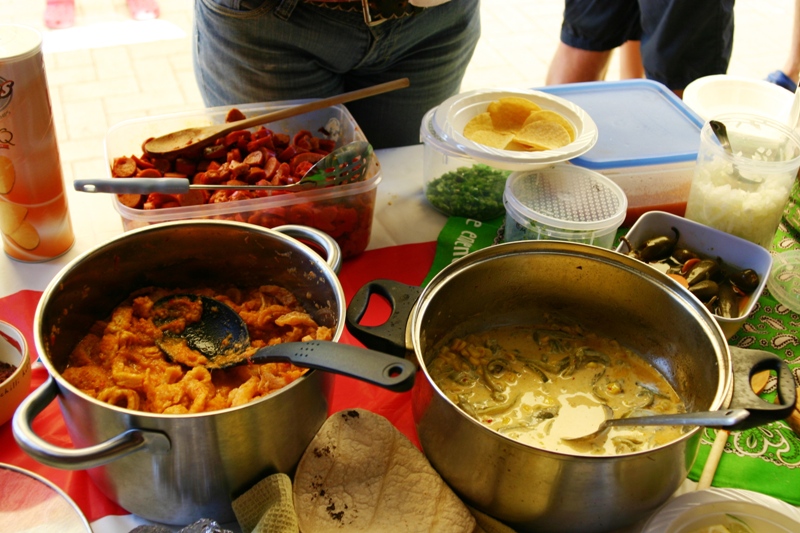


many more to come
(ay mi panza)
Images from my first taquiza.
This is one of the reasons I joined FOMEX. I am a chef by trade and although I am familiar with Mexican restaurant food to me the food of a culture is more properly represented by the food that is turned out of home kitchens on a daily basis.
Mexico and Mexicans are friendly and welcoming. I have been a member of FOMEX for more than 15 years now and I have made some wonderful friends and had some of the best times of my life. FOMEX The Friends of Mexico
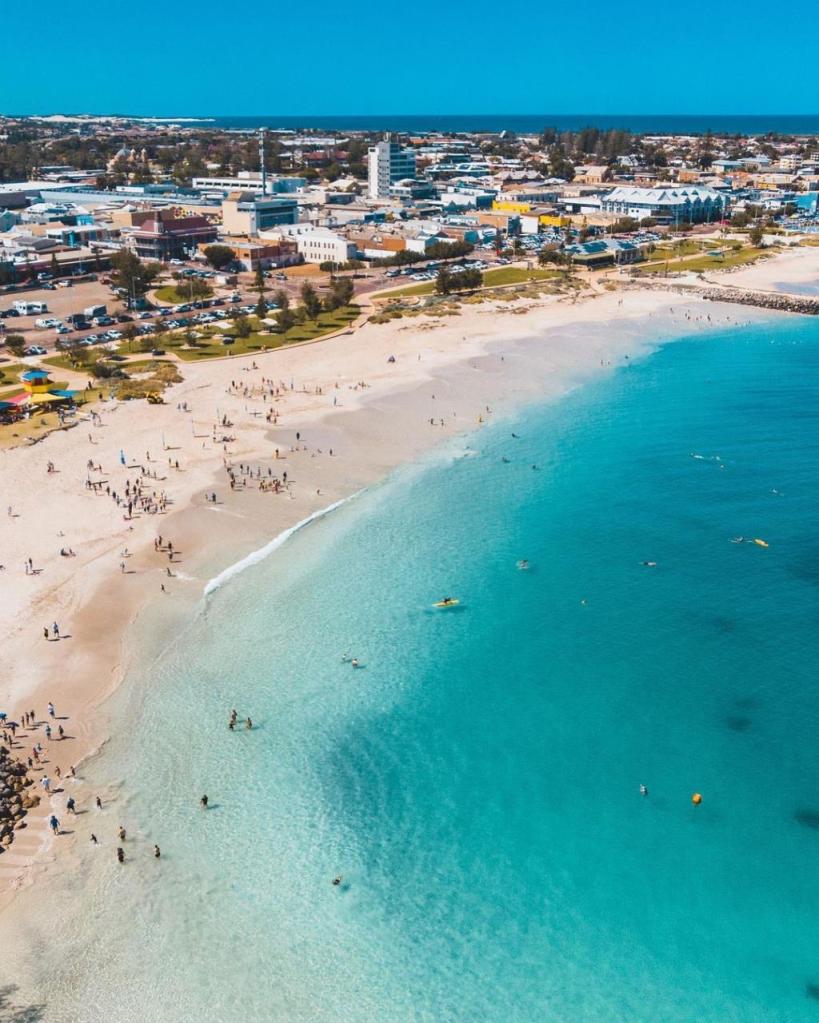
Fremantle is one of the few places I know that still supports 2nd hand bookstores. I love nothing more than grabbing a coffee from Ginos on the cappuccino strip and roaming the bookstores. This part of the city reminds me of the older sections of Geraldton and it feels very much like home. Both Fremantle and Geraldton are Port cities and the architecture of the older sections of both are very similar.


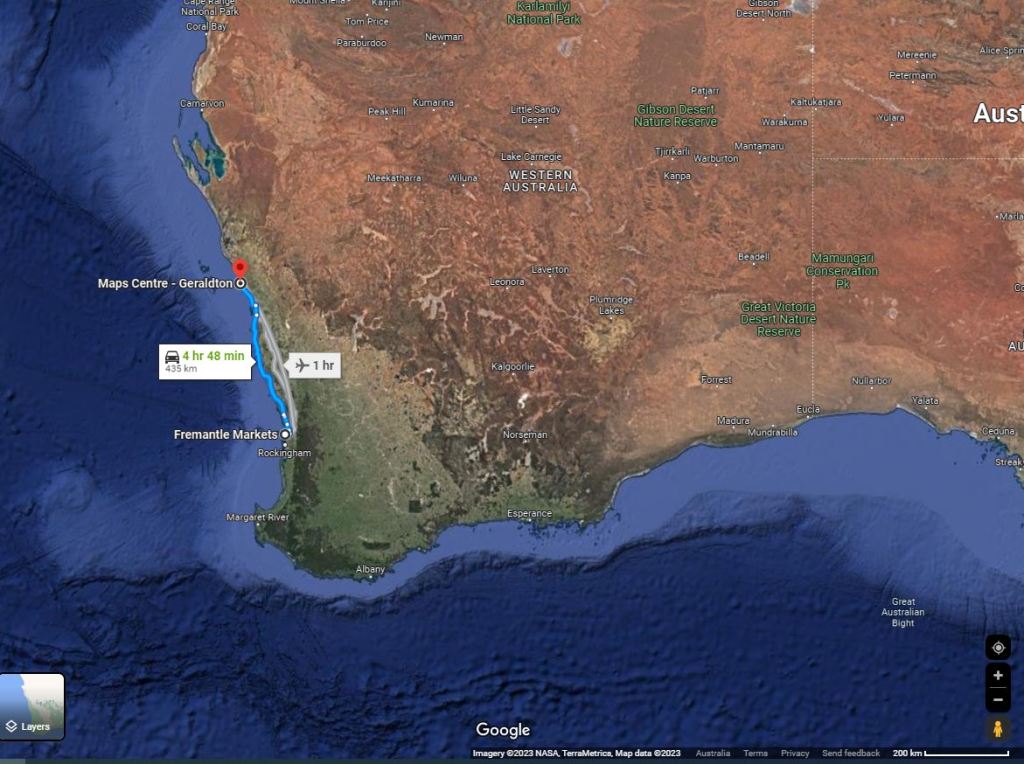
Another stop on my bookstore wanderings in Fremantle.

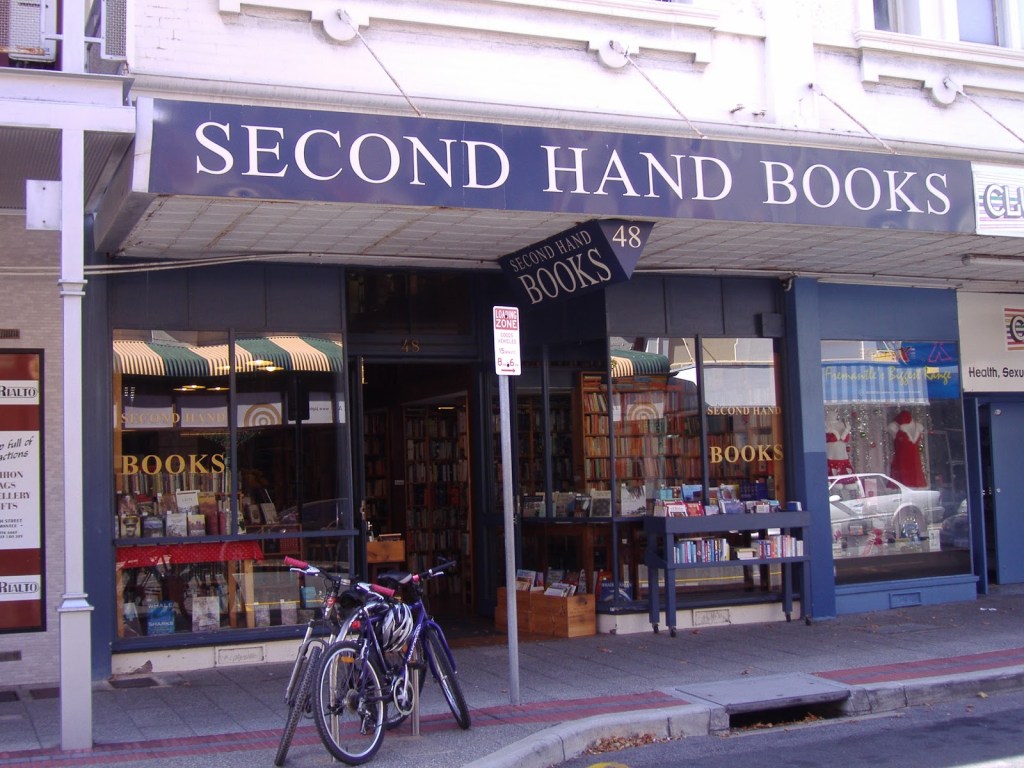
I still remember the day I wandered in and stumbled across this treasure. You simply cannot confuse the word Oaxaca as having come from any other country than México.

And this 2nd hand bookstore just happens to be across the road from my favourite Independent bookstore. We don’t have many of these in Perth.

I have spent too many $ at New Edition. Damn them and their excellent choice of curated material.

This next one is a very specific book. I picked it up in Mexico City on my very first ever trip outside of Australia.
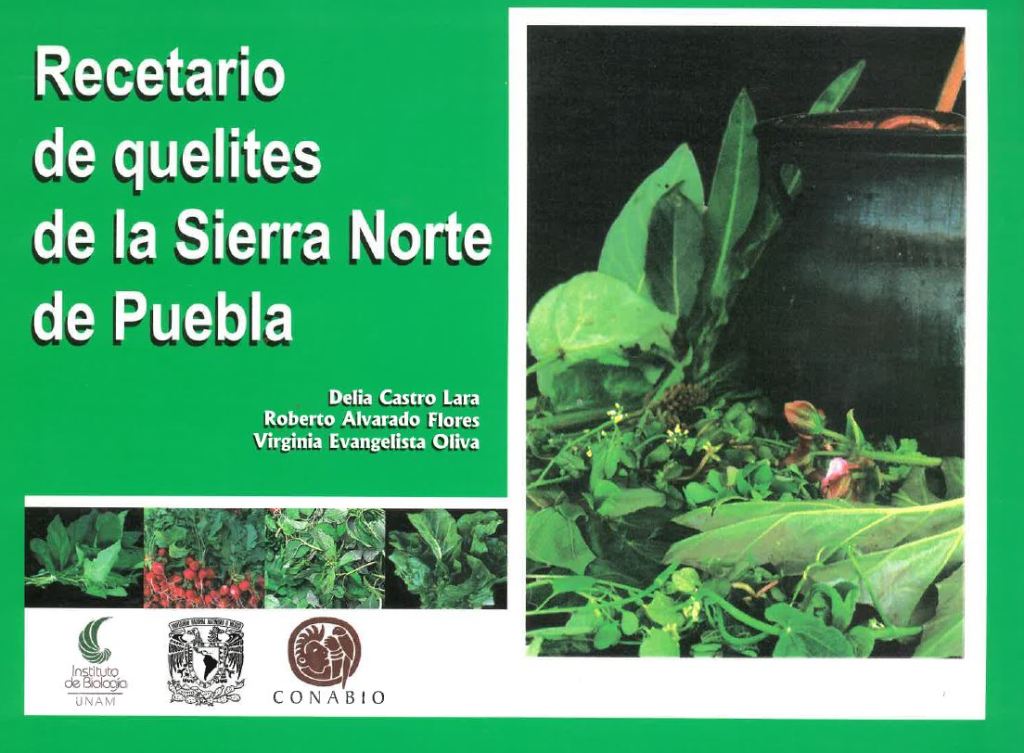
I picked this specialized text up at the Fundación Herdez in the Centro Historico in Mexico City. Fundación Herdez is an Educational, Cultural and Social foundation created by the Mexican food manufacturer Grupo Herdez and whose Mission is to “Investigate, preserve, increase and propagate the rich heritage of Mexican cuisine, as well as our gastronomic traditions and the elements that make up the national identity”.
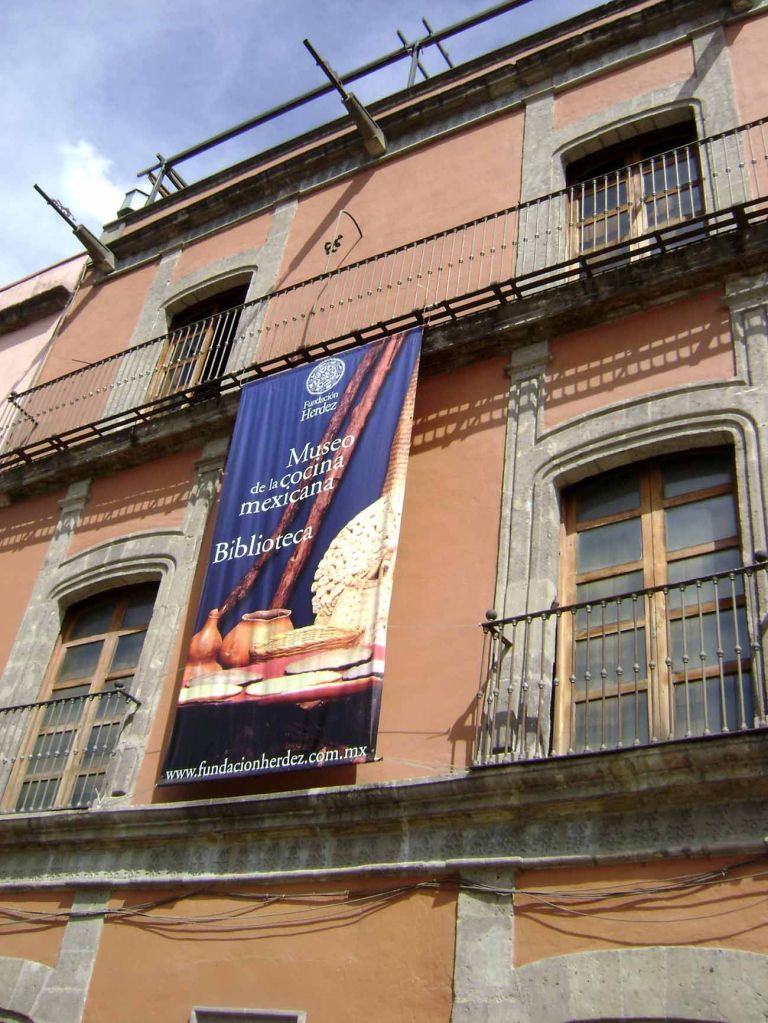
Check em out
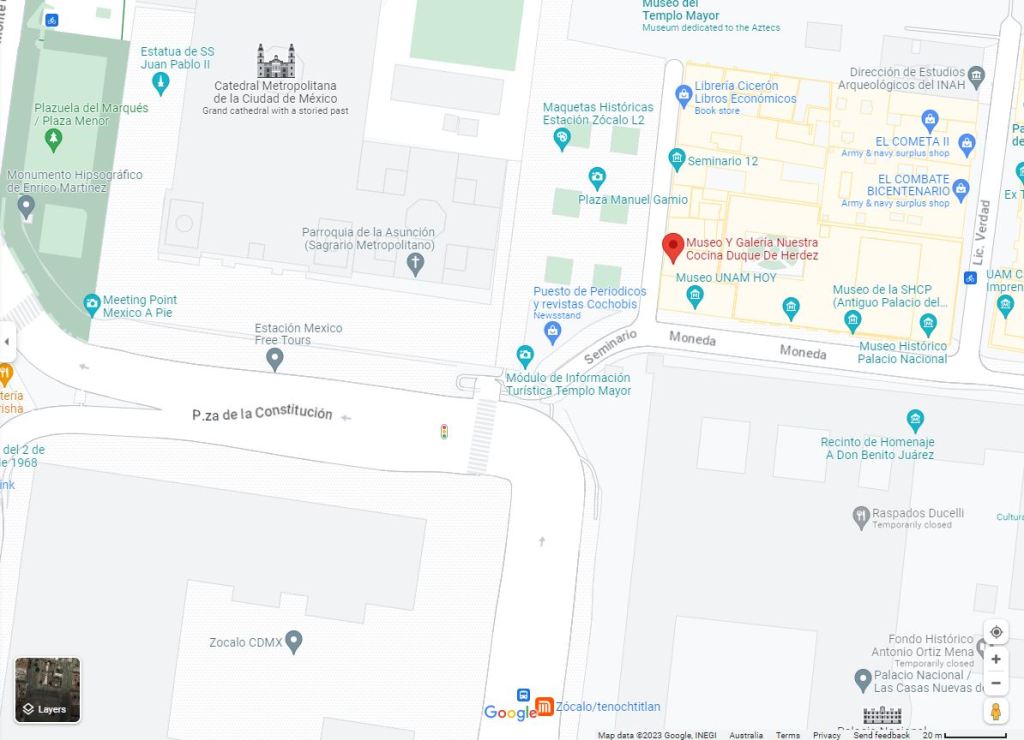
This building is a small museum and contains within it an excellent reference library and bookshop. if you are interested in the history of Mexico and its cuisines I highly recommend visiting these guys if you’re ever in the CDMX. Fundación Herdez lays in the heart of México City only a few minutes walk from the Zocalo.
Josefina Howard also led me to the works of Diana Kennedy. Both women resonate with me for the same reasons. Both were foreigners to México but once they found themselves there they fell in love with the cuisine. Josefina travelled back to New York (she’s Cuban born though) and opened a restaurant called Rosa Mexicano. her goal was to change the view of American diners and demonstrate that Mexican food could be high cuisine and should be valued more than it was. She was largely successful in this. Diana was a little different. Her love of the cuisine drove her to travel the Mexican countryside and catalogue regional Mexican cookery. Sometimes she searched for a particular dish, sometimes a particular ingredient. She is credited with the largest body of work of this type and there are many dishes who might no longer exist if not for her cataloguing them.
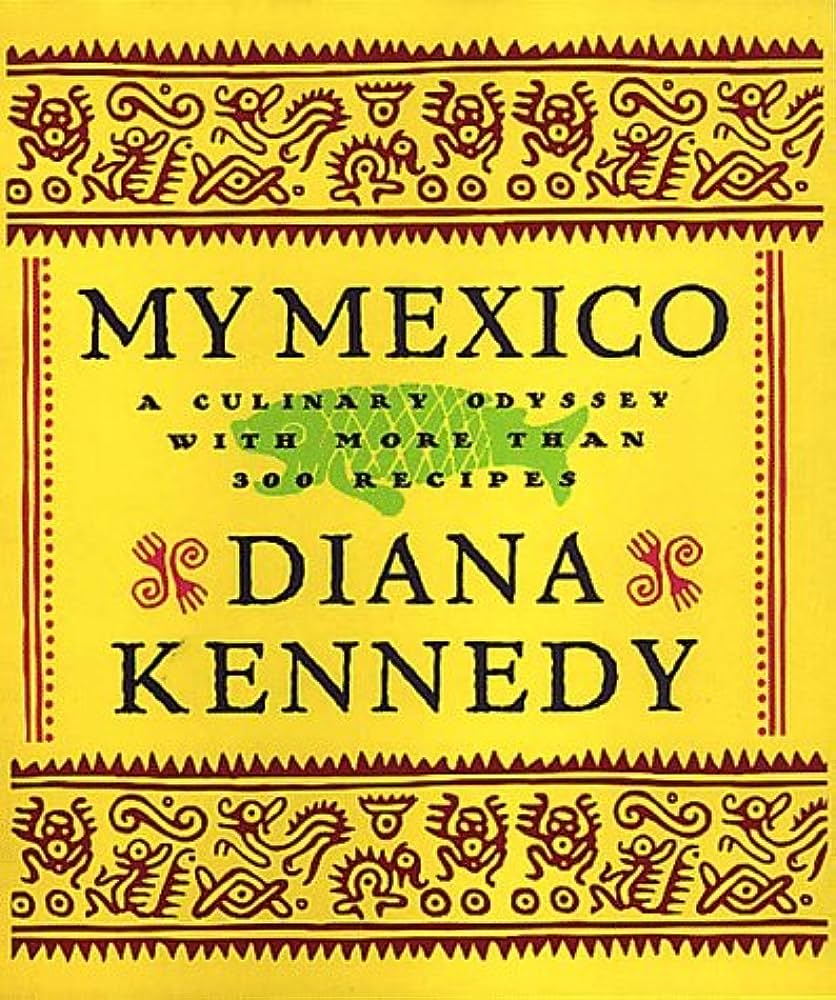


I would like to thank Geraldton Library for my first Diana Kennedy book “My Mexico”. This book was borrowed by a friend who promptly lost it and I had to pay the library for this loss (about $30 I think). Nearly 5 years later my friend returned the book to me.
I loved the City of Geraldton when I lived there and may end up retiring there. It also holds a special place in my heart as it was here that I found my first papalo seeds.

Diana has produced some excellent work on Mexico’s cuisine but as she is a white woman of English descent her work has been attacked by some as “cultural appropriation”. I find these accusations (?) somewhat problematic as although she has profited off her work her intent was to catalogue and learn rather than rape and pillage. She has done a lot to be thanked for. Diana may not have been born Mexican but she certainly was a Mexican at heart. I know exactly how this feels as I too can feel Mexico’s song in my soul and I sometimes wrestle with this. I Post because I love México and wish to share this love with those I love.
Diana died on the 24th of July 2022 in her home in Zitácuaro. I have Posted briefly on Diana’s work : Authentic Mexican Food? : this Post also brings up another who is attacked as an appropriator, Rick Bayless. Ricks story will be focussed on at some stage in the future.

The average Mexican is far more familiar with the medicinal properties of foods and herbs than the average anyone else. Herbal teas are particularly popular.

In 2018 I entered a competition run by the Mexican Embassy in Australia. For my dish of BBQ’d salsa verde prawns I was fortunate to be awarded 2nd prize and was given this magnificent book on the food culture of México.
Mi biblioteca de México (well the books on food anyway – all the history and other stuff is elsewhere)


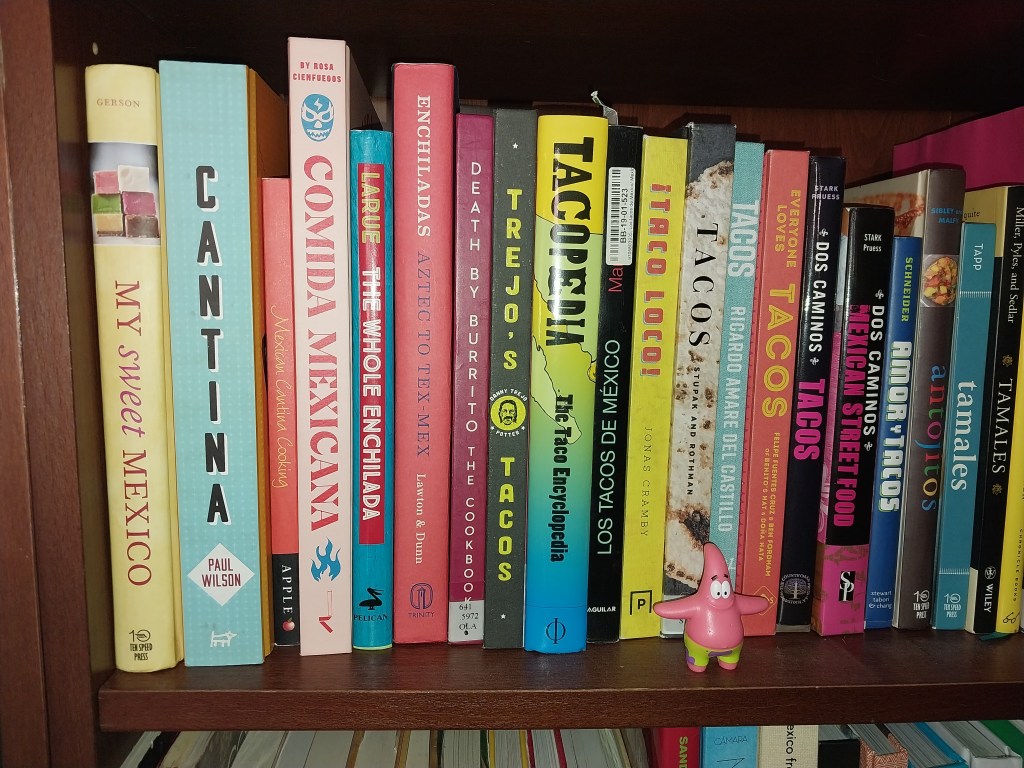
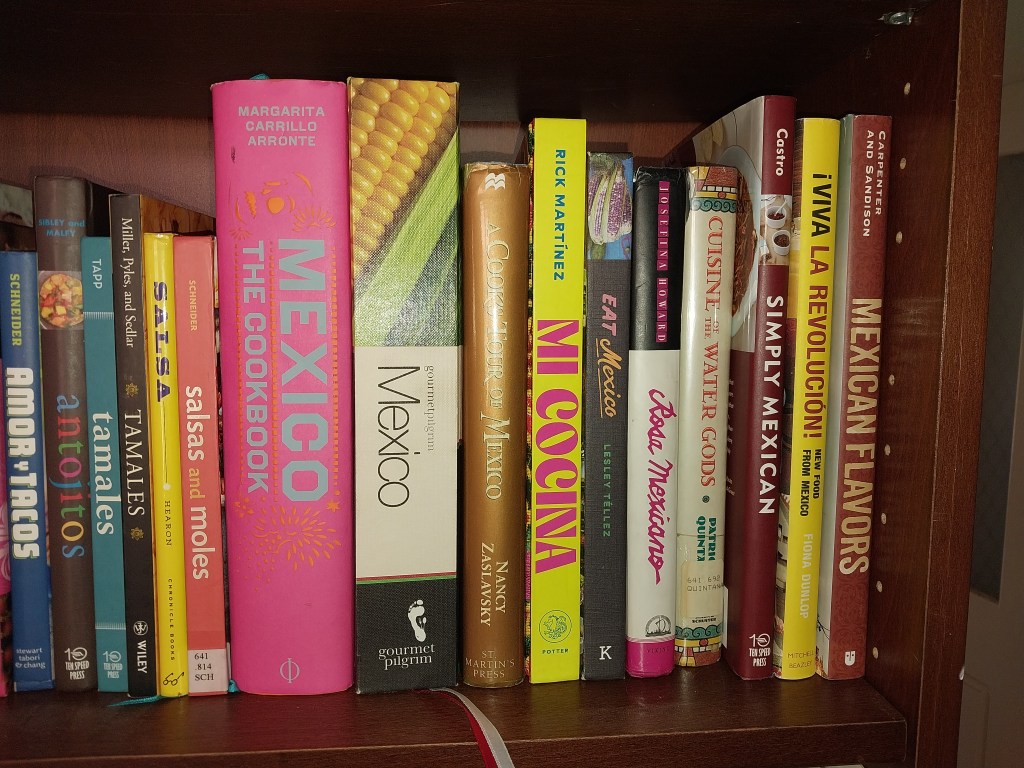


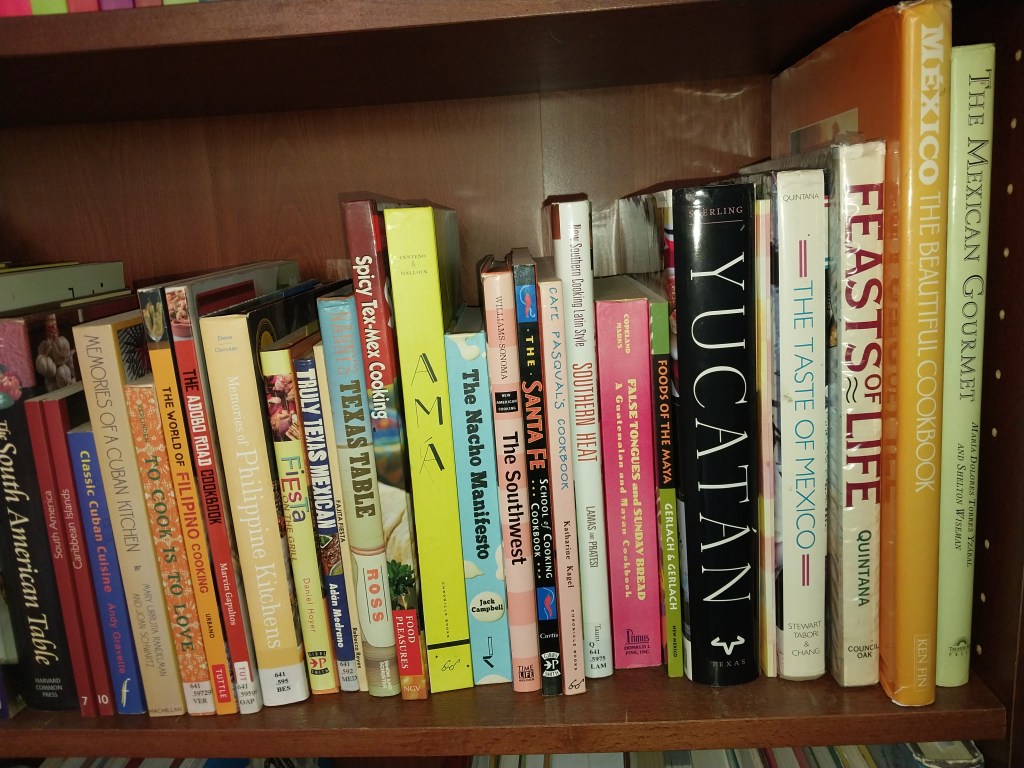
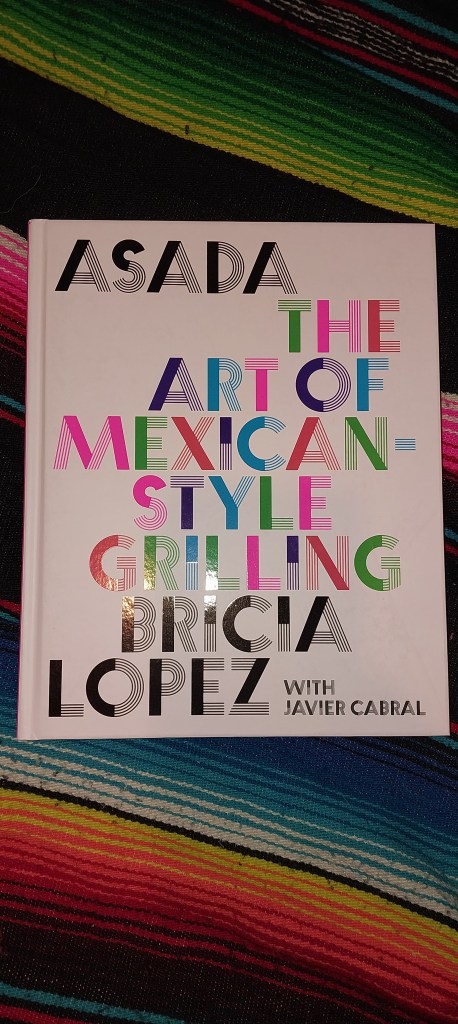
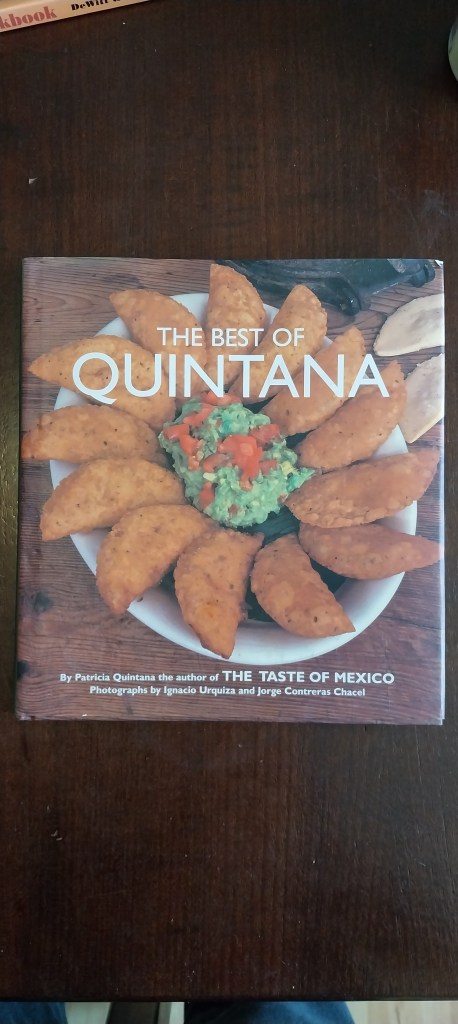
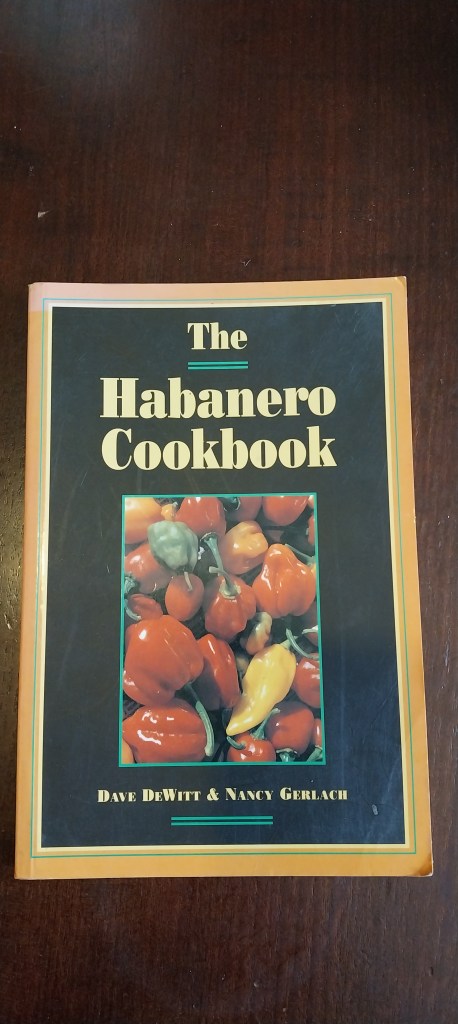
The newest additions to the collection



References
- Howard, Josefina (1998) Rosa Mexicano : A Culinary Autobiography with 70 Recipes: Penguin Publishing Group : ISBN 10: 0670879479
- Saville, Carole (1997) Exotic Herbs : Published by Henry Holt & Company : ISBN: 0805040730
- Teubner, Christian; Ruhlemann, Daniel; Witzigmann, Eckart; Sybil Schonfeldt, Sybil; & Gerhardt, Ulrich (1997) : The Herbs and Spices Cookbook: How to Make the Best of Herbs and Spices in Your Cooking : Published by Penguin Books : ISBN 10: 0670871052
Websites
- Sarah’s Scribbles : https://sarahcandersen.com/
 Masa Americana