
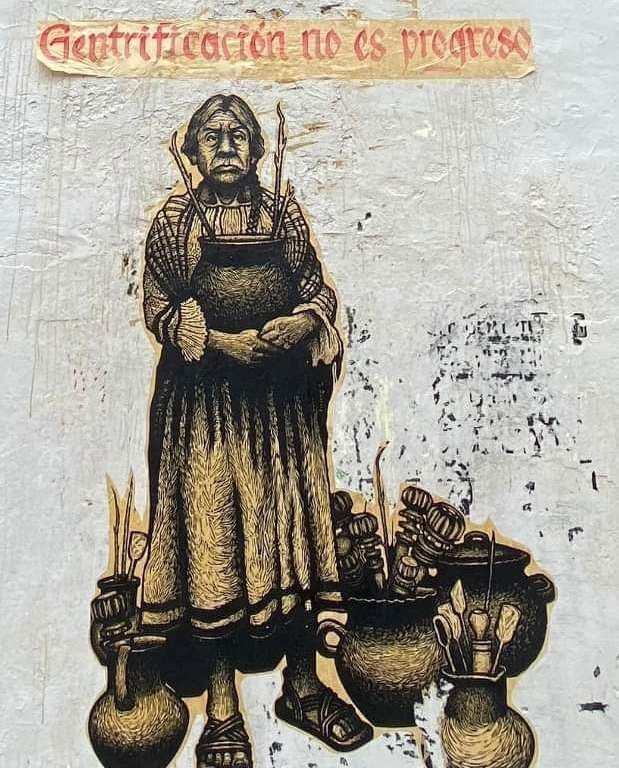
Cultural appropriation (and appreciation), gentrification and gentefication. What’s in the mix?
I recently published a Post on an unique prehispanic cooking tool called the molinillo. Mexican Cooking Equipment : The Molinillo
This tool has become, more or less, the focus for this Post as a molinillo that has recently entered my collection raised a few questions within myself regarding when (and how) is it OK to represent a culture outside of your own? Even if you only planned to share knowledge and representation was not your intent? When does appreciation become appropriation? Can someone from within a specific culture appropriate something from within that culture? Does appropriation exist or is it simply another form of slur? (1)
- slur – an insinuation or allegation about someone that is likely to insult them or damage their reputation.

Before we get to the “whisk”
Genetics does not confer upon you authority of a subject. Now by “authority” I do not mean “the power to control or demand obedience from others” but rather that someone is “an expert on a particular subject” and that this someone not only is an expert on a particular subject but that that person is someone “whose opinions influence other people”. In short, being Mexican (or any other culture for that matter) does not instantly make you an expert on Mexican food. You will, if you have grown up on this food (and I’m talking about Mexicanos here), have a cultural understanding that may be bereft in those not raised in a similar manner, but this too can be learned. Exposure, study and practice are the only things that confer this “authority”. This will come up a little later when I look at non-Mexicans cooking and championing Mexican food.
Cultural Appropriation and Cultural Appreciation.
In 2022 the TV show the Great British Bake Off championed México as their theme. Or did they? Well, No they didn’t and in their attempt they were accused of cultural appropriation.
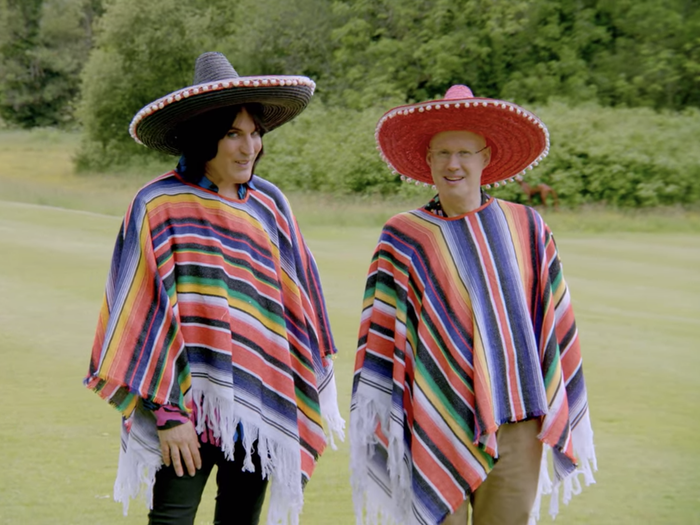
I’m going to have to disagree with the appropriationists on this one as it was no more a case of cultural appropriation than is the case of the general jackassery that occurs during the Irish cultural event known as Saint Patrick’s Day.


Now, by and large, the Mexicans, like the Irish, don’t really give a fuck about this kind of crap. Both the examples shown above are highly misunderstood and extremely misrepresented aspects of either culture as demonstrated by the “villainous appropriationists” and truly they only show ignorance of those cultures.
General idiocy? Yes.
Appropriationist? No.

A poorly known era in both Mexican and Irish history.
Look it up.
(it has nothing to do with Halloween or Dia de muertos though)
Now, when I say the Mexicans don’t give a fuck I don’t want you to get me wrong. Mexicans, when offended, are ruthless. Let me tell you the (still ongoing) story of Yahritza.

Now Yahritza (or more properly Yahritza y Su Esencia – Yahritza and Her Essence) is a band consisting of three Mexican-American siblings from Washington state’s Yakima Valley. The band consists of Yahritza Martínez (vocals and acoustic guitar – 16), Armando (Mando) Martínez (twelve-string guitar – 24), and Jairo Martínez (acoustic bass – 18) and they specialize in regional Mexican music. Yahritza and Jairo were born in the U.S and Mando was born in the homeland of their parents, Jiquilpan in the State of Michoacán, Mexico.

The group first released music in 2022 and has had some success in being nominated for various Latin American Music Awards and have had their music go Platinum (1) in the charts. Their popularity was at an all time high and with the lead singers voice compared to that of Adele’s the bands future looked quite bright indeed.
- to go “Platinum” means you have sold at least 1 Million copies of an Album (or 2 Million copies of a single)
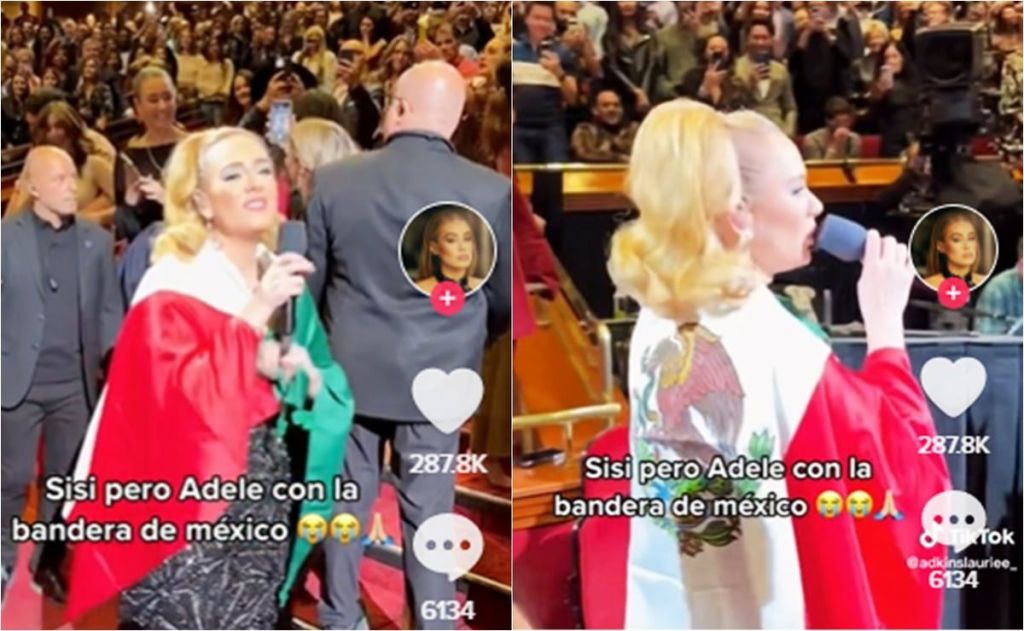
Until.
In August of 2023 the band was interviewed and jokingly referred to the noise of México City and the local food in a disparaging manner. One member, Jairo, in particular joked about a preference for chicken nuggets over typical Mexican fare and HOLY FUCK Mexico responded.
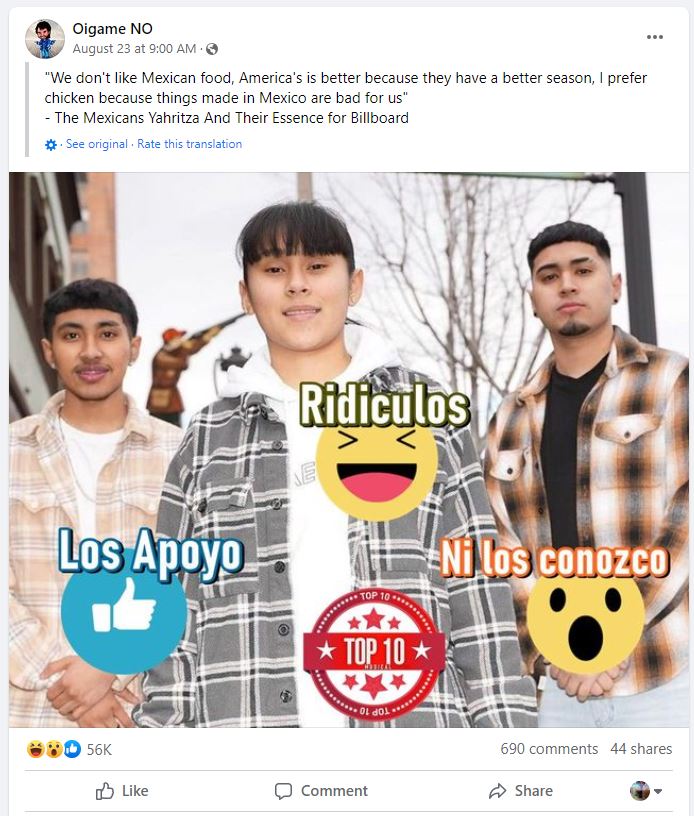
First in a joking manner

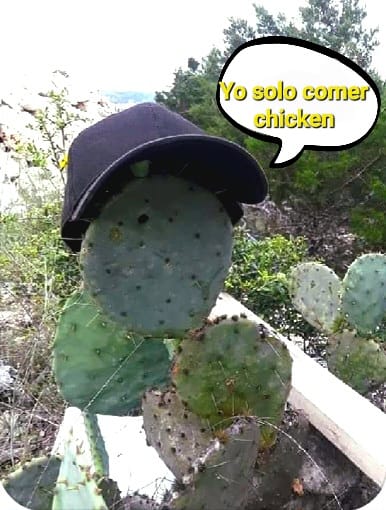


Their popularity however took an immediate hit and quickly plummeted
It wasn’t long before things got ugly and others in the industry started to distance themselves.

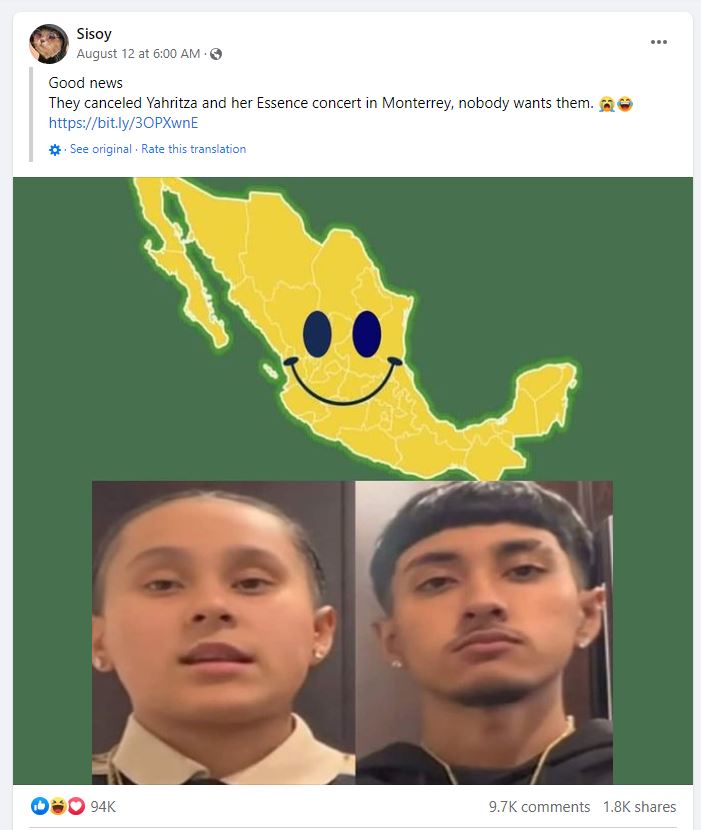

Other bands with which they had upcoming events cancelled their appearances with Yaritza
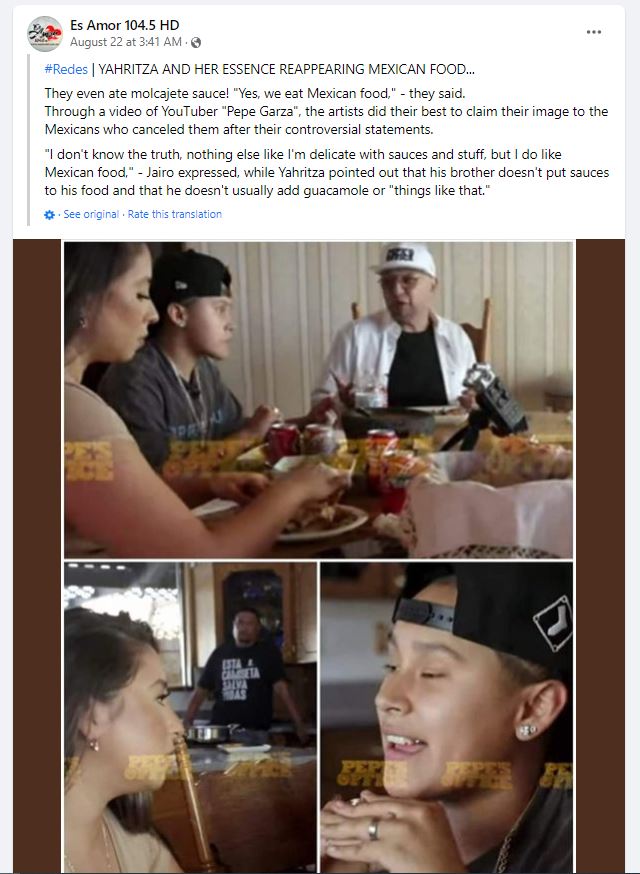
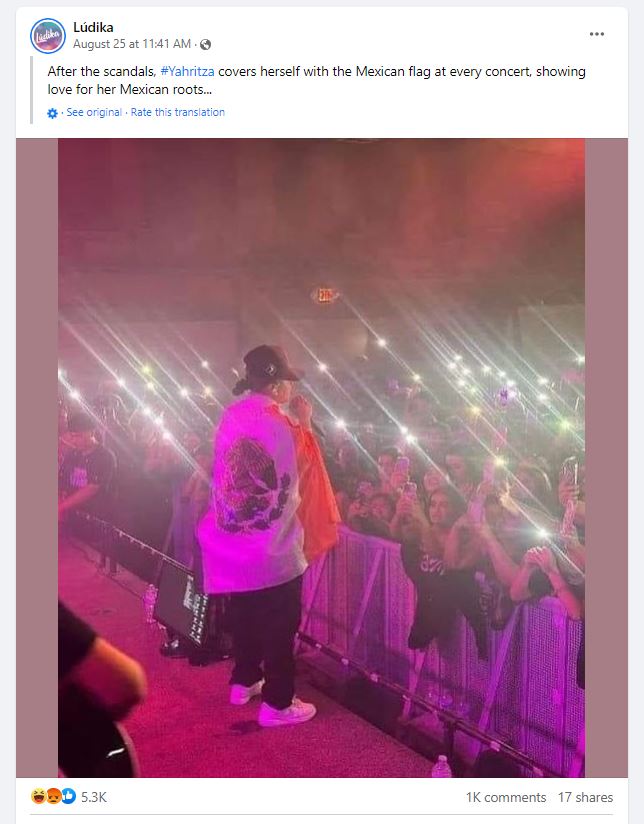
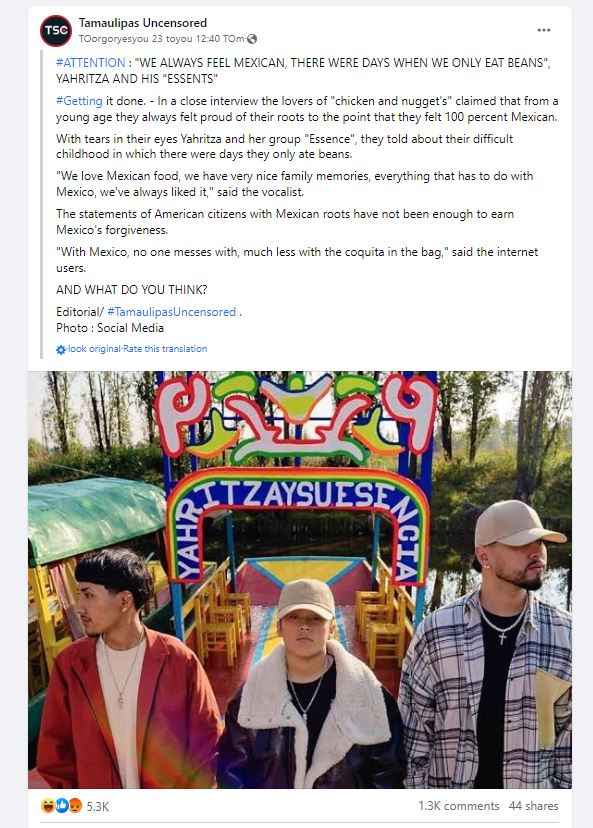
They tried their best to be apologetic but with little effect.
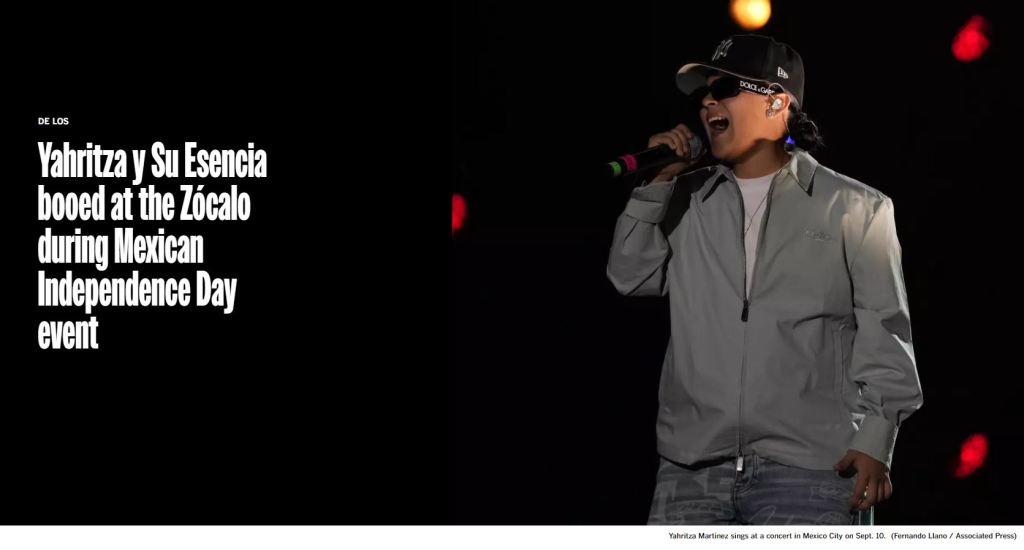
They were booed at major events….
….and hounded by “fans” wherever they went
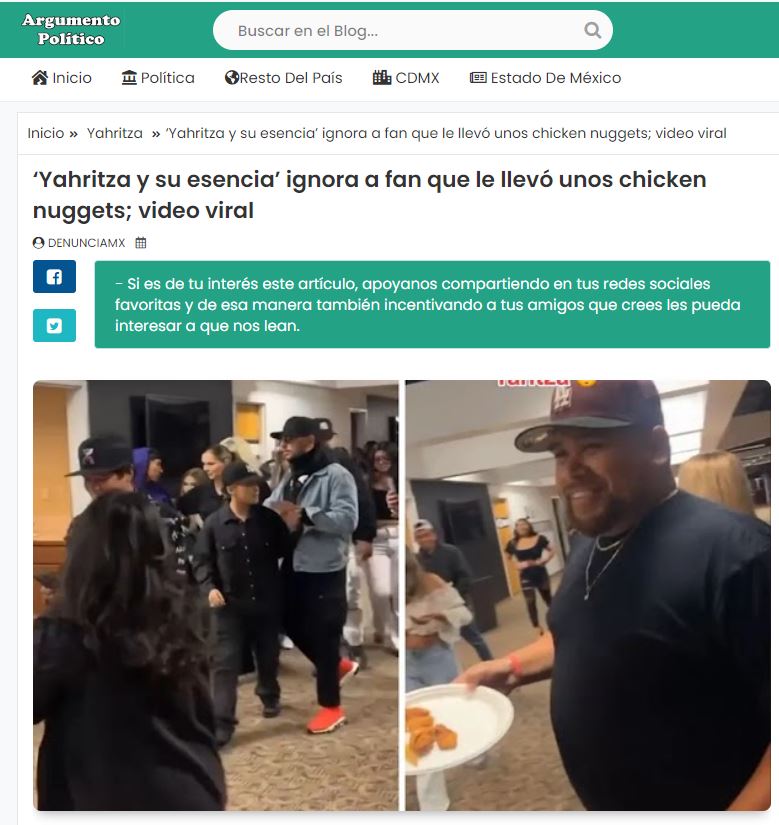
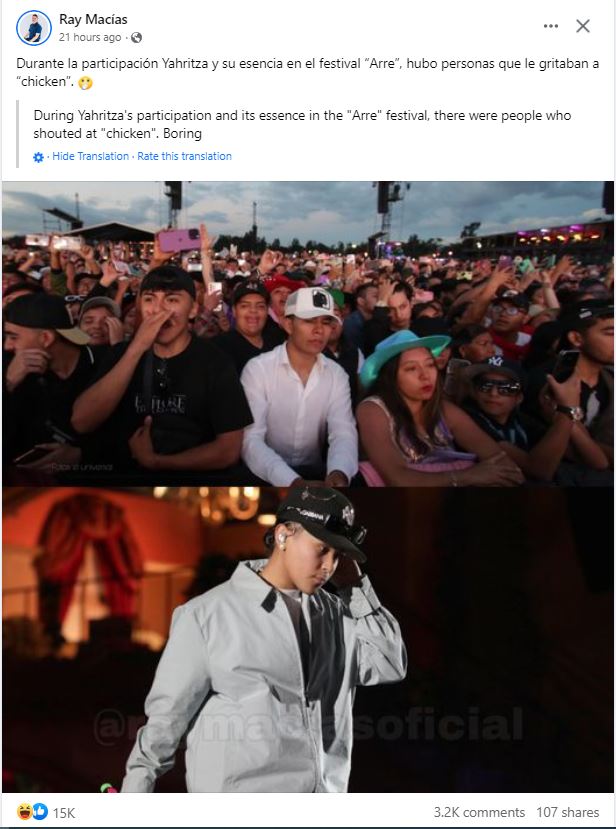
The pressure became quite immense and very quickly threatened to destroy the bands future.

Now we have to remember that Yahritza herself is only a child, 16 turning 17 when this all blows up. The pressure being exerted by a whole country must surely be overwhelming.
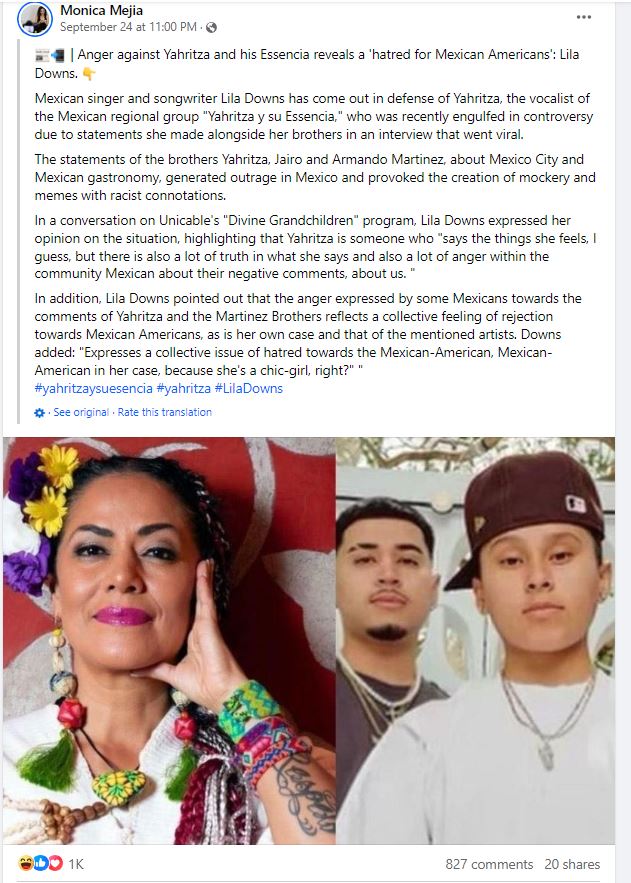
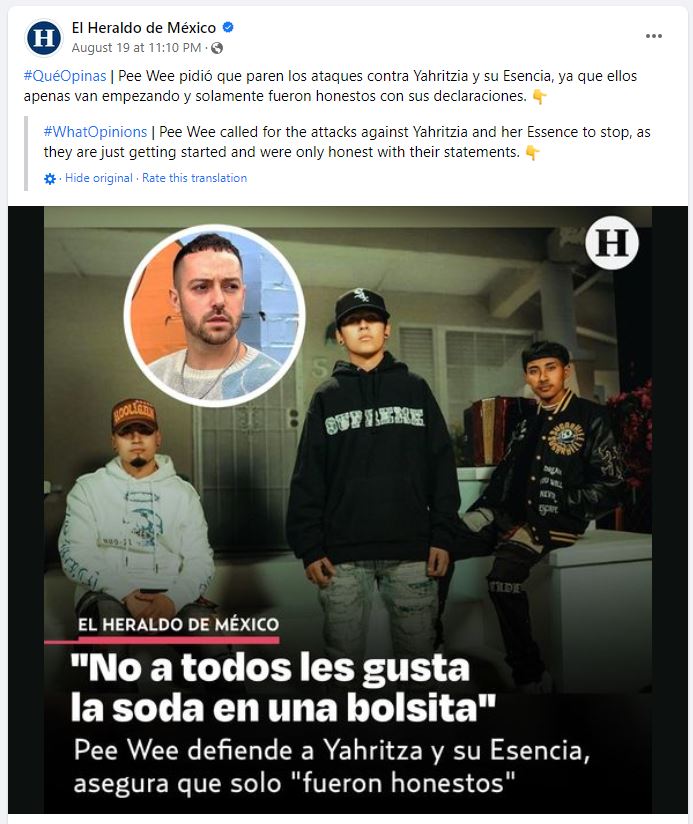
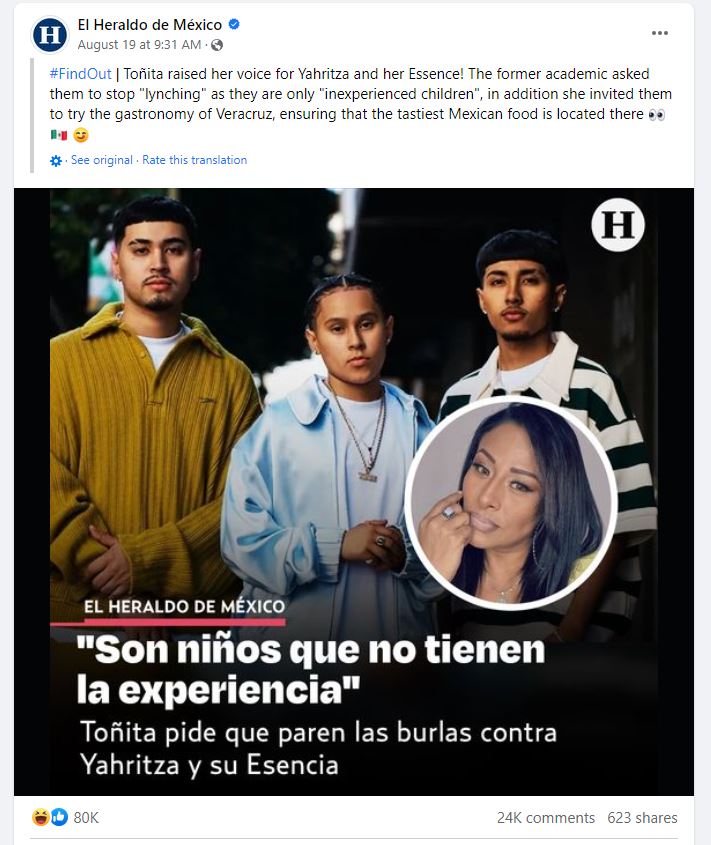
Others sprung to the bands defence and to remind us that they are only kids so how about we lay off.
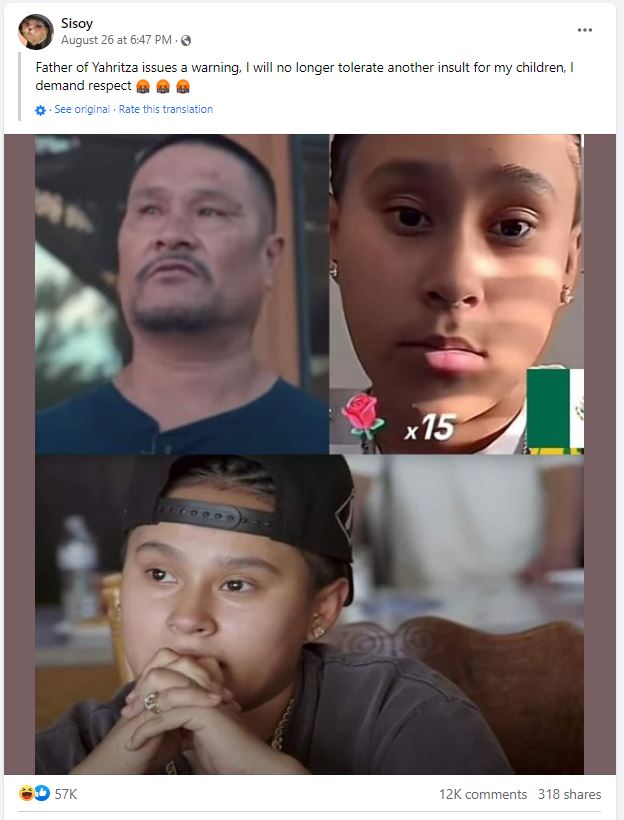
Dad in particular looked like he was ready to go Jake the Muss on someone’s ass.

México loves it when you appreciate her culture, not so much when you appropriate it. Some of the shade thrown Yahritza’s way also demonstrated the complexity of mestizaje mejico.
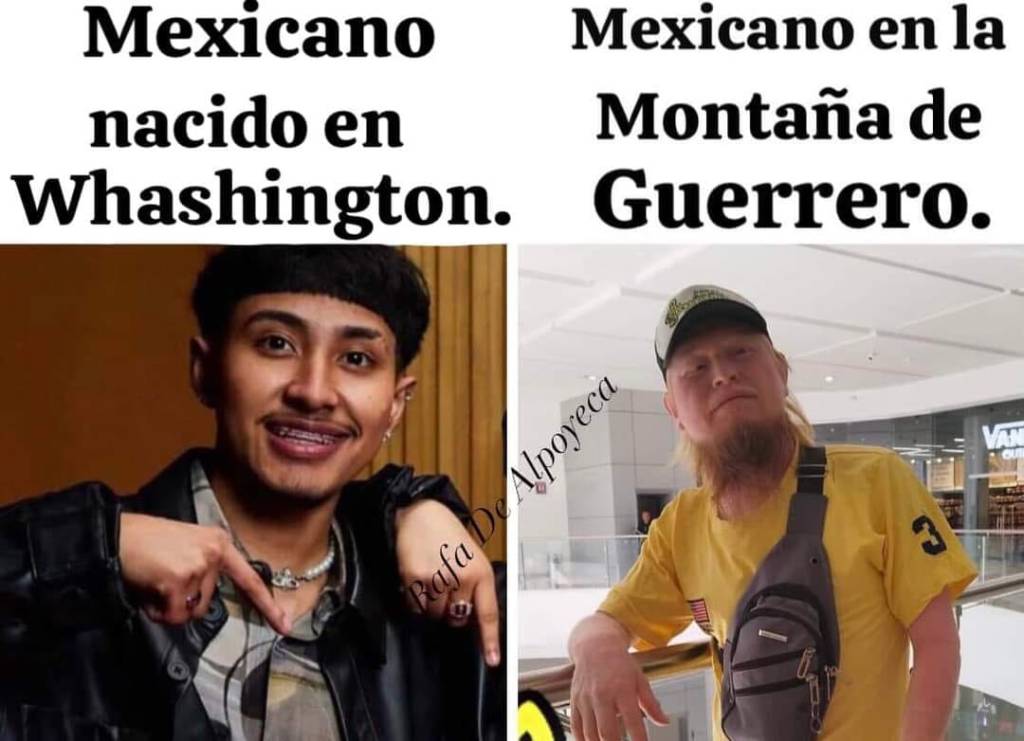
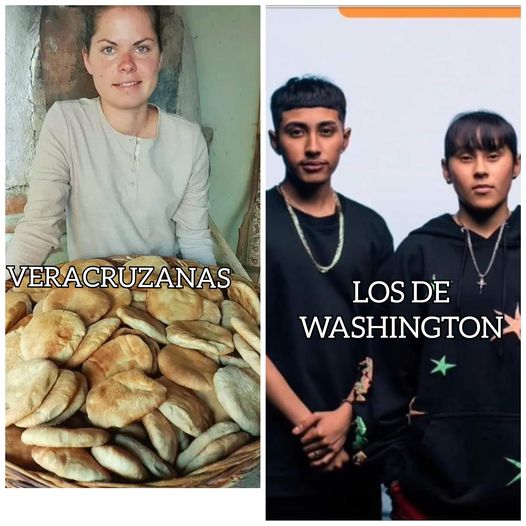

If you’re a bit of a nerd (like I am) you’ll get this reference from the Flash T.V. show regarding the hero’s penchant for screwing with reality by going back in time to change the past
(and in doing so altering the present)
These were simply light hearted comments meant to be delivered in a joking manner but México does not appreciate her culture (in particular the food) being insulted and she (and her people) will quickly mobilise to annihilate all interlopers, even if they come from the same blood stock. Aztec blood and the willingness to fight still runs strong in Mexico’s veins.
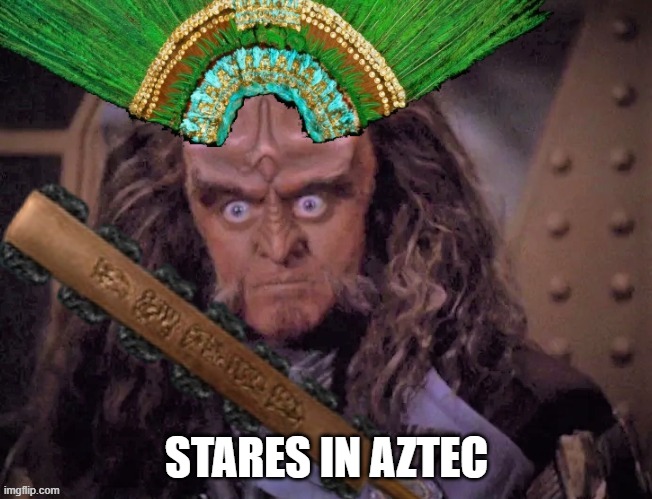
Now aside from appreciation (or lack thereof) lets look at some appropriation.
These are a few examples of where México took umbrage at the appropriation of her culture.
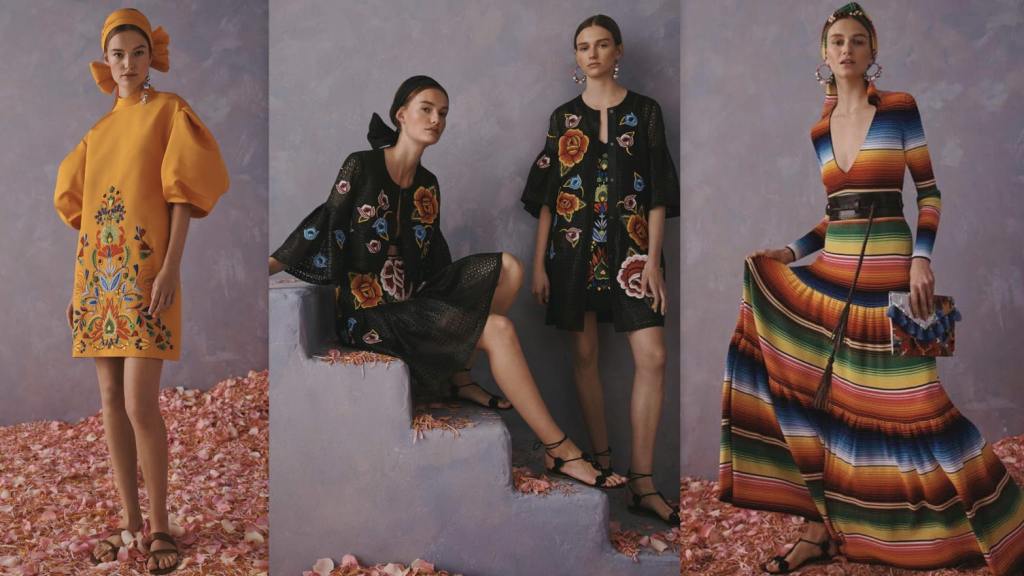



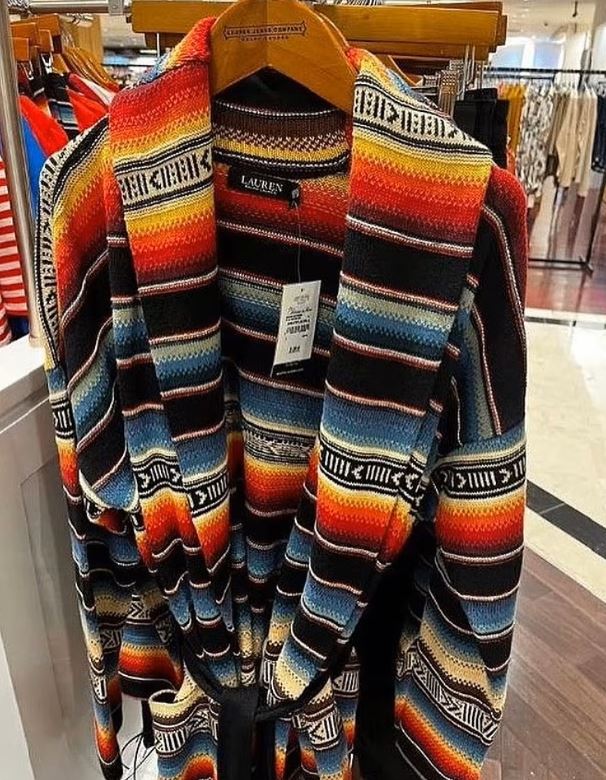
In the examples shown above the Mexican government has formally complained about the appropriation that occurred. Most examples are primarily within the fashion industry.
Mexican food and drink definitely draws a huge amount of attention too.

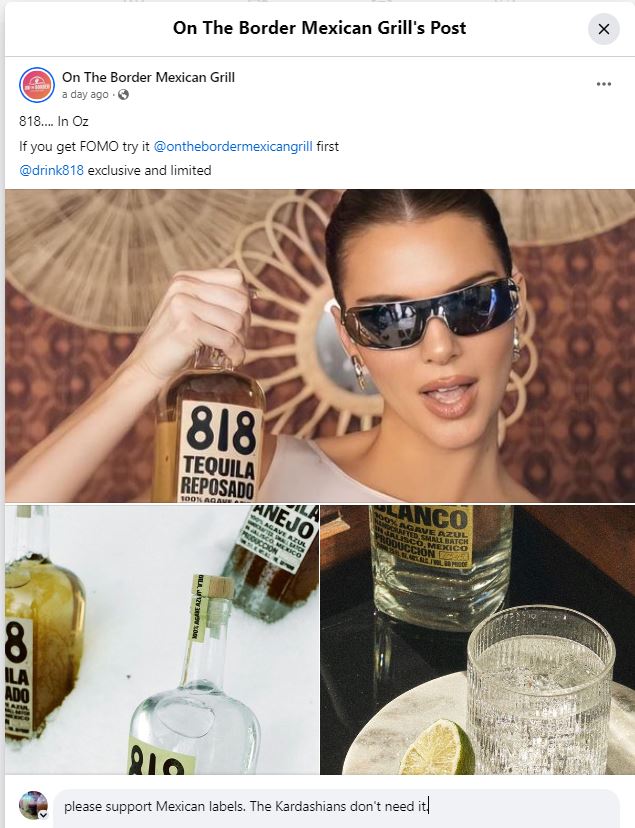
Kendall got busted on two fronts for this one, the tequila (por supuesto) and also her fashion style of campesino chic regarding the way she was dressed and the braids she wore in her hair (braids can be quite the controversial subject when it come to appropriation – as can dreads – or “locs” if you want to be pedantic.)

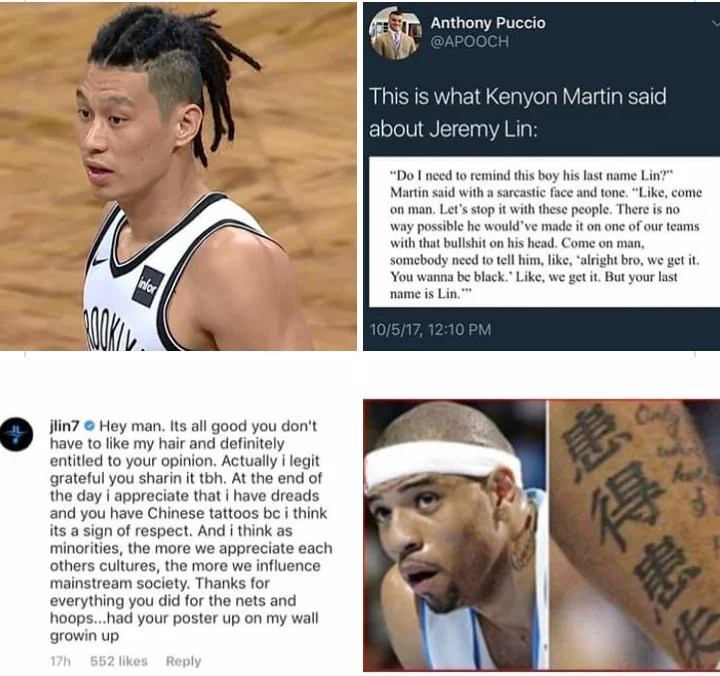
I’ll just leave this here though. A restaurant (claiming to be Mexican) in my hometown and which unfortunately is believed to be Mexican and supported by locals is really quite offensive if you investigate it a little deeper. Now, please don’t be upset by Australians. We are about as far from México as anyone can get (in terms of physical distance I mean) and we are open to being educated about new cultures but businesses like this (even taking into account the humour of the Australian – which can be pretty dark and harsh) do not do themselves or the Mexican culture any favours by being as offensive as they are.
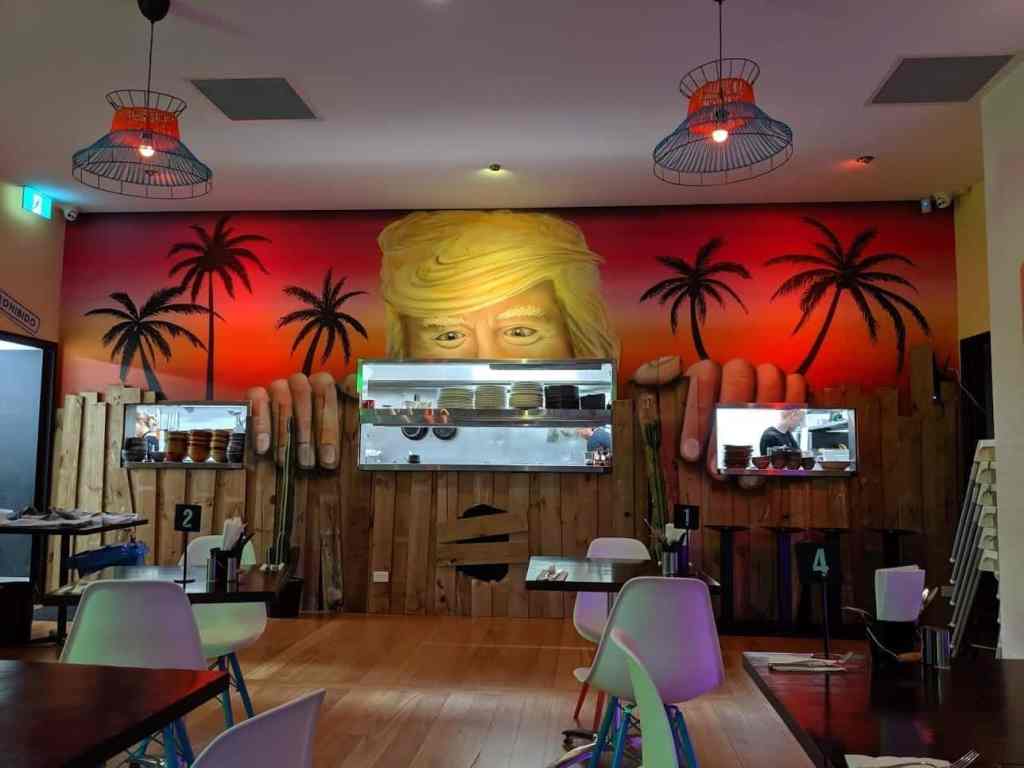
The restaurant above even has a loop of various clips from Donald Trumps speeches running on a loop in the bathrooms. They take clips of some of his most offensive quotes which I assume they think are amusing but in reality they are totally missing the boat on this one. Do better.
Cultural Appropriation vs Cultural Appreciation.
The two characters below have been accused of cultural appropriation and in both cases I believe the word in this case is used as a slur as both are neither Mexican (indigenous or otherwise) or even whitexican for that matter. Rick started as an anthropologist studying the (Mexican) Spanish language (1) and who had a side love of French cuisine and cookery. After many trips to Mexico he decided that the study of languages wasn’t where his love lay, it was cooking, and after his trips to México he found a cuisine as complex and intricate as French cooking and he dropped the study of language to take up cooking. He is still a translator in many ways and says his version of Mexican food is one that has been translated into something that an American (from the U.S of A) can understand. Diana’s love affair with México began when she came to the country as the wife of a diplomat who had been stationed there. She, with no doubt, lived a life of privilege and her first encounters with Mexican cuisine came via the maids who cooked for her. She was intrigued by the foods and the indigenous ingredients used and quickly became enamoured with the cuisine. She then spent many years (nearly 70) travelling, studying and cataloguing the foods and ingredients she encountered. She would hear of a dish or esoteric ingredient from her maids or cooks and then travel to various towns and villages to find these items. Diana fastidiously catalogued everything and was very specific in noting what area the product came from and the cook responsible for it. Diana catalogued a great many things before it became cool to do so (within Mexico that is) and there are a number of dishes whose memory might not even exist without being remembered in the pages of her work. Diana died in 2023.
- Mexican spanish is different to Spanish spanish
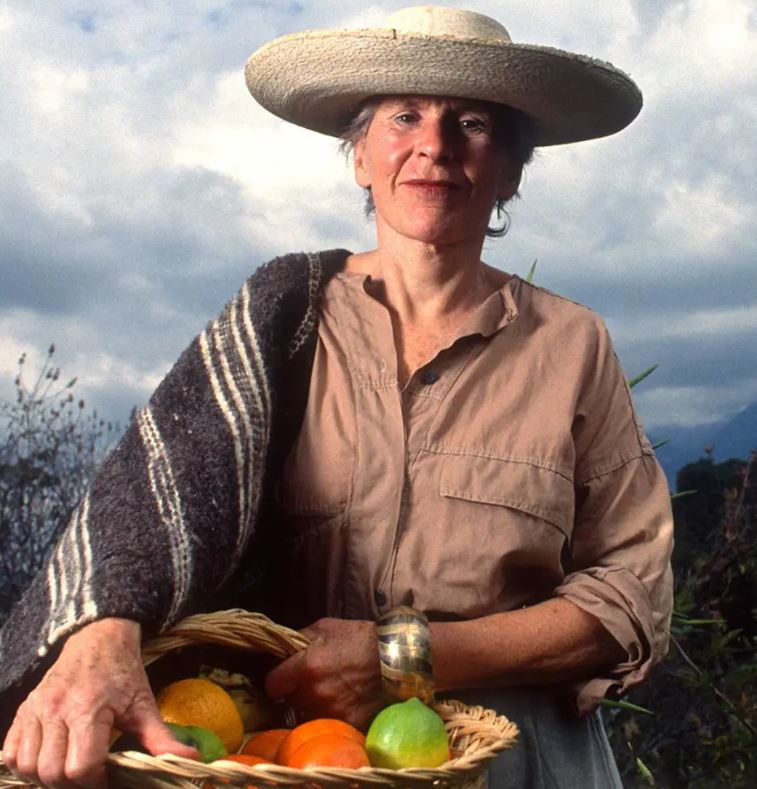

Both of these champions of Mexico have been awarded the Order of the Aztec Eagle by the Mexican government .

…..and, if you’re curious “whitexicans” (1) represent “that privileged sector of society that does not know the reality of the country, that lives in a sphere and believes that all Mexicans have the same opportunities,”. It is a form of slur, much in the same way that “prieto”, “indio”, “naco”, and “gato” are slurs against darker skinned Mexicans. It has also been noted that it is not necessary to have light skin to be a whitexican, “it is enough to adopt their attitudes, such as believing themselves superior to others, discriminating and showing off their lifestyle.” and according to Areli Ramírez, a Doctor in Social Anthropology, “A person with brown or dark skin can adopt characteristics and attitudes of a white person, because they perceive themselves as such, due to their language, consumption habits and lifestyle”. The same articles also state that whitexican cannot be a racist term as it is aimed at a “higher” economic and social stratum and because it represents “a whole system of exploitation in which white people have rather benefited and have not been the exploited but exploiters”. According to this reasoning only the rich and the white skinned can be racist.
- a combination of white and mexican (if you already hadn’t figured that by yourself)
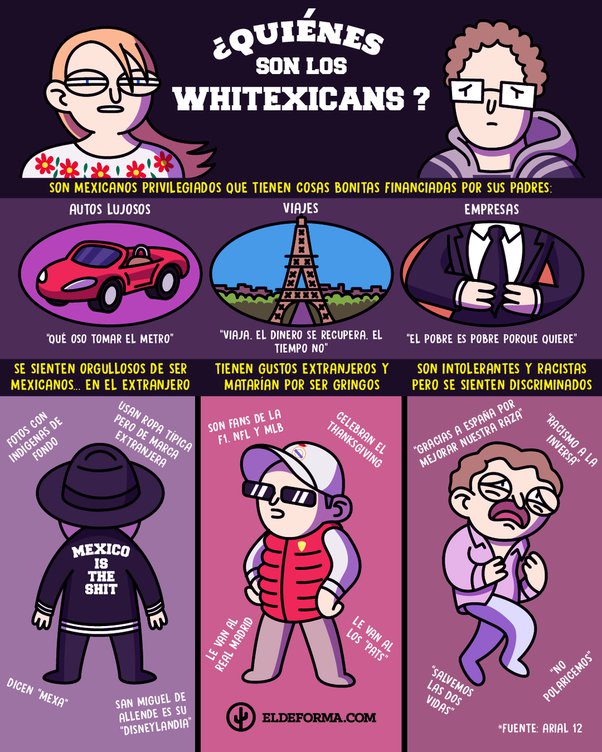
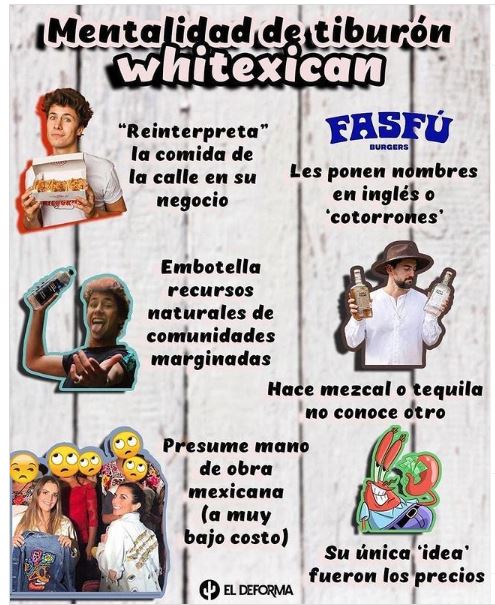
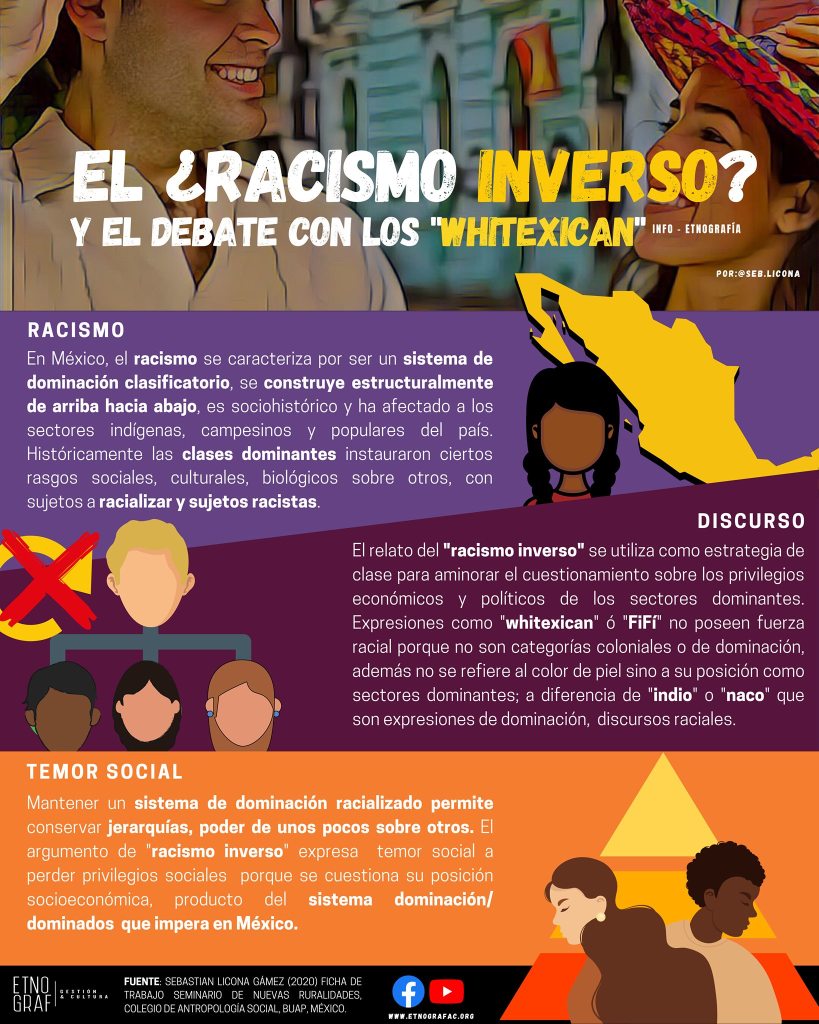
Racismo inverso is the equivalent of “Reverse racism”. Now I have issues with this term as it refers to racism being directed towards white skinned people as being the “reverse” of “normal” racism which is inferred to mean a white skinned person showing racism towards well anyone else really. This intimates that whites own racism which is bullshit really. If you are racist then you are racist. It doesn’t matter the colour of your skin and, as the term whitexican shows, even brown skinned people can be lumped in with white skinned people and receive the same kind of racially charged moniker. Racism in Mexico can be confusing (and I haven’t even brought up afromexicanos) and it can most definitely affect even the most celebrated of Mexicans themselves.
Gentefication (no, I didn’t misspell gentrification)
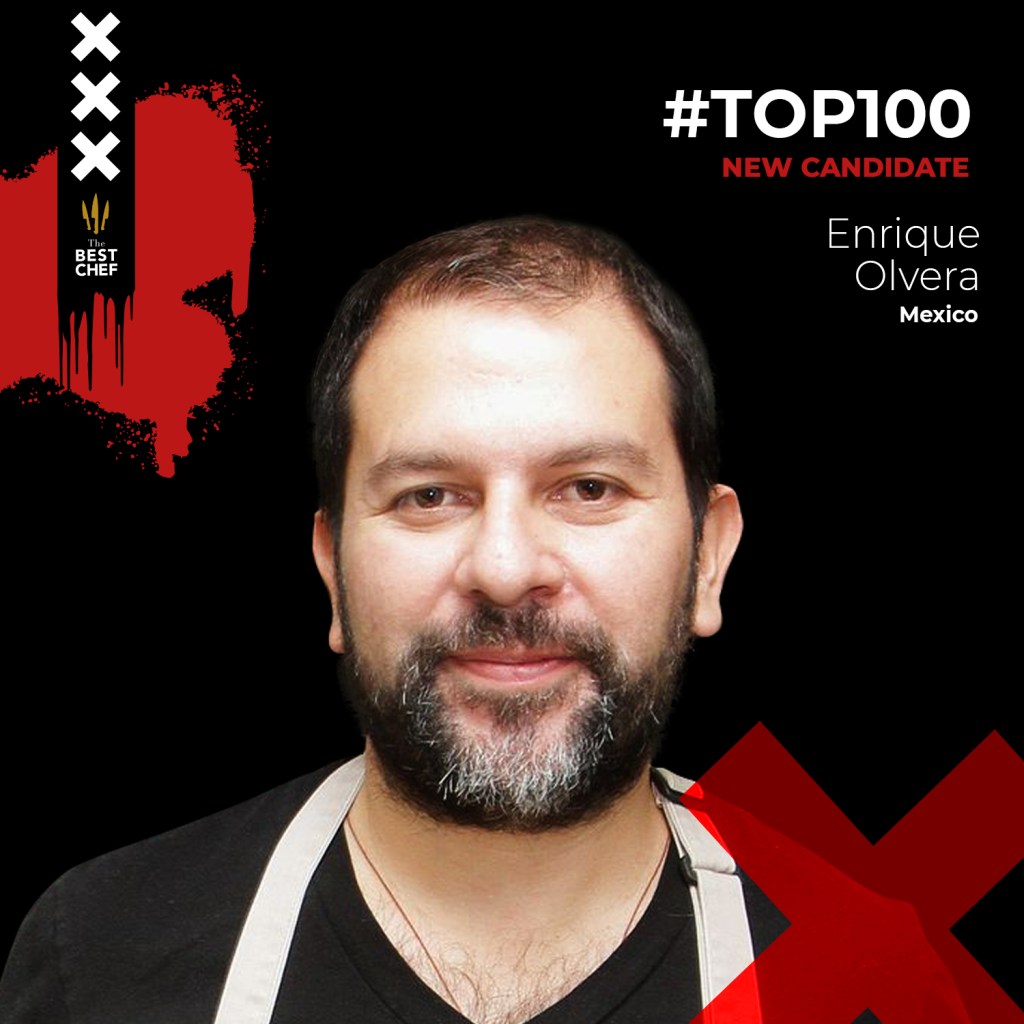
Enrique Olvera, a famous Mexican chef from México (1), has even been accused of cultural appropriation for his selling of the iconic “Mexican” dish mole in his México City restaurant Pujol (2). This claim is somewhat odd to me as although mole is an iconic Mexican dish it is hard to call this a “traditional” or even an “authentic” Mexican dish due to its provenance. See my Post What is Mole? for an examination of this. According to Enrique “ALL food is cultural appropriation”. This is not a negative thing but merely the result of the merging of different ideas/ingredients/processes/traditions from different cultures. This is by and large a positive thing.
- born and bred in México City
- Pujol is an unusual restaurant in that it is Mexican food delivered via the path of “haute cuisine”. Haute cuisine (literally ‘high cooking’) or grande cuisine is the cuisine of “high-level” establishments, gourmet restaurants, and luxury hotels. Haute cuisine is characterized by the meticulous preparation and careful presentation of food at a high price. Enrique has asked “why does Mexican food have to be cheap?”. People complain that it should be $2 for a taco and that Mexican food is essentially “street food” so it should be extremely cheap. Enrique calls bullshit on this (as do I) as Mexican cuisine can be as complicated and elevated as anything those pinche Frenchies get up to. Enrique does get attacked though for making Mexican food that is out of reach (financially speaking) of the average Mexicano.
Enriques food
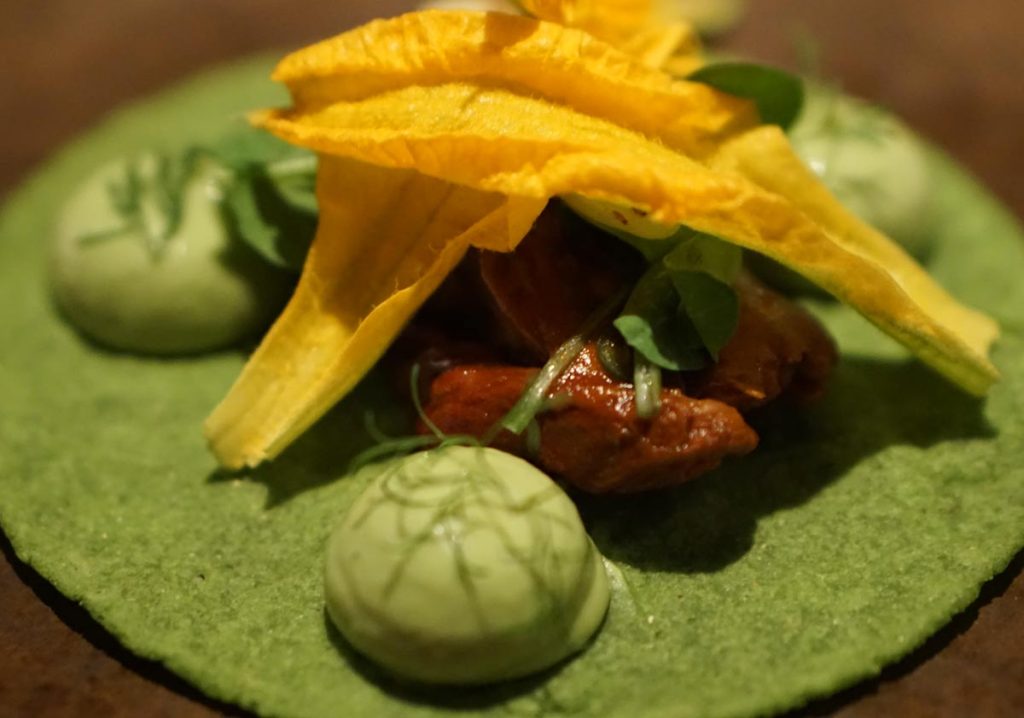

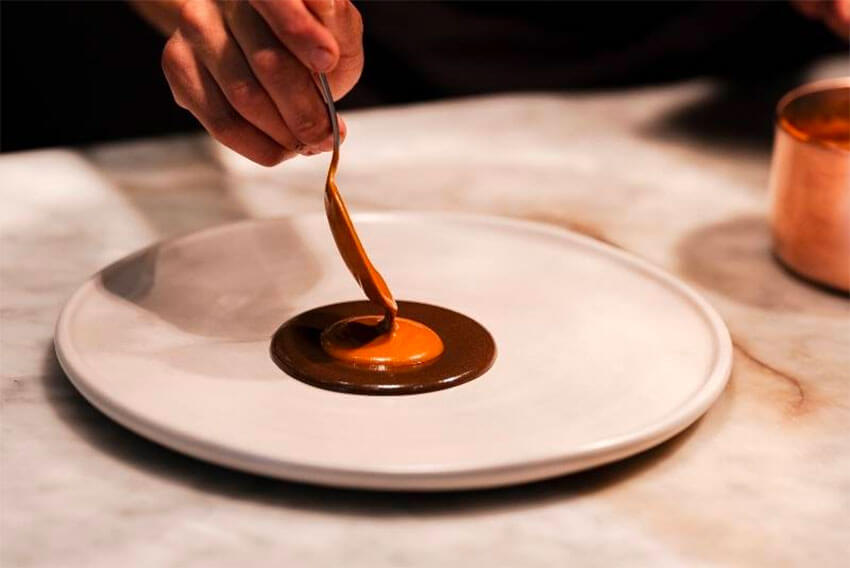
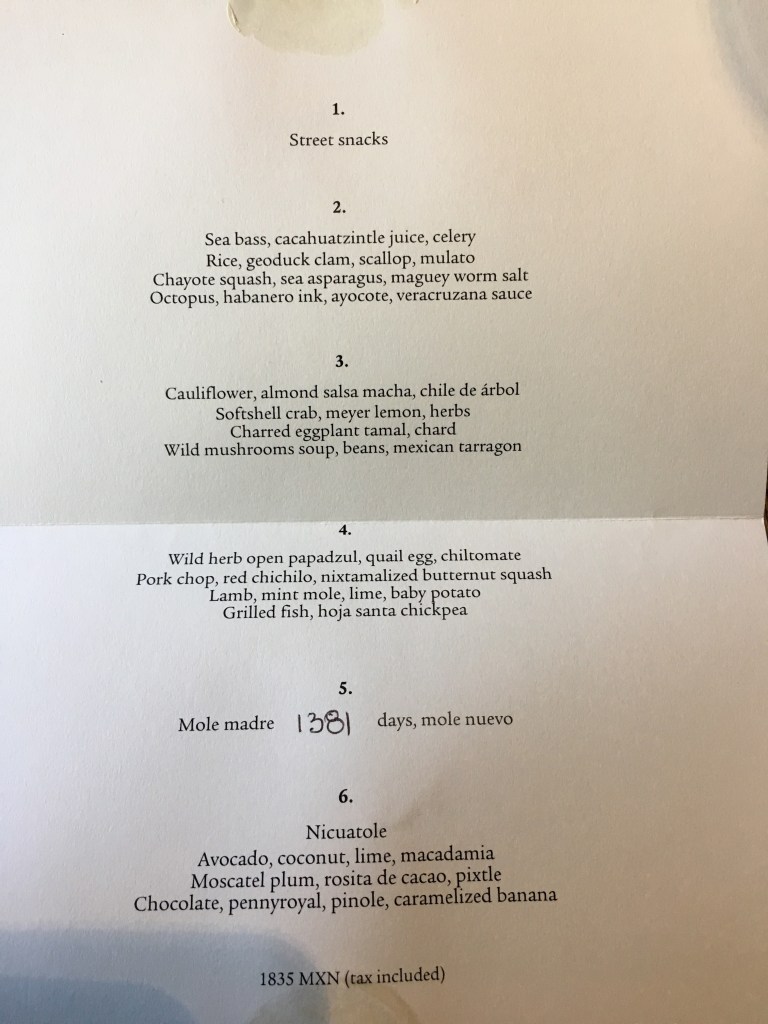
An example of a Pujol menu. Note the age (1381 days) of the mole madre (mother mole). Enrique created a mole which is reheated every day (much like a Chinese Master Stock) and the newly created mole of the day is added to a portion of the mole madre and, as you can see in the image above, the mole is served alone (as it is the hero) with only tortillas to scoop it up. This truly shows the personality of both moles (the madre and the newly created) without the interference of other ingredients. At current exchange rates (November 2023) this meal costing 1835 pesos is the equivalent of about $165 Australian. This price is certainly out of my general reach and I could only eat here on a special occasion at this price (this is also not a really expensive meal at Pujol). Has Enrique “gentified” Mexican food?
I’ve mentioned the word gentification a couple of times so lets look at that.
There are two definitions for the word “gentrification”.
- The process of renovating and improving a house or district so that it conforms to middle-class taste.
- The process of making a person or activity more refined or polite.
Historians say that gentrification took place in ancient Rome and in Roman Britain, where large villas were replacing small shops by the 3rd century, AD. The word gentrification derives from gentry—which comes from the Old French word genterise, “of gentle birth” (14th century) and “people of gentle birth” (16th century). In England, landed gentry denoted the social class, consisting of gentlemen (and gentlewomen, as they were at that time known).
The term gentrification emerged in 1960s London when a German-British sociologist and city planner, Ruth Glass, described the displacement of the poor in London as upper-class people moved in to refurbish houses in previously working-class areas. In 1964, Glass observed “One by one, many of the working-class quarters of London have been invaded by the middle-class … until all or most of the working-class occupiers are displaced and the whole social character of the district is changed.”
….and this leads into gentification which the Urban Dictionary defines as “gente Spanish for “people” + gentrification = gentefication; Michelada-drinking, college-going, newly-minted professional Latinos moving back home to over-priced transitional neighborhoods who move back ‘home’ only to find a new crop of (non-Latino) upwardly mobile gentrifiers, thus inducing an identity crisis”. This is an inaccurate definition as it includes a “new crop of (non-Latino) upwardly mobile gentrifiers” when in reality it is the process of upwardly mobile Latinos, typically second-generation and beyond, investing in and returning to the old neighbourhood. Critics argue it’s no different from gentrification: displacing vulnerable residents and changing a community’s character to indulge wealthier and whiter tastes. Which is quite interesting as, which I mentioned above, “whiteness” is an attitude and not a skin colour. Defenders of gentification however claim that, rather than displacing the poor of the neighbourhood (as they once were I assume) it can bring socially responsible development and preserve a neighbourhood’s culture. The displaced poor who can no longer afford to live in the neighbourhood, the place they grew up in, would likely not agree with this however.
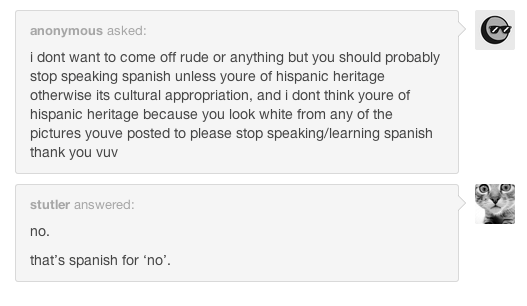
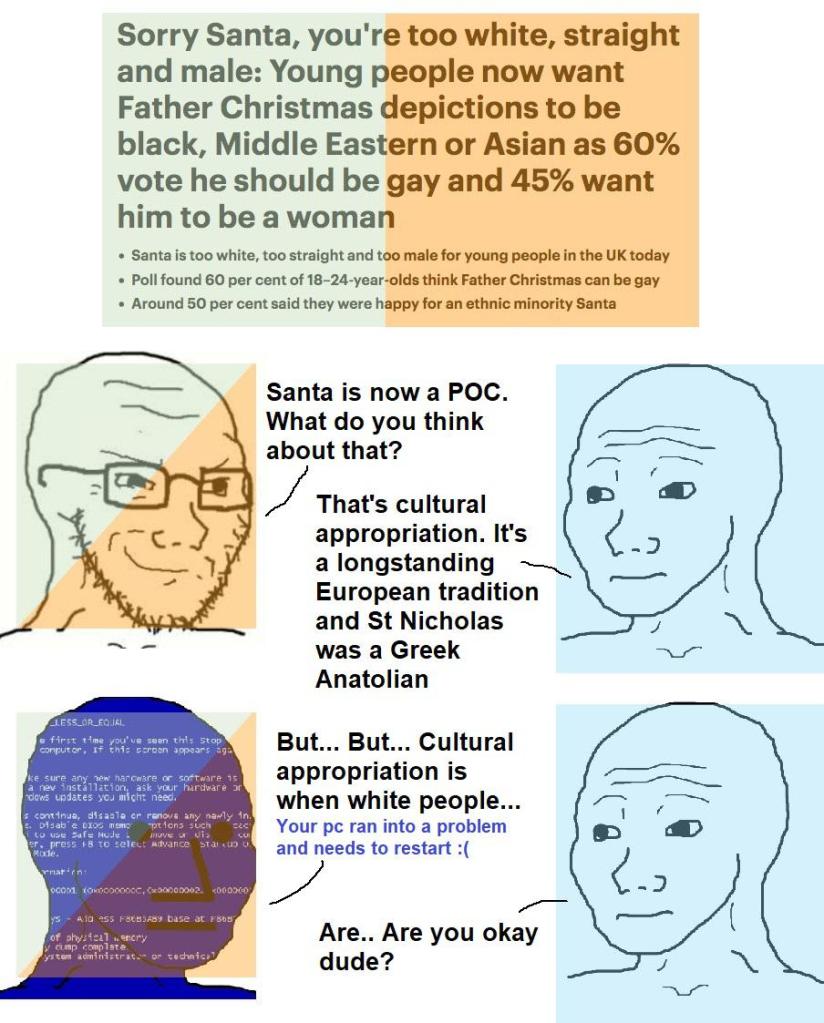
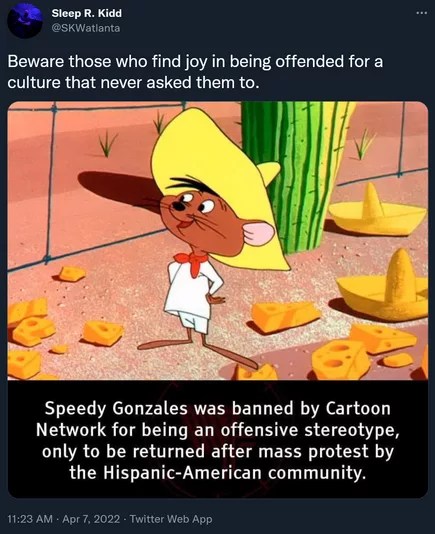
There is however the straight up theft of ideas for profit and this is only exacerbated when the thieves are, if not frank, then outright proud of the success of the theft but, much as in the case of Yahritza, response can be swift and brutal.
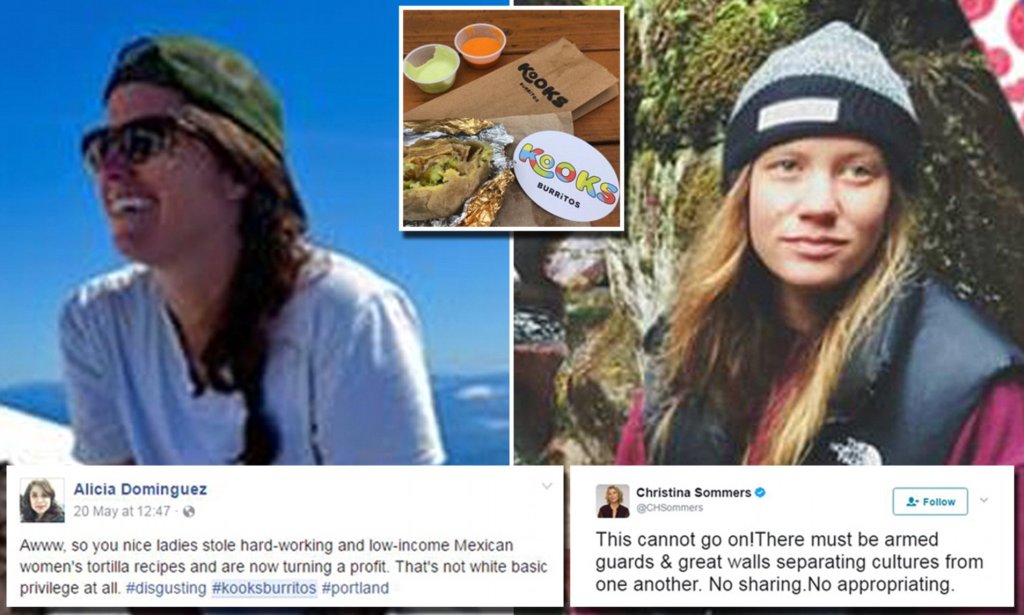
Take the case of Kooks burritos.
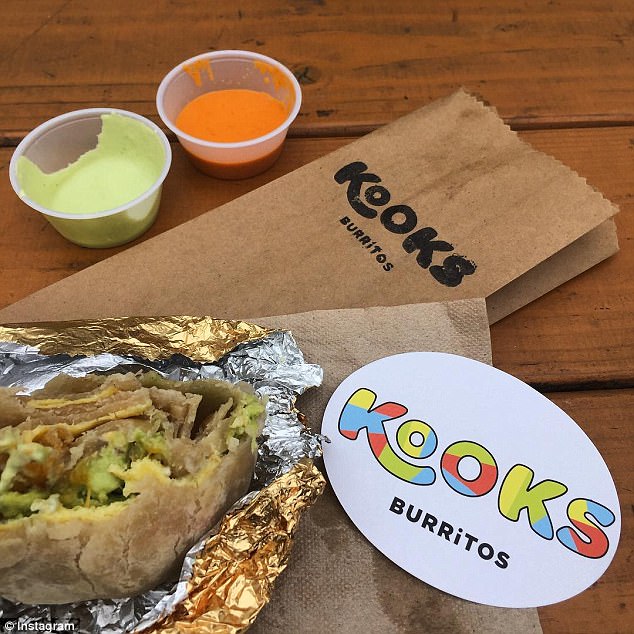
Two white girls (these kinds of accusations – particularly if they are of a woke variety – are usually directed at whitey) from Portland, Oregon U.S.A. opened a burrito food cart after a visit to Puerto Nuevo, México (1) where they were particularly impressed by the food they ate there (they do note that the tortillas in particular drew their interest).
- Puerto Nuevo is a town in Playas de Rosarito Municipality, Baja California, located on the Pacific Coast of Mexico. Located just below the USA/Mexico border, south of San Diego, California. Puerto Nuevo is famous as the “Lobster Village” of Baja California.
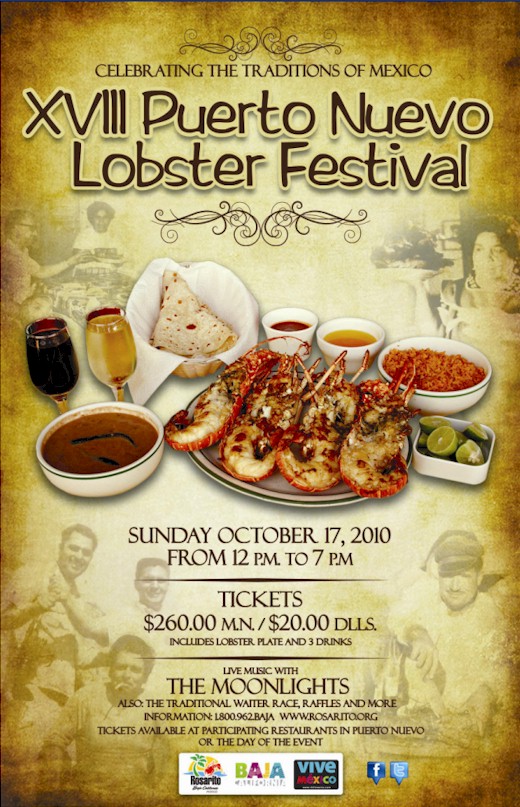
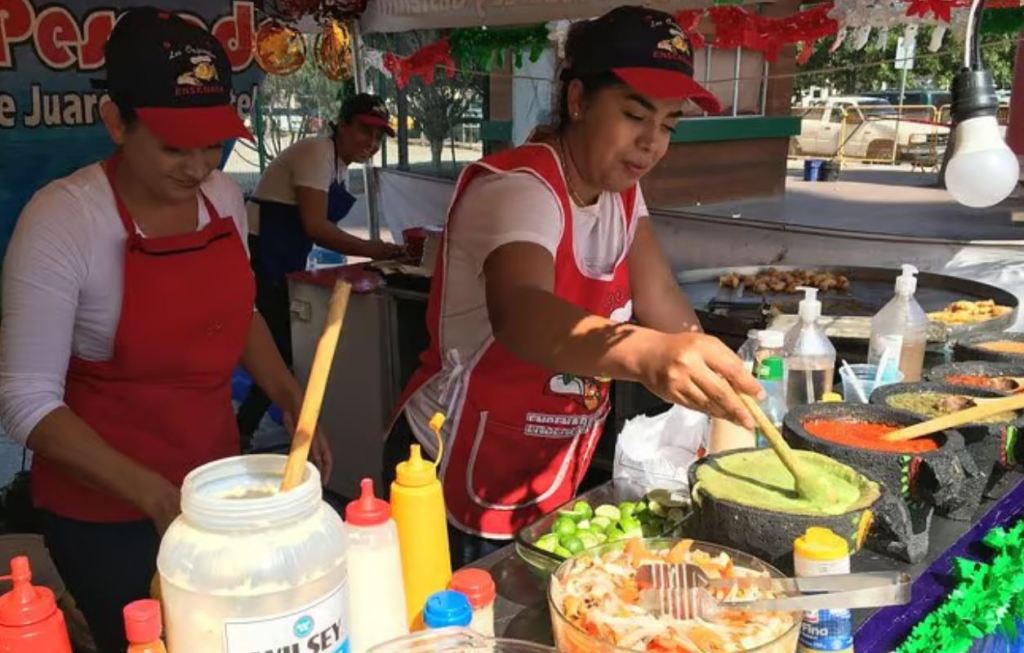
On May 16th, 2017, the Willamette Week published an interview with Kali Wilgus and Liz Connelly, the owners of Kooks Burrito food cart. The pair had travelled south of the border where, “In Puerto Nuevo, you can eat $5 lobster on the beach, which they give you with this bucket of tortillas,” Connelly says. “They are handmade flour tortillas that are stretchy and a little buttery, and best of all, unlimited.”
WW reports that Connelly and Wilgus were so enamoured with the tortillas, they tried to uncover the recipe.
“I picked the brains of every tortilla lady there in the worst broken Spanish ever, and they showed me a little of what they did. They told us the basic ingredients, and we saw them moving and stretching the dough similar to how pizza makers do before rolling it out with rolling pins. They wouldn’t tell us too much about technique, but we were peeking into the windows of every kitchen, totally fascinated by how easy they made it look. We learned quickly it isn’t quite that easy.” They did however figure out how to suitably replicate the tortillas and opened up their pop up burrito cart business.
Their story of blatant theft quickly riled the online community and due to an overwhelming barrage of negative comments and allegations of cultural appropriation and recipe thievery their business was closed within 3 days of the interview.
As an interesting comparison of straight up thievery that did not draw the same ire is that of Taco Bell.
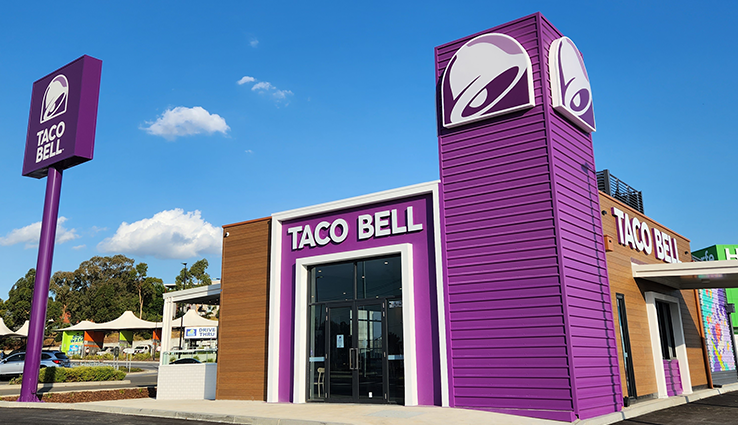
There has also been a great deal of both “popular and academic buzz” over the term Columbusing, particularly as it refers to food, and it is considered to be a part of the “cultural appropriation” argument (1). The chef Rick Bayless has been accused of both Colombusing and cultural appropriation when it comes to his success with cooking Mexican food and supplying it to American audiences/consumers. Rick does not claim to have invented any of his dishes and, if you watch his videos, he states where the food comes from (and even films it in the kitchens of the specific cook it originated from) and then “translates” it into something the American audience can understand. He has been accused of profiting massively from this theft (2). It has been noted (3) that “Whether Bayless’ interpretation of the cuisine is authentic is beside the point, and whether his cooking has actually furthered the appreciation for Mexican cuisine among the general populace, that is also irrelevant. The fact that he cooks it (is enough to condemn him) and it is further noted by the same author that Ricks cooking of Mexican cuisine “is akin to intellectual property theft, since it belongs like art, music and literature to the people who created it. This a compelling argument” (4). These same detractors mention nothing about Glen Bell and the travesty of Mexican food that is Taco Bell. Glen outright stole his ideas from a Mexican restaurant across the road (5) and the yearly income of Taco bell (6) which in 2022 was more than $2Billion dollars which I have no doubt outweighs any profit Rick makes in a year (I could not find exact figures on Ricks profits) although sales figures for three of Bayless’ restaurants (7) was as high as 30 million in 2013 (and the Kooks burrito girls are a looong way from profiting like either of these two businesses above)
- “Cultural” Appropriation of Cuisines?
- not many however take into account his scholarships for cooks, loans and support for small farmers, support for indigenous farmers and their heirloom corn (both growing, selling and importing/exporting it)
- https://www.wondriumdaily.com/food-columbusing/
- A “compelling argument”? Art, music and literature belong to the people ”who created it”? Cooking is an act of creation. Rick does not claim to be the creator of Mexican cuisine so this argument is not at all compelling. Envidia sounds like the cause of this authors problem.
- The Mitla Cafe in San Bernardino California which opened in 1937 and is still operating today
- Taco Bell has 8,218 locations in 31 countries : https://expandedramblings.com/index.php/taco-bell-facts-statistics/
- Frontera Grill (authentic regional Mexican cuisine); Topolobampo (Frontera’s upscale sister restaurant); Xoco (fast-casual street foods and snacks)
- https://www.restaurant-hospitality.com/new-restaurant-concepts/rh-25-frontera-restaurants – these are however just the sales figures and do not take into account staff wages or any of the other multiple costs in running a restaurant so actual profit will be much lower (and nowhere near the BILLIONS that Taco Bell draws in)

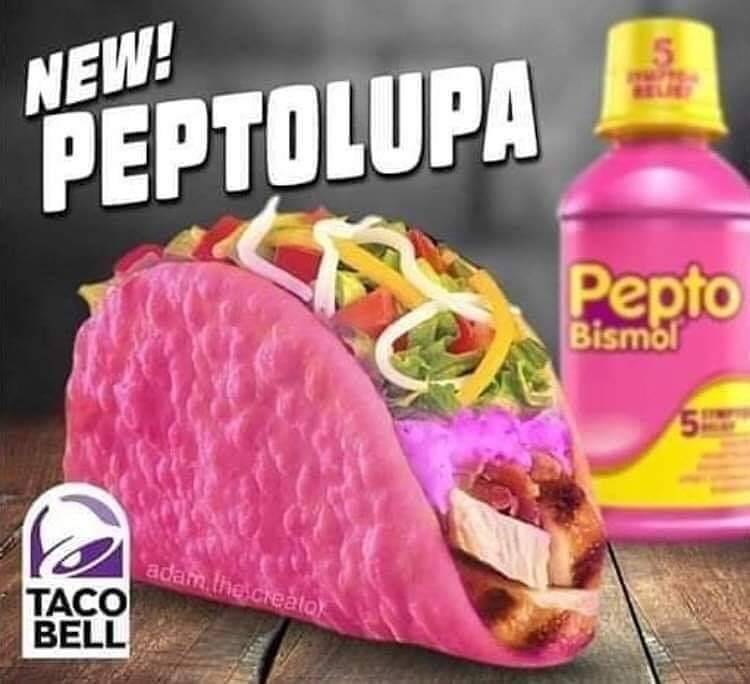
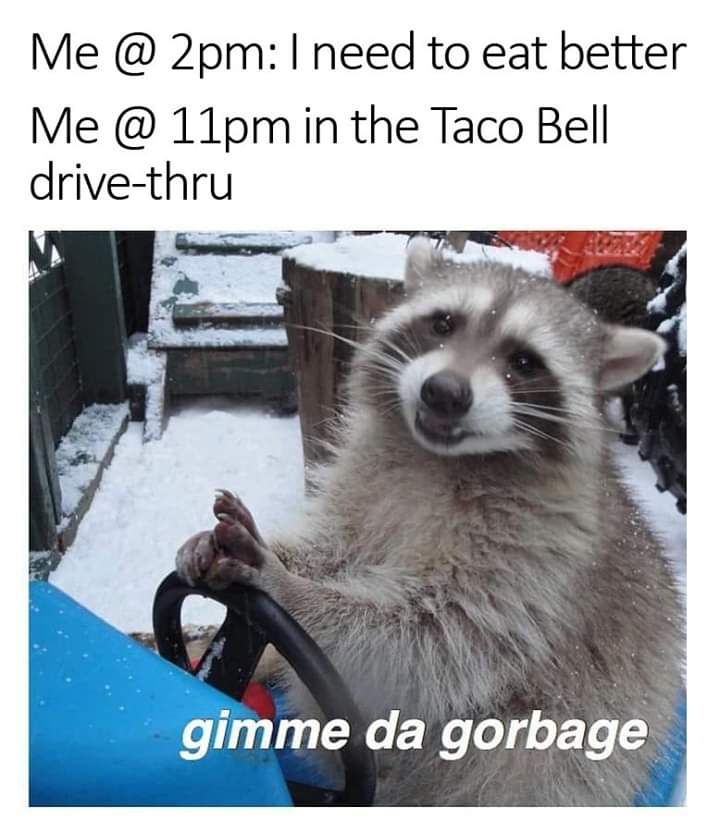
Taco bell is subject to much mockery though.
Now aside from appropriation and appreciation we have Columbusing.
Columbusing – this word is said to have first been coined in 2013 (1) and was defined as “the act of taking over property which does not belong to you”. This referred directly to the “discovery” of the American continent in 1492 AD by the Italian explorer and navigator Christopher Columbus (2). In 2014 (June 23rd) the term had been taken up by CollegeHumor (3) and was presented in a skit “Colmbusing: Discovering Things for White People”. After this the term was taken up by Left leaning media outlets and is now just delivered as a slur against white people with such ridiculous statements like “If you’ve danced to an Afrobeat-heavy pop song, dipped hummus, sipped coconut water, participated in a Desi-inspired color run or sported a henna tattoo, then you’ve Columbused something” (4) being spouted. Claiming something as yours and participating in something from a culture you were not born into (and only just been exposed to – or “discovered” by being exposed to for the first time) are two completely different things.
- submitted by Urban Dictionary user Harunei on January 26th, 2013
- also “Cristoforo Colombo” or “Cristóbal Colón”. The name Christopher Columbus is the anglicisation of the Latin Christophorus Columbus.
- CH Media is an Internet comedy company based in Los Angeles which produces content for release on its streaming service, Dropout, and on YouTube. It was originally founded as the CollegeHumor website, created by Josh Abramson and Ricky Van Veen in 1999
- What a crock of shit. Insular and isolationist is what this statement is. https://www.npr.org/sections/codeswitch/2014/07/06/328466757/columbusing-the-art-of-discovering-something-that-is-not-new?utm_source=facebook.com&utm_medium=social&utm_campaign=npr&utm_term=nprnews&utm_content=20140706

Lets get back to the molinillo
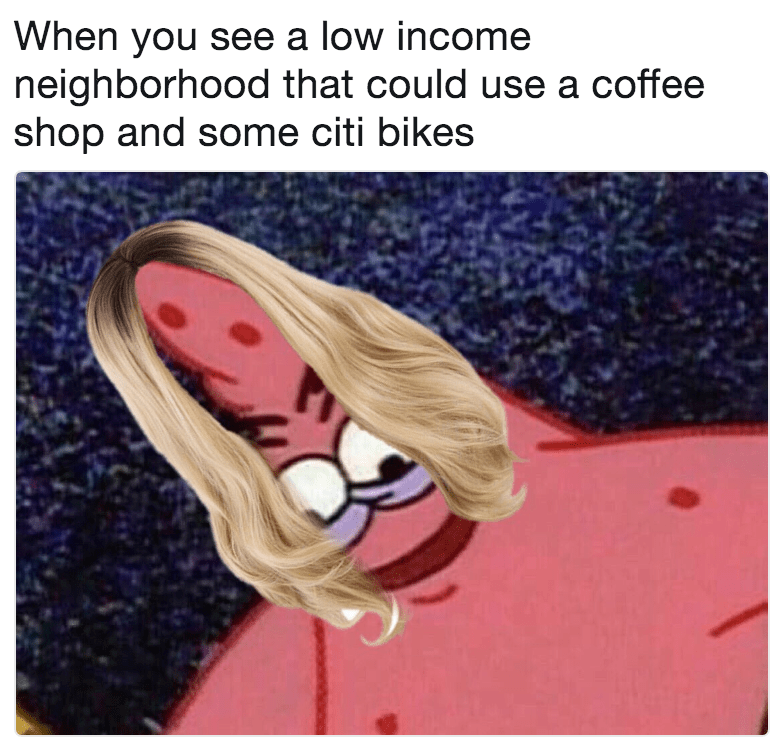
In this case we are looking at gentrification.


My small collection of molinillos. I had this item on my “must have” list when I travelled to Mexico City and there I purchased the largest one you can see in the photo below. After returning home to Australia I found (at various times) three more of them at thrift stores and one of them was picked up by a friend of mine (again in a thrift store) who had no idea what it was but it had Mexico on it and she knows of my love for this land so she picked it up for me. I tell that story here… Mexican Cooking Equipment : The Molinillo
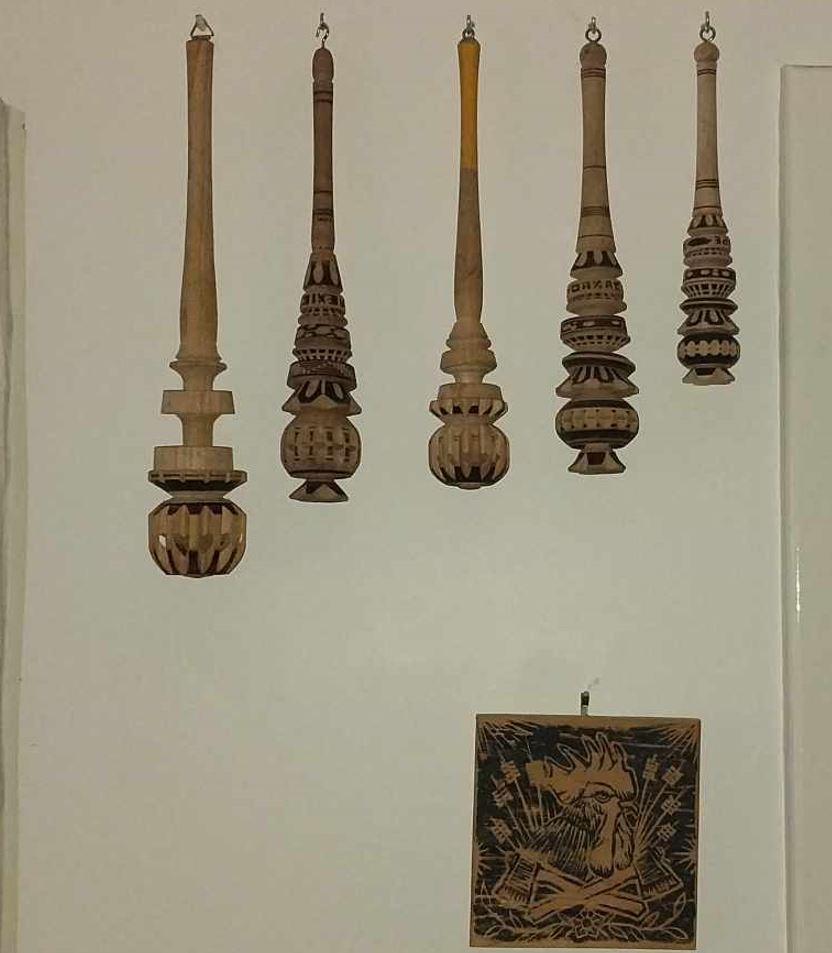
Now, when I was setting up my molinillo display I noticed something which at first concerned me.

All of them were carved in a similar manner and in this video you can see Juan Alonso Rodríguez, an artisan from the State of Mexico in the Municipality of Santa María Rayón, create a molinillo from scratch. The part I’m interested in is at around the 43 second mark of the video and shows Juan creating the hollow space within the molinillo.
The molinillos in my collection are of two varieties and its the more intricate ones that caught my attention.

Each is well carved….
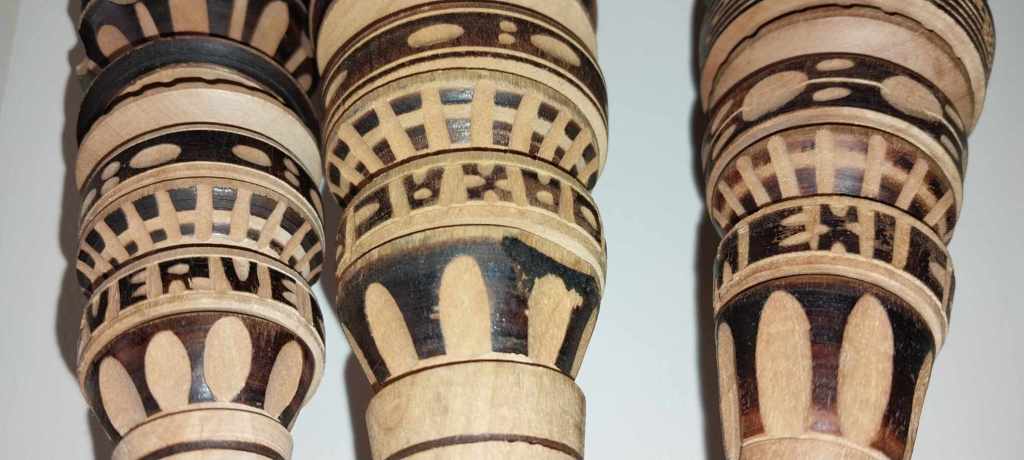
….with some being more intricate than the others.

But. The thing that piqued my curiosity was the ability of the artisan to carve hollow areas within the molinillo with nothing but a chisel whilst a hunk of wood spins furiously upon the lathe. There is some true skill in this.

Now. These hollow areas are responsible for creating a type of vortex which encourages the foaming of the hot chocolate and the ability of the molinillo has even been studied from an engineering point of view as to why and how this happens.

It was then that my eye caught something strange

Note the hollows in the two molinillo on the right (above) and how the one on the left (below) is not constructed in the same way. It appears to be a solid block of wood.
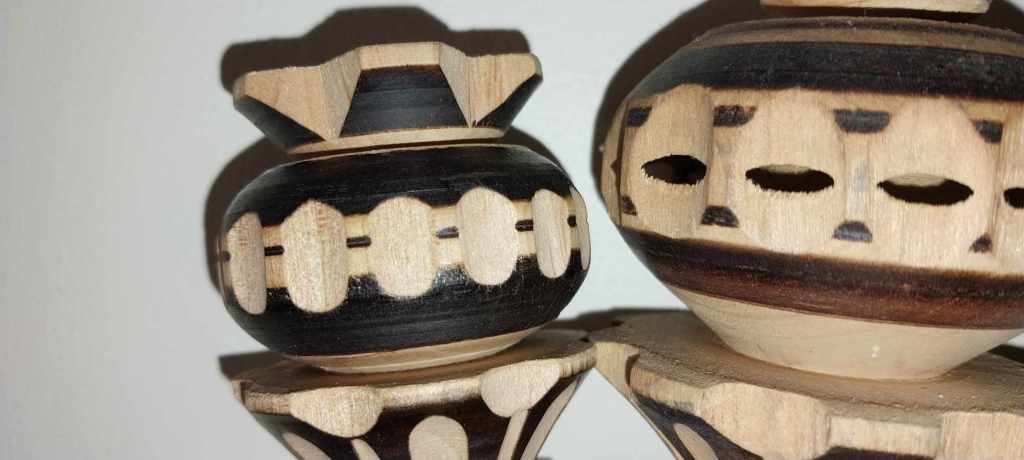

The ability to carve these cavities is definitely the skill of the artisan so why does this one item not have that same level of workmanship?
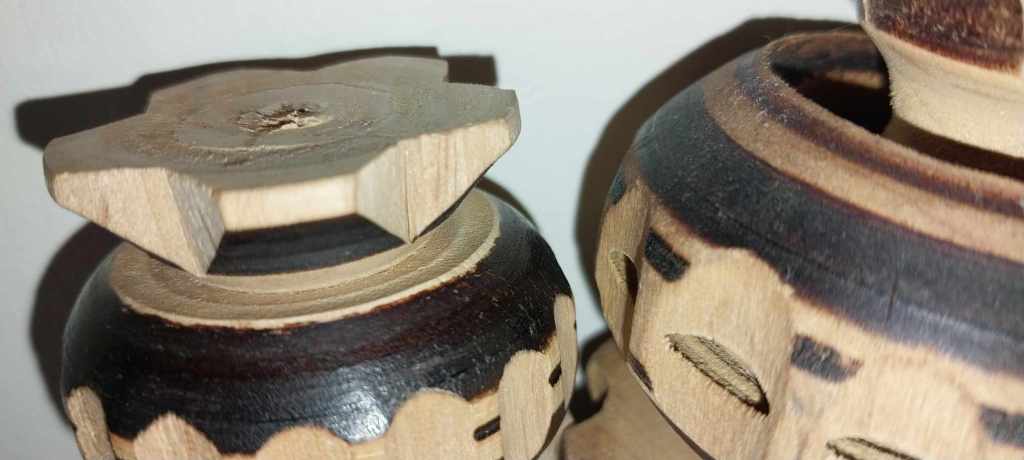
The company that makes the molinillo I am interested in was founded by two middle class white American (los estados unidos) women who have worked in the “gift industry” for 27 years and who became “disillusioned with the mass-produced products prevalent in the marketplace” so they decided to create a brand “based on life’s passions: cooking, entertaining, travel and, those cherished moments, and lasting memories with family, friends.” (This is starting to sound like Matthew McConaughey’s tequila Celebrity Tequila : A New Chapter?)
This company is most definitely a gentrified version of supplier who “deliberately select premium quality products made by local artisans in Mexico, Thailand, Morocco, and Italy to sell in the US.” and they make the claim that they “enhance the product by including things like recipes, instructions, and a history of the product as a way of educating our consumers”. To do this they “curate iconic items that are made in the country of origin using traditional practices”. Now they do state that “We work with artisan partners around the world to bring products that uphold the culture and tradition of where it was made. Everything in our range is made in the country of origin, nothing is mass-produced.” but I do wonder how these artisans are reimbursed for their work (and history and culture).
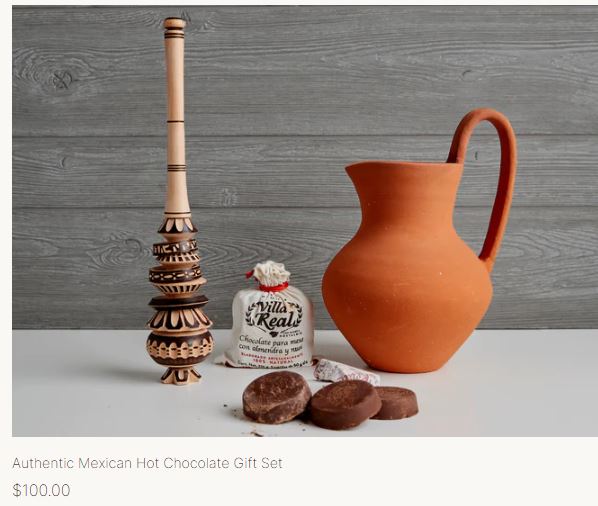
At first I was mildly annoyed regarding the solid nature of the structure of the molinillo and wondered if the artisans were taking the piss by creating a half assed, mass produced molinillo with only half the work done. Why have they not created this hollow cavity in the base of the molinillo? Further research however uncovered the fact that the molinillo exists in a number of different configurations, many of them without the free spinning rings and/or hollow cavities.


Honestly, some of these look like medieval weapons of war.

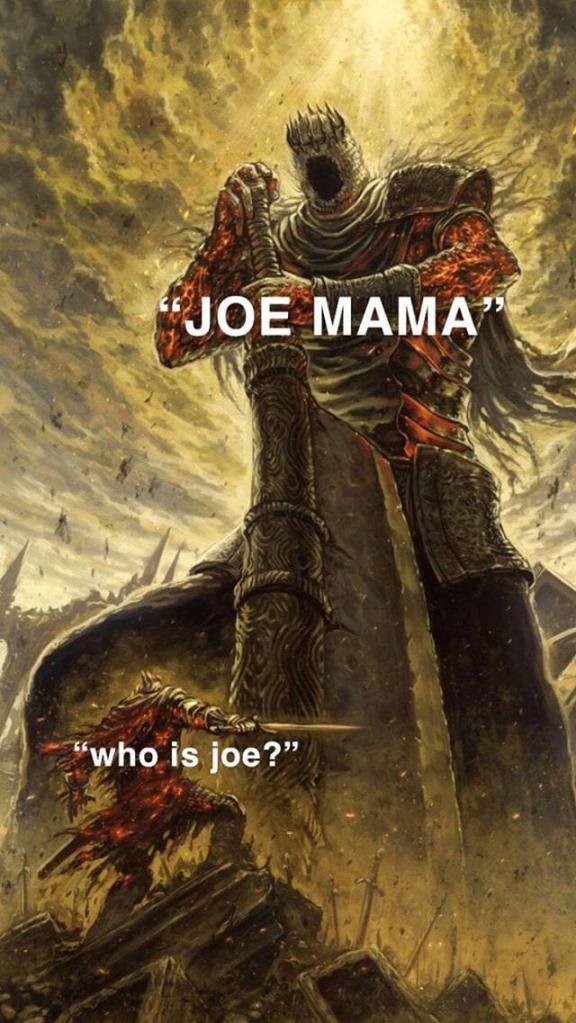
We are not at war however. We are in love. In love with Mexico, in love with chocolate and in love with Joe.
References
- Holguín-Salas, Alehlí & López López, Diana & Corkidi, Gabriel & Galindo, Enrique. (2013). Foam production and hydrodynamic performance of a traditional Mexican molinillo (beater) in the chocolate beverage preparation process. Food and Bioproducts Processing. 93. 10.1016/j.fbp.2013.12.007.
- Onions, C. T.; Friedrichsen, G. W. S.; Burchfield, R. W., eds. (1966). “Gentry”. The Oxford Dictionary of Etymology. p. 394. Harper, Douglas (2001).
- Parkins, Helen; Smith, Christopher John, eds. (1998). Trade, traders, and the ancient city. London: Routledge. p. 197. ISBN 9780415165174.
Image
Appropriation leprechaun – https://www.cagle.com/steve-nease/2019/03/paddy-culture
Medieval maces – By Samuraiantiqueworld – Own work, CC BY-SA 3.0, https://commons.wikimedia.org/w/index.php?curid=27716680
Web Links
- https://www.ideasontour.com/naco-o-whitemexican-racismo-en-mexico/
- https://www.bbc.com/mundo/noticias-america-latina-48098551
- https://elmanana.com.mx/global/2021/6/21/que-es-un-whitexican-una-etiqueta-racista-clasista-vuelve-ser-polemica-54600.html
- https://archive.kpcc.org/blogs/multiamerican/2012/01/11/8067/is-gentrification-the-same-when-the-players-arent-/
- https://www.theeastsiderla.com/lifestyle/gentrification/gentrification-or-gentefication-no-matter-what-you-call-it-upwardly-mobile-latinos-bring-change-to/article_40e2c06a-f40f-5577-8d98-3f48697b07fa.html
- https://www.latimes.com/opinion/story/2021-12-02/barrio-logan-san-diego-chicano-park-gentrification
 Masa Americana