
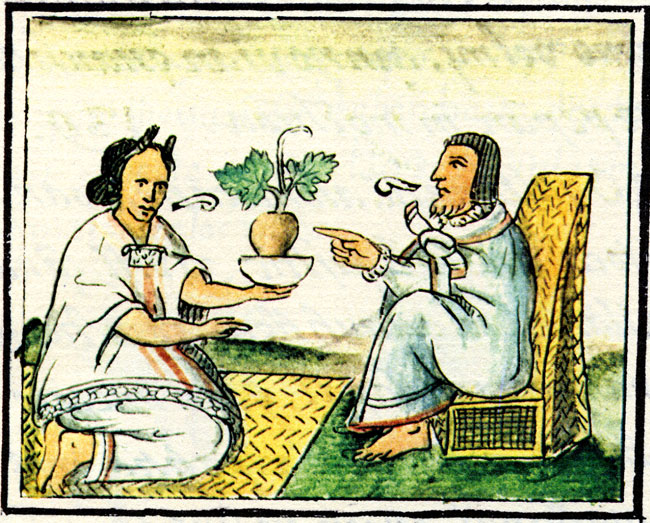
Wow.
This started as something else. We’ll get to the Aztec diet part in a minute. Before I wanted to start I thought I’d define a couple of terms (one being “Naturopath”) so I thought I’d do a quick Google to get some ideas of the definitions out there and how they measured against what I know and all I can say is Holy Fuck!
Where I come from Naturopathy (which is my second modality really – my primary focus is herbal medicine) is a belief in the body’s ability to heal itself. If given the proper resources the human body (and the psyche is involved here too) is a remarkable self healing and self replicating biological machine capable of performing far outside of the belief of the average person. Now naturopathy is not complicated really; clean food, clean water, clean air, frequent sweaty exercise and mental wellbeing (however you get this is up to you – sing, dance, play, friends, family, spiritual belief – all these are important to one degree or another)
Not really complicated.
Its scope is limited though. Chamomile tea will not help you if you’ve been in a car accident. Invasive, intrusive, life saving surgery with knife and fire (well maybe laser) might be called for. There are people trained in this.
The human immune system is an intricate system of protection that is constantly in motion. Every breath we take, every mouthful of food we swallow, every glass of water we drink, all of these things are teeming with possibly pathogenetic microorganisms that given the right circumstances could easily end our lives. The immune system deals with all of this without us even giving it a thought. There are however organisms that operate faster than these systems and that is why we have antibiotics (and other drugs such as opiate painkillers) that protect us from various pathologies.
When searching for information about naturopathy (online) the first definition that often comes up is a Wikipedia entry (2nd choice in this case) and all I have to say is what a crock of shit. The effort that has gone into this page with the sole purpose of denigrating and completely misrepresenting naturopathy is breath-taking.
Check out some of the attached excerpts below
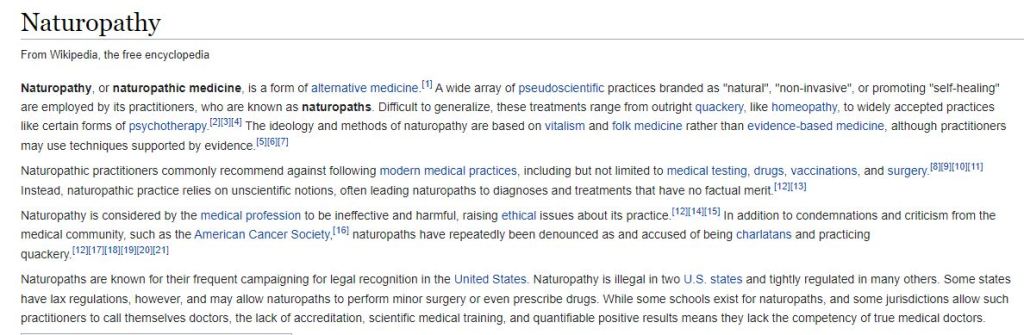
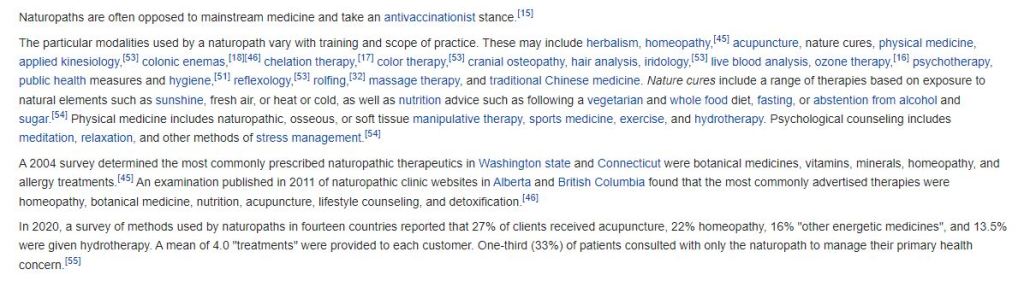
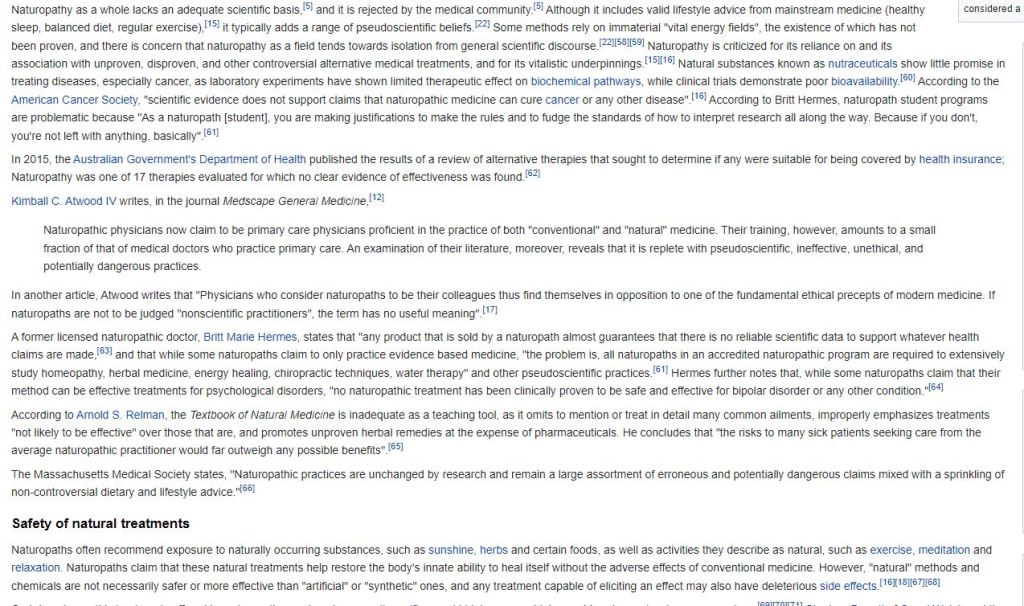
This article was most likely sponsored by (or even directly written by) an (extremely biased) proponent of modern allopathic medicine. It states that “Naturopathy is considered by the medical profession to be ineffective and harmful, raising ethical issues about its practice” and that “Naturopathy as a whole lacks an adequate scientific basis, and it is rejected by the medical community”. The rejection by the medical community I think is also misrepresented. It is rejected by the governing bodies of medicine but, by the doctors themselves? Not as much. A doctor who genuinely cares for their patients will try “off label” therapies if they believe it may help their patient. They will not however discuss it openly in a (medically biased) forum of their peers for fear of being ostracised by their own community. This hypocrisy is not uncommon (and is vital for the doctor if they wish to keep practising under the current regimes). The apothecaries (pharmacists) do not give a fuck. They will sell anything if it brings in the filthy lucre.
As for not having any “scientific basis”, well I was schooled in the same anatomy/physiology/pharmacology/pathophysiology (etal) that the doctors were taught at university. The very same information in fact. I subscribe to and read the same scientific journals and medical journals that the doctor reads. My scientific basis is the same as the doctors and in some cases i.e. nutrition/pharmacology (1) I am (possibly) better versed than a doctor and, in my ability to look at a problem, I have the benefit of considering therapies that the doctor is forbidden to access.
- pharmacology is quite important to the herbalist. They must know both drugs and herbs and be aware of possible interactions. Part of my job is to liaise with both doctors and pharmacists regarding these interactions. They are less interested in adverse reactions between drugs (and in anyone – usually the elderly – who is taking four or more pharmaceuticals you will usually find that at least two of these drugs must not be taken together. I use the same drug interaction programs that pharmacists and doctors use (or bloody well should use) and they always seem surprised by my comments regarding two drugs not being taken together. These comments are usually dismissed (I’m an ignorant charlatan you see – well why contact me for my input in the first place then hypocrite?) but they will latch onto a comment about a herb having a “possible” interaction (only “possible” as there is chemistry in the plant that might do a similar thing as a drug so theoretically there might be an interaction – only “theoretically” as many plants are not given the benefit of scientific study – or the studies of other countries (i.e. China and India – both of whom have extensive knowledge and a long history of herbal medicines) are denigrated as they “obviously do not measure up to the rigorous scientific method of western medicine”. The wikipedia entry does denigrate the practice of acupuncture several times and this is just a straight up example of racism in medicine.
One thing they did get right was the statement that “Naturopaths often recommend exposure to naturally occurring substances, such as sunshine, herbs and certain foods, as well as activities they describe as natural, such as exercise, meditation and relaxation.” Good advice actually but they then go to fuck that up by saying “However, “natural” methods and chemicals are not necessarily safer or more effective than “artificial” or “synthetic” ones”. We’ll look into the “safety” of modern medicine a little later.
There is far more to unpack from that article that I’m prepared to go into here. Maybe in a future Post I’ll investigate it line by line so we can have a look at the hatred directed towards the profession. Lets also take into consideration that 80% OF THE POPULATION OF THE WORLD (check the numbers below) can ONLY rely on a naturopath (or the equivalent such as a curandero) for their primary healthcare. No mention is made in the article about how fucked these people are because they cannot access modern medicine.
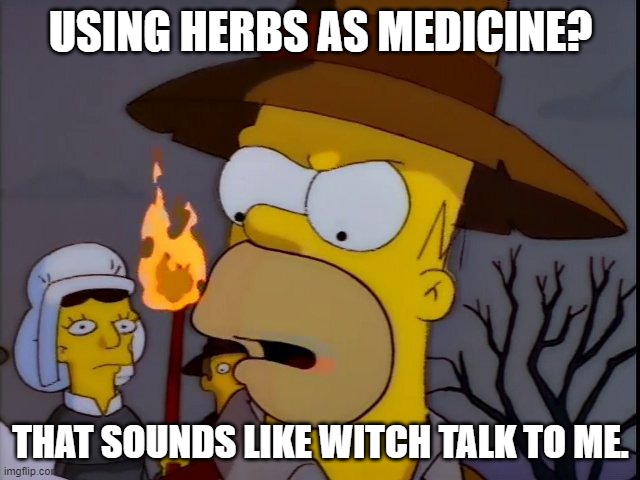
What a vicious and unwarranted attack (and by and large complete bullshit). I’m actually surprised they aren’t calling for witch burnings.
As a counterpoint to the attack I would like to present a few examples of the safety of modern allopathic medicine.
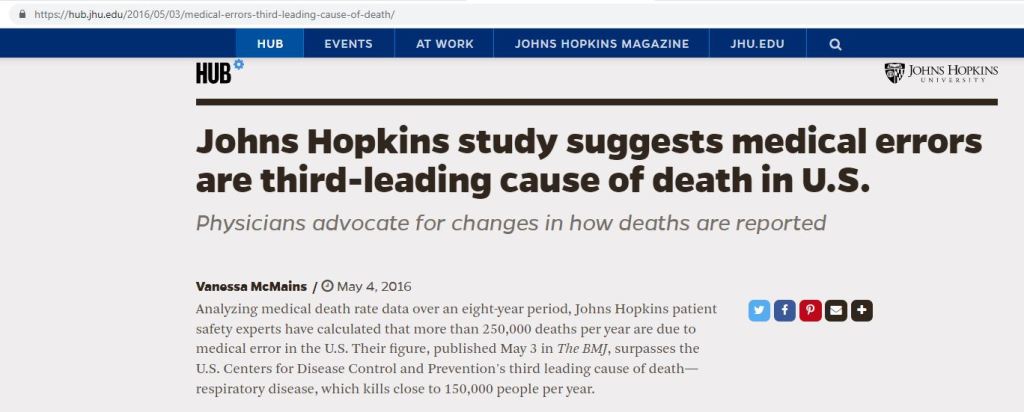
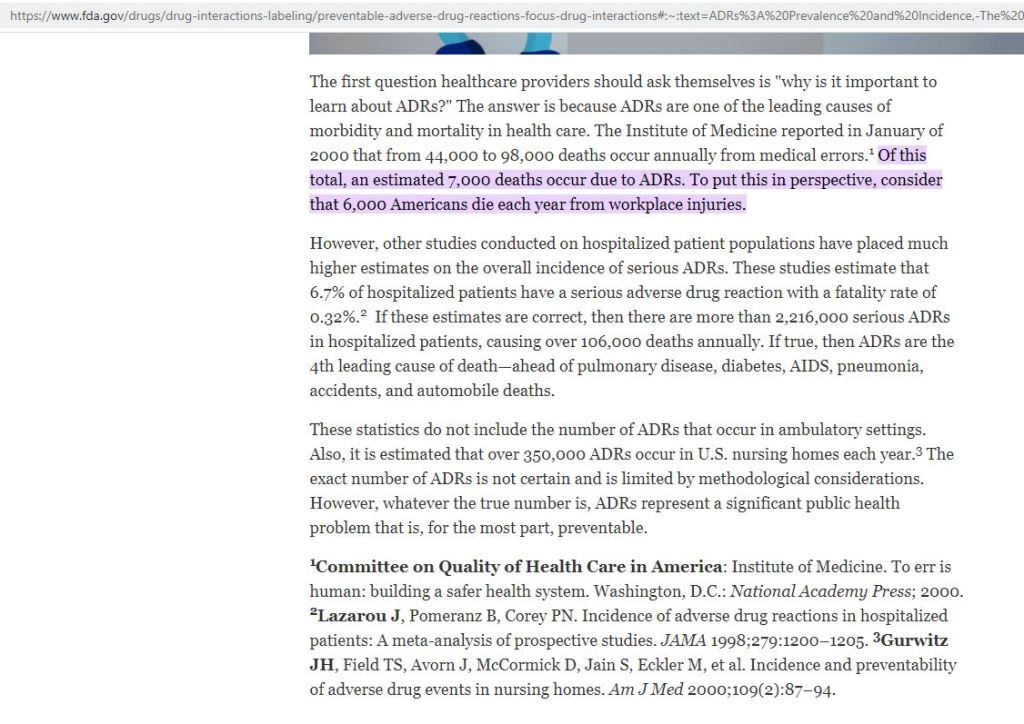
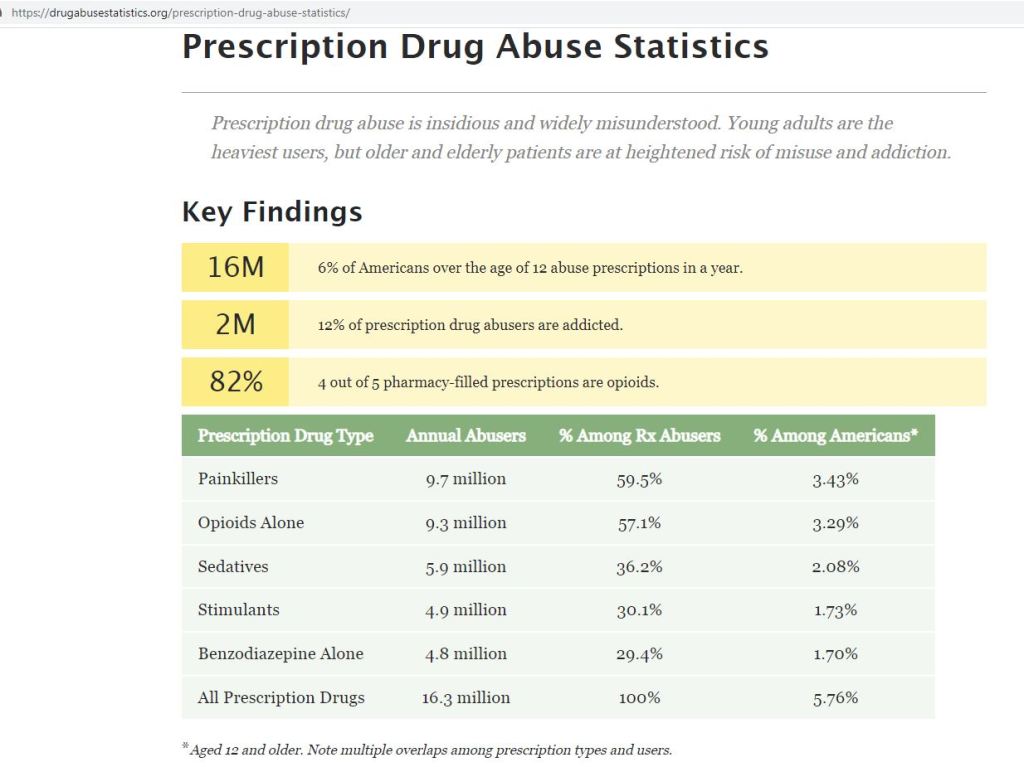
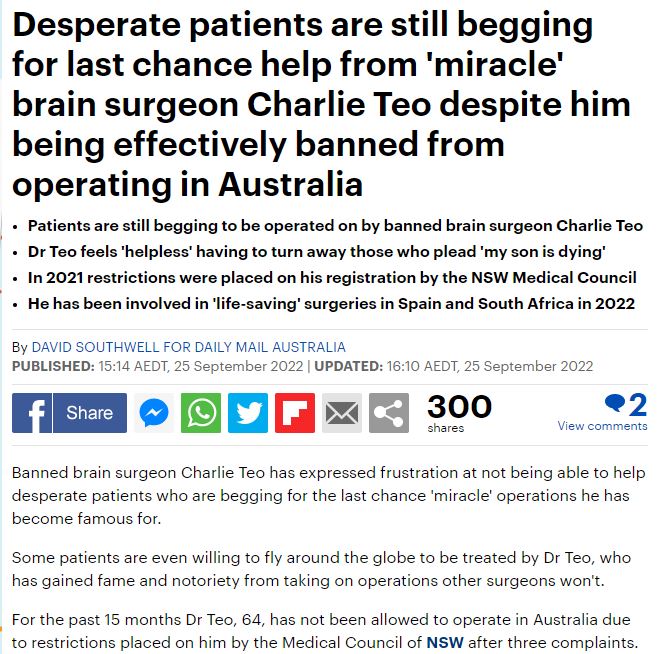
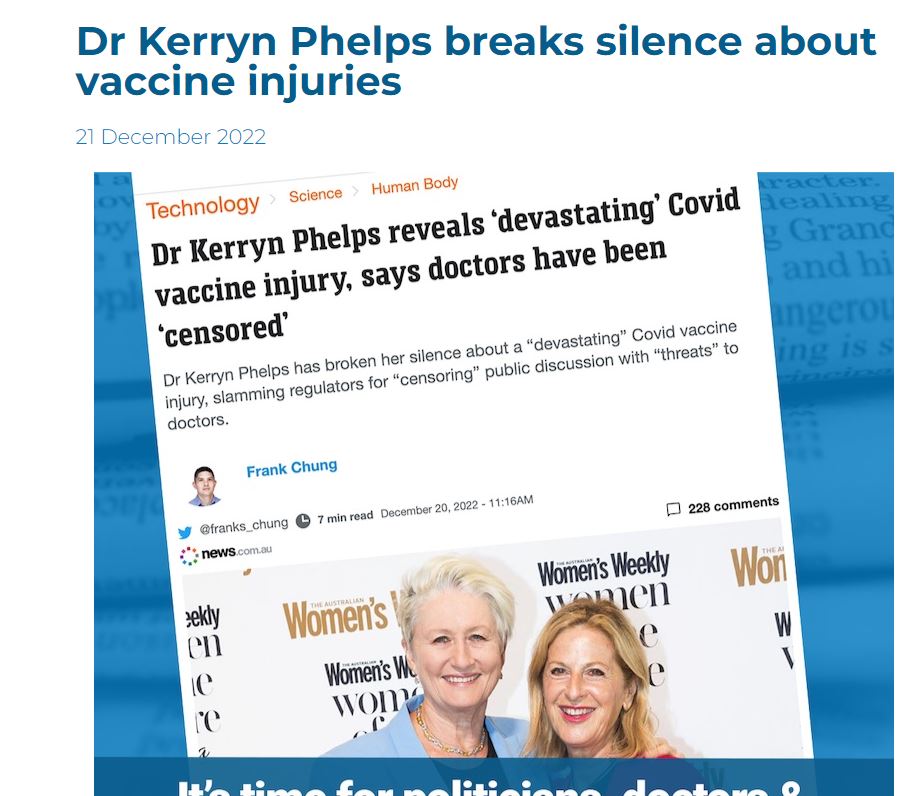
Doctors themselves are not safe from their own system of governing. As a couple of examples… Dr Teo is an Australian neurosurgeon that will take on brain surgeries that are deemed by his compatriots as impossible and inoperable. By and large he is successful in his endeavours (and that is part of the problem). The medical establishment has reacted by preventing him from saving lives……Dr Kerryn Phelps is a previous president of the Australian Medical Assoc (AMA) and was a fervid proponent of the covid vaccine roll out. She publicly spoke up for and pushed for mandatory vaccination. After she received her 2nd vaccination and after her partner was crippled by her vaccination she started to investigate and query (rather that just regurgitate the party line) and she has been ostracised by the medical fraternity in Australia. No one is safe from the money-makers who control these systems.
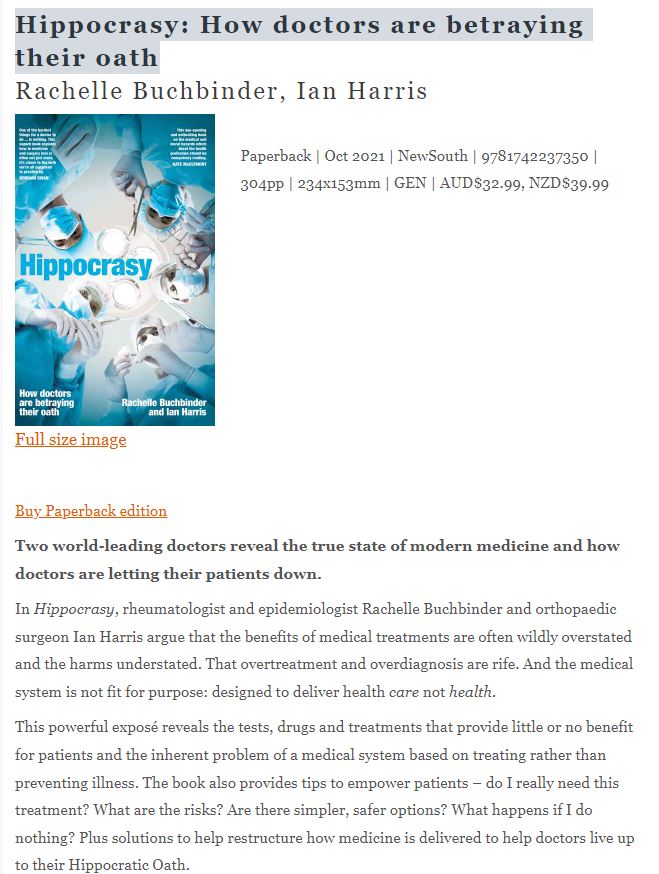
Lets not get bogged down in semantics as both naturopathy and allopathy are valid forms of medicine (and both have inherent dangers). These arguments, between the university trained “doctors”, the apothecary (now called a pharmacist) and the wild taught healer (whose education is no less valid than a universities) have been fought since there has been these three demarcations in medicine. The Doctor thinks he is superior due to his schooling, the Apothecary (who once were doctors) (1) has a superior drug knowledge and the (insert appropriate modality here) has to take into account the actions of the previous two before they can approach healing. The naturopath (in one name or another) is likely the most common form of healer in the World. The World Health Organisation (WHO) states that 88% of all countries are estimated to use traditional medicine (2) and other figures show that not less than 80% of people worldwide rely on them for some part of primary healthcare (Ekor 2014). WHO also notes that “Over 40% of pharmaceutical formulations are based on natural products and landmark drugs, including aspirin and artemisinin, originated from traditional medicine.” So both the doctor and the apothecary should show some fucking respect and remember that they are not far removed from the herbalist (and others) and that, considering the damage their industry causes, the pinnacle upon which they hoist their laurels is far removed from the Hippocratic Oath of the healer . The first tenet of which is (various translations notwithstanding) is “First, Do no harm”.
- in the 1700’s apothecaries could diagnose and treat illness, could compound their own drugs from raw materials and perform medical procedures (although at this stage medicine largely consisted of either bleeding or purging the patient)
- “such as herbal medicines, acupuncture, yoga, indigenous therapies and others”. https://www.who.int/initiatives/who-global-centre-for-traditional-medicine#:~:text=88%25%20of%20all%20countries%20are,yoga%2C%20indigenous%20therapies%20and%20others.
The following defines naturopathy more accurately
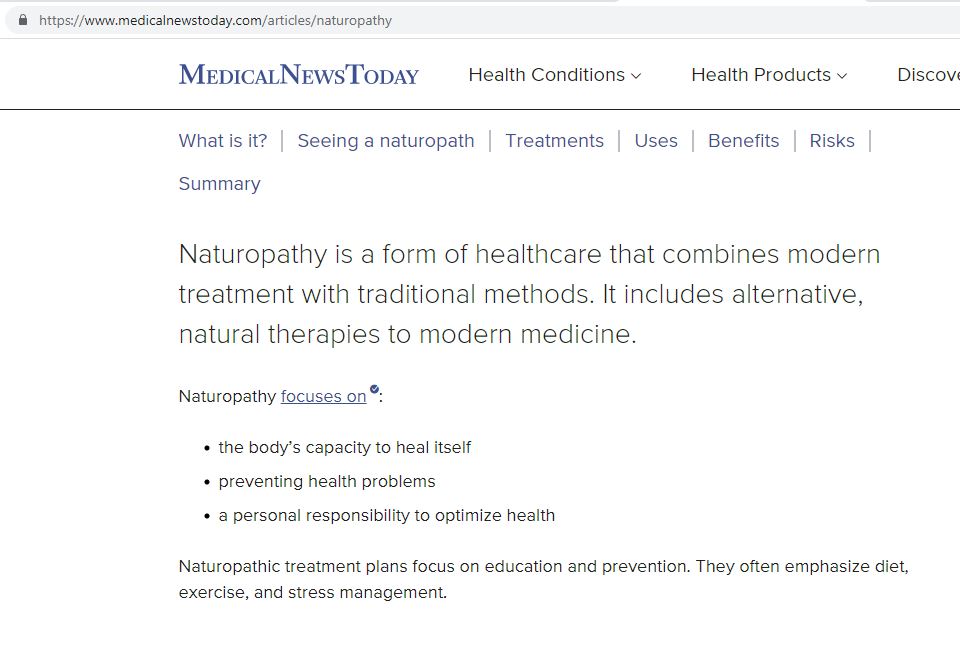
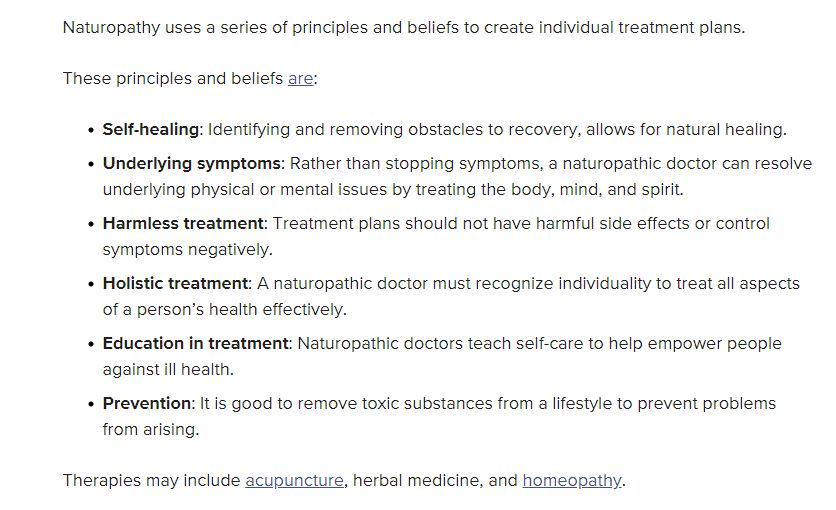
I do have one issue. Naturopathy is not “alternative” medicine. As the WHO states it is the PRIMARY form of healthcare for more than three quarters of the WORLDS population. Medicine is medicine. If it creates/causes healing then it is medicine. Denigrating a modality because it is not like yours (or wasn’t earned at a university) is damaging to the patient and is a form of therapeutic nihilism (1). If it causes healing then it is medicine. This also brings up the “placebo effect” (2). Regardless of how healing is effected. If it works it works and it should be at the very least investigated.
- Therapeutic nihilism is skepticism regarding the worth of therapeutic agents especially in a particular disease or (more dramatically) it can be stated as extreme pessimism about the effectiveness of any form of medical treatment, especially of the use of drugs (therapeutic nihilism). Therapeutic nihilism affects more than just doctors and is cited as a reason for the long-term failure of dietary and lifestyle approaches in the effective management of obesity (Melead 2018)
- The placebo effect is when a person’s physical or mental health appears to improve after taking a placebo or ‘dummy’ treatment.
One of the primary issues with naturopathy is responsibility. YOU are responsible for your health (or ill health, as the case may be). Doctors (in general) do not like to be questioned. Your mental health may be questioned if you disagree with a doctor and if the doctor decides you are incorrect they can even petition the government to force treatment or even to have your child removed from you so that medical treatment can be forced upon them and you as the parent may even face child abuse, child neglect, and assault charges. They know better you see.
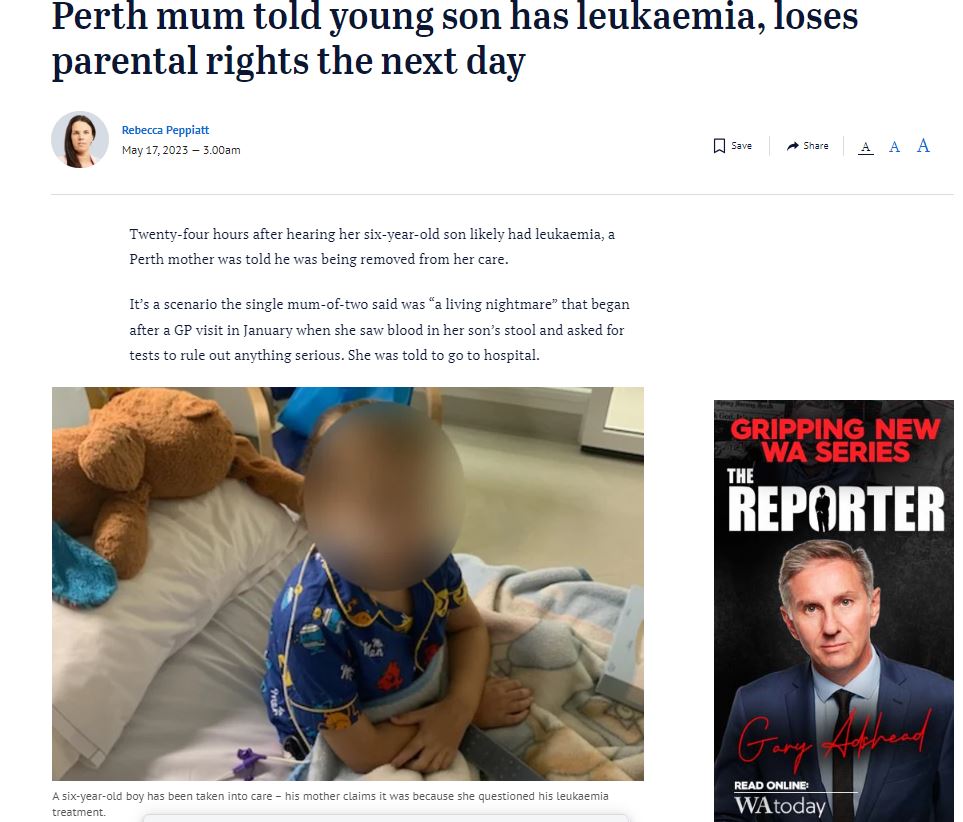




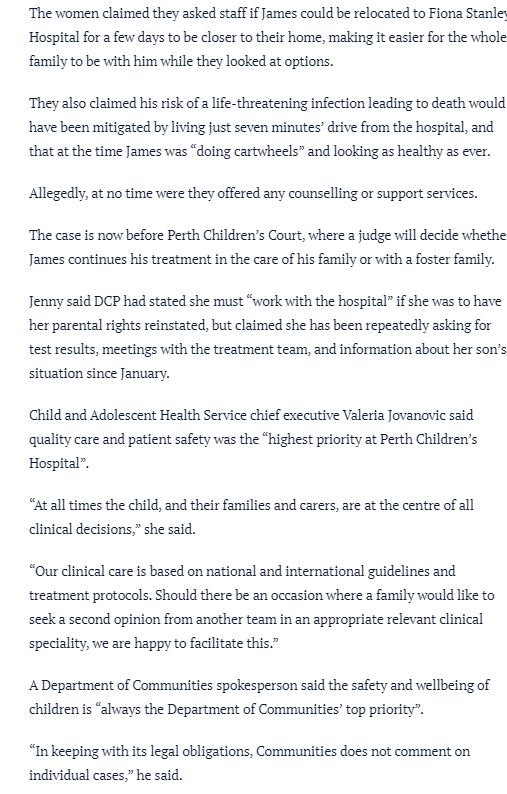
The story above is a perfect example of the hubris and arrogance of the medical system. “Do not question me. I am a doctor. You are wrong. I am right. I will now take your child from you because I KNOW BETTER. You are not permitted a second opinion. ONLY MY OPINION COUNTS..….”
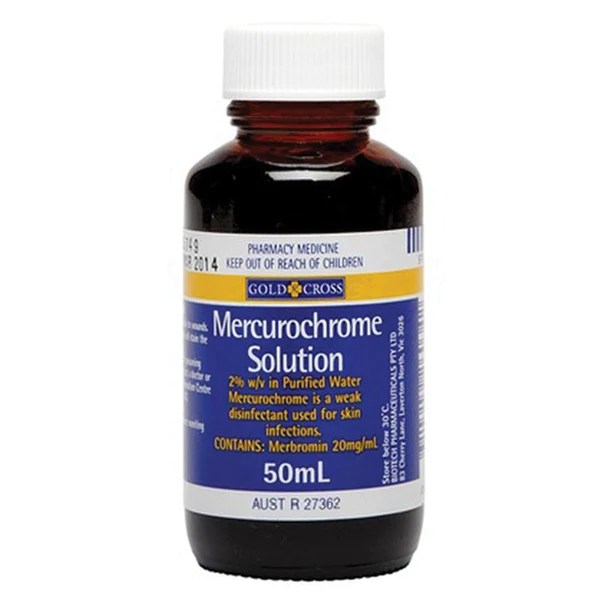
Chemotherapy is in every sense akin to the use of mercury as a medicine. Yes, it does have a healing effect but it is also hideously poisonous. History will no doubt look back at the use of chemotherapy and think “What the fuck were they thinking???” just as they do now with mercury (although mercury is still used medicinally today in the form of thimerosal (1). Mercury is poisonous regardless of how it is used. See my Post Empacho for how mercury based substances such as azarcon and greta have been used medicinally in the past. WARNING : DO NOT USE MERCURY MEDICINALLY.
- Thiomersal, or thimerosal, is an organomercury compound. It is claimed to be a “well-established antiseptic and antifungal agent”. The pharmaceutical corporation Eli Lilly and Company named it Merthiolate. Thimerosal is used as a preservative most notably in vaccines. According to the CDC “Thimerosal contains ethylmercury, which is cleared from the human body more quickly than methylmercury, and is therefore less likely to cause any harm.” “Less likely” does not mean harmless (or even safe). Mercury and its derivatives have been used for anti-parasitic, anti-syphilis, antipruritic, and anti-inflammatory purposes for over 3,000 years. (Zhao etal 2022). Mercury is poisonous regardless of how it is used.
Albert Einstein wrote, “Everybody is a genius. But if you judge a fish by its ability to climb a tree, it will live its whole life believing that it is stupid.” This is part of the argument. Science insists that everything adheres to its methodologies, in essence its “language”. It denigrates energetic medicine (and religion probably falls somewhere into this category i.e. the power of prayer) because it cannot be proved by its methodologies. Science also denigrates the mythology of a substance or treatment. Mythology involves an oral history (through tradition/story) that explains (insert appropriate something here). Trying to explain any of these using the language of any other than its own is problematic. Science cannot be used as the language of energetics or religion as the languages are not the same and, according to science (and science alone) this therefore negates the validity of the others (or anything else that does not conform).

Rant over.
What I really want to look into is the diet of the Mesoamerican during the time of the Aztec (13th to 16th Centuries AD)(1)
- Tenochtitlan was founded by the Mexica in 1325 (although they had been banging around the basin since the early 1200’s. The Triple Alliance was founded in the early 1400’s (this era represents the peak of Mexica dominion). The Aztec era was (probably) “officially” over with the Spanish murder of the last Aztec emperor (Tlatoani – Great Speaker) Cuauhtémoc by hanging in 1525AD.
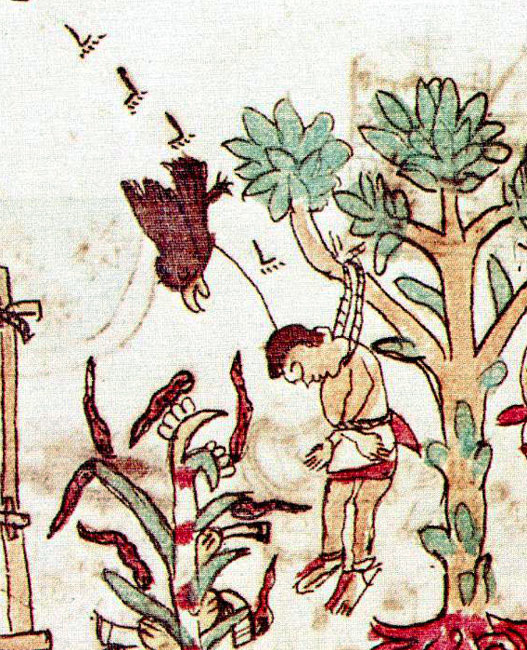
The traditional Mesoamerican diet was an almost perfect diet. As a comparison the diet most often advocated for good health is the “Mediterranean Diet”
Ancel Benjamin Keys (1904 – 2004) was an American scientist who studied the influence of diet on health. After World War 2 the “Seven Countries Study” of middle-aged men in the United States, Japan, Italy, Greece, the Netherlands, Finland and Yugoslavia was conducted. It found that men from Crete suffered the lowest rates of cardiovascular disease.
The low rates of CVD were attributed to the “poor” post war diet that consisted primarily of fruits, vegetables, grains, beans, and fish. This diet became known as the “Mediterranean Diet” and has since been the focus of hundreds of other studies which have suggested that it has a multitude of benefits. These include increased life span; healthy weight; improved brain function; fewer symptoms of rheumatoid arthritis and poor fertility and eye health; lower risks of certain cancers, heart disease, Alzheimer’s disease, and diabetes; and lower levels of blood pressure and LDL cholesterol.
It is the basic diet that you will come across many times in the course of studying nutrition.
The Mediterranean diet emphasizes:
- Eating primarily plant-based foods, such as fruits and vegetables, whole grains, legumes and nuts. It is preferable that these foods be locally grown and eaten when seasonally available. These foods should be minimally processed
- Replacing butter with healthy fats, such as olive oil.
- Milk, cheese and unsweetened yoghurt are consumed in moderation
- Using herbs and spices instead of salt to flavour foods. Herbs and spices also have their own health promoting properties and many herbs such as dandelion, chicory and rocket (bitter herbs) are also eaten in the form of salads.
- Eating fish and poultry at least twice a week. Fish and shellfish take priority, such as tuna, herring, sardines, salmon, mussels, clams, and shrimp. Oily fish such as sardines and mackerel are considered more healthful than bland flavoured, white fleshed fish.
- Limiting red meat to no more than a few times a month. Eggs can be eaten in the place of meat.
- Drinking red wine in moderation (optional)
The diet also recognizes the importance of being physically active and enjoying meals with family and friends.
There is no doubt that the Mediterranean diet is one conducive to good health but as holistic practitioners you must also take into account that every person you work with is a unique organism and that there is no “one size fits all” diet that is suitable for everyone.
There is some controversy surrounding the Seven Countries Study. Although the study seemed to reveal that the countries where fat consumption was the highest also had the most heart disease and this supported Keys’ theory that dietary fat caused heart disease it seems that he intentionally left out certain details.
- Countries where people eat a lot of fat but have little heart disease, such as Holland and Norway.
- Countries where fat consumption is low but the rate of heart disease is high, such as Chile.
It appears that he only used data from the countries that supported his theory (1). This resulted in a flawed observational study that has attracted the attention of the media and in turn has had a major influence on dietary guidelines as they exist today.
- As an interesting sideline to the Seven Countries Study there exists the “French Paradox”. This was formulated by French epidemiologists in the 1980’s and was the observation of low rates of cardiovascular disease despite a diet high in cholesterol and dietary fats. (Atraud etal 1993)
This (the Mediterranean Diet) is also the diet your (western educated) doctor will likely recommend (if they recommend addressing a condition through diet at all) as it is the one that comes up in their university training. All but one doctor I have visited (as a patient) in my life did not even bring up diet as part of any condition I have been treated for. That’s not what they’re training for right? If they wanted to do that they’d have become nutritionists or dieticians right? Doctors lean towards drugs and invasive therapy as it is these therapies that pay their wages and are of course inherently superior to all other forms of medicine. Right?
All of this of course leads me to what I actually wanted to cover.
Stay tuned for A Naturopathic View of the Aztec Diet : Part 2
References
- Artaud-Wild SM, Connor SL, Sexton G, et al. Differences in coronary mortality can be explained by differences in cholesterol and saturated fat intakes in 40 countries but not in France and Finland. A paradox.Circulation 1993;88:2771–9.
- Ekor M. The growing use of herbal medicines: issues relating to adverse reactions and challenges in monitoring safety. Front Pharmacol. 2014 Jan 10;4:177. doi: 10.3389/fphar.2013.00177. PMID: 24454289; PMCID: PMC3887317.
- Jones R. Apothecaries, physicians and surgeons. Br J Gen Pract. 2006 Mar 1;56(524):232–3. PMCID: PMC1828274.
- Keys A (Ed). Seven Countries: A multivariate analysis of death and coronary heart disease. Harvard University Press. Cambridge, Massachusetts. 1980
- Melead, Ray (2018) Obesity and Cardiovascular Disease Prevention,Practical Guide to Obesity Medicine, Chapter 8, Elsevier
- Mullett, C. F. (1939). Physician vs. Apothecary, 1669-1671. The Scientific Monthly, 49(6), 558–565. http://www.jstor.org/stable/17103
- Zhao M, Li Y, Wang Z. Mercury and Mercury-Containing Preparations: History of Use, Clinical Applications, Pharmacology, Toxicology, and Pharmacokinetics in Traditional Chinese Medicine. Front Pharmacol. 2022 Mar 2;13:807807. doi: 10.3389/fphar.2022.807807. PMID: 35308204; PMCID: PMC8924441.
 Masa Americana