
Cover image : roadside offering to the Gods on a street in Bali.
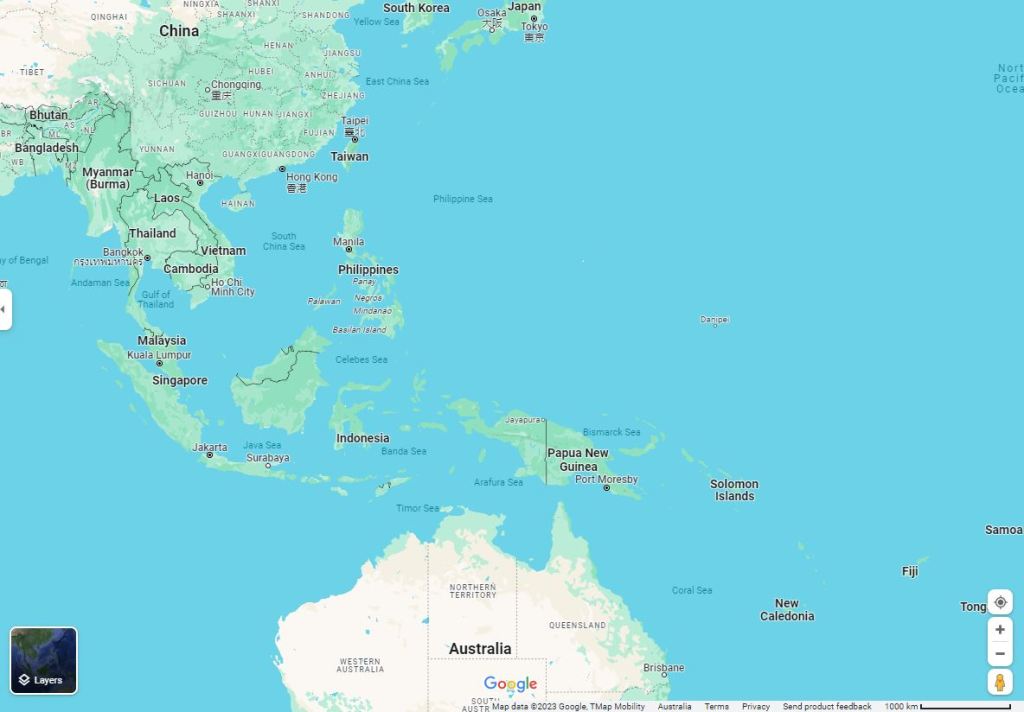
(click image to enlarge)
Ketumbar Bolivia = Bolivian Coriander : generally identified as Porophyllum ruderale (syn P.ellipticum)
Also called : Seungit (fragrant, smells good – Indonesia.)
In southeast Asia Ketumbar Bolivia is a type of papalo usually identified as being the variety known as Porophyllum ruderale. Ketumbar (katumbar) is a Brunei Malay (1) word signifying the spice called coriander, in particular the dried seeds of the cilantro plant (Coriandrum sativum). The cilantro leaf is called daun ketumbar.
- Brunei Malay is the name used to refer to several very closely related and assimilated groups of indigenous people in Brunei with the largest groups being the Malay and the Kedayan. All Brunei Malay are classified as Muslims at birth; they are exclusively Shafi Sunnis Muslims. The Brunei Malay people adhere to traditional Islamic practices and beliefs. The Brunei Malay language is the most widely spoken language in Brunei and a lingua franca (2) in some parts of Sarawak and Sabah.
- Lingua franca – also known as a bridge language, common language, trade language, auxiliary language, vehicular language, or link language – a language systematically used to make communication possible between groups of people who do not share a native language or dialect, particularly when it is a third language that is distinct from both of the speakers’ native languages.
I investigate other Asian herbs which fall into the category of “Quelites : Quilitl” in my Posts Estrella del Mar (Ulam Raja) : Cosmos caudatus and Cilantro Substitute : Kesum

The striking purple colour of this plants stems is quite unusual.
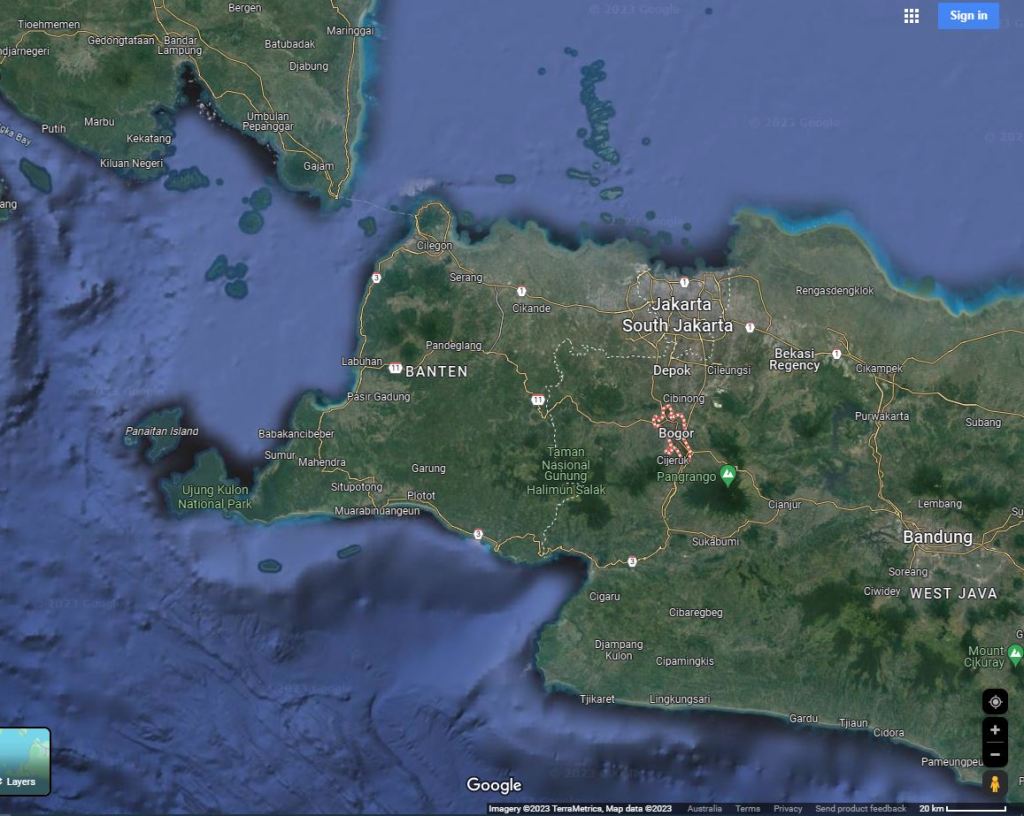
Porophyllum ruderale, a native of Mexico and South America, was first reported in Bogor (1) in 1945 (and since then it has been spreading), and was a new record for the presence of this plant in Malesia (No, not Malaysia) (Tjitrosoedirdjo 1991) (2). In 1978 the first herbarium specimens from Sumatera (3) were collected from the transmigration areas of Lampung and South Sumatera (Dekker & Wirjahardja). Currently, it is commonly found in Sumatra, East and Central Java. Its occurrence has also been reported for Malaysia and Singapore (Tan & Ibrahim 1992).
- Bogor is a city in the West Java province, Indonesia. Located around 60 kilometers south of the national capital of Jakarta
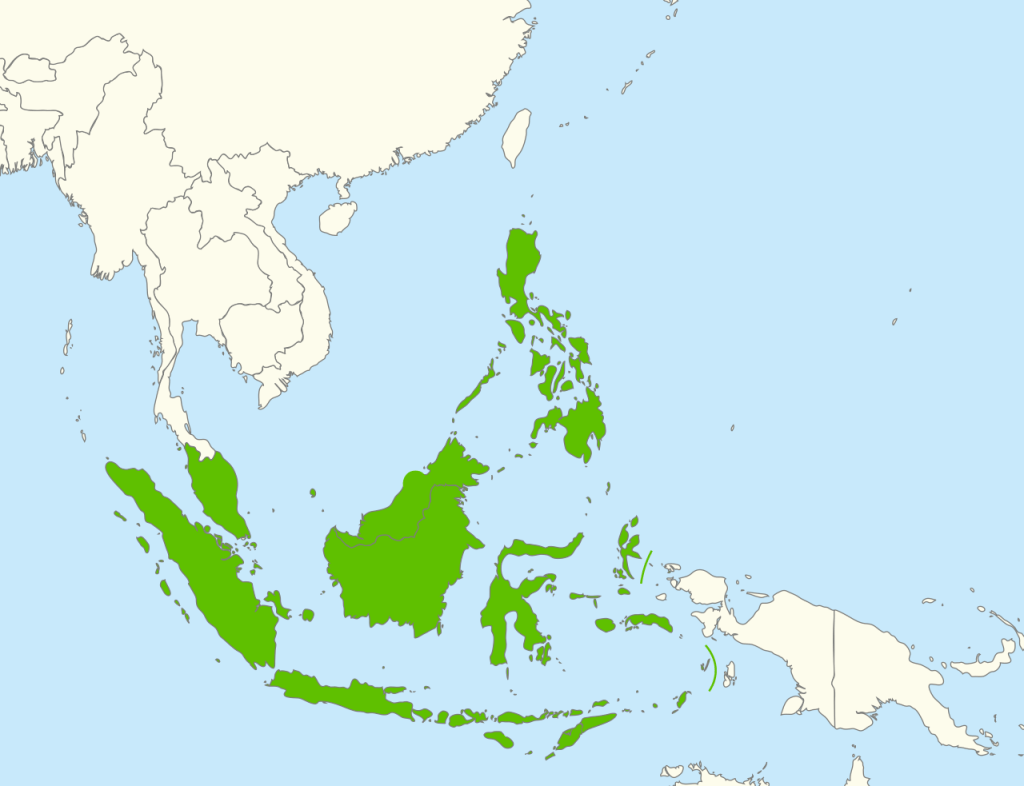
- Malesia is a biogeographical region straddling the Equator and the boundaries of the Indomalayan and Australasian realms. Malesia was first identified as a floristic region that included the Malay Peninsula, the Malay Archipelago, New Guinea, and the Bismarck Archipelago, based on a shared tropical flora derived mostly from Asia but also with numerous elements of the Antarctic flora.
- Sumatra – a large Indonesian island west of Java and south of the Malay Peninsula
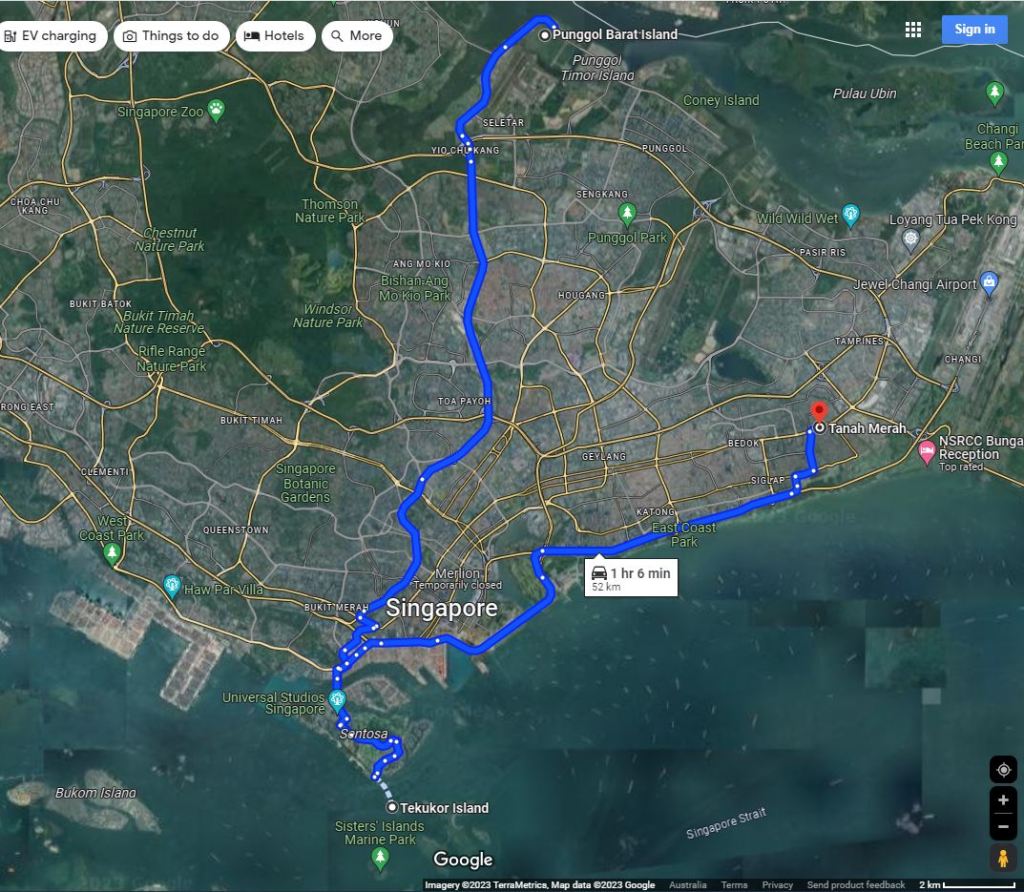
In Singapore, pápalo has been recorded specifically in a scrubland near Tanah Merah, in a grassland in Punggol Barat, and in Pulau Tekukor, though it can also be found in many other parts of the island.
(click image to enlarge)
In Indonesia the Porophyllum ruderale variety of poreleaf has been reported as a weed of upland (1) rice crops (Dekker 1981) (Nanik Sriyani etal 2014). Yao (etal 2019) notes that P.ruderale is also a problem weed in upland rice fields in Cote D’Ivoire (West Africa) and is difficult to control due to its resistance to herbicides. Weeding by hand is the most effective way of removing this plant. It is easily removed, so long as you get to it before it goes to seed. This plant is an opportunist and will happily grow in newly cleared land (or anywhere it can gain a foothold – see images below)
- Upland rice is rice grown on dry soil rather than flooded rice paddies. Lowland rice is rice grown on land that is flooded or irrigated.
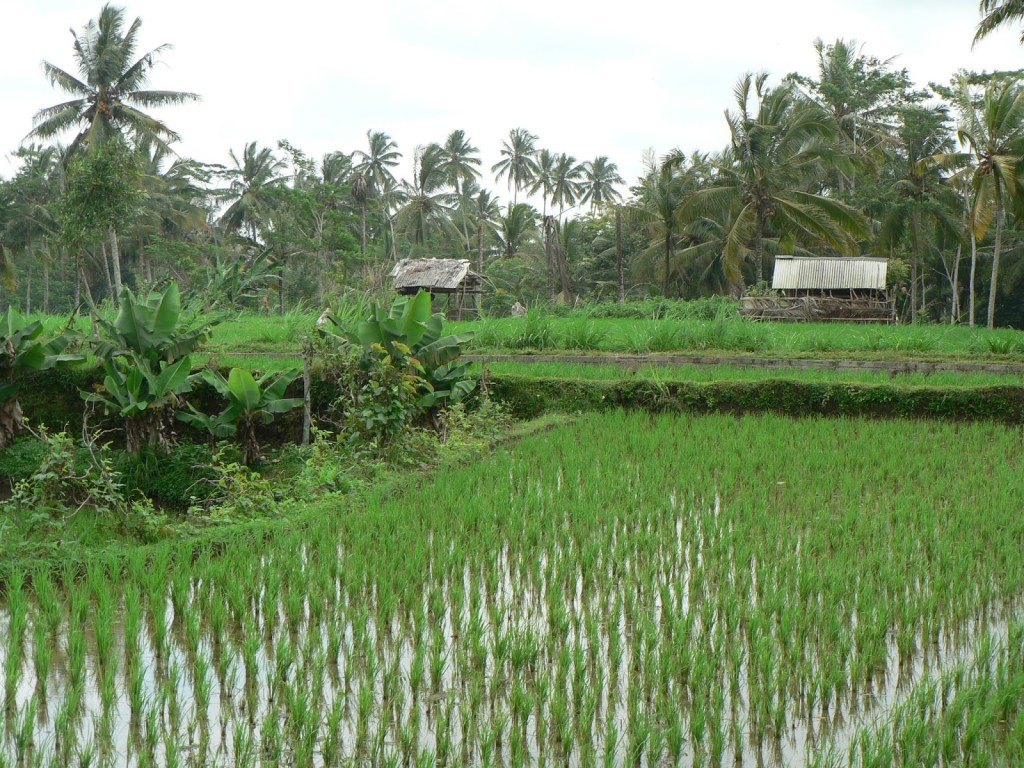
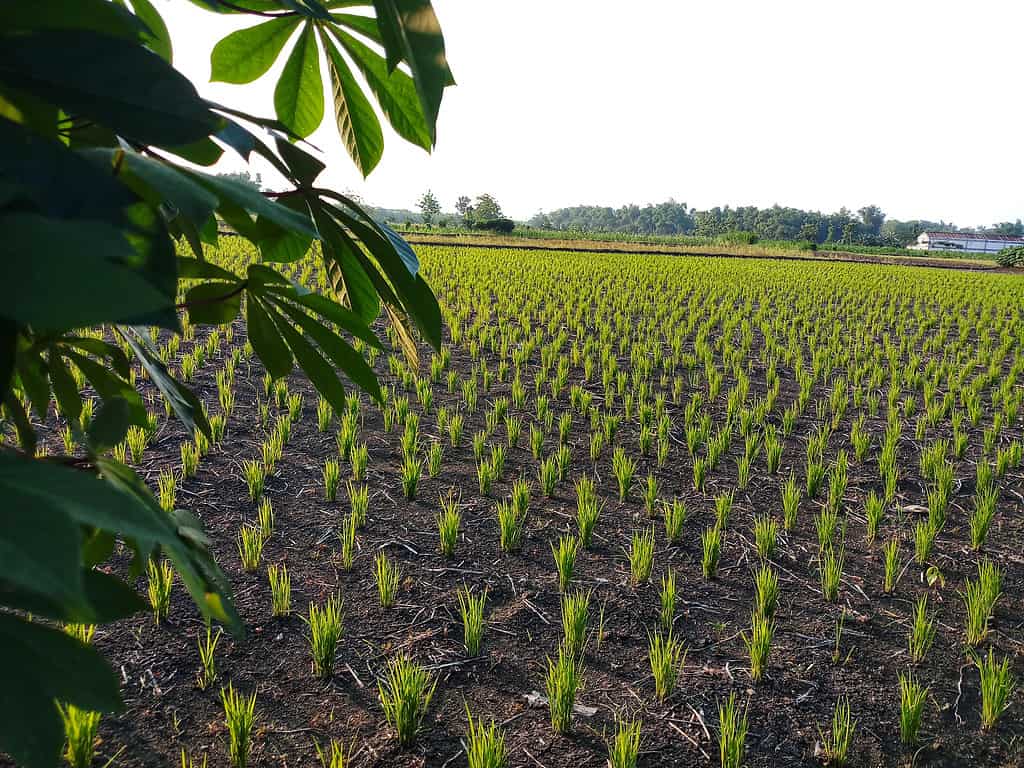
Upland rice, also called dry rice, can be grown without flooding and requires less water than lowland rice. Upland rice is grown on hillsides or in areas with good drainage and is better suited to regions with low rainfall or water scarcity. Lowland rice varieties are those most commonly sold in grocery stores in Australia. These varieties require extraordinary amounts of water to grow. They are cultivated in flooded fields (or paddies) and require a constant (and extraordinarily large) supply of water throughout the growing season. It takes approximately 5,000 litres (1320 gallons) of water to produce just 1 kilogram (2 Lbs) of lowland rice.
Invasive.org notes that P.ruderale is a weed of “pasture land, humid soil, sunny or slightly shaded locations” and that it “prefers fertile soils” (although this plant can grow in fairly hostile environments such as the roadside or in cracks in the pavement) they go on to note that it is “very common in dry agricultural lands” and that it has the potential to become a “serious weed”.
Porophyllums being opportunistic.


Images of ketumbar observed in Indonesia
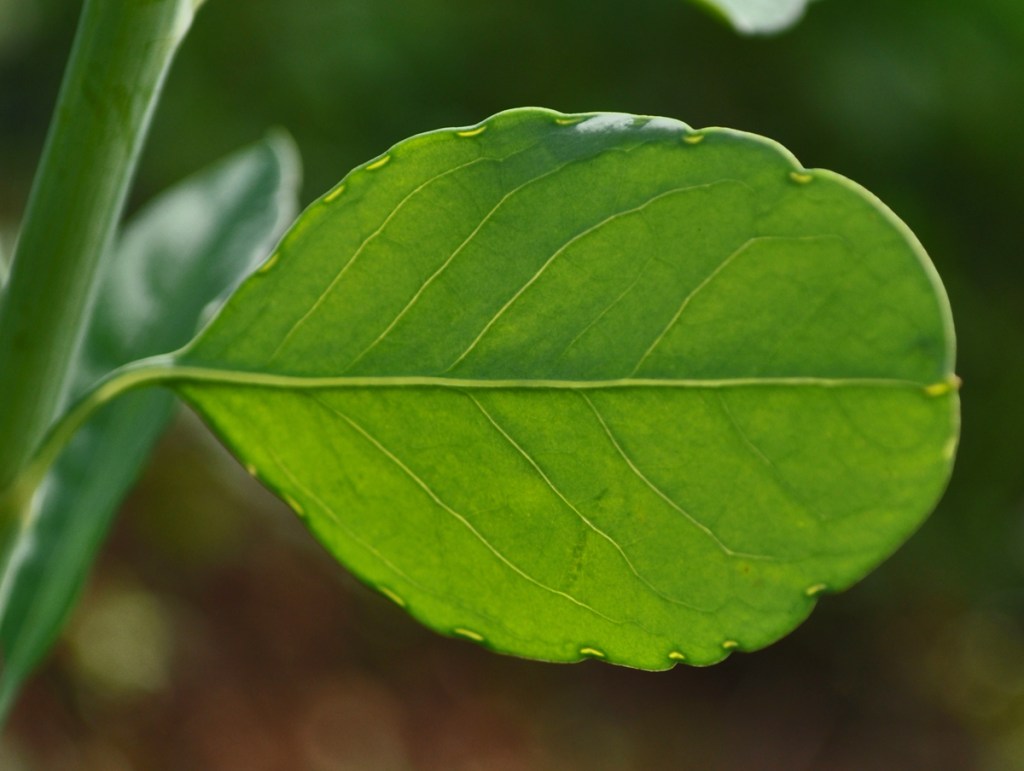
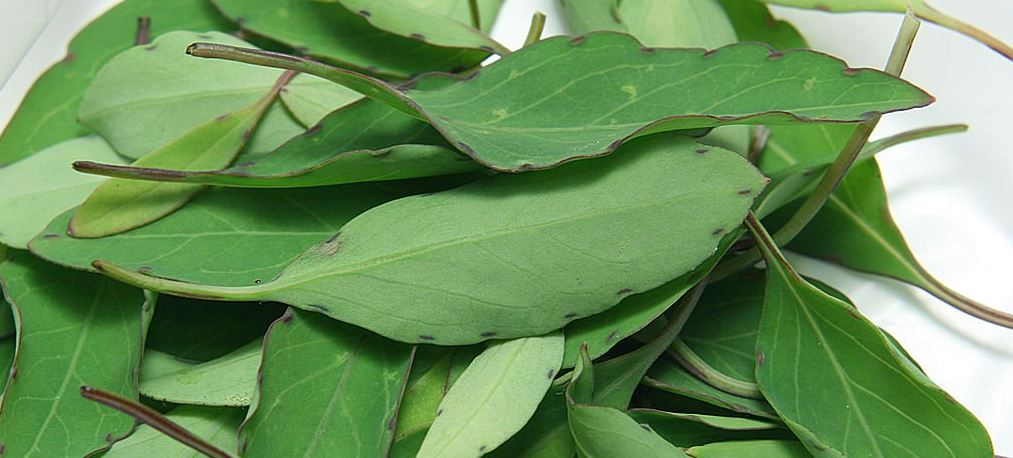
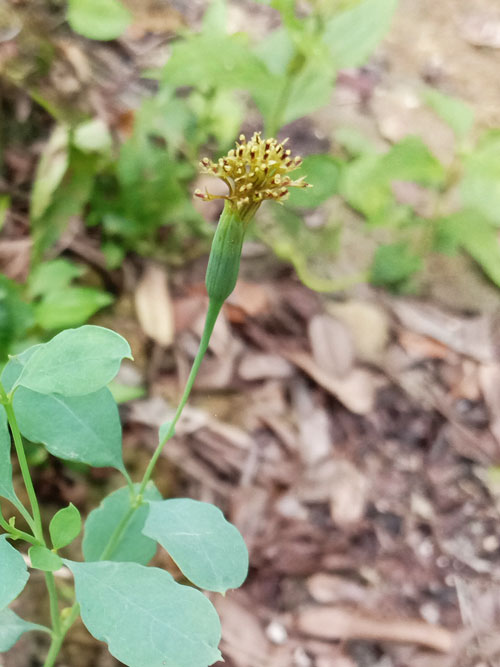
Note the differences in leaf structure.
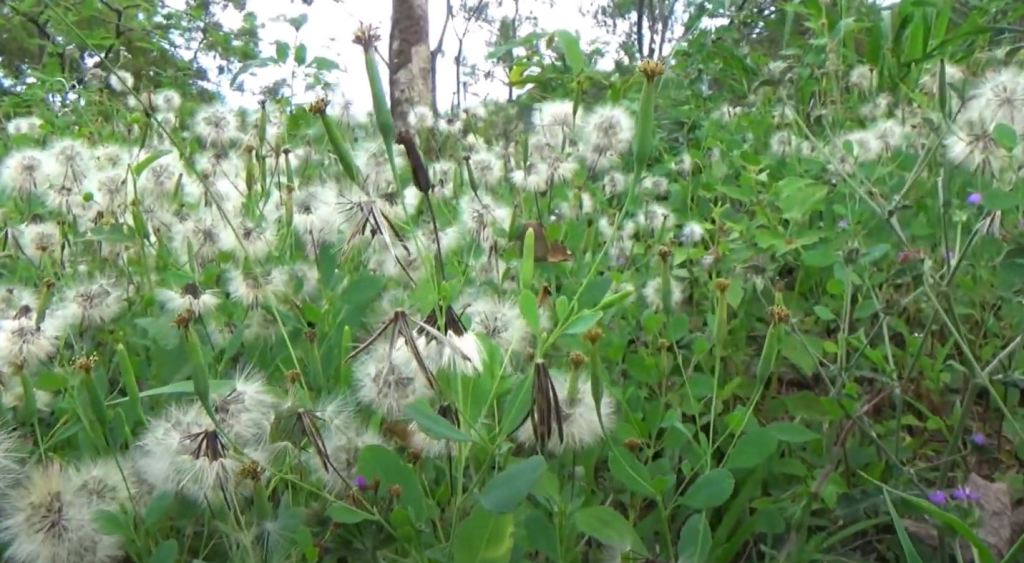
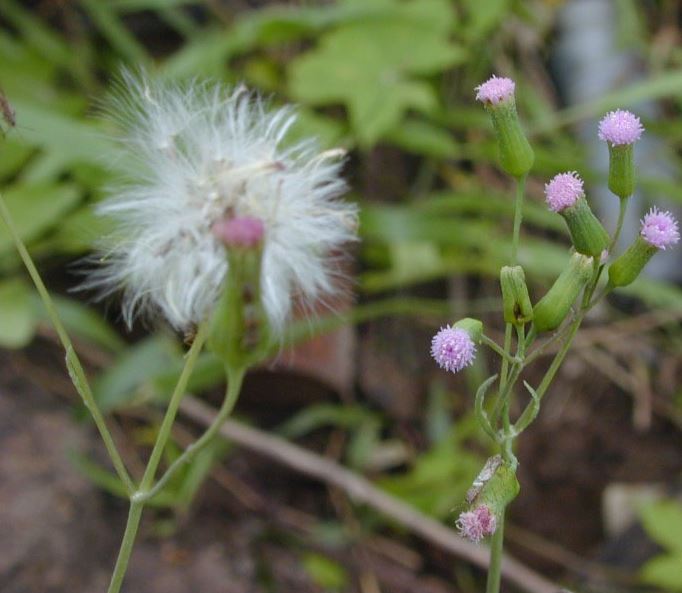
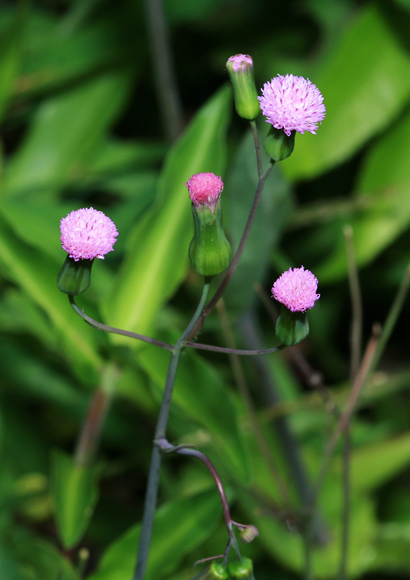
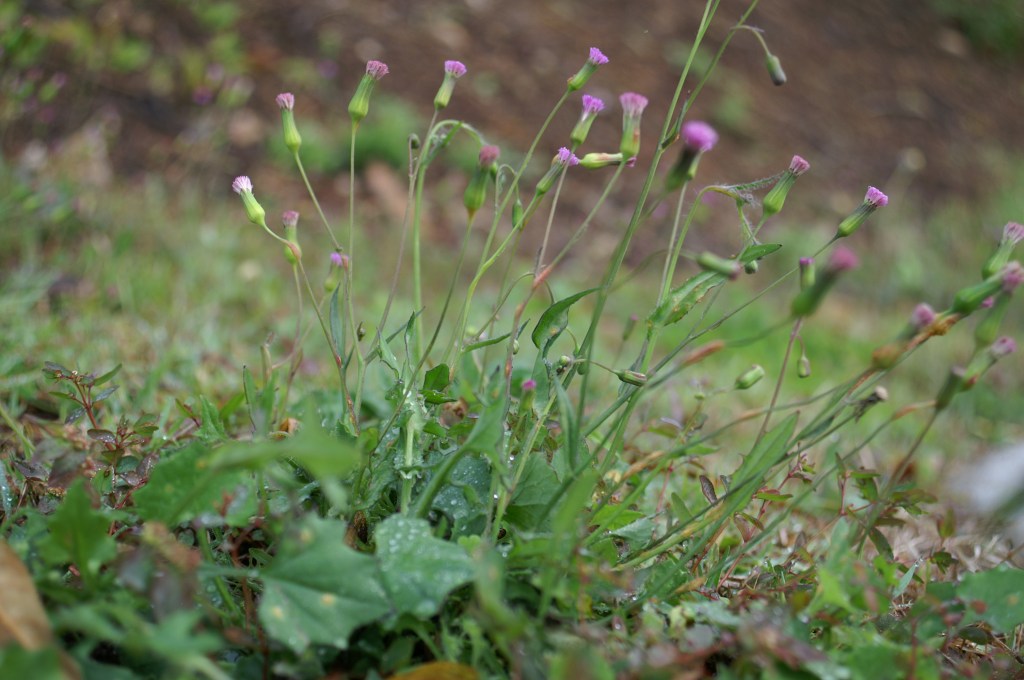
Locally pápalo is sometimes be confused with the plant Emilia sonchifolia (L.) DC., or the ‘Cupid’s Shaving Brush’, which is native to Asia. This plant is quite similar in flower structure (although I have never seen a Porophyllum with this particular shade of flower) and the fluffy seed pappus is also very similar to that of the poreleaf (it does appear a little “softer” in this image though)
For comparison below are a few porophyllums
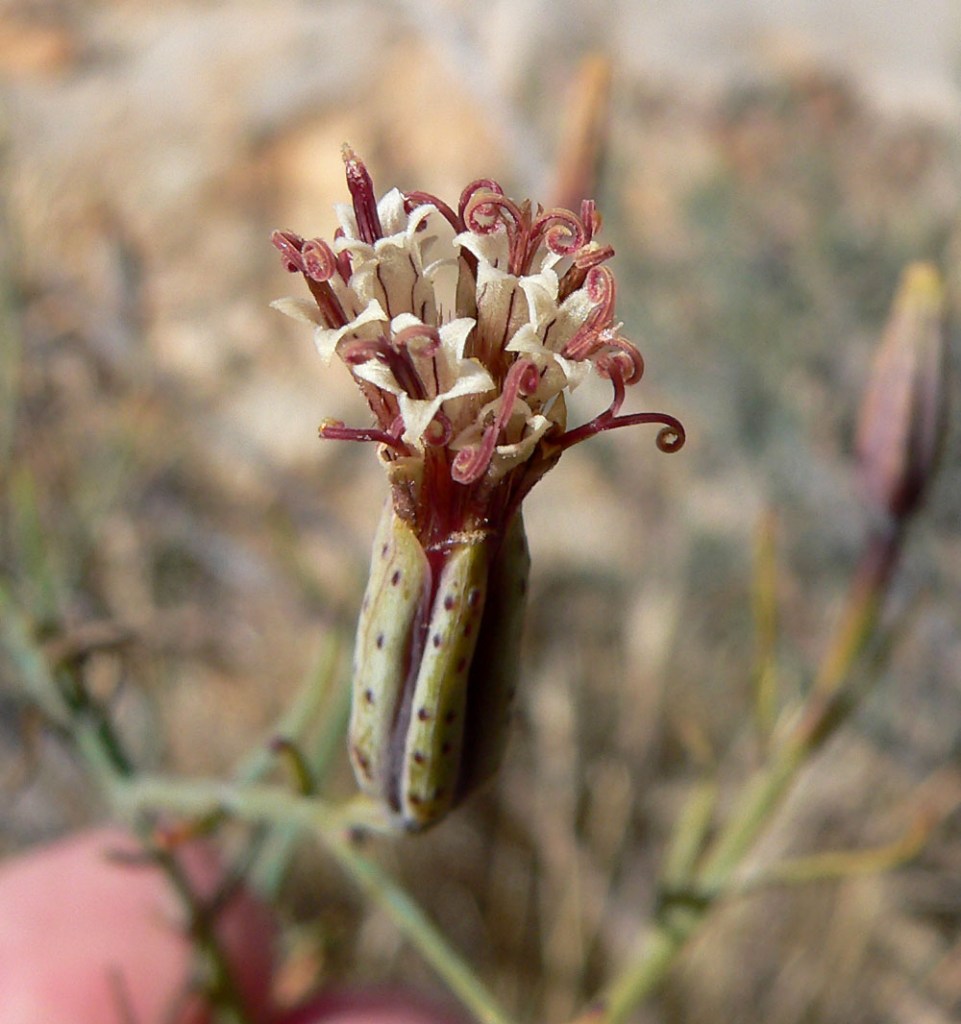
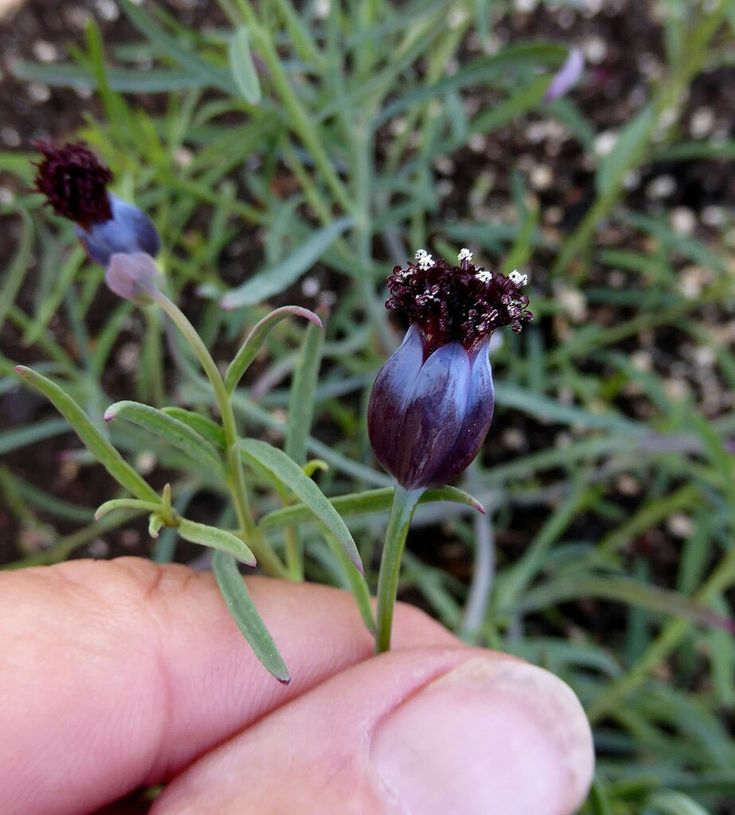
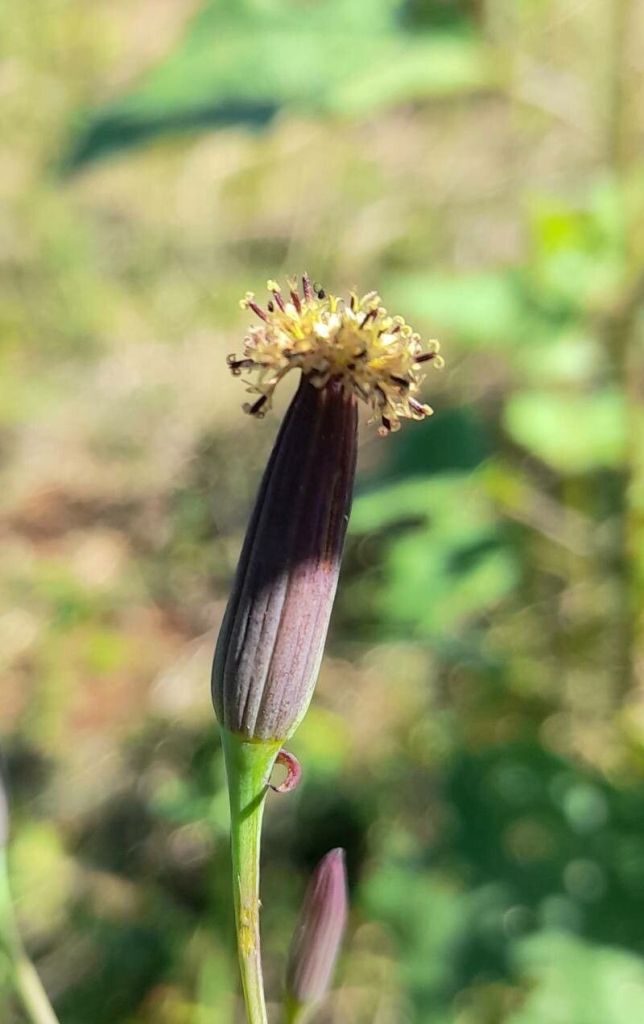
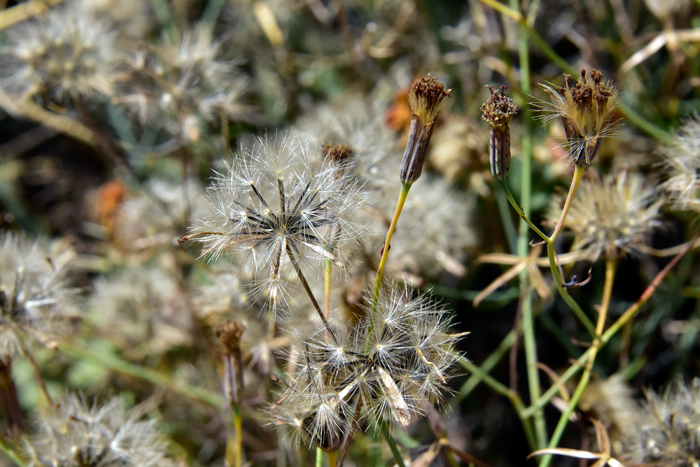
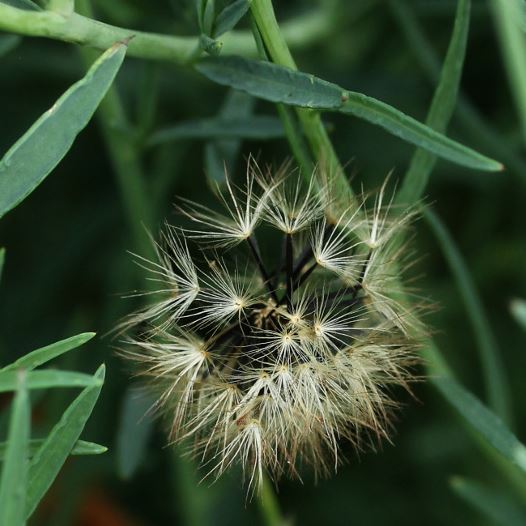
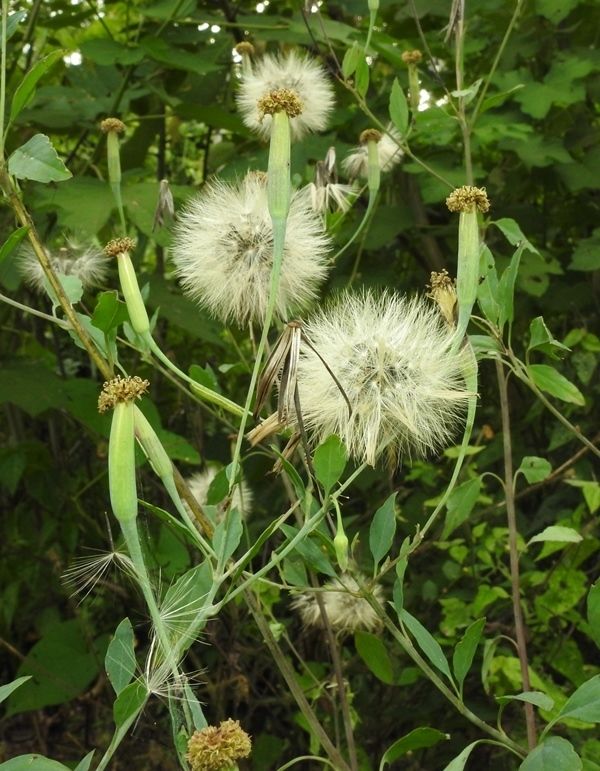
There is a fair amount of variance in these plants and I can easily see how someone might confuse Emilia for a Papalo.
When we take a closer look at the foliage of the plant things become very obvious.
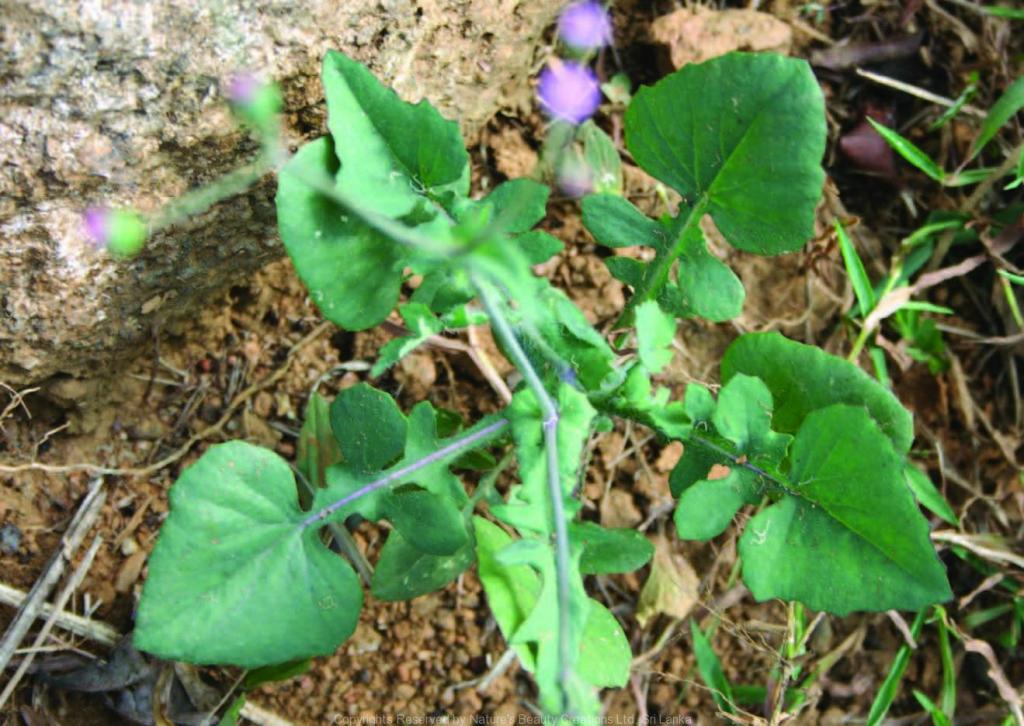
Papalo can be broken down into two main varieties, thin (or slender) leaved and broad leaved.
Broad leaved varieties include P.ruderale, P.coloratum, P.punctatum and P.macrocephalum.
Slender leaved varieties include P.tagetoides, P.gracile and P.linaria

As you can see the porophyllums do not share any similarities with the foliage of Emilia sonchifolia. To me the Emilia’s foliage immediately reminds me of that of sowthistle. I have written about this particular wild herb before. Check out my Post Quelite : Sowthistle : Sonchus oleraceus.
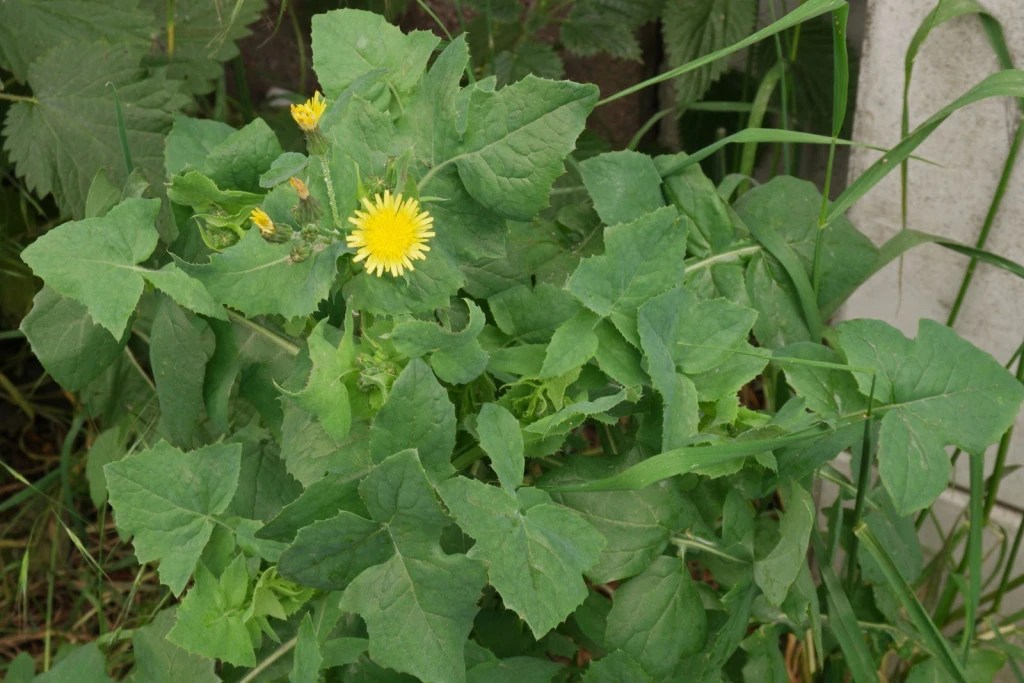
Interestingly enough (as you have probably already noticed) Emilias specific epithet (1) is “sonchifolia” which is Latin for “with leaves like Sonchus (2) (sowthistle)”
- (in binomial nomenclature) the second part, always lowercased, of a plant or animal species’ scientific name: for example, the species Quercus alba is an oak tree, as all oaks belong to the genus Quercus, but it is the specific epithet alba that identifies the particular species, which is the white oak.
- Son·chus. : a genus of Old World herbs (family Compositae) comprising the sow thistles and having coarse often spiny-tipped foliage, heads of yellow flowers, and ribbed achenes crowned with soft white pappus.
In addition to the Sonchus there are several other plants with similar foliage, flowers and seed heads. This Post investigates these plants Dandelion? Identifying Wild Plants
Outside of its home environment the porophyllum is not used in any real way (neither culinarily nor medicinally) and tends to be identified primarily as a weed plant.
Emilia is another case though. This plant is another plant that could identify as a quelite. More than just a weed, this plant is edible and has traditional medicinal uses that have been corroborated by various scientific studies.
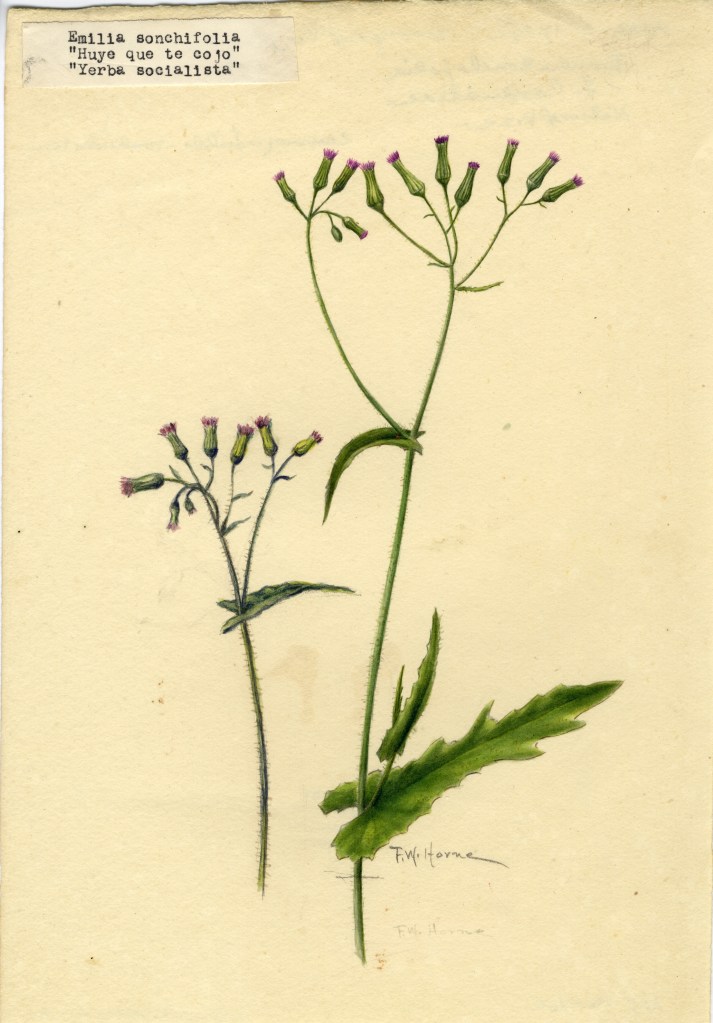
Preferred Scientific Name : Emilia sonchifolia (L.) DC. ex DC.
Synonyms : Cacalia sonchifolia Hort ex L.; Crassocephalum sonchifolium (L.) Less.; Emilia javanica (Burm.f.) C.B.Rob.; Emilia purpurea Cass.; Emilia rigidula DC.; Emilia sinica Miq.; Gynura ecalyculata DC.; Senecio sonchifolius (L.) Moench
Common Names
English : red tasselflower; consumption weed; cupid’s paintbrush; cupid’s shaving brush; Flora’s paintbrush; lilac tasselflower; purple sow thistle; red groundsel.
Spanish : botón rosado (Venezuela); borlitas; brochita; clavel chino; huye que te cojo; pincel de amor; pincelillo de poeta; pincelito (Colombia); yerba socialista
Other Common Names : Yang ti cao (Chinese), Hinarakhuri (Hindi), Petit lastron, Emilie (French), Muel-schery (India), Sawi tekukur, Ketumbit jantan, Setumbak merah (Malaysia), Bon tulsi (Bangladesh), Kadupara (Sri Lanka), Co chua le (Vietnamese), Tagulinaw (Tagalog-Philippines), Tempuh wiyang, Patah kemudi (Indonesia), Kemendilan (Java-indonesia), Jonge (Sunda-Indonesia), Hangplachon, Phakdaeng (Central Thailand), Phakbang (Northern Thailand). locally known as Ili Kivi in Kannada, It is named Shashashruthi or Aakhukarni in Sanskrit, relating the name to the shape of the leaves resembling a rabbit’s ear.
Dash (etal 2015) notes that In Malaysia, the plant is commonly known as ‘Setumbak merah’ and contributes to one of the popular ingredients of traditional vegetable salads ‘Ulam’. I have looked at Ulam herbs/vegetables in a previous Post (Estrella del Mar (Ulam Raja) : Cosmos caudatus). In Malaysia the plant is sold in local markets as an edible wild vegetable. The flowers are fried with batter and the leaves eaten raw ((Matthews etal 2007) the leaves are also used in a traditional Bangladeshi salad (Motaleb etal 2013) and in India, the fresh stems and leaves are eaten as a salad or cooked as vegetable. In parts of Africa the leaves are also eaten as a vegetable but this is primarily as a medicinal laxative (Gill etal 1993).
The plant is documented in ethnomedicine to possess medicinal benefits in treating diarrhoea, night blindness and sore throat (Ghani 1998)(Ahmed etal 2009), rashes, measles, inflammatory diseases, eye and ear ailments (Shen etal 2012) fever (Zani etal 1995)(Brandao etal 1985), stomach tumor (Mohiduddin etal 2012), malaria (Koler etal 2002), asthma (Panthong etal 1986) (Jain etal 1994), liver diseases (Yangf etal 1987), eye inflammation (Singh etal 1980), earache (Manandhar 1994) and chest pain (Parkash etal 2008).
In China, the leaves are used for the treatment of dysentery and roundworm infestations, wounds and abscesses, influenza, burns and snake bites (Josh 1998).
In India, the leaf paste in doses of one spoonful once a day at bed time for about 2-3 months is recommended to treat night blindness (Satyavathi 2014). The crushed leaves are used externally to treat breast abscesses among tribal women. The leaves are rubbed on the forehead to relieve headache (Gayathri etal 2006).
In Africa the leaves are consumed as a vegetable for their laxative properties. The plant has been documented in the Nigerian folk medicine for the treatment of epilepsy in infants (Adesina 1982).
In addition to its several traditional uses, E. sonchifolia is also listed in Ayurveda and Siddha system of medicine. In the Siddha system of medicine, the plant is recommended for treating intestinal worms and bleeding piles (Khare 2007). Ayurvedic medicine recommends the plant for treatment of gastropathy (1), diarrhoea, ophthalmia (inflammation of the eye), nyctalopia (inability to see in dim light or at night), cuts and wounds, intermittent fevers, pharyngodyma (pain in the pharynx/throat) and asthma (Nair & Chopra 1996). The plant pacifies Kapha, vata and is said to be effective in treating fever and tonsillitis. The juice is used for various eye diseases. The whole plant is crushed and the juice is extracted and is used to cure intestinal worms. The paste of the plant is useful for bleeding piles. A decoction of the plant is good in bringing down fever. The herb is useful in treating cough and bronchitis. Applying a paste on the thyroid region helps to cure the swelling and it is sometimes used in cases of diabetes.
- Gastropathy literally means “disease of the stomach”. In its broadest sense, “gastropathy” might refer to any disease that can affect your stomach. That would include common conditions such as the stomach flu and peptic ulcer disease, nerve conditions such as gastroparesis and even stomach cancer.
The plant is considered to be astringent, depurative, diuretic, expectorant, febrifuge and sudorific and phytochemical studies on Emilia have confirmed the plant to have the following medicinal properties. These studies also confirm nearly all of the traditional medicinal uses for this plant.
Antimicrobial, antiviral, analgesic, anti-inflammatory, anticancer, anti-cataract, antioxidant, anti-diabetic, hepatoprotective, neurobehavioral effects (effective in reducing anxiety and fear)
Culinary Use
The young, non-flowering plants are eaten raw or steamed as a side dish with rice. The older leaves or plants are cooked. The leaves are usually harvested and used before the plant flowers. Edible weed plants tend to become more bitter in taste once the plant flowers. This is also the case for sowthistle.
Thambli (Thambuli)
Thambuli is a type of raita (1) or buttermilk eaten in the Indian state of Karnataka. Thambuli, being a curd (2) based cuisine, is consumed with rice. Tambuli is derived from Kannada word thampu. Thampu meaning cool/cold. So thambuli is a cooling food which will work well within the healing philosophies of Aztec medicine and curanderismo.
- raita is a creamy, cooling Indian yogurt-based condiment, (or in this case buttermilk) that’s been mixed with grated or chopped vegetables fruit and herbs. It is served with spicy dishes to balance the heat. Raita can be eaten with curries, vegetable dishes, naan or other breads, or in this case rice.
- curd in this case being plain yoghurt – NOT CHEESE CURDS
Ingredients:
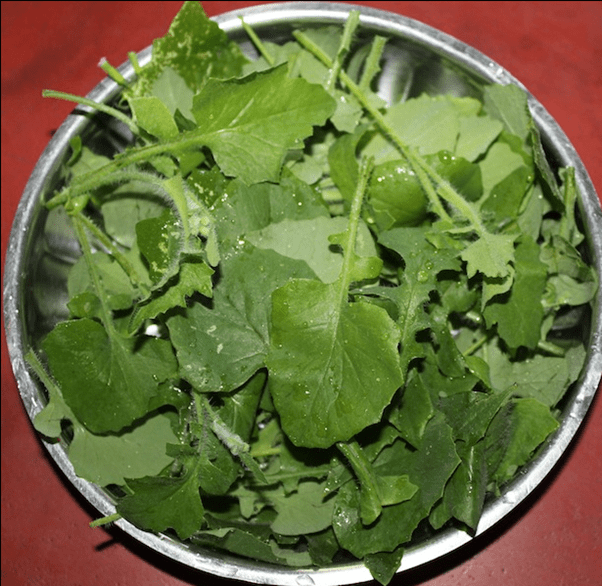
- 1 ½ – 2 cups of Ili Kivi leaves
- 4 whole Black peppercorns
- 1 – 2 fresh green Birds eye chilli (to your preference)
- 1 Tablespoon Ghee
- ½ – 1 cup grated Coconut (can use fresh or frozen)
- Salt (to taste)
- ½ cup of Butter milk (you can use plain yoghurt if you prefer)
- ½ teaspoon cumin seeds – OPTION #1
- 4-5 Curry leaves – OPTION #1
- 1 teaspoon mustard seeds – OPTION #2
- 2 dried red chiles – broken up and seeds removed – OPTION #2
Method:
- Separate the ili kivi leaves from their stems, wash well and set aside
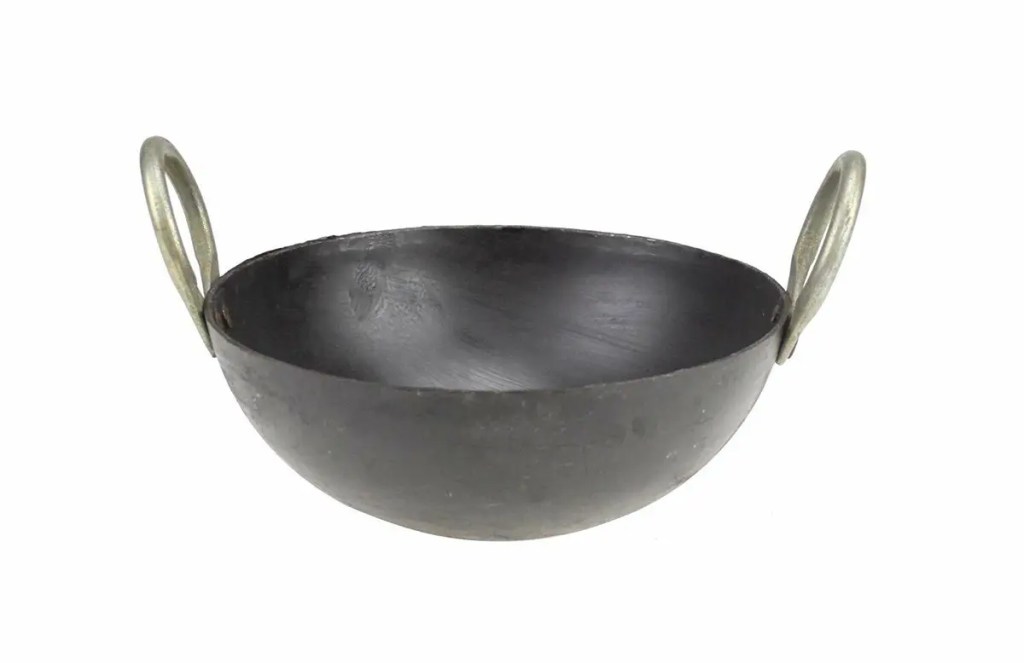
- take 1 tsp of ghee in a small kadai. When it is hot, add the peppercorns and birds eye chilli. You can use ½ of a large green chile (roasted over an open flame, peeled and seeds removed – these are less hot than the birds eye chile) if you would prefer. Fry the mix over a medium heat for 3 – 4 minutes.
- Set aside your fried items to cool
- Once cooled grind into smooth paste by adding coconut, salt and a little water if necessary. If you are using frozen coconut, use a little hot water while grinding)
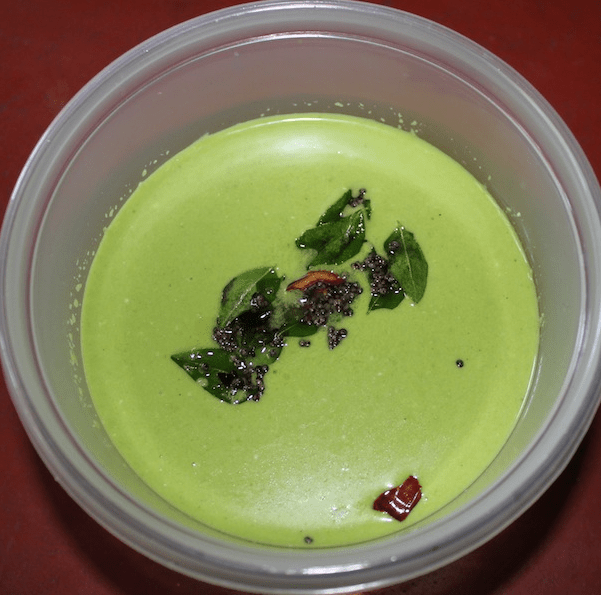
- Put the smoothly ground mixture into a vessel/jug/container and add the buttermilk. Adjust the consistency by adding little water if needed. The consistency should be like normal milk.
- Season your thambli by heating up some ghee and frying some cumin seeds and curry leaves, sprinkle this mix over the dish before serving.
- Alternatively you can season it by frying the mustard seeds and dried red chile in a little ghee instead of the cumin seed/curry leaf mix
- Enjoy this with hot rice.
References
- Ahmed ZU, Hassan MA, Begum Z NT, Khondker M, Kabir SMH, Ahmed M, Ahmed ATA, Rahman AKA and Haque EU: In: Encyclopedia of Flora and Fauna of Bangladesh, Vol. 8. Angiosperms: Dicotyledons (Fabaceae-Lythraceae). Asiatic Society of Bangladesh, Dhaka; 2009. p. 40-41.
- Backer, C. A. & R. C. Bakhuizen Van Den Brink. 1965. Flora of Java. N. V. P. Noordhoff. Groningen, Netherlands
- Brandao M, Botelho M and Krettli E. Antimalarial experimental chemotherapy using natural products. Cienc cult 1985; 37: 1152- 1163.
- Dash, G. & Abdullah, Mohd & Yahaya, Ruhaiyem. (2015). Traditional uses, phytochemical and pharmacological aspects of Emilia sonchifolia (L.) DC. International Journal of Research in Ayurveda and Pharmacy. 6. 551-556. 10.7897/2277-4343.064103
- Dekker, R. J. 1981. Notes on New or Remarkable Indonesian Weed species. Proc. Konp. HIGI Medan.
- Gayathri Devi D, Lija Y, Cibin TR, Biju PG, Gayathri Devi V and Abraham A. Evaluation of protective effects of Emilia sonchifolia Linn. (DC.) on perchlorate-induced oxidative damage. J Biol Sci 2006; 6: 887-892. http://dx.doi.org/10.3923/jbs.2006.887.892
- Ghani A. Medicinal plants of Bangladesh: Chemical constituents and uses. Asiatic Society of Bangladesh, Dhaka; 1998. p. 460-461.
- Gill LS, Nyawuame HGK, Esezebor EI and Osagie IS. Nigerian Folk Medicine: Practices and believes of Esan people. Benin (Nigeria): University of Benin Press, Benin; 1993. p. 1-20.
- Jain SP, Singh SC and Puri HS. Medicinal plants of Neterhat, Bihar, India. Int J Pharmacog 1994; 32: 44-50. http://dx.doi.org/10.3109/13880209409082971
- Josh K. Boban Tribal ethnomedicine. Continuity and change. APH Publishing Corporation, New Delhi; 1998. p. 174,178, 181.
- Karyati dan Muhammad Agus Adhi (2018) Jenis-jenis Tumbuhan Bawah di Hutan Pendidikan Fakultas Kehutanan Universitas Mulawarman : Mulawarman University Press : ISBN : 978-602-6834-48-5
- Khare CP. Emilia sonchifolia (L.) DC. Indian Medicinal Plants: An Illustrated Dictionary. Springer-Verlag, Berlin Heidelberg; 2007. p.01.
- Kohler I, Jenett siems K, Kraft C, Siems K, Abbiw D, Bienzle U and Eich E. Herbal remedies traditionally used against malaria in Ghana: bioassay-guided fractionation of Microglossa pyridolia (Asteraceae). Z Naturforsch Ser C 2002; 57c: 1022-1027.
- F, Kpla & A, Touré & J, Ipou. (2017). Germination Capacity of Porophyllum Ruderale (JACQ.) Cass (Asteraceae) A Food Crop Weed in Côte d’Ivoire. Journal of Agriculture and Environmental Sciences. 6. 10.15640/jaes.v6n2a13.
- Leach, Helen. (2001). Rehabilitating the “Stinking Herbe”: A Case Study of Culinary Prejudice. Gastronomica: The Journal of Critical Food Studies, 1(2), 10–15. doi:10.1525/gfc.2001.1.2.10
- Manandhar NP. An ethnobotanical survey of herbal drugs of Kaski district, Nepal. Fitoterapia 1994; 65: 7-13.
- Mathews J, Yong KK and Nurulnahar BE. Preliminary investigation on biodiversity and its ecosystem in oil palm plantation. Proceedings of Agriculture, Biotechnology & Sustainability Conference, Palm oil: Empowering Change (PIPOC 2007), Malaysian Palm oil Board, Ministry of Plantation industries and commodities, Malaysia; 2007. p. 1112-1159.
- Mohiduddin M, Alam MK, Basak SR and Hossain MK. Ethnomedico botanical study among four indigenous communities of Bandarban, Bangladesh. Bangladesh J Plant Taxon 2012; 19: 45-53.
- Motaleb MA, Hossain MK, Alam MK, Mamun MMAA and Sultana M. Commonly used medicinal herbs and shrubs by traditional herbal practitioners: Glimpses from Thanchi upazila of Bandarban. IUCN (International Union for Conservation of Nature), Dhaka; 2013. p. 77-78.
- Nair SL, Chopra RN. In: Glossary of Indian Medicinal Plants. National Institute of Science and Communication, New Delhi; 1996.
- Nanik Sriyani; A. T. Lubis; D. R. J. Sembodo; D. Mawardi; H. Suprapto; H. Susanto; H. Pujisiswanto; T. Adachi Y. Oki (2014) Upland Weed Flora of Southern Sumatera “An Illustrated Weed Identification Book” : Global Madani Press
- Panthong A, Kanjanapothi D and Taylor WC. Ethnobotanical review of medicinal plants from Thai traditional books, Part 1: Plants with antiinflammatory, antiasthmatic and antihypertensive properties. J Ethnopharmacol 1986; 18: 213-228. http://dx.doi.org/10.1016/0378-8741(86)90001-2
- Parkash JW, Raja RDA, Anderson NA, Williams C, Regini GS, Bensar K, Rajeev R, Kiruba S, Jeeva S and Das SMS. Ethnomedicinal plants used by Kani tribes of Agasthiyarmalai biosphere reserve, Southern Western Ghats. Indian J Trad Knowledge 2008; 7: 410-413.
- Satyavathi K, Satyavani S, Padal TSN and Padal SB. Ethnomedicinal plants used by primitive tribal of Pedabayalu Mandalam, Visakhapatnam district, A. P, India. Int J Ethnobiol Ethnomed 2014; 1: 1-7.
- Shen SM, Shen LG, Lei QF, Si JY, Liu CM and Lu H. Chemical constituents contained in aerial parts of Emilia sonchifolia. Zhongguo Zhong Yao Za Zhi 2012; 37: 3249-3251.
- Singh VP, Sharma SK and Khare VS. Medicinal plants from Ujjain district Madhya Pradesh – Part II. Indian Drugs 1980; 5: 7-12.
- Soerjani, M., A. J. G. H. Kostermans & Gembong Tjitrosoepomo (Eds.). 1987. Weed of Rice in Indonesia. Balai Pustaka. Jakarta
- SRI SUDARMIYATI TJITROSOEDIRDJO (2002) NOTES ON THE ASTERACEAE OF SUMATERA : BIOTROPIA NO. 19, 2002 : 65 – 84 Dept. of Biology, Faculty of Science and Mathematics, Bogor Agricultural University, Jl. Raya Pajajaran, Bogor and South East Asian Regional Center for Tropical Biology
- Tan, H.T.W., Ibrahim, Ali bin & Chua, K.S. 1992. Addition to the Flora of Singapore I Gard. Bull of Singapore 44: 129
- Titiek Setyawati; Sari Narulita; Indra Purnama Bahri; Gilang Teguh Raharjo (2015) A Guide Book to Invasive Alien Plant Species in Indonesia : Research, Development and Innovation Agency. Ministry of Environment and Forestry : ISBN: 978-979-8452-66-6
- Tjitrosoedirdjo, Sri S. 1991. The Present Status and Potential of Porophyllum ruderale var ruderale in Indonesia. Proc. APWSS Conf. Jakarta
- Tjitrosoedirdjo, S. S. 2000. The Asteraceae of Sumatra. Disertation. Post Graduate Programme, Bogor Agricultural University. Bogor
- Yanfg LL, Yen KY, Kiso Y and Kikino H. Antihepatotoxic actions of Formosan plant drugs. J Ethnopharmacol 1987; 19: 103-110. http://dx.doi.org/10.1016/0378-8741(87)90142-5
- Yao, A.C.; Bomisso, E.L.; Angaman, D.M.; Ipou, I.J.; Kone, M.W. (2019). Farmers’ knowledge and management practices of weeds in rice fields in Cote D’Ivoire. African Crop Science Journal, 27(2), 165–. doi:10.4314/acsj.v27i2.4
- Zani CL, Chaves PPG, Queiroz R, De Oliveira AB, Cardoso JE, Anjos AMG and Grandi TSM. Brine shrimp lethality assay as a prescreening system for anti-trypanosoma cruzi activity. Phytomedicine 1995; 2: 47-50. http://dx.doi.org/10.1016/S0944- 7113(11)80048-6
Websites
- https://koncosuket.com/ketumbar-bolivia-porophyllum-ruderale-si-tanaman-bumbu-makanan-amerika-selatan/
- Ili Kivi Soppina Tambli – https://www.ruchiruchiaduge.com/2011/09/ili-kivi-soppina-tambli.html
- Pápalo: Lost in Translation – Max D. López Toledano – https://www.juncture-digital.org/Digital-Scholarship-NUS-Libraries/biodiversitystories/Porophyllum-ruderale
Images
- Emilia sonchifolia plant – Harry Rose from South West Rocks, Australia, CC BY 2.0 <https://creativecommons.org/licenses/by/2.0>, via Wikimedia Commons
- E.sonchifolia leaf structure – https://www.asia-medicinalplants.info/emilia-sonchifolia-l-dc-ex-dc/
- E.sonchifolia flower – https://wildlifeofhawaii.com/flowers/1378/emilia-sonchifolia-lilac-tasselflower/
- Emilia sonchofolia flower and seed pappus – Local vegetables of Thailand – https://www.jircas.go.jp/project/value_addition/Vegetables/051.html
- Ketumbar Bolivia – image via Jelajah.Nusantara on Facebook
- Ketumbar leaf 1 – Oleh Wibowo Djatmiko (Wie146) – Karya sendiri, CC BY-SA 3.0, https://commons.wikimedia.org/w/index.php?curid=9708570
- Ketumbar leaf 3 – https://koncosuket.com/ketumbar-bolivia-porophyllum-ruderale-si-tanaman-bumbu-makanan-amerika-selatan/
- Malesia – By Original: Hariboneagle927Derived: Peter coxhead – This file was derived from: Southeast Asia location map.svg:The WGSRPD botanical continent is coloured green., CC BY-SA 4.0, https://commons.wikimedia.org/w/index.php?curid=41683623
- P.gracile flower – By Stan Shebs, CC BY-SA 3.0, https://commons.wikimedia.org/w/index.php?curid=4758882
- P.linaria flower – Image by Spadefoot Nursery via Facebook
- P.ruderale flower – Flower – Trap Hers (cc-by-sa) – Aug 28, 2023
- P.gracile pappus – https://southwestdesertflora.com/WebsiteFolders/All_Species/Asteraceae/Porophyllum%20gracile,%20Slender%20Poreleaf.html
- P.ruderale pappus – https://powo.science.kew.org/taxon/urn:lsid:ipni.org:names:208446-2/general-information
- Yerba porosa by Dlium via YouTube : ttps://www.youtube.com/watch?v=tn6EQgyoUIc
 Masa Americana