

I have briefly written of this plant (or one of its ilk). See my previous Post Quelite : Mafafa. It is important you check the WARNINGS in this Post as all varieties of this plant contain highly irritant calcium oxalate crystals which need to be removed (by cooking) before the plant can be safely consumed.
A couple of months ago I noted an African person (I think Ugandan maybe – we have a lot of Ugandan people in the neighbourhood)(1) wildcrafting the leaves of this plant in a drainage ditch running off a stream in a suburban landscape not far from where I live.
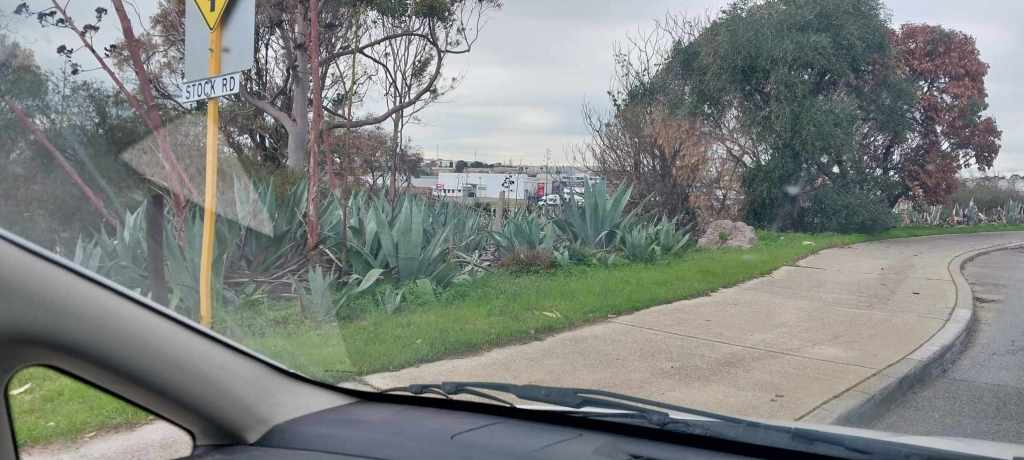
The plant is in this case a weed as it is not native to the area and it either washed here from somewhere further upstream or (more likely) was a remnant of garden waste that was dumped here rather than being disposed of responsibly. This is also a common problem with agaves in my region (which are also not native and they absolutely love the environment so they tend to run amok)
- this plant is called dasheen in Uganda where it is the most common landrace variety of taro. A “landrace” variety is a local variety of a species of plant or animal that has distinctive characteristics arising from development and adaptation over time to conditions of a localized geographic region and that typically displays greater genetic diversity than types subjected to formal breeding practices.

By the time I was able to turn around and get back to the area the gentleman had moved on and I was unable to ask him what his plans were with the plant. The area is in a busy traffic area near a roundabout so I couldn’t simply stop or turn around. I have been waiting all this time in the hope that I would once again run into him and last weekend my luck turned.

It was not the African man I saw earlier but this time a young couple from Mauritius doing the harvesting. They seemed somewhat nervous at my approach (although I’m fairly certain it is on public land) but once I started asking questions they were quite happy to share their knowledge with me.

They called the plant Kachou (I had to ask them to spell this one for me) which sounded somewhat like ka-choo (almost like a sneeze sound)
They were harvesting the plant to eat its leaf stems (petioles) rather than the leaves themselves. Both were wearing latex gloves as they said the sap of the plant can make you very itchy. See the WARNINGS as noted in my Post Quelite : Mafafa.
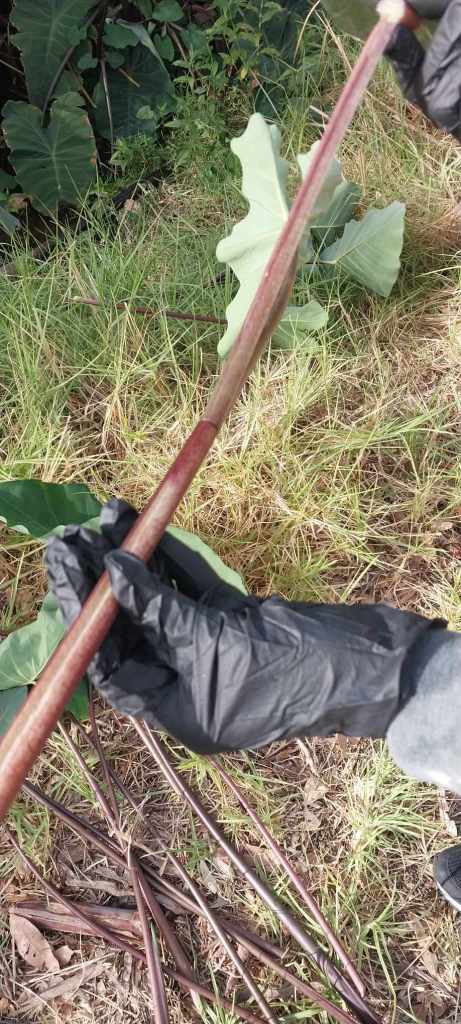
The stem was processed by first peeling off its fibrous outer layer and then it was cut into 1 or 2 cm pieces which were then cooked.
Other varieties

There is a variety called Colocasia gigantea Hook.f. (1) which is similar in appearance to Colocasia esculenta (L.) Schott, but distinguished by its yellowish-green leaves and stems. This plant is occasionally grown by villagers (in Thailand) for its edible leaf stalks, as a non-toxic alternative to wild taro. Leaf stalks can be harvested year-round and are eaten raw in som tam (spicy papaya salad), or cooked in curry dishes, kaeng tuun (sour fish soup), or as a side dish with other hot, spicy foods. (JIRCAS) It is also noted : Caution: Not to be confused with wild taro or other wild araceous (2) plants, all of which contain toxic calcium oxalate crystals. It has traditional medicinal uses in the treatment of colds, fever and its Functional constituents (3) suggest it might have antidiarrhoeal, antimicrobial and antioxidant properties.
- Common names include : Giant taro (English); hasuimo, taroimo (Japanese) Tuun, khuun (Thailand)
- (botany) Of or relating to a family of plants, Araceae, of which the genus Arum is the type.
- α-amyrin, β-amyrin, monoglyceryl stearic acid, penduletin
Some information presented here indicates that these plants can be eaten raw. It is safer to assume that ALL VARIETIES of these plants have oxalates and should be COOKED BEFORE EATING. DO NOT CONSUME RAW. Symptoms might include a burning or tingling sensation in the mouth and throat. Consuming too much (or if you have an allergy/sensitivity to the plant) might close the airways and cause severe medical problems, possibly even death.

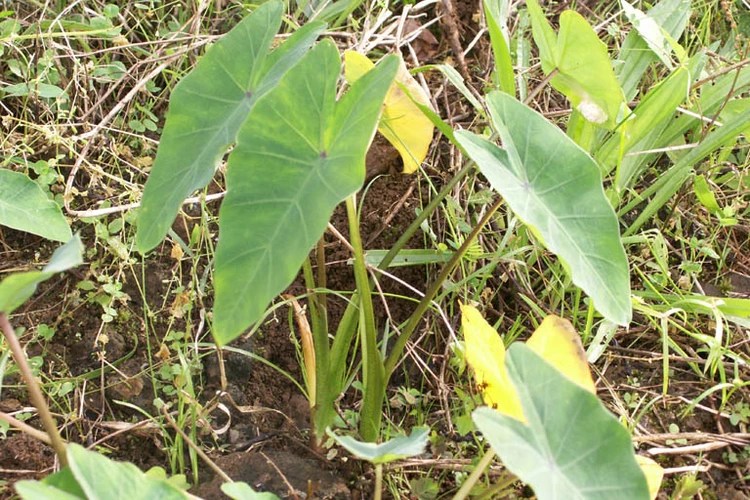
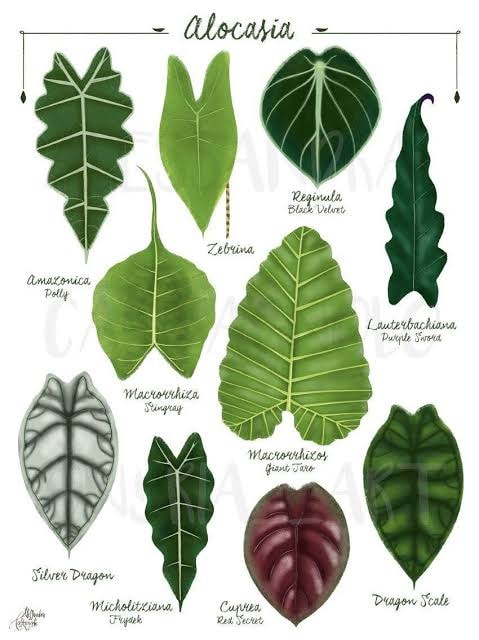
These plants are often called Elephants ears due to their size and shape.
There are two types of elephant ears: alocasias and colocasias. Colocasias display their leaves with tip of the heart pointing down. They prefer full sun and consistent moisture. Alocasias hold the tip of their leaves out or upward and they prefer more well drained soil and a little shade.


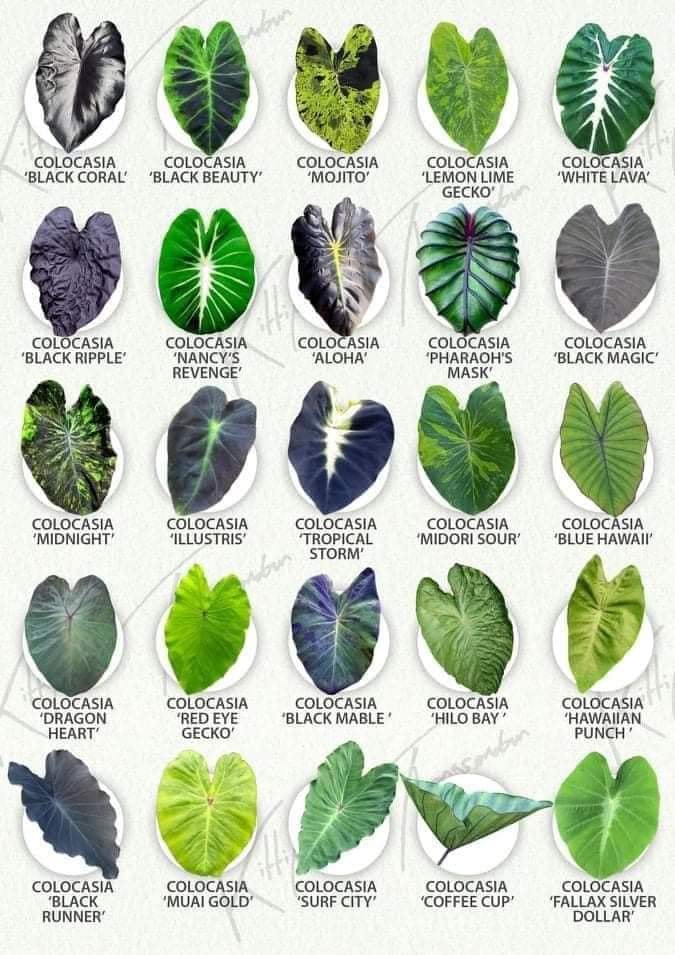
Leaf shape variety within the species

In Japanese Colocasia gigantea is commonly called ハス芋 (hasu-imo), or “lotus yam”.
Other names include
- Zuiki (Japan)
- Bac ha (Southern Vietnam)
- Doc Mung (Northern Vietnam)
- Kan Thun, Ok Dip, Thoon, and O Dip (Thailand)
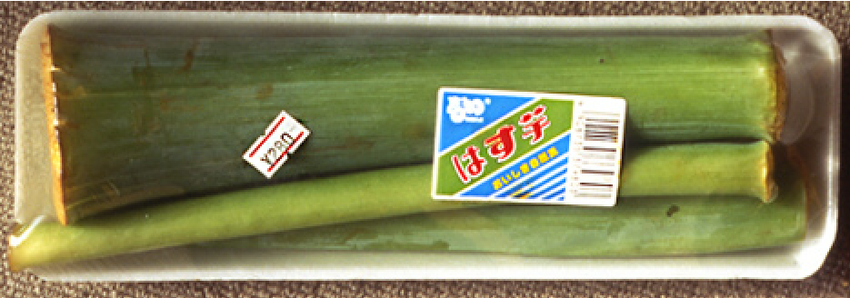
In Kochi Prefecture (Japan), the petiole part of the leaf and stem of the Hasuimo is called “Ryukyu” and is a vegetable of daily use that has a long history of consumption. “Ryukyu” is characterized by its bright green colour and unique crispy texture.
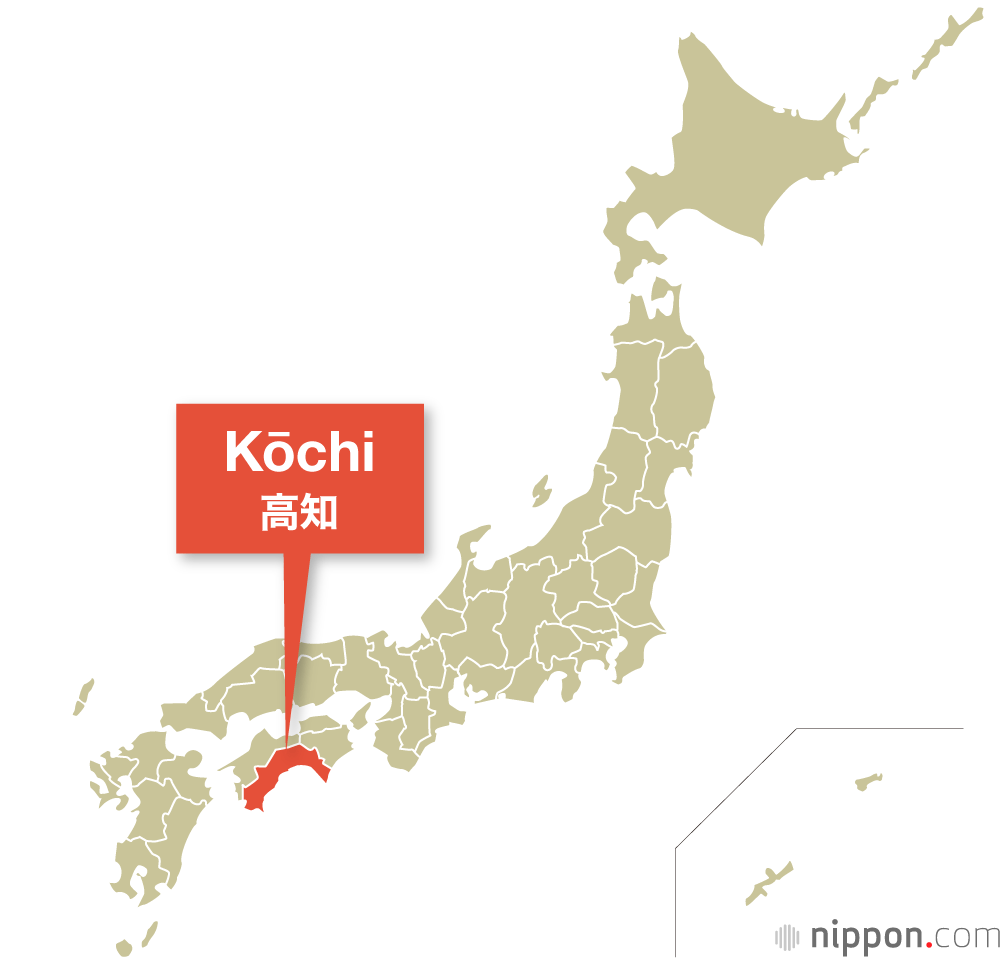
Kochi Prefecture, on Japan’s Shikoku Island, is a largely rural area known for its mountains, rivers and Pacific beaches

Prefectures are regional authorities comprising municipalities, and are in charge of broader regional administration. Japan is made up of 47 prefectures.


It is said that the name came from Okinawa (Ryukyu), but it is not certain. “Vinegared Ryukyu” is one of the most popular summer dishes in Kochi Prefecture, and is still popular with the locals. It is also sometimes used as an ingredient in miso soup, chanpurū and sushi.
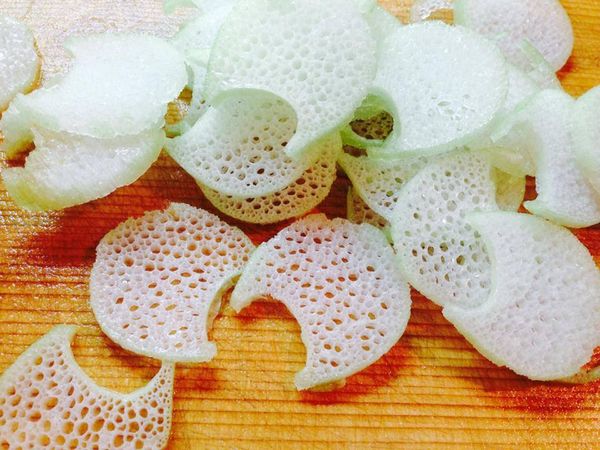
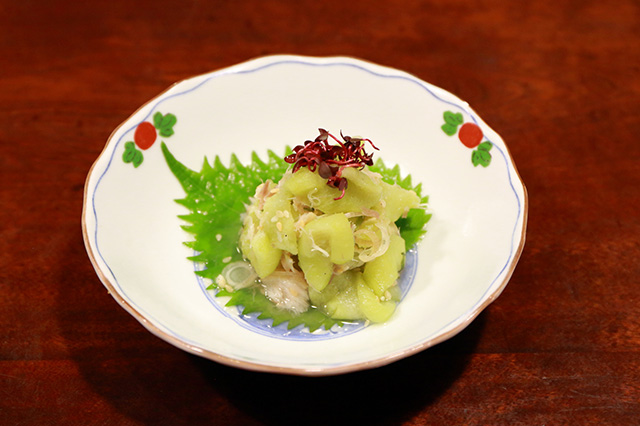
Here’s a link for a recipe for vinegared ryukyu https://www.youtube.com/watch?v=o-6dNgTsYOA&t=6s (it is in Japanese though)

The Japanese term zuiki refers to the petiole (leaf stem) sections of both C. gigantea and C. esculenta.
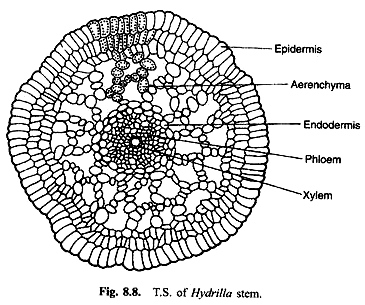
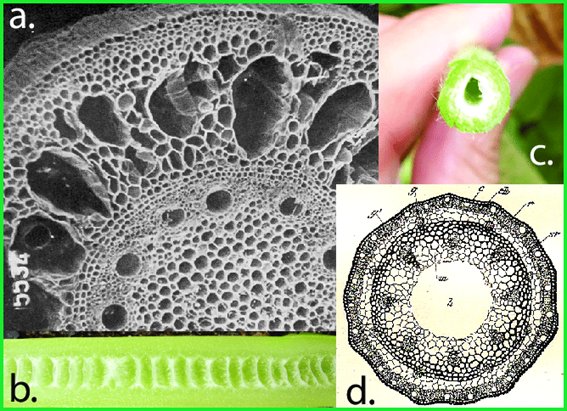
The centre of the stalk is comprised of a porous, web-like tissue that is spongy, airy, and firm. This structure is known as aerenchyma, a soft plant tissue. Aerenchyma is primarily found in aquatic and wetland plants. Aerenchyma is a modified parenchyma (1), where the cells are arranged with regular air chambers in between to facilitate diffusion of gases in and out. They also provide buoyancy to hydrophytes (2) like lotus and water hyacinth that help them float on water.
- parenchyma – the cellular tissue, typically soft and succulent, found chiefly in the softer parts of leaves, pulp of fruits, bark and pith of stems
- Hydrophytes are plants that are especially suited for and have adapted to living in aquatic environments. They are also referred to as macrophytes to differentiate them from algae and other microscopic plants. Hydrophytes are found in one of three ways: emergent, submerged or floating

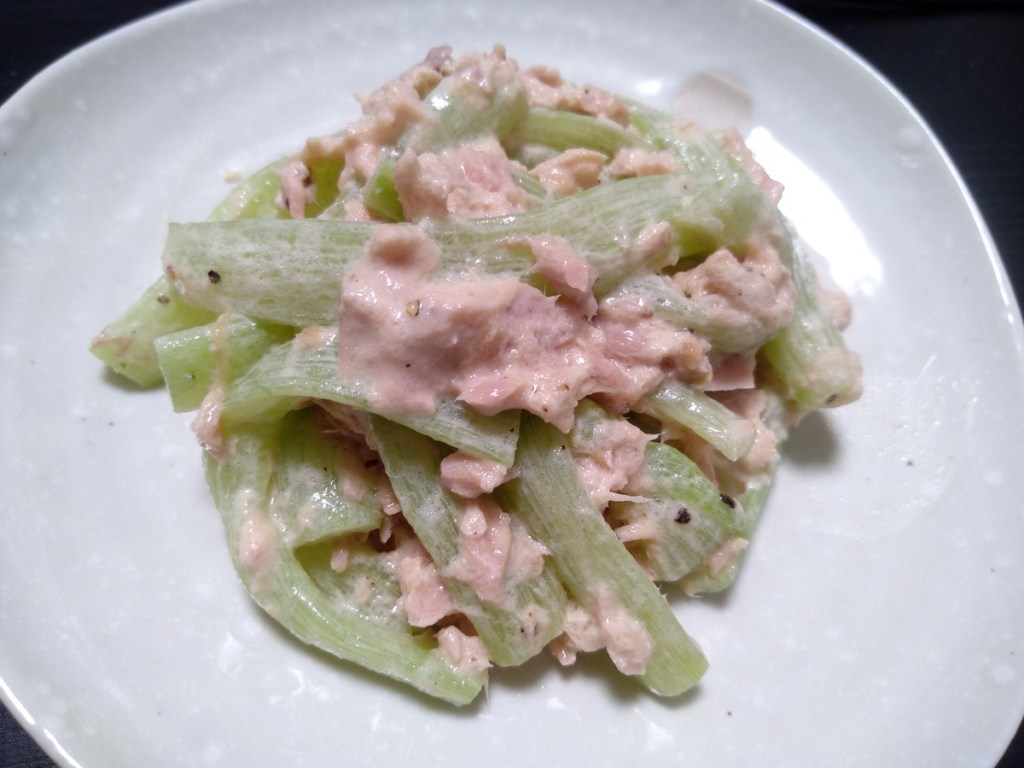
Funnyjunk gives a differing opinion on its texture and notes it as being “between spongy and chewy” and mentions that to process the plant for consumption they “first peeled it, cut it into thinner straps and boiled it for 3-4 min, then prepared it 2 ways as below.
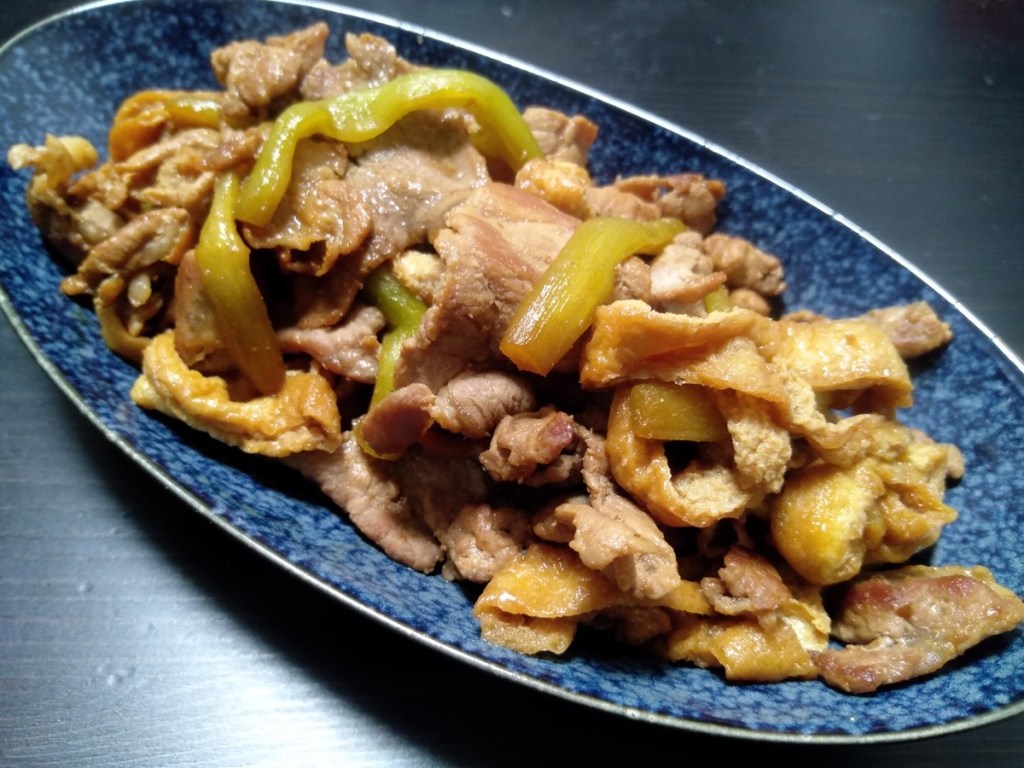
In Southern Vietnam Bac ha is revered for its distinctly spongy, crisp, and absorbent properties and is typically incorporated into various soups to add texture. Beyond soups, Bac Ha is occasionally used in noodle dishes or pickled for extended use.
Bac Ha has a mild, grassy, green taste for cooked preparations.
The stalks contain oxalates, also known as oxalic acids, that can cause allergic reactions and irritations to some consumers. These organic compounds are lessened when cooked, making Bac Ha a primarily boiled, blanched, or stir-fried ingredient. See the WARNINGS as noted in my Post Quelite : Mafafa.
Whole, unwashed Bac Ha will keep for around one week when stored in a sealed container in the refrigerator. It is recommended to immediately use the stalks after harvest or purchase for the best quality and flavour.
Preparation
Bac Ha should be soaked in salt water before use. The stalks are then peeled to remove the fibrous exterior, and then sliced into smaller pieces.
Blanched Bac Ha (throw away the blanching water as this will contain oxalates : See WARNINGS) is added to salads, or it is mixed into various stir-fries, especially throughout Southeast Asia. In Thailand, the stalks are incorporated into curries.
According to Specialty produce “Bac Ha pairs well with tamarind, herbs such as lemongrass, basil, and cilantro, aromatics including garlic, ginger, spring onions, and chile peppers, tomatoes, bok choy, carrots, coconut milk, and seafood such as shrimp, fish, and crab.” Whole, unwashed Bac Ha will keep for around one week when stored in a sealed container in the refrigerator. It is recommended to immediately use the stalks after harvest or purchase for the best quality and flavor.”
Check out the Blog Today is…Fava Beans! Expanding our food vocabulary through a calendar of ingredients for a recipe of Spicy Bac Ha Soup with Coconut Roasted Chicken.
https://365wholefoods.blogspot.com/2013/06/bac-ha-alocasia-odora.html
References
- Matthews, Peter. (2004). Genetic Diversity in Taro, and the Preservation of Culinary Knowledge. Ethnobotany Journal. 2. 10.17348/era.2.0.55-71.
- Rao, Ramanatha & Matthews, Peter & Eyzaguirre, P. & Hunter, Danny. (2010). The Global Diversity of Taro: Ethnobotany and Conservation: http://ir.minpaku.ac.jp/dspace/bitstream/10502/4766/1/MP_GDT.pdf
- Tumuhimbise, Robooni. (2015). Plant Spacing and Planting Depth Effects on Corm Yield of Taro ( Colocasia esculenta (L.) Schott). Journal of Crop Improvement. 29. 747-757. 10.1080/15427528.2015.1083498.
Websites
- Bac ha : https://specialtyproduce.com/produce/Bac_Ha_9740.php
- Elephant Ears (Colocasia, Alocasia, and Xanthosoma) : Wisconsin Horticulture; Division of Extension : https://hort.extension.wisc.edu/articles/elephant-ears-colocasia-alocasia-and-xanthosoma/
- Giant elephant ear : https://www.clovegarden.com/ingred/am_colostmz.html
- Hasu-Imo via on Japanese food – Japanese recipes from Cooking class in Tokyo with Mari facebook : https://www.facebook.com/mari.cookingclass/posts/do-you-know-what-this-spongy-vegetable-is-its-hasu-imo-and-just-on-the-best-seas/817157138303147/
- Spicy Bac Ha Soup with Coconut Roasted Chicken via Today is…Fava Beans! Expanding our food vocabulary through a calendar of ingredients : https://365wholefoods.blogspot.com/2013/06/bac-ha-alocasia-odora.html
Images
- Alocasia macrorrhizos – By Daderot – Self-photographed, Public Domain, https://commons.wikimedia.org/w/index.php?curid=15208839
- Alocasia varieties via AAL Gardening on Facebook : https://www.facebook.com/photo?fbid=362471848619802&set=pcb.362471935286460
- Colocasia esculenta (L.) Schott : WIKTHROP : https://portal.wiktrop.org/species/show/69
- Colocasia gigantea Hook.f. (Araceae) : Japan International Research Center for Agricultural Sciences | JIRCAS : https://www.jircas.go.jp/en/database/thaivege/035
- Colocasia gigantea ‘Thailand Giant’ : https://tropicsathome.com/product/colocasia-gigantea-thailand-giant/
- Colocasia varieties via AAL Gardening on Facebook : https://www.facebook.com/photo/?fbid=362471801953140&set=pcb.362471935286460
- Cover image : Colocasia esculenta Maui Nui Botanical Garden : MauiForest & Kim Starr, CC BY 3.0 US https://creativecommons.org/licenses/by/3.0/us/deed.en, via Wikimedia Commons
- Edible petioles ( zuiki ) from C. gigantea ( hasu-imo ) as sold in a supermarket in Kyoto city, Japan (July 1996) : Matthews, Peter. (2004). Genetic Diversity in Taro, and the Preservation of Culinary Knowledge. Ethnobotany Journal. 2. 10.17348/era.2.0.55-71.
- Hasuimo or ryuukyuu : https://funnyjunk.com/Japanese+food+11+hasuimo/lftxMys/
- Vinegared Ryukyu Kochi prefecture : Our Regional Cuisines : (MAFF) Ministry of Agriculture, Forestry and Fisheries : https://www.maff.go.jp/e/policies/market/k_ryouri/search_menu/menu/ryukyuno_sunomono_kochi.html
 Masa Americana