
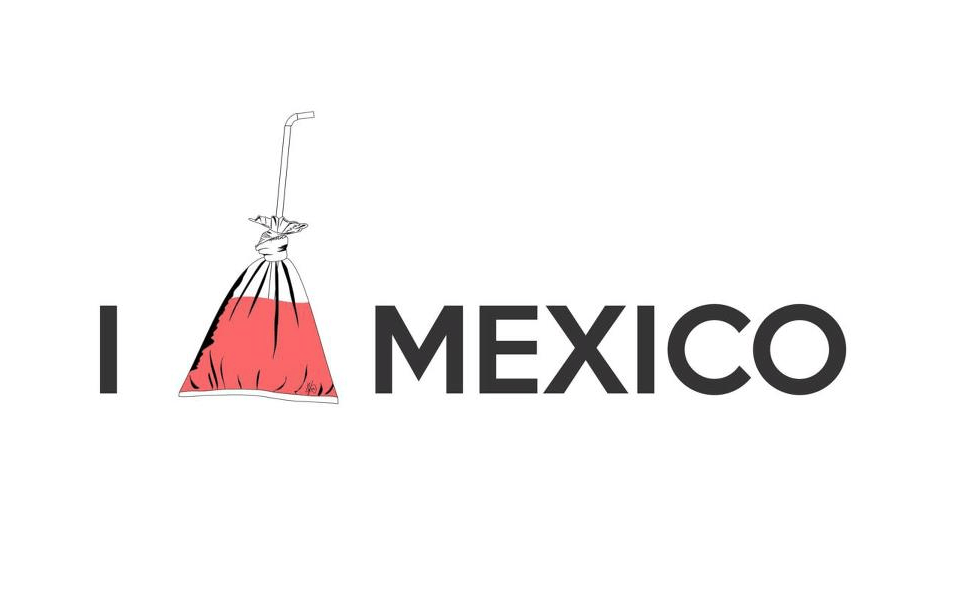
In Mexico you can purchase your drinks from various vendors by the bag (or bolsa). This is simply a bag with a straw in it.

Mexico has long made aguas frescas (fresh waters) from water, fruits and seeds long before soda came on the scene. This tradition would have been greatly boosted by the herbs and fruits and grains (such as barley and rice) that were imported via the Colombian Exchange

These drinks are available from any mercado and any number of street vendors


In In 1925, Modelo started brewing beer in Mexico. In 2024 they have expanded their range by adding alcoholic agua frescas. The newly-launched malt beverage is available in four flavours, each created with real fruit juice: Piña (Pineapple), Pepino y Limón (Cucumber-Lime), Sandia (Watermelon), and Flor de Jamaica (Hibiscus)

Carbonated drinks have likely always existed as fermentation creates bubbles of carbon dioxide and some natural spring waters are lightly carbonated but soda as we know it resulted from the invention of carbonated water by the English chemist and natural philosopher, Joseph Priestley in 1767. Within a decade of his process becoming known inventors in Britain and in Europe had used his concept to produce the drink in greater quantities. One such inventor, J. J. Schweppe, formed Schweppes in 1783 and began selling the world’s first soft drink.
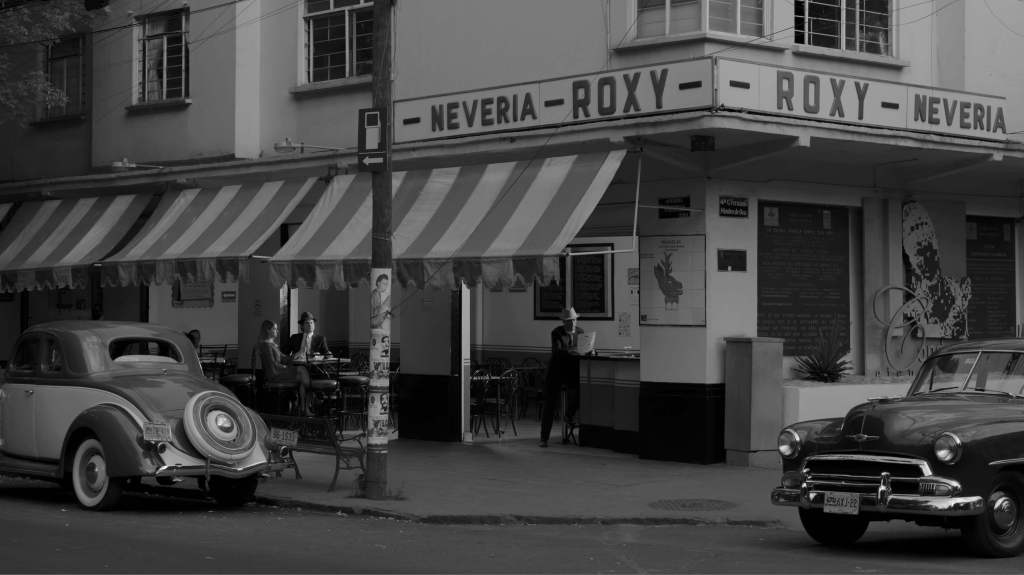

At the beginning of the 20th century, soft drink was sold only in soda fountains, then it began to be bottled in glass containers with caps, to be drunk immediately. In fact, in the second half of that period, glass bottles were found in all kinds of stands, cafeterias and taco shops.

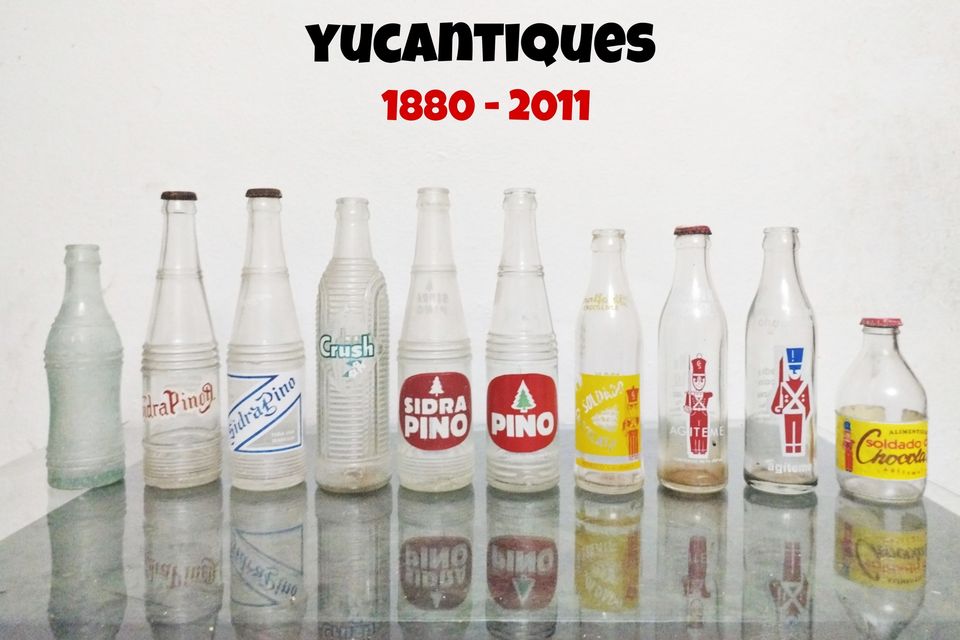
Some local manufacturers
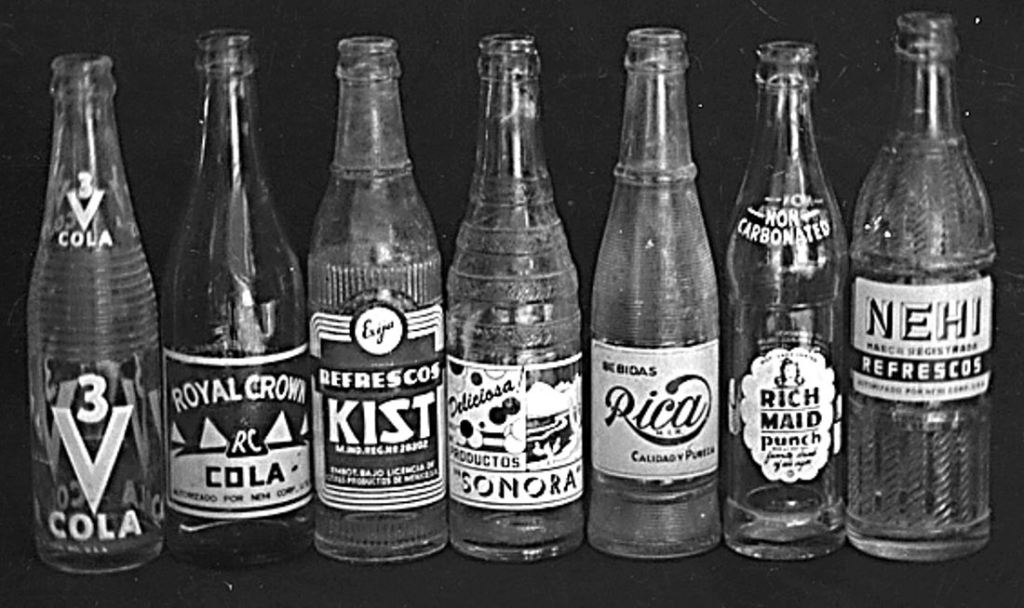
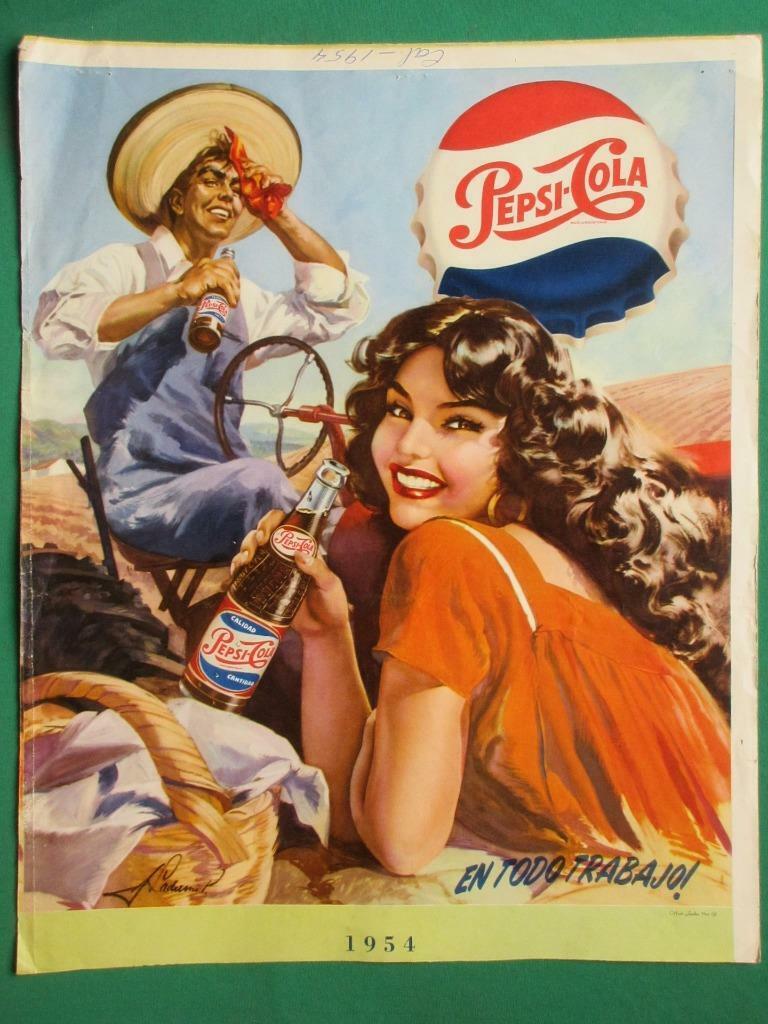
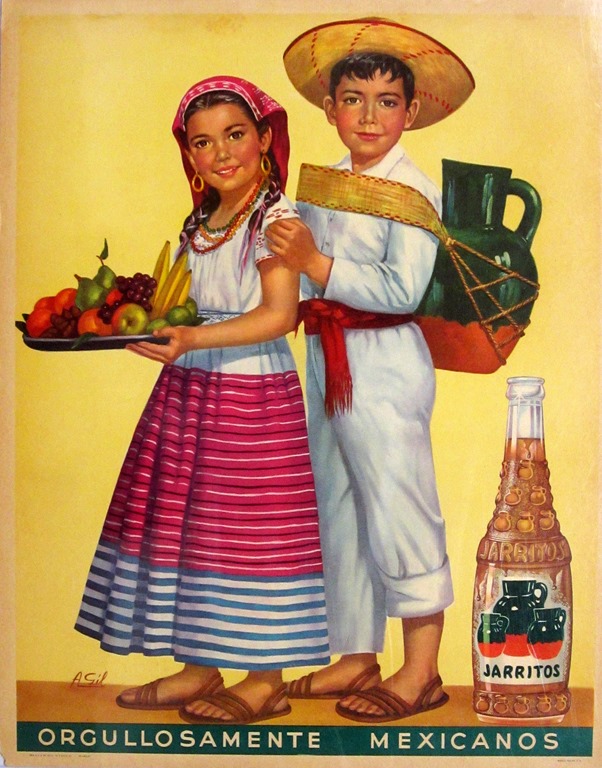
Advertising from the era

Why is soda served this way in Mexico?
On some occasions, it was previously served in this way since in some places they did not have availability and ease of bottles or cans in nearby stores, however, bags were an option, since they were easier to transport .
The price of a drink in a bolsa is lower than that of a bottle. The ingenious Mexican entrepreneur knows that there can be more than one drink in a bottle and that there is no need to purchase a whole bottle. How many pesos do you have child?; and since you only need purchase the amount you can afford, the desired amount can be dispensed in a bolsa, and using this technique you would ‘save’ the cost of the container and only pay for the liquid.
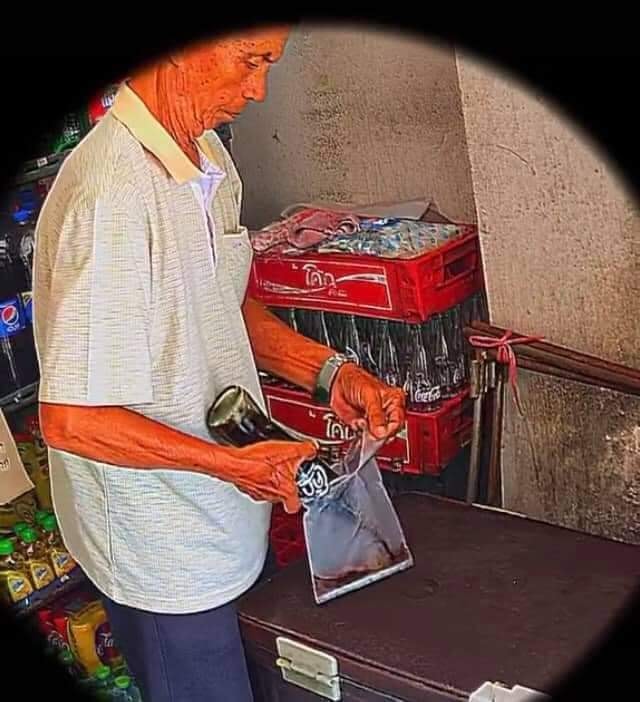
Although it is less common now than it was in the 90s, this method of transporting and consuming your soda is still popular in some markets and street stalls since, in addition to being cheap, it was very practical to transport, without having to take the glass bottle of returnable soft drinks, or pay extra to walk away with the bottle. In Mexico coke (bottled in glass) is bought by returning the empty bottles for exchange. Those bottles are called “retornable” You take it (empty) back to the store where you bought it and buy another soda at a cheaper price (you don’t pay for the bottle); it is then refilled and sold again. Normally if you do not have an empty, you would pay a deposit for the bottle and then also pay for the drink. Glass bottles are (hopefully) washed and reused and refilled multiples times over the life of the bottle so in some areas when the distributor comes around and they don’t have many empties to give them to refill, the distributor is hesitant to supply them new product.
Plastic bottles however…….
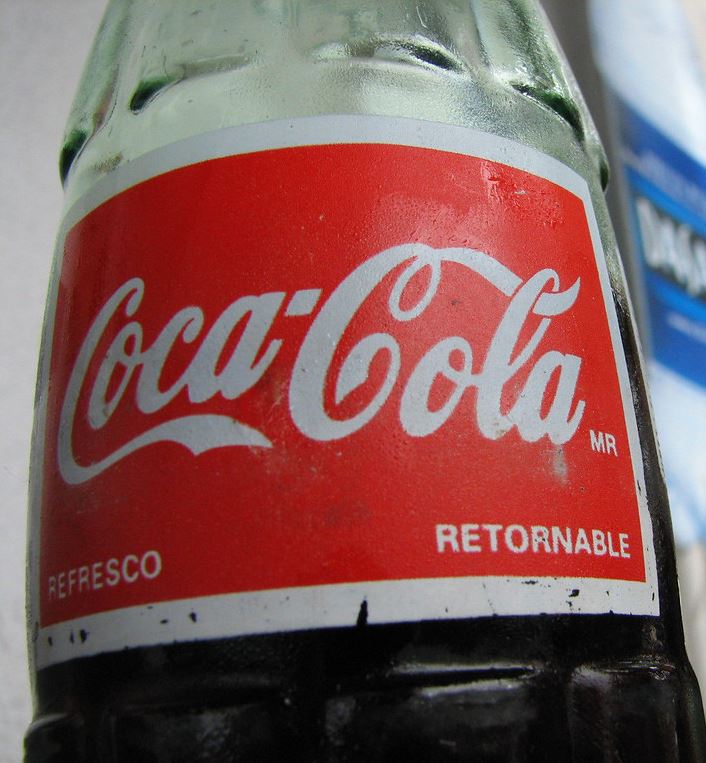
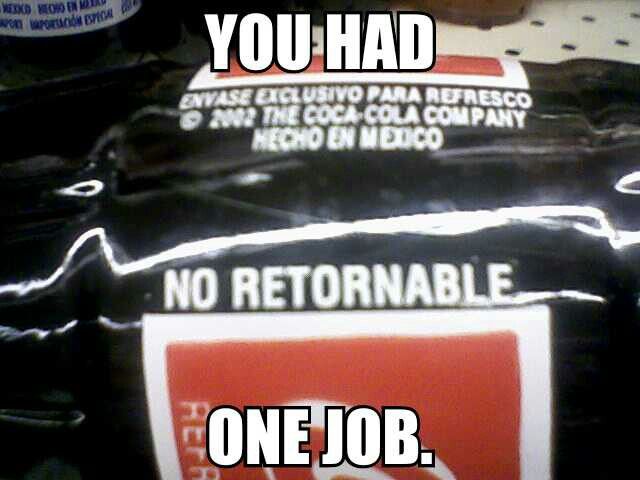
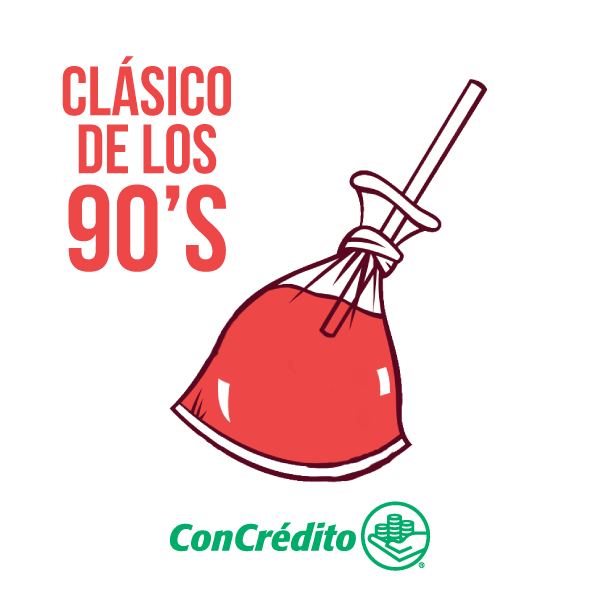
Only the old school would understand, in my time this was a classic

Soy Retro on Facebook remembers it slightly differently. Pizzerola was his snack.


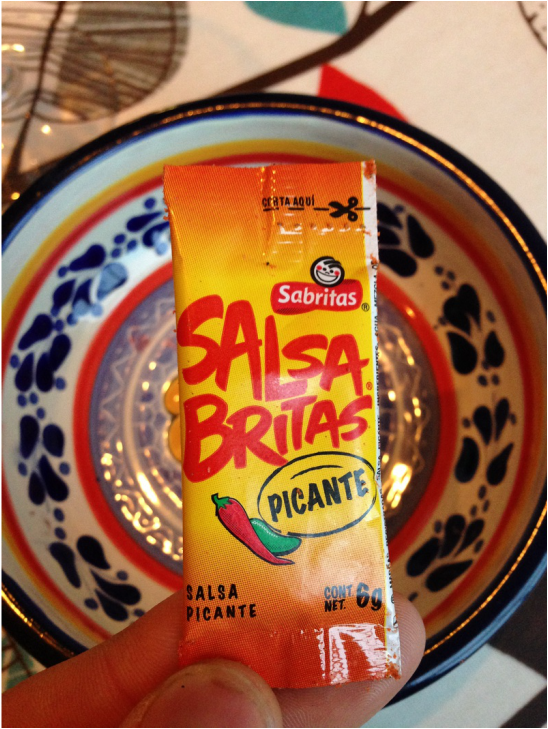
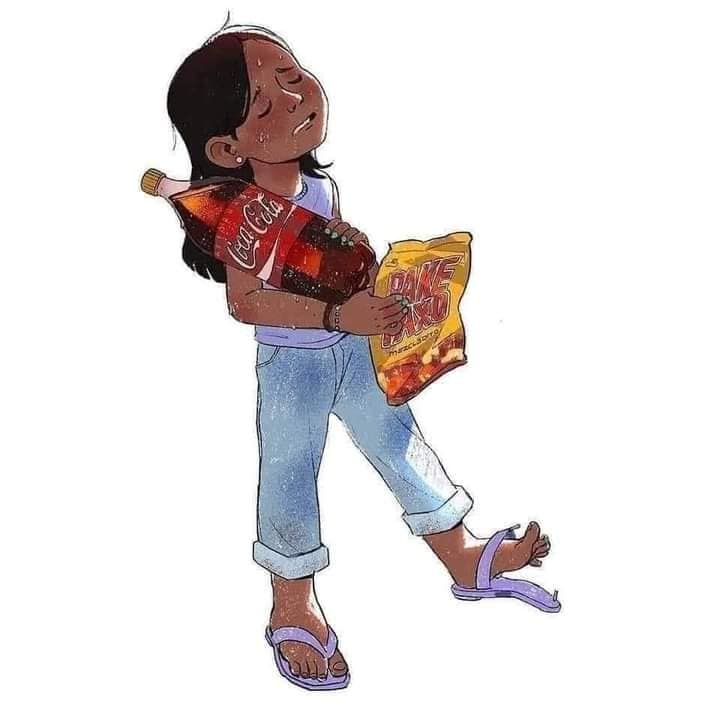
The scene of drinking from a bolsa was portrayed by the Yucatecan artist Andrés ‘Nove’ Escobedo, who in 2020 published this illustration on Facebook with the message “Vean qué tragedia: hora de la salida, el calor, ese día llevaste el libro de Atlas y te compras una coca en bolsa para hacer más llevadero el camino a casa, sí o no raza”.

Roughly translated (and with some liberties taken) Behold the tragedy : It’s time to go home, the heat, on the day you purchased the Atlas, so you buy a coke in a bag to make the walk home bearable

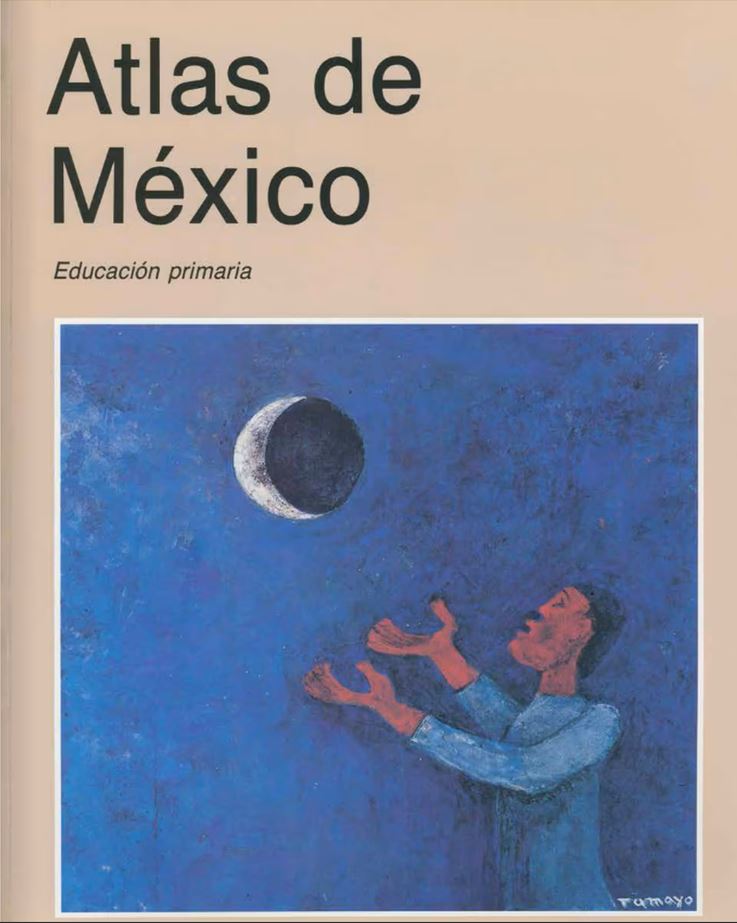
The Atlas was a huge book. So big in fact that when you stuffed it in your backpack you were unable to zip closed the bag. The artist is also a Yucateco so with the average temperature being 27C (and over 33C in summer) and with high humidity, the walk home from school in the blazing heat it made for an unbearable experience which would have been alleviated by an icy cold refresco. As an Australian I can feel this.
Another of Nove’s pictures that an Australian can fully understand is that of a blowout in a thong (the footwear not the skimpy underwear)
In the mercados and the streets aguas, bebidas y mucho mas could (and can) be purchased by the bolsa.

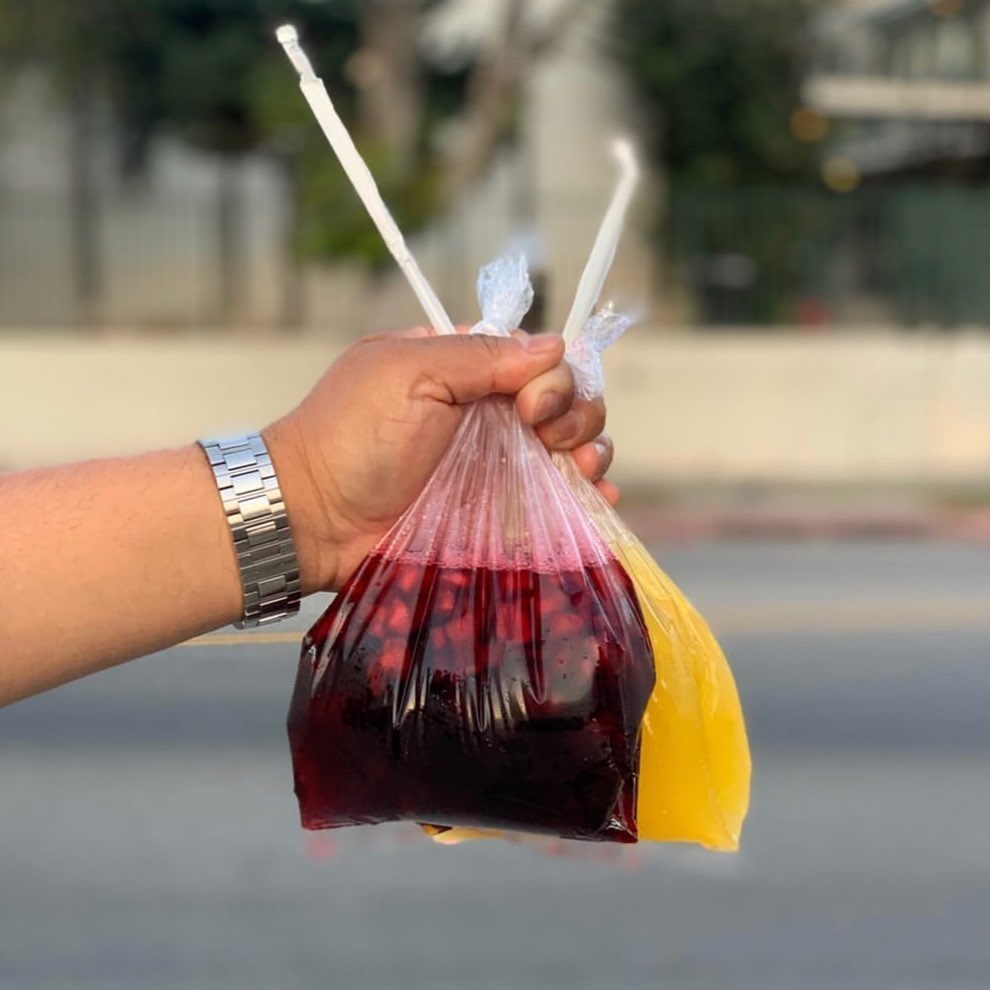
(my favourite – the dark purple/red one)

Agua de jamaica is certainly a favourite but I will always get horchata when I find it at a taqueria.
See Flor de Jamaica (Hibiscus sabdariffa) and Flor de Jamaica : A Confusion of Hibisci* for more info on the plant (and some recipes). See Recipe : Agua de Jamaica for a recipe for this agua fresca and see Flor de Jamaica : The C-Bomb for some more recipes. There is also a plethora of medicinal information regarding this plant sprinkled amongst the Posts.
Horchata is a milky rice based drink


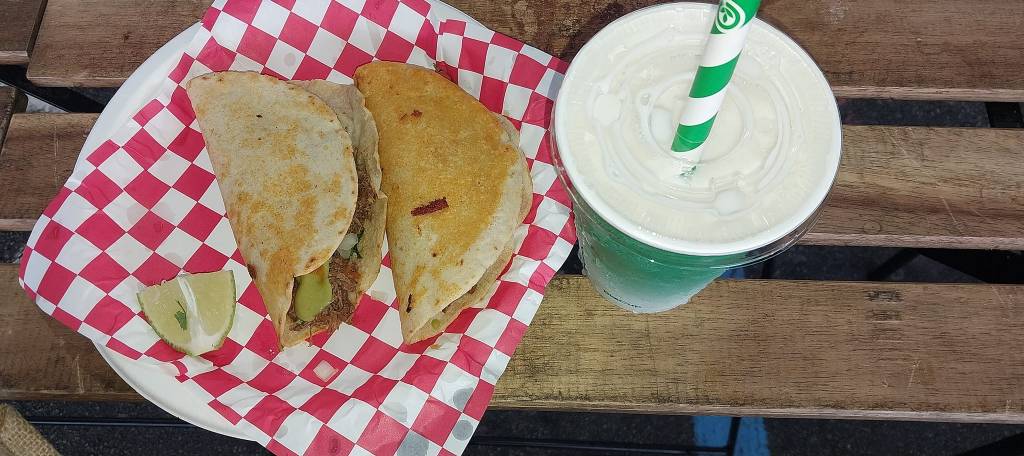
Horchata in El salvador
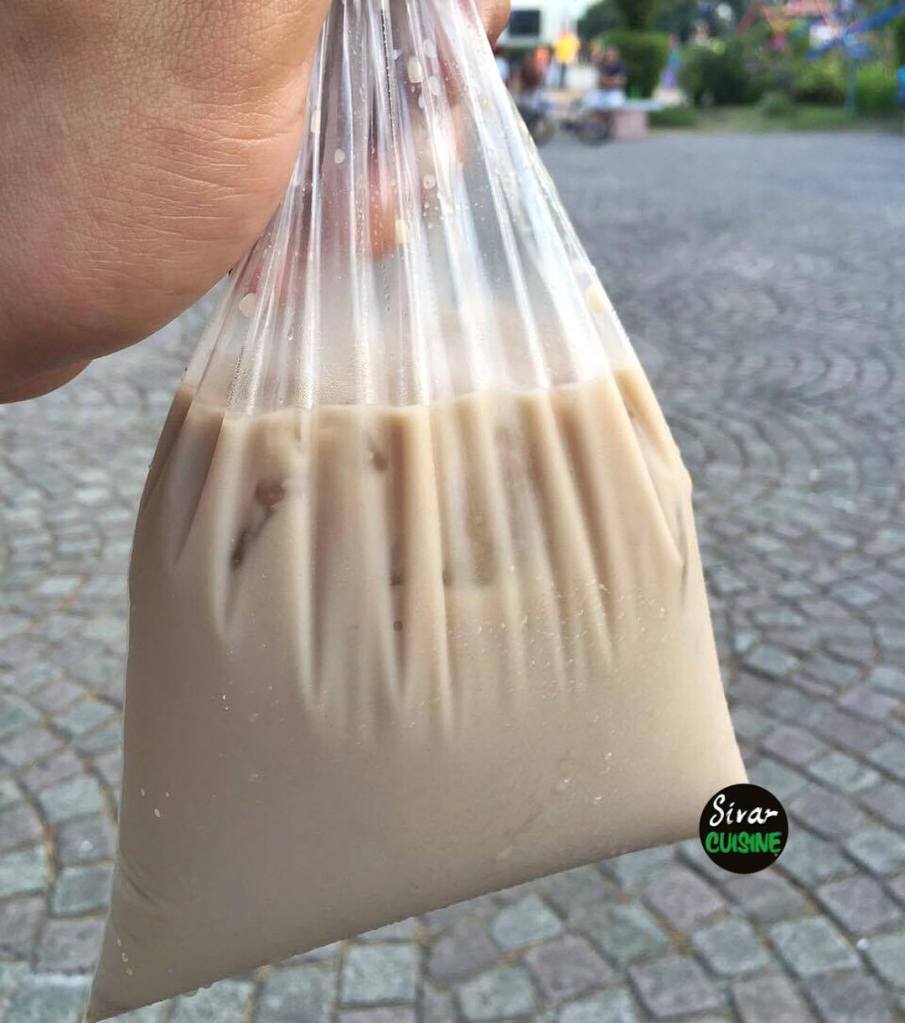
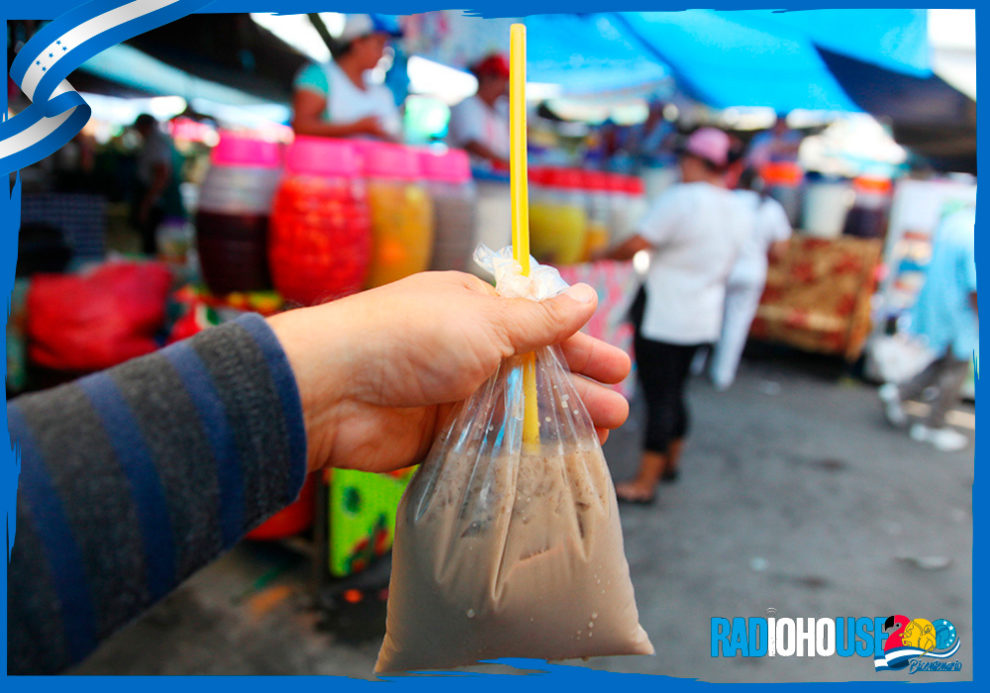
Horchata in Honduras. This one is a little darker than you average horchata as it uses morro seed as an ingredient.

Crescentia alata, variously called Mexican calabash, jícaro, morro, morrito, or winged calabash, is a plant species in the family Bignoniaceae and in the genus Crescentia, native to southern Mexico and Central America south to Costa Rica. The fruit plays a role in the Popol Vuh (book of myths of the Mayan civilization). After the first generation of hero twins, Hun Hunahpu (One-Hunahpu) and Vucub Hunahpu (Seven-Hunahpu), fail and are killed in the ball game in Xibalba, the demonic Xibalbans hang Hun Hunahpus head in this tree. The head later spits in the hand of the Xibalban princess Ixquic (Blood Moon), thus impregnating her and begetting the second, successful generation of Maya Hero Twins. (Hunahpu and Xbalanque)
The seeds are edible and high in protein with a licorice-like sweet taste, used in Honduras, El Salvador and Nicaragua to make a kind of horchata called semilla de jícaro
Or, if you are on the road from Guadalajara to Mazamitla (we’re back in Mexico now), stop in at San Luis Soyatlán (in the State of Jalisco) and grab a vampiro (in a bolsa por supuesto). This alcoholic cocktail is made with ice, freshly squeezed limon y naranja juices, the grapefruit flavoured Mexican soda known as “Squirt” and homemeade sangrita (a mix of orange juice, tomato juice, chile, limon, salt and a dash of hot sauce) which is then spiked with a local Tequila (hey we are in Jalisco of course). Try a splash of Cazadores, Centenario, Herradura, Pueblo Viejo and others

Vampiros de San Luis Soyotlan
Never tried Squirt?

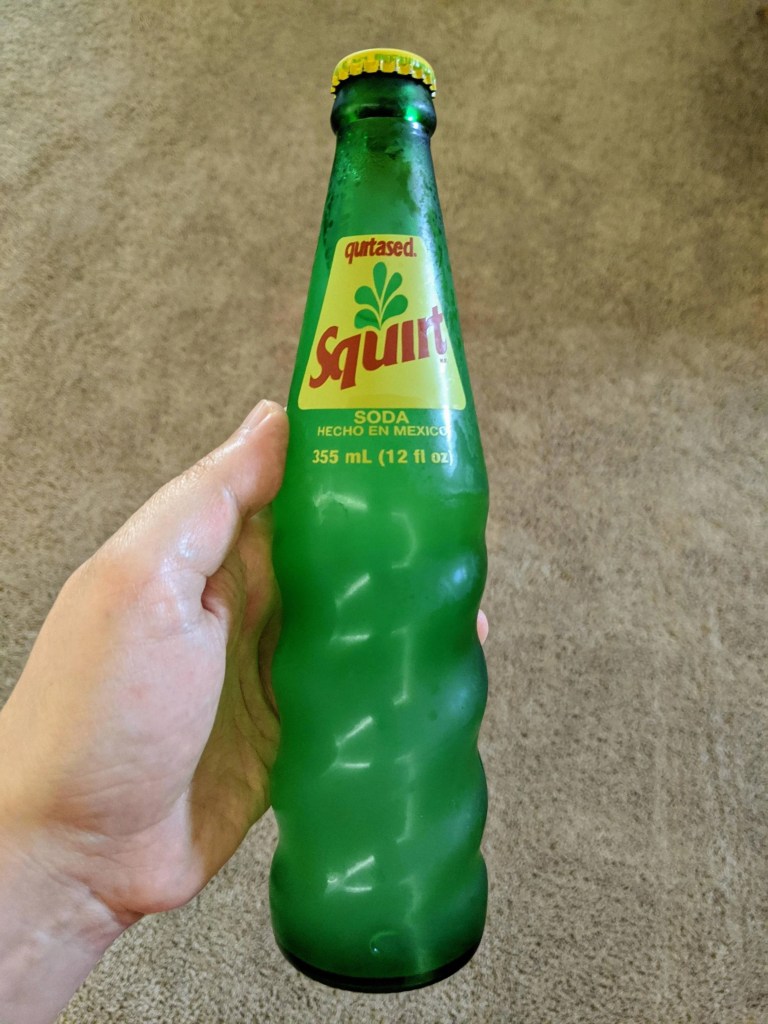
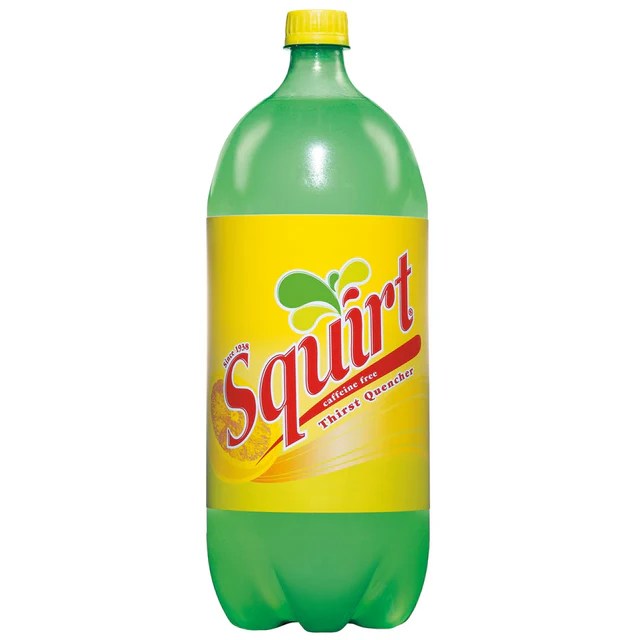

Give it a go with making a Paloma (or the Poor Mans Margarita)….Tequila, topped up with Squirt, a squeeze of lime juice and a pinch of salt.
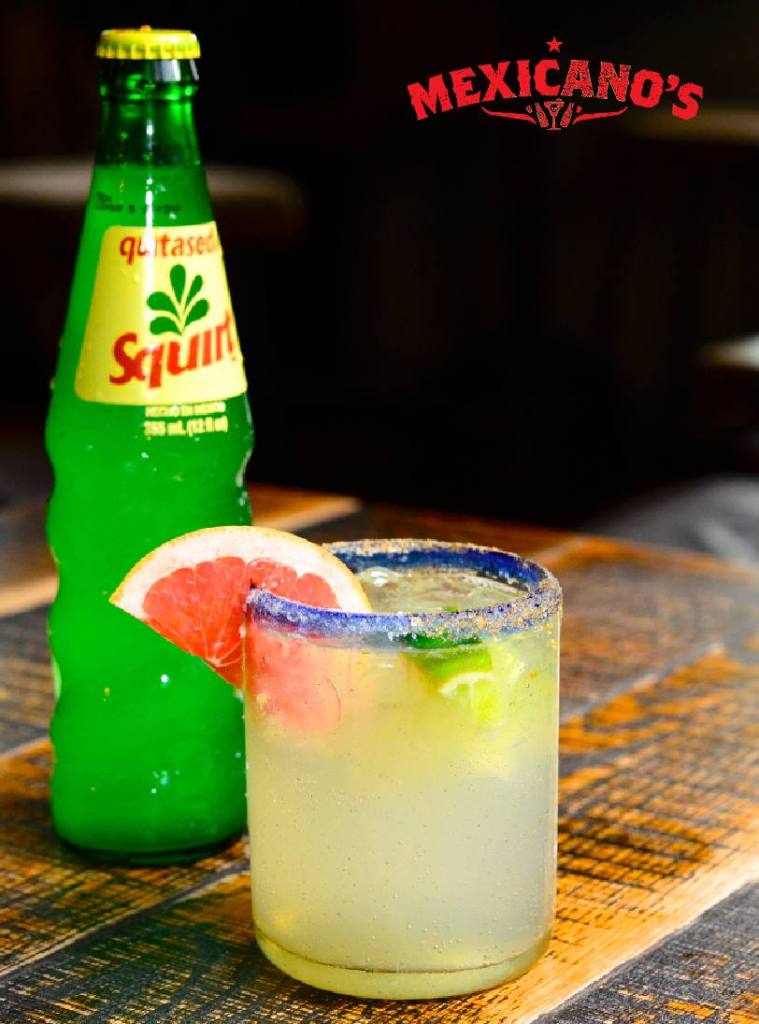
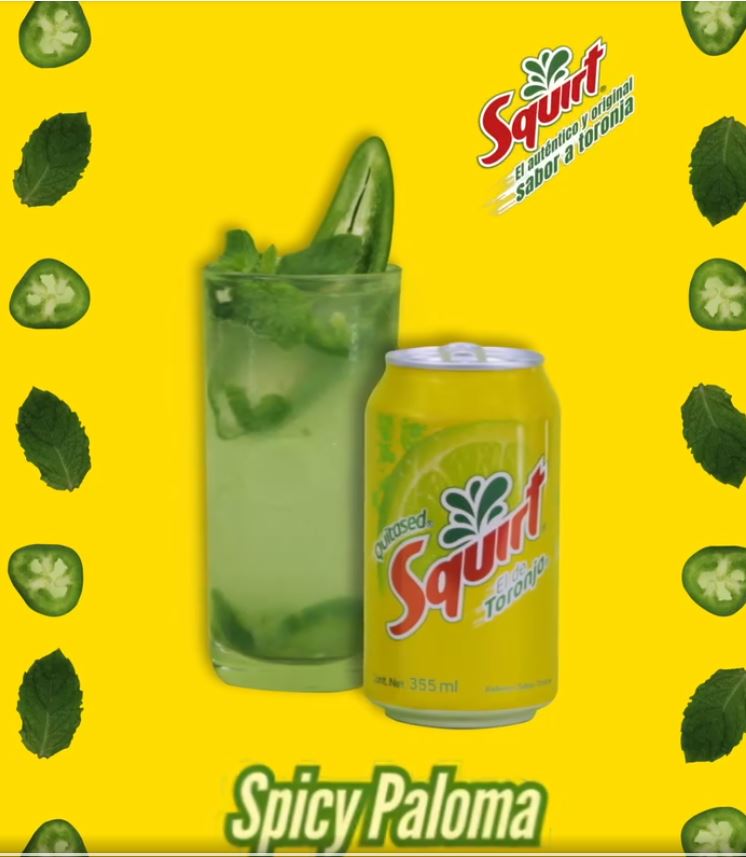
At its most simple. Tequila and Squirt…. …or spice it up with some mint leaves and jalapeno.
Art of the bolsita

Yahritza (or more properly Yahritza y Su Esencia – Yahritza and Her Essence) is a band consisting of three Mexican-American siblings from Washington state’s Yakima Valley. The band consists of Yahritza Martínez (vocals and acoustic guitar – 16), Armando (Mando) Martínez (twelve-string guitar – 24), and Jairo Martínez (acoustic bass – 18) and they specialize in regional Mexican music. Yahritza and Jairo were born in the U.S and Mando was born in the homeland of their parents, Jiquilpan in the State of Michoacán, Mexico.

In 2023 they were critcised harshly on social media as in an interview they gave negative opinions about Mexico (particularly the noise of Mexico City) and its food. In one video, you can find a moment in which the group ‘disdained’ the bagged soda, and they also made a taco vendor uncomfortable with their comments and attitudes.
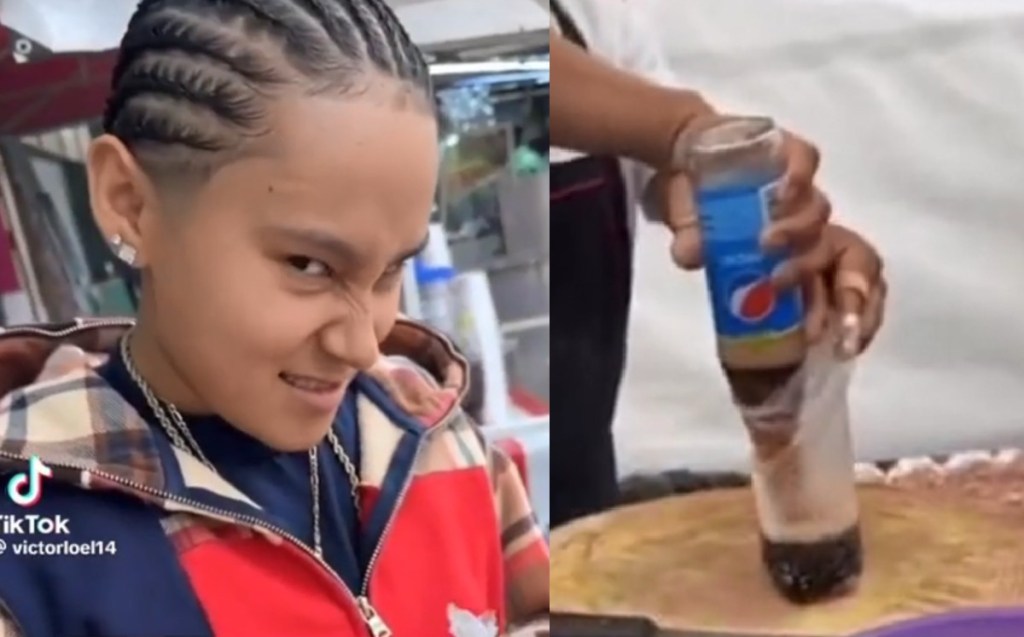
Mexico did not take lightly the disrespect and the trio were mercilessly attacked with hundreds of memes flooding the internet. I go through their trials and tribulations in my Post Gentification of the Molinillo?
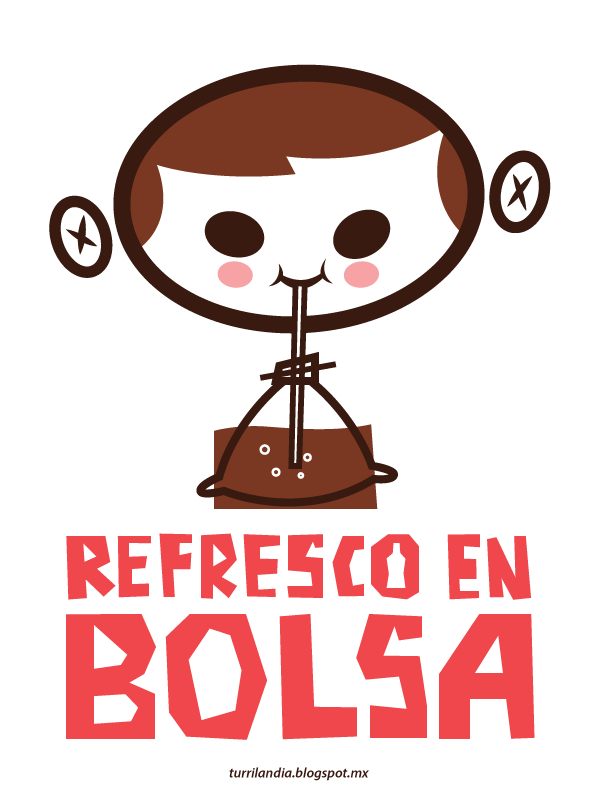
Arte by Mexican illustrator Héctor Turriza Sosa aka Turrilandia
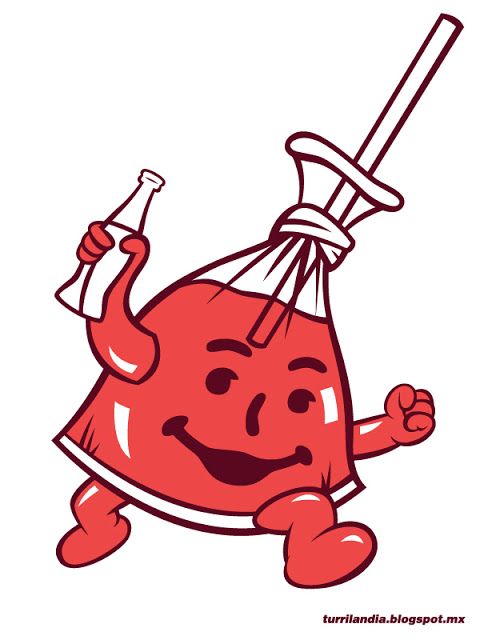
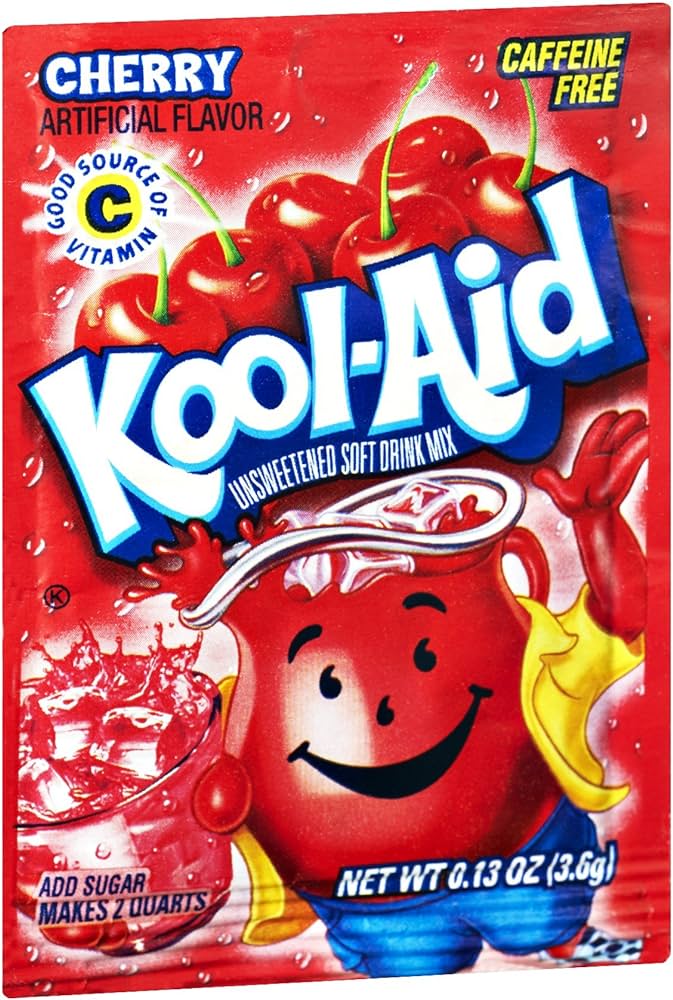
Kool-Aid is a brand of powdered drink mix that was developed in 1927 by inventor Edwin Perkins. The word Kool is a variation of cool and aid of the suffix -ade, as in lemonade or Gatorade.
The Kool-Aid Man’s first iteration was as the Pitcher Man in a 1950s advertising campaign as pitcher of Kool-Aid with a smiley face. By the mid-1970s, Kool-Aid Man had evolved into a life-sized anthropomorphic character who became famous for his destructive antics. Over the following decades, dozens of popular television advertisements featured Kool-Aid Man. He became well known for abruptly bursting through brick walls to share Kool-Aid with awe-inspired children. In the 1980s, he even inspired a (short-lived) video game and comic-book series. The brand is now owned by Kraft Foods.
They also produce Mexican inspired flavours
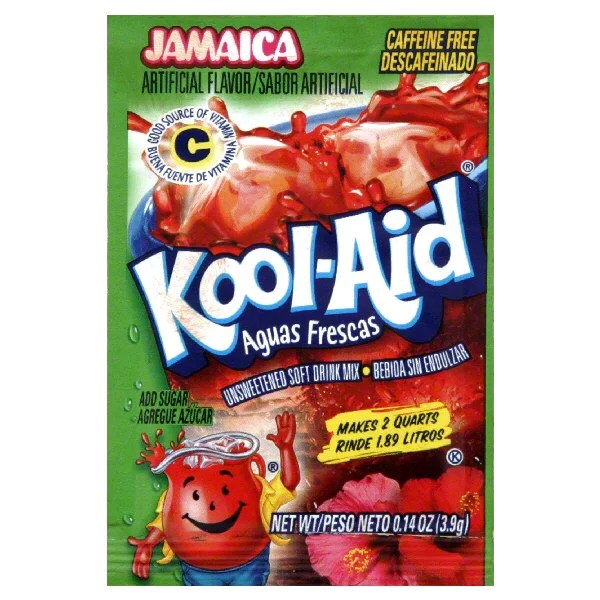
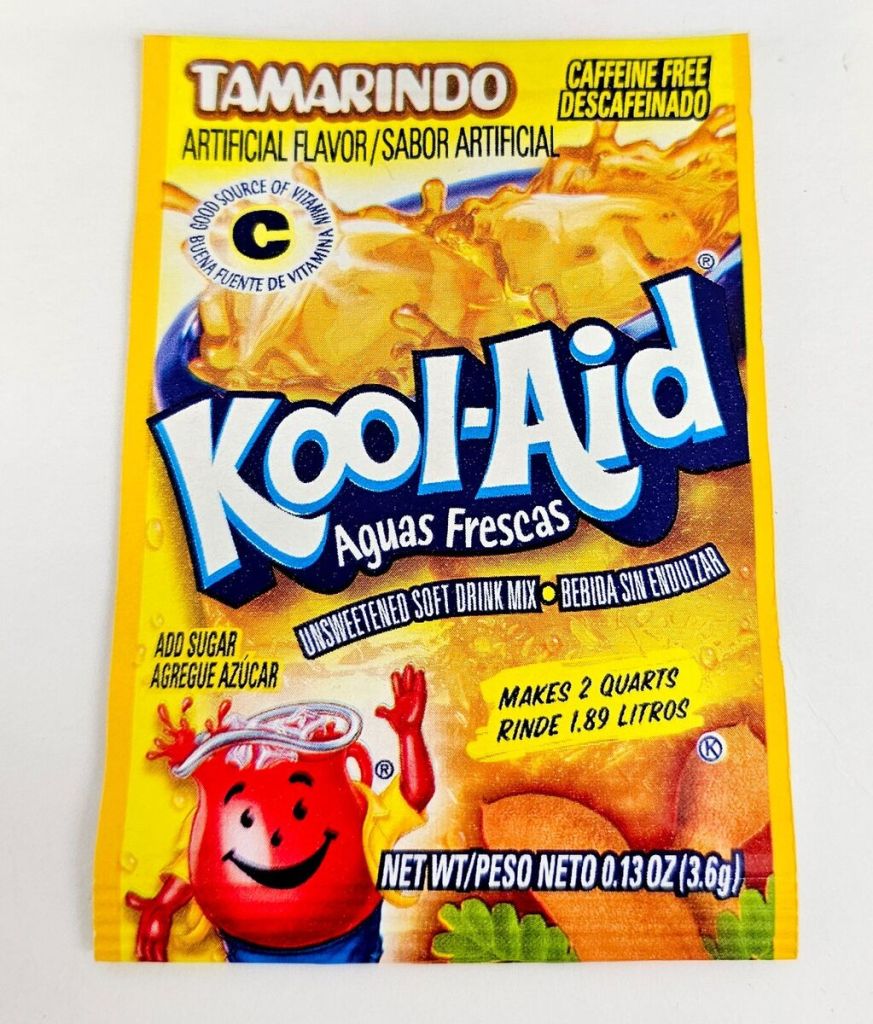
Arte by Gustavo Fernando Caballero Talavera aka Guffo

He has worked for 15 years in two newspapers in his hometown: El Norte and El Regio.
Refresco en la bolsa is one of Guffos creations

A day in the life of bagged soda.
I am the only living being who gains weight by walking.

I’m not urinating: I have a little hole

Snorkels are the favourite cartoon of soda in a bag.
Another “retro” reference taking us back to childhood times

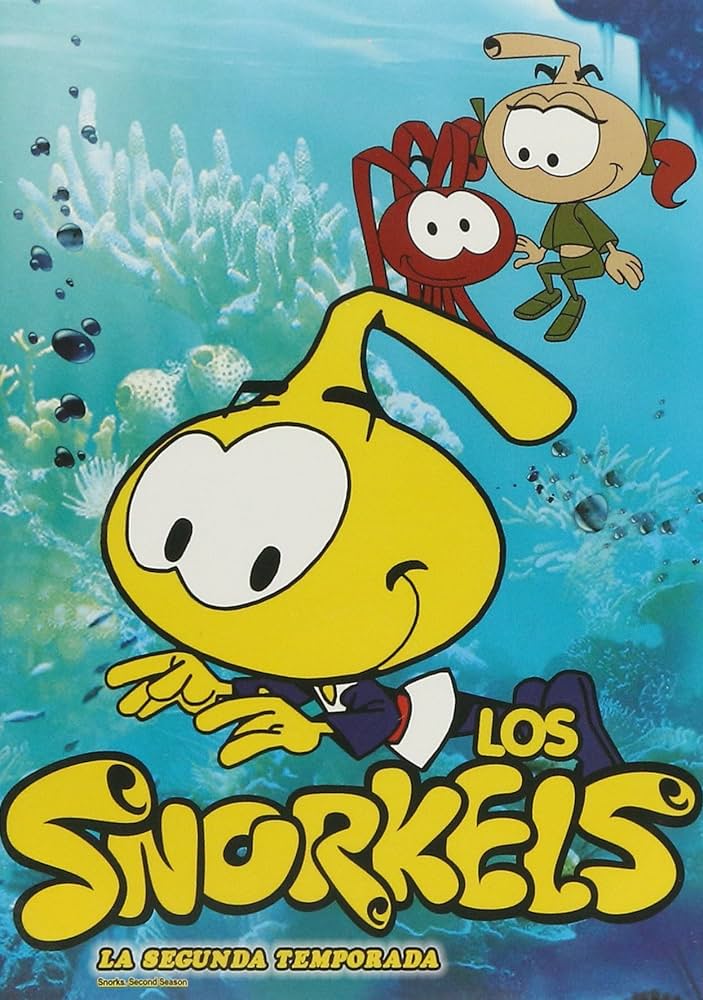
The Snorks are a race of small, colourful anthropomorphic sea creatures that live in the undersea world of Snorkland. They have snorkels on their heads, which are used to propel them swiftly through the water. Snorks premiered on September 15, 1984, and ended on May 13, 1989. It aired for five years. It was hoped they’d be as successful as another cartoon at the time, the Smurfs, but alas it was not to be so.

Cartoon by Lonnie Easterling
Refrescos de Bellas Artes en la bolsa

Wess Montoyas Aztectic

A recent venture by the 25 year old Miroslava García has caused a bit of a buzz in the Mexican city of Guadalajara. You can visit her stand at the Parque Rojo, on calle Manuel López Cotilla and purchase a “refresKitty” a ‘Kokita en bolsa’ for the somewhat pricey sum of 20 pesos.

Miroslava a self styled influencer and fashionista recalls her mother mentioning that in the 90’s refrescos were sold in bags so she “looked for a way to bring that business back, but with a different touch.” She says “well, before they sold Coca Cola, so I’m going to do it but in my own style’ and since I really like CDMX and the vibe that Tepito brings, I decided to sell it at the tianguis but with a cute side, so it occurred to me to use Hello Kitty, with her own ‘Kokita in a bag,'”


Controvesy (of a sort) has not been far behind. Innovative or uncreative ? This has been one of the biggest debates that has arisen on the Internet after the launch of the project called “Kokita in a bag”. In an interview with “content creator” Jesús Montemayo (@jesusdadymontemayor1234 on Tik tok) she said her idea was innovative as she sells her cola in a bag printed with a Hello Kitty image (and a with a pink straw) which gives it “added value” as the drink has a “completely different flavour” when drunk this way and because the bag in which the soft drink is served can be washed and reused , since it is screen printed, customers can reuse the container so she is doing something good for the environment too. She has however been criticised for her efforts as the drink costs 20 pesos which is considered quite expensive, she has gentrified an idea from the poorer communities (she even mentions Tepito in her spiel) and although the bag is pretty all this will achieve is pretty pink garbage.

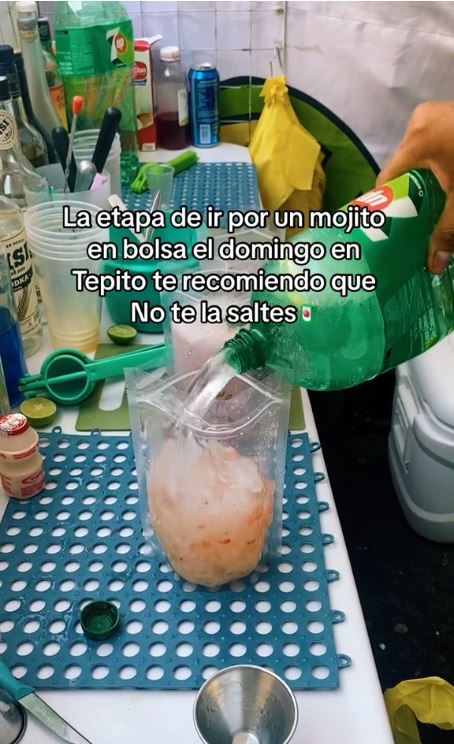
Gentefication? (1) or something else? (2)
Comparisons have been made


Coca Cola has manoeuvred itself into the situation as, as far as they are concerned, a dark fizzy liquid in a bolsa could be anything (even, hawk tua, Pepsi) so they have entered the fray with an appropriate shaped (and branded) bolsita so that people know exactly what you’re drinking.
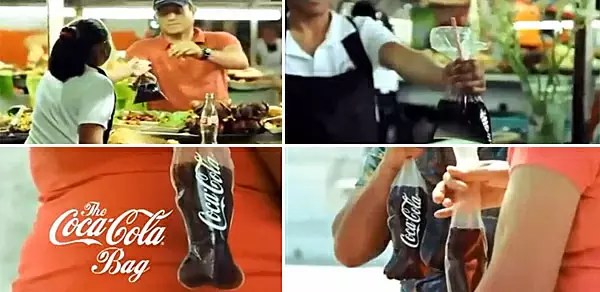

Fashion (of a type)


References
- Refresco en bolsa: Así nació la moda de los 90 que Yahritza y Roberto Palazuelos no conocieron : https://www.elfinanciero.com.mx/food-and-drink/2023/08/06/por-que-se-toma-refresco-en-bolsa-en-mexico/
- Otra aventura del refresco en bolsita : https://guffo.blogspot.com/2013/02/otra-aventura-del-refresco-en-bolsita.html
- Se antoja un refresco en bolsita : via Soy retro : https://www.facebook.com/photo/?fbid=3055178764726213&set=a.1762103777367058
- Refresco en bolsa, por qué se sirve de esta manera en México : https://www.unotv.com/estilo-de-vida/refresco-en-bolsa-por-que-se-sirve-de-esta-manera-en-mexico/
- “Neni” vende Coca Cola en bolsitas de Hello Kitty, pero la critican : https://laverdadnoticias.com/viral/-Neni-vende-Coca-Cola-en-bolsitas-de-Hello-Kitty-pero-la-critican-20240213-0129.html
- VIRAL: Joven de Guadalajara es criticada en redes por vender refresco en bolsita : https://quierotv.mx/2024/02/15/viral-joven-de-guadalajara-es-criticada-en-redes-por-vender-refresco-en-bolsita/
- Joven vende refresco en bolsa y asegura que es innovador: “Le dí un plus con la bolsita de Hello Kitty” : https://www.reporteindigo.com/piensa/joven-vende-refresco-en-bolsa-y-asegura-que-es-innovador-le-di-un-plus-con-la-bolsita-de-hello-kitty/
- Humor gráfico, ilustración y algo más. : https://www.facebook.com/turrilandia/ : Turri (@Turrilandia) / X : #turrilandia on Instagram : https://turrilandia.blogspot.com/ – Pásele, pásele, que no le digan que no le cuenten, un buffet de monitos hasta para el paladar más exigente.
- Momento donde Yahritza y Su Esencia ‘DESPRECIARON’ el refresco en bolsa – https://www.telediario.mx/tendencias/momento-donde-yahritza-y-su-esencia-despreciaron-el-refresco-en-bolsa
- Horchata – El Salvador Travel on facebook – https://www.facebook.com/elsalvadortravel/photos/horchata-y-suspiros-hay-que-darle-gracias-a-la-vida-porque-existe-la-horchata-el/10154170629152412/?paipv=0&eav=AfbWM-RSqxBmonPP15UjOOxy74_5KIiBdwBuX5BaDKZuw7pQyD4tDHn4s2VfBInezS8&_rdr
- ¿En vaso, en huacal o en bolsa, vos cómo preferís la horchata? – Horchata in Honduras – https://www.radiohouse.hn/2021/09/22/en-vaso-en-huacal-o-en-bolsa-vos-como-preferis-la-horchata/
- Chesquito en bolsa! Via Soy Retro on FB – https://www.facebook.com/soyretro/posts/chesquito-en-bolsa-soyretrowwwinstagramcomsoy_retro/2278989225567545/
- Tepache – https://mexiconewsdaily.com/food/hot-and-thirsty-reach-for-refreshing-tepache/
- Agua de Jamaica – https://selliliar.live/product_details/53617352.html
- Horchata – https://www.quora.com/What-is-horchata
- Frutas y Aguas Frescas El Lider – https://www.facebook.com/photo.php?fbid=119831354174802&set=pb.100084438120223.-2207520000&type=3
 Masa Americana