

This Post was part of a series of seminars delivered at Boola Bardip The West Australian Museum in Perth (Western Australia por supuesto) on Saturday the 10th of August 2024 as part of the Friends of Mexico’s (FOMEX) 2024 series (our 3rd series so far).
Previous lectures in this series included….
- Saturday 23 March: Mexican UNESCO World Heritage Sites. Presented by Cesar Ortega.
- Saturday 8 June: Prominent Mexican Women, past and present. Presented by Eugenia Schettino.
- Saturday 10 August: Mexican Architecture. Presented by Simon O’Connor.
…….with the final in the series to be delivered by Ernesto Martinez (the maestro of Ixtzul the Mexican Folkloric Dance troupe located in Perth) on Saturday 26 October which will focus on the celebration of Dia de Muertos (the Day of the Dead). Ixtzul also performs a series of traditional dances at these events.

This is a direct transcription of my notes as I presented them at the talk. I did elaborate on them in most places which you will not find here so it might seem a bit disjointed. I think you’ll get the picture though.


Frank Lloyd Wright (Sr.) (1867 – 1959) was an American architect, designer, writer, and educator. He designed more than 1,000 structures over a creative period of 70 years. Wright played a key role in the architectural movements of the twentieth century, influencing architects worldwide through his works and mentoring hundreds of apprentices Wright believed in designing in harmony with humanity and the environment, a philosophy he called organic architecture. He also designed original and innovative offices, churches, schools, skyscrapers, hotels, museums, and other commercial projects. Wright-designed interior elements (including leaded glass windows, floors, furniture and even tableware) that were integrated into these structures.
The Librarians is an American fantasy adventure television series about a secret society (known as Librarians). The series follows four people newly recruited by The Library (a repository for mythical artifacts and texts such as Excalibur, the spear of destiny (the spear that pierced Christs side) and the Book of Solomon – amongst many others) who chase down these treasures and prevent their power from being utilised for evil purposes.

As I delved, studied and wrote I realised that I was committing the cardinal sin of equating Mexico with the Aztec civilisation and with the CDMX. Mexico is so much more than that and it probably is somewhat offensive to do this.
Mexico is born of many cultures; from the largely unknown Teotihuacanos and Olmeca to the more well known (or at least heard of) Maya and Mexica (who you might know under the nom de guerre Azteca).

There are also many beautiful cities that rival El D.F. and one should not look past
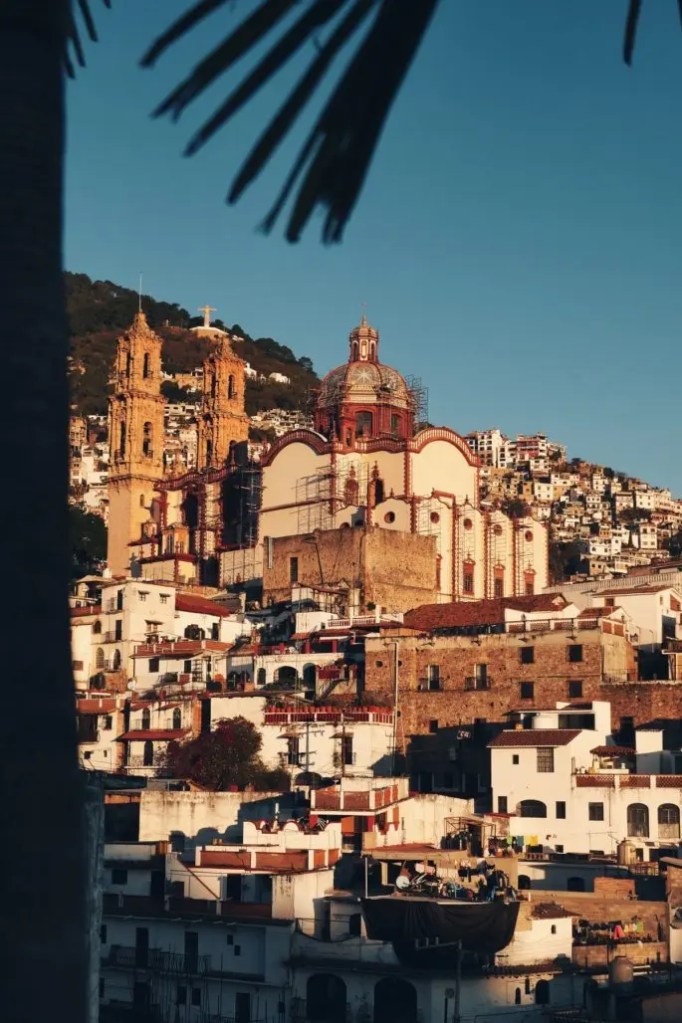
Taxco de Alarcon, a mountainside city in the State of Guerrero

Guanajuato, Capital city of Estado Libre y Soberano de Guanajuato (the Free and Sovereign State of Guanajuato)

San Miguel de Allende, (in the State of Guanajuato)

Merida, an oceanside city in the State of Yucatan

Puerto Vallarta, a beachside resort city in the State of Jalisco

Puebla de Zaragoza formerly…Heroica Puebla de Zaragoza
or…Puebla de los Ángeles
or just simply…Puebla
in The Free and Sovereign State of Puebla

Mazatlán, another beachside city, this time in Sinaloa
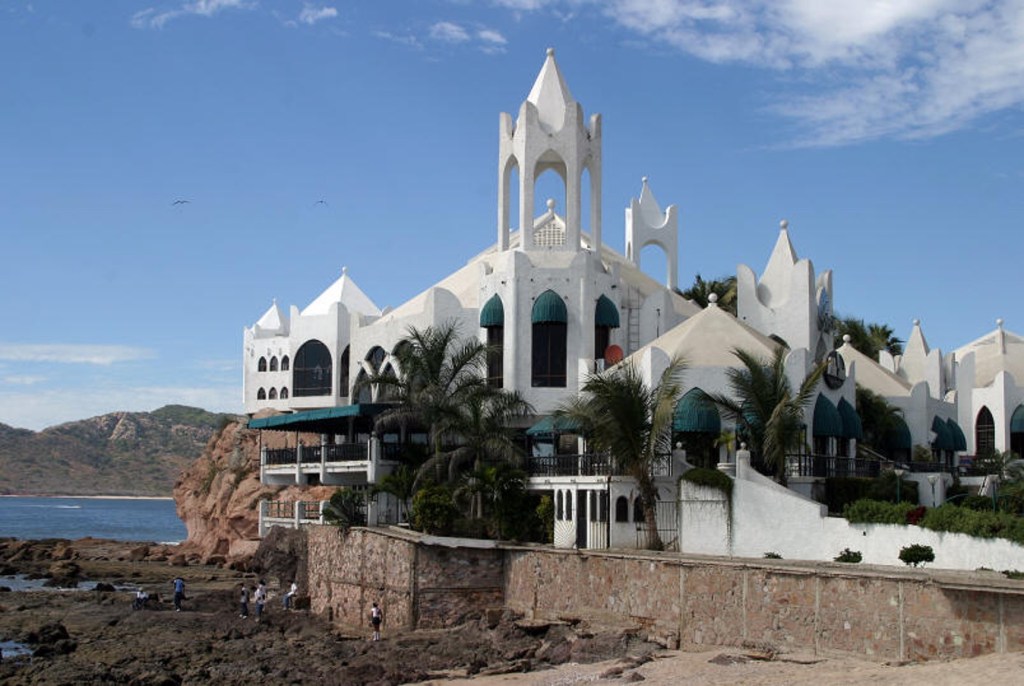
and the lesser known (from an Australian tourist’s point of view) but quite beautiful Irapuato………


………………….the list goes on
(I also realise that as I look at these images I have inadvertently fallen somewhat into my own trap and am displaying a certain type of colonial – church building – era of architecture)
So, where do I begin?
I could write a 500 page thesis on Mexican architecture and still only scratch the surface.
I could do the same with the architects themselves and write same amount of material on a single architect
How can I define a country by its buildings and by the artists who designed them?
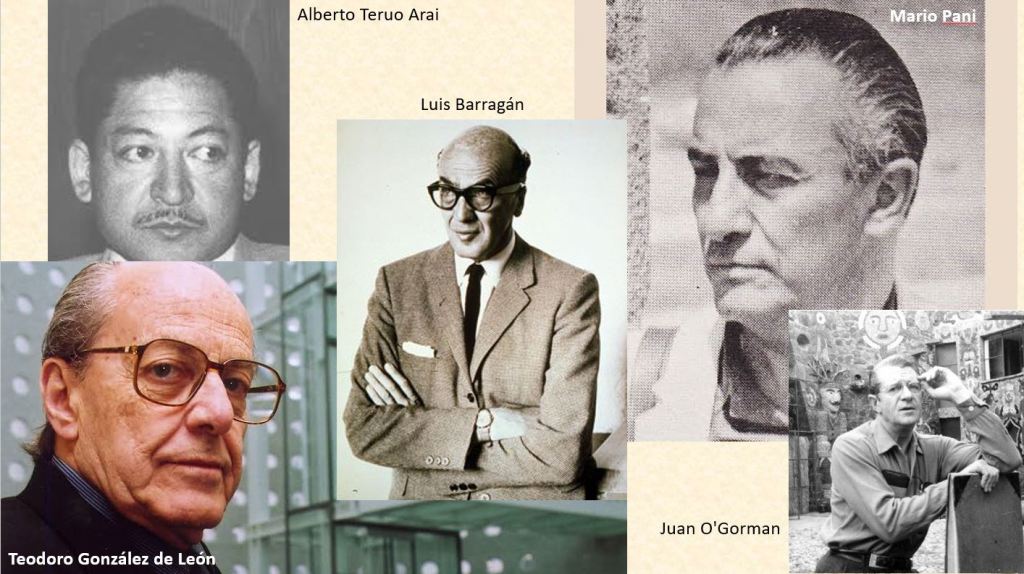
Simply put. I cannot. So instead I will start Quentin Tarantino style – in the middle of the movie – skip backwards in time to Mexicos little known (and even less understood) beginnings and then skip forward into the modern era.
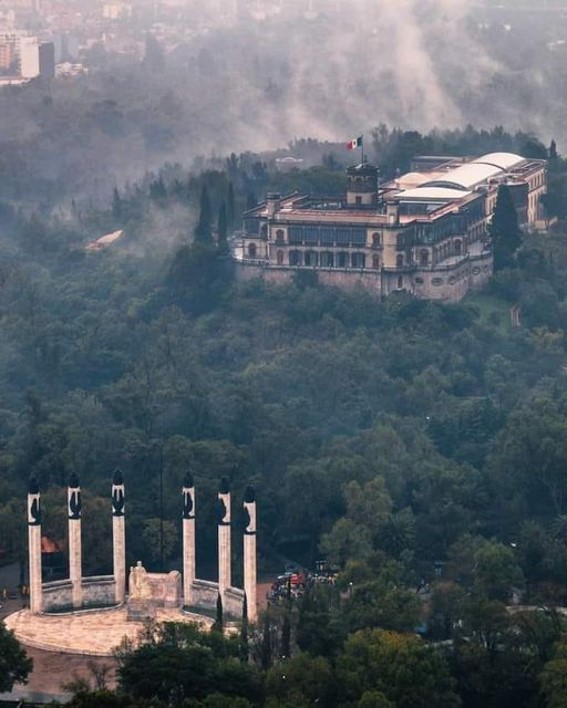

I will also avoid some of the more well known, tourist guide stuff such as the Museo de antropologia, the Monumento a los Niños Héroes (officially Altar a la Patria) and Frida (Kahlo) and Diegos (Rivera) house

Instead I’m going to look at the things which drew my eye, which piqued my interest
(Mesoamerican Timeline) : Lets look at a timeline of mesoamerica – beginning at the peak of Aztec power (or more correctly that of the Culhua-Mexica). As you can see they are latecomers on the scene. They rose to power and dominated the landscape of Mexico in less than 200 years. Their continued domination was only halted by the arrival of Spain in the early 1500’s. Peak Maya civilisation was in its decline. Teotihuacan was only a memory almost 1000 years in the past; and for the Olmeca (not their real name – no-one really knows what they were called – they were named after the rubber producing lands in which the remains of their civilsation are found) it was nearly 2000 years since they ascended to power.
All of these civilisations however inspired the Mexica and in some cases (Toltec and Teotihucano) the Mexica modelled their culture on because they were of course simply the last wave of barbarians from the North trying to stamp their mark on the landscape.

Which they did incredibly well.
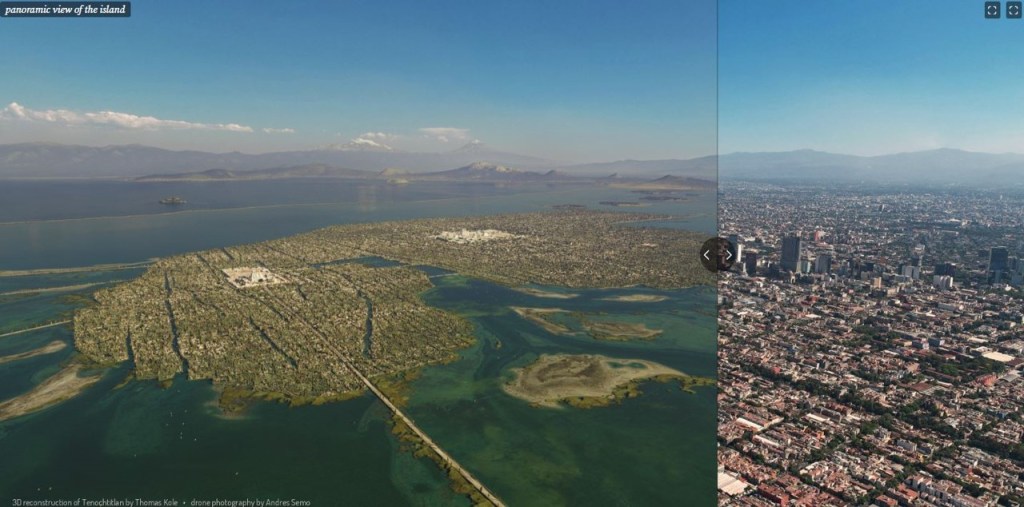
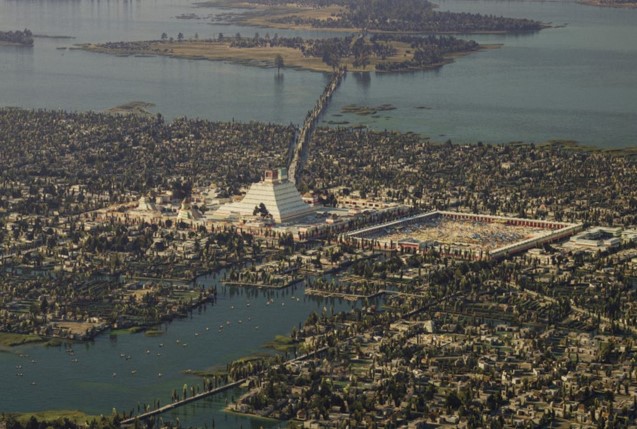
Tenochtitlan at the peak of Culhua-Mexica rule – note the dyke of of Nezahualcoyotl (This structure was roughly sixteen kilometers long, eight metres in height and three and a half metres wide. Its principal function was to separate the salty lakes of Zumpango and Xaltocan from the fresh waters of Texcoco, Xochimilco and Chalco)

Tenochtitlan at the peak of Culhua-Mexica rule
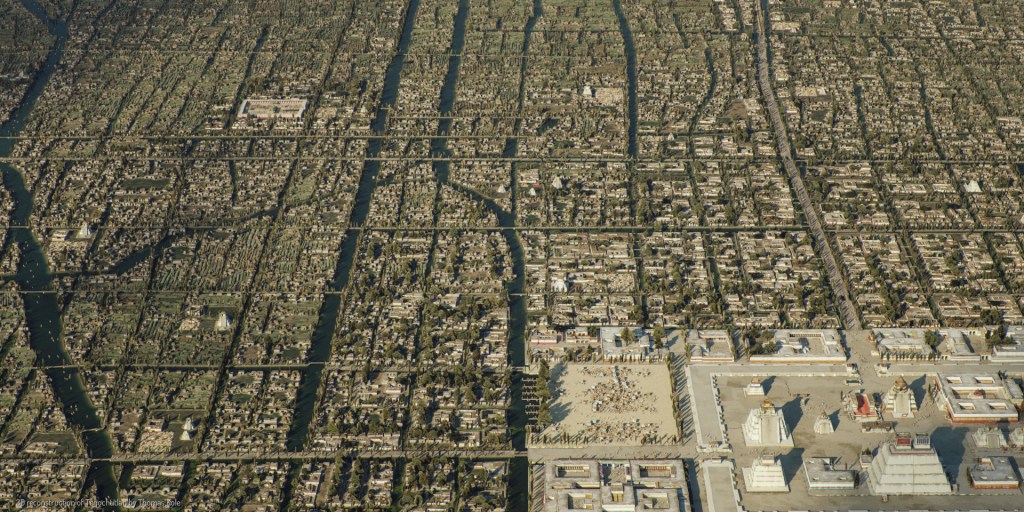
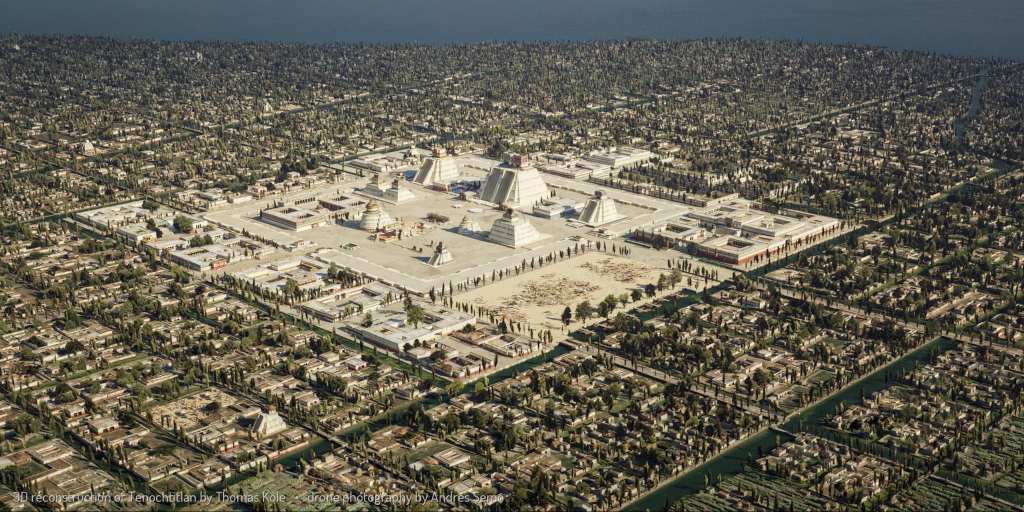
Royal residences – the palace of Motecuzoma (as Cortes would soon see it)

Tlacopan Causeway (to the left of the image you can see where Tlatelolco stood)
All in a city that was far larger (and cleaner) than anything that existed in Europe at the time

What the city has evolved into -after the draining of the lakes (4 images)


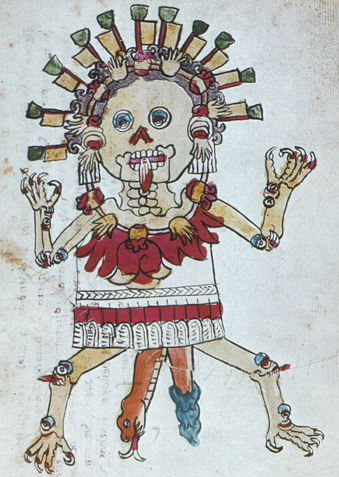
Tenochtitlan on the night of the New Fire Ceremony (held every 52 years – the next one is due in 2025-2026 : this ceremony was to prevent the destuction of the world by Itzpapalotl (the obsidian butterfly) and her screaming demons the tzitzimime from descending upon the earth and tearing humanity to pieces


Mesoamerica has not gone far though. Everytime public works are done to put in new sewers , electrical conduit or Metro stations it is inevitable that the remains of Tenochtitlan are uncovered (image where the Templo Mayor stood – in relation to the Catedral Metropolitana : and a temple to Ehecatl the god of winds uncovered during the construction of the Pino Suárez Metro station in 1967)
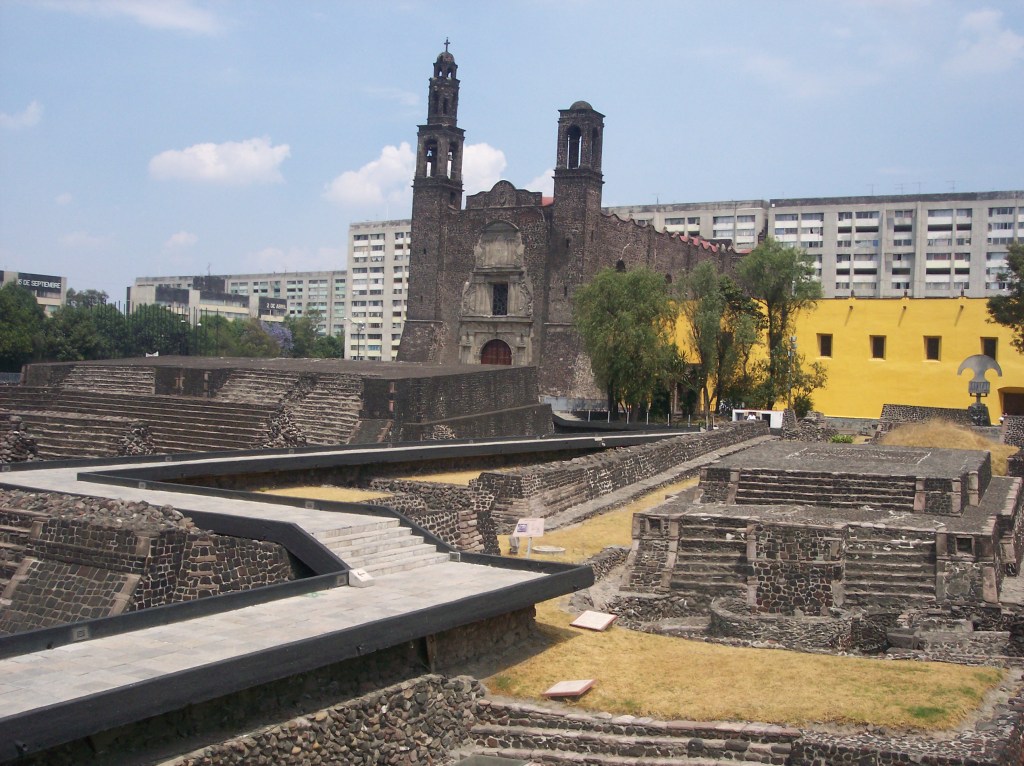
And in some places the artefacts of the old world lay strewn upon the surface (Tlatelolco and the Plaza de las tres culturas) (which shows an interesting juxtaposition of the remnants of the old world, the Spanish church built from the bones of the old world – the Spaniards had a tendency to assert dominance by building their holy places on top of the holy places of the infidels – and modern architecture that has since sprung up in the surrounding area)
Now we step back in time a little (and then a lot further) to see the original builders
Concurrent with Mexica civilisation was that of Texcoco and the scholar, philosopher, warrior, architect, poet and ruler (tlatoani) Nezahualcoyotl (the fasting coyote). Nezahualcoyotl was an umatched genius (and another thesis) who created not only architecture but molded the very landscape to his design. He shaped mountains and shifted the very waters and lakes of the basin of mexico (mention the dyke – 15 km long separating the fresh and salty lakes)
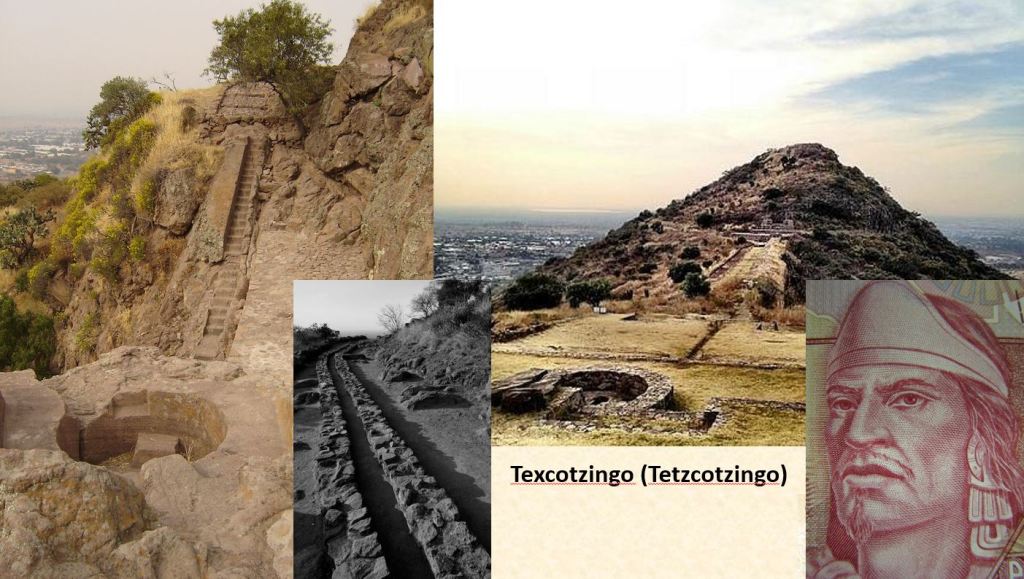
The “Baths” of Nezahualcoyotl, a mountain engineered to create a pleasure garden for the Tlatoani

The ”baths” of Nezahualcoyotl – brief explanation of how he engineered a whole mountain to produce pleasure gardens for himself (and the 14km long aqueduct created to bring freshwater from a nearby mountain)

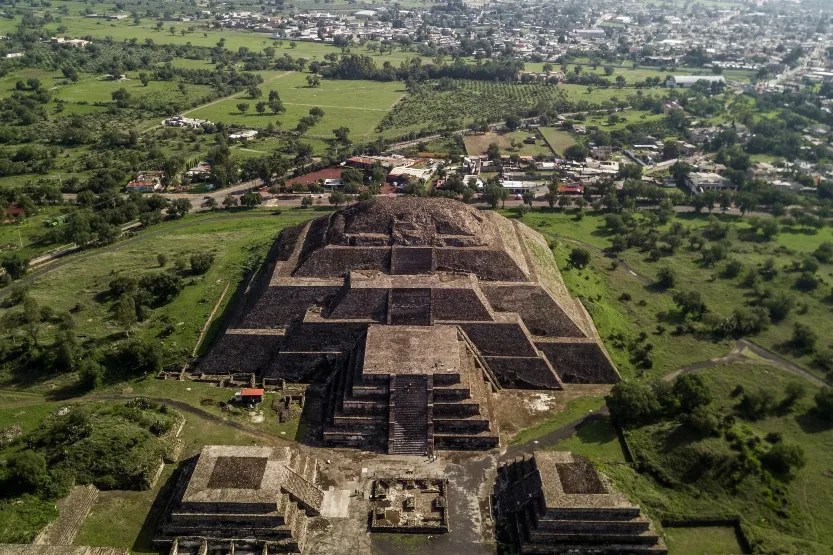
Teotihuacan – once the Mexica stumbled upon these ruins (and they were ruins by then) they were impressed by their works – which would later inspire the layout and design of Tenochtitlan

The Avenue of the Dead (“Calle de los Muertos”), a 40 metre wide road that stretches 2.4 kilometres north from the Pyramid of the Moon – some scholars posit that this avenue was designed to be filled with water so as to provide a reflective surface in which they could observe the astronomical workings of the heavens

The Avenue of the Dead (“Calle de los Muertos”), a 40 metre wide road that stretches 2.4 kilometres north from the Pyramid of the Moon

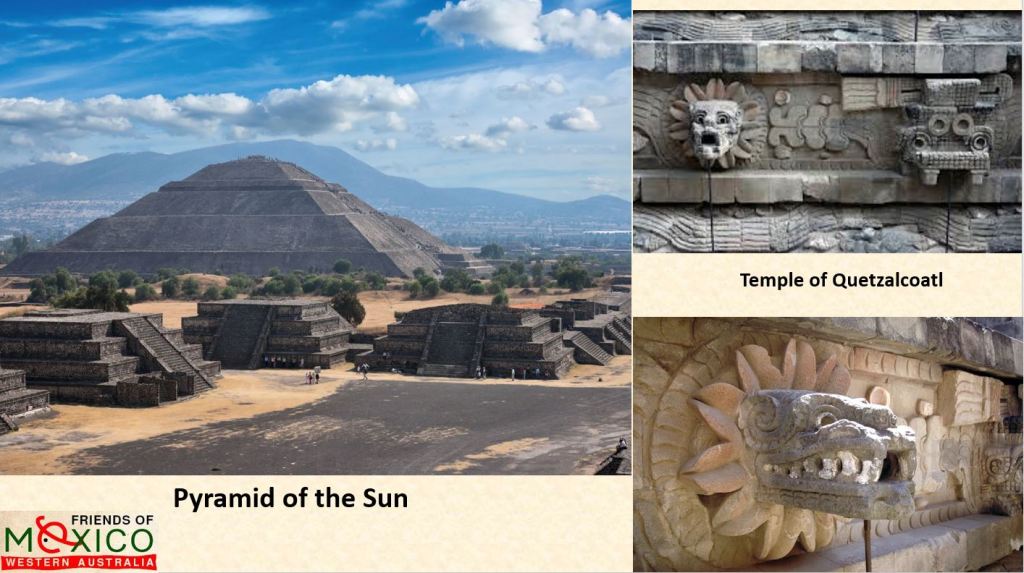

The pyramid of Cholula (in Puebla) also known as Tlachihualtepetl (Nahuatl for “constructed mountain”) – traditionally viewed as a temple to Quetzalcoatl – the largest in the world – so large in fact that the Spanish thought it simply to be the highest hill in the area (so they constructed a church upon it) By the time the Spanish arrived, the pyramid was overgrown, and by the 19th century it was still undisturbed, with only the church built in the 16th century visible. The architect Ignacio Marquina started excavation of the pyramid in 1931.

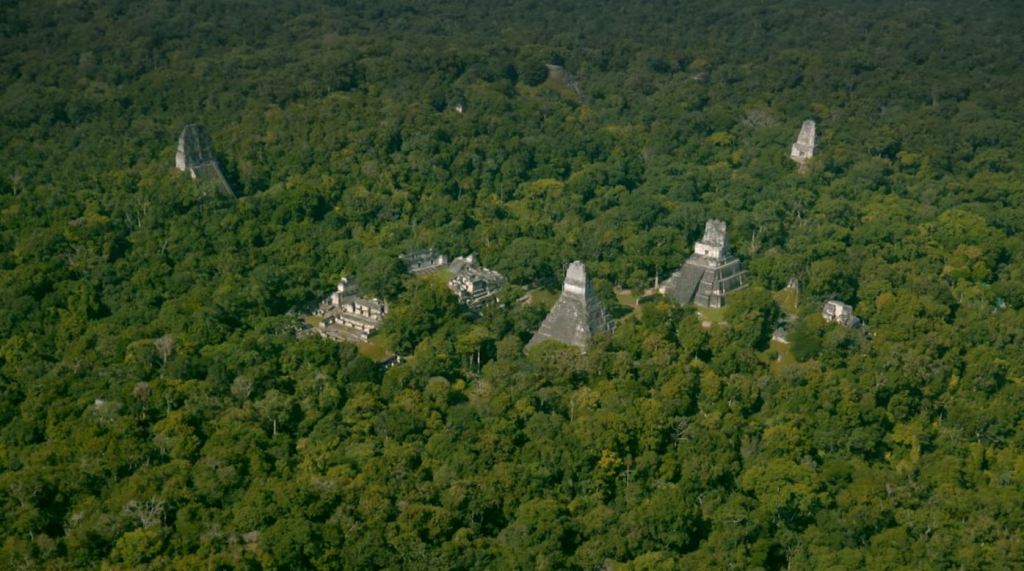
Much still lies hidden beneath the jungle – the ruins of Calakmul
Calakmul is a Maya archaeological site in the Mexican state of Campeche, deep in the jungles of the greater Petén Basin region. It is 35 kilometres from the Guatemalan border. Calakmul was one of the largest and most powerful ancient cities ever uncovered in the Maya lowlands.

Most of which is still buried in jungle
LIDAR – Light Detection And Ranging
Lidar uses ultraviolet, visible, or near infrared light to image objects.

Top left – clockwise Edzna; Mayapan; Tulum; Tikal
Circular pyramids – said (usually) to be dedicated to various Gods of wind (ie Ehecatl) and constructed in a manner so as not to impede the flow of the wind


Moorish Influences


Left – The La Pila fountain located in the square of Chiapa de Corzo, Chiapas. It was constructed in 1562 in Moorish style, attributed to Dominican brother Rodrigo de León
Right -Church of San Francisco Acatepec is a colonial religious building, characteristic of the Mexican Baroque architecture, especially recognized for its facade of Talavera mosaics combined with red brick – building completed in 1760
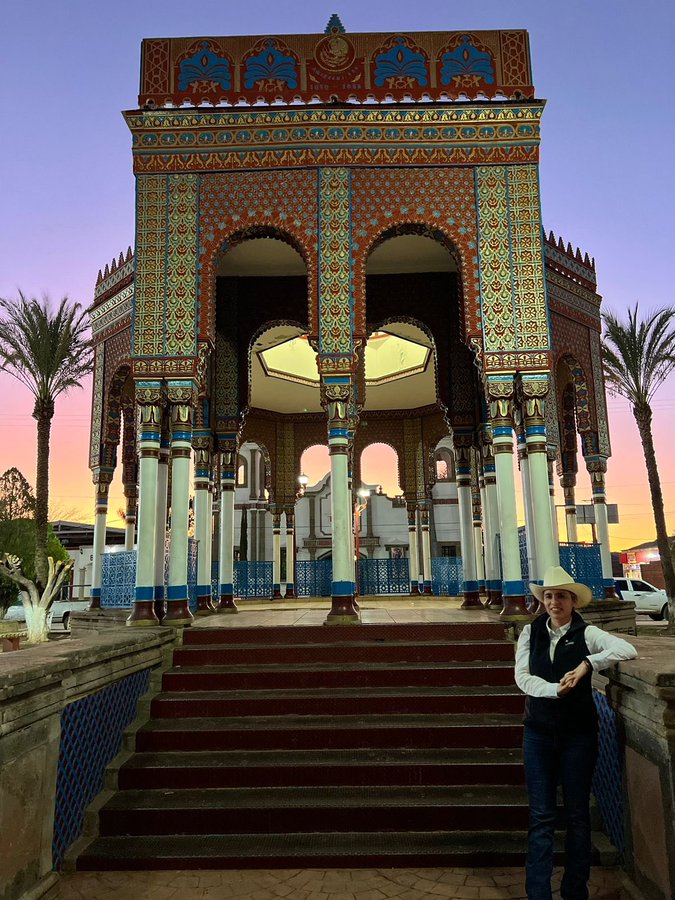

Now we step forward in time to after the Spanish have arrived (and remember that the Spanish have only just freed themselves from 800 years of Islamic dominion)
Moorish Influences – Left – The La Pila fountain located in the square of Chiapa de Corzo, Chiapas. It was constructed in 1562 in Moorish style, attributed to Dominican brother Rodrigo de León
Right -Church of San Francisco Acatepec is a colonial religious building, characteristic of the Mexican Baroque architecture, especially recognized for its facade of Talavera mosaics combined with red brick – building completed in 1760
Next page : Left – Kiosko morisco de Arivechi, Sonora built in 1980
Right – Facade of the Uriarte workshop in Puebla, Mexico 1824
Talavera pottery appeared in Mexico in the 16th century after the arrival of Spanish potters from a region called Talavera de la Reina who settled in the newly founded city of Puebla de los Angeles. These potters had the custom of making a type of earthenware inspired by Muslim and Chinese ceramics called maiolica.

Talavera pottery appeared in Mexico in the 16th century after the arrival of Spanish potters from a region called Talavera de la Reina who settled in the newly founded city of Puebla de los Angeles. These potters had the custom of making a type of earthenware inspired by Muslim and Chinese ceramics called maiolica.

The Casa de los Azulejos (“House of Tiles”) or Palacio de los Condes del Valle de Orizaba is an 18th-century Baroque palace in Mexico City. The counts of the Valle de Orizaba began construction of the palace in the 16th century. In 1737, the Mudejar-style façade of the house was covered with Talavera tiles by the descendants of the House of Orizaba
Haciendas
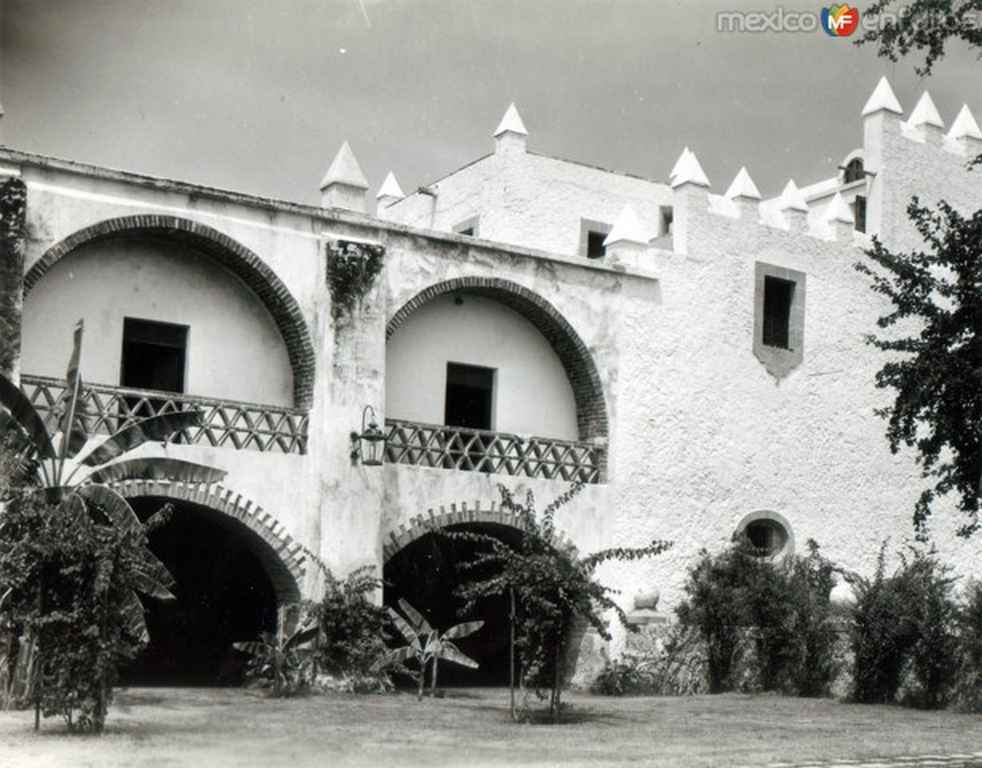
Haciendas were buildings made for large estate owners during much of the 1600s to 1800s
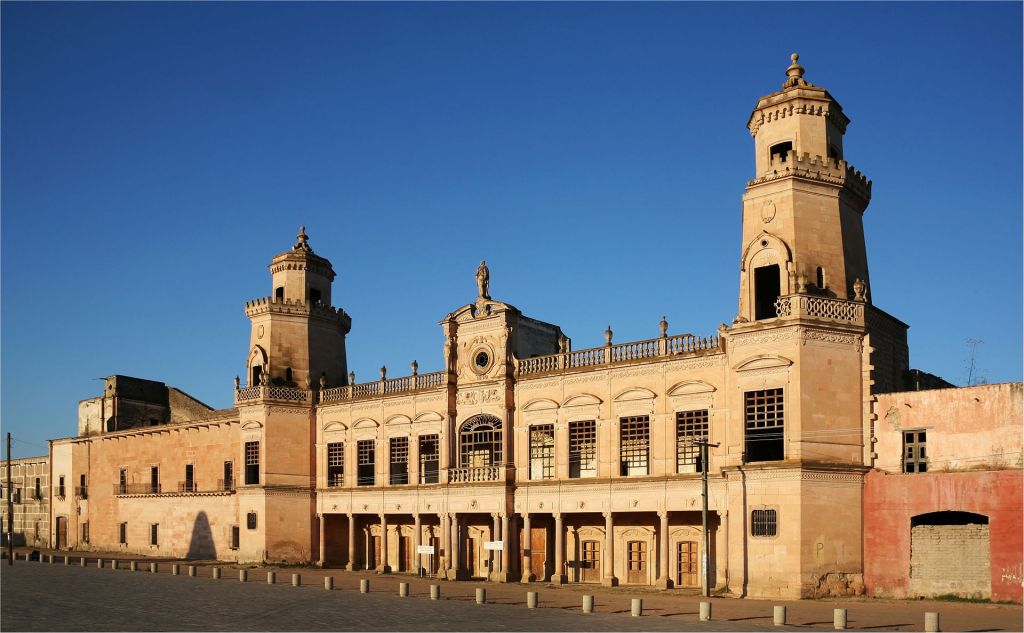
The encomienda system granted Spanish explorers and military land and labor from the indigenous people. The Spanish natives in debt were forced to work on large plantations called haciendas. The hacienda system evolved from the encomienda system


Spanish Missions
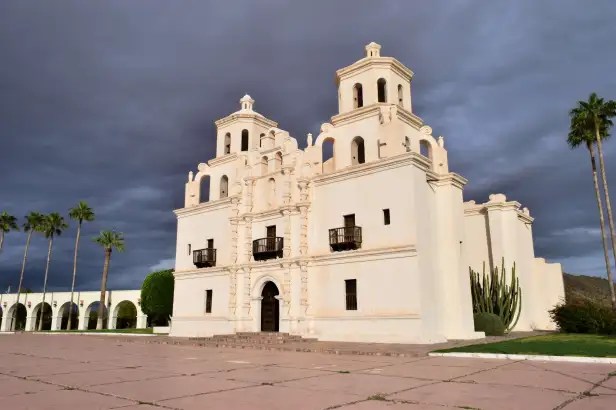
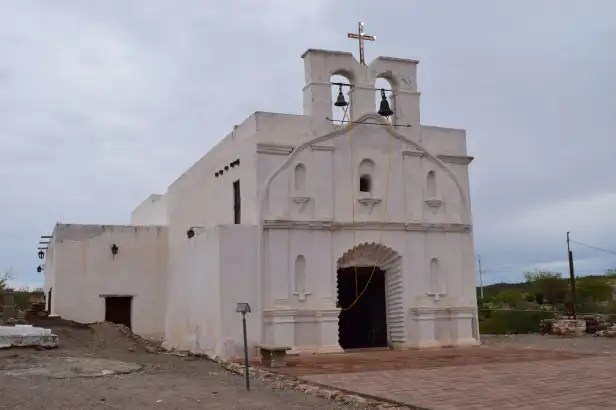
The Spanish missions in the Americas were Catholic missions established by the Spanish Empire during the 16th to 19th centuries in the period of the Spanish colonization of the Americas. Many hundreds of missions, created by numerous Catholic religious orders were scattered throughout the entirety of the Spanish colonies, which extended southward from the United States and Mexico to Argentina and Chile

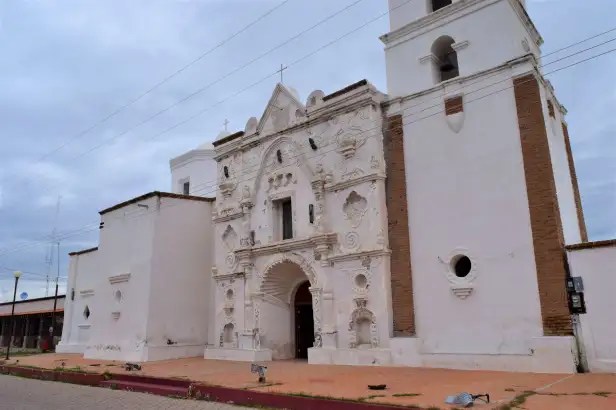
Las Vecindades

Vecindades (vecindad – means neighbourhood)
The buildings that would eventually become vecindades began to be constructed in Mexico City’s historic centre in the 16th century, right after the arrival of Spanish colonists.
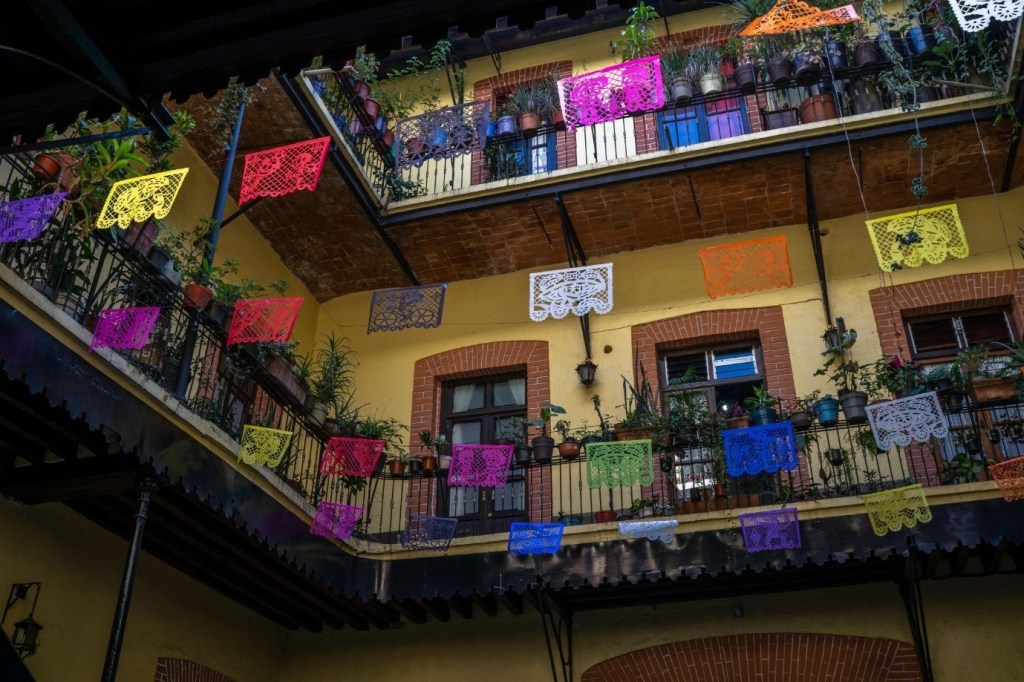
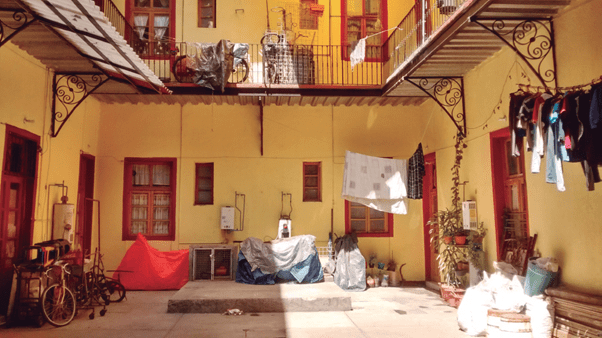
These buildings, usually between two and five stories high, had windows facing inward toward the elongated patio : This model continued into the late 18th century, from which many vecindades date.
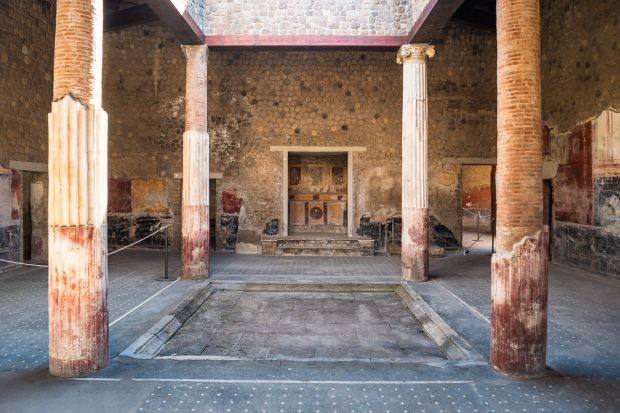
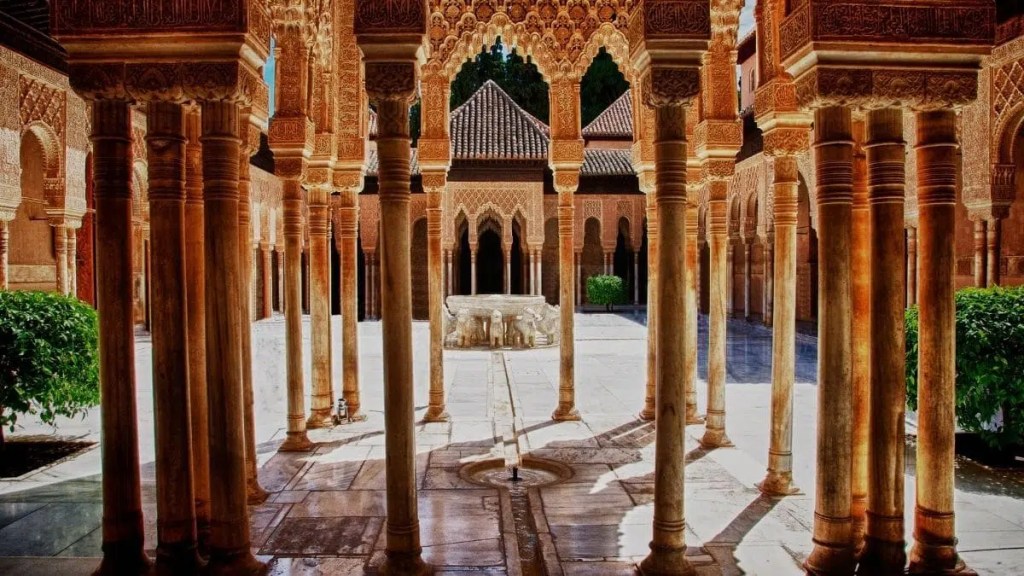

During Spanish rule, wealthy families built large homes in a classic Andalusian Spanish style, with rooms spanning multiple stories encircling an open-air patio — a descendant of the Roman Atrium that may have remained popular in Spain due to the influence of Islamic architectural traditions, which favour inner courtyards. This structure kept the space cool, encouraging airflow between rooms in the home.
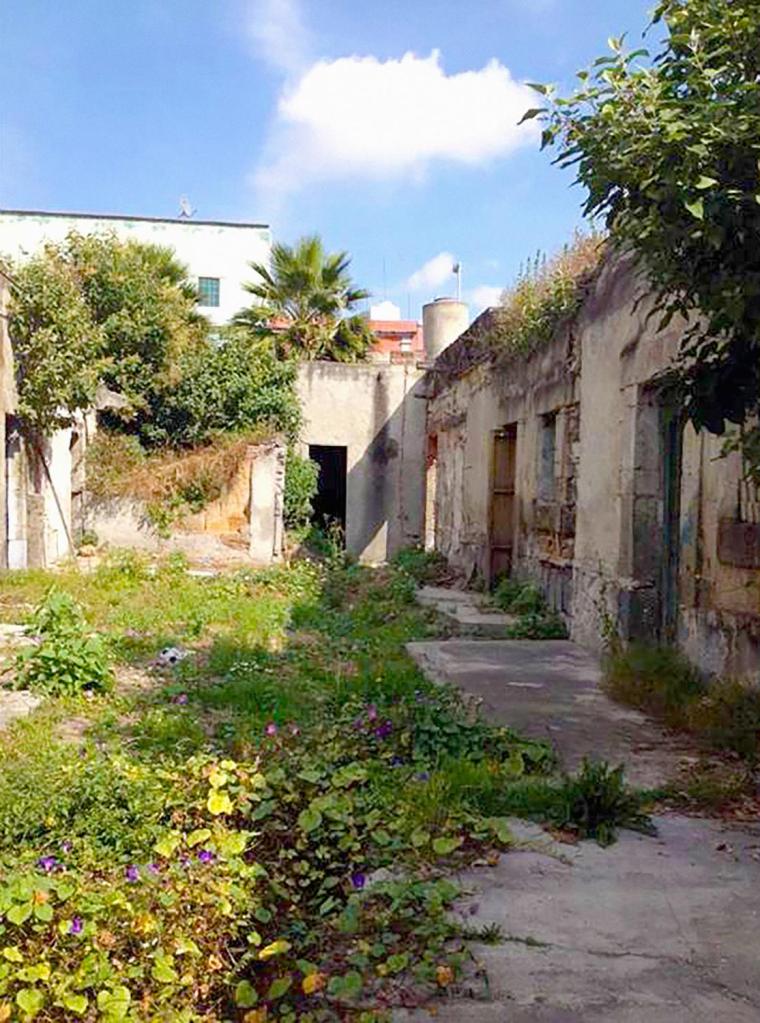
25 Manzanares in the Merced neighbourhood (believed to be the oldest of these dwellings in Mexico City – refurbished in 2019

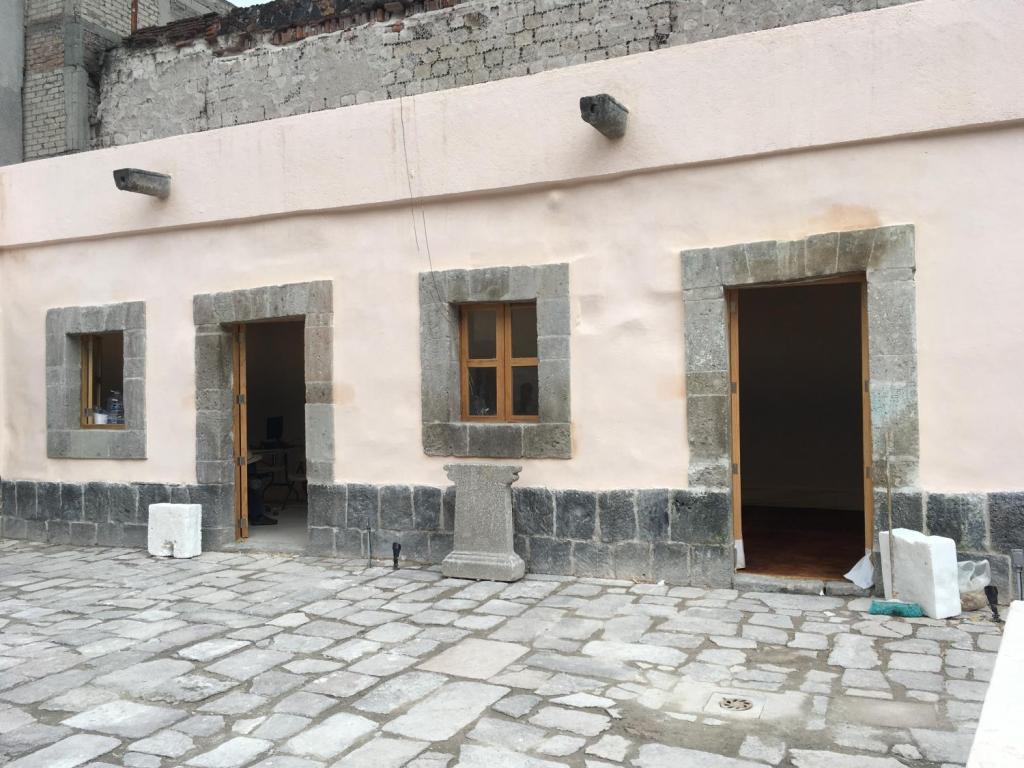

The 19th century brought industrialization and the collapse of the country’s largely agrarian past, leading thousands of people to migrate to cities in search of work — particularly to the capital city. The wealthy began to flee the city centre : Slowly, these buildings began to empty and working class renting families moved in, as the rooms around the patios were the only housing they could reasonably afford.
Vecindades’ gradual fall into disrepair accelerated from 1942 onwards, when a rent freeze law came into affect and landlords stopped carrying out essential maintenance.
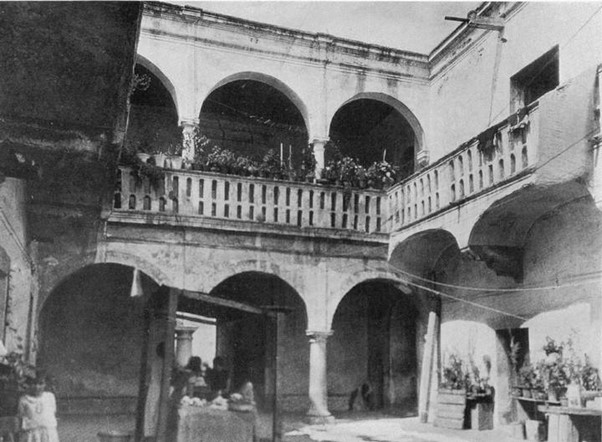

After the catastrophic 1985 earthquake, which reduced much of the historic centre to rubble, many vecindades were even worse off, practically crumbling around residents’ feet where structures were still standing at all.
Today, the number of vecindades in the city has dwindled, and the ones still standing are often in serious disrepair
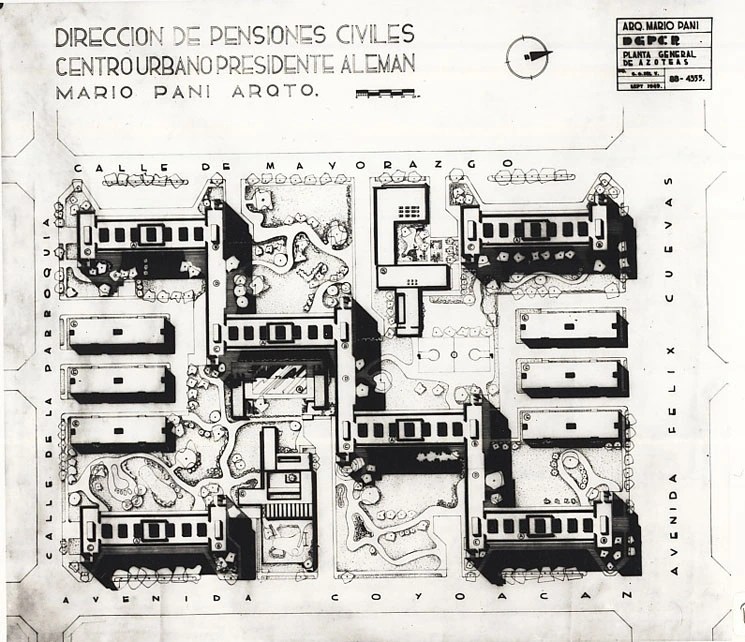
As the city grew — the number of inhabitants jumped from 1.6 million in 1940 to 3.4 million in 1950 — the existing vecindades simply could not accommodate the masses of people migrating to the city for work.
Facing acute housing shortages, the city constructed an alternative beyond the city core from the late 1940s : high-rise modernist housing projects — notably Mario Pani’s Multifamiliares — that prioritized density.


Art Deco : Art Deco, short for the French Arts décoratifs is a style of visual arts, architecture, and product design, that first appeared in Paris in the 1910s
This influence is particularly notable due to the large number of buildings in this style that were built in the country during the 1920s and 1930s. In cities such as Mexico City, Guadalajara, and Monterrey.
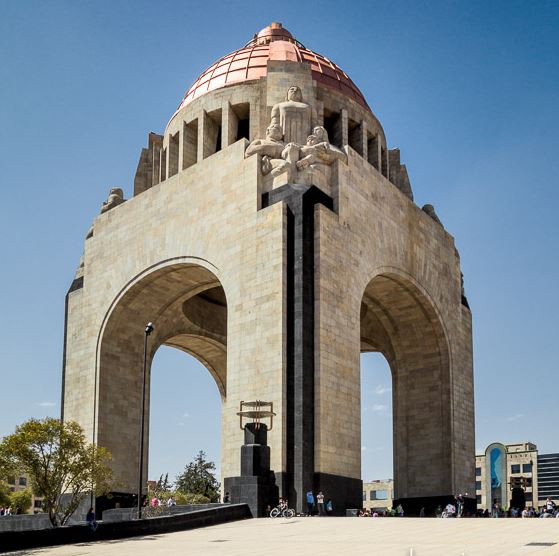

Art Deco was particularly popular with the President Porfirio Diaz during the period known as the “porfiriato” (1876–80; 1884–1911) when he ruled the country with an iron fist. It was a period of great growth in Mexico and it created a burgeoning middle class. Freedoms of the press and political liberties were severely curtailed and it did nothing for the poorest in society. It is also largely responsible for the phenomena known as “malinchismo” where another culture (in this case European) is preferred over ones own. This term is generally considered to be a slur and it hearkens back to the time of Cortes and (quite unfairly in my opinion) to Malinalli/Malintzin/Malinche a woman who was gifted to him as a slave and was eventually utilized by him as a translator and who is blamed (again, quite unfairly) to the downfall of Mexico itself

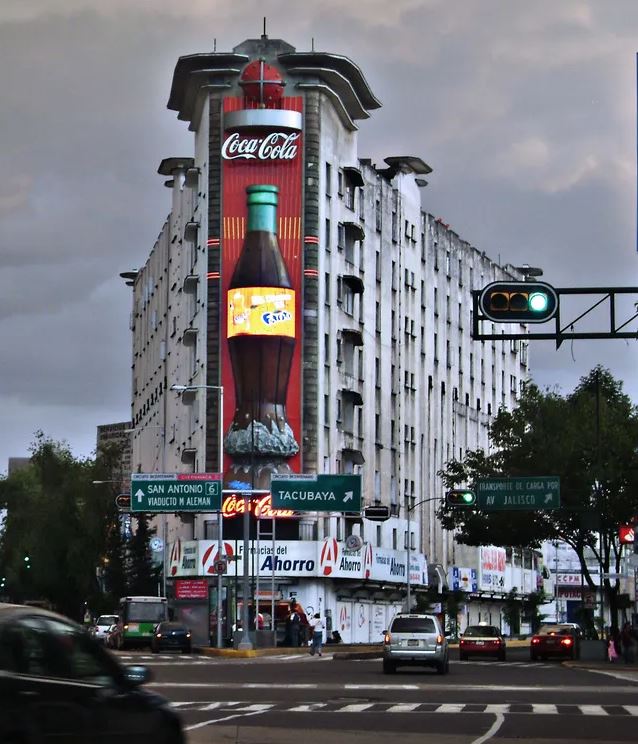
Before Mario Pani built his high density housing …there was
Designed and built between 1927 and 1933 by the architect Juan Segura Gutiérrez , where he united and radically modified various urban concepts under the Art Deco style , it is part of the architectural heritage of Mexico. Located at the intersection of Jalisco and Revolución avenues, in Tacubaya, Mexico City . It is one of the most influential works of Mexican architecture of the first half of the 20th century , because from an urban planning point of view, it is the first vertical housing development
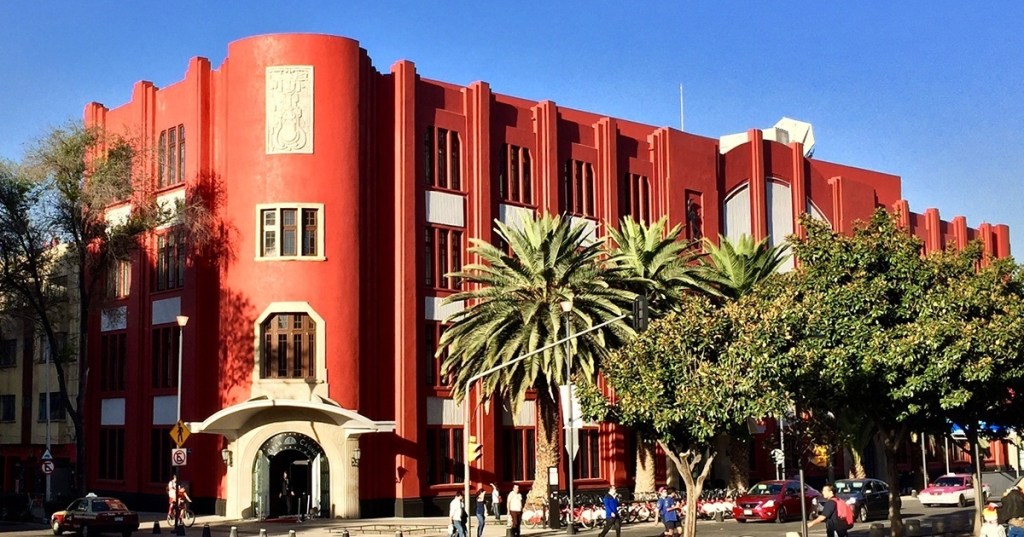
Frontón México Designed by Joaquín Capilla and Teodoro Kinhard in 1921
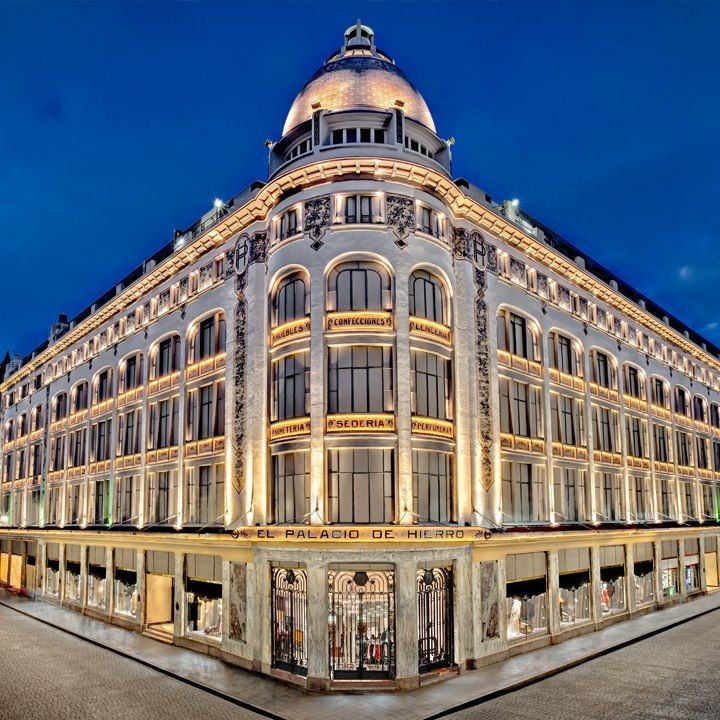
Edificio Palacio de Hierro inaugurated in 1891
The Palacio Bellas Artes is another example of Art Deco inspired construction


I go into much greater detail on this building in This is Mexico : Building a Country : The Architecture of Mexico : Part 2 : Prehispanic Inspiration.
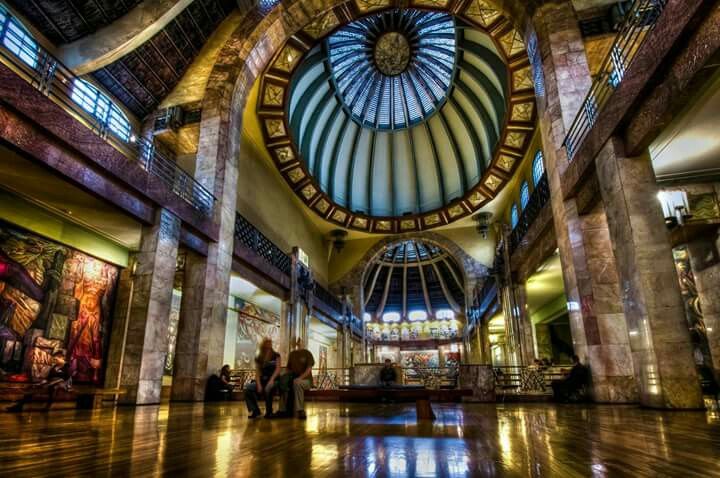

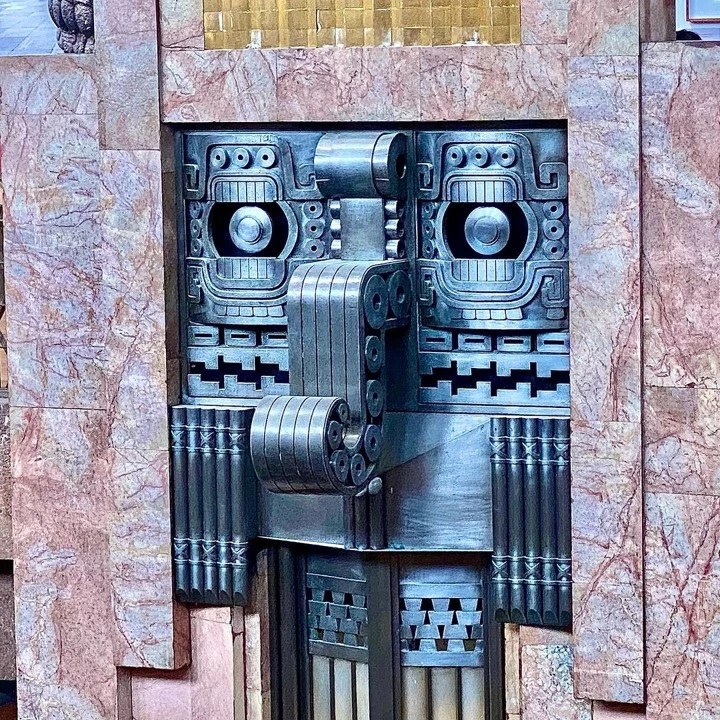

Now I realise I am running out of time (you see the dilemma I faced when trying to depict Mexico in any logical or stuctured form) I also wished to speak more on one aspect of Mexico City that thouroughly entranced me during my visit and that is….
UNAM : Universidad Nacional Autónoma de México.
…so I’ll just show a few images of this particular wonder which was created by both artists and architects (some of which I pictured at the start of the talk – for precisely this reason)
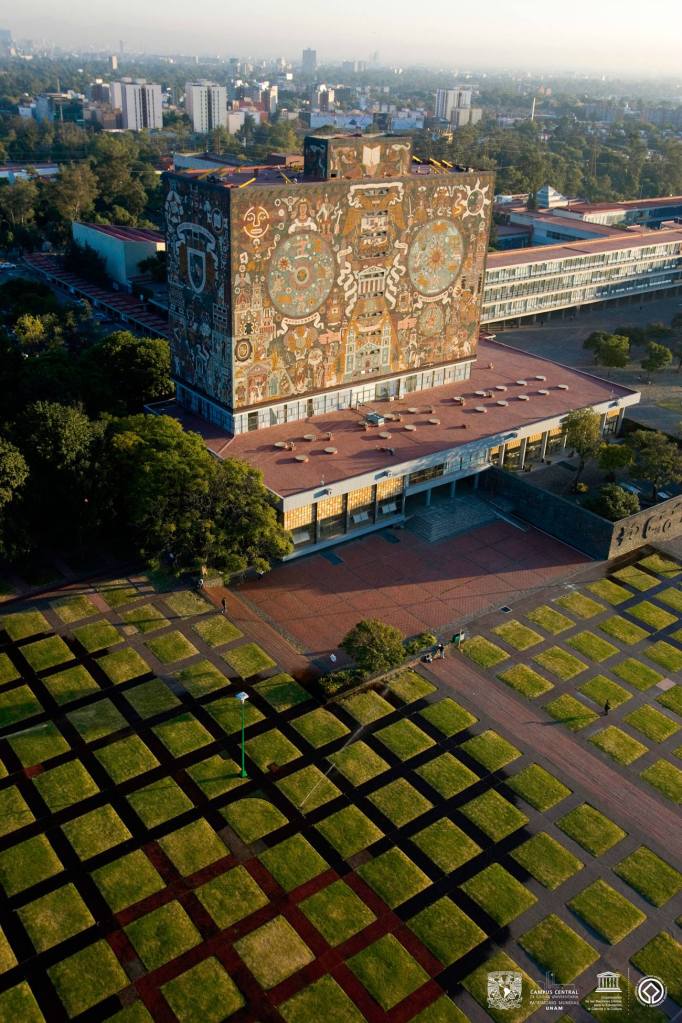


Modern Architecture
The Torre Latinoamericana – at one time the largest skyscraper in Mexico (this honour is now held by the Mitikah opened in September 2022)
Completed in 1956 – The Torre Latinoamericana (English: Latin American Tower) is a skyscraper in downtown Mexico City. Its central location, height (166 m), and history make it one of the city’s most important landmarks. It is widely recognized internationally as an engineering and architectural landmark since it was the world’s first major skyscraper successfully built on highly active seismic zone

The Torre however is particularly noteable due to technological advances which made it earthquake proof
The Torre Mayor stands in the lakebed area where most of the 1985 earthquake damage occurred. It was built with 96 dampers, which work like car shock absorbers to block the resonating effect of the lakebed and its own height. These diamond-shaped dampers are seen architecturally on its perimeter. With this extra bracing, this tower can withstand earthquake forces nearly four times as efficiently as a conventionally damped building. The dampening system proved its worth in January 2003, as a 7.6 earthquake shook the city. Not only did the building survive undamaged, occupants inside at the time did not know a tremor had occurred


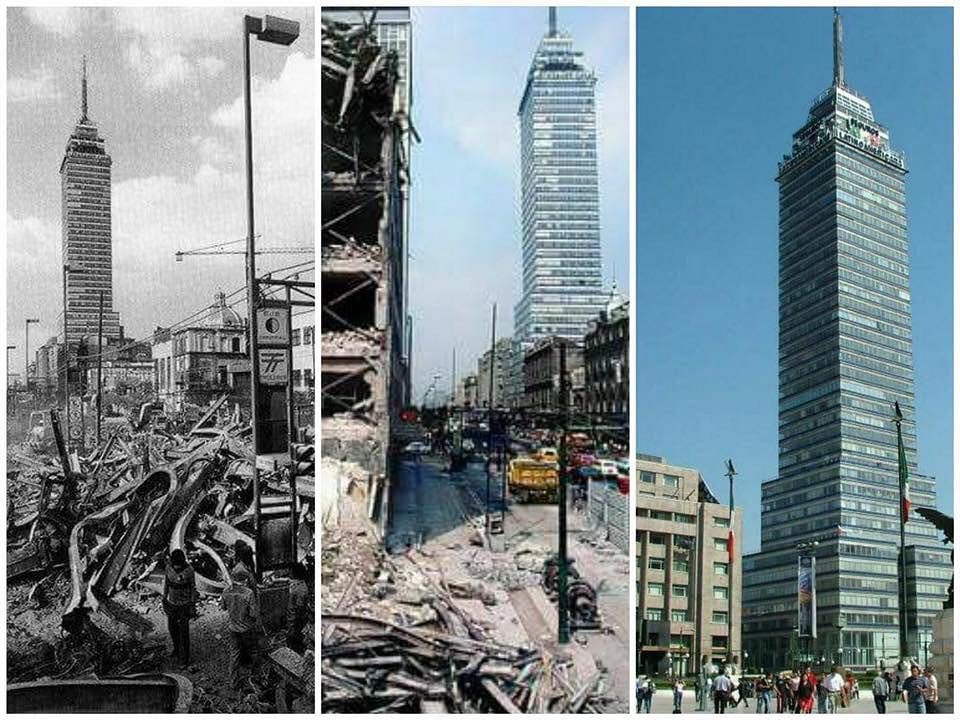
The great earthquake of 1985.
The earthquake had a magnitude of 8.0 and was centered off the Pacific coast of Mexico, but it was felt strongly in the city due to its proximity and the type of soil on which the city is built.
In its wake, the earthquake left an estimated 10,000 fatalities, 40,000 injured and 350,000 people homeless. Over 400 buildings collapsed and an additional 3,100 were seriously damaged. The economic damage was estimated at USD 4.1 billion (1985 USD), of which an alarming 88% was uninsured.
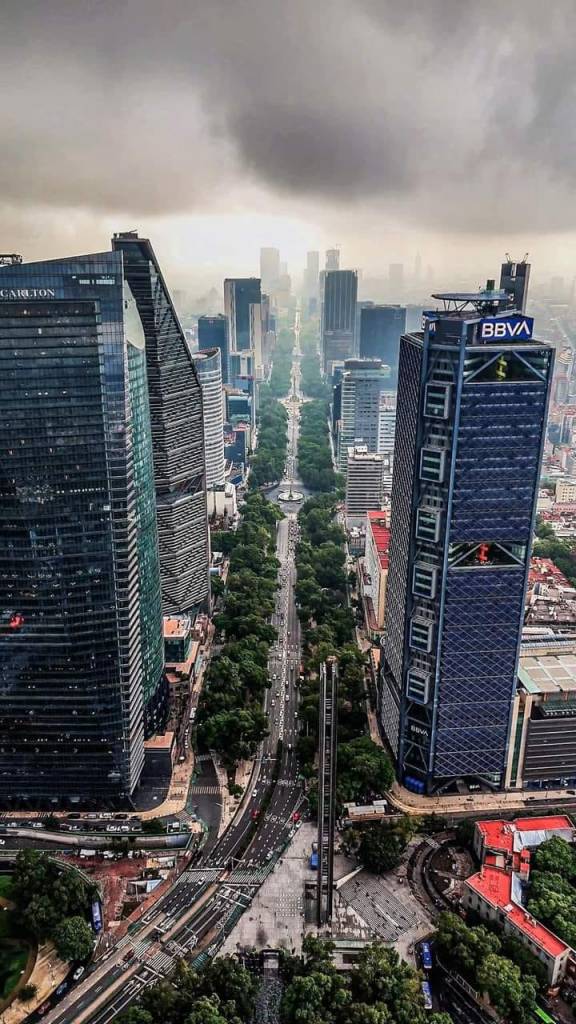
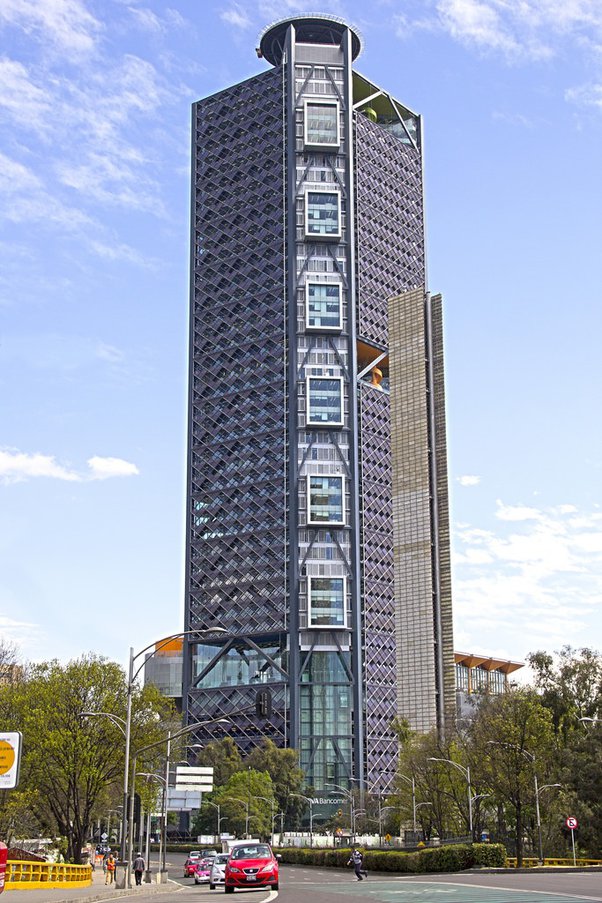

Left : Torre mayor 225m – completed in 2003
Right : Torre BBVA Bancomer – 235m – completed in 2015


Left : Chapultepec Uno R509, previously Punto Chapultepec 240.5m – completed in 2019
Right : Mitikah 267.3m – completed in 2021
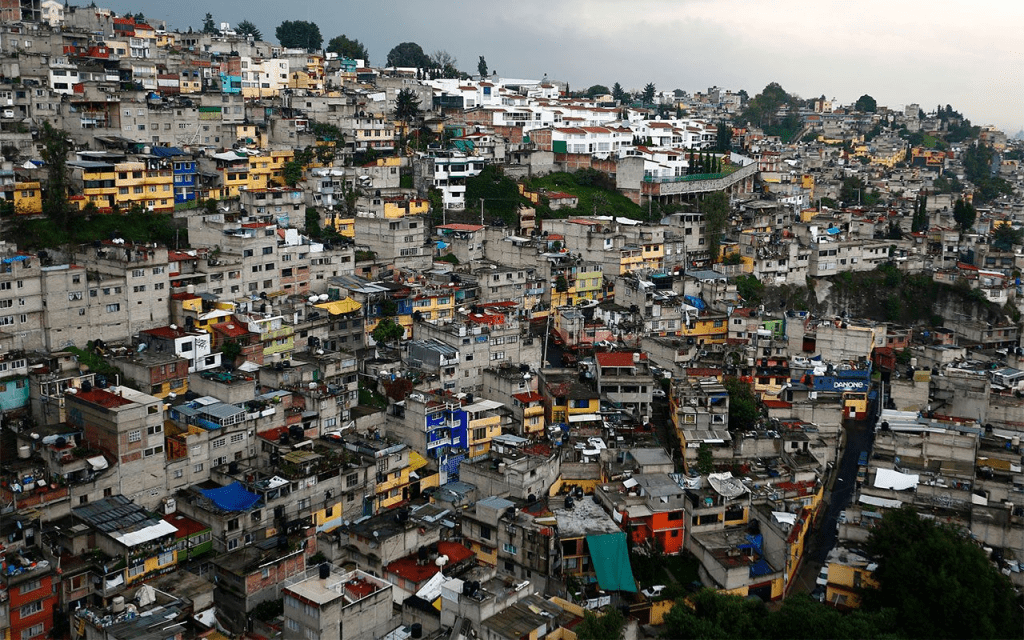
Modern urban sprawl however is less beautiful
With a population of more than 1.5 million, Ecatepec is the second-most-populated city in Mexico State, which rings the north and west of Mexico City
Mexico does have the soul of art firmly embedded with in it and recent structures certainly reflect this as my last few images show.

Museo Internacional del Barroco Puebla. Built in 2016 and designed by Japanese architect Toyo Itō
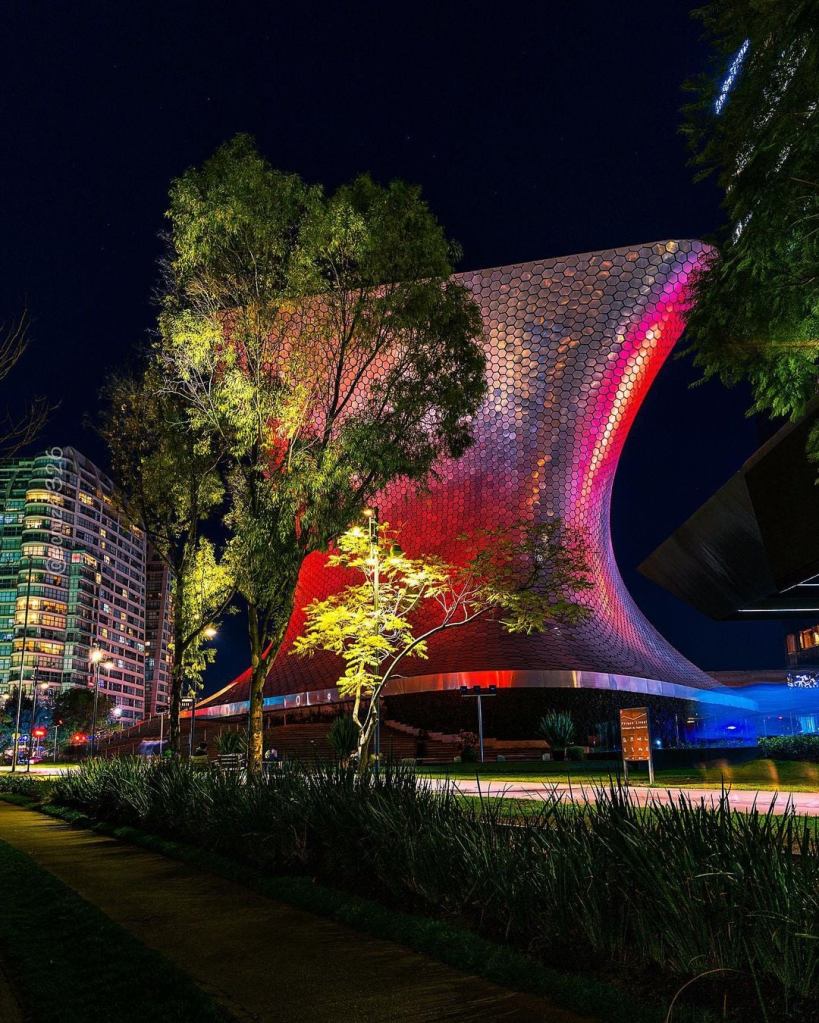
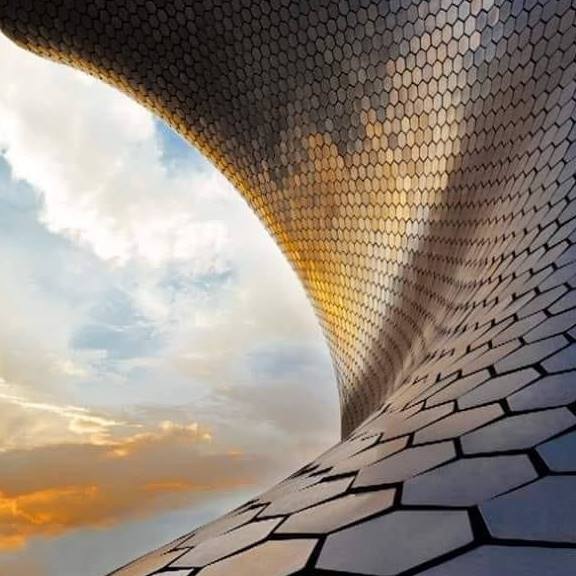
Museo Soumaya, in Plaza Carso in the Nuevo Polanco district was designed by the Mexican architect Fernando Romero, son-in-law of Lebanese-Mexican billionaire Carlos Slim Helu, and opened in 2011. The building is named after Lebanese-Mexican Soumaya Domit Gemayel who is the late wife of Carlos Slim Helu.

 Masa Americana