
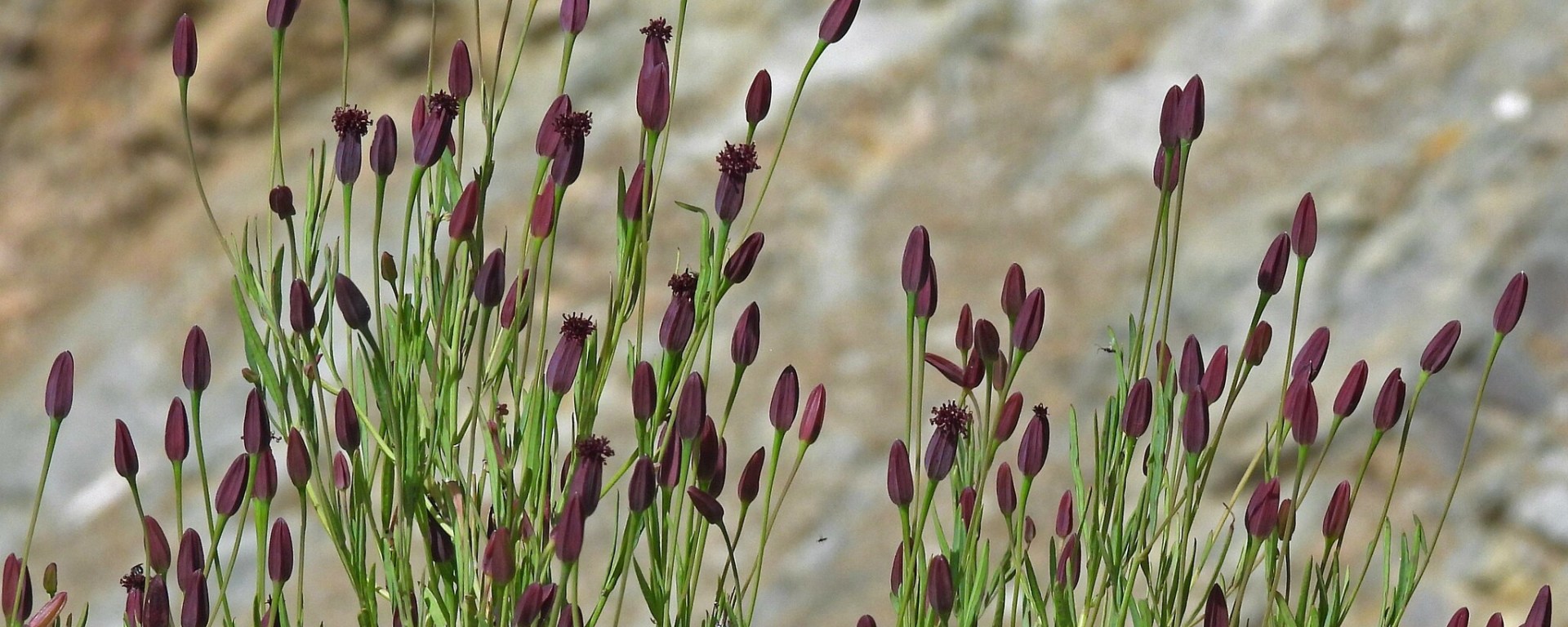
Porophyllum is a genus of phanerogamous (1) plants belonging to the family Asteraceae (2) . The pore-leaf family includes 101 described species and of these, only 27 are accepted. They are native subshrubs of the Americas. As their name suggests (4), their leaves often have large glands that produce aromatic oils that give off a strong odour. The large majority of these plants are used culinarily and most of the same have medicinal utility.
- Phanerogams are seed-bearing plants. The plant body is well differentiated with stem, leaves, and roots. There are well differentiated reproductive tissues that produce seeds – phanerogam : [from New Latin phanerogamus, from Greek phaneros visible +gamos marriage] (Plants) any plant of the former major division Phanerogamae, which included all seed-bearing plants. Now called spermatophyte (3)
- The family Asteraceae, with the original name Compositae, consists of over 32,000 known species of flowering plants in over 1,900 genera within the order Asterales. Commonly referred to as the aster, daisy, composite, or sunflower family, Compositae were first described in the year 1740.
- (Plants) (in traditional classifications) any plant of the major division Spermatophyta, which includes all seed-bearing plants: an angiosperm or a gymnosperm. Former name: phanerogam
- Poro (pore) – phyllum (leaf)
New varieties are occasionally catalogued such as this one which entered the books in 2024.
Meet porophyllum iruyense.
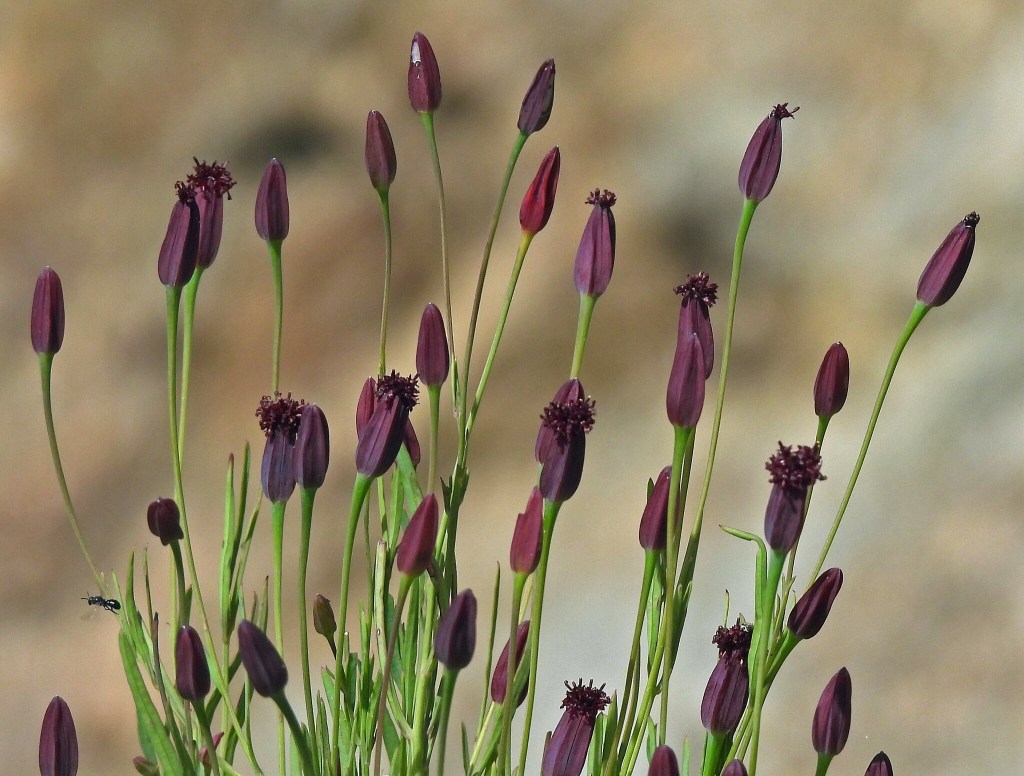
This new species is endemic to the extreme north of Salta Province in Northern Argentina, where it grows in the rocky soil of the Sierra Santa Victoria.

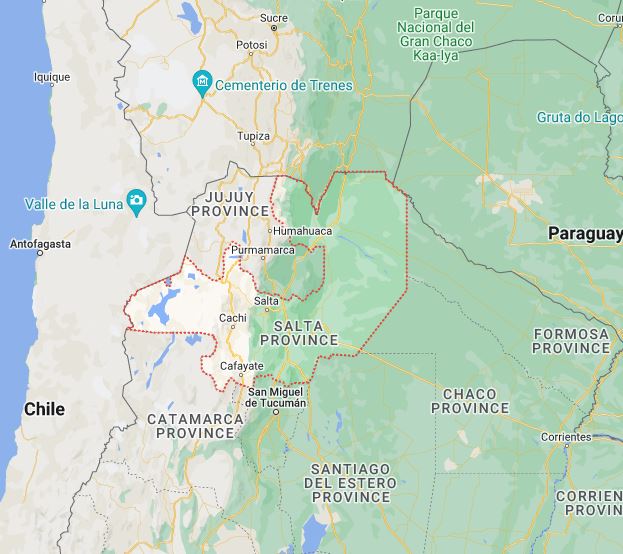
The Salta province shares borders with Chile (to the West) Bolivia (to the North) and Paraguay (to the North-East)
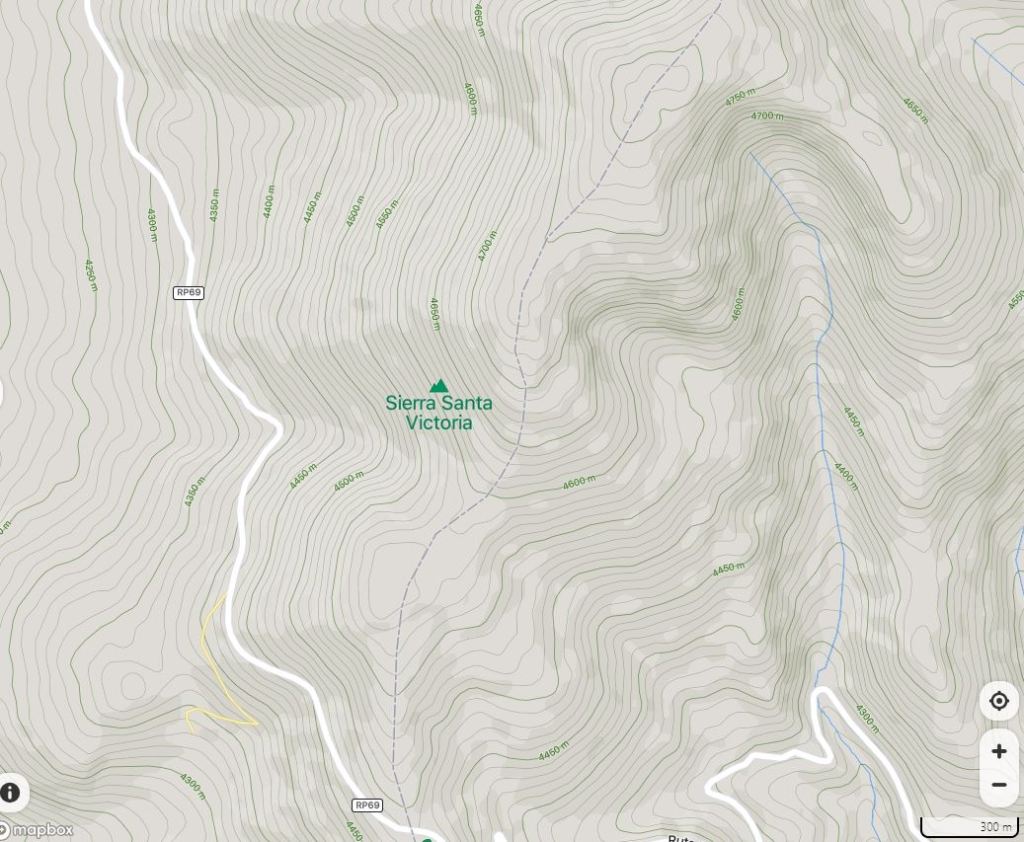
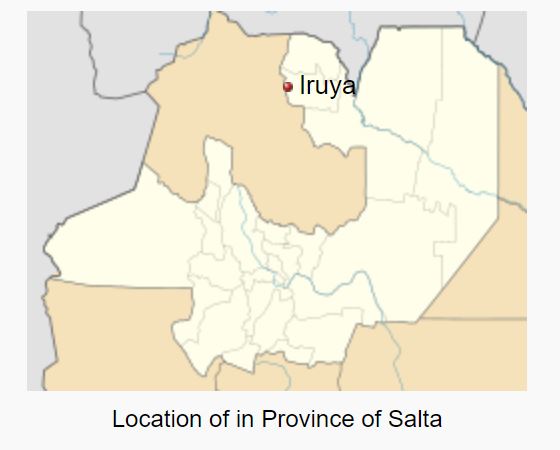
“Iruyense” from Iruya.
Iruya (1) is a small town with a population of just over 1000 located in north-western Argentina within the Salta Province and around 300 kilometres away from the capital city also named Salta (2).
- The name Iruya is said to be derived either from the Quechua or Aymara languages from the word iruyoc “Iru” straw and “yoc” abundance, iruya = abundant straw.
- Demonym (3): Salteño
- a noun used to denote the natives or inhabitants of a particular country, state, city, etc.
Iruya, officially founded in 1753 is located at 2780 meters above sea level, on the eastern slopes of the Santa Victoria mountain range.

The town is fairly isolated and there is no direct road from Salta to Iruya. It is however popular with tourists due to its natural beauty and the friendliness of its inhabitants. Access can be made via a road from the adjacent Jujuy province of which over a third of the road is unpaved. We are in some wild country here.
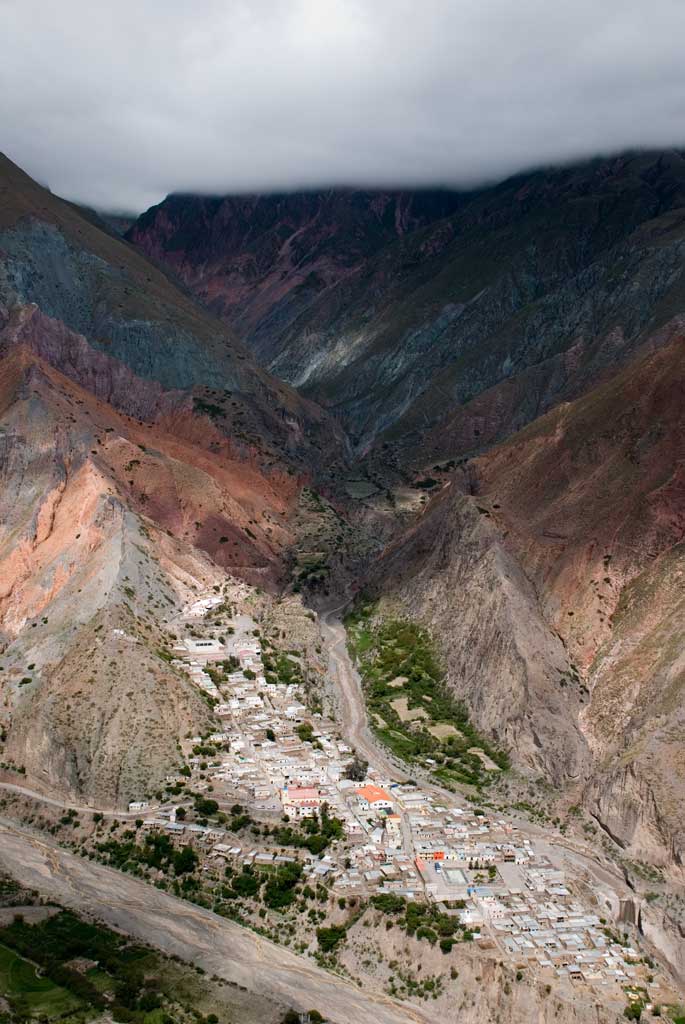
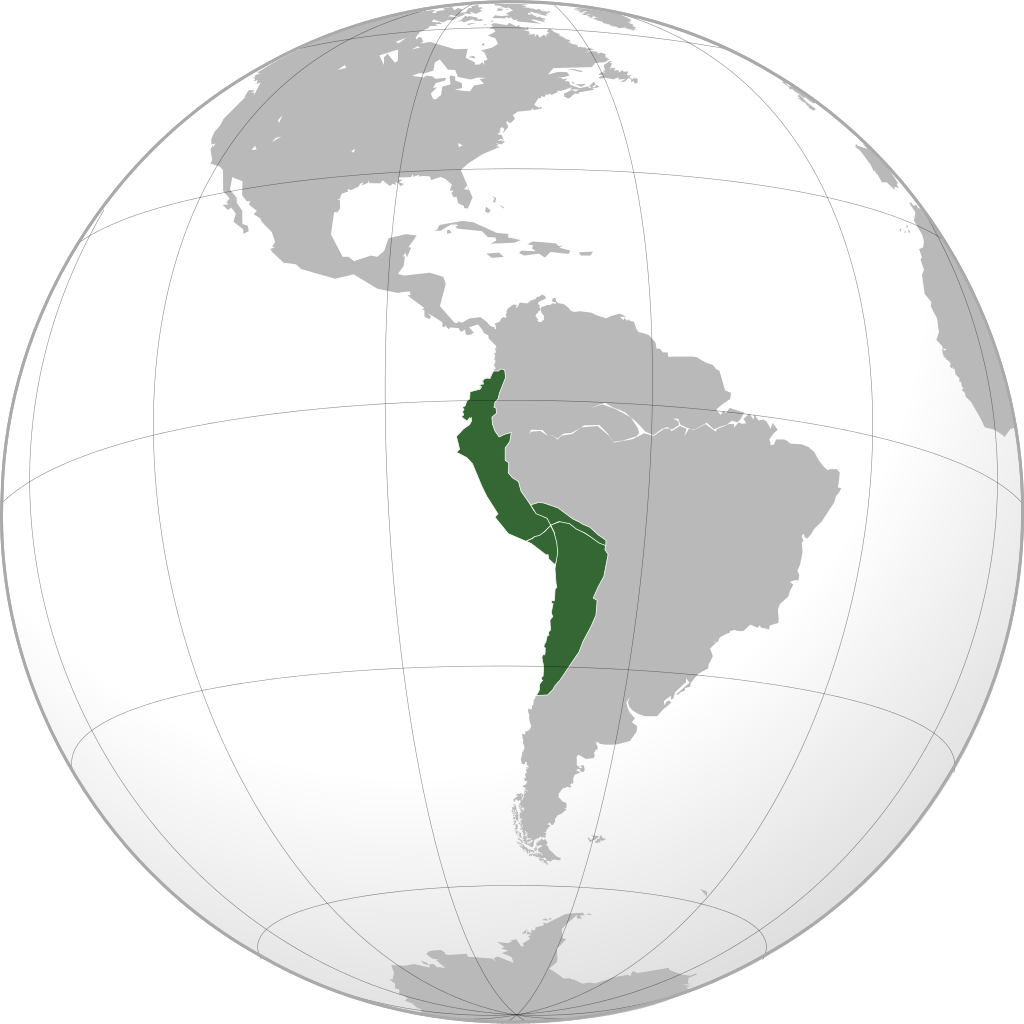
Its inhabitants are descendants of the Incas. The oldest roots go back to the Ocloyas, a people belonging to the ethnic group of the Kolla who stem from the Kollasuyo, which used to be one of the four regions of the Inca empire

The Inca civilization rose from the Peruvian highlands sometime in the early 13th century and incorporated a large portion of western South America, centred on the Andean Mountains.
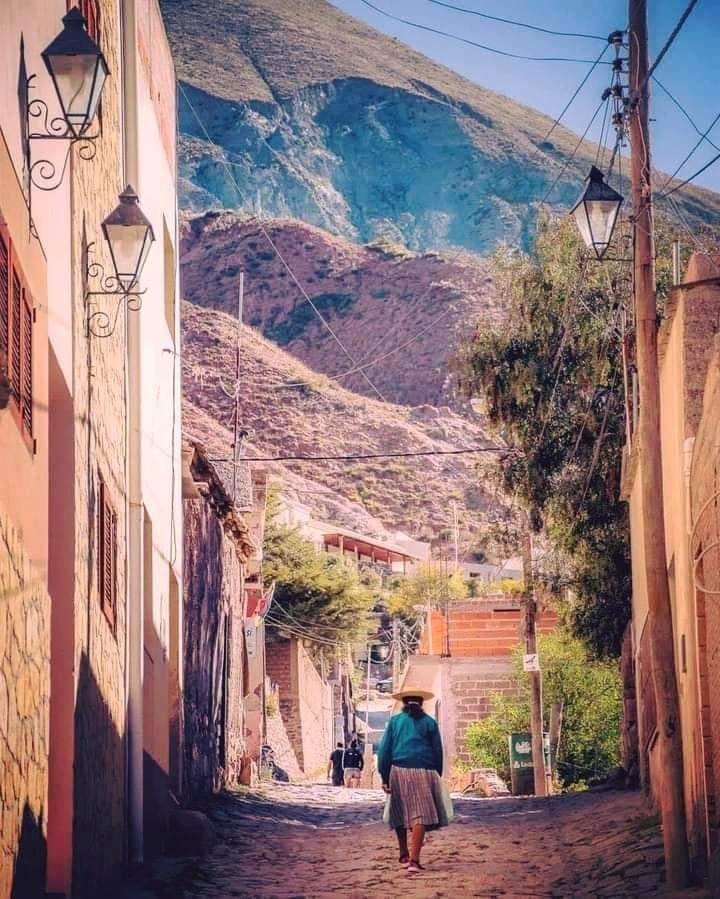
It is quite a beautiful town
Now lets get back to the poreleaf found in this vicinity.
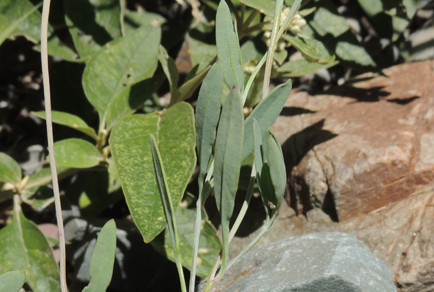
Porophyllum iruyense is characterized by being a decumbent (1) odoriferous (2) gynodioecious (3) herb, with petiolate and lanceolate to narrowly ovate leaves with marginal pellucid (4) cavities, and dark purple corollas (petals)
- Decumbent : /dɪˈkʌmb(ə)nt/ : Adjective BOTANY : (of a plant) lying along the ground or along a surface, with the extremity curving upwards.
- Odoriferous: /ˌəʊdəˈrɪf(ə)rəs/: adjective : having or giving off a smell, especially an unpleasant one.
- Gynodioecious : adjective : gyno·dioecious : dioecious but having some hermaphrodite or perfect flowers on an individual plant that bears mostly pistillate flowers – for more information on some botanical terms scoot down to the bottom of the Post.
- see below
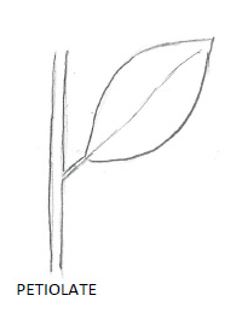
Petiolate – a leaf attached to the stem by a petiole (leaf stem).
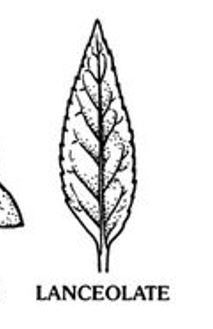
Lanceolate – shaped like the head of a lance. narrow, and tapering toward the apex or sometimes at the base (longer than wide, tapering to a point at the apex and possibly to the base, wider below the middle; sometimes widest at the base)
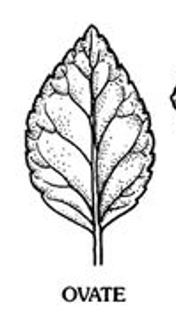
Narrowly ovate – a leaf that is wider at the base than at the midpoint, tapers toward the apex, and has a length-to-width ratio of 2:1 to less than 3:1.
The differences being : Lanceolate – widest below the middle of the blade and 3 to 6 times as long as wide. Ovate – widest below the middle of the blade and about 1.5 to 2 as long as wide
Pellucid
This was a new botanical term to me that I came across in the paper about P.iruyense and I am somewhat surprised that I had not encountered it before in reference to the Poreleaf family. Its primary meaning is of being “clear, transparent or nearly so”. Its etymological origins are…..”transparent, translucent, admitting the passage of light,” 1610s, from Latin pellucidus “transparent,” from pellucere “shine through,” from per- “through” (from PIE root *per- “forward,” hence “through”) + lucere “to shine” (from suffixed form of PIE root *leuk- “light, brightness”).
Botanically speaking they are “Dots that transmit light when held against a light source” and are often observed on the leaves of some species of Myrtaceae and Rutaceae. Pellucid dots (or cavities/glands) typically contain toxic metabolic substances or essential oils and function as a chemical resistance trait. Typically this resistance trait is a defence mechanism that prevents herbivores from consuming the leaves of the plant (which is kind of interesting as one of the common names for several varieties of Porophyllum is “deer weed” which is so named because in some areas the plant is consumed by deer) (1). Although described by many as “odoriferous”, the oils in the Porophyllum species are prized by human herbivores (and carnivores too) for their medicinal and culinary uses.
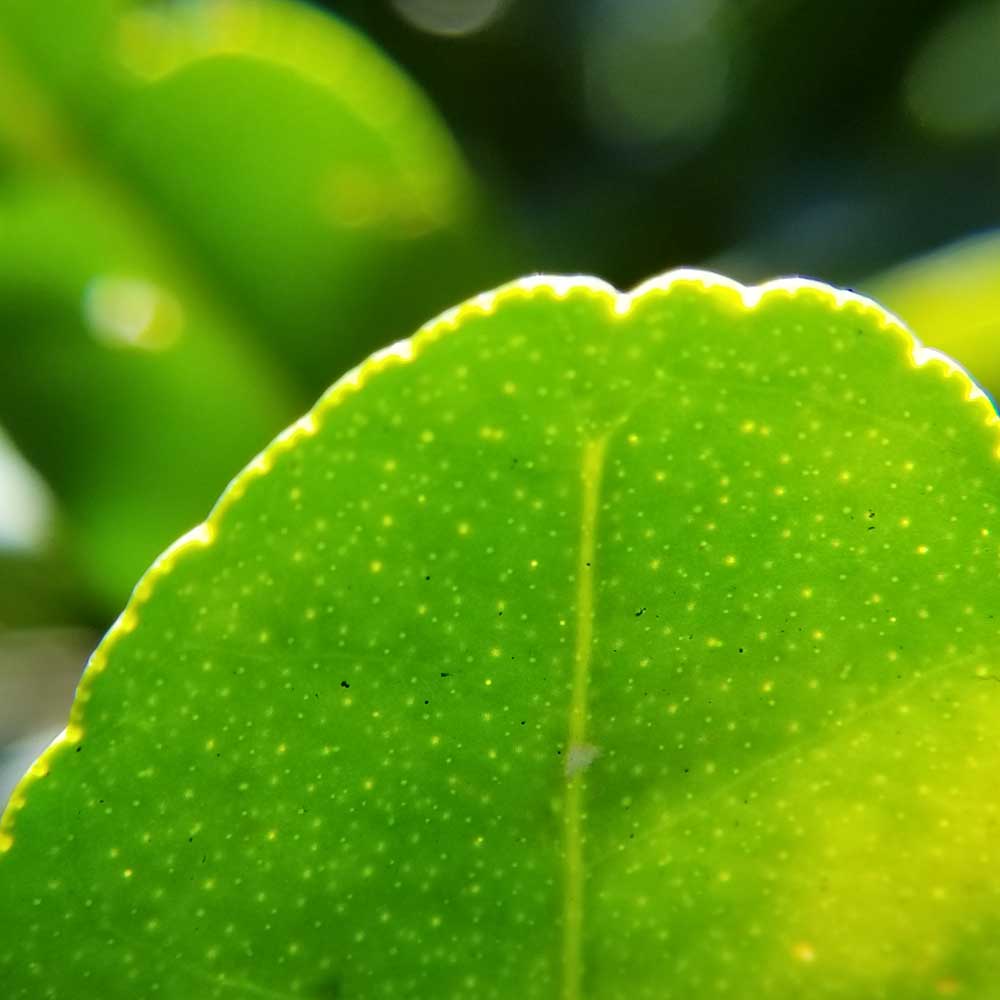

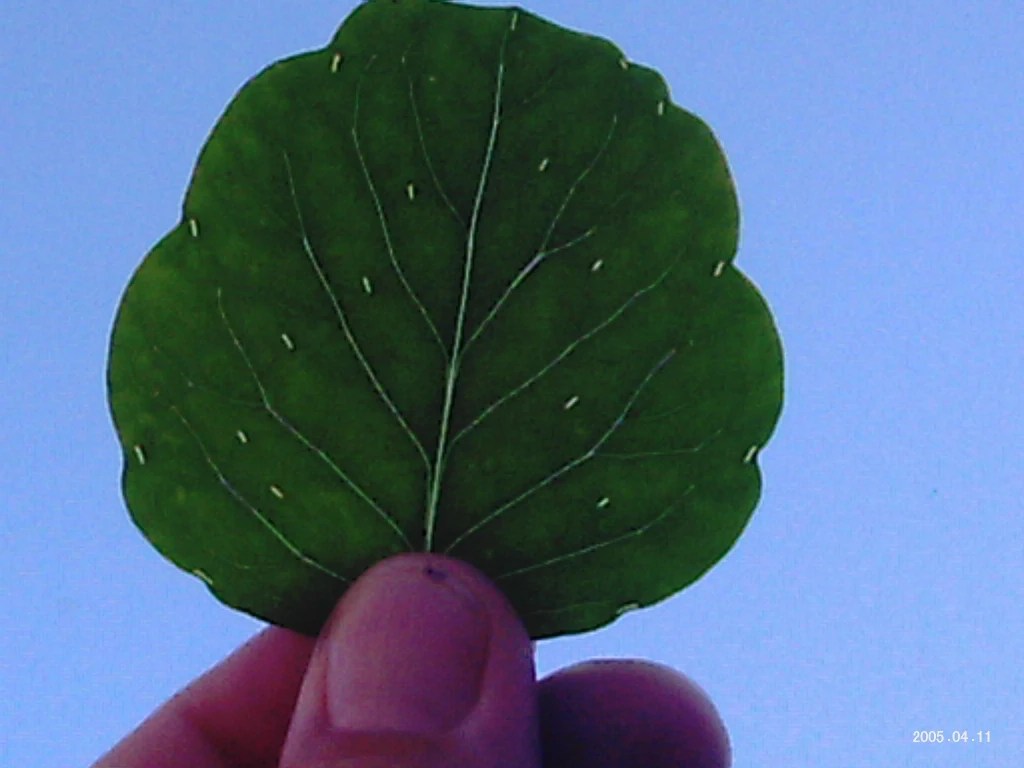
Odoriferous is a word often used to describe plants in the Porophyllum species (and always makes me giggle just a little). These plants are strongly scented and, as previously noted, the oils responsible for these scents are largely responsible for the medicinal actions of these plants and are somewhat prized for their culinary use. I have bought this up fairly regularly in previous Posts (1). This scent is often considered to be fairly repulsive although I am of the opinion that this detestation is somewhat akin to the genetic dislike some people have for the scent and taste of cilantro (2) which is generally though of to be a genetic abnormality (well you could say idiosyncrasy but I prefer to think of it as an abnormality)
- Check out some of my previous Posts on the scent of these plants : Quelite : Pápaloquelite : Porophyllum macrocephalum : Papalo and Pipicha. Skunk Weed? and Skunkweed and the Skunk
- Cilantro (1). Have your genetics failed you?? (2)
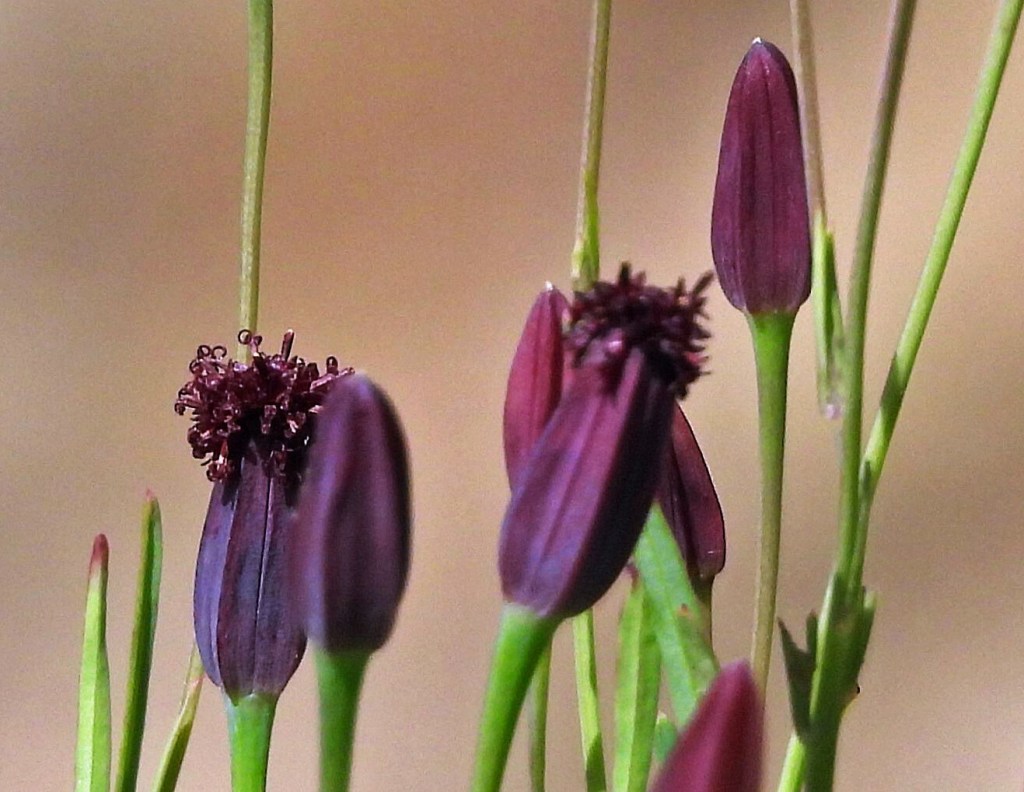
This species is known by locals for its medicinal properties (1). A table is given to differentiate it from other species inhabiting in South America (1), which are also gynodioecious and have the same dark purple colour in their corollas.
- I will provide this information once I acquire it
This plant is unusual in growth habit compared to the typical Porophyllums and is similar in may respects (even down to the semi-succulent appearance of its leaves) to the rare (and critically endangered) Porophyllum spathulatum from Brazil. See New(ish) Additions to the Poreleaf Family. for more information on P.spathulatum.
Various others of this species are utilised by Peruvians for both medicinal and “magical” purposes.
Porophyllum ruderale.
Quelite : Quillquina : Porophyllum ruderale
The Chayahuita (1) people call this species Te’nasera and the fresh plant is used as a poultice to treat inflammation, wounds (in particular cuts) and burns. The fresh leaves mashed and applied as a poultice. This poultice is changed each day and fresh leaves are applied (Odonne etal 2013)(Salazar-Gómez etal 2022). Bussman & Douglas (2006) note that in Northern Peru this species is known as Hierba Gallinazo (2) where it is considered a weed and that it is used energetically. The whole plant is dried and mixed with other herbs where it is used as a type of incense to clean the “energy of the home” or used topically by rubbing the body with it which is used as a treatment for susto (3) and to counter the effects of Daño (4) or Sorcery. Susto, and its more serious variant espanto, are conditions treated by curanderismo and have no real equivalent in modern medical practices. They are however quite relevant (possibly even more relevant in this day and age) as they take into consideration the soul of the patient which, once damaged or assaulted, can leave the body open to contracting any number of physical illnesses. for more information on this check out my Post What is Curanderismo? (5). In the Sierras de Comechingones (6) P.ruderale is called Yerba del venado and is used as a diaphoretic (induces sweating/perspiration), hemostatic (stops bleeding) and a cicatrizant (promotes wound/sore healing and promotes formation of scar tissue) (Goleniowski etal 2006). The last two of these actions fall well within the “wound healing” capacity of this herb. P.ruderale is also used to treat various insect borne illnesses in Peru and Bolivia. This herb is taken internally for malaria (Milliken etal 2021) (Hajdu & Hohmann 2012) and is used topically as a poultice for the ulcerative lesions caused by cutaneous leishmaniasis (Limachi 2009) (Takahashi etal 2013) where the dried powdered herb is applied to the lesions. Bussman (b) etal 2010) also notes the internal use of extracts of this herb in the treatment of gastrointestinal illness caused by Escherichia coli.
- The Chayahuita live in 105 villages in the Amazon Basin of Peru. Today they are divided among three districts: Jeberos, Cahuapanas and Balsapuerto.
- also Hierba del Gallinazo
- sometimes referred to as “magical fright”
- Daño can also sometimes refer to “evil” or just simply “damage”
- also check out Glossary of Terms used in Herbal Medicine. for an explanation of some terms specific to curanderismo.
- named after the Comechingón peoples and located towards the northeast of the province of San Luis and the west of the province of Córdoba in Argentina
The use of porophyllum ruderale and its treatment of E.coli (1) has been studied and has shown some interesting results. In disc diffusion tests (2) P.ruderale has shown high inhibition diameters “DIZ” (3) comparable to antibiotics used to treat the same bacteria. P.ruderale came back with a DIZ of 23mm which compares very favourably with that of ciprofolxacin (21mm) and azithromycin (18mm) which are currently recommended for the treatment of E.coli infections (Mueller & Tainter 2024). Further study is required on this herb (and its whole family in general) as they show excellent medicinal capabilities and the small amount of research available only goes to demonstrate that the medicinal qualities of many American plants are woefully underutilised in the practice of herbal medicine in other parts of the world. My blog was initially created for exactly this reason, my lack of knowledge in the area, and the general lack of knowledge of these plants (particularly the Porophyllum species).
- Escherichia coli is a gram-negative, facultative anaerobic, rod-shaped, coliform bacterium of the genus Escherichia that is commonly found in the lower intestine of warm-blooded organisms. E. coli is a group of bacteria that can cause infections in your gut (GI tract), urinary tract and other parts of your body. Most of the time, it can live in your gut without hurting you. But some strains can make you sick with watery diarrhoea, vomiting and a fever. (see medical Terminology below for further explanation of some of these terms)
- The disk diffusion method is among the most flexible susceptibility testing methods in terms of antimicrobial agents that can be tested. The method consists of placing paper disks saturated with antimicrobial agents on a lawn of bacteria seeded on the surface of an agar medium, incubating the plate overnight, and measuring the presence or absence of a zone of inhibition around the disks
- The diameter of inhibition zone (DIZ) was considered as a measure of the antibacterial activity. The inhibition zone was expressed in millimeters. The DIZ values less than 7 mm was defined as no inhibition zone (NIZ). Measuring the inhibition zone of diameter expressed the sensitivity of the bacteria, which defines the bacteria as resistant (≤ 9 mm), moderately sensitive (10-11 mm), or sensitive (≥ 12 mm) to the antibiotics

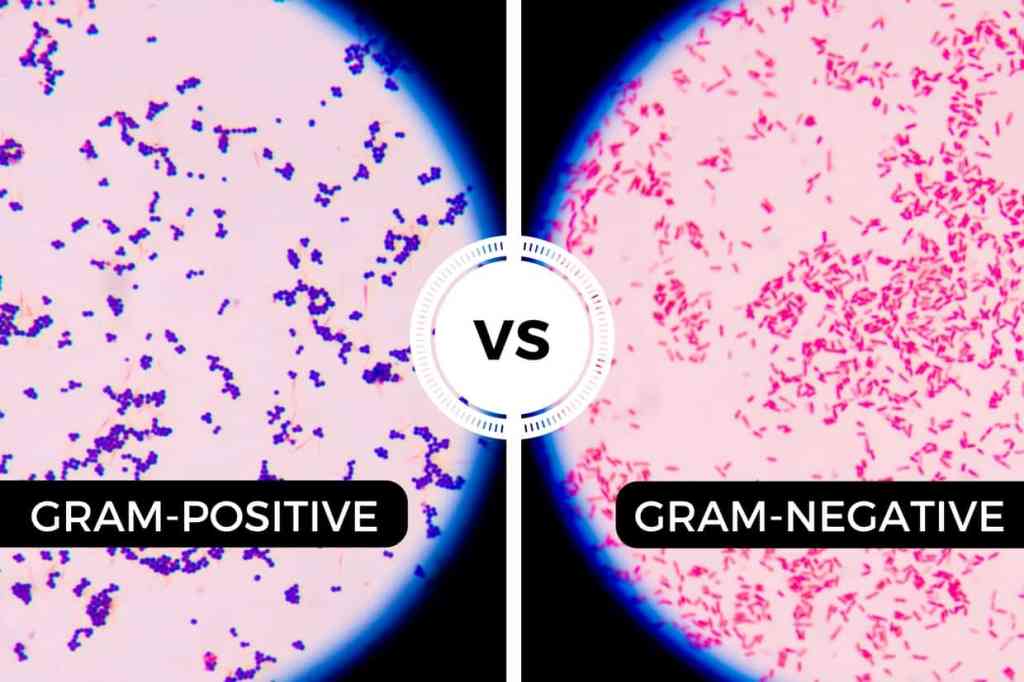
A note on “gram negative” (and positive) bacteria. Gram-negative bacteria are bacteria that unlike gram-positive bacteria do not retain the crystal violet stain used in the Gram staining method of bacterial differentiation. The name comes from the Danish bacteriologist Hans Christian Gram, who developed the technique in 1884. Gram staining is almost always the first step in the identification of a bacterial group. While Gram staining is a valuable diagnostic tool in both clinical and research settings, not all bacteria can be definitively classified by this technique. This gives rise to gram-variable and gram-indeterminate groups.
Porophyllum obscurum
Quelite : Porophyllum obscurum
This plant is used in the Sierra de Comechingones of Argentina (where it is called Yerba del ciervo)(1) for its diaphoretic and antispasmodic properties.
- Yerba del ciervo = hierba de venado = deer weed : A Note on Deer Weed : The Danger of Common Names
Botanical Terms
What are monoecious and dioecious plants?
Monoecious plants are plants that have both male and female sexual organs or flowers. These male and female parts are located at different locations on the plant. In botany, the term “hermaphrodite” is used to describe a flower having both pollen-producing staminate (male) and ovule-producing carpellate (female) parts. Monoecious plants produce both female and male flowers on a single plant. For example, corn is a monoecious/hermaphroditic plant, other monoecious plants include pine, hazel, walnuts, watermelon, cucumber, pumpkins
Dioecious : having the male and female reproductive organs in separate individuals. Dioecy is a characteristic of certain species that have distinct unisexual individuals, each producing either male or female gametes, either directly or indirectly. Dioecious plants have separate male and female plants. They do not have the male and female flowers on the same plant. Dioecious reproduction is biparental reproduction. Dioecy has costs, since only the female part of the population directly produces offspring. Only the female plant bears the fruit. Some Dioecious plants include Spinach, Mulberry, Ginkgo, Mistletoe, Papaya, Asparagus, Hemp, Hop, Willow, Kiwifruit,
Gynodioecious : this is a rare breeding system that is found in certain flowering plant species in which female and hermaphroditic plants coexist within a population. Gynodioecy is the evolutionary intermediate between hermaphroditism and dioecy. A gynodioecious plant bears only female (pistillate) flowers on some plants and either bisexual or both male (staminate) and female (pistillate) flowers on other plants. Gynodoecious plants include some species of violets, wild geraniums (G.maculatum) and wild strawberry (Fragaria virginica)
Medical terminology
Gram-negative bacteria are bacteria that unlike gram-positive bacteria do not retain the crystal violet stain used in the Gram staining method of bacterial differentiation.
A facultative anaerobic organism is an organism that makes ATP by aerobic respiration if oxygen is present, but is capable of switching to fermentation if oxygen is absent. Adenosine triphosphate is a nucleotide that provides energy to drive and support many processes in living cells, such as muscle contraction, nerve impulse propagation, and chemical synthesis. Found in all known forms of life, it is often referred to as the “molecular unit of currency” of intracellular energy transfer.
Coliform bacteria are defined as either motile (capable of motion) or non-motile Gram-negative non-spore forming bacilli that possess β-galactosidase to produce acids and gases under their optimal growth temperature of 35–37 °C. Coliforms are always present in the digestive tracts of animals, including humans, and are found in their wastes. coli (in water) is a sign of faecal matter and can cause health problems. If total coliforms (E. coli) are in your water, you run the risk of diarrhoea, cramps, nausea, headaches or other symptoms such as pneumonia, other respiratory illnesses and urinary tract infections. Infants, young children, the elderly and people with compromised immune systems are at a higher risk.
References
- Anzuinelli, Milagros & Bartoli, Adriana. (2024). Porophyllum iruyense (Asteraceae: Tageteae), a new endemic species from the north of Salta Province, Argentina. Phytotaxa. 636. 10.11646/phytotaxa.636.3.4.
- Bussmann, Rainer & Sharon, Douglas. (2006). Traditional Medicinal Plant Use in Northern Peru: Tracking Two Thousand Years of Healing Culture. Journal of ethnobiology and ethnomedicine. 2. 47. 10.1186/1746-4269-2-47.
- (b) Bussmann, Rainer & Glenn, Ashley & Sharon, Douglas. (2010). Healing the body and soul: Traditional remedies for “magical” ailments, nervous system and psychosomatic disorders in Northern Peru. African Journal of Pharmacology. 4. 580-629.
- (c) Bussmann, Rainer & Glenn, Ashley & Sharon, Douglas. (2010). Antibacterial activity of medicinal plants of Northern Peru – Can traditional applications provide leads for modern science?. Indian journal of traditional knowledge. 9. 742-753.
- Carneiro, Camila & Schneider, Angelo & Ritter, Mara. (2014). Porophyllum spathulatum (Asteraceae: Tageteae), a new species from the southern Brazilian coast. Phytotaxa. 173. 157-162. 10.11646/phytotaxa.173.2.6.
- Hajdu Z.; Hohmann J. 2012. An ethnopharmacological survey of the traditional medicine utilized in the community of Porvenir, Bajo Paraguá Indian Reservation, Bolivia. Journal of ethnopharmacology, 139: 838-857.
- Limachi, Ivan (2009) : Antiparasitic metabolites from plants used in the Tacana Bolivian native tribe: Traditional medicine, an overview of natural products with medicinal interest.
- Marta Ester Goleniowski; G.A. Bongiovanni; L. Palacio; C.O. Nuñez; J.J. Cantero (2006). Medicinal plants from the “Sierra de Comechingones”, Argentina. , 107(3), 0–341. doi:10.1016/j.jep.2006.07.026
- Milliken W, Walker BE, Howes MR, Forest F, Lughadha EN. Plants used traditionally as antimalarials in Latin America: mining the Tree of Life for potential new medicines. J Ethnopharmacol. 2021 May 21:114221. PMID: 34029639.
- Mueller M, Tainter CR. Escherichia coli Infection. [Updated 2023 Jul 13]. In: StatPearls [Internet]. Treasure Island (FL): StatPearls Publishing; 2024 Jan-. Available from: https://www.ncbi.nlm.nih.gov/books/NBK564298
- Odonne, Guillaume; Valadeau, Céline; Alban-Castillo, Joaquina; Stien, Didier; Sauvain, Michel; Bourdy, Geneviève (2013). Medical ethnobotany of the Chayahuita of the Paranapura basin (Peruvian Amazon). Journal of Ethnopharmacology, 146(1), 127–153. doi:10.1016/j.jep.2012.12.014
- Salazar-Gómez A, Alonso-Castro AJ. Medicinal Plants from Latin America with Wound Healing Activity: Ethnomedicine, Phytochemistry, Preclinical and Clinical Studies-A Review. Pharmaceuticals (Basel). 2022 Aug 31;15(9):1095. doi: 10.3390/ph15091095. PMID: 36145316; PMCID: PMC9505834.
- Sarker, Md. Moklesur Rahman & Islam, Kamrun & Zaman Huri, Hasniza & Imam, Hasan & Hosen, Md & Rahman, Monjur & Mohammad, Nur & Sarker, Md Zaidul. (2014). Studies of the Impact of Occupational Exposure of Pharmaceutical Workers on the Development of Antimicrobial Drug Resistance. Journal of Occupational Health. 56. 10.1539/joh.14-0012-OA.
- Schaechter, Moselio. 2009. Encyclopedia of Microbiology. 3rd ed. Amsterdam: Elsevier/Academic Press.
- Takahashi, Helena; Britta, Elizandra; Longhini, Renata; Ueda-Nakamura, Tânia; Palazzo de Mello, João; Nakamura, Celso (2013). Antileishmanial Activity of 5-Methyl-2,2′ : 5′,2″-terthiophene Isolated from Porophyllum ruderale is Related to Mitochondrial Dysfunction in Leishmania amazonensis. Planta Medica, 79(5), 330–333. doi:10.1055/s-0032-1328258
- Vázquez-Atanacio, María José, Mirandeli Bautista-Ávila, Claudia Velázquez-González, Araceli Castañeda-Ovando, Manasés González-Cortazar, Carolina Guadalupe Sosa-Gutiérrez, and Deyanira Ojeda-Ramírez. 2021. “Porophyllum Genus Compounds and Pharmacological Activities: A Review” Scientia Pharmaceutica 89, no. 1: 7. https://doi.org/10.3390/scipharm89010007
Images
- Cover image : Porophyllum iruyense : Images by Hugo Hulsberg : Mar 7, 2024 · 11:49 -03:00 : https://www.biodiversity4all.org/observations/205316857
- Flowers : Porophyllum iruyense : Images by Hugo Hulsberg : Mar 7, 2024 · 11:49 -03:00 : https://www.biodiversity4all.org/observations/205316857
- Gram positive vs gram negative (image) – https://www.onlinebiologynotes.com/difference-between-gram-positive-and-gram-negative-bacteria/
- The Inca Empire at its greatest extent : By L’Américain – This W3C-unspecified vector image was created with Inkscape ., CC BY-SA 3.0, https://commons.wikimedia.org/w/index.php?curid=9097872
- Iruya, Argentina : De Havardtl – Trabajo propio, CC BY 4.0, https://commons.wikimedia.org/w/index.php?curid=66636279
- Iruya from above : https://iruyaonline.com/
- Leaves : Anzuinelli, Milagros & Bartoli, Adriana. (2024). Porophyllum iruyense (Asteraceae: Tageteae), a new endemic species from the north of Salta Province, Argentina. Phytotaxa. 636. 10.11646/phytotaxa.636.3.4.
- Pellucid (images) – via Lyon Arboretum – University of Hawai’i at Mānoa – https://www.facebook.com/uhlyonarboretum/posts/pellucid-dots-are-pockets-of-citrus-oils-that-can-be-seen-when-the-leaf-of-a-cit/4003788232980916/
- Road to Iruya : De Kevin Jones – originally posted to Flickr as Road to Iruya, CC BY-SA 2.0, https://commons.wikimedia.org/w/index.php?curid=6448623
- Streets of Iruya via El Analista de Salta on Facebook : https://www.facebook.com/photo/?fbid=1211197180279850&set=a.730689231663983
 Masa Americana