First. Some definitions (Max if you are reading this I apologise in advance). I am not a seagoing man (and, much to the chagrin of many a family member, nor am I even an avid fisherman – I am a cook though so bring me your fish, cackers and abalone and I’ll do something with those). Personally I think that with all the krakens and leviathans (and probably Cthulhu too) getting about out there I think you’re just asking for trouble.
What is a Tall Ship or Tallship, and does it matter?
A tall ship is not actually any specific kind of vessel, but the term usually refers to large a traditionally rigged sailing vessel, whether or not it is technically a “ship.” (1) For most of the general public anything large with sails “counts”, and the age of the vessel and the way in which it is rigged is of minimal interest.
- a. : a large seagoing vessel. b. : a sailing vessel having a bowsprit and usually three masts each composed of a lower mast, a topmast, and a topgallant mast. (Vessels intended for navigation of coastal and inland waters are generally called boats, while ocean-going vessels are generally called ships)
A late-nineteenth-century definition of a ‘tall ship’ was one that crossed royal yards.
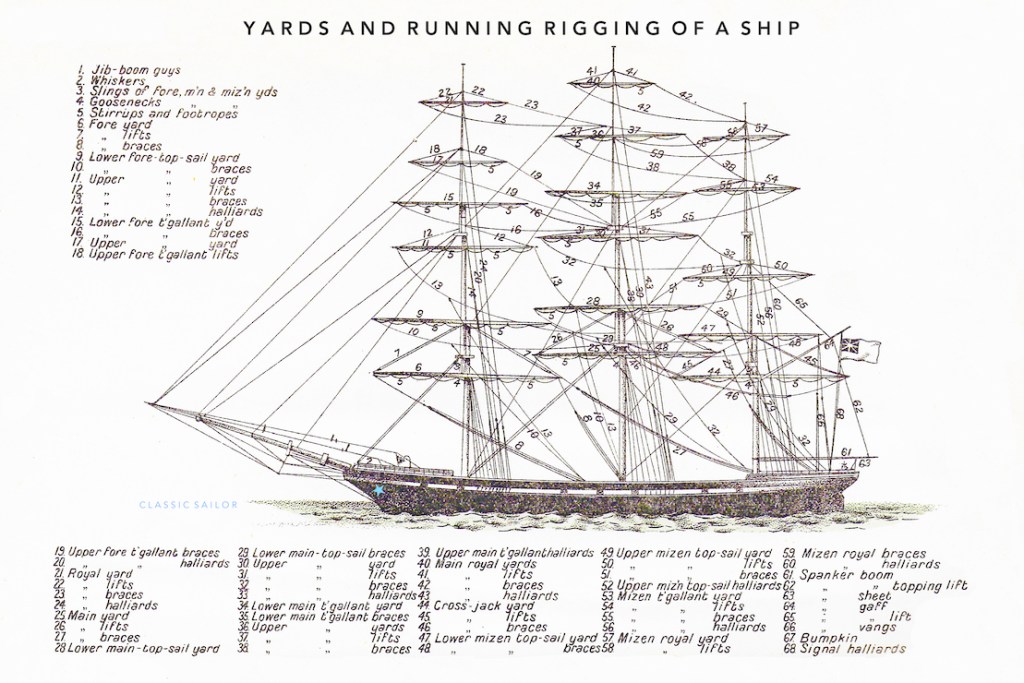
A yard is a spar on a mast from which sails are set.
A Royal Yard is the yard from which the royal (1) is set. The fourth from the deck.
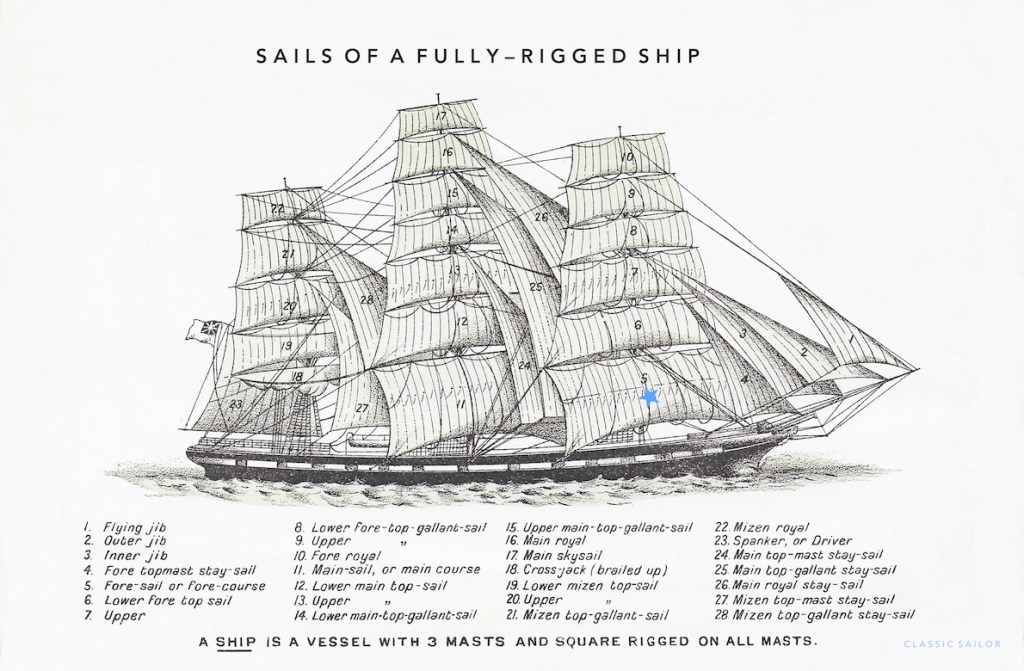
- Royal. A light sail next above a topgallant sail.
A vessel is said to have her yards crossed when the yards for her square sails have been set on the masts. A vessel with her yards crossed is in a high state of readiness for sea.
Tall ship does not indicate a specific configuration of sails or masts, unlike other types such as schooner (1) or ketch (2).
- A sailing ship with two or more masts, all with fore-and-aft sails; if two masted, having a foremast and a mainmast. Variants exist, such as with additional square sails on the fore topmast.
- A fore-and-aft rigged sailing vessel with two masts, main and mizzen, the mizzen being stepped forward of the rudder post.
“Tall ship” as a generic term used in regard to sail training, races and other assemblages of sailing vessels, almost certainly owes its current popularity to modern media coverage of such events from the 1950s onward. (navalmarinearchive.com)
“Tallship” is reporter-speak, dating back no further than the sixties, and my own preference would be to use more traditional terms, but it is now in such widespread use that I am afraid we must live with it”. (1)
- John Harland 15 Aug 2001 – https://navalmarinearchive.com/research/docs/tall_ship.html#6
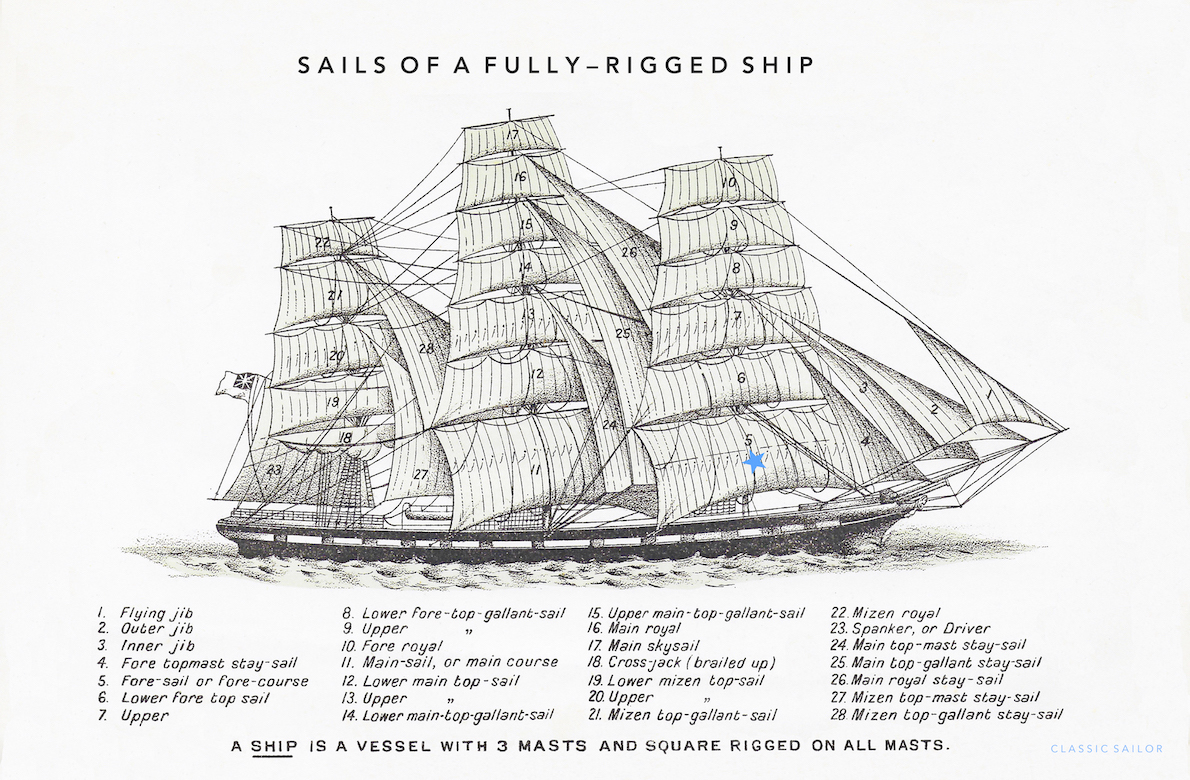
There is more on the classification of Tallships at the end of this Post. Included are images of spars, yards, rigging, sails and sail configurations regarding the definitions above.
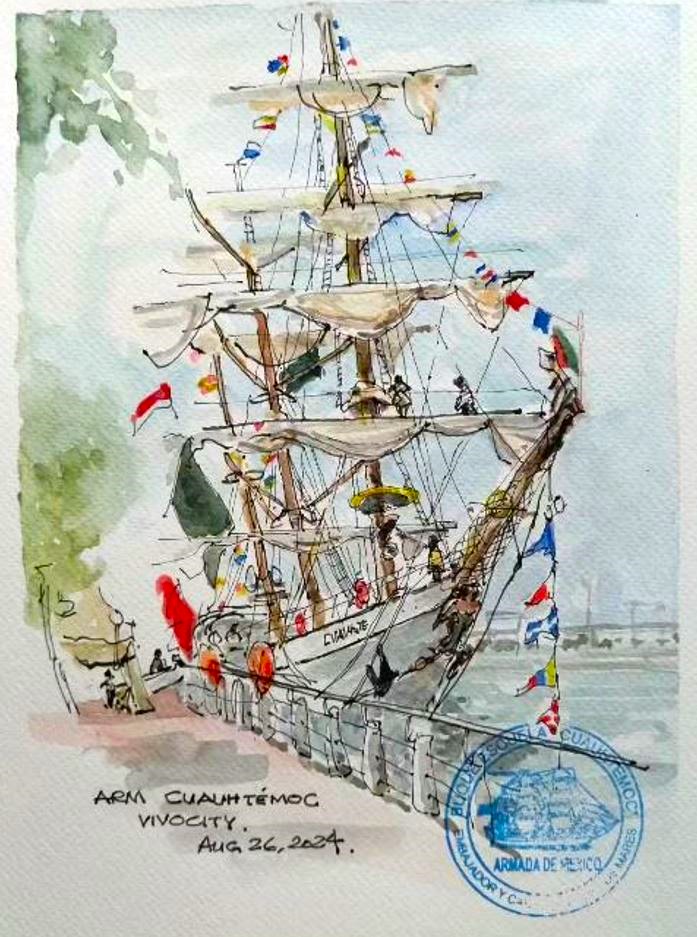
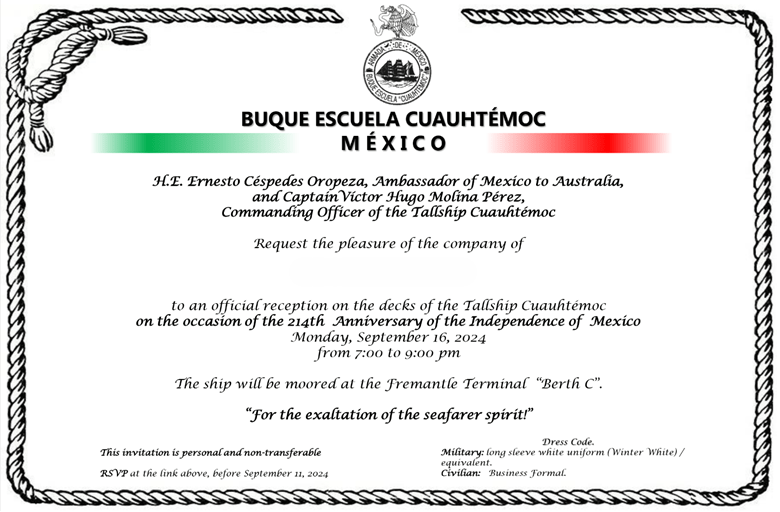
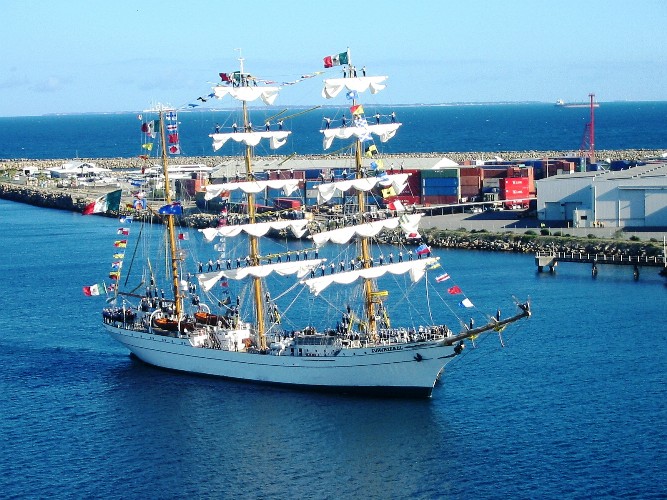
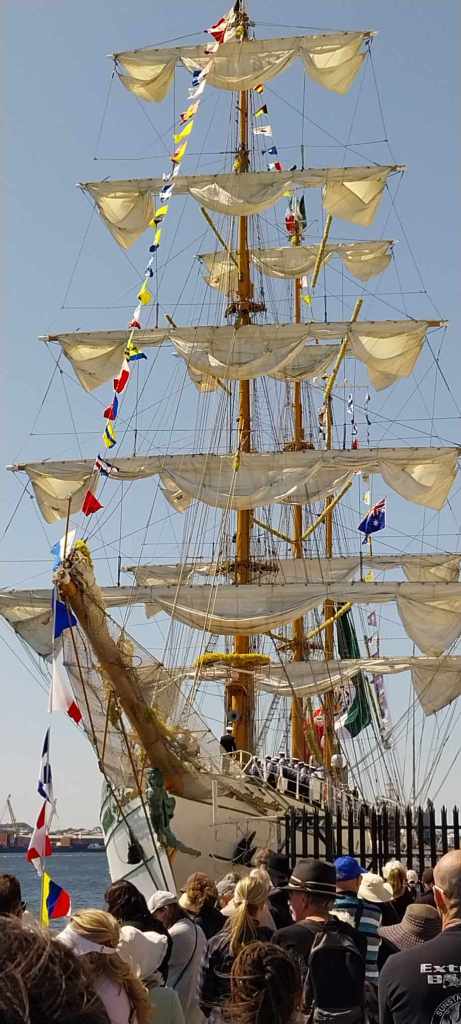
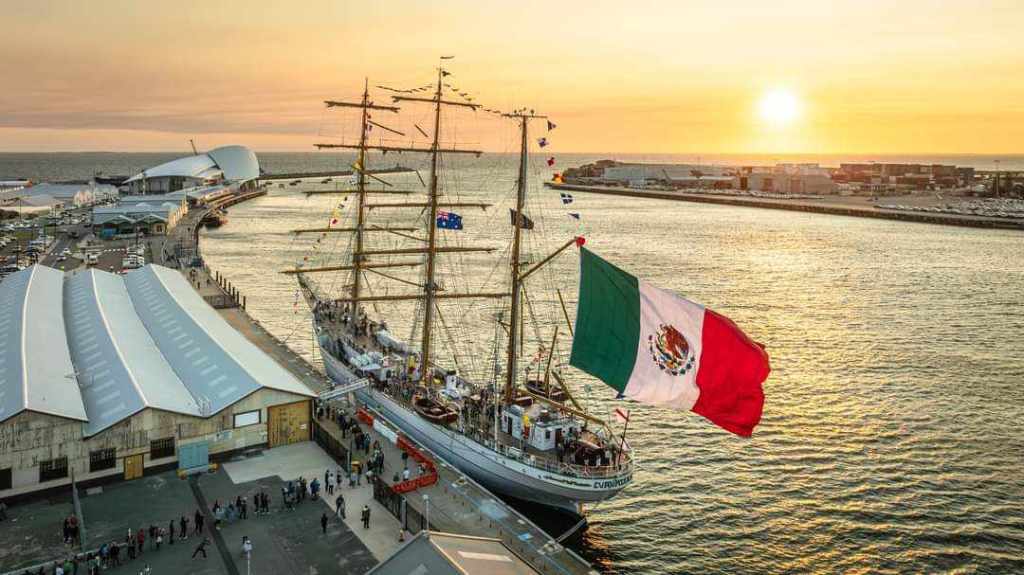
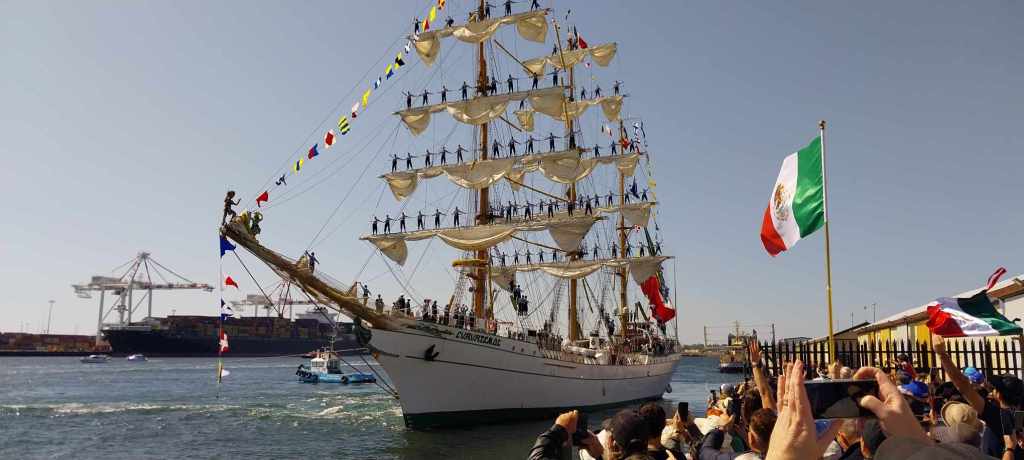
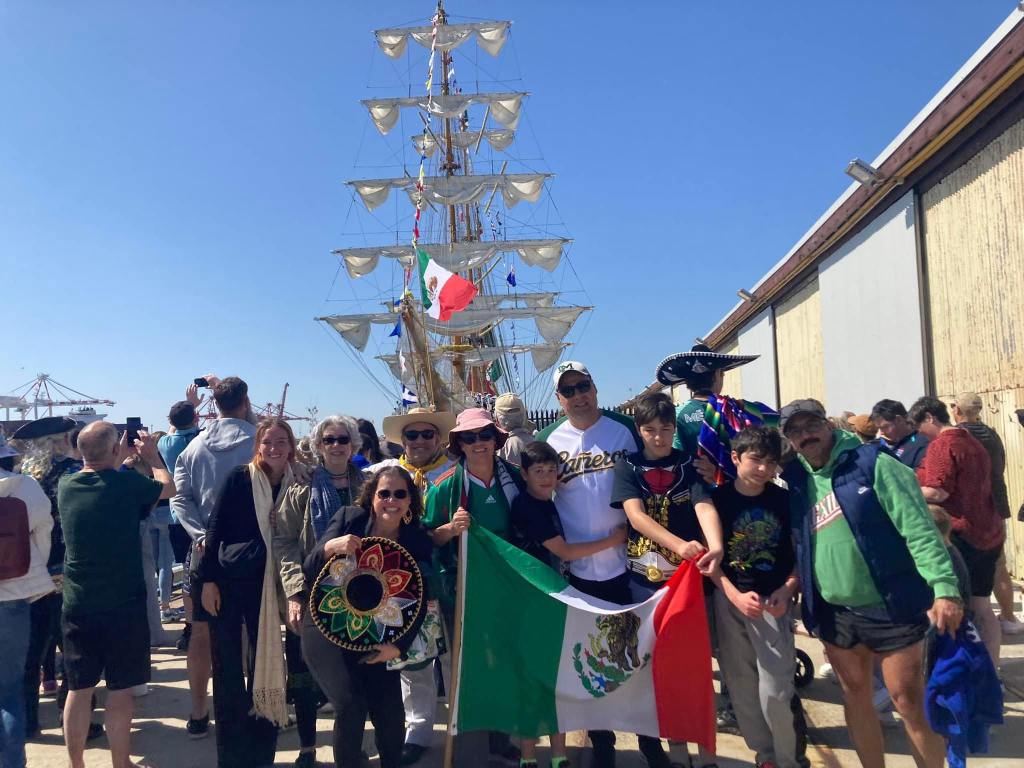
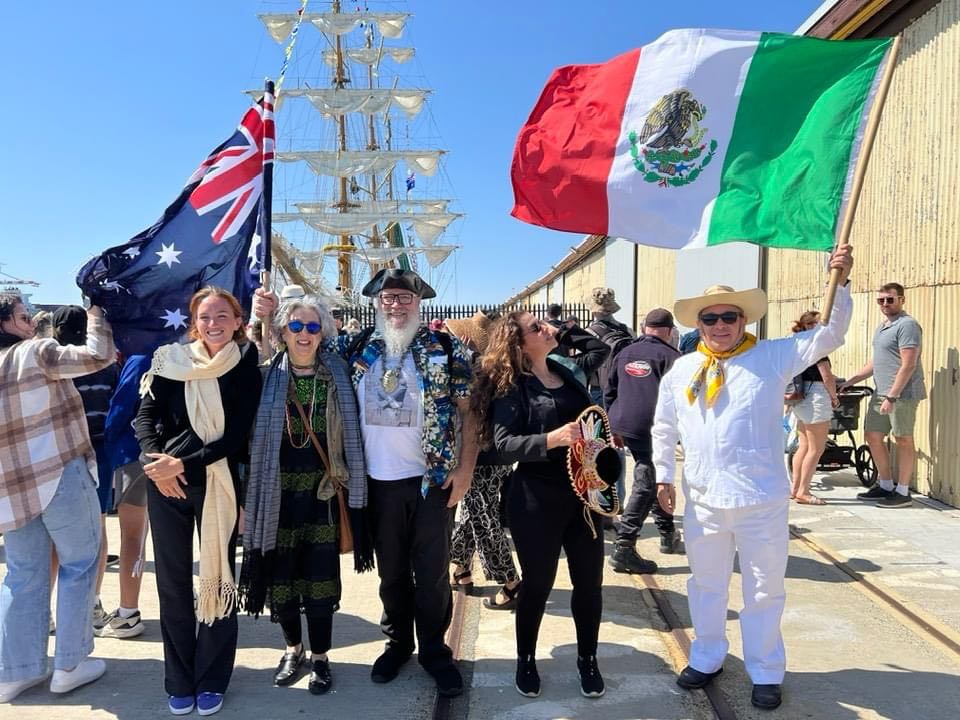
In August of 2024 I found out that the tallship Cuauhtemoc would be visiting the Port of Fremantle in Perth Western Australia in September of 2024. As a council member of FOMEX : The Friends of Mexico in Perth I was quite excited to receive an invitation (and quite a formal one at that) to attend a reception on the decks of the Cuauhtemoc on Diez y Seis (1) for the commemoration of the 214th Anniversary of the Independence of México. Quite an honor really.
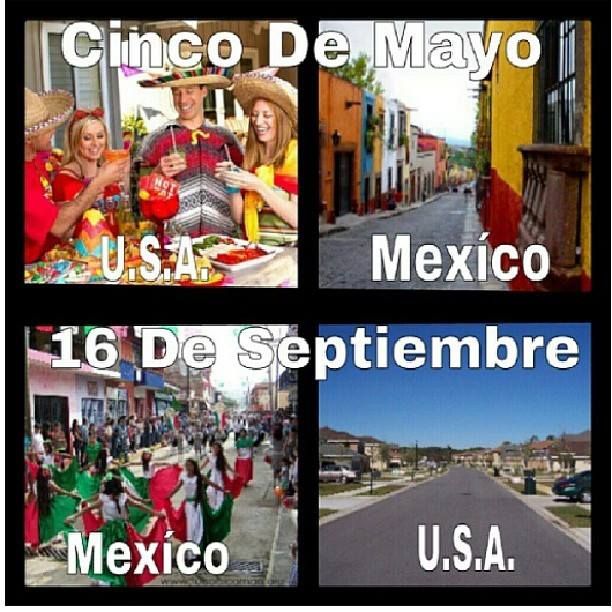
- 10 and 6, referring to September the 16th – Mexico’s Independence Day (No you uncultured buffoon, Cinco de Mayo – the 5th of May – IS NOT independence day in Mexico, nor is that date really celebrated in México to any real degree. Cinco de Mayo represents Mexican resolve and bravery in the face of an overwhelming foe and celebrates the triumph over the Second French Empire at the Battle of Puebla in 1862, led by General Ignacio Zaragoza.)

My invitation (now framed and displayed)
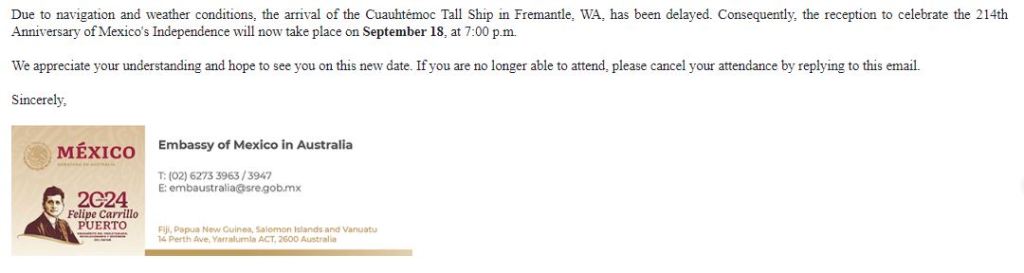
The festivities were however briefly delayed……..
OH NO!!!!
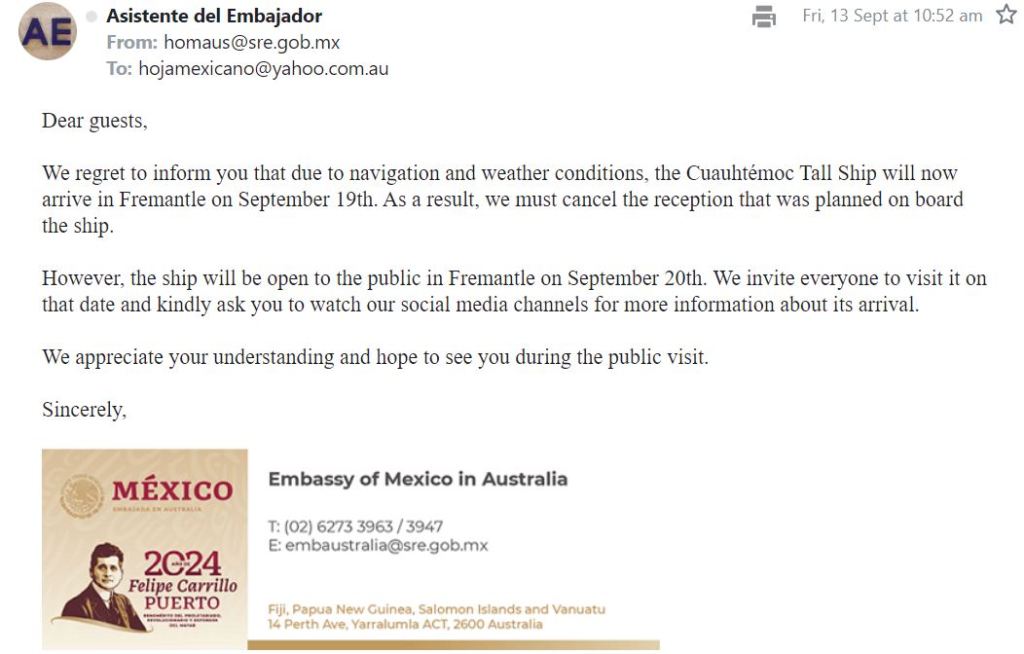
Truly a disappointment.
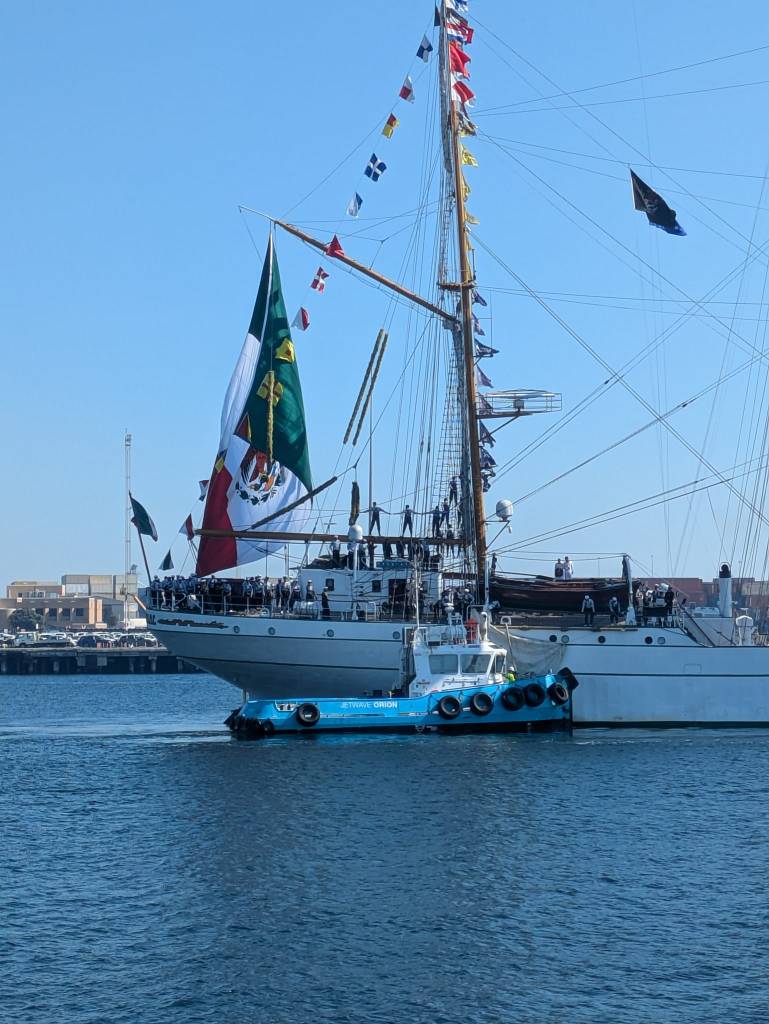
The ARM (1) Cuauhtémoc, also affectionally known as ‘El Embajador y Caballero de los mares’ (2), is a steel hulled, three-mast barque commissioned in 1982.
- ARM = Armada República Mexicana
- The Ambassador and Knight of the Seas
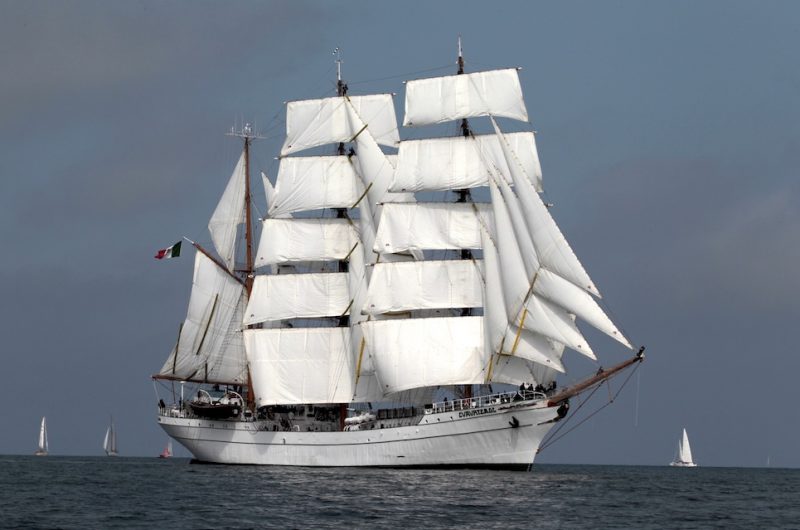
She is the last of four similar barques built by Astilleros Celaya S.A. in Bilbao, Spain for Latin American navies, the other three half-sister ships being the Colombian ARC Gloria (1968), the Ecuadoran BAE Guayas (1977), and the Venezuelan Simón Bolívar (1980).
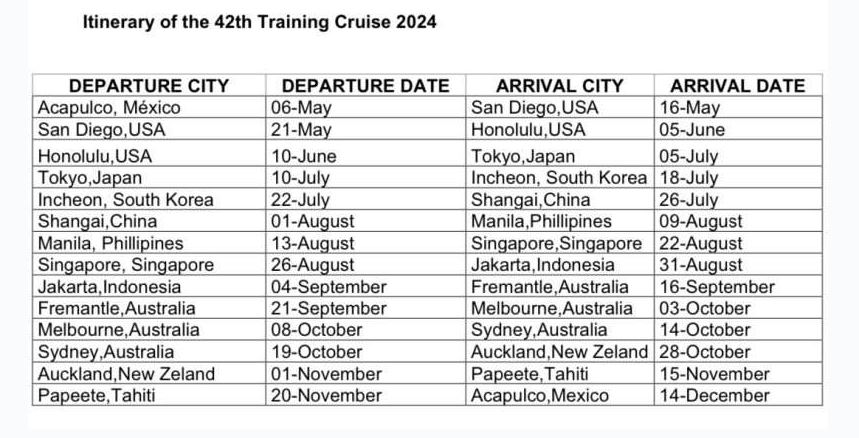
(As of August 2024) and since its commissioning, the ship and its crew of 261 has visited 228 ports in 73 countries, helping to train Mexican sailors and sharing the goodwill of the Mexican people.
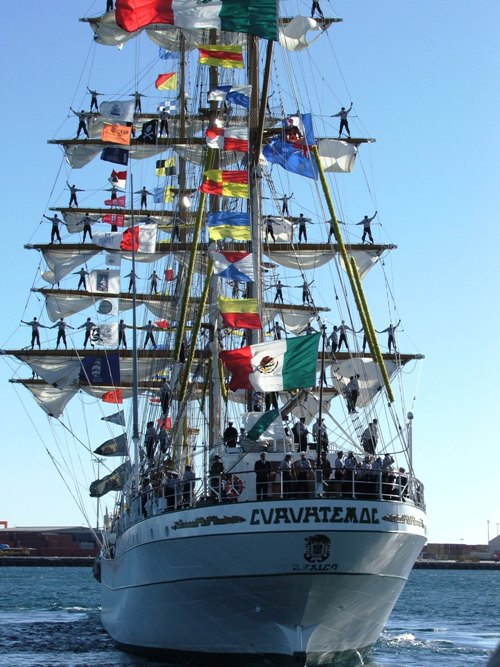
In naval terminology, a barque is classified as sailing vessel with three or more masts, the foremast and mainmast being square-rigged, the mizzenmast rigged fore and aft. In addition, ARM Cuauhtémoc is also equipped with a 1,125 hp (839 kW) diesel engine driving a single propeller shaft. This engine is used for navigation within enclosed harbours and busy sea lanes, capable of speeds up to 10 knots.
Cuauhtemoc the Man
Cuauhtémoc or Quauhtemoctzin (and a number of other spelling variations), whose name means “descending eagle” in the Nahuatl language, was the last Aztec Emperor to rule from the capital city of Tenochtitlan.
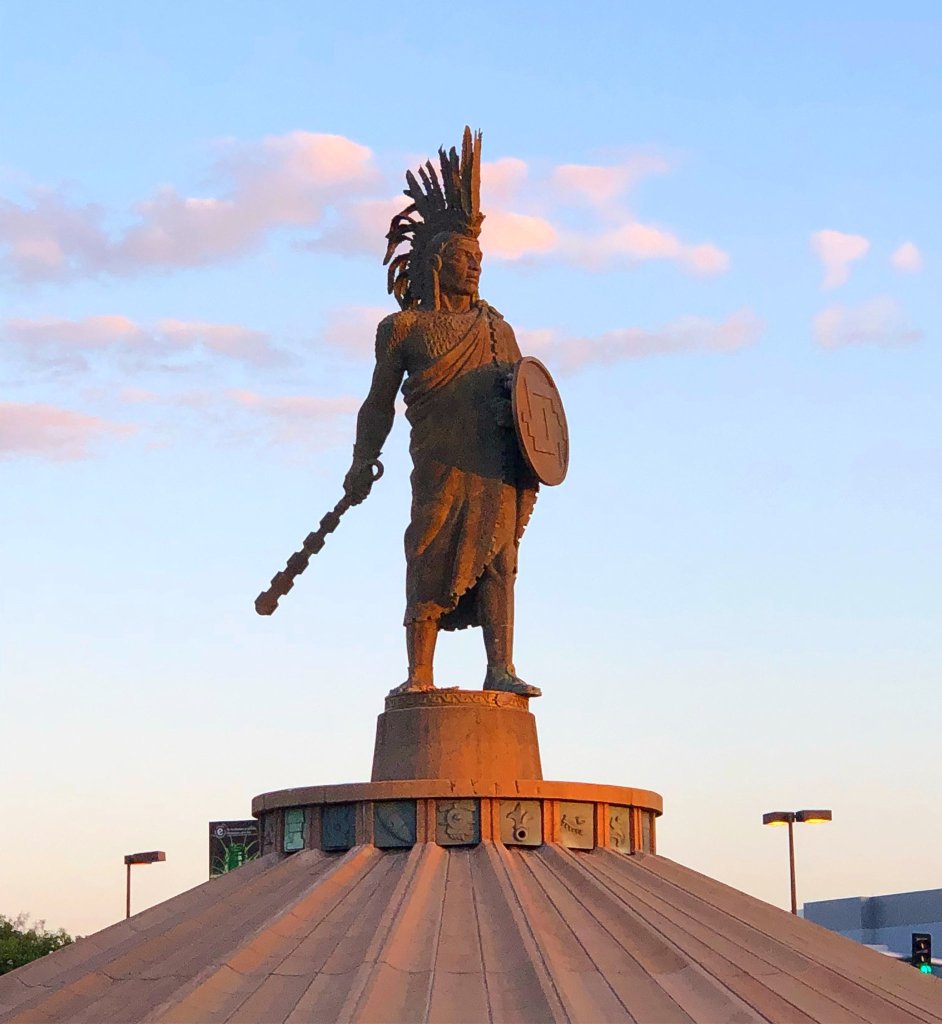
Other monuments to Cuauhtemoc

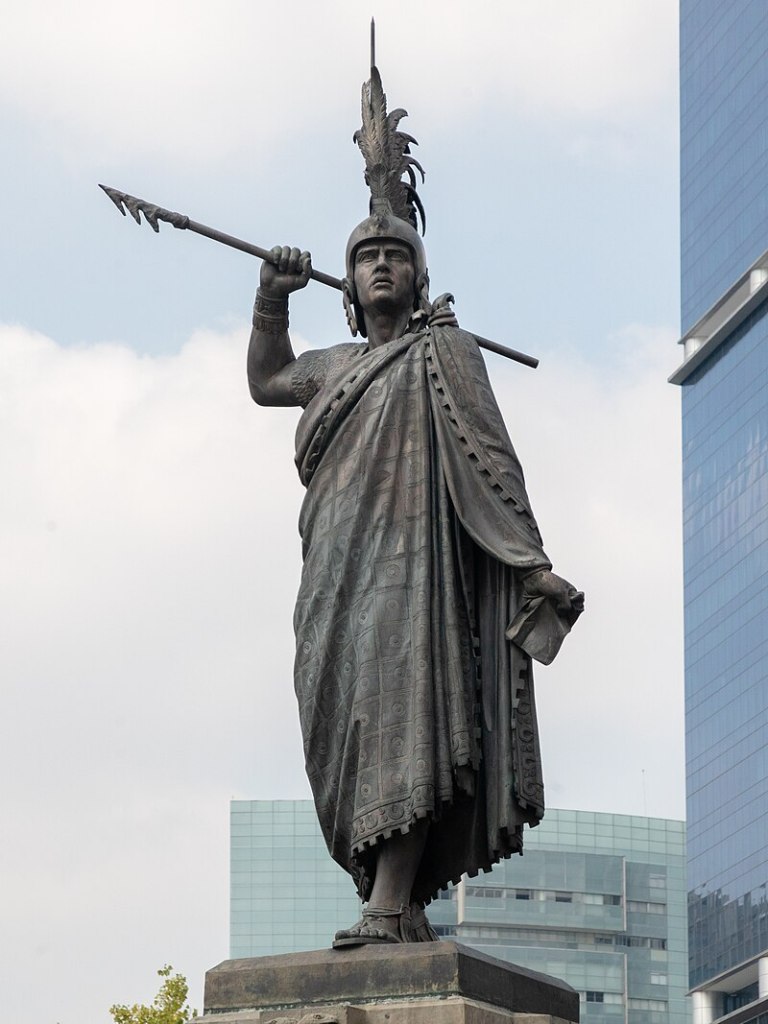
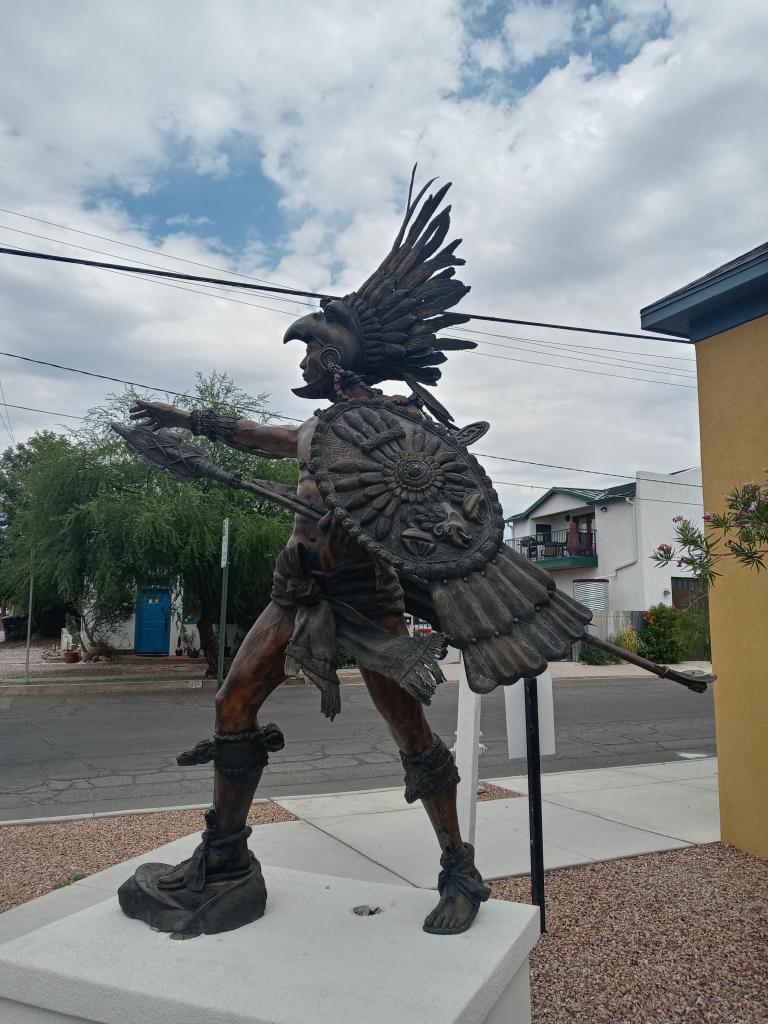
Cuauhtemoc the Legend
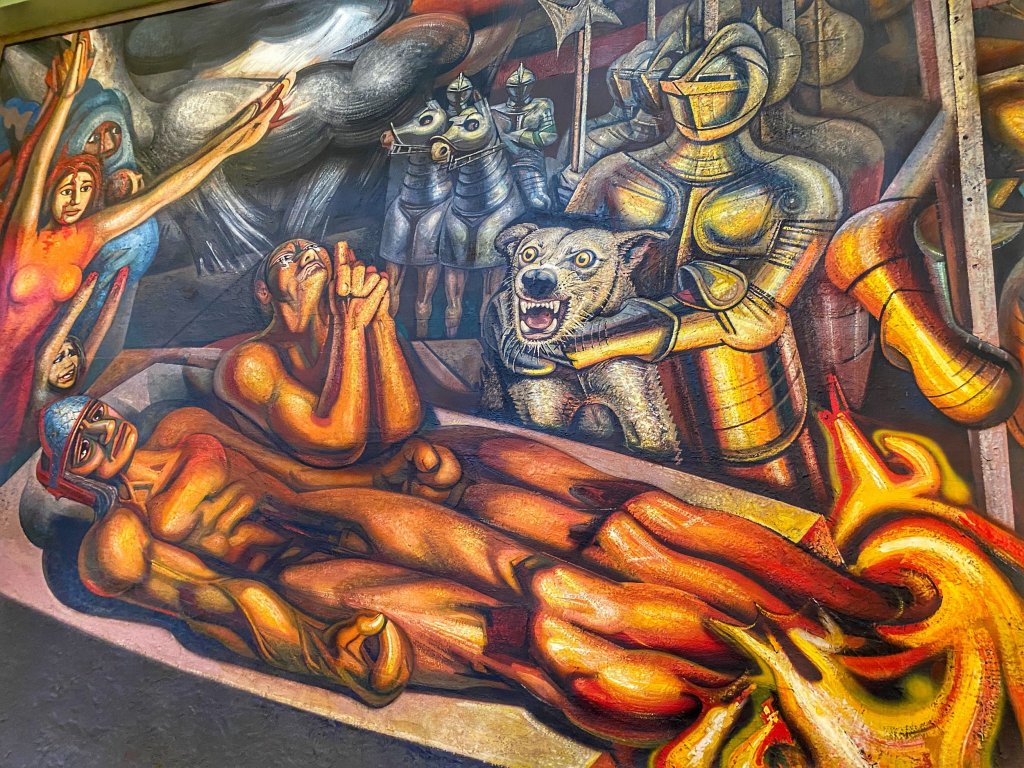
The vessels name honours the 11th (and last) Aztec Huey Tlatoani (1) Cuauhtémoc, who rose to power at the age of 18 (2) in 1520 after the death of his predecessor Cuitláhuac and reigned during the period of 1521 – 1525. This was during the time of the great depredations of the Spanish under the lead of Hernán Cortés. After the fall of Tenochtitlan to the Spaniards Cuauhtemoc continued to be a symbol of resistance for the Mexica people. Cuauhtémoc was captured by Cortés who, in the quest for gold, ordered his treasurer Julián de Alderete to torture Cuauhtemoc and his two associates, Tetlepanquetzal, the Tepanec tlatoani of Tlacopan (Tacuba), and his counselor Tlacotzin, by bathing their hands and feet in oil and placing it over a fire. Cuauhtemocs stoicism and refusal to give in resulted in little being gained.
- Huey Tlatoani = Great Speaker (Huey “great, lofty” and Tlatoani : ruler “one who speaks”) often translated to as “Emperor”
- or possibly at the age of 20. There are differing opinions on his birth date (Gillingham 2011)
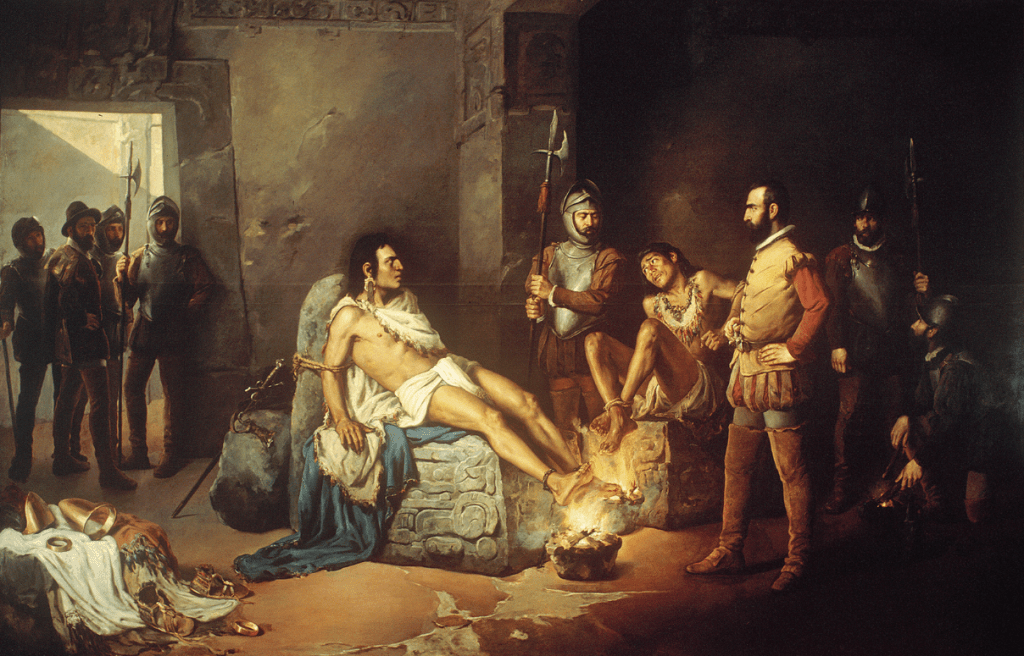

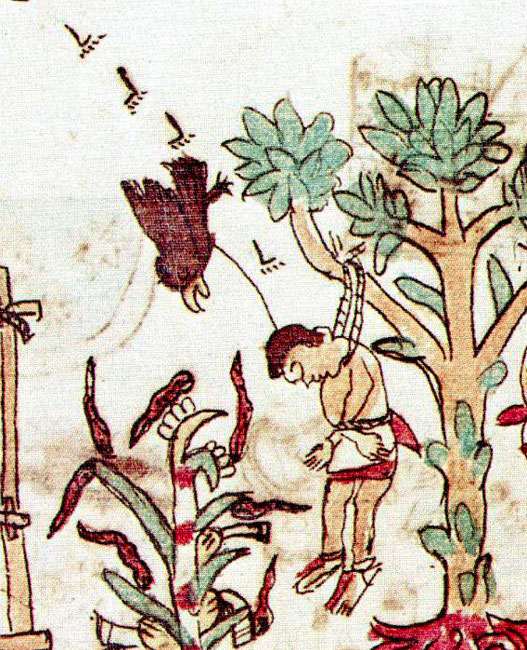
Captured on August 13, 1521, Cuauhtemoc was held captive by the Spanish for three and a half years. In 1524 one of Cortés’ men, Cristobal de Olid, who had been sent to conquer Honduras, rebelled against Cortés. So Cortés went to put down the rebellion. He needed to take Cuauhtemoc with him because if he had left him behind, Cortés feared he might rebel. During this journey Cuauhtemoc was accused of planning an uprising to overthrow Cortés and he was executed by hanging on February 28, 1525 (1).
- Somewher near a Mayan village in the state of Campeche (today an archeological site called El Tigre) or perhaps just over the border in Guatemala

An old church in the town Ixcateopan in the state of Guerrero, which has since been converted to a museum, claims to be Cuauhtemoc’s final resting place (1) (and also claims to have interred within the bones of Cuauhtemoc himself)(Quiroz Cuarón 2002).
- and claims are also made that he was born here
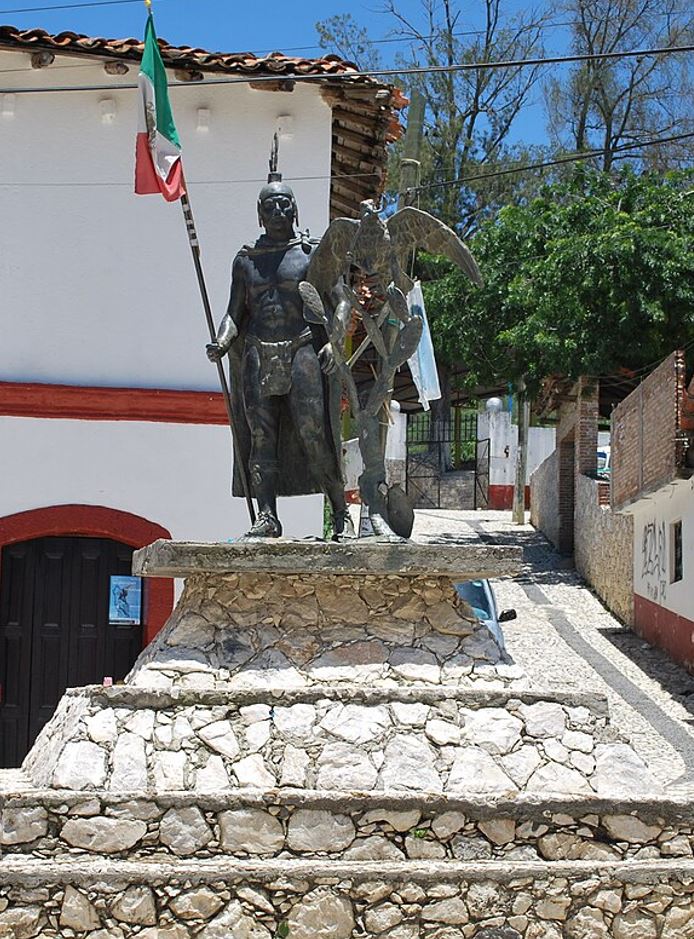
For his bravery, heroism, and sacrifice Cuauhtémoc has become a symbol of Mexican nationalism.
Cuauhtémoc is celebrated in the modern day through various means such as arts, music, banknotes, metro stations, and notably the ship ARM Cuauhtémoc. Cuauhtémoc is also one of the few non-Spanish given names for Mexican boys that is perennially popular.
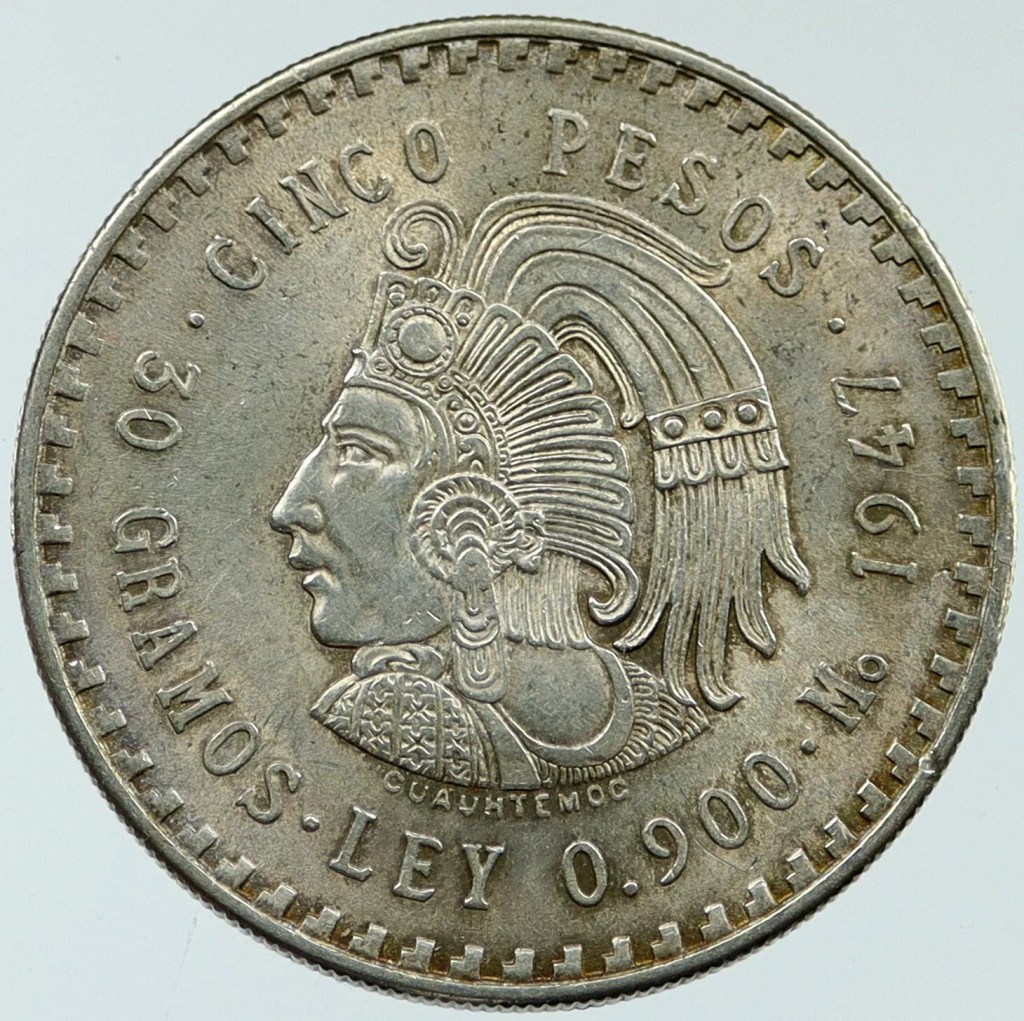
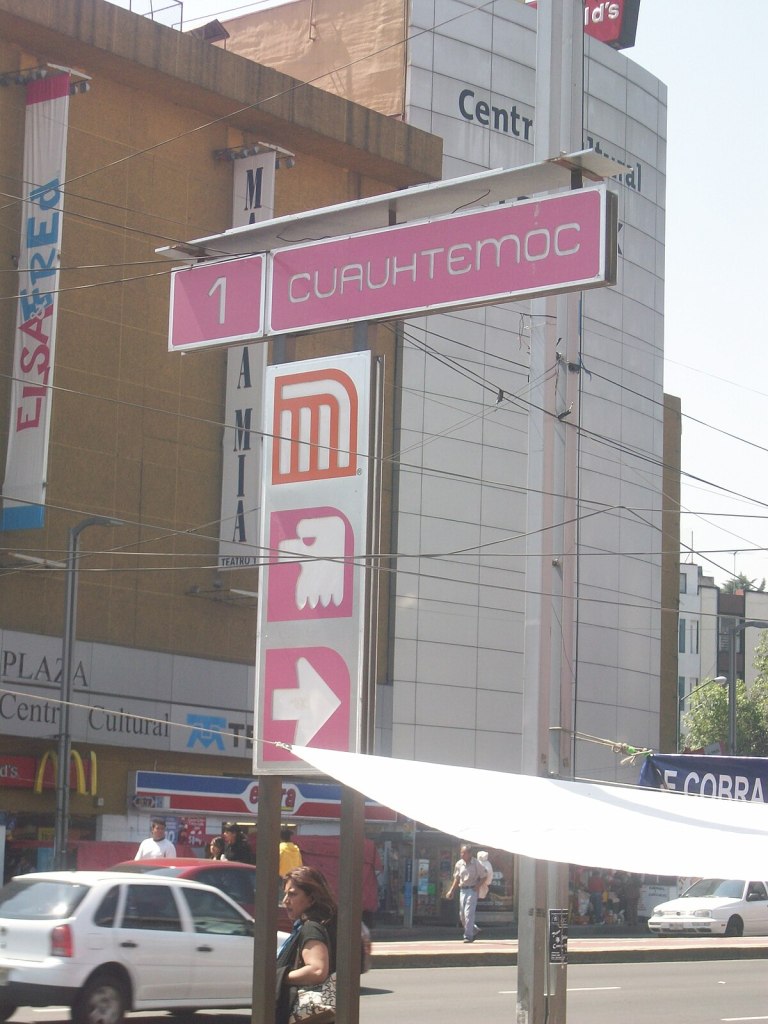
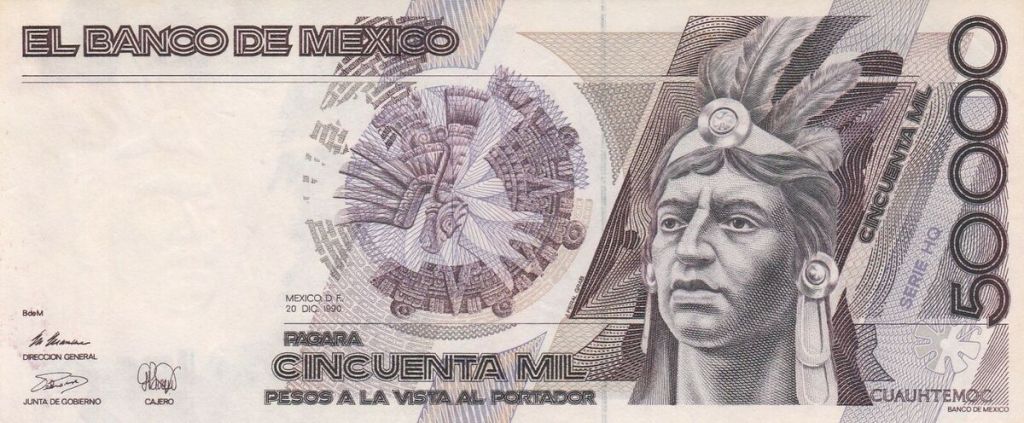
Every time I see this image it reminds me of…….
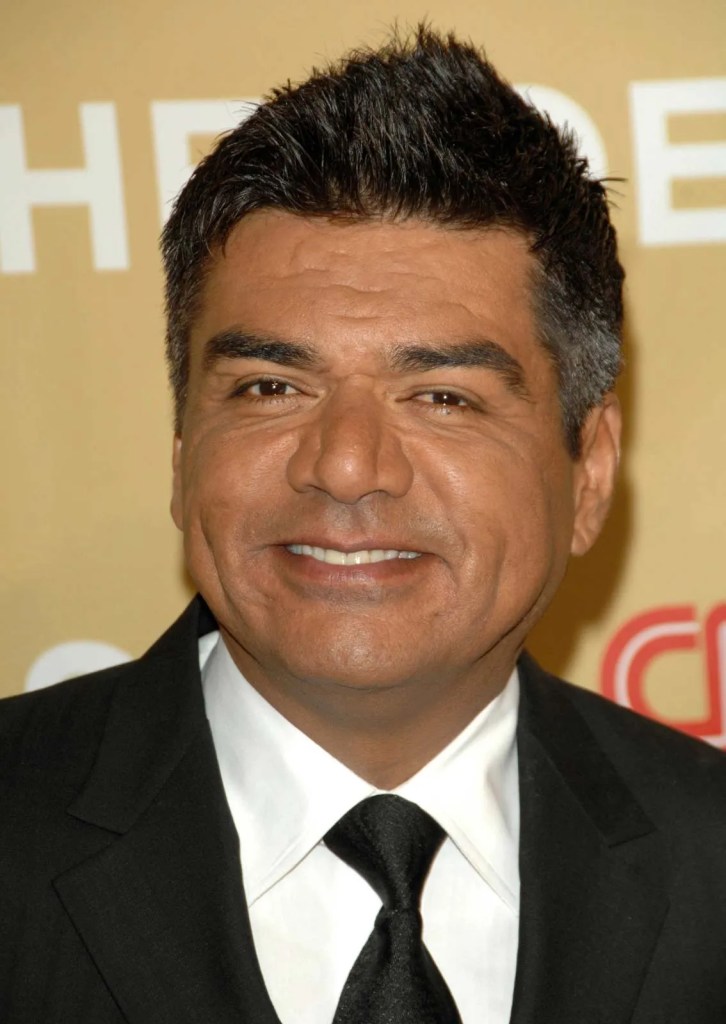
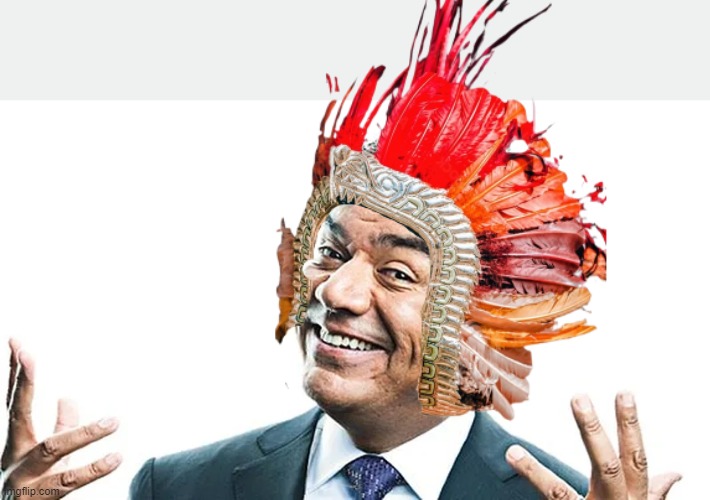
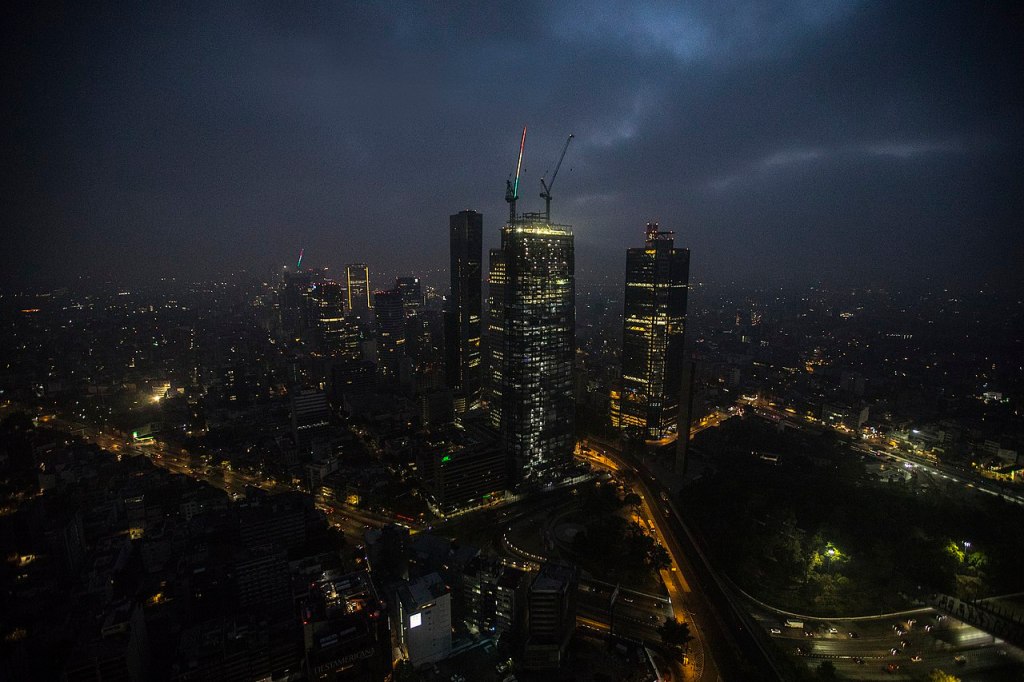
Cuauhtemoc borough in the CDMX. It appears that his spirit still lays close to the heart of Tenochtitlan.
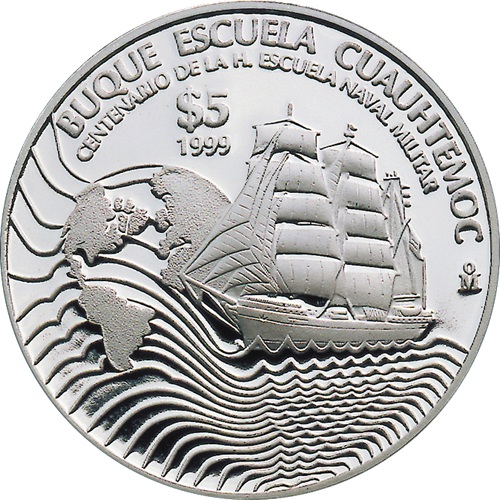
On July 1, 1997, the first centenary (1) of the opening of the Heroica Escuela Naval Militar (Heroic Naval Military School) was celebrated and a coin was minted featuring the ARM Cuauhtémoc to commemorate the event.
- 100th year celebration
The Figurehead of the Cuauhtemoc
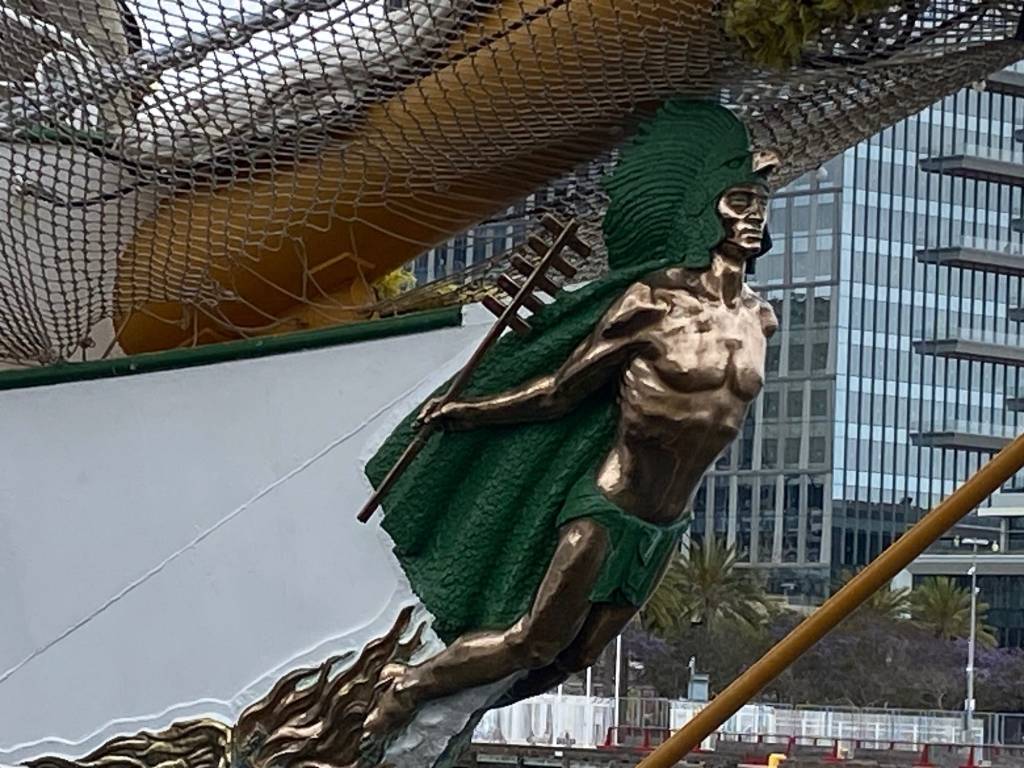
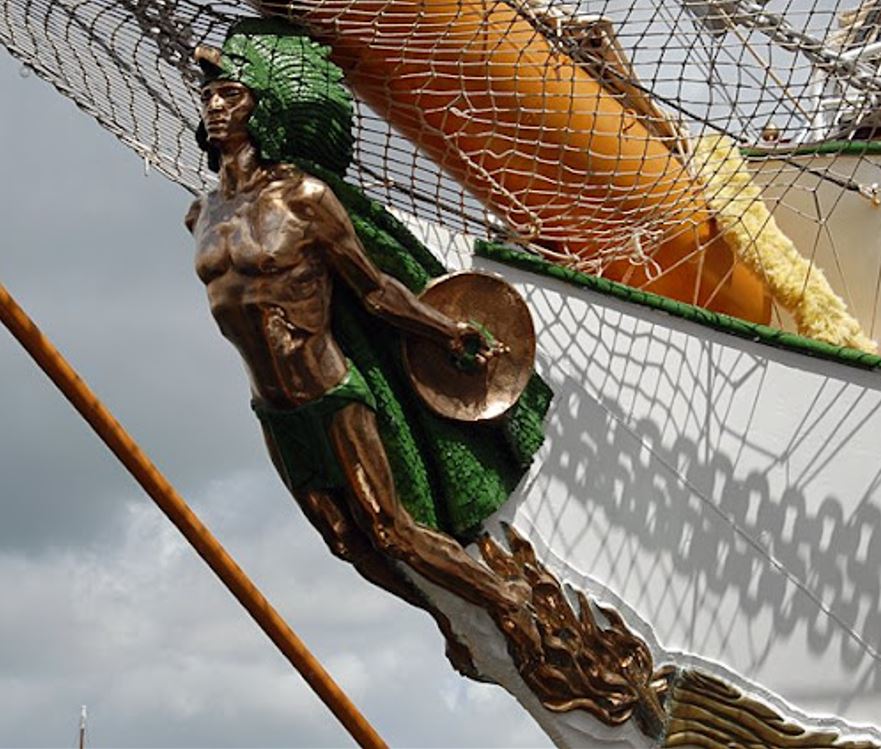
Figureheads are carved figures mounted on the bow (front end) of ships. They were originally believed to have protective powers being able to placate the gods of the sea and ensure a safe voyage. A figurehead is also a symbol of a ship’s identity, its historical background and cultural heritage. A practical purpose is that it may also help the illiterate to identify the ship.
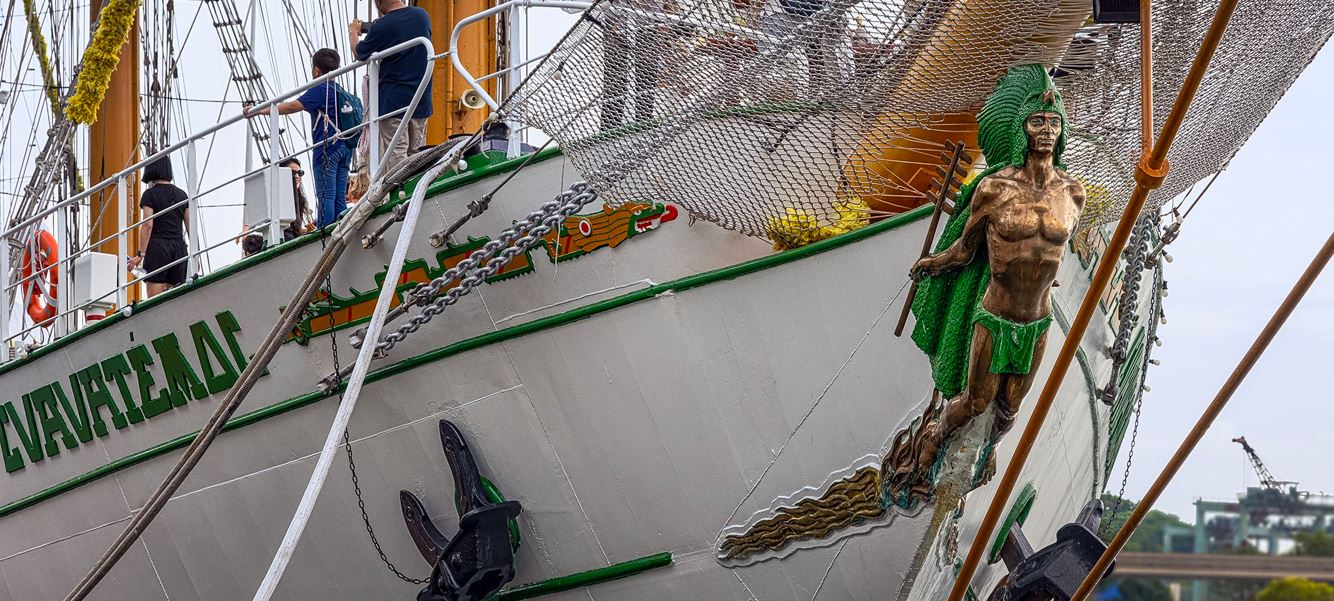
The figurehead of the ARM Cuauhtémoc is a representation of Cuauhtémoc himself, portrayed in traditional Aztec attire. The figurehead embodies the spirit of resilience and leadership associated with Cuauhtémoc and, like any Tlatoani worth his salt, he is arrayed for battle.
The Crest of the Cuauhtemoc
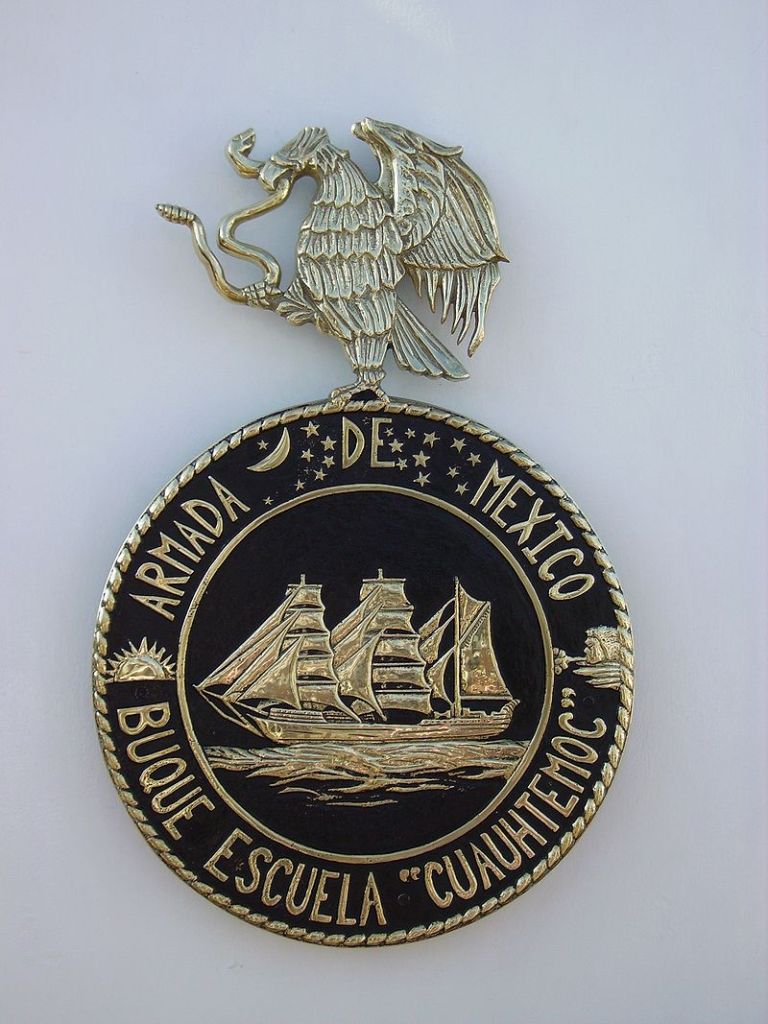
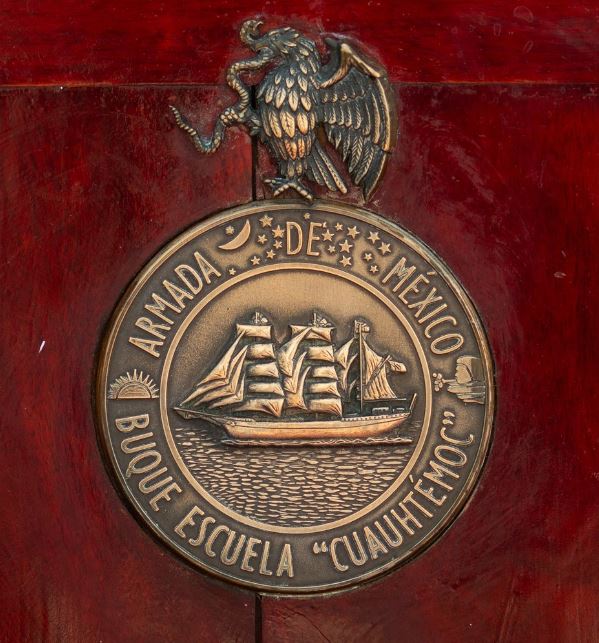
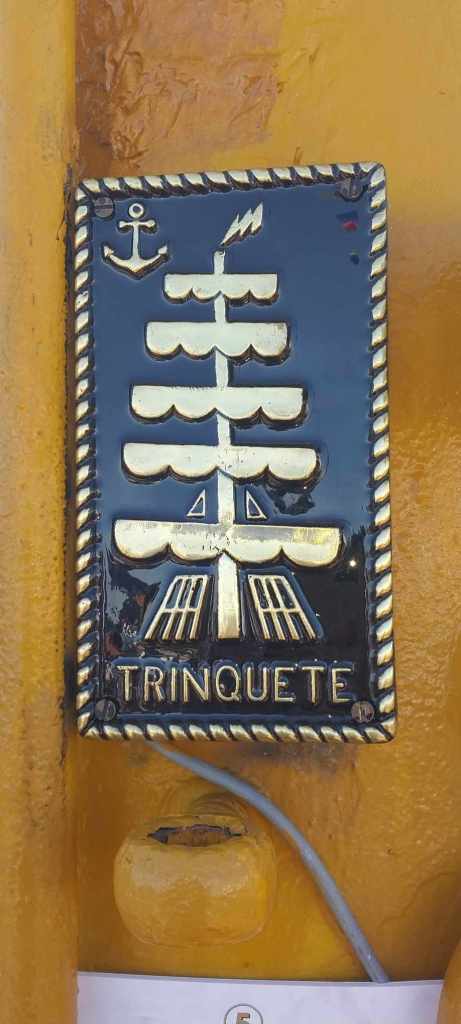
The body of the shield is made up of two concentric circles: the exterior, like a cord of abaca, suggests the ship’s rigging. Abaca fibre is the strongest of all natural fibres. Native to the Philippines, it is known in the Western world as Manila or Hemp Rope.

In the centre of the crest is the silhouette of the fully rigged Cuauhtémoc viewed from its port side sailing to the west, driven by the wind, and represents her first trip to Mexico from Spain.
The two inscriptions on the crest read “Armada de México” (Mexican Navy) on the top, and “Buque Escuela Cuauhtémoc” (Cuauhtémoc School Ship).
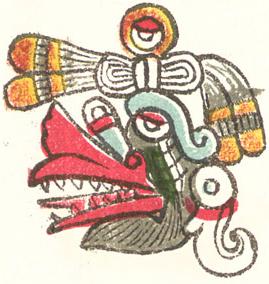
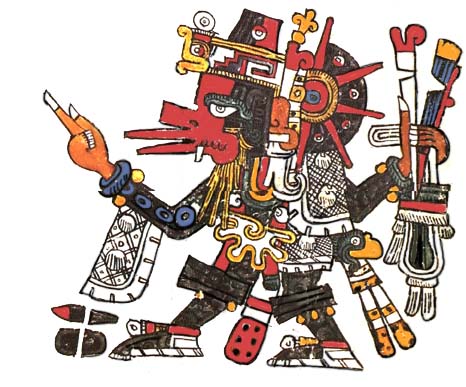
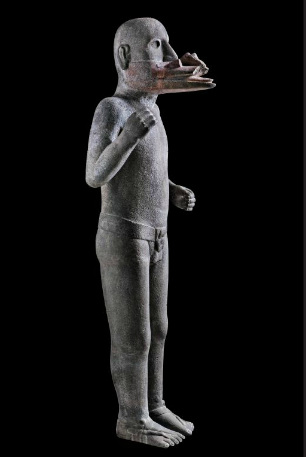
Located centrally between these two inscriptions we find the figure of the wind god Ehécatl on the eastern side, who with his breath propels the ship to the west.
Ehecatl was a Mesoamerican god of air and winds, especially rain bringing wind, and the breath of life. Regarded as a manifestation of the great feathered serpent god Quetzalcoatl, he was sometimes known as Quetzalcoatl-Ehecatl (Taube 2015). In Aztec art, Ehecatl’s portrayal varied, reflecting his dual nature as both a benevolent creator and an unpredictable force. Often seen wearing a conical hat his most iconic feature was a duck-billed mask with a wide-open mouth, symbolizing the rush of wind. Shells adorned his wrists and ankles, mimicking the rhythmic murmur of the ocean breeze, while a red, forked tongue flickered out, tasting the currents of the air.
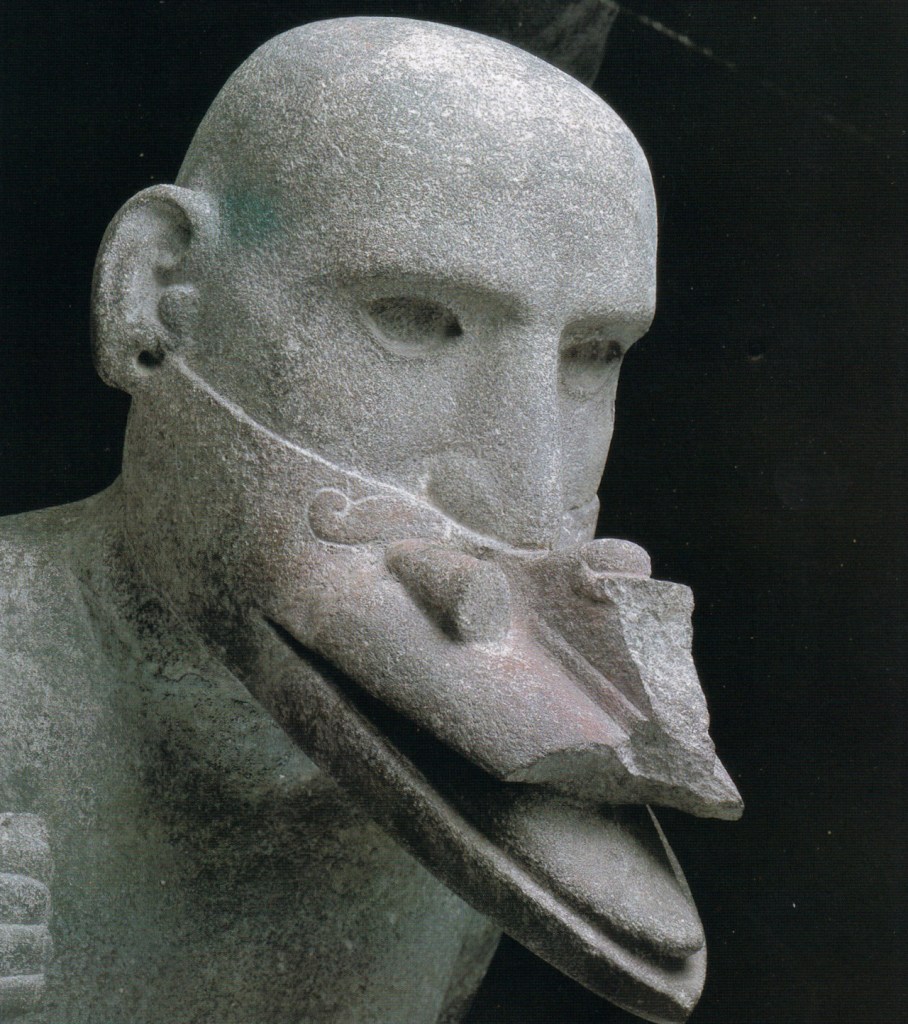
At the West appears the Sun of the evening twilight; at the north point, interspersed in the inscription, are depicted the sidereal stars (1) that make constant knowledge of their position possible.
- Sidereal time is a time scale that is based on Earth’s rate of rotation measured relative to the fixed stars. One sidereal day is the time it takes for a star in the sky to come back to the same place in the sky.
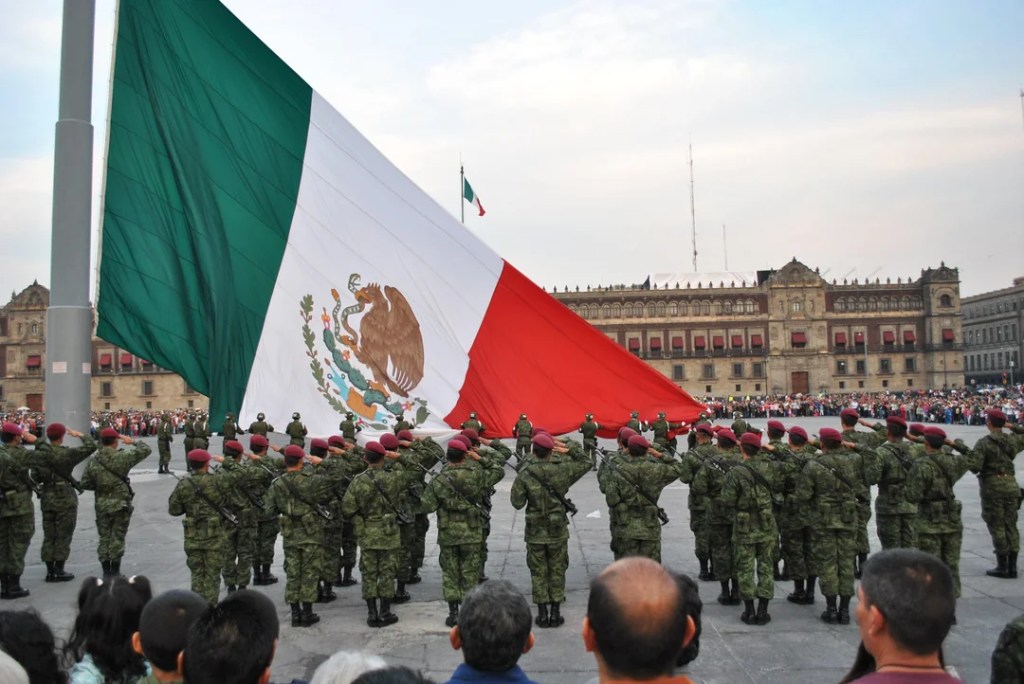
At the apex of the crest can be found the archetypical symbol of México being that of the eagle devouring the snake. This symbol was a prophetic sign for the Mexica people and the foundation of their city (Cuauhtemocs city) Tenochtitlan. This symbol can be found on the Mexican coat of arms and is located centrally in Mexico’s flag.
What is a Tallship?
A tall ship is not actually any specific kind of vessel, but a modern term that refers to large traditionally rigged sailing ships.
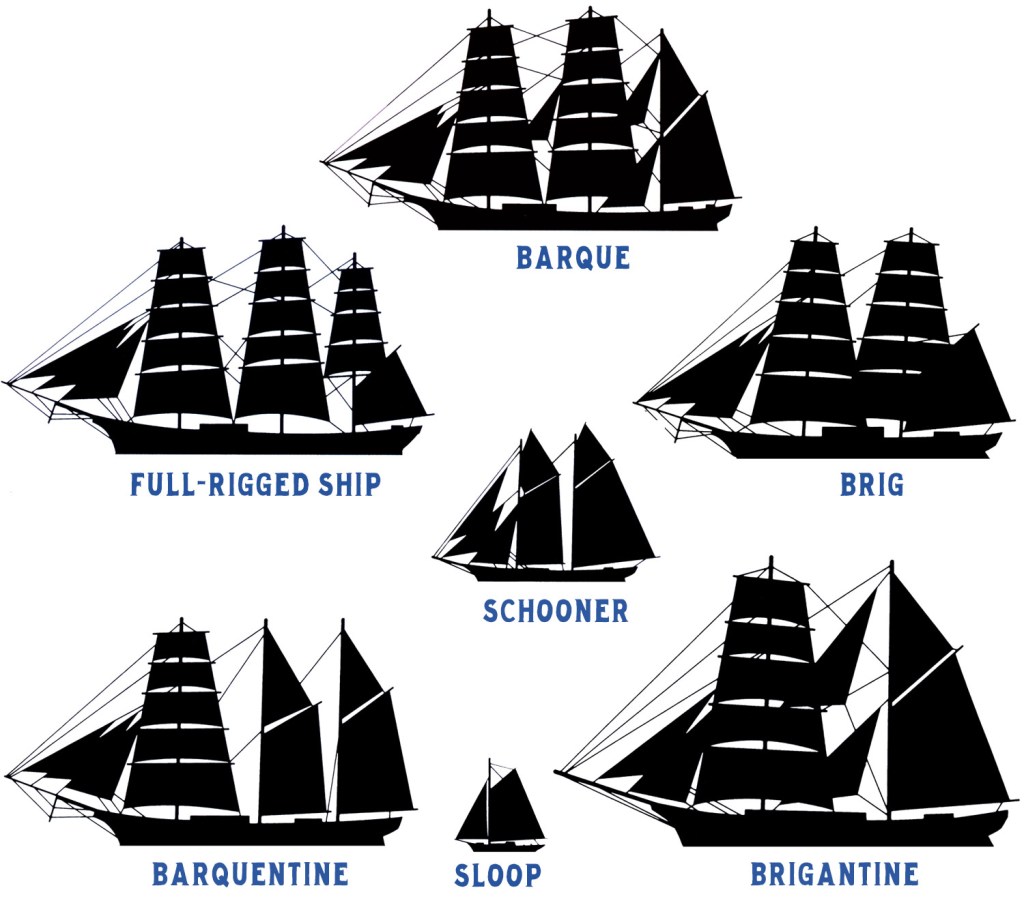
Sail Training International lists four classes of such vessels:
Class A : All square – all square-rigged vessels (barque, barquentine, brig, brigantine or ship rigged) with a length of hull (LOA) (1) of over 24 metres and all other vessel more than 40 metres LOA, regardless of rig.
- Length Overall (LOA): Linear measurement of a vessel from bow (the front end) to stern (the back end).
Class B : Traditionally rigged vessels (ie gaff rigged sloops, ketches, yawls and schooners) with an LOA of less than 40 metres and with a waterline length (LWL)(1) of at least 9.14 metres.
- A vessel’s length at the waterline (abbreviated to L.W.L) is the length of a ship or boat at the level where it sits in the water (the waterline). The LWL will be shorter than the length of the boat overall (length overall or LOA) as most boats have bows and stern protrusions that make the LOA greater than the LWL.
Class C : Modern rigged vessels (i.e Bermudan rigged sloops, ketches, yawls and schooners) with an LOA of less than 40 metres and with a waterline length (LWL) of at least 9.14 metres not carrying spinnaker-like sails.
Class D : Modern rigged vessels (i.e Bermudan rigged sloops, ketches, yawls and schooners) with an LOA of less than 40 metres and with a waterline length (LWL) of at least 9.14 metres carrying spinnaker-like sails.
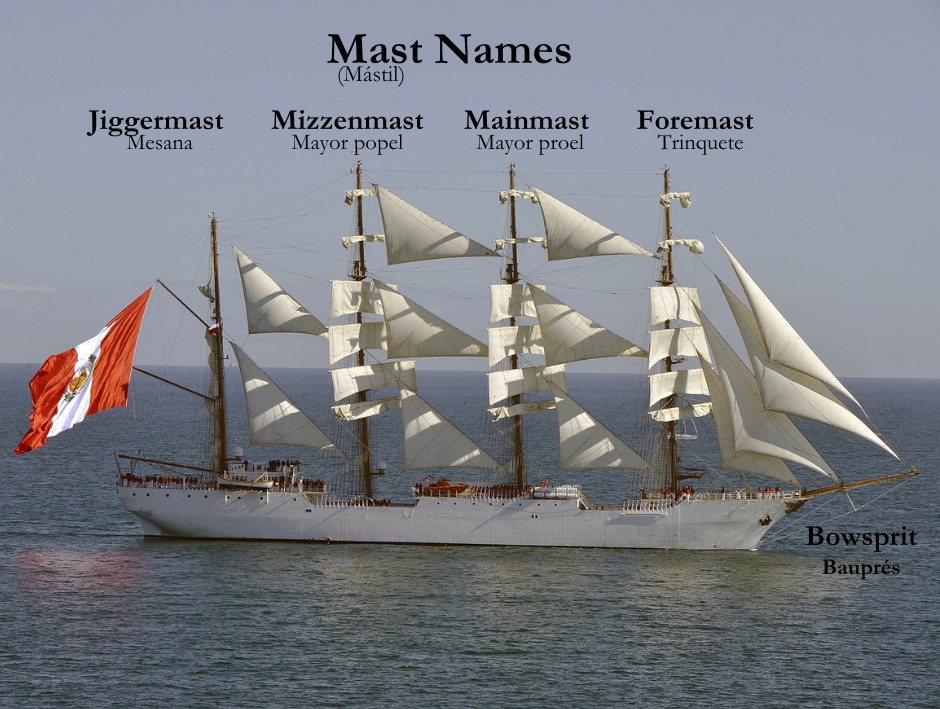
The masts, rigging and sails and their configurations can be quite convoluted and one can easily see how sailing such a ship is an expert occupation.
In my time I have been fortunate enough to step foot on some fairly unique sailing vessels
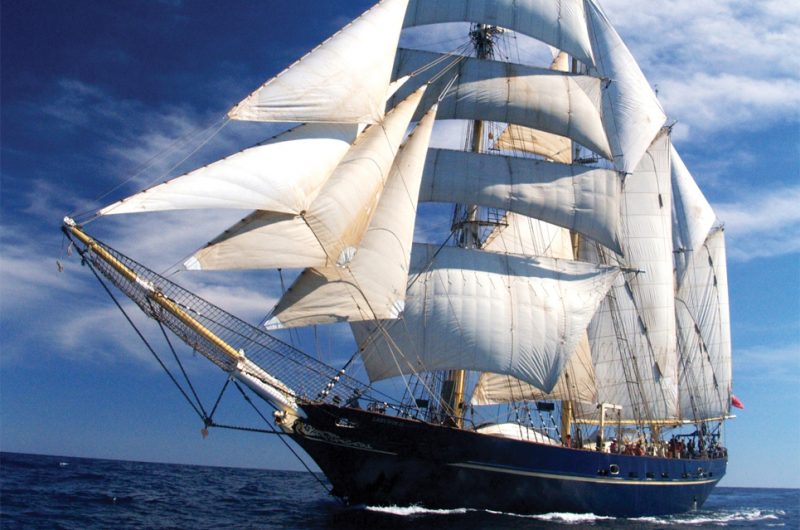
The STS Leeuwin II is a tall ship based in Fremantle, Western Australia used for sail training for youths. The Leeuwin is a three-masted barquentine and is Australia’s largest sail training ship. It was built to a design by local naval architect Len Randell by Australian Shipbuilding Industries Pty Ltd and launched on 2 August 1986.
The ship’s overall length is 55 metres and its beam 9 metres. The hull is welded steel with a teak deck. The main mast is 33 metres tall and, when fully rigged, the ship carries over 810 square metres of sails. A full crew consists of 55 people, consisting of 5 permanent crew, up to 10 volunteers (including four watch leaders, a bosun’s mate, cook’s mate and purser), and 40 trainees.
***UPDATE***
During the initial drafts of this Post a tragedy (although not one causing loss of life thankfully has occurred)
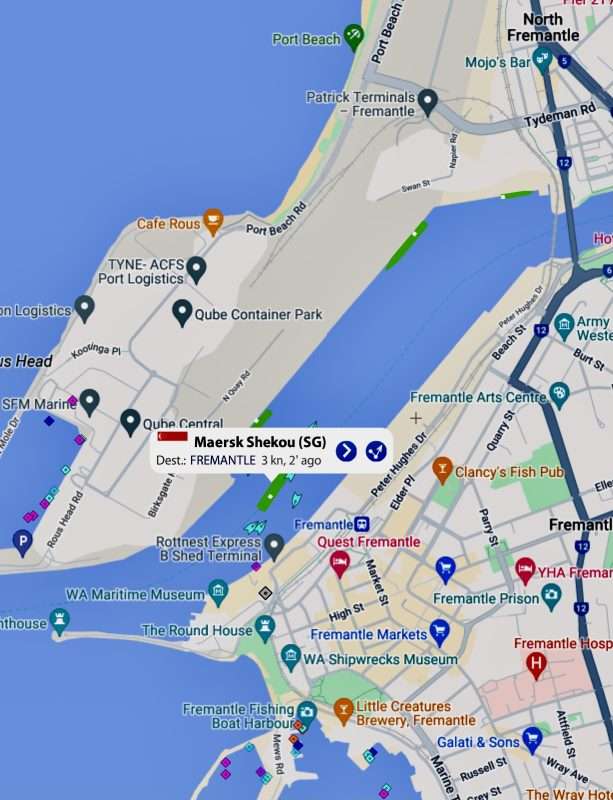
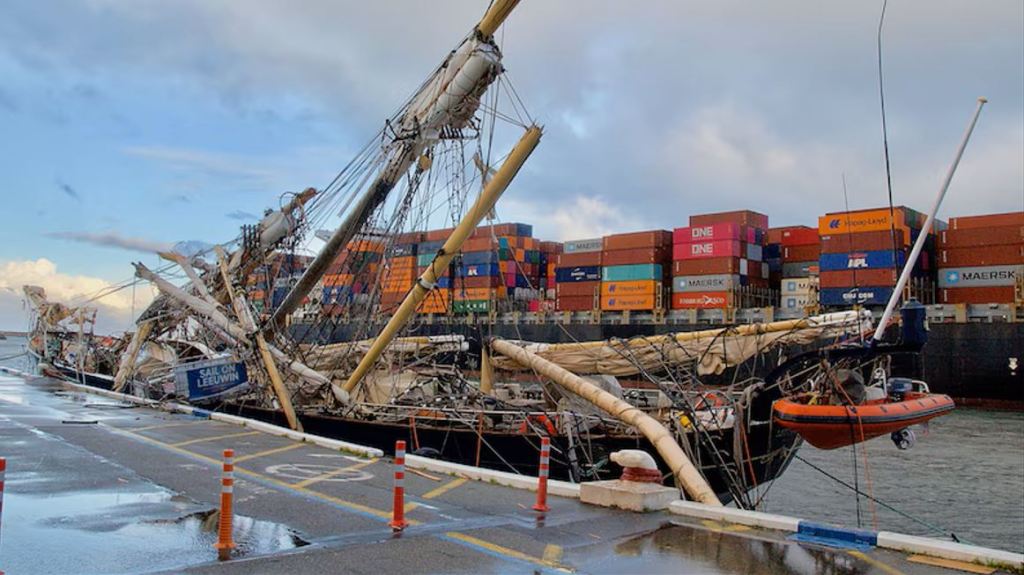
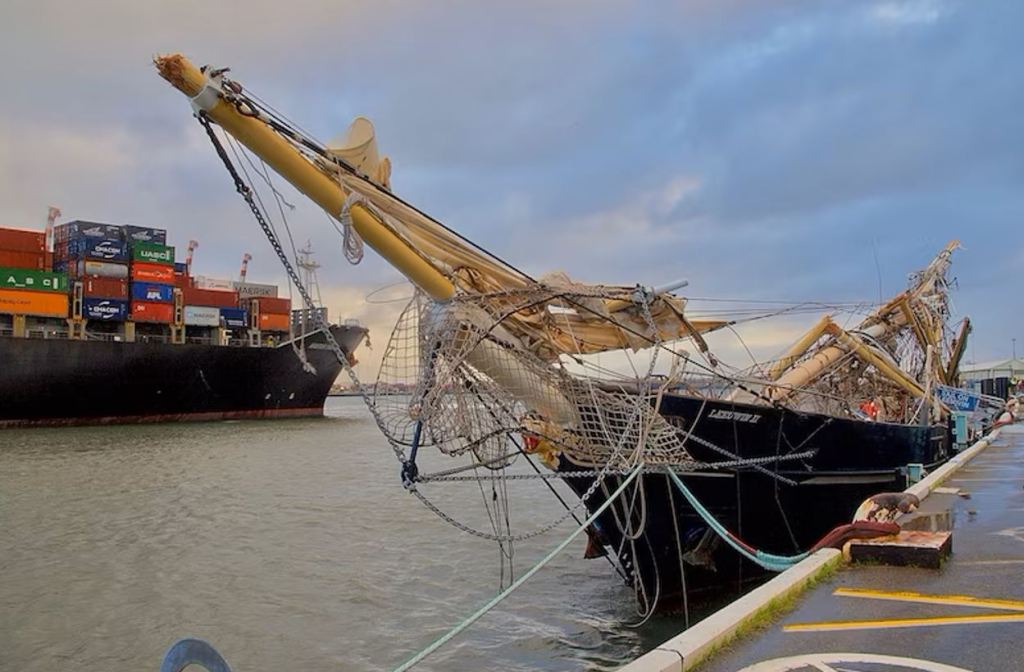
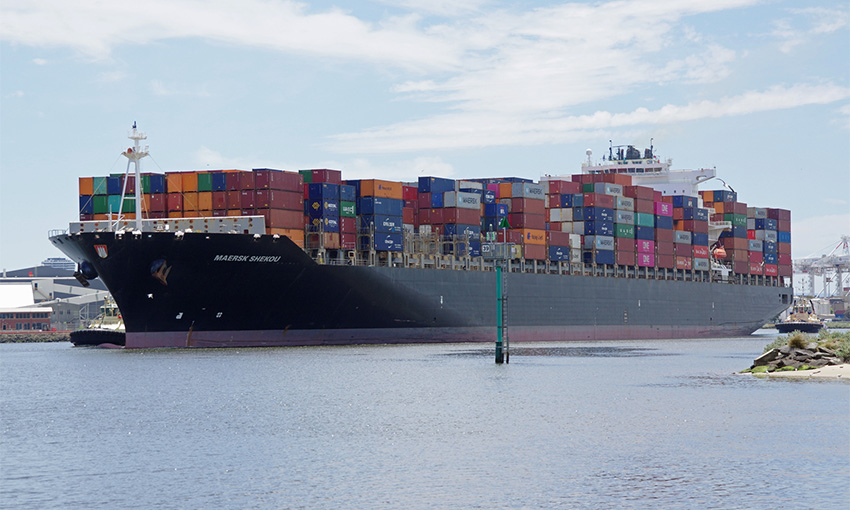
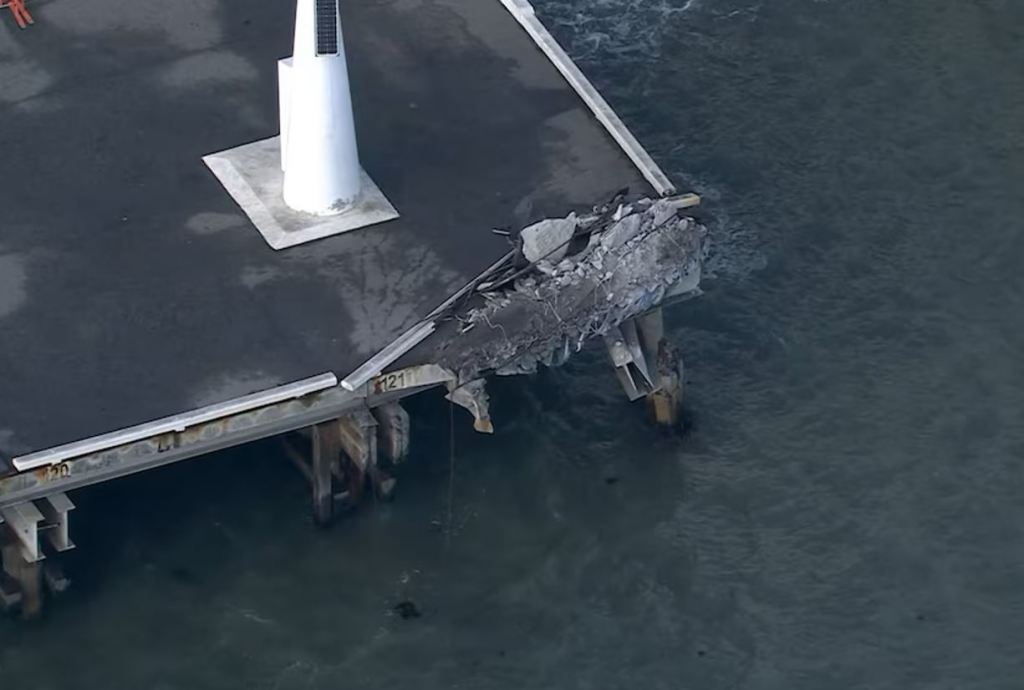
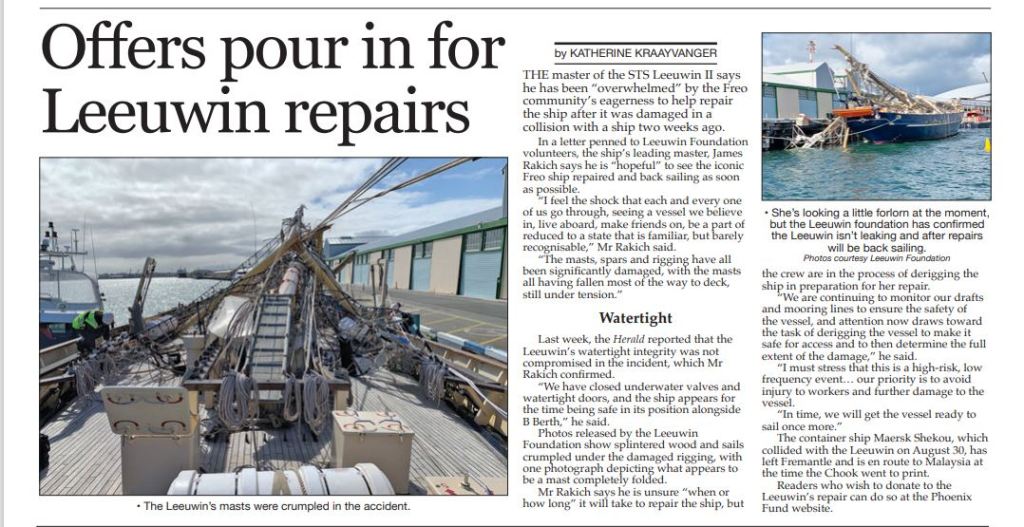
At about 6.15 on the morning of 30th August 2024, the Maersk Shekou, a large 332 metre, Singapore flagged container ship entering Fremantle’s inner harbour after a journey from Adelaide, struck and demasted the Leeuwin 2 Training Vessel berthed at Victoria Quay, injuring at least one crew member on overnight watch on the Leeuwin, and hitting the nearby WA Maritime Museum.
The Damaged Leeuwin
The large container ship, Maersk Shekou
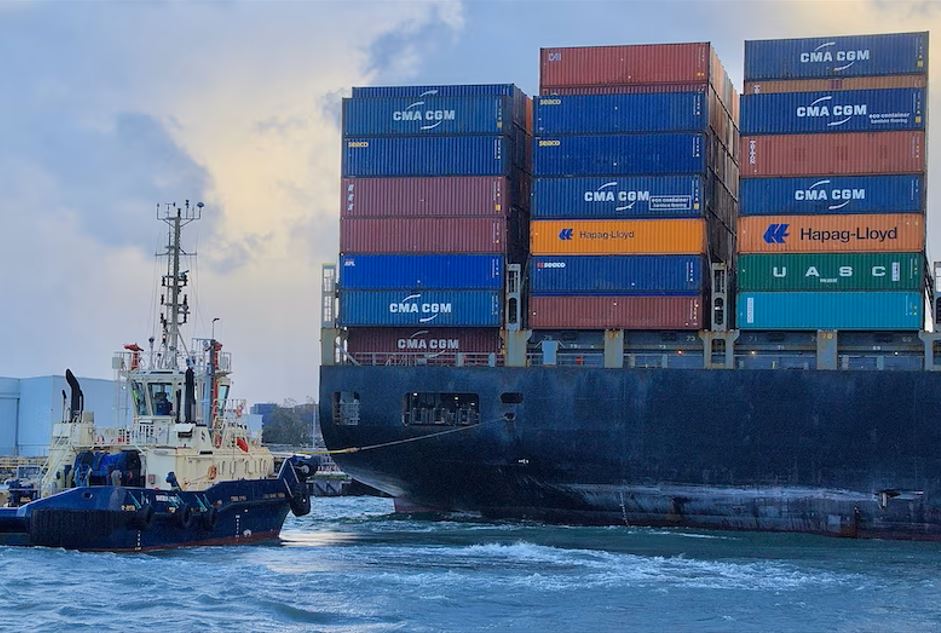
Damage to the container ship
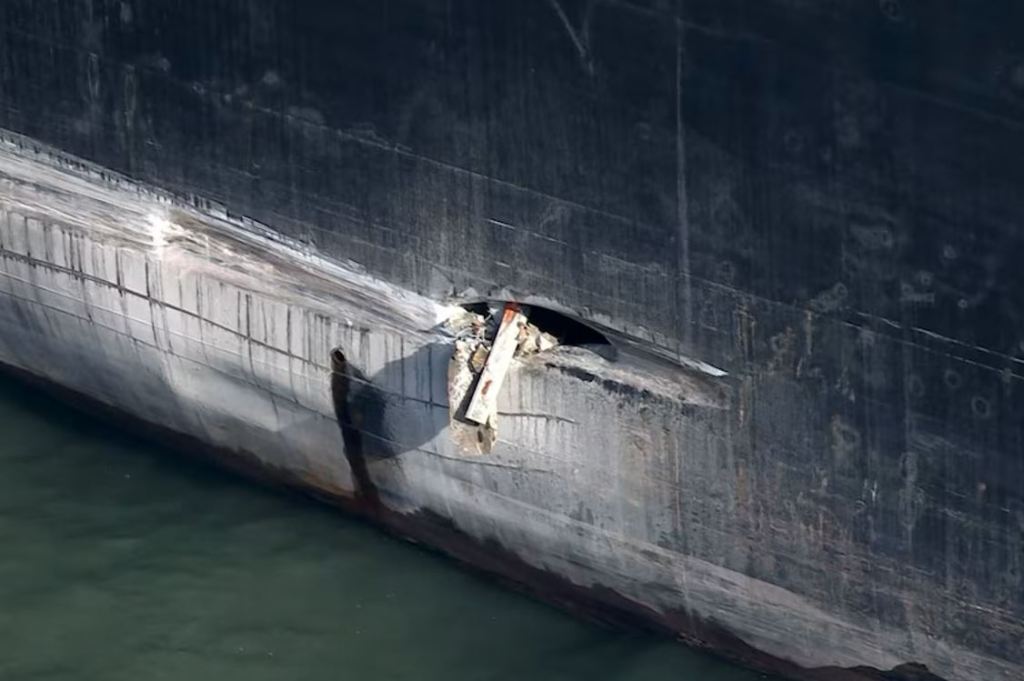

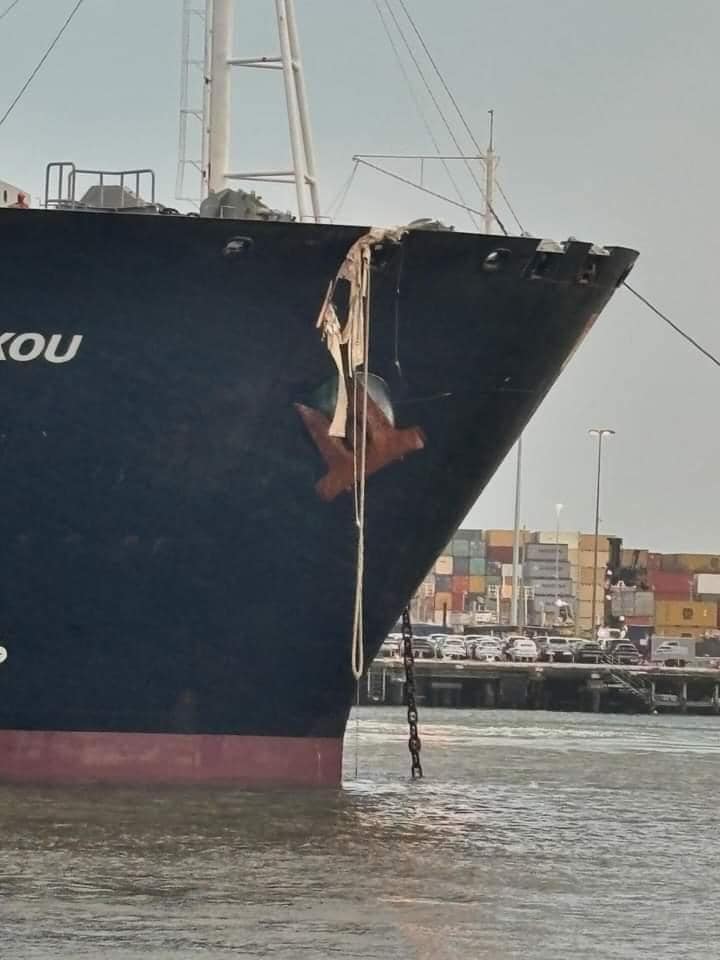
Just how the allision (1) occurred, with 2 pilots on board the Maersk Shekou and 4 tugs attending her, is not yet known. It is thought that inclement weather conditions including strong wind gusts contributed to the incident. The bow of the Maersk struck the Leeuwin and its stern hit a berth and the edge of the roof of the dockside Maritime Museum.
- In a collision, two moving objects strike each other; for example, two passing ships. An allision, however, involves an accident where only one of the objects is moving. For instance, this maritime term can refer to an accident where a moving boat runs into a stationary object (in this case a berthed ship)

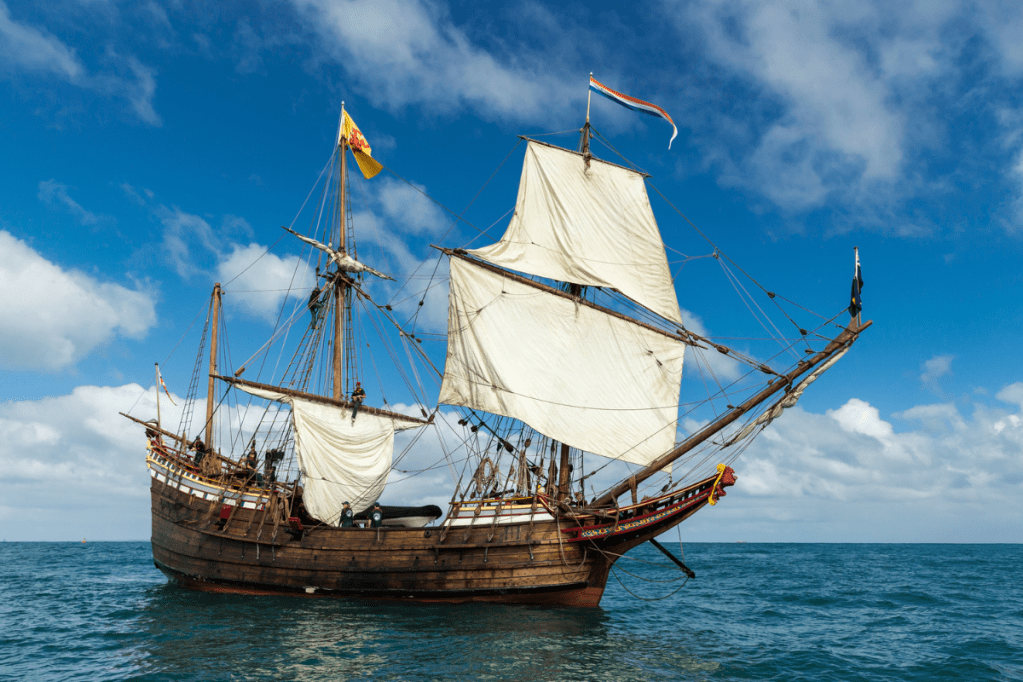
The original Duyfken (Dutch for “Little Dove”) was a small ship built in the Dutch Republic. She was a fast, lightly armed ship probably intended for shallow water, small valuable cargoes, bringing messages, sending provisions, or privateering. In 1606, during a voyage of discovery from Bantam, Java, captained by Willem Janszoon, she encountered the Australian mainland and is credited with the first authenticated European landing on Australia. In 1608, the ship was damaged beyond repair. The ship seen here (also called the Duyfken) was built by the Duyfken 1606 Replica Foundation, jointly with the Maritime Museum of Western Australia, and launched on 24 January 1999 in Fremantle.
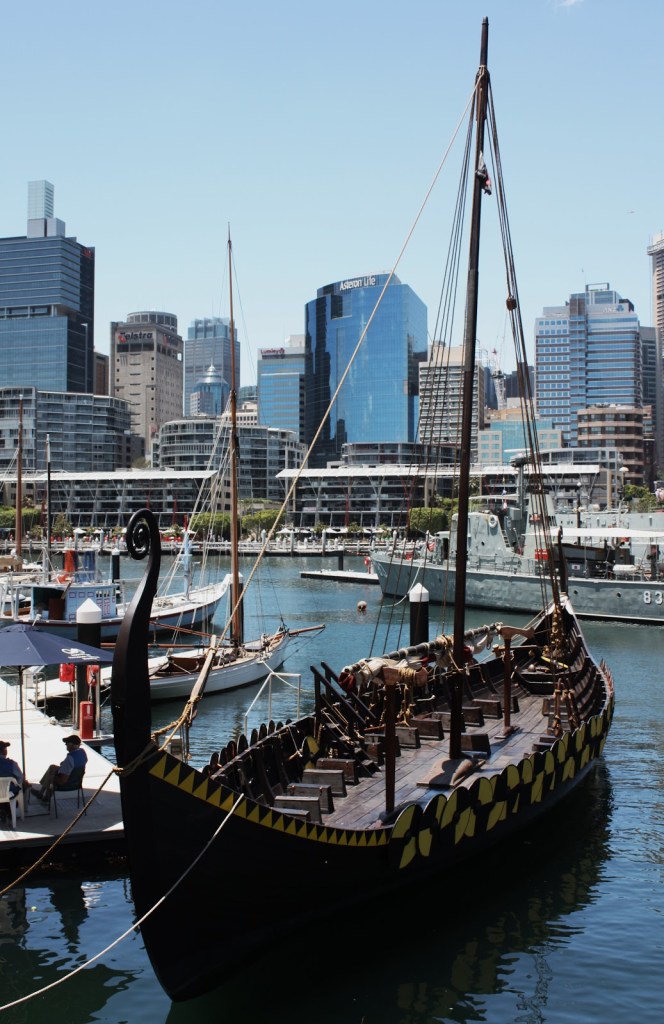
The Jorgen Jorgensen was was built and launched in Perth, Australia in 1987 as a reconstruction of the 9th century Gokstad Viking ship. The ship was named after the Danish adventurer Jorgen Jorgenson (1780-1841) who was transported as a convict to Tasmania and led a colourful life in colonial Australia in the early 1800s.
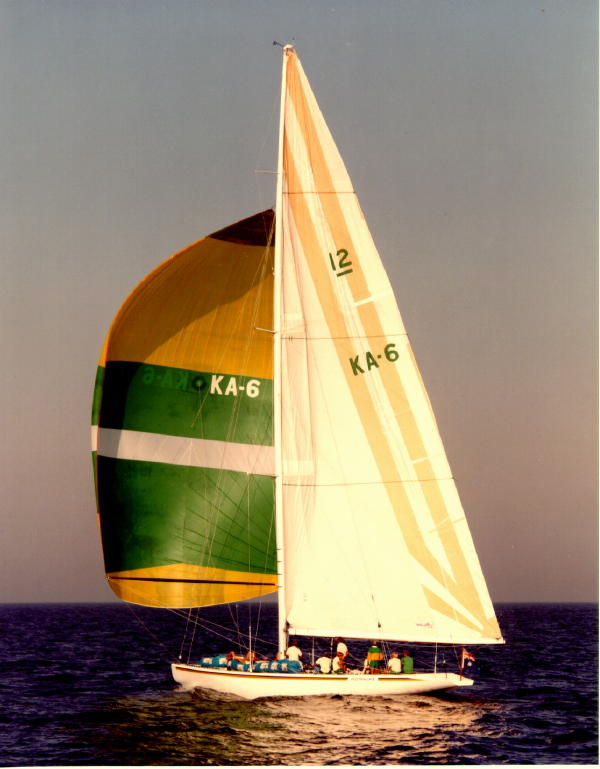
Australia II is a 12 metre yacht that was built for the 25th America’s Cup in 1983. She competed and defeated the American yacht, ‘Liberty’, in a series of seven races after fighting its way back from being behind 3 to 1 to win by a margin of only one race, triumphing at 4 to 3. It was the first time in 132 years that this trophy had been taken away from the New York Yacht Club. I was able to walk the decks of this yacht after its triumphal return to Perth.
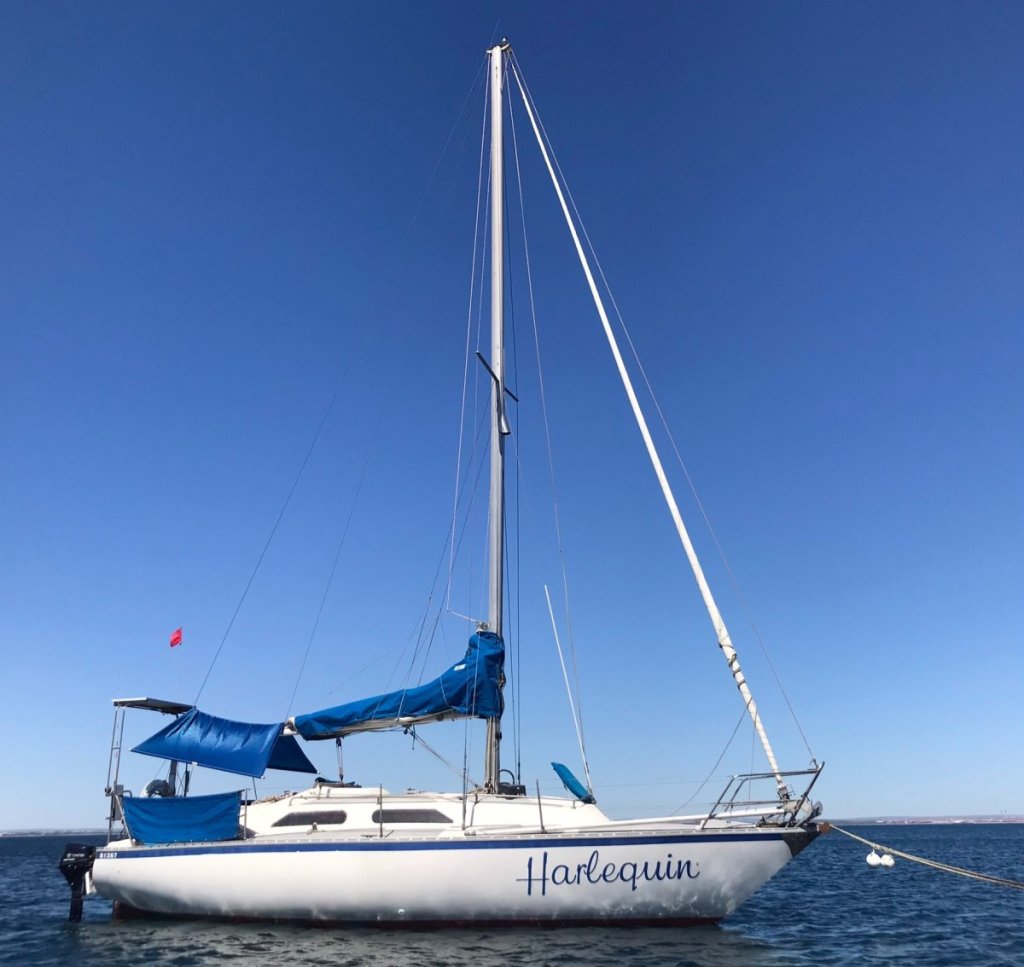
Another sail powered (rather than those designated as “stink boats”) vessel that I spent some time living on was a monohull Viking 30 sailboat called Harlequin. This yacht was made and fitted out by mine own mother and her nautically inclined partner Max (1) in the 1980’s. According to yachtdatabase.com this sailboat was designed by the Australian maritime architect Benjamin Lexcen (2) in the late seventies. Less than 100 boats have been produced.
- hence the apology at the start of the Post. I pray that I have not offended Max too greatly with my nautical explanations.
- who is also famous for designing the winged keel of the Australia II that triumphed in the Americas Cup yacht race.
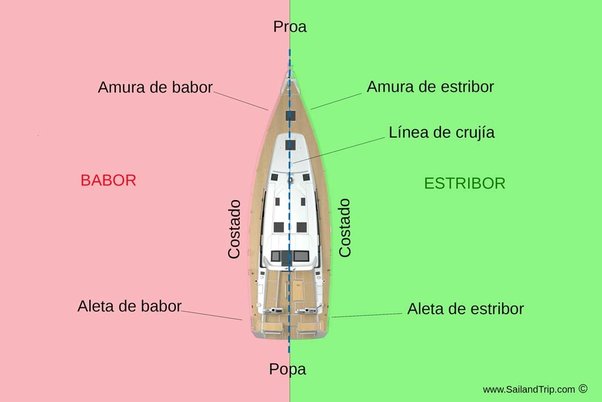
And just in case “port” and “starboard” did your head in……

The Cuauhtemoc visits Fremantle
2006
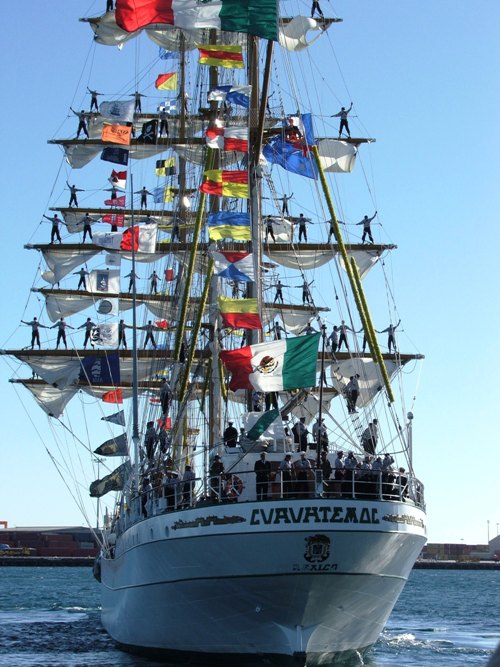

Cuauhtemocs visit to Fremantle 2024
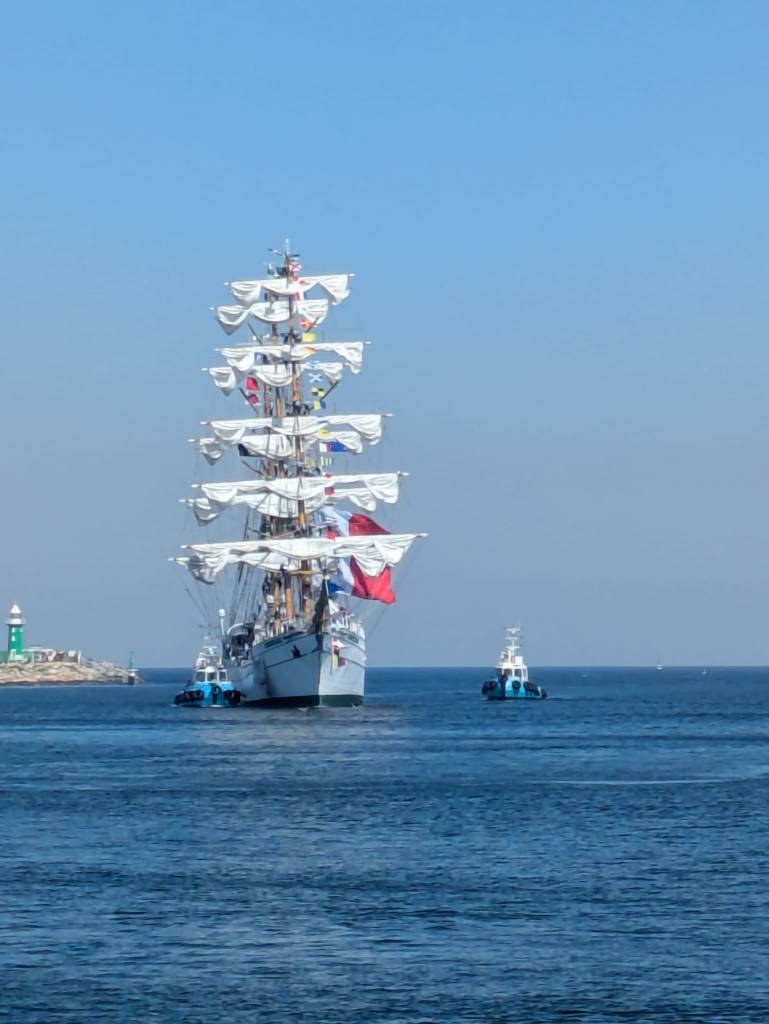
(Photo by Lasha Esquivel)
(Photo by Luis Vallejo)
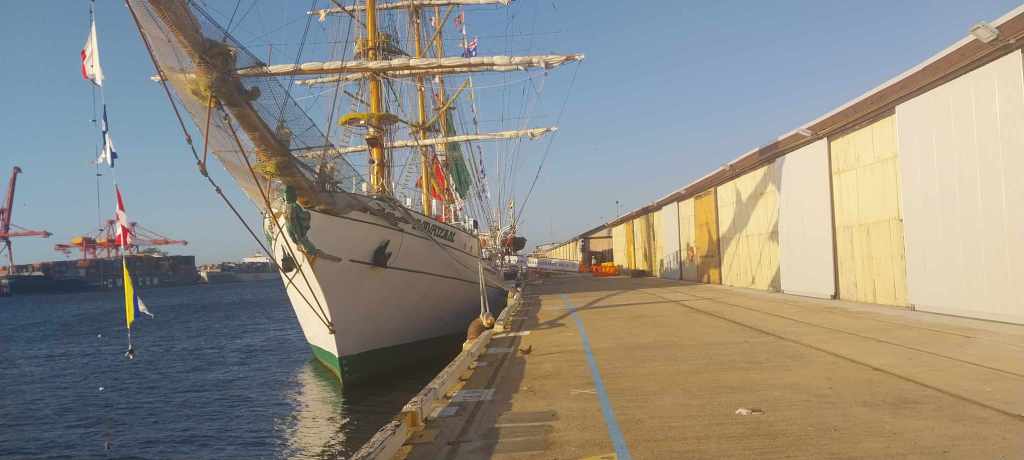
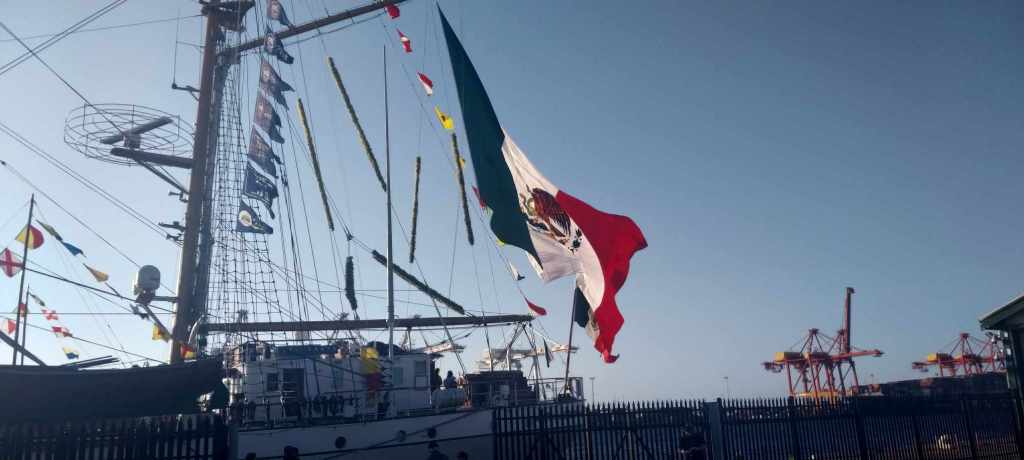
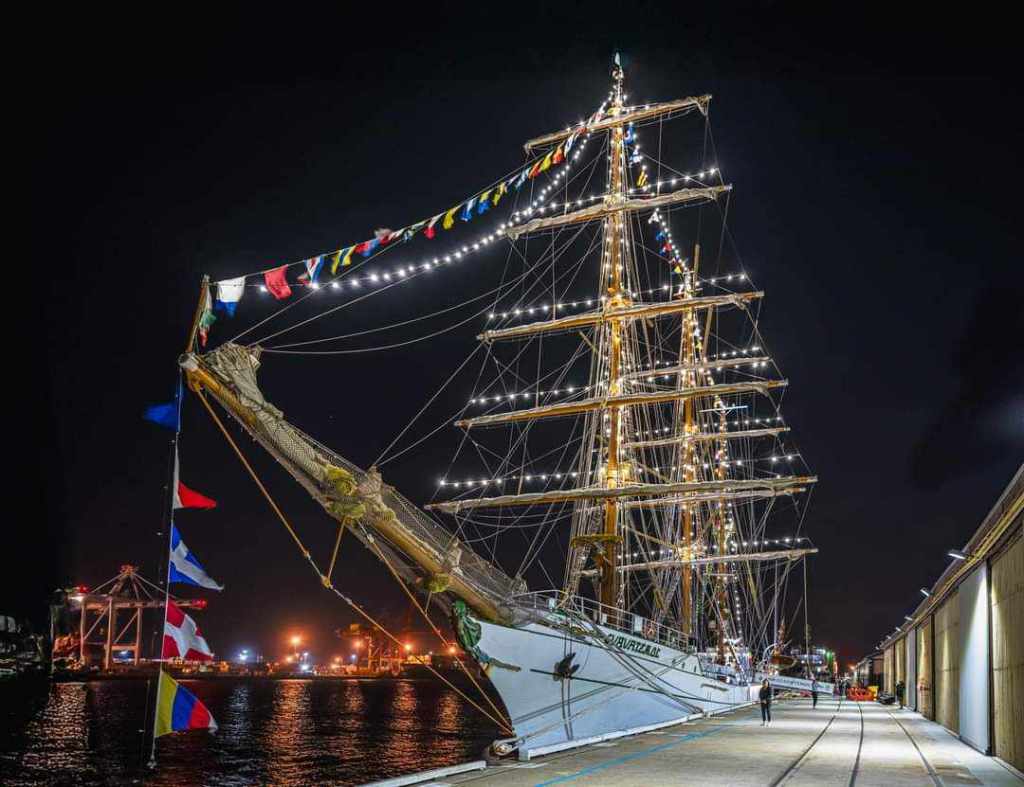

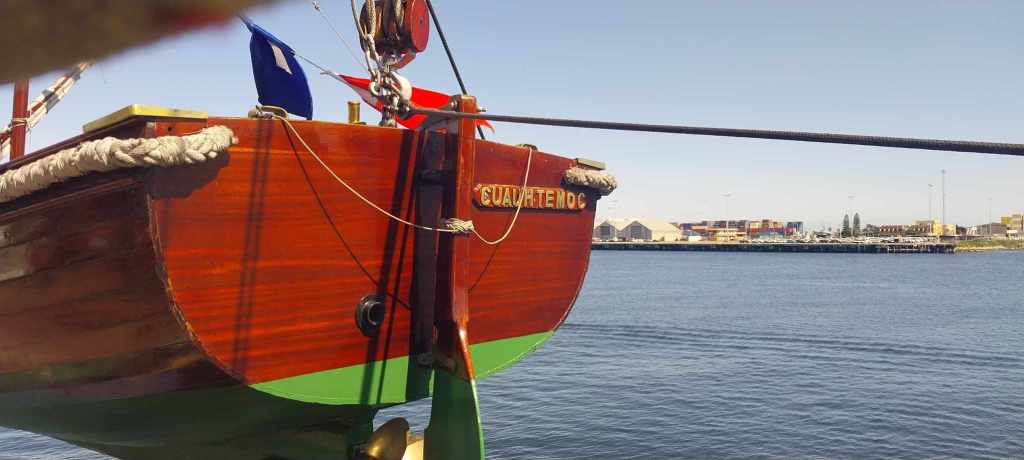
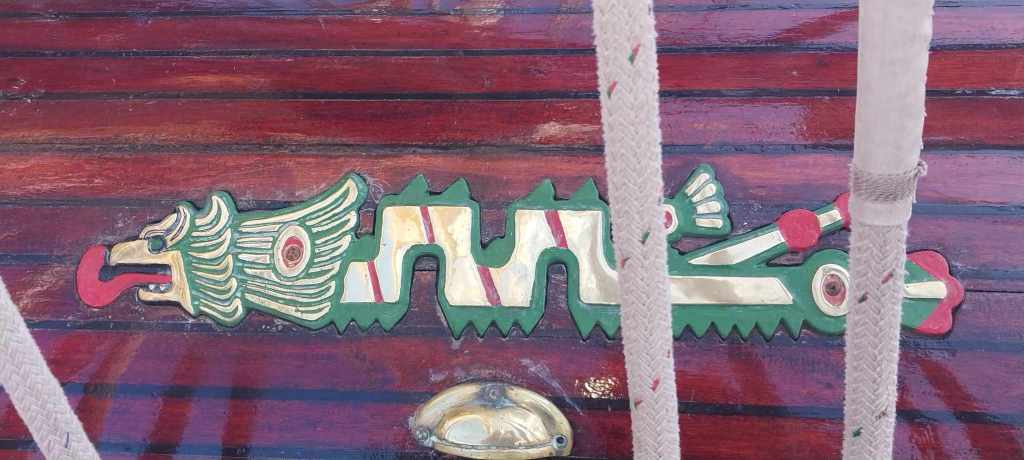
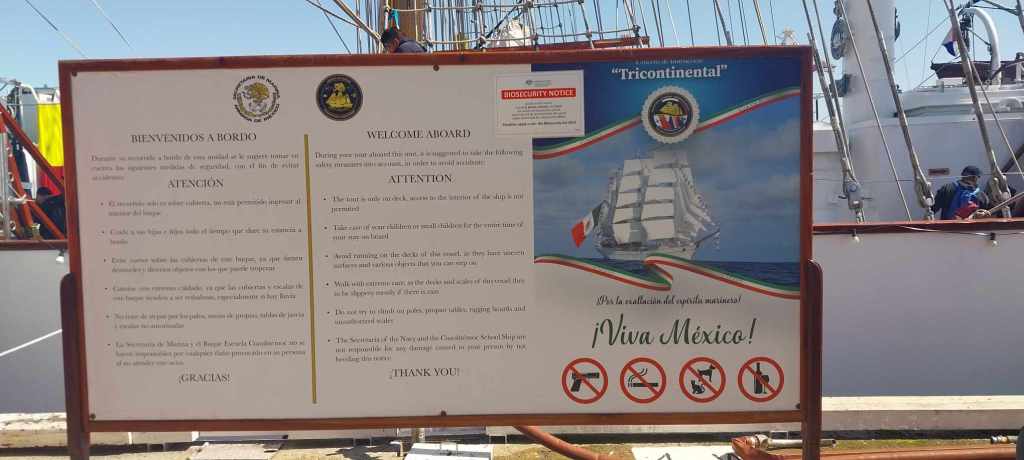
On Friday I took the day off work so I could visit the ship. I arrived an hour early and there was less than a dozen people waiting behind thes ecurity barriers. By 10am the crowd had swelled to more than 200 and they swarmed into place forcing all of us who had arrived early behinf their igbnorant rude asses. I feared that it would be hours before I managed to see the ship. I was trying to protect a young family with three very small children (who arrived before me) from being swamped by the crowd and (somewhat selfishly I thought at the time) my excitement was being quelled by the rudeness of the gathering crowd. I feared that I was going to lose my place and need to wait for possibly hours to see the ship. This triggered several childhood memories of loss and unworthiness and I learned something of myself in that moment. The safety of the children in front of me was more important and I knew that regardless of how long I had to wait that I was going to soon experience something that I would never get the chance to again.
By a stroke of good fortune the security guards opened the barrier directly in front of me and I was blessed enough to in fact be the very first person to board the ship. For some reason the crowd behind me stalled and I got to spend several minutes aboard the ship alone.
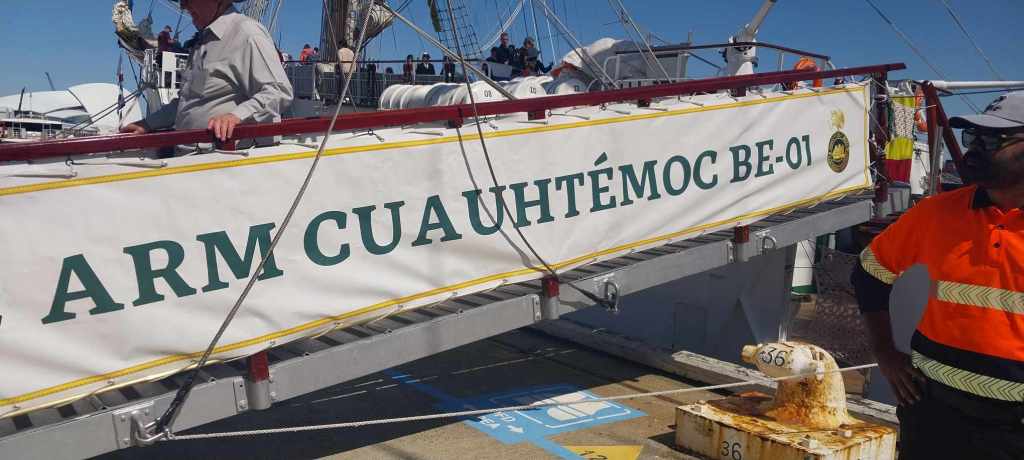
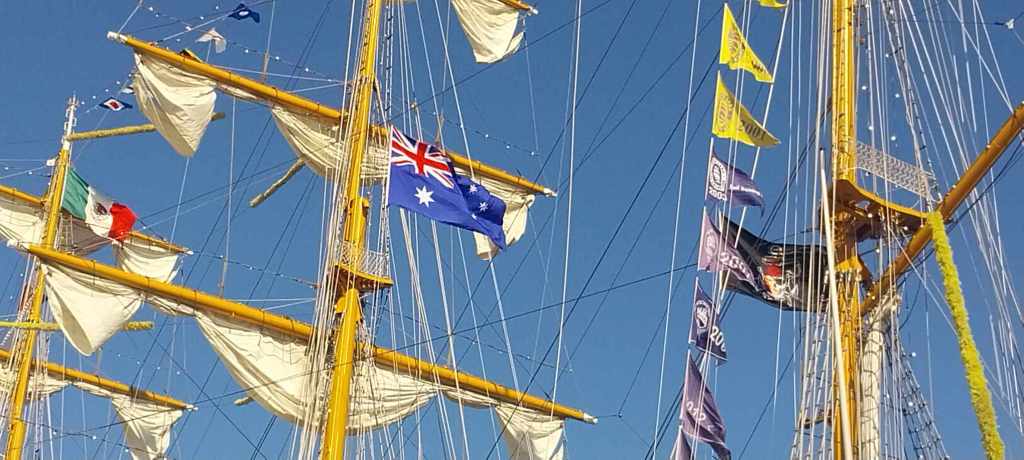
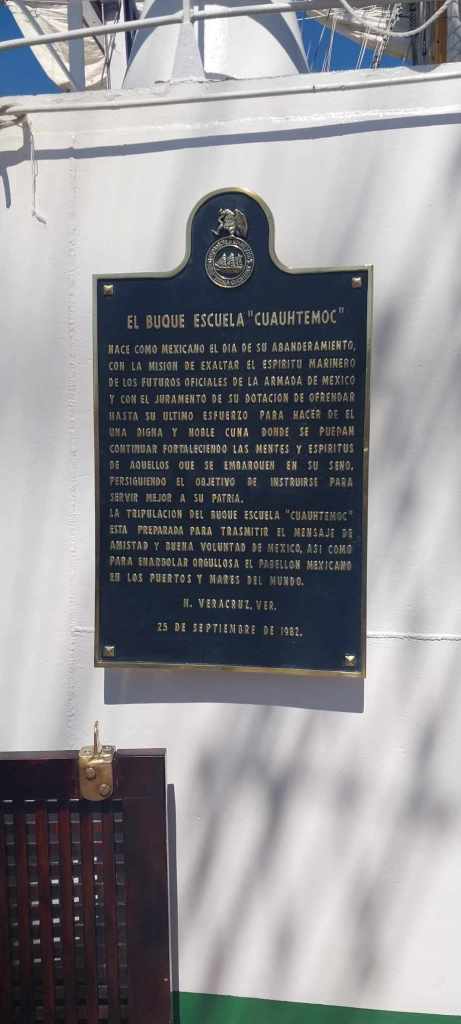
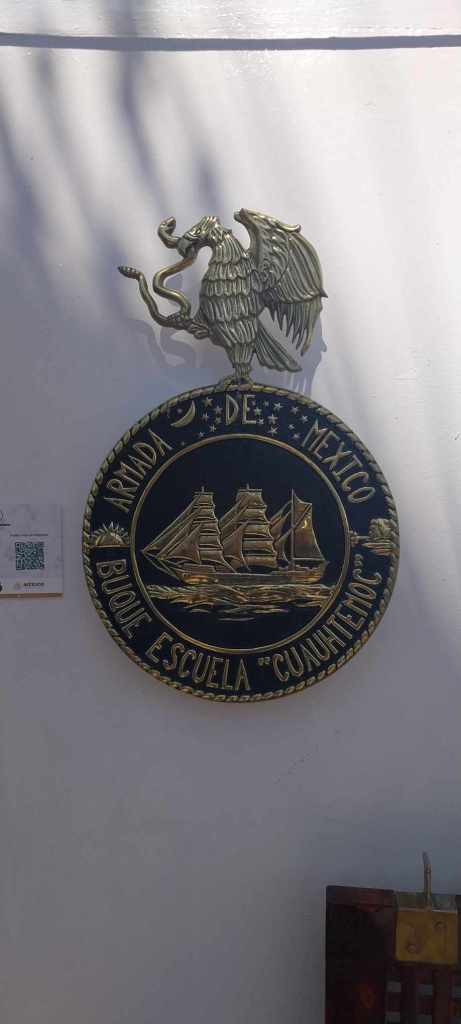
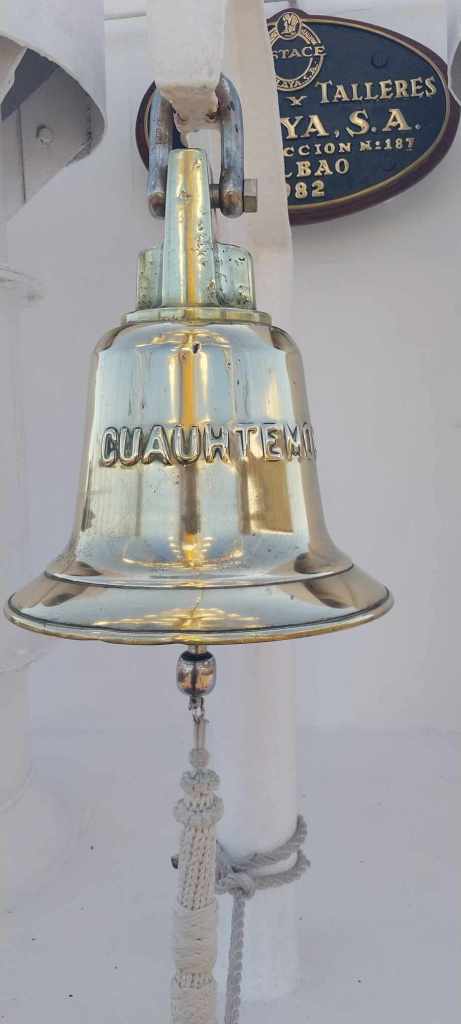
The ship was polished to within an inch of its life. I do have to express my disappointment in the Fremantle port authority though. I dearly wanted to get some close up images of the figurehead of the ship its namesake Cuauhtemoc but unfortunately it had been barricaded off. The sailors had wanted to polish it for display but the Port Authority had threatened fines if anything was dropped into the water so the capitan thought it wiser to not risk a bottle of Brasso being dropped in the drink so he cordoned off that area. Several of the sailors expressed disappointment (privately to some of the Friends of Mexico) whilst eating churros at a restaurant in Fremantle.

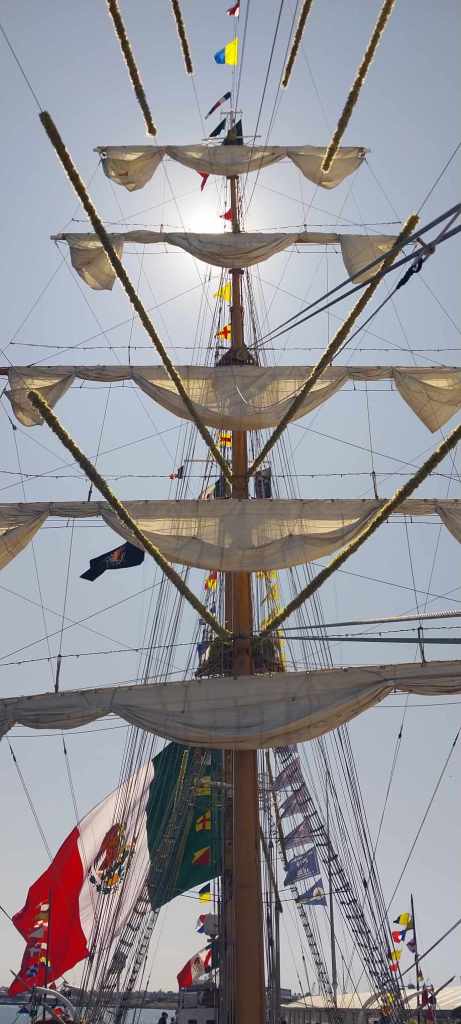
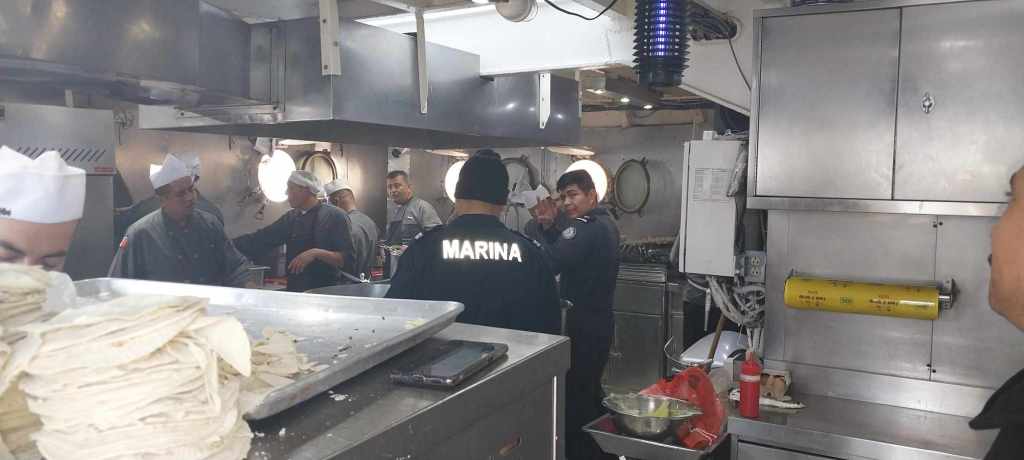
A special mention goes to Nambo and Ruiz from the kitchens. They saw my tricorn as I walked by and gaught my attention. When I looked into the galley nambo announced me with “Cocineros! La Pirata!”. I said to him “No soy pirata. Soy tu capitain ahora.” At which point nambo reached into a space above some shelving and pulled a fucking sword on me. Ruiz cackled like a madman. They then smoothed over the waters by feeding me freshly cooked tortillas still warm from the comal. Good times.

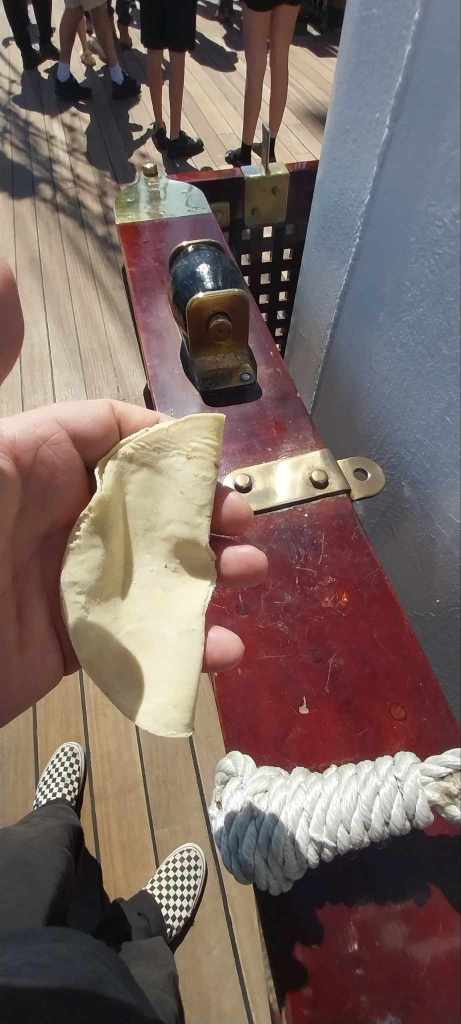


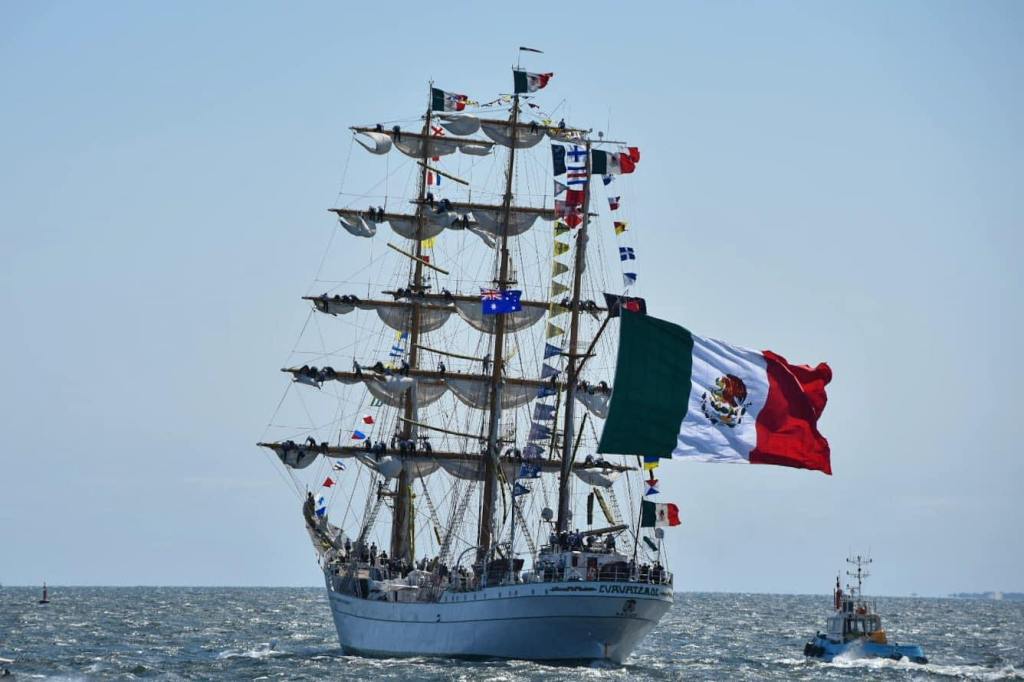
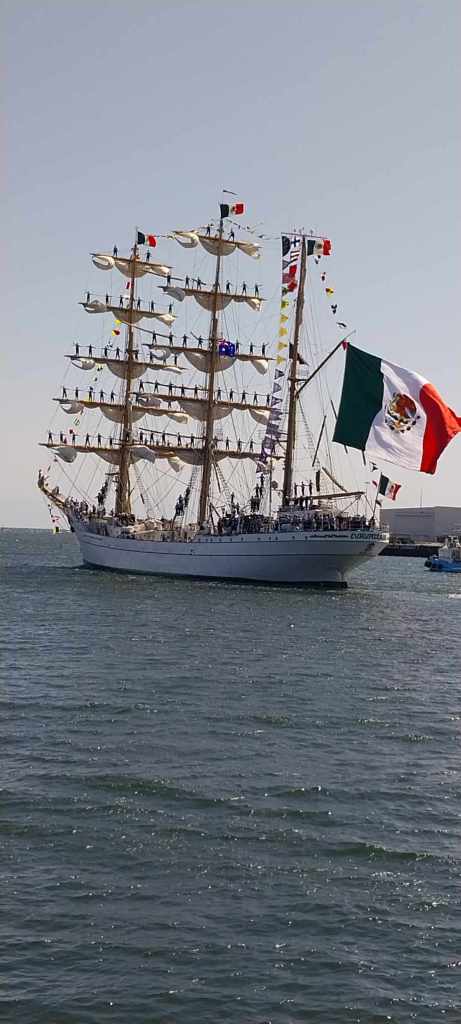
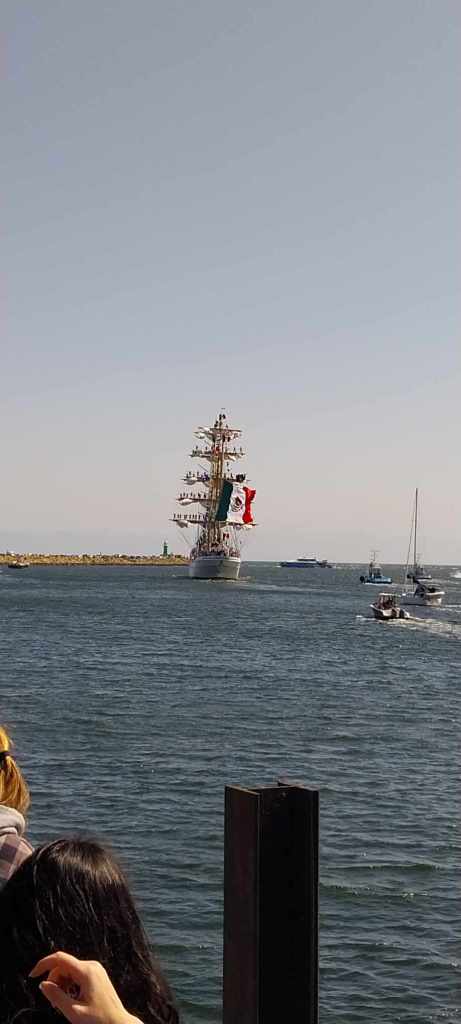
Fare thee well Cuauhtémoc

References
- Australia II – https://classicyachtinfo.com/asp_yachts/australia-ii/
- Bust of Cuauhtemoc (Plaza de la Constitucion in Mexico City) – By Marco Correa – Own work, CC BY-SA 4.0, https://commons.wikimedia.org/w/index.php?curid=42277975
- Cuauhtemoc in the U.S.A. (the corner of Simpson and Meyer in Barrio Viejo, Tucson Arizona) – https://www.reddit.com/r/Tucson/comments/14d4amo/aztec_emperor_cuauhtemoc/
- Cuauhtemoc Borough CDMX – By Gobierno CDMX – HJ2A3600, CC0, https://commons.wikimedia.org/w/index.php?curid=75238363
- Cuauhtemocs torture – AlejandroLinaresGarcia, CC BY-SA 3.0 <https://creativecommons.org/licenses/by-sa/3.0>, via Wikimedia Commons
- Gillingham, Paul (2011) Cuauhtemoc’s Bones: Forging National Identity in Modern Mexico. Albuquerque: University of New Mexico Press.
- Jorgen Jorgensen – JC Merriman, CC BY 2.0 https://creativecommons.org/licenses/by/2.0, via Wikimedia Commons
- Metro Cuauhtemoc in the CDMX – By GAED – Own work, Public Domain, https://commons.wikimedia.org/w/index.php?curid=9572006
- Monument to Cuauhtemoc (intersection of Avenida de los Insurgentes and Paseo de la Reforma in Mexico City) – By EneasMx – Own work, CC BY-SA 4.0, https://commons.wikimedia.org/w/index.php?curid=108791799
- Quiroz Cuarón, Alfonso (2002). Ichcateopan: La tumba de Cuauhtémoc – Héroe Supremo de la Historia de México [Ixcateopan: The tomb of Cuahtemoc – Supreme Hero of the History of Mexico] (in Spanish). Mexico City: Aconcagua Ediciones y Publicaciones,
- Rigging on a barque – By The original uploader was Jimfbleak at English Wikipedia.Later versions were uploaded by Eliashc at English Wikipedia. – Transferred from en.wikipedia to Commons., Public Domain, https://commons.wikimedia.org/w/index.php?curid=2565490
- Sails of a fully rigged ship – https://classicsailor.com/wp-content/uploads/2019/11/Ship-Sails-copy.jpg
- STS Leeuwin – https://sailtraininginternational.org/vessel/leeuwin-ii/
- Taube, Karl (2015) The Birth of Ehecatl: The Cultural Origins of the Avian Wind God OF Central Mexico. Presented at The 80th Annual Meeting of the Society for American Archaeology, San Francisco, California. 2015 ( tDAR id: 395706)
- Types of Tallship (image) – https://seahistory.org/sea-history-for-kids/tall-ships/
- Tallship definitions – https://sailtraininginternational.org/sailtraining/definition-of-a-tall-ship/
- Yards and running rigging of a ship – https://classicsailor.com/2019/11/the-fully-rigged-ship/#post/0
 Masa Americana