
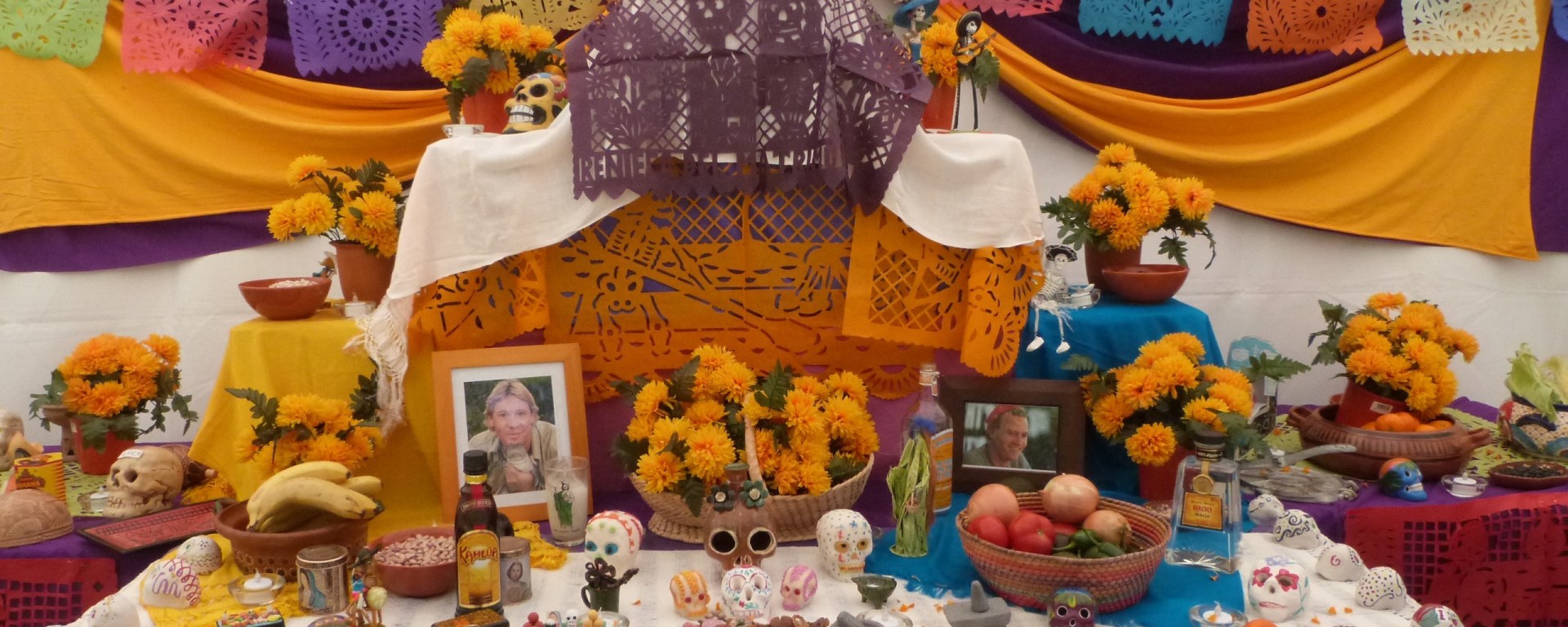
It is that time of year again. The days are waning, the nights are cooling (well they would be if I was Northern hemispherical) and my feeds are filling up with the autumnal imagery of this season of spirits. The boundaries between the worlds of the living and the dead fluctuate and bleed into each other and we welcome the memories of those who have passed beyond this realm.
In Mexico this time is celebrated via Dia de Muertos…..and for those who need reminding……Dia de Muertos IS NOT Halloween
In Perth, Western Australia, the celebrations of La Patria are honoured and shared by FOMEX, the Friends of Mexico, a group of expatriate mexicanos keen to share the traditions of their homeland.

La cultura is shared in many ways. FOMEX celebrates holidays such as Diez y seis (1), el Día del Niño, el Día de la Madre, Las Posadas and (por supeusto) Dia de Muertos.
- or El 16 de septiembre – which is Mexican Independence Day – NO….cinco de mayo IS NOT Mexican Independence day
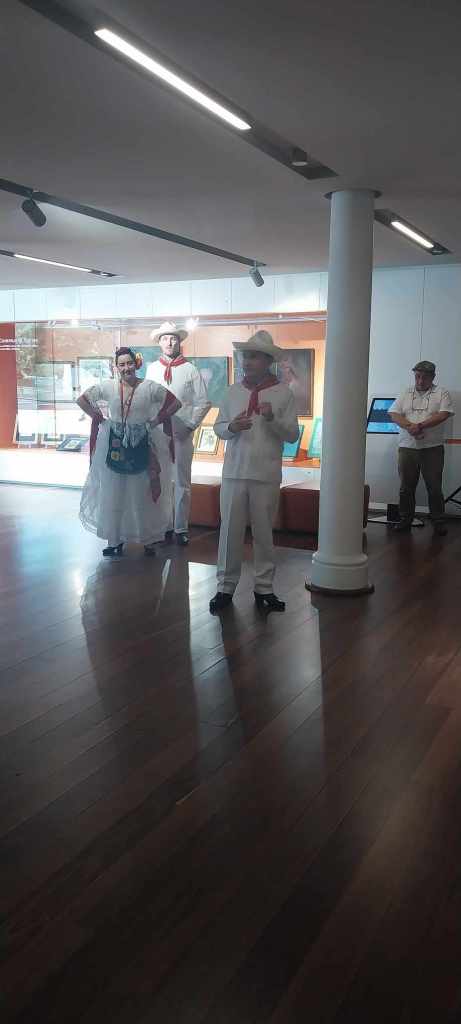
Over the last few years FOMEX has been invited to speak at the Western Australian Museum and share aspects of Mexican culture and history with the denizens of the city of Perth.

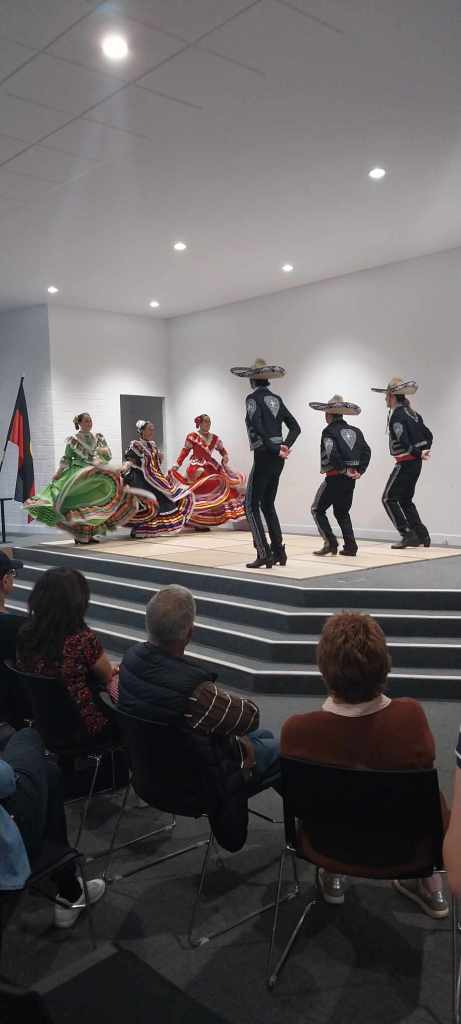
A very interesting talk on the Prominent Mexican Women was delivered earlier this year by long time FOMEX doyenne Eugenia (and is certainly worth checking out). Our very next event is due to be performed shortly by Ernesto on Saturday 26th of October. Ernesto will be speaking on Dia de Muertos and I say that he will be “performing” as Ernesto is also the maestro behind the Mexican folkloric dance troupe Ixtzul.
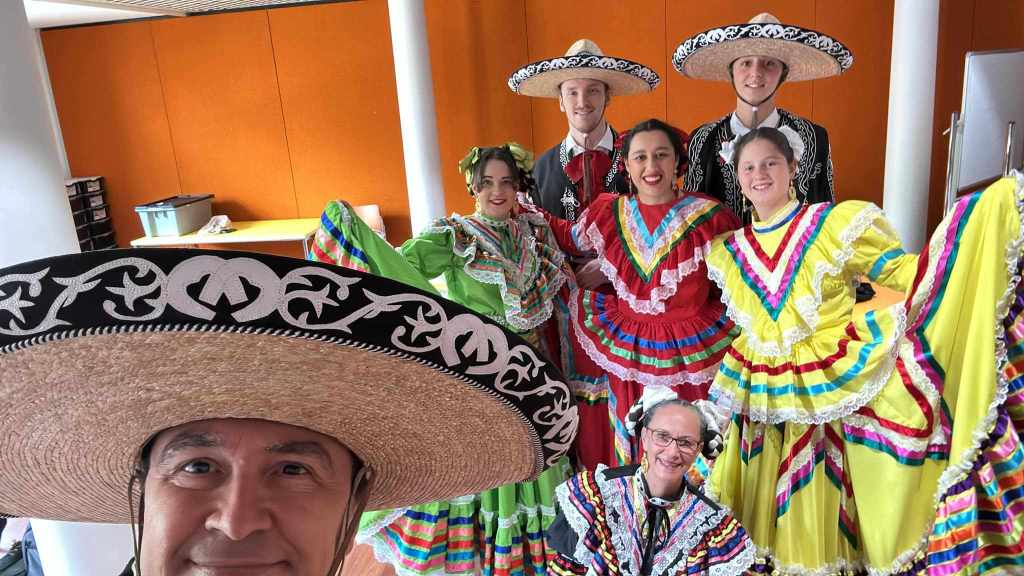
Ixtzul performs regional dances from all over Mexico and has been invited to perform at many different events.
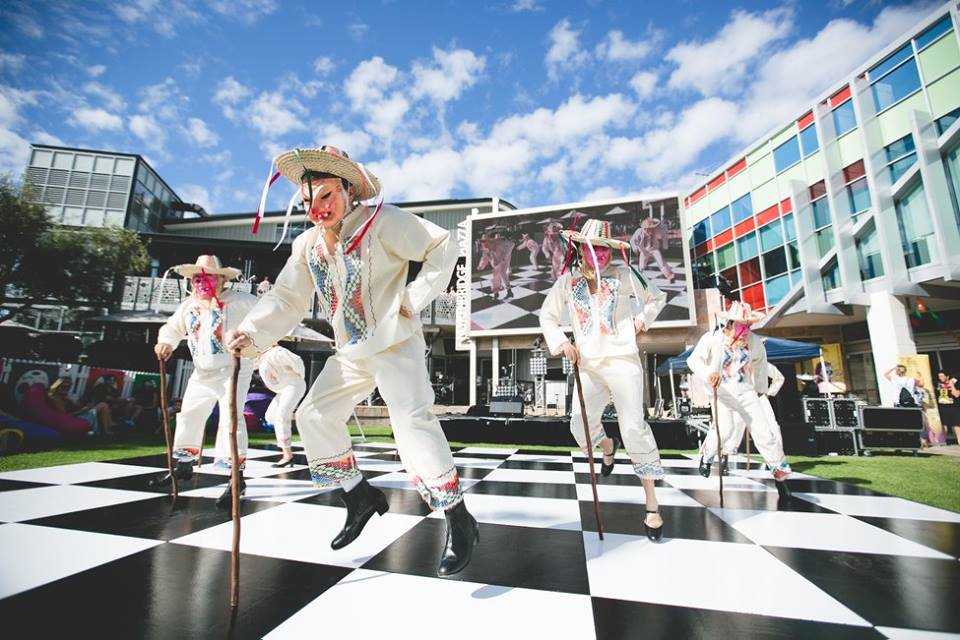

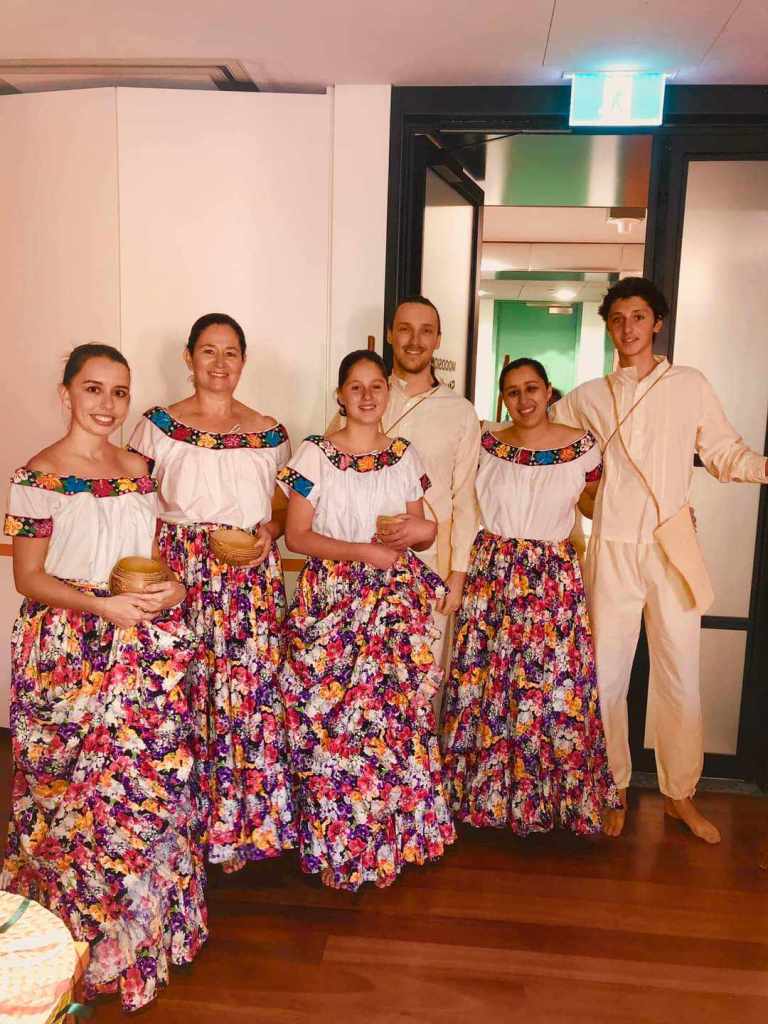
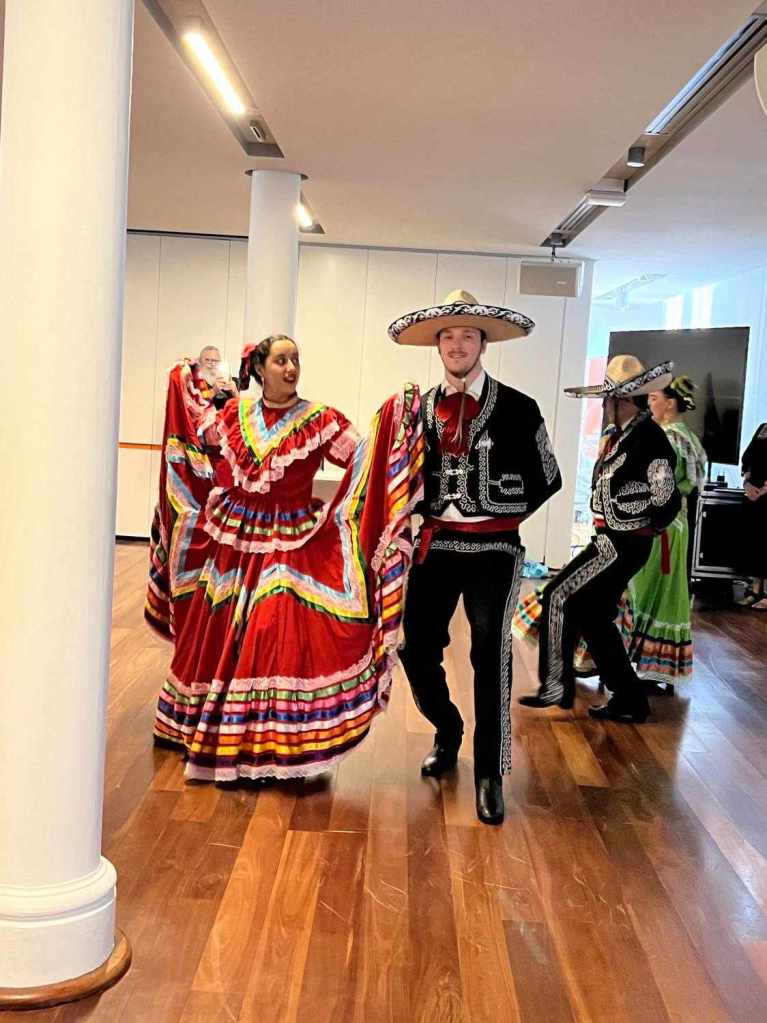
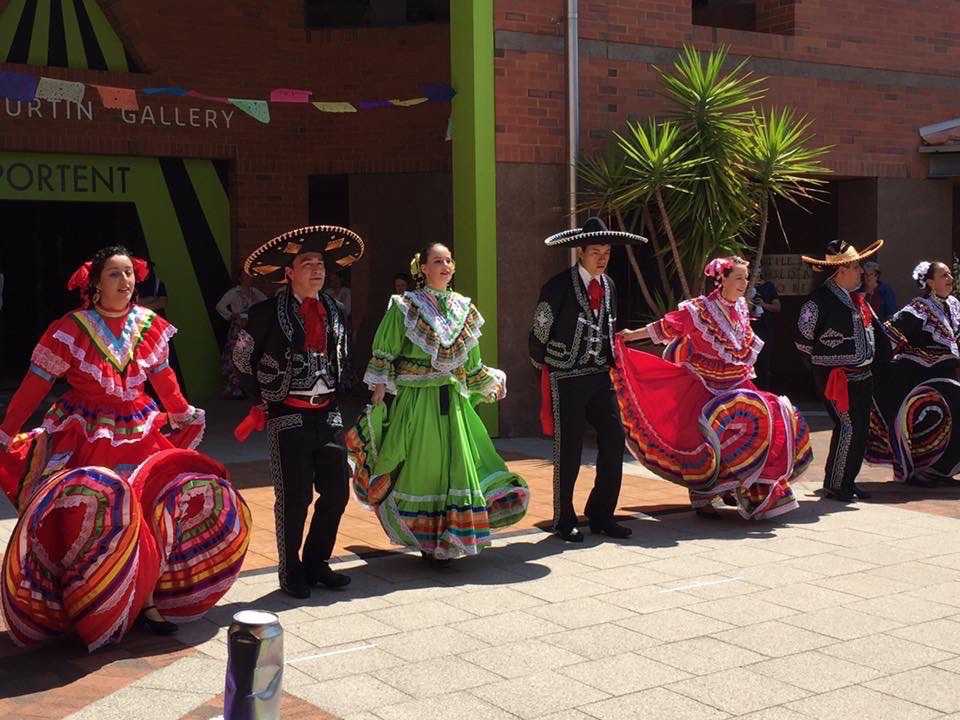
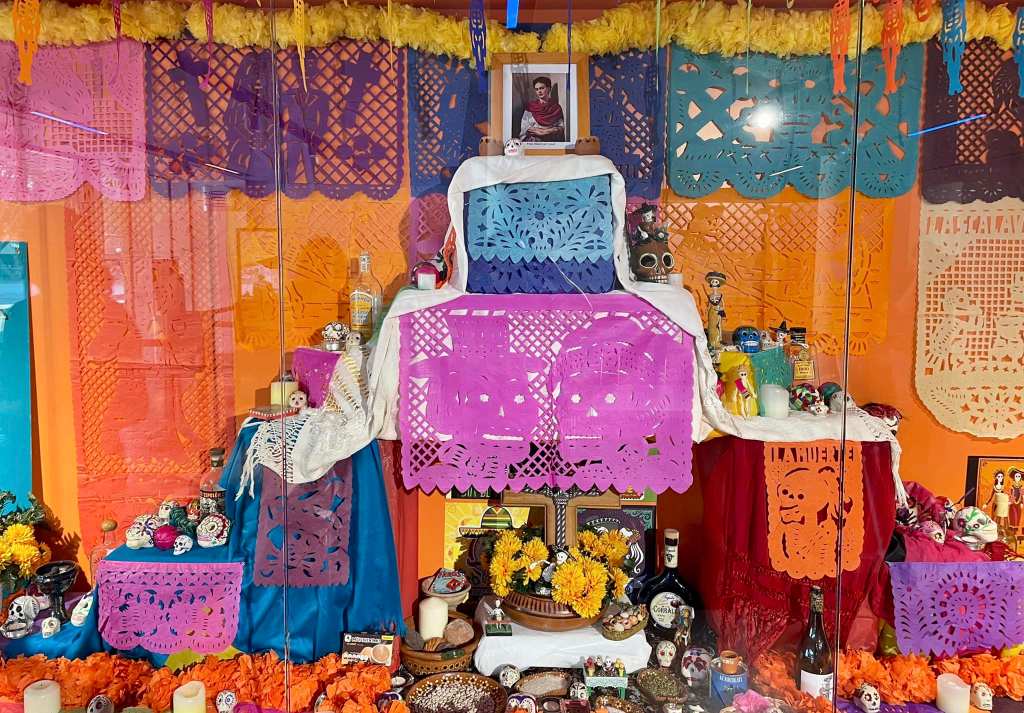
Another significant aspect of Dia de Muertos is the ofrenda. Ofrendas are set up all over Mexico in homes, public spaces and cemeteries as part of the celebration. Photos of the departed are placed on these altars and favourite objects and foods of those being remembered are set out for their spirits to enjoy. There is also deep prehispanic symbolism that goes into the creation of the ofrenda, some of which I go into in previous Posts (see the links scattered throughout this Post)
Some of the imagery that is elevating my spirit at the moment is that of the smoking mountain Popocatépetl towering over fields of cempoalxóchitl or the Tagetes species of marigold flower.
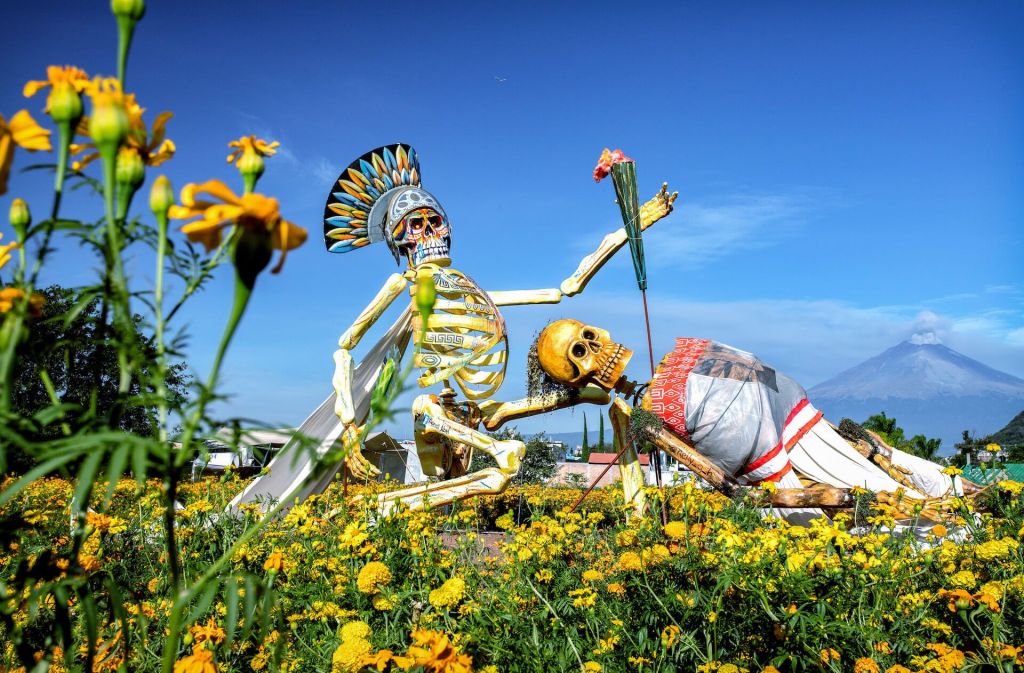
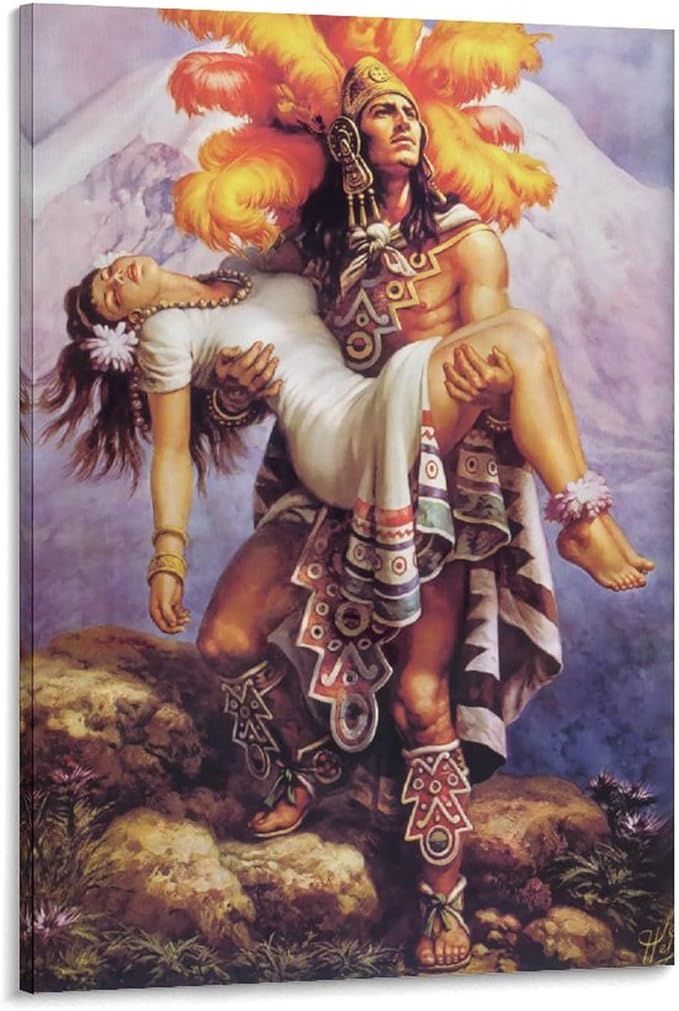
Popocatépetl is a mountain and an active stratovolcano (1) located in the states of Puebla, Morelos, and Mexico in central Mexico and is one half of the legend of Popocatépetl and Iztaccíhuatl. The story of Popo and Izta is a Romeo and Juliet styled romance filled with deception and tragedy. In Mexican mythology, Iztaccíhuatl (2) was a Tlaxcallan princess who fell in love with one of her father’s warriors, Popocatépetl. The emperor sent Popocatépetl to war against their bitter enemies the Mexica (Aztecas), promising him Iztaccíhuatl as his wife when he returned. Iztaccíhuatl’s father of course presumed that he would not as the Mexica were a formidable foe. Iztaccíhuatl was fed lies by a jealous romantic rival of Popocatépetl and was told that Popocatépetl had been slain in battle; believing this tragic news, and crushed by the weight of grief and consumed by sorrow, the princess fell into a deep slumber from which she would never awaken. She eventually succumbed to her despair and passed away. When Popocatépetl returned triumphant from battle only to find his beloved dead he could not face the anguishing news and he roamed aimlessly, haunted by his loss for countless days and nights. He vowed to created a monument so that Iztaccíhuatl and their love would forever be remembered so he created a mountainous monument by piling together ten hills (3). Gently cradling the lifeless body of his princess in his arms, Popocatepetl ascended to the mountain’s summit and tenderly laid her to rest. He then took up a smoking torch and knelt before his beloved, forever guarding her eternal slumber. As time passed, the Gods cloaked their bodies with snow, transforming them into two mountains (4), inseparable until the end of days. The legend continues that whenever Popocatepetl, the warrior, recalls his beloved, his heart, which preserves the fiery embers of eternal passion, trembles, causing his torch to emit smoke.
- A stratovolcano, also known as a composite volcano, is a conical volcano built up by many layers (strata)
- Iztaccíhuatl’s mountain is called “Sleeping Woman” (Though the Nahuatl name literally means “White Woman” from iztāc “white” and cihuātl “woman”) because it resembles a woman lying on her back, and is often covered with snow — the peak is sometimes nicknamed La Mujer Dormida, “The Sleeping Woman”
- or climbed the highest mountain and built two pyramids. There are a few versions of this tale.
- Popocatépetl became an active volcano, raining fire on Earth in blind rage at the loss of his beloved


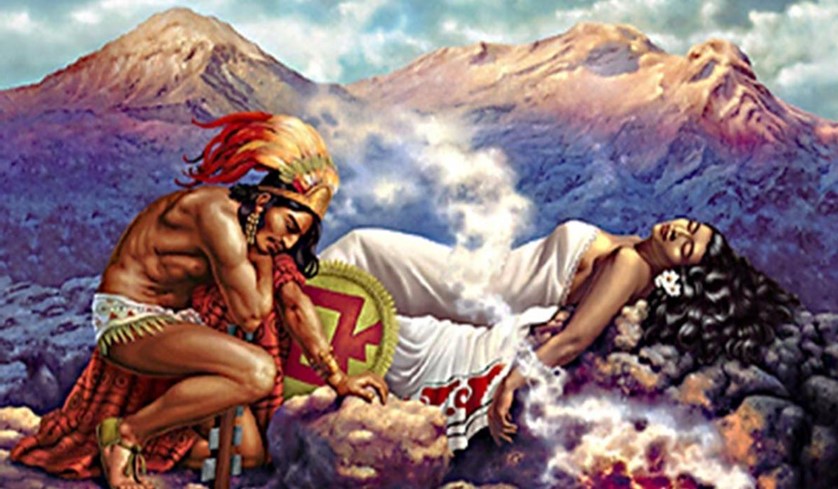
Jesus Helguera is a famous Mexican artist well known for his iconic calendar art and for another image of Itza y Popo. I go into more detail on his work here…Mexican Artist : Amendolla….and here…Xochipilli : Different Iconographies (Soon to be published)
But for now let us focus on the cempasúchil. Aside from its ritual use it is edible and has both culinary and medicinal uses (1). See Cempasúchil for more details on culinary uses and Empacho for medicinal use.
- as do other members of the family. See Quelite : Pericón : Tagetes lucida; Quelite : Anís de campo : Tagetes filifolia; Quelite : Anis de Chucho : Tagetes micrantha; and Mexican Mint Marigold
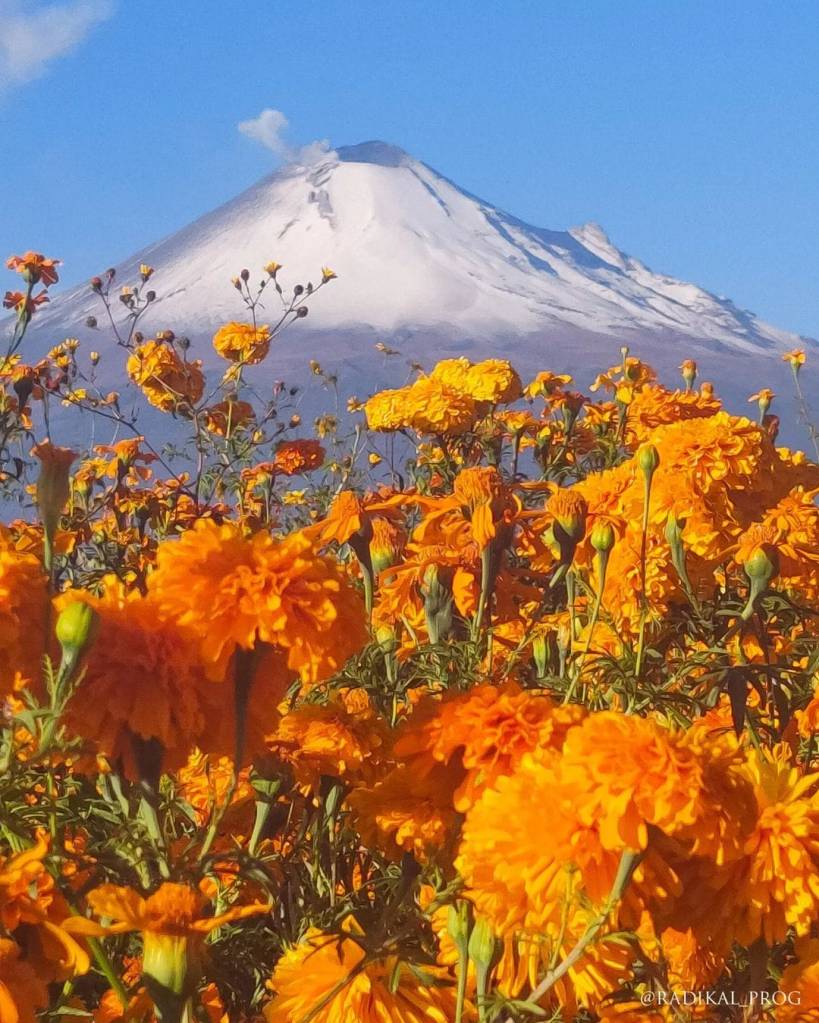
Cempoalxóchitl or Cempasúchil is a significant symbol for Dia de Muertos. Its bright colour and scent are guideposts for the spirits of the departed to find their way home to the ofrendas set up by the families of those remembering them.
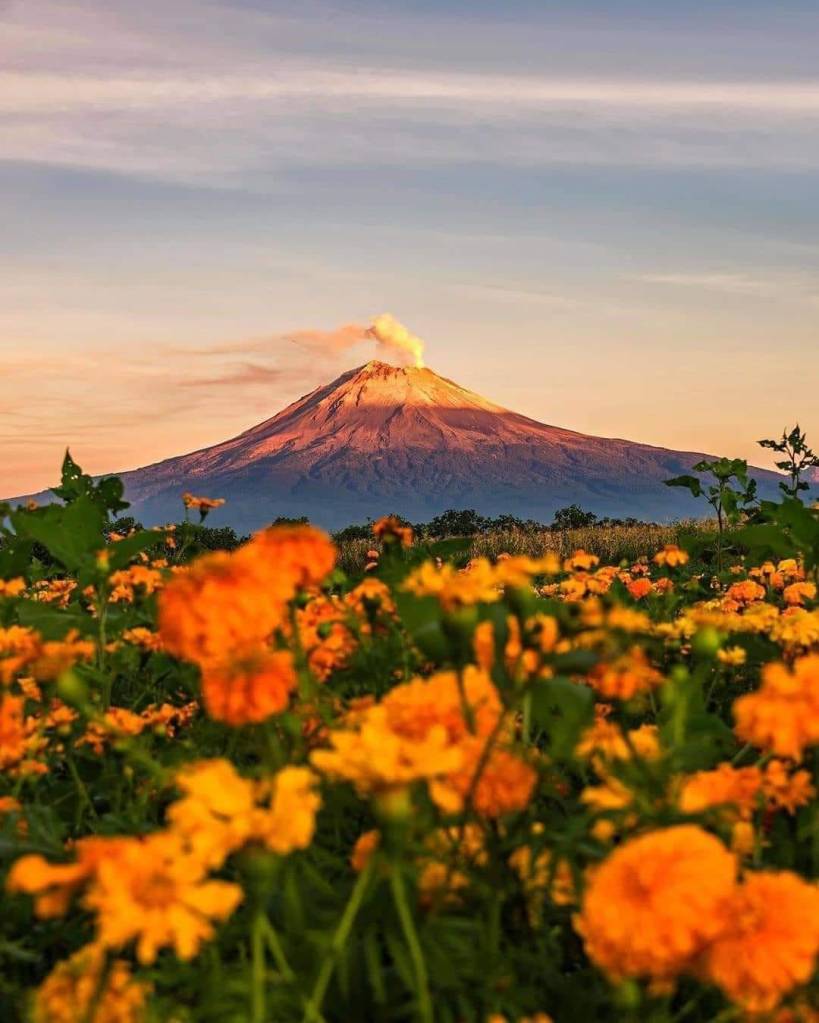
Several varieties of cempasúchil are known as “French” or “African” marigolds but neither of these names are accurate as the species originates in Mexico and there has been in recent years a push within Mexico to revert to older species endemic to Mexico rather than the imports of hybrid varieties from China . See Cempasúchil Confusion During Dia de Muertos. for more detail on this.
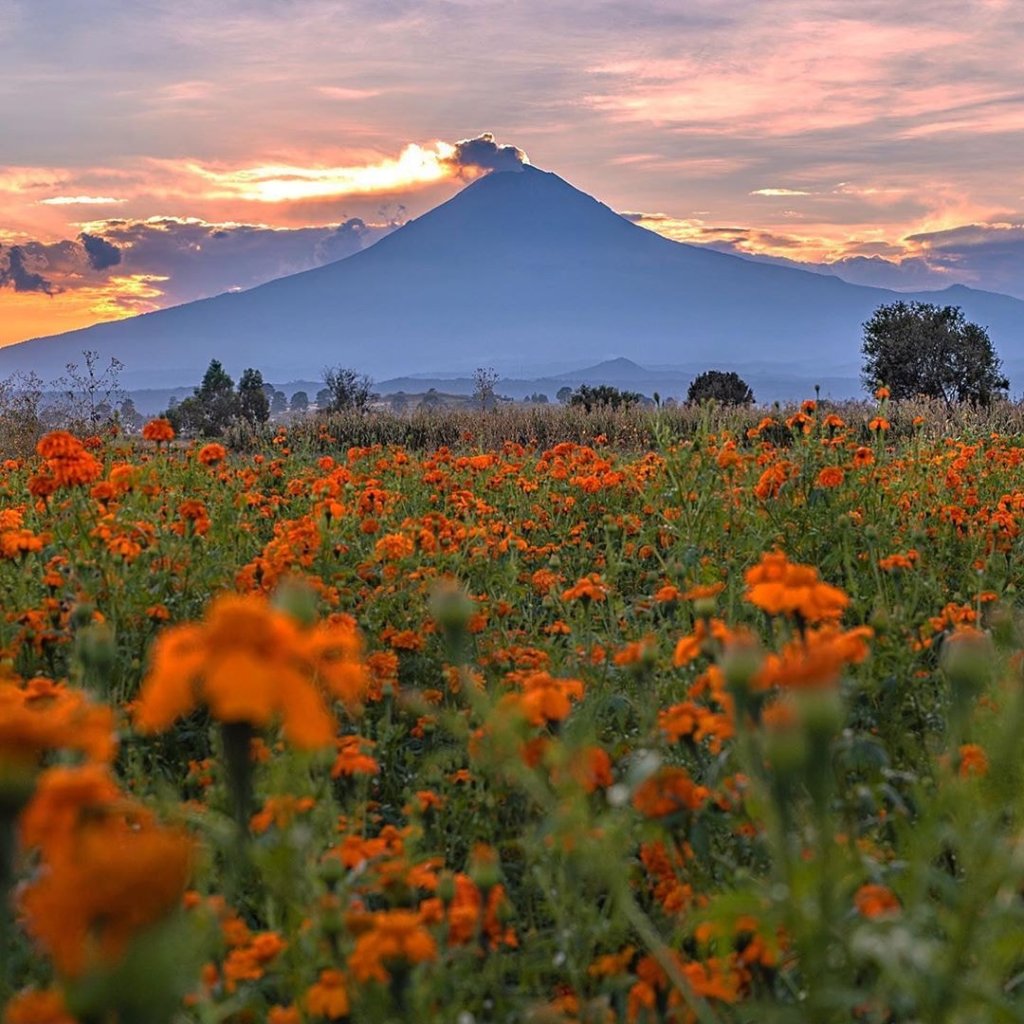
Rather than ruminate over any potential controversy how about we just sit back and enjoy the beauty of this flower as it blankets the feet of Grandfather Popo.
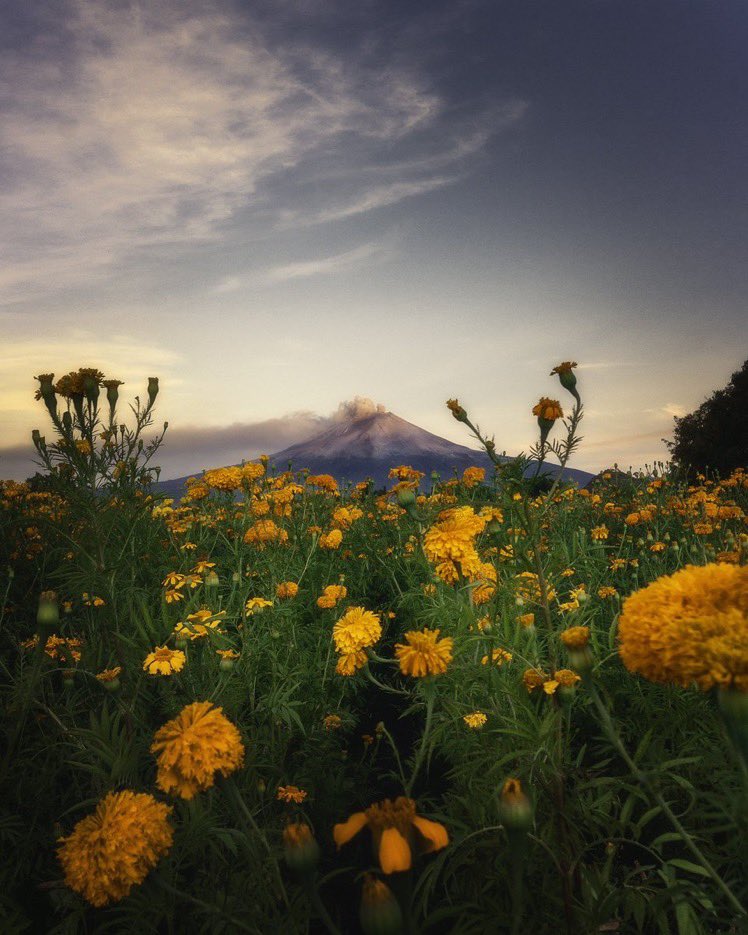
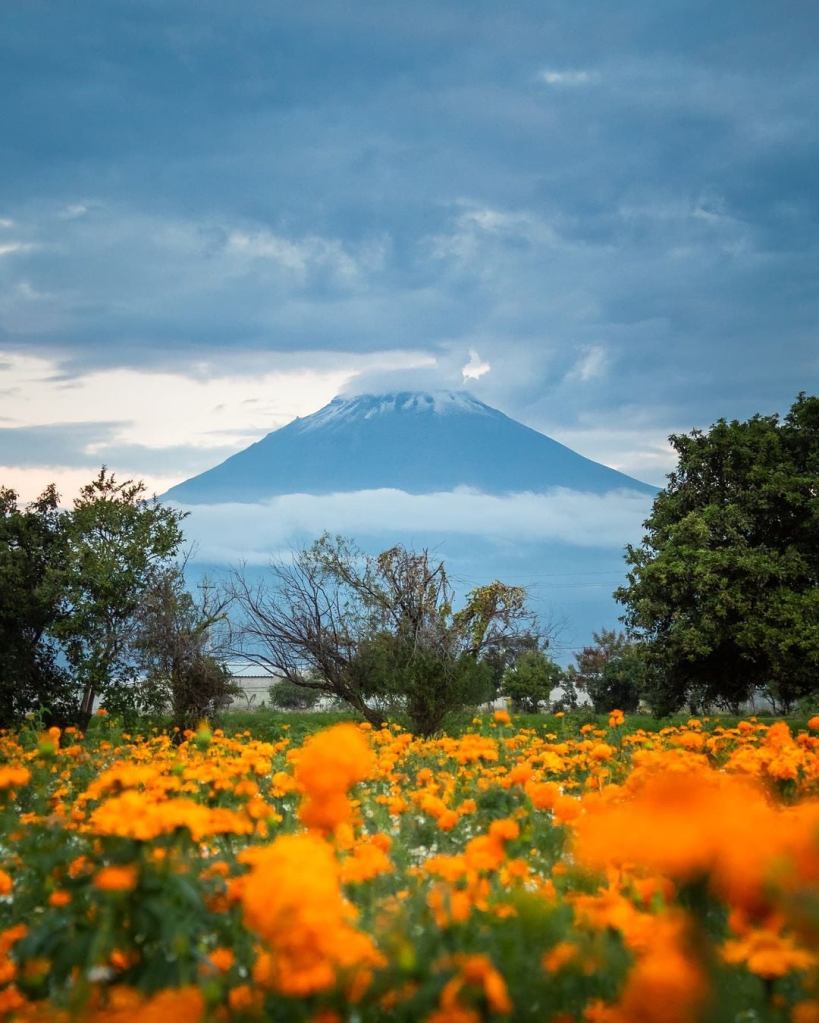
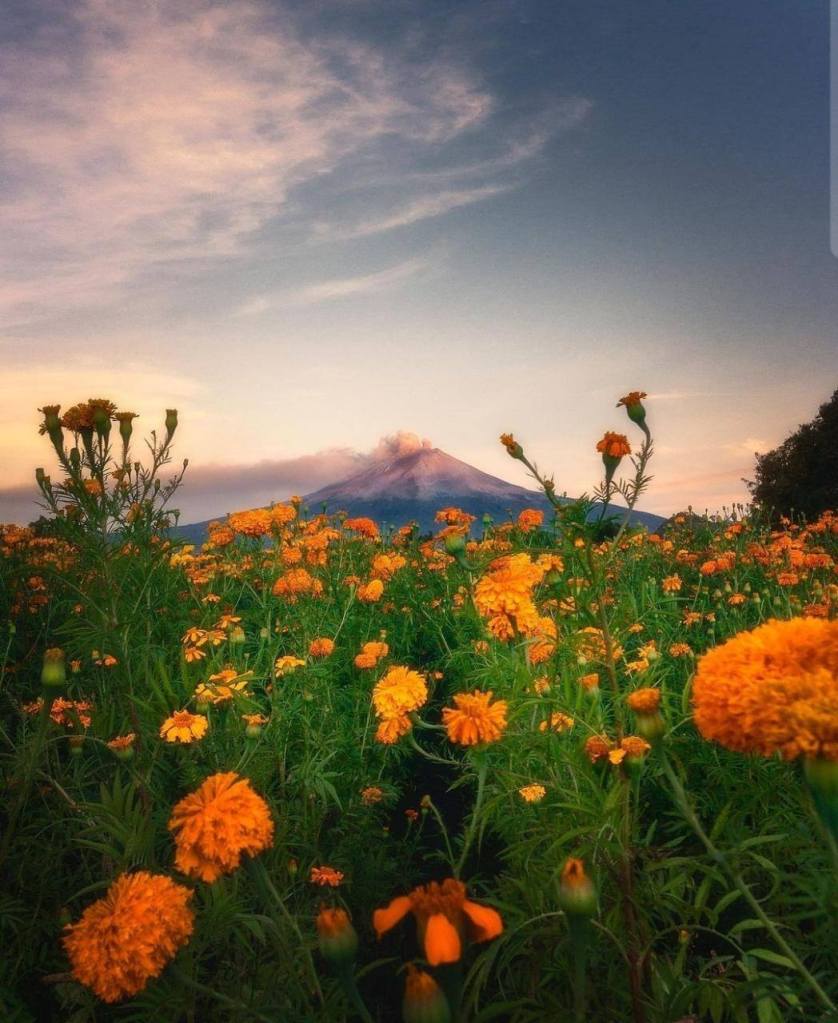
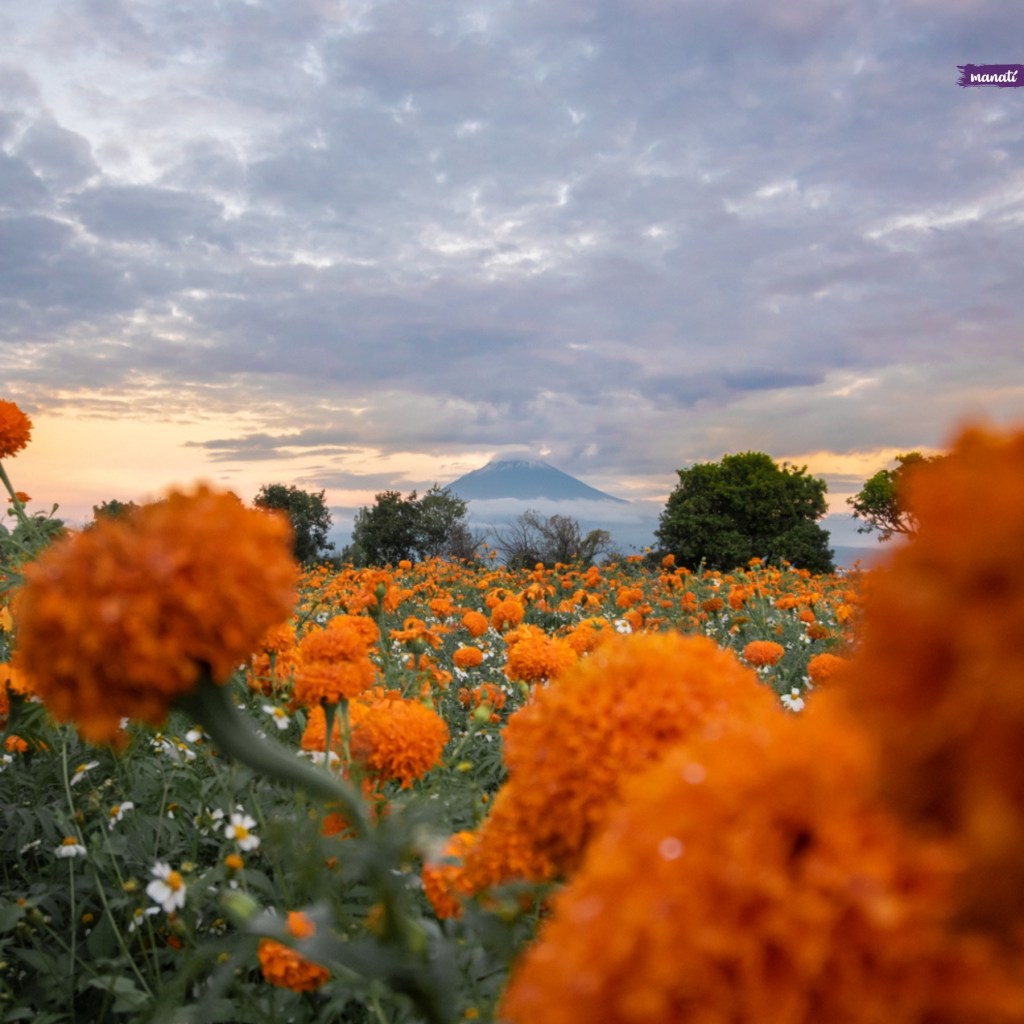
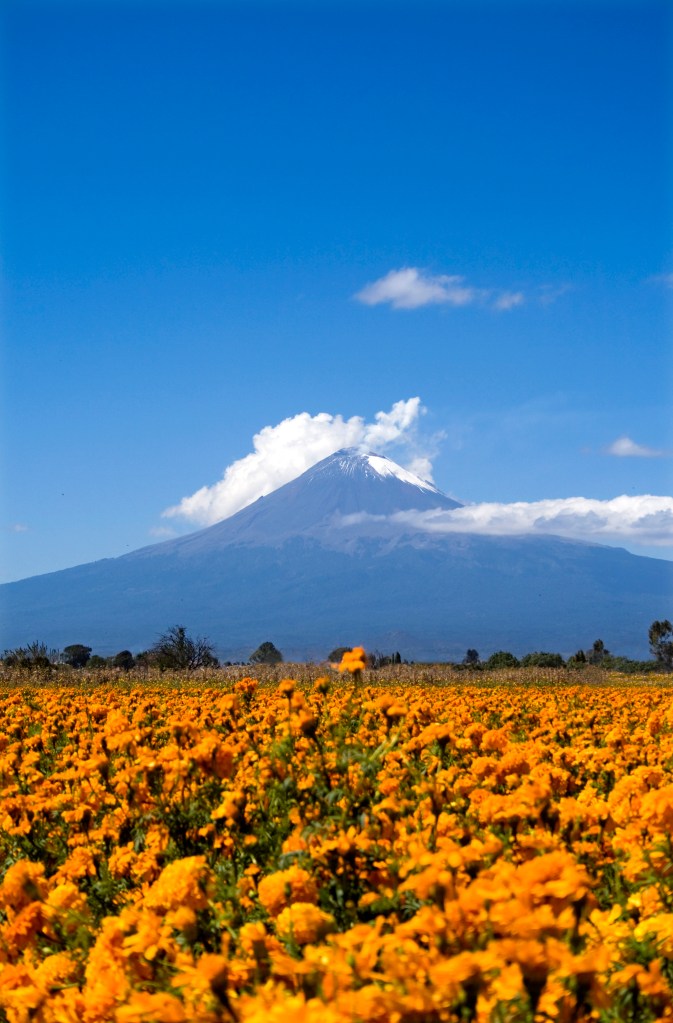
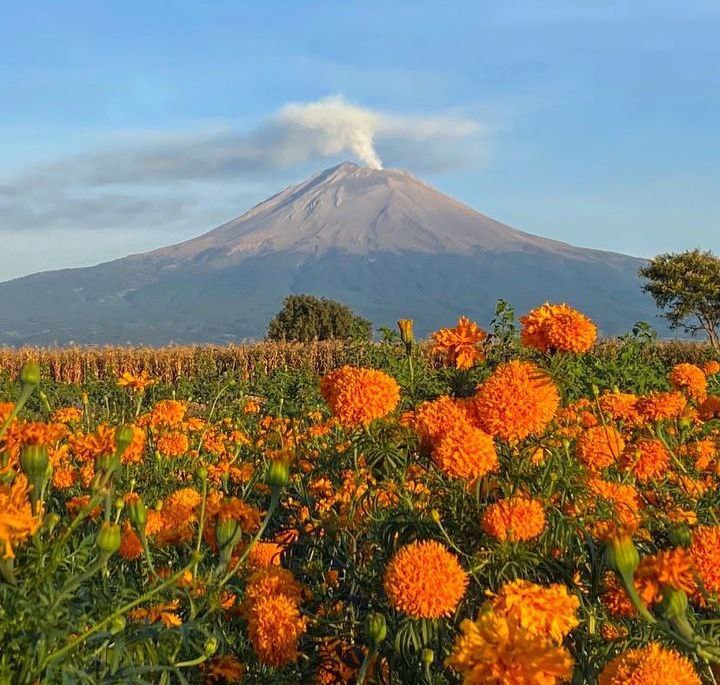
Image references
Cempasúchil
- https://www.facebook.com/photo.php?fbid=305527382193886&id=100082098782403&set=a.137905002289459&locale=es_LA
- https://www.facebook.com/photo/?fbid=541793061917959&set=a.171265482304054
- https://www.facebook.com/photo/?fbid=1109065524560049&set=a.331658108967465
- https://www.facebook.com/Pueblaa/photos/los-maravillosos-campos-de-cempas%C3%BAchil-y-el-popocat%C3%A9petl-qu%C3%A9-chula-es-puebla-%EF%B8%8F-f/10158950469740956/?_rdr
- https://x.com/SECTUR_mx/status/1449567518058766341
- https://www.facebook.com/photo/?fbid=10159809834665956&set=a.10150124389820956
- https://www.facebook.com/photo/?fbid=4047366401946313&set=a.499563036726685
- https://manati.mx/2021/10/30/campos-de-cempasuchil-en-puebla-atlixco/
- https://www.flickr.com/photos/desertzarzamora/1801166540
- https://www.eluniversalpuebla.com.mx/viral/flor-de-cempasuchil-de-puebla-pelea-con-la-china-como-reconocerla/
- Izta sleeping – https://www.facebook.com/photo/?fbid=451683504357929&set=a.235142616012020
- Popo y Izta – https://www.thevagabondstories.com/cempasuchil-the-flower-that-guides-the-dead-to-the-world-of-the-living/
- Popo fumes – https://psmag.com/environment/what-will-mexico-do-if-its-deadliest-volcano-erupts/
 Masa Americana