
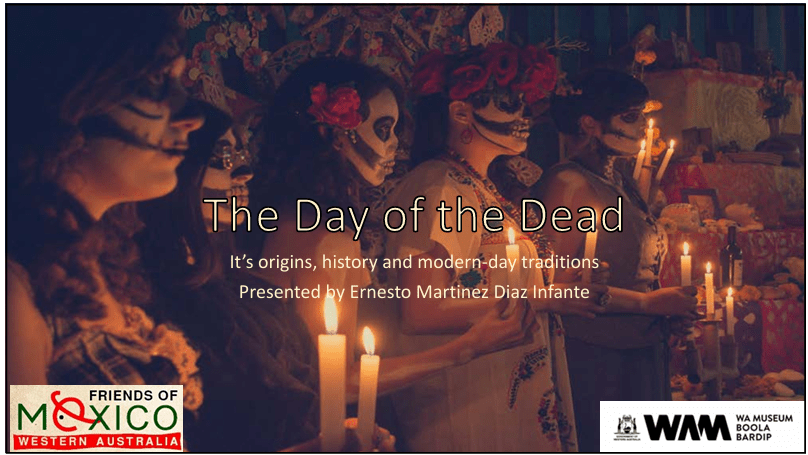
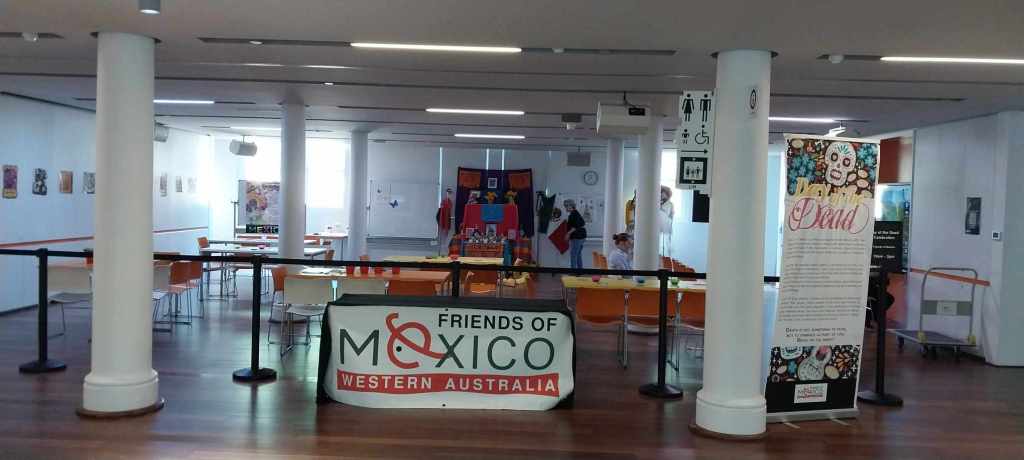
This last Saturday 26th October 2024 the Friends of Mexico held a celebration of Dia de Muertos for the people of Perth in Western Australia.
The event was sponsored by the West Australian Museum as part of their cultural exchange program Boola Bardip (Many Stories)
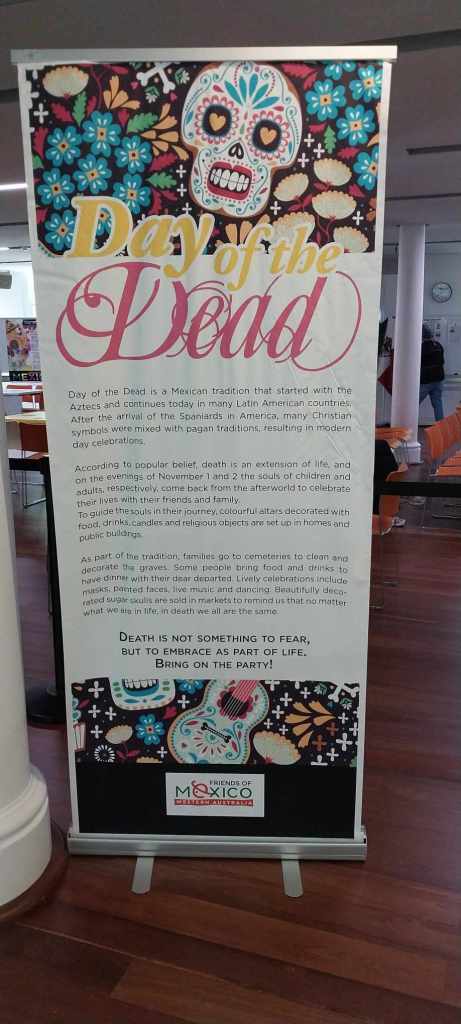
Dia de Muertos is a time of celebration and remembrance amongst the peoples of Latin America and is celebrated in many different ways, although it does have some core elements common across the Americas that are shared by those who celebrate it.
For those not entirely sure of this celebration I feel that I must point out that Dia de Muertos IS NOT Halloween. Although it does share a similar timetable (and this is not to be unexpected I guess as it is at this time of the year that the veil between the worlds of the living and the dead is at its most insubstantial and it is now that the spirits may pass between the worlds)
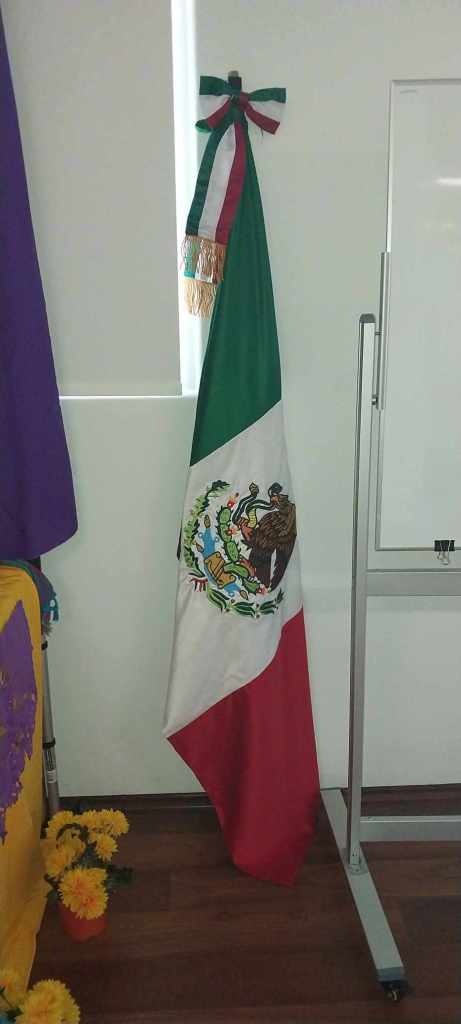
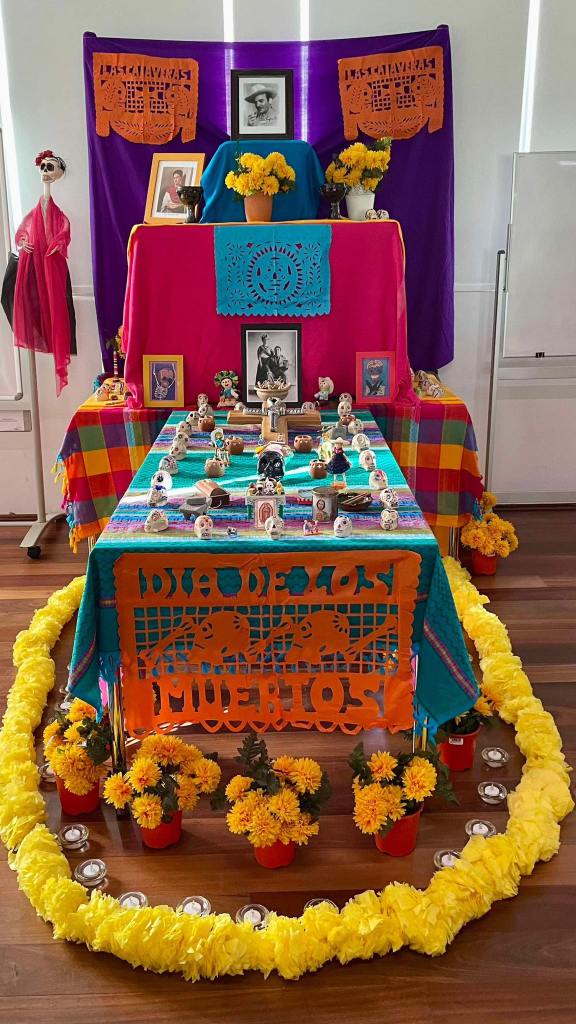
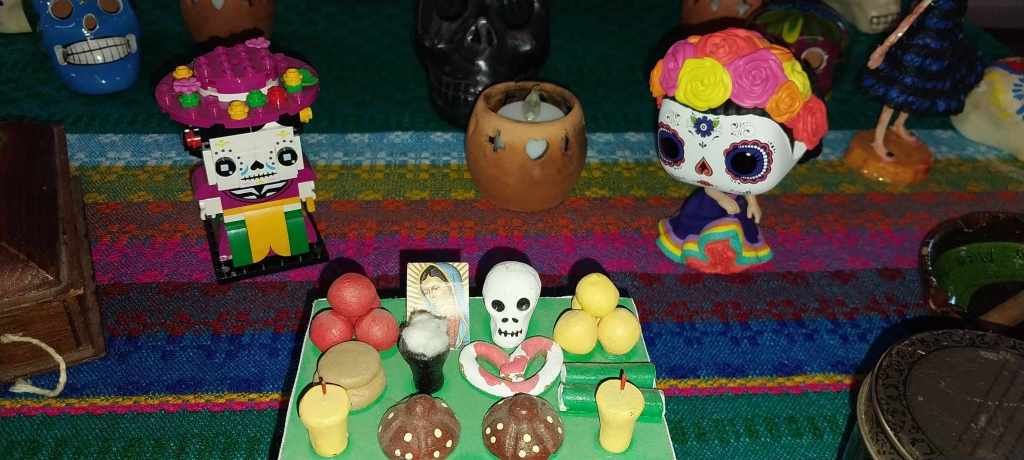
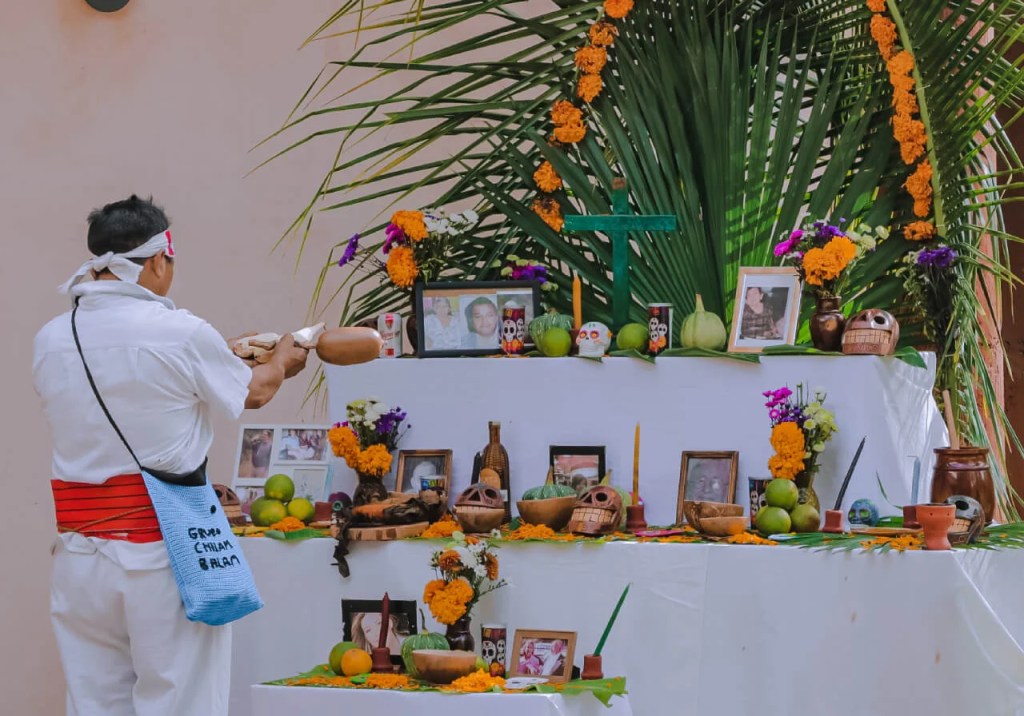
An important aspect of this celebration is an altar of remembrance called an “ofrenda” (literally “offering”). It is a syncretism of both Prehispanic and Catholic custom and symbolism. A few important elements of the ofrenda are…..
- Photographs of those who have passed so we can remember and celebrate them
- Favourite foods and drinks of those people. Some elements such as pan de muerto (bread of the dead) and tamales are typically placed on the ofrenda (Dia de Muertos IS NOT Halloween has a recipe if you’re interested in making your own)
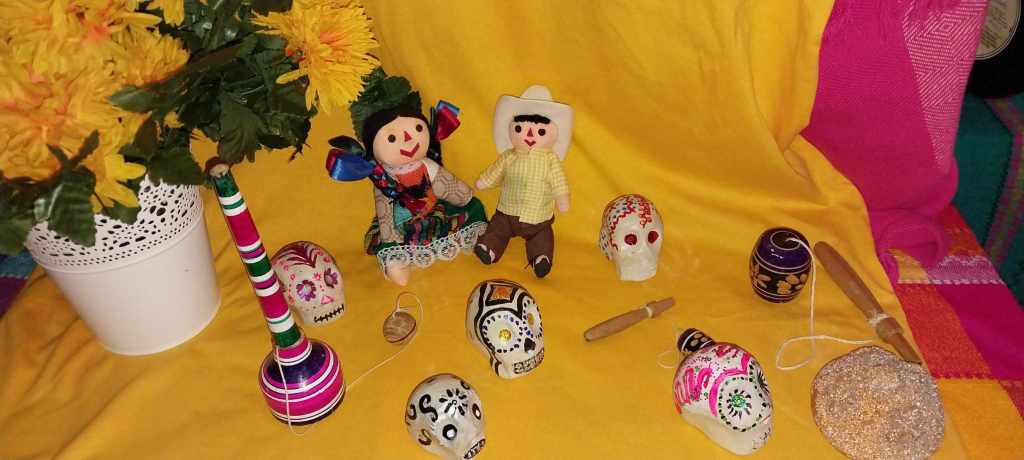
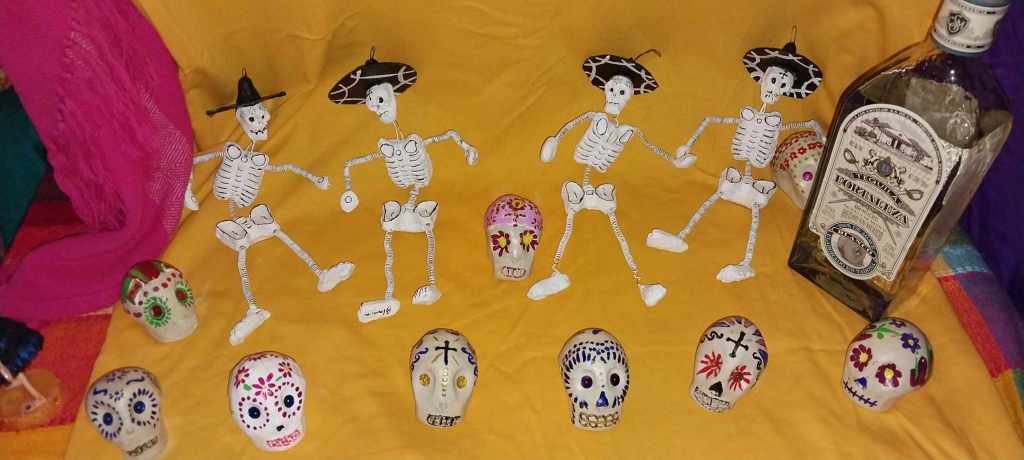
- Other favourite things. These might include alcohol or cigarettes for the adults, or toys and games for the children.
- Cempasuchil. These are the bright orange marigold flowers which help light the way for the spirits to find their way back to their families. See Cempasúchil Confusion During Dia de Muertos. for more information on this flower.
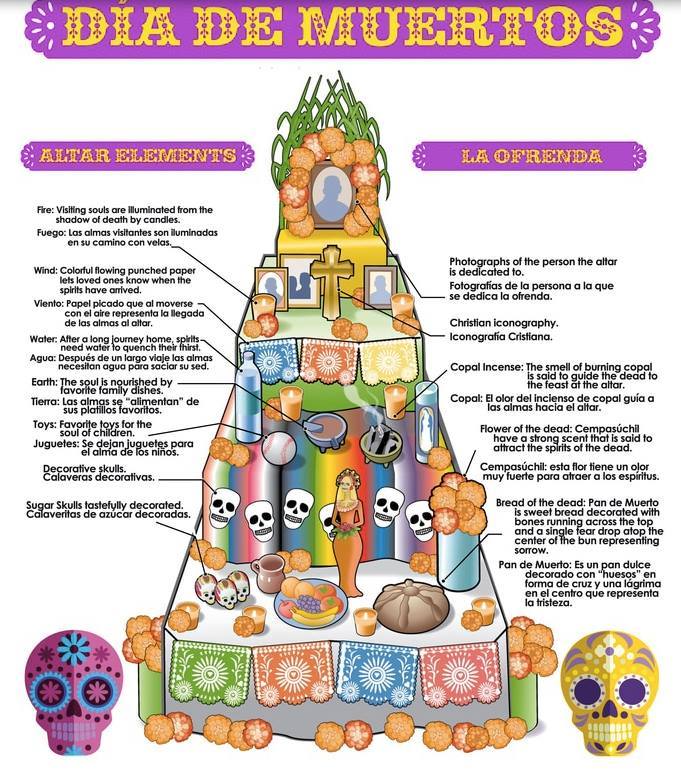
For a deeper look at the symbolism of the ofrenda please see Dia de Muertos IS NOT Halloween
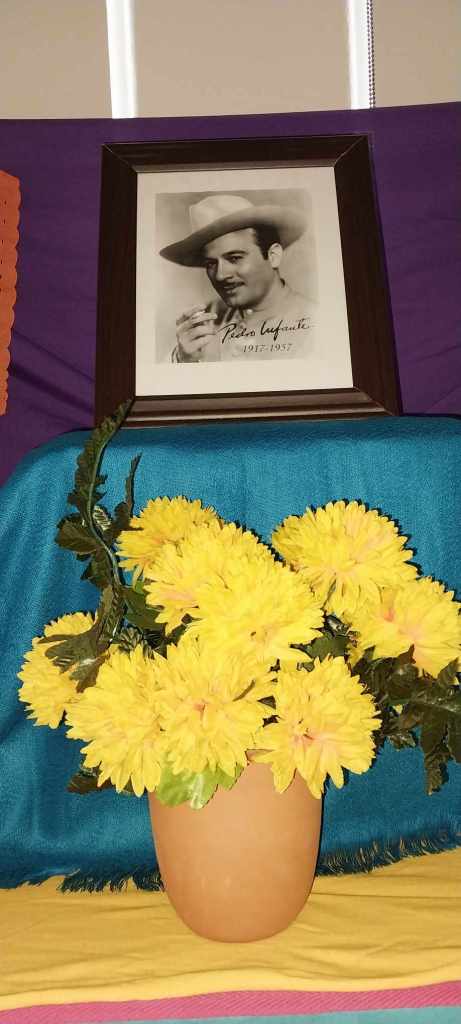
This year the ofrenda honoured Pedro Infante (a famous Mexican singer and actor) and Frida Kahlo (a well known Mexican artist)

Mexicans have an intimate and humorous relationship with Death. It is not believed to be the end but is another step on the journey that life is a part of.

This can be demonstrated by the sugar skull (although the ones on this ofrenda are made of plaster or plastic)

These skulls can be eaten (which by itself is a very interesting relationship with Death) and can even be made with the name of the person (your name) on them. Ernesto (who delivered the talk this year – more on him later) even joked about how they might even speed up the whole process via diabetes.
La Catrina.
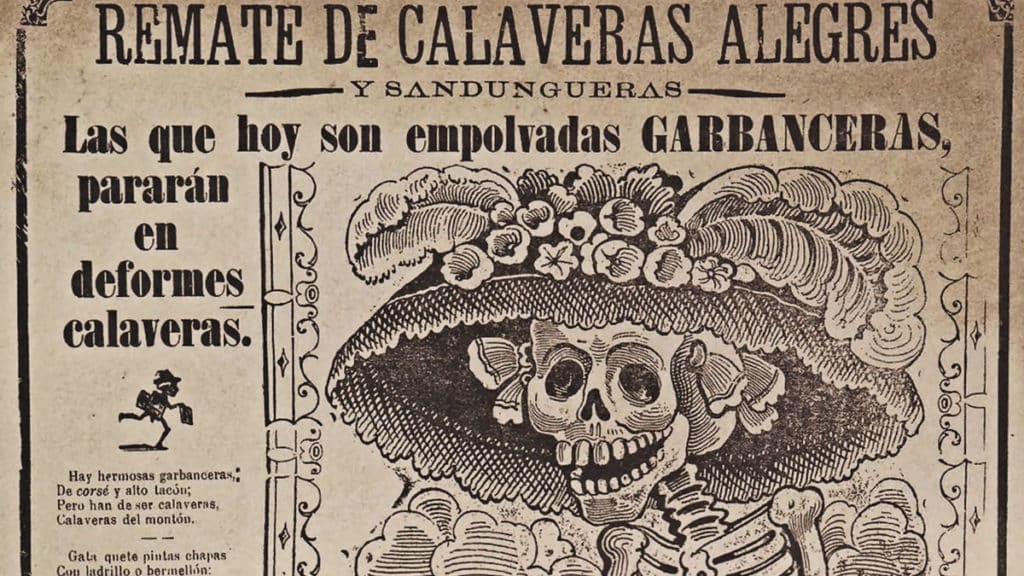
La Catrina is a parody of a fine lady as a skeleton. It was popularised by the artist José Guadalupe Posada in the 1800’s and demonstrates that death is the great equaliser. It doesn’t matter how rich or beautiful you are in life because the one thing we all share in common is that we will all pass from this world of the living at some stage.


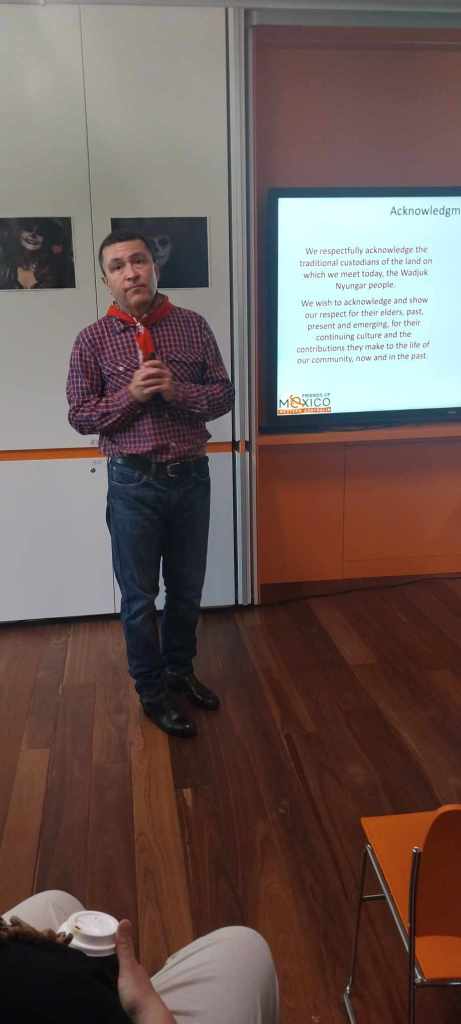
Todays talk was delivered by Ernesto the maestro behind the Mexican folkloric dance troupe Ixtzul.
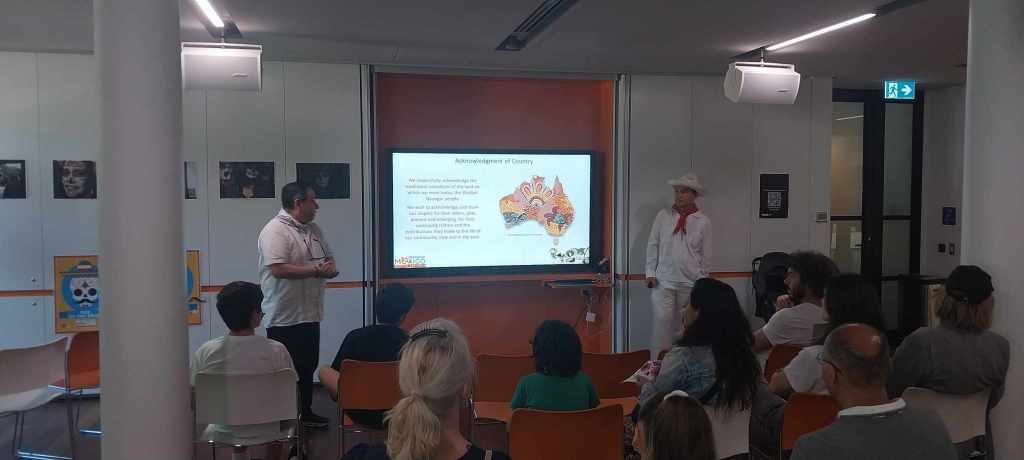
Cesar, the President of the Perth chapter of FOMEX introduces Ernesto.


Ixtzul performed several regional dances from various States which required several costume changes by the maestro.

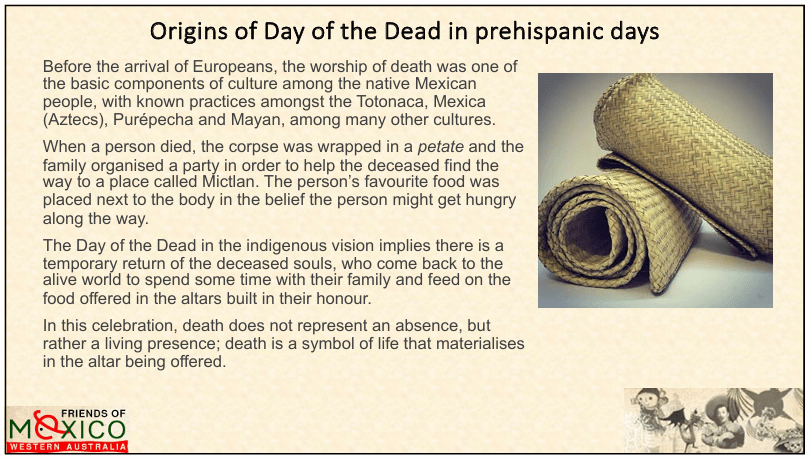
The petate is a woven reed mat similar to the Japanese tatami. It was the persons bed in life and when they died they were wrapped in it before being interred.
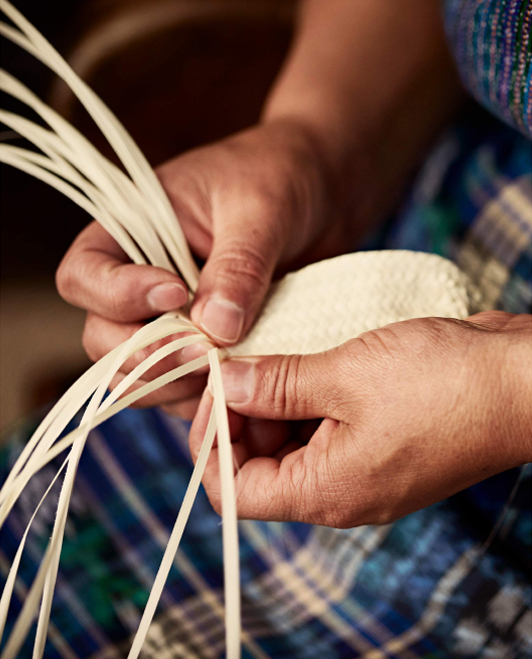
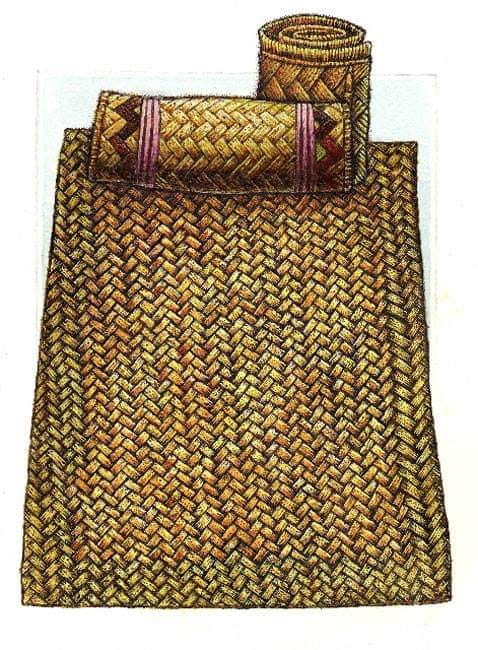
Mexicans have many ways to say that some one has died and may never actually say it in those words i.e. “he died”. One of the phrases used to denote someone’s passing is ‘se petateó’ or that the person has been “wrapped in their petate”
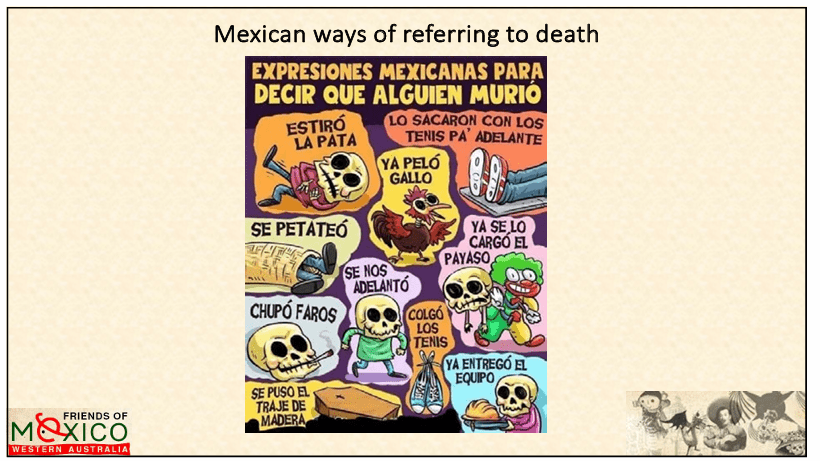
Other colloquialisms for shuffling off this Mortal Coil might include….
- Estiró la pata. – he stretched his legs
- Lo sacaron con los tenis pa’ delante – they took him out with the tennis shoes forward
- Ya peló gallo – plucked his rooster
- Ya se lo cargó el payaso – the clown carried him away
- Se puso el traje de madera – he put on the wooden suit
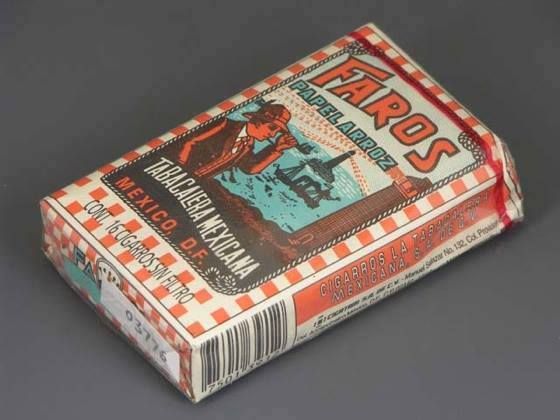
- Ya chupó faros – to suck lighthouses or ‘he already sucked headlights’ (refers to a brand of cigarette) – also refers to when something stops working. This phrase is said to refer to the time of the Mexican revolution where condemned prisoners were given a final cigarette before facing the firing squad.
- Se nos adelantó – literally it means “he went before/ahead of us” but in this case it means something like “He went before his time
My translations in this case might leave a little something to be desired
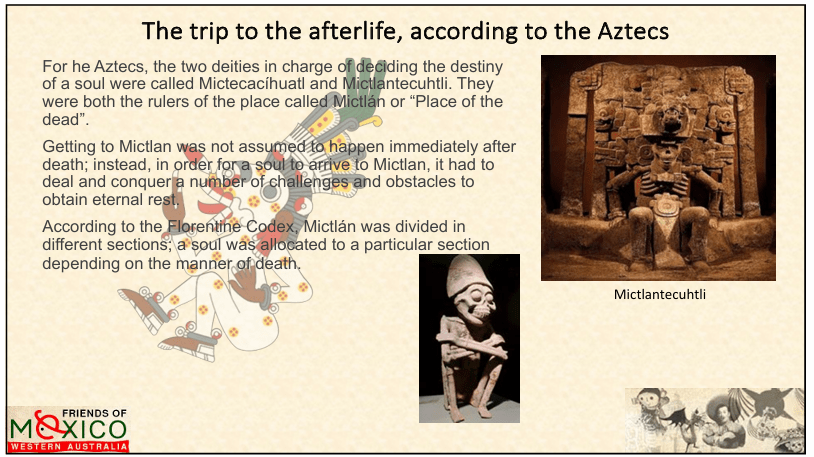
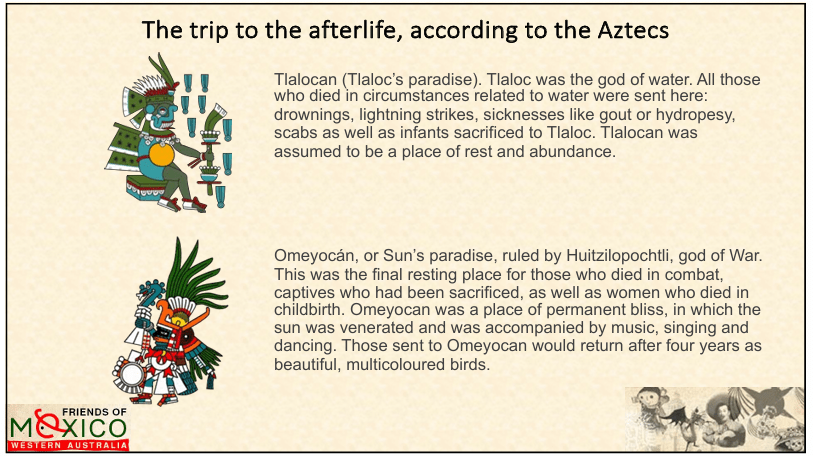
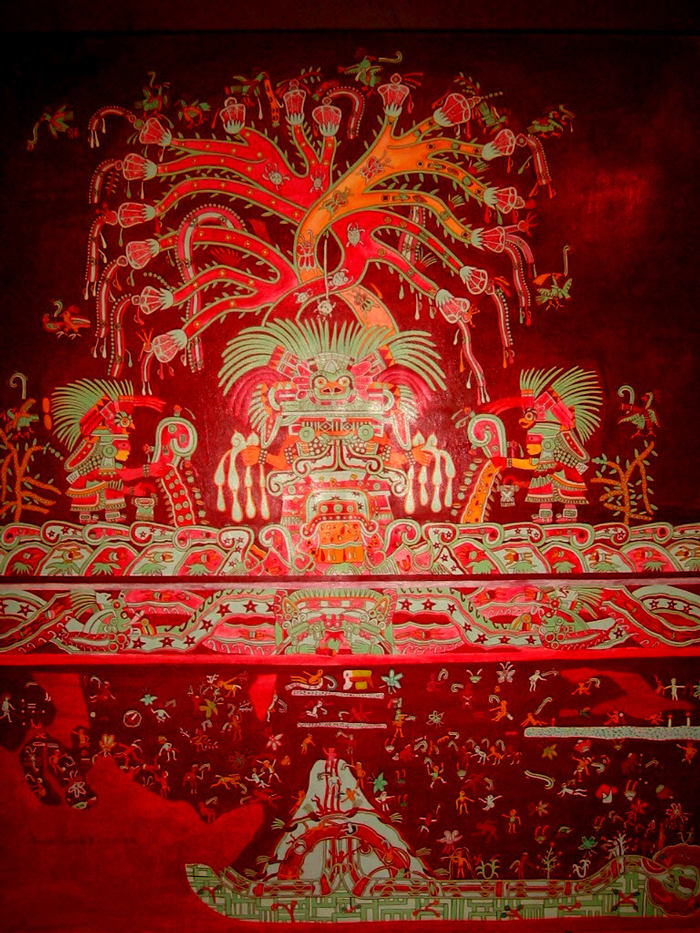
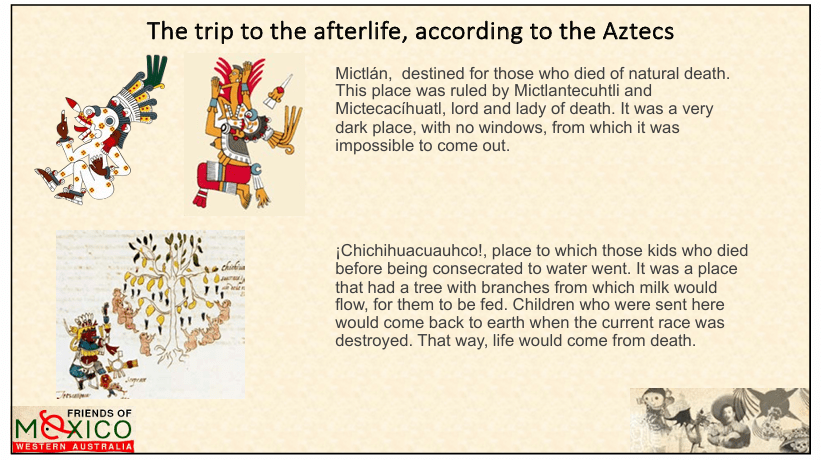

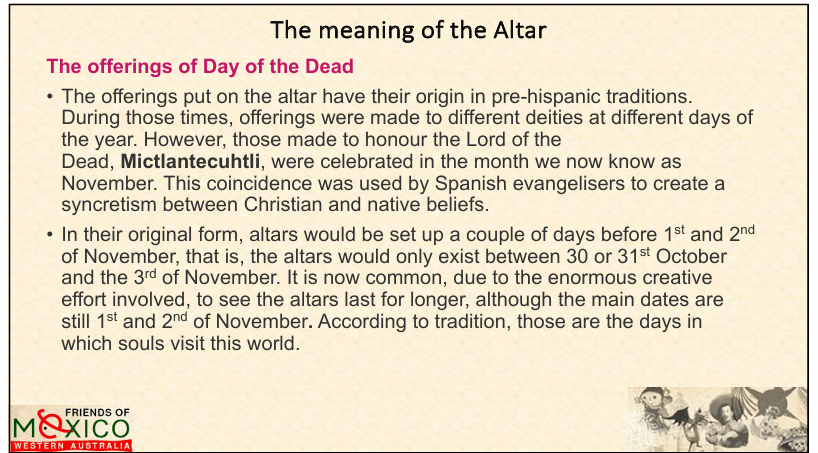
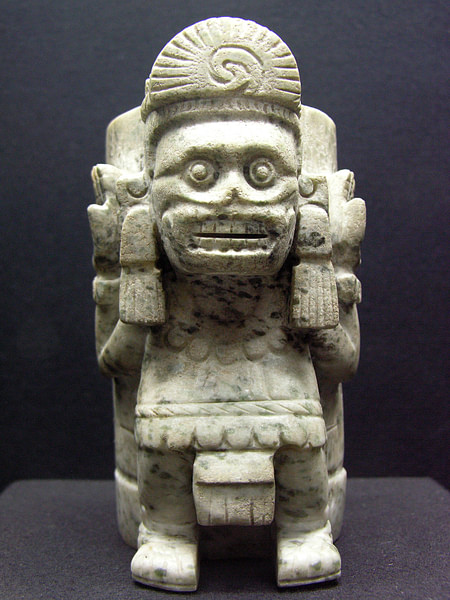
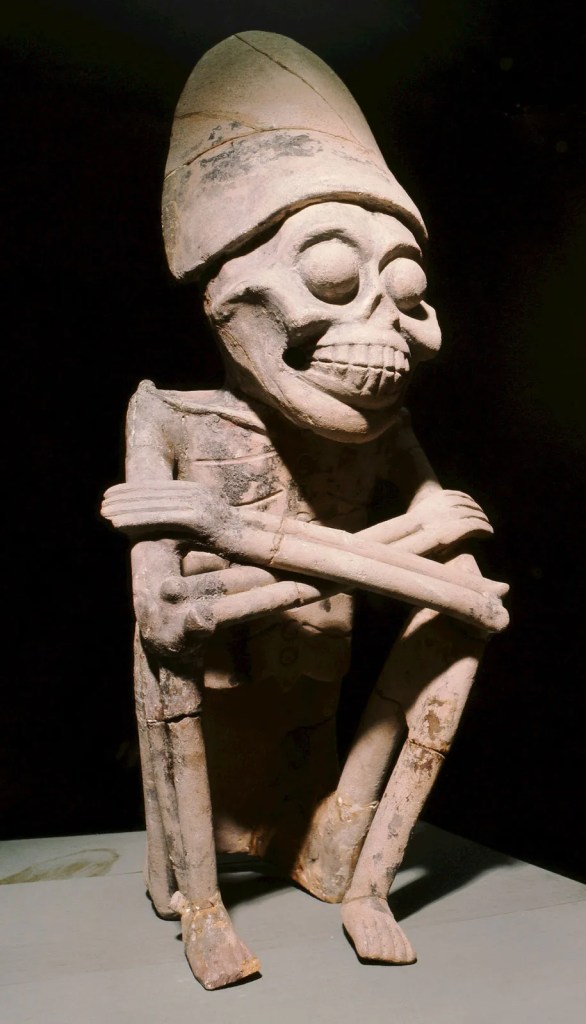
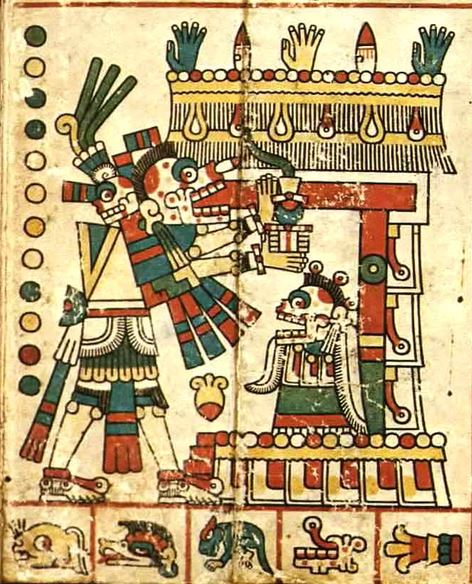
Various depictions of Mictlantecuhtli




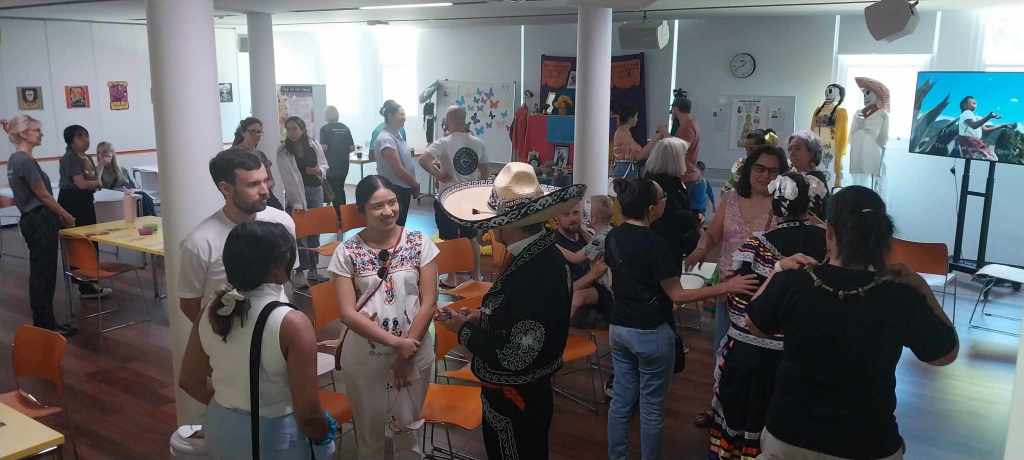
There were activities for the kids (and grown ups too)

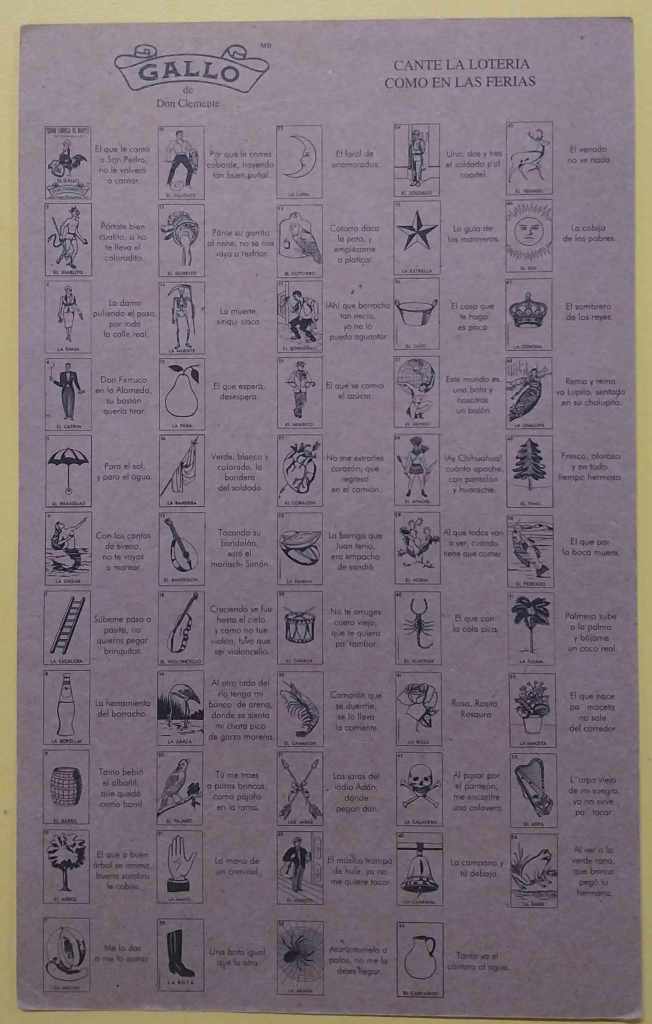
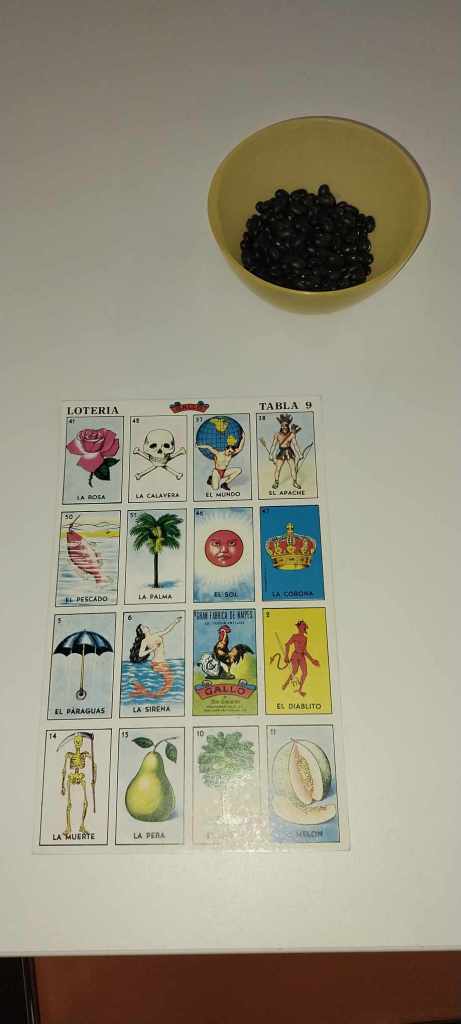
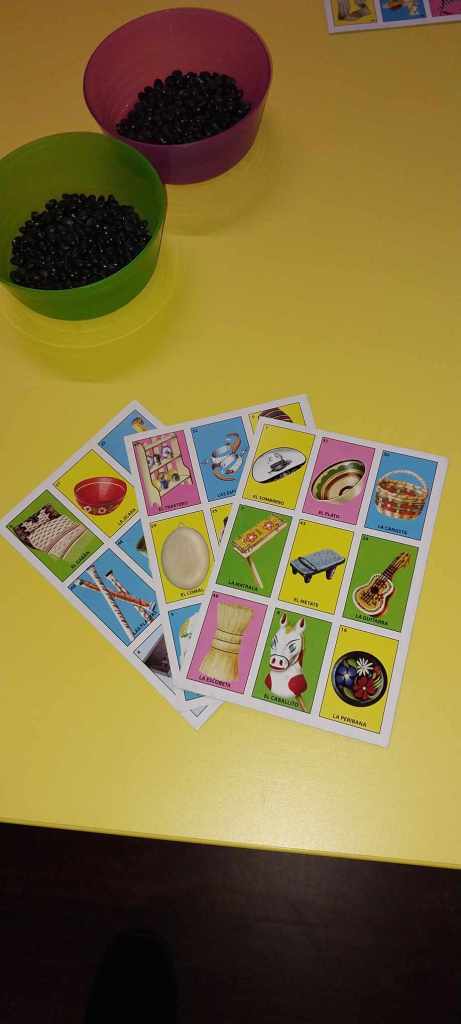
Loteria, a bingo like game (as well as mask making and calavera colouring in)
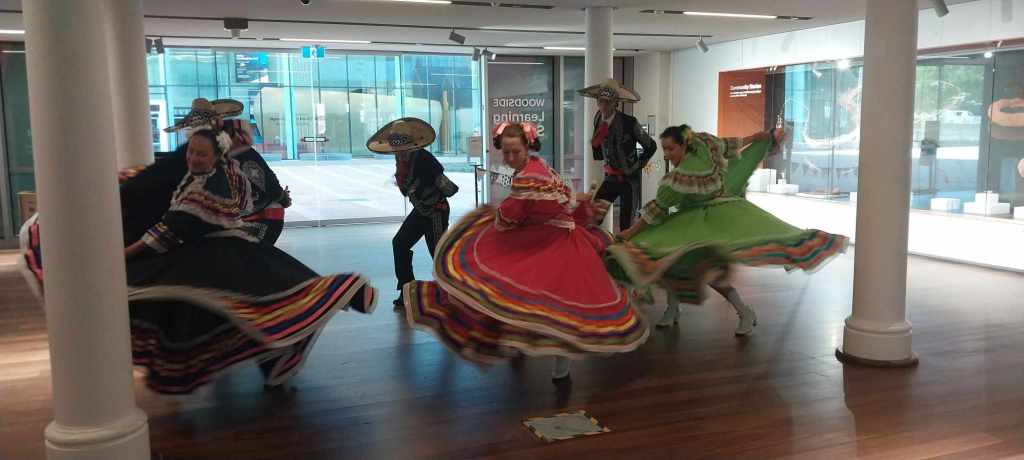
Ixtzul put on dances from several regions.
The first set consisted of dances from Vera Cruz
- La Bruja
- El Palomo
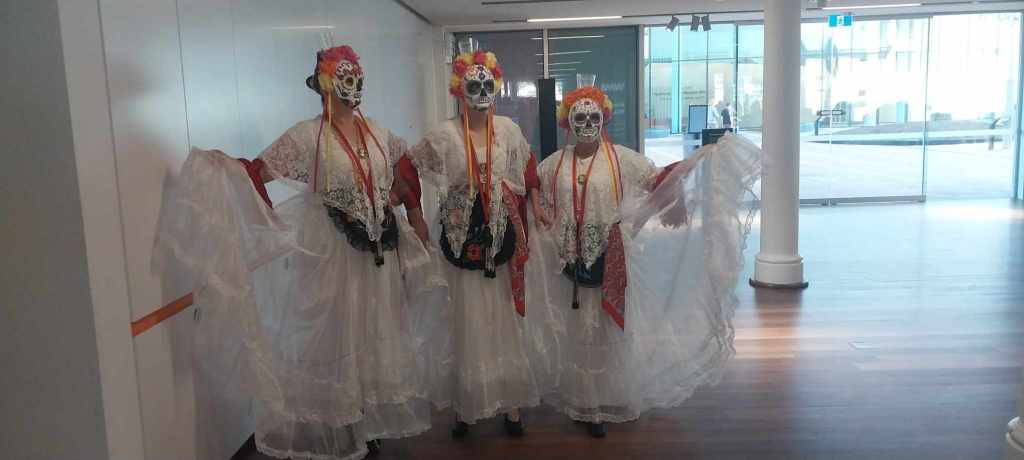
“La Bruja”. This dance is performed with the dancers balancing a glass containing a candle balanced on their heads (typically Ixtzul performs this one without the masks but since it is Dia de Meurtos….)
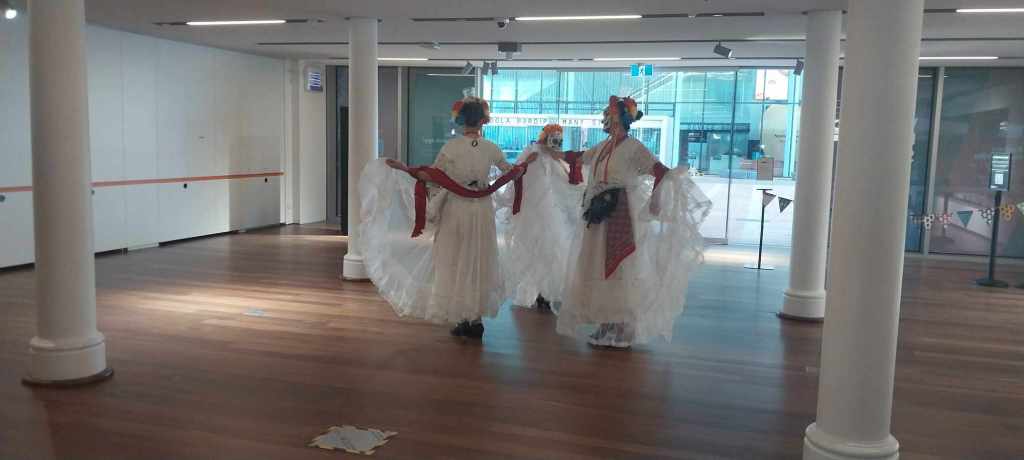
This dance comes from the State of Vera Cruz
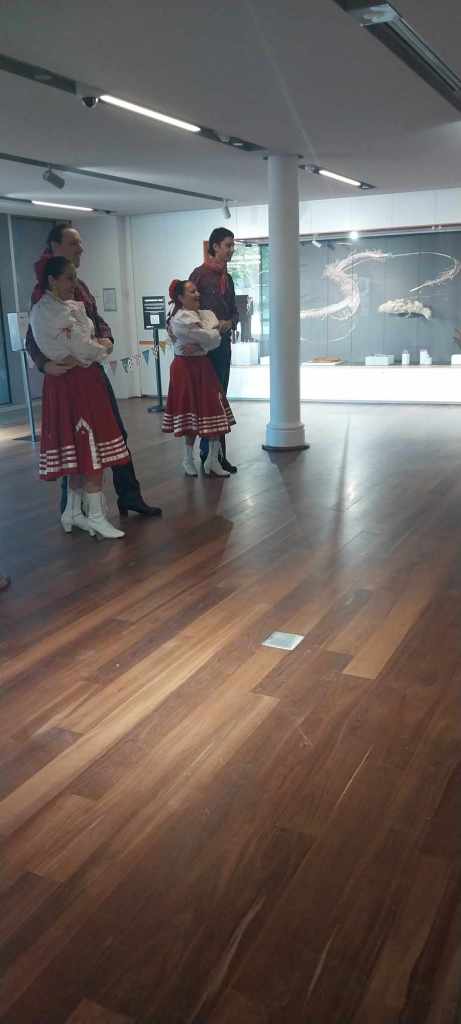
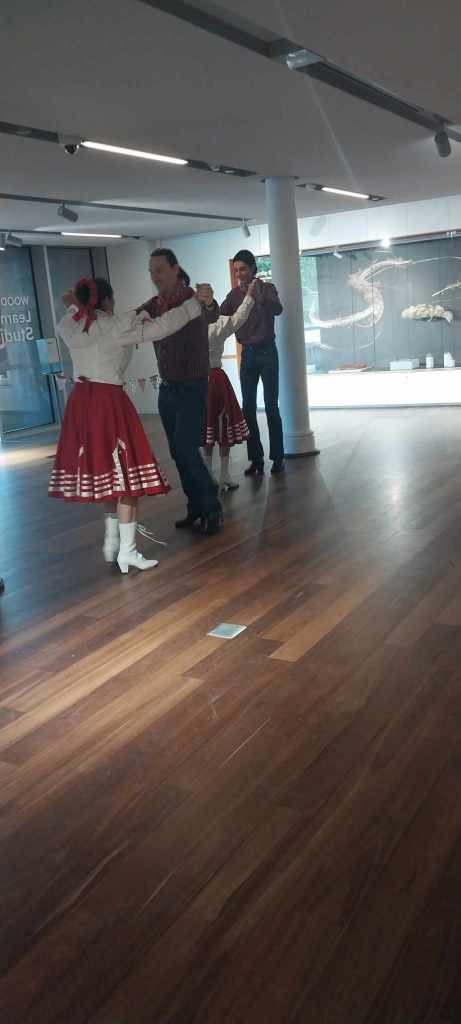
This dance is Viva Linares from Northern Mexico, Nuevo Leon I think. Disculpe me por favor Maestro if I’ve gotten this incorrect (soy un mal estudiante)
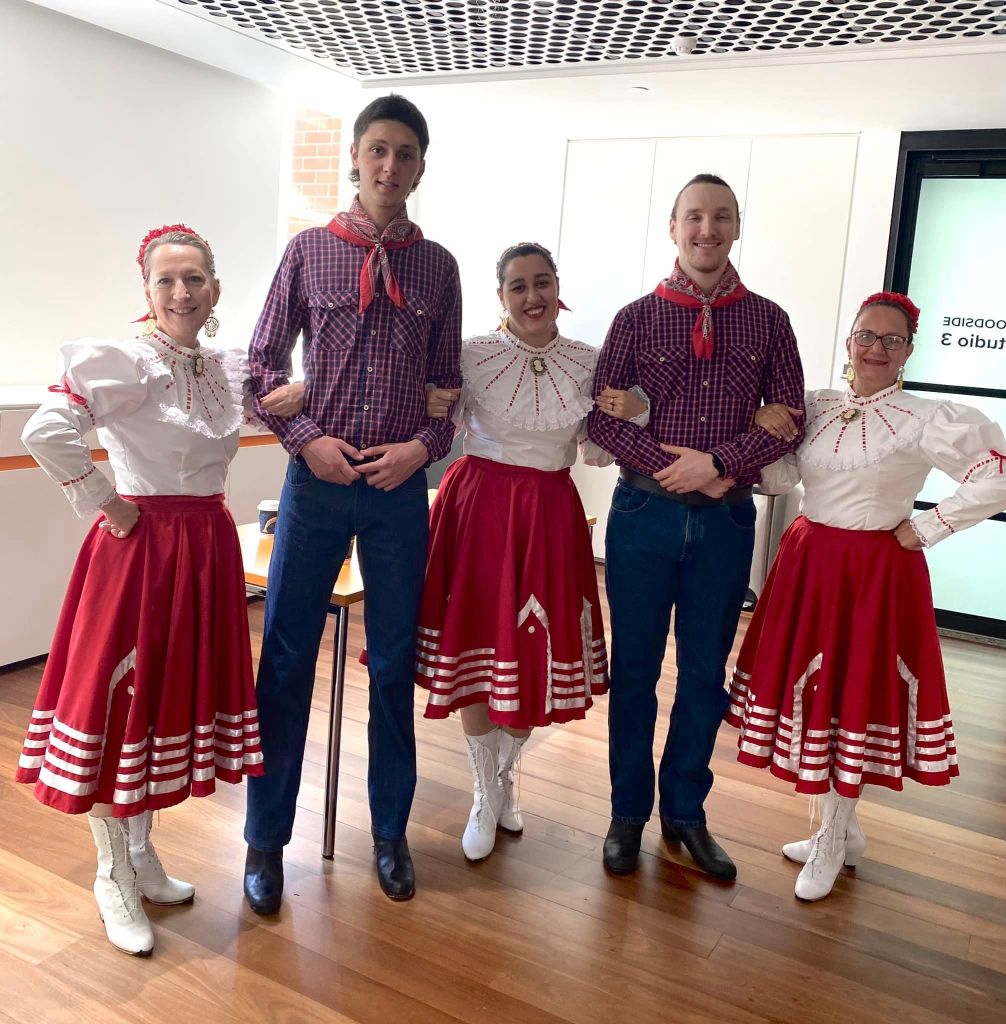
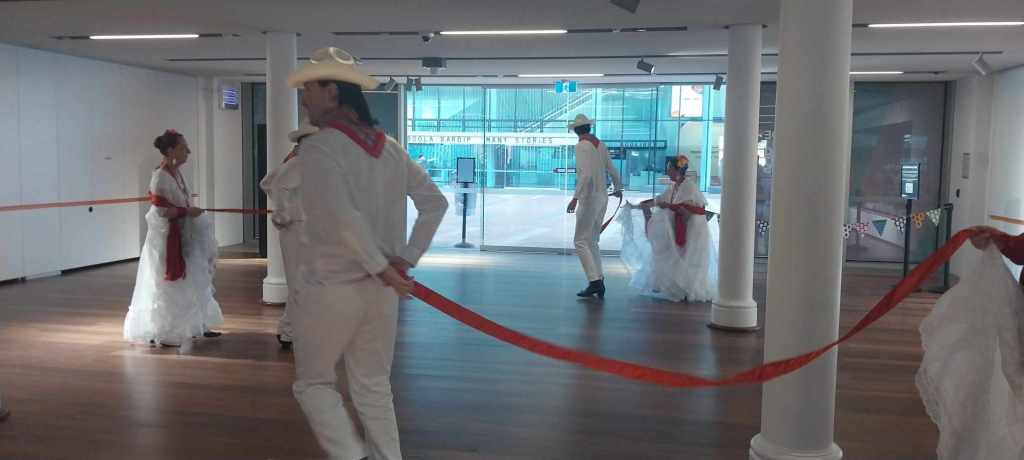
“La Bamba”. This is another dance from Vera Cruz and as the maestro pointed out the song La Bamba was not created by the singer Richie Valens in 1958 but was created in Vera Cruz in the style of music known as son jarocho late in the 17th Century. This dance represents marriage and showed off the skill of the dancers in an unusual way.
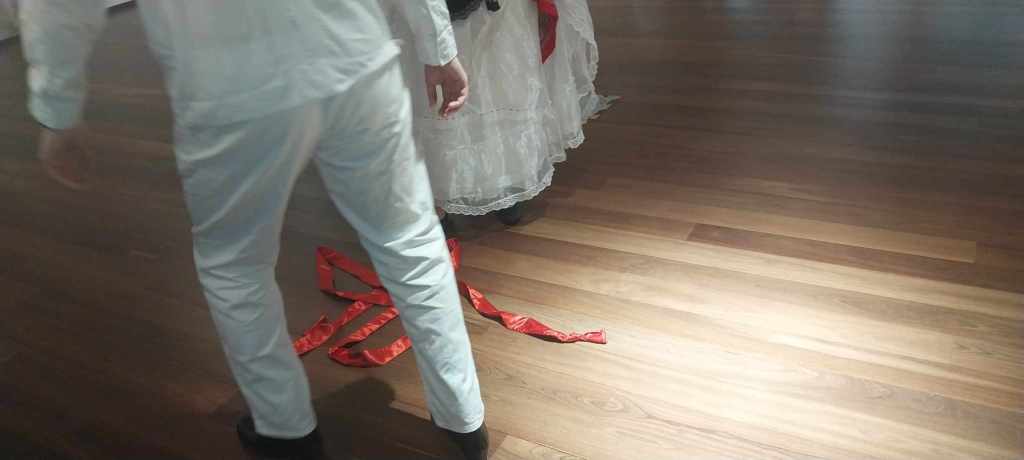
The dance involves some intricate footwork by the dancers who tie a bow with the male dancers belt with their feet.
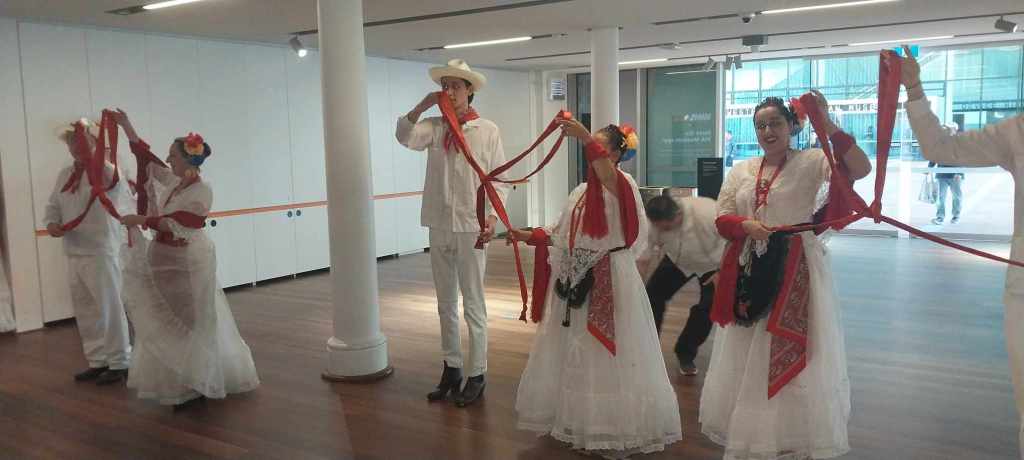
And as the Maestro says “practice makes perfect”
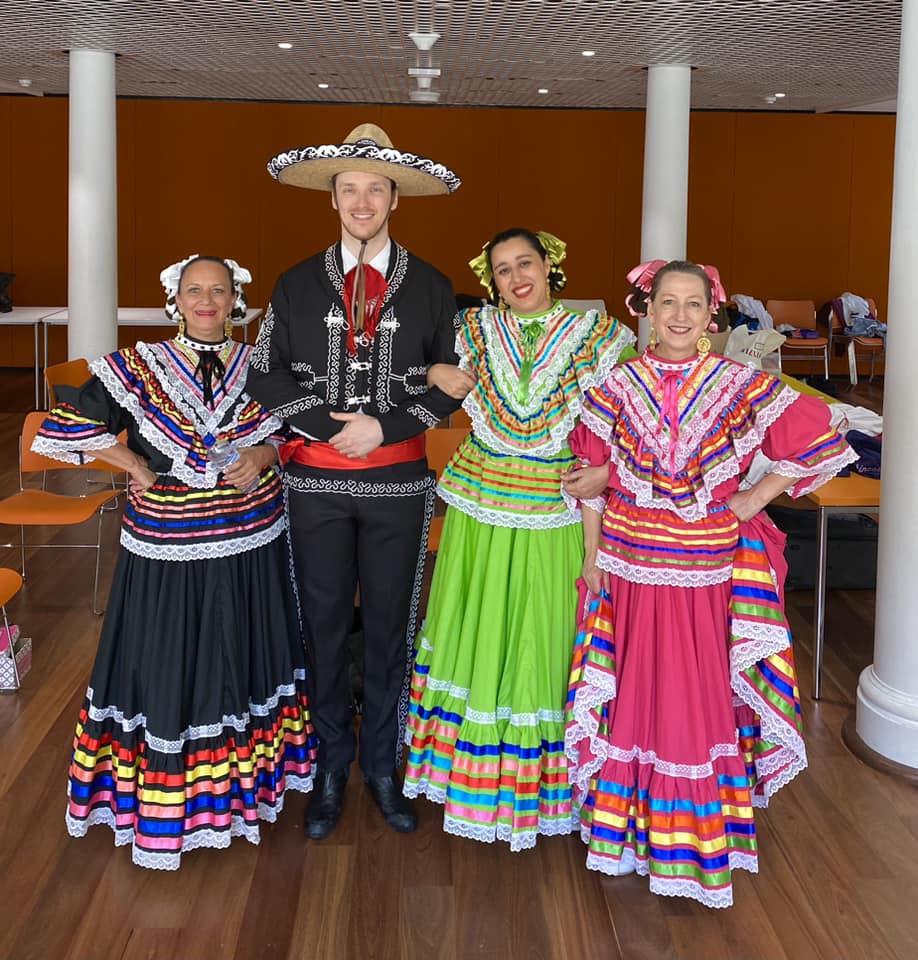
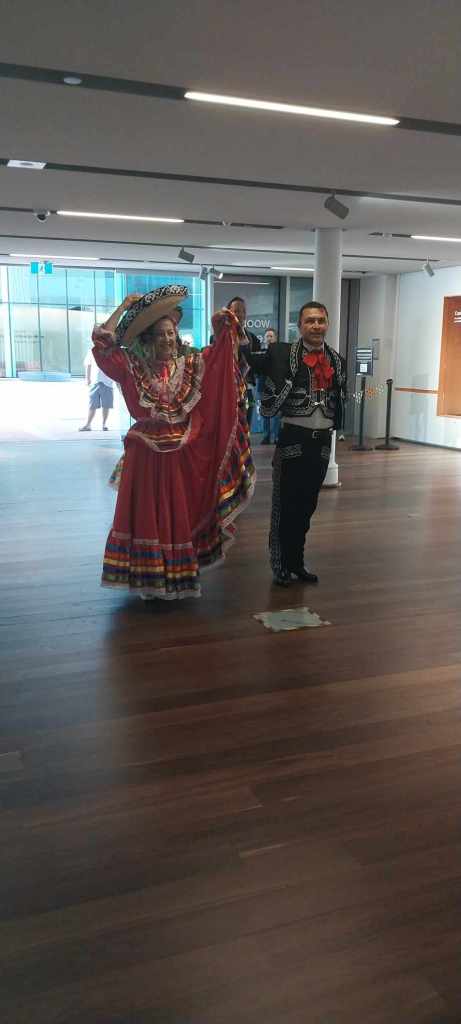
Jarabe Tapatio, often called the Mexican Hat Dance (because of the sombrero). This dance originated as a courtship dance in Guadalajara (Tapatio is a nickname for a person from the city of Guadalajara in the State of Jalisco)
The next event is coming soon, and at this one we eat pan y chocolat

Pan de muerto
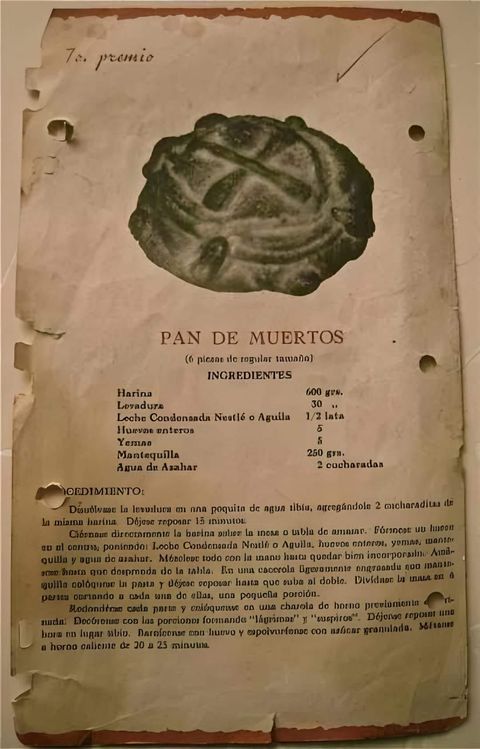
Para una receta de pan de muerto see FOMEX* and Dia de Muertos.
 Masa Americana