
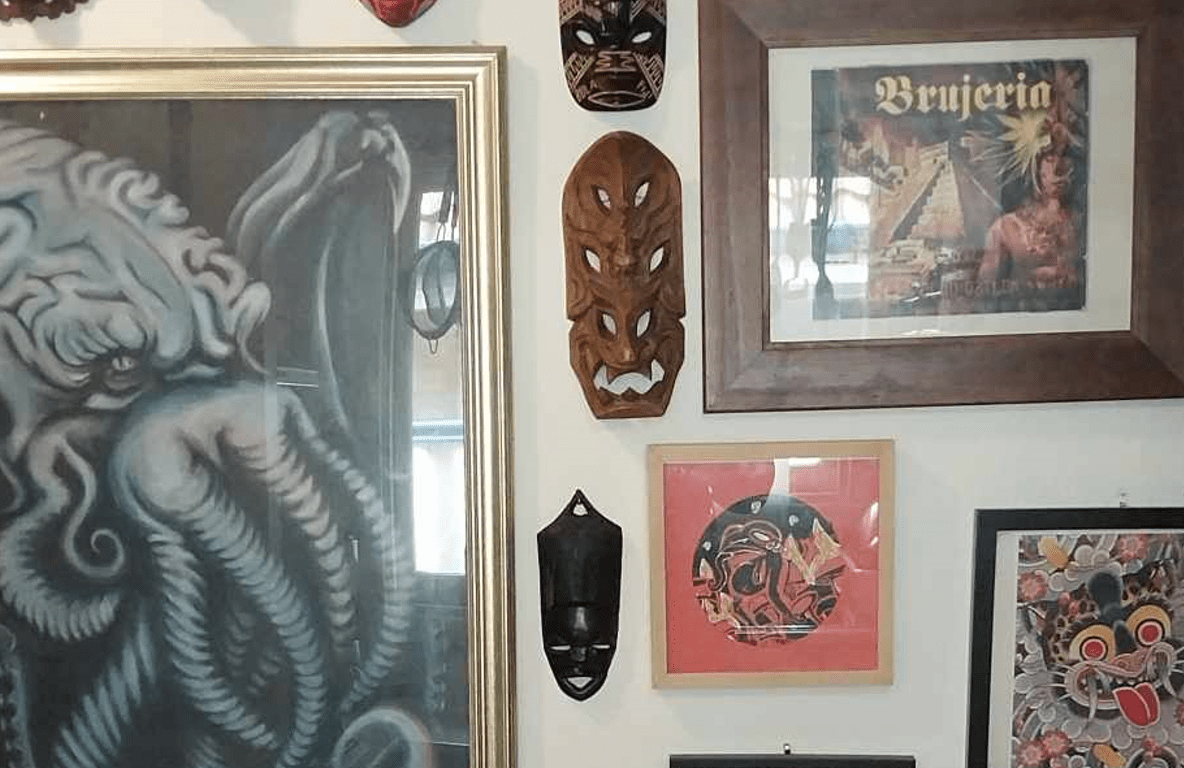
I have just gained some insight into a mask in my collection that, when I initially purchased it, was told it was African in design. It has however been pointed out by a Filipino friend that it is not African but that it is from the Philippines and represents a mythical serpent spirit known as Bakunawa (1).
- Baconaua, or Bakonaua


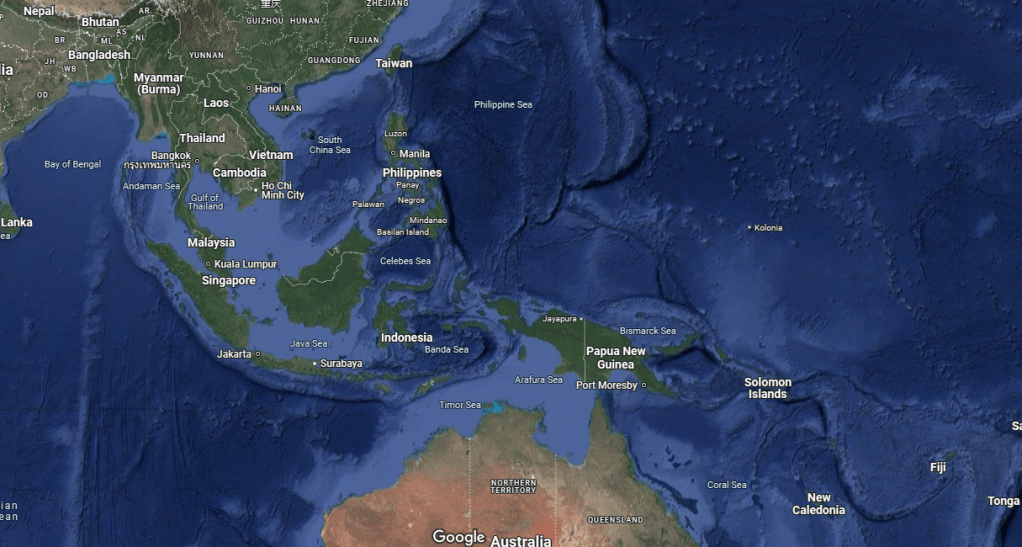
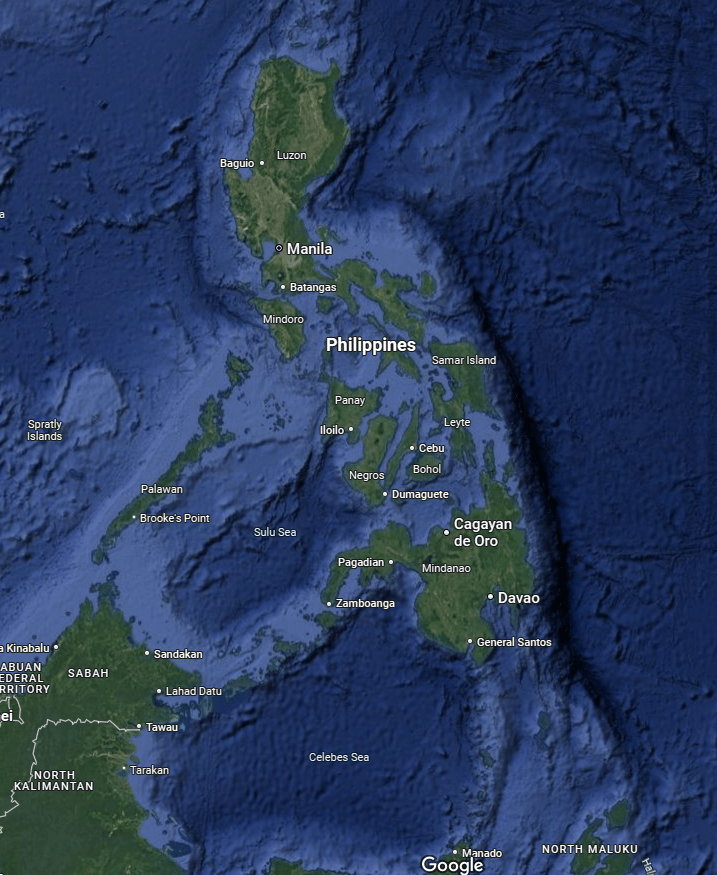
The Philippines (officially the Republic of the Philippines) is an archipelagic country (1) in Southeast Asia. In the western Pacific Ocean, it consists of 7,641 islands, with a total area of roughly 300,000 square kilometres, which are broadly categorized in three main geographical divisions from north to south: Luzon, Visayas, and Mindanao.
- a group of islands, interconnecting waters, and other natural features that are closely interrelated and form an intrinsic geographical, economic, and political entity

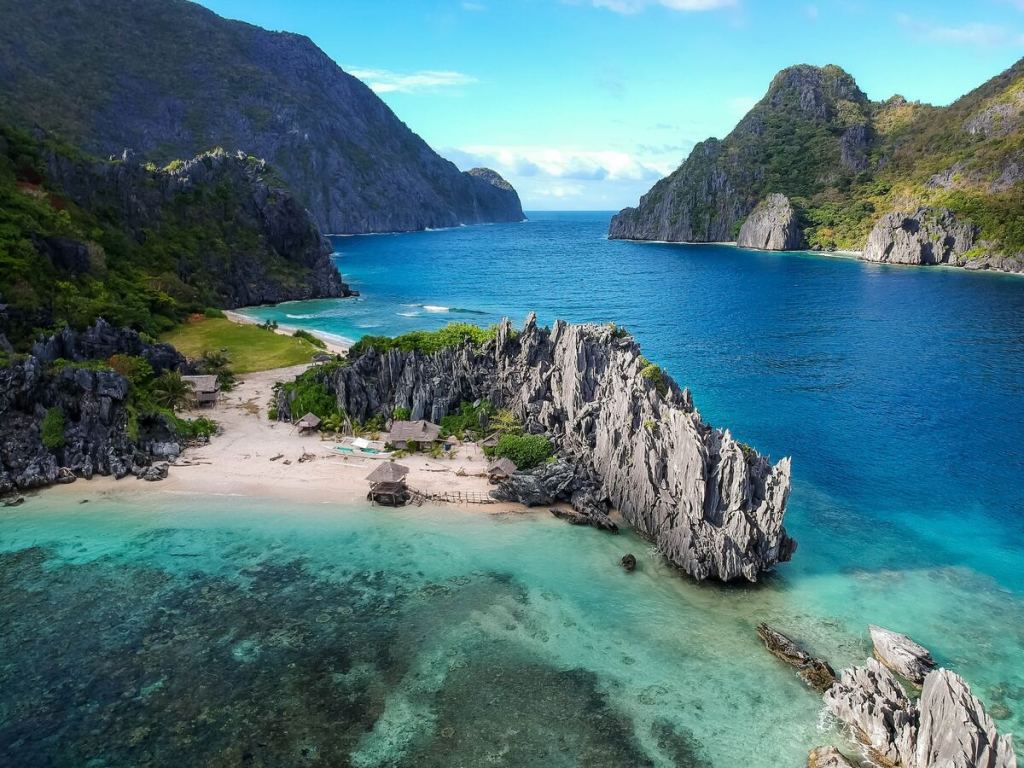
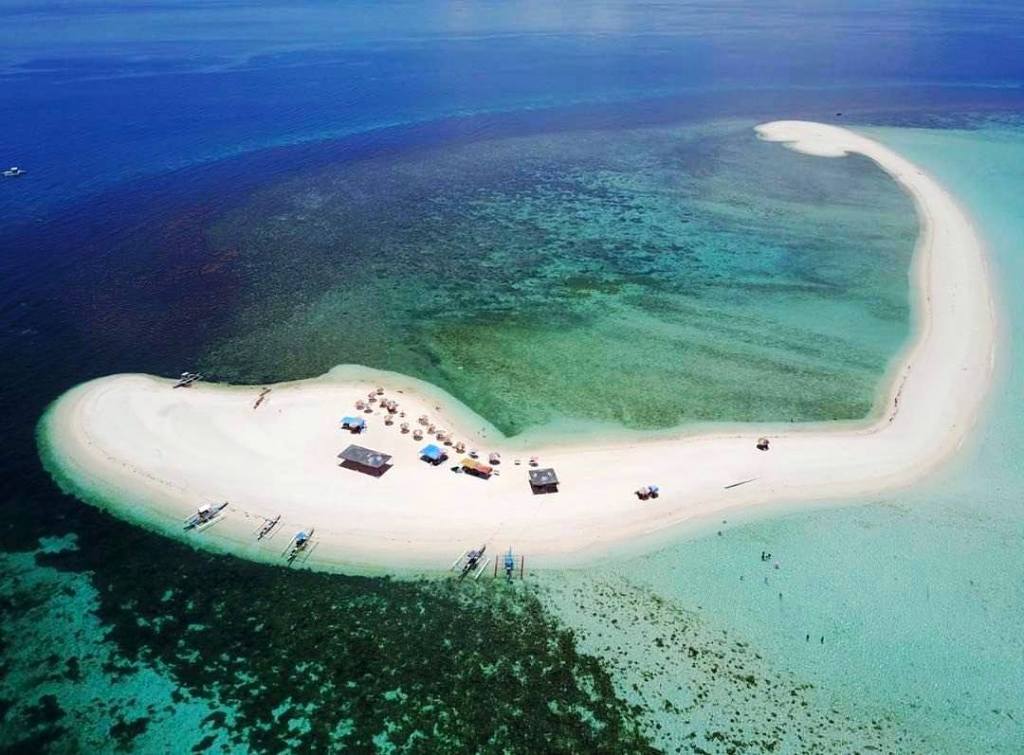
The Philippines is a beautiful region (perfect for dragons too I’d think)

The Bakunawa is a serpent-like dragon in Philippine mythology. It is usually depicted with a characteristic looped tail and a single horn on the nose. Other descriptions describe the Bakunawa as having the head, gills, and scales of a fish, fin-like wings, and the body of a snake. It was generally believed to be a sea serpent, but is also thought to inhabit either the sky or the underworld.

According to Filipino folklore, the mythical creature Bakunawa, is often referred to as the “Moon-Eater” or the “Eclipse Bringer”. It is believed to be the cause of eclipses, earthquakes, rains, and wind (including typhoons) (1).
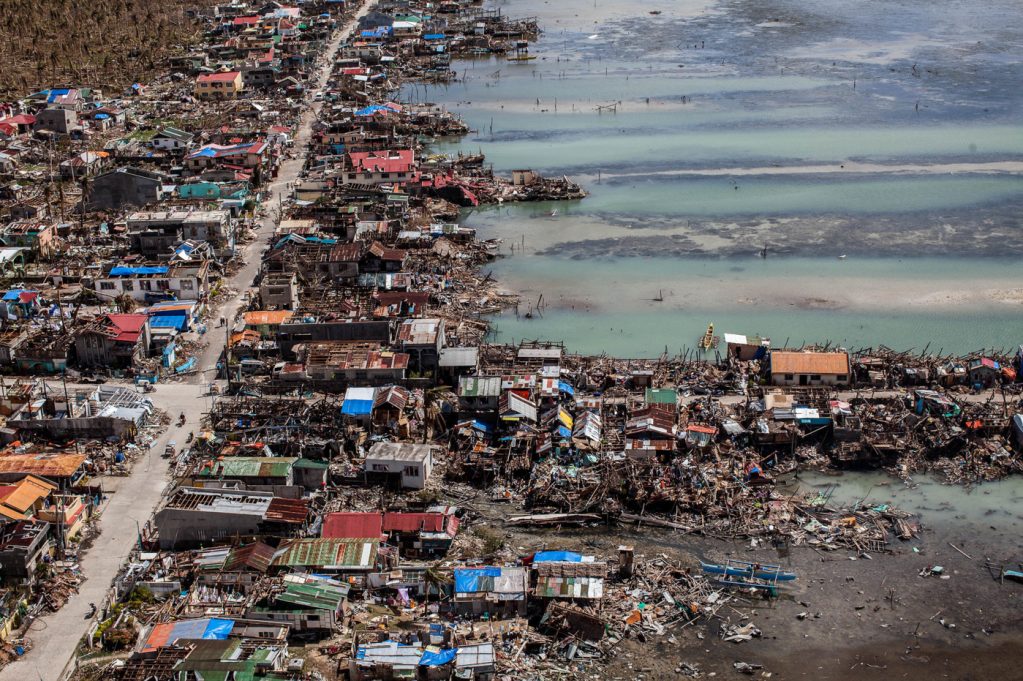
- A typhoon is a tropical cyclone – a giant, rotating storm that brings wind, rain, and destruction.

The legend (well one of them anyway) in a Visayan folktale goes that the Supreme God Bathala, creator of everything and overseer of mankind, created seven moons that illuminated the earth, with one illuminating each of the dark nights of the week. Every evening was bright and beautiful because of these moons, as the moons brought joy and happiness to the people of the earth. This, however, mesmerized one particular dragon who wished to possess the moons.
The Bakunawa, a huge serpent-like dragon that coiled around the earth and ruled the oceans, fell in love with the heavenly magnificence of the “seven sisters” such that he envied the almighty for his creations.
But much to the dismay of the people of the earth the growing desire of the dragon turned into envy and greed. The Bakunawa arose again and again from the waters and it began to consume the moons, swallowing them one by one, each night, as he yearned to possess them all. The towering, ferocious serpent successfully devoured all but one of the shining moons.

Bathala became conscious of the sudden disappearances of the moons from the heavens when one fateful night, a deafening collective of ever-growing screams, moans, music, sounds, and the banging of drums coming from the people of earth awakened the almighty to witness the Bakunawa in the process of swallowing the last remaining moon, slowly enveloping the whole world in deep, abysmal darkness.
The people of the earth had gathered to arm themselves and to protect the last moon from being swallowed by the dragon.
The people of earth shouted profanities at the serpent and screamed altogether at the dragon to “Return our Moon!”. The dragon, taken aback by the resistance coming from the people of earth, hastily retreated to his caverns deep within the ocean as the deafening sound grew louder and louder.
The last moon escaped being swallowed and returned to illuminate the dark skies once more. The people of earth rejoiced as the dragon hastily returned home, hiding inside his cave, waiting for the right moment to consume the last remaining moon.
The dragon never gave up in his desire though, as he still attempts to swallow the last remaining moon in the sky from time to time (indicated by a lunar eclipse). But the people remain on alert and are ready to fight for the moon’s return, guarding it with their own lives by creating thundering noises by beating their pots, pans and drums and by shouting and yelling to scare the Bakunawa and protect the seventh and final moon.

- Pintados. During the Spanish era, people living in the Visayas who had their bodies covered in tattoos; tattooed warriors; tattooed inhabitants; Visayan warriors.

The Pintados Festival is a cultural-religious celebration in Tacloban, Philippines, based on the body-painting traditions of the ancient tattooed “pintados” warriors.
Established in 1987, the Pintados Festival honours the region’s pre-colonial heritage and the Santo Niño de Leyte (1). Local legends credit the saint for protecting the region from disease, drought, and other natural disasters. A decade later, it merged with the Kasadyaan Festival, creating the Pintados-Kasadyaan Festival.
- Santo Niño, which means “holy child”, is a Spanish title for the Christ Child (Jesus Christ as a child). Santo Niño de Tacloban, a Filipino representation of the Child Jesus that arrived in Tacloban City, Leyte in 1770

Early Spanish chronicles described indigenous Visayans as “Pintados” because they “painted their bodies profusely with tattoos”. From afar they “appeared clothed” and are depicted in the Boxer Codex, a late 16th century document preserved in the Lilly Library, University of Indiana at Bloomington.
In the Bicol region, Bakunawa was a beautiful diwata (goddess) who fell in love with Bulan, the god of the Moon, (who has a sister, Haliya, the goddess of the moonlight).

Bakunawa went above and beyond to win Bulan’s love. She commanded the stars to sparkle and astonish him with their beauty, she commanded the birds and sirens to sing for him, she commanded flowers to send him fragrance, and she commanded clouds not to cover him, but Bulan refused her affections.

When Bulan did not reciprocate her love the goddess became angry. She transformed into a giant serpent (Bakunawa) to devour both Bulan and Haliya. Bulan and Haliya, on the other hand, defended themselves. The supreme god witnessed the fight and became enraged at the Bakunawa. As punishment, he cursed the broken-hearted goddess to remain a serpent for eternity. This curse did not quell the goddess’s desire to kill and eat the Moon-god and his sister, and she continues to attack them even to this day.


The creation of the mask has its own legend
Long ago, in the Philippines, there was a powerful dragon named Bakunawa. Bakunawa was feared by many, as it would swallow the moon during eclipses and cause great chaos and destruction.
One day, a brave group of warriors set out to defeat Bakunawa and save the moon. They battled fiercely with the dragon for many days, until finally, they were able to overpower Bakunawa and cut off one of its heads (this was the first reference I found saying the dragon had more than one head).
As Bakunawa lay defeated, a mysterious force transformed the dragon’s severed head into a beautiful mask, adorned with intricate designs and which emanated the delicate scent of sampaguita flowers. The mask was imbued with the dragon’s power, and the moon itself seemed to shine through the mask’s eyes.
The warriors were amazed by the transformation and decided to keep the mask as a symbol of their victory over the fearsome Bakunawa. From that day on, the mask was passed down from generation to generation as a reminder of the bravery and strength of their ancestors.
As time passed, the mask became a cherished artifact and was used in traditional Filipino ceremonies and rituals. The sampaguita flowers were often used to adorn the mask, and the moon’s influence could be felt whenever it was worn.
And so, the legend of Bakunawa dragon turning into a mask lives on, with the moon and sampaguita flowers forever entwined in the story of this powerful symbol of Filipino culture and history.


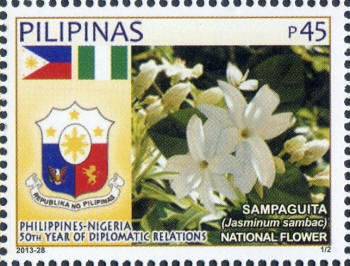
Arabian jasmine or sampaguita (Jasminum sambac) is a sweetly scented species of jasmine with a native range from Bhutan to India that is widely cultivated in West, South and Southeast Asia. It has naturalised in locales ranging from Christmas Island to Madagascar, the Caribbean and in the Americas from Florida to Chiapas. The name “Arabian jasmine,” results from the plant being widely cultivated in the Arabian peninsula.
In the Philippines, the flowers are gathered and strung into leis (1), corsages and crowns and can be commonly found for sale in the streets and shops. It is a symbol of purity, simplicity, modesty, humility and strength. It is also often linked to traits like toughness, tenacity, and patience.
- A lei is a garland or wreath common in Hawaii, across Polynesia, and the Philippines. More loosely defined, a lei is any series of objects strung together with the intent to be worn.
It is said to be unusual for someone to give Sampaguita to another person as a gift or as a sign of adoration because of its importance as an offering to saints and its use in religious rituals, processions and celebrations of saints
Sampaguita was declared as the national flower of the Philippines by Governor-General Frank Murphy in 1934.

CAUTION : The following is for informational purposes only and is not designed to constitute medicinal advice. DO NOT use the following without seeking expert advice from a herbalist
Sampaguita also possesses medicinal properties. The flowers, roots and leaves are all used medicinally. Traditional healers in the Philippines have long used various parts of the plant to treat ailments like headaches, fever, and eye infections. Sampaguita tea is believed to have calming effects and is used to alleviate stress and anxiety. In India it is traditionally used for skin disorders and to treat and prevent cancer. Ayurvedic medicine makes greater use of the plant where it is employed to treat eye problems, headache, epilepsy, ulcer, insanity, fever, leprosy , galactorrhoea (1), impotency, wounds, itches and various skin problems .In traditional Chinese medicine the flowers used as an antispasmodic and other parts are used for fever, diarrhoea, abdominal distention, conjunctivitis, insomnia, headache, dental caries.
- the spontaneous flow of milk from the breast, unassociated with childbirth or nursing. Galactorrhoea isn’t a disease, but it could be a sign of another medical condition. It usually happens in women, even those who have never had children or who have gone through menopause and is associated as a side effect of some medications including cimetadine (a H2 receptor agonist – a gastric acid reducer used in the short-term treatment of duodenal and gastric ulcers) and possibly also proton-pump inhibitors (which have largely superseded the H2-receptor antagonists) as well as antipsychotic drugs (that can cause hyperprolactinemia by blocking dopamine receptors responsible for control of prolactin release). Galactorrhoea may also be caused by hormonal imbalances owing to birth control pills.
Other sources state that the roots present several uses. They may be used to treat venereal diseases when given fresh, while a tincture made from them is reported to be used as sedative, anaesthetic, and vulnerary. The leaves are used as a lactifuge (1), applied externally to the breasts. The leaves can also be given internally in decoction for fevers. If boiled in oil, they exude a balsam which is used by the natives to alleviate eye complaints. The dried leaves, on the other hand, are soaked in water and made into a poultice, then applied into indolent ulcers (2).
- any agent that reduces milk secretion (as given to a woman who is not breast feeding)
- type of superficial ulcer (of the eye) that does not heal properly because the top layer of the cornea (epithelium) does not adhere well to the underlying layer of the cornea (stroma).
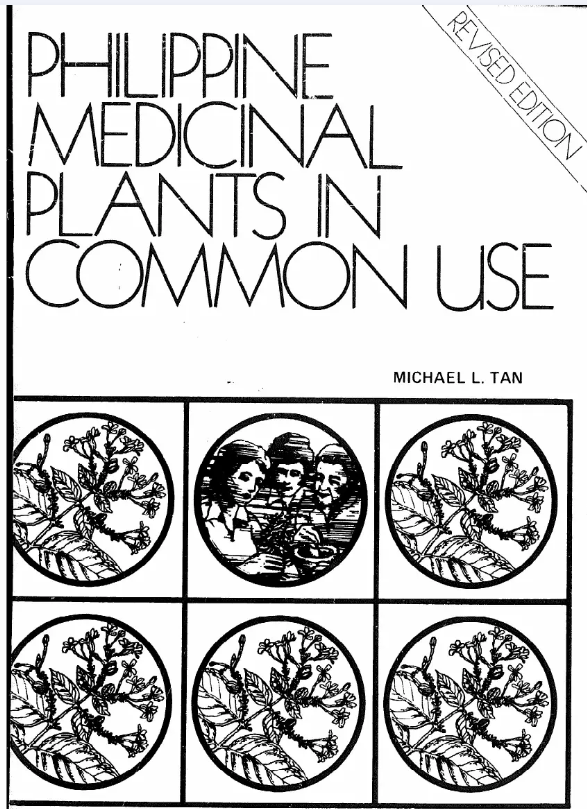
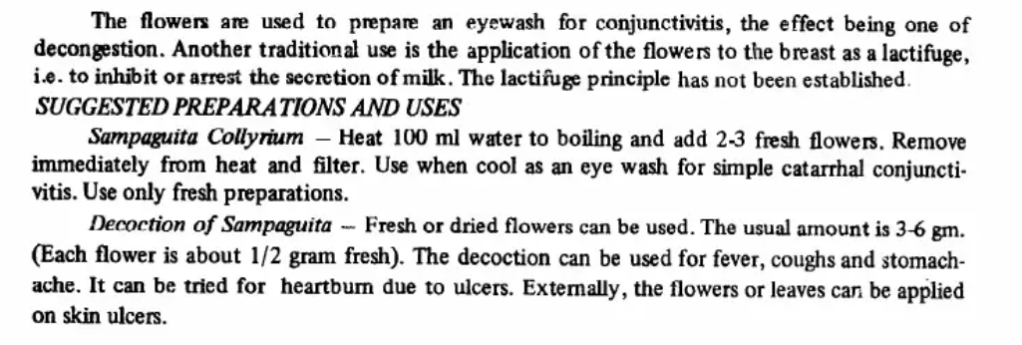
The variety Jasminum elongatum (P.J. Bergius) Willd. (1) has also been noted to have medicinal use. The leaves are noted to be used as an antibacterial and for the treatment of fever, headache and vertigo (preparation not noted) (Stuart 2010) (Joy and Raja 2008) (Clemen-Pascual etal 2021). The flowers have use as a collyrium (2) and can be utilised for fever, cough, stomach-ache and heartburn caused by ulcers. They can also be used topically for skin ulcers (Tan 1980)
- Also called : Sampaguita-gubat (Filipino) ; common Malayan jasmine and Native Jasmine (Australia – common in coastal areas in North Queensland)
- archaic term for a medicated eyewash

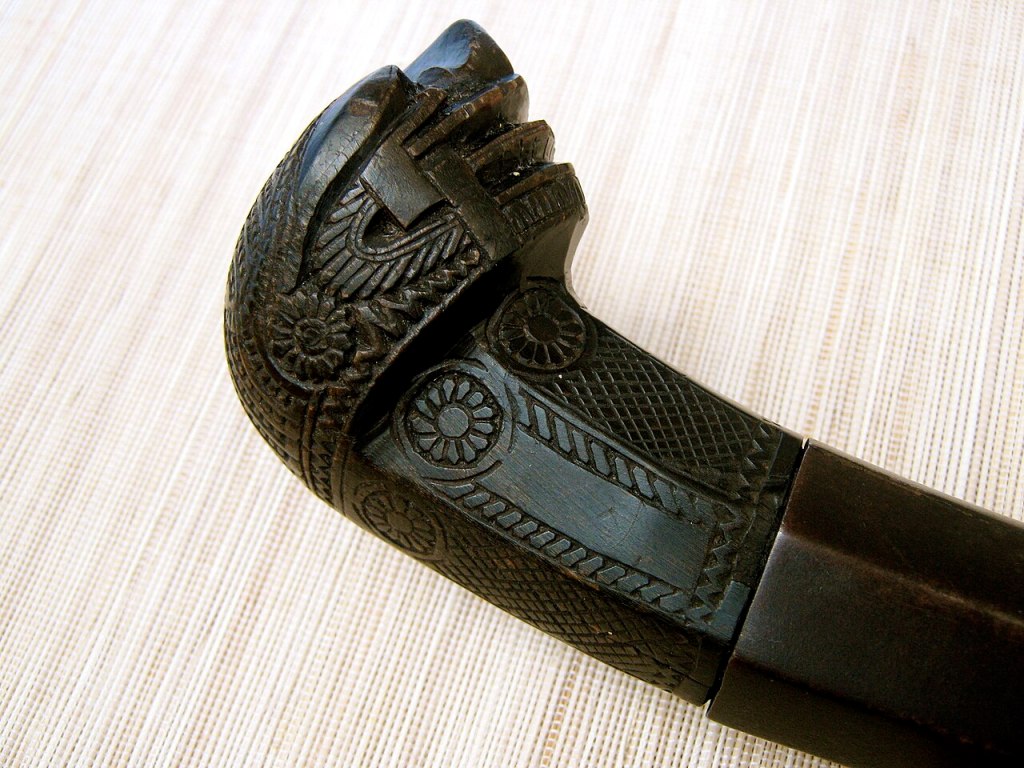
The etymology of the word suggests that Bakunawa is originally a compound word meaning “bent snake”, from Proto-Western-Malayo-Polynesian *ba(ŋ)kuq (“bent”, “curved”) and *sawa (“large snake”, “python”). While the words for naga in Cambodia (nak) and Thailand (naag) are closely derived from their original Sanskrit term, the Visayan bakunawa is based on the word sawa meaning python (bakun-sawa, ‘bent snake’) found in Tagalog, Cebuano, and Malay languages and probably derived from Sanskrit.” (McCoy 1982)
The Panay Tenegre is a blade that originates from Panay Island in the Visayan region of the Central Philippines. With its wide belly and downward pitch to the angle of the blade, this functional weapon is quick to draw and easy to manoeuvre.

Tenegre’ swords are particularly heavy and often have thick blades which are meant for slashing mostly.
The sword is called “tenegre” (roughly, in the likeness of a tiger, that is its tooth versus the blade shape).
The movements of the Bakunawa served as a geomantic (1) calendar system for ancient Filipinos and were part of the shamanistic rituals of the babaylan.
- Geomancy : divination by means of figures or lines or geographic features. The main practical function of geomancy is to help us find the best locations for all human activities so that we live in harmony with the Earth, and strengthen our sense of connection to a place so that we naturally desire to take care of the physical environment.
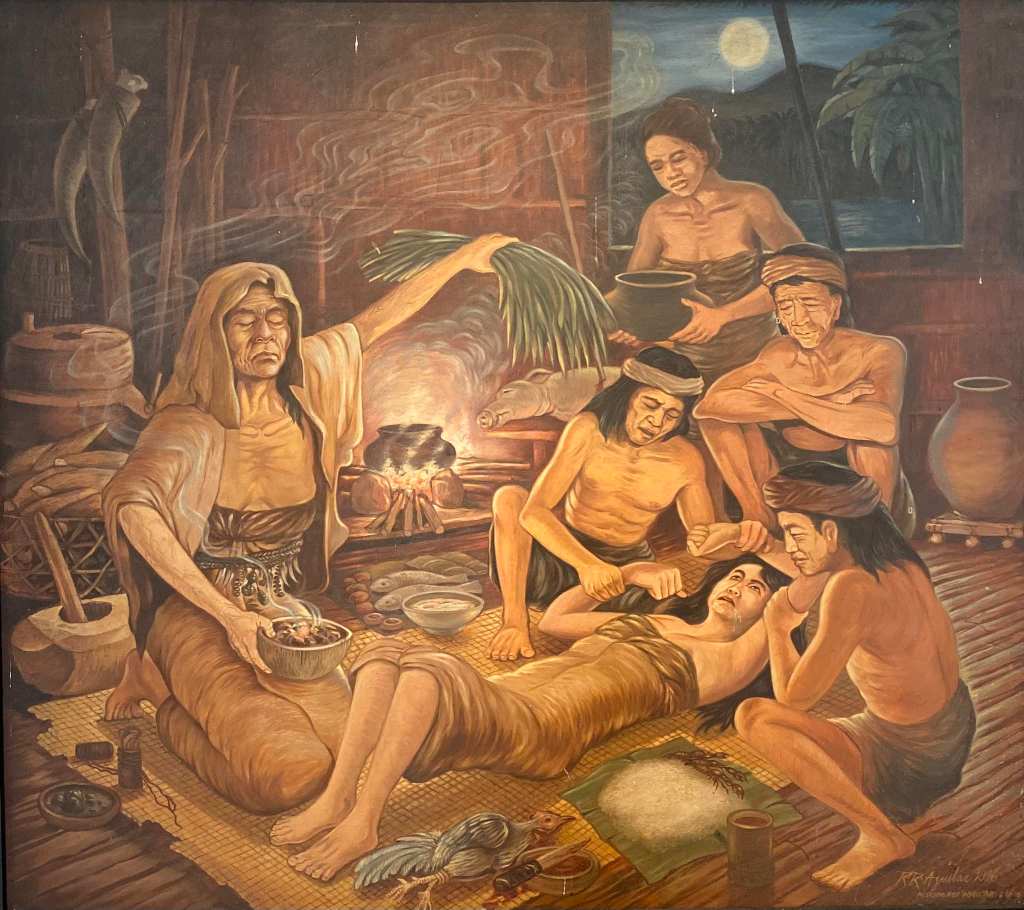
Filipino shamans, commonly known as babaylan (also balian or katalonan, among many other names), were shamans of the various ethnic groups of the pre-colonial Philippine islands. These shamans specialized in communicating, appeasing, or harnessing the spirits of the dead and the spirits of nature. They were believed to have spirit guides, by which they could contact and interact with the spirits and deities (anito or diwata) and the spirit world. Their primary role were as mediums during pag-anito séance rituals. There were also various subtypes of babaylan specializing in the arts of healing and herbalism, divination, and sorcery.
Geomancy
The moon eater is not always an envoy of catastrophe. There is a Bakunawa chart that was used to indicate the position of the mouth and tail during certain times of the year which translates to the direction your new home should be built in.
The year is divided into four phases and in each phase the mouth and the tail of Bakunawa will shift.
The Rotation of the Bakunawa in a year, as explained in Mansueto Porras’ Signosan (1919). This served prominently as a geomantic calendar system for ancient Filipinos, and may have been part of the divination rituals.
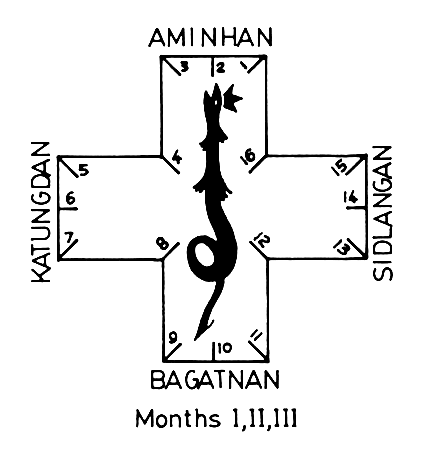
In the first phase (January, February and March), the Bakunawa’s mouth is in the north and its tail in the south. One must avoid building a house in the direction of the mouth or bad luck will befall their home. A house built in January is called Balay nga Palamugnan. Those who live here will experience a bountiful harvests. In February, houses are called Balay Sang Mga Abyan and its dweller will have many friends who help them succeed. Houses built in March are called Balay Sang Mga Kaiwaton, Hilu, Kahisa, Kaburingut Kag Hinali Kang Kamatayon (House of hardship, poison, jealousy, hatred and sudden death). In a basic sense this month is the worst of all the months to build a home.
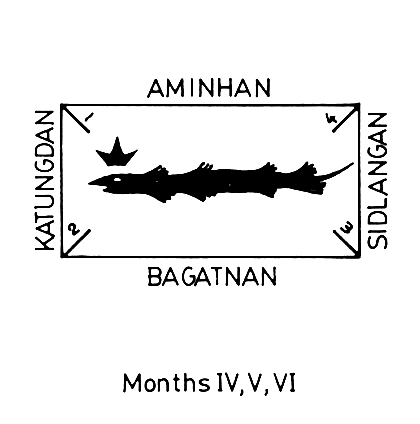
In the Second phase (April, May and June), the Bakunawa is facing the west and its tail is in the east. Houses built during the month of April are called Balay Sang Kabuhi (House of Life) and will bless its dwellers with long life. Houses built in May are called Balay ti Mangad (House of Wealth) and, as the name implies the Bakunawa shall guide the dweller of this house to good fortune. This also goes for those who build in the month of June.

The Third phase (July, August and September) finds the Bakunawa’s mouth in the south and the tail in the north. Houses built in July are called Balay Sang Manggad Kag Panubhilon Sa Ginikanan (House of Wealth and Inheritance) wherein the owner will inherit great fortune from a family or friend. Houses built in August are called Balay Sang Dult Kag Ginihatag Nga Kapuslanan (House of Gifts and Useful Things) as it blesses the owner with numerous help from their neighbors. September is considered a month of ill-fortune and houses that are built under this month are called Balay Sang Mga Kalisdanan, Kalautan Kag Pamalatian (House of Misfortune and Disease) and its dweller will suffer prolonged sickness.

The last phase (October, November and December) shows the Bakunawa facing east and its tail in the west. Houses built in October are called Balay Sang Magtiayon Kag Kinasal (House of Marriage). Unmarried members of the family who live in this house will contract an unexpected marriage proposal. Houses built in November on the other hand are called Balay Sang Pangulba, Kahadluk Kag Kamatayon (House of Fear, Fright and Death). This month is filled with bad luck since it will bring crisis, fights and illnesses. Last is the month of December which is a good month to start anew. Houses built under this month are called Balay Sang Pagkaluoy, Pagtuluohan, Panlakatan Kag Katarungan (House of Mercy, Religion, Travel and Righteousness). Those who dwell in these houses will live in a righteous way, travel far and have religious experiences.
Symbolism of the Bakunawa (and also because I, like the Visayas, enjoy tattoos)
Bakunawa tattoo designs represent a love for the lunar eclipse, strength, fortitude, and strong will.
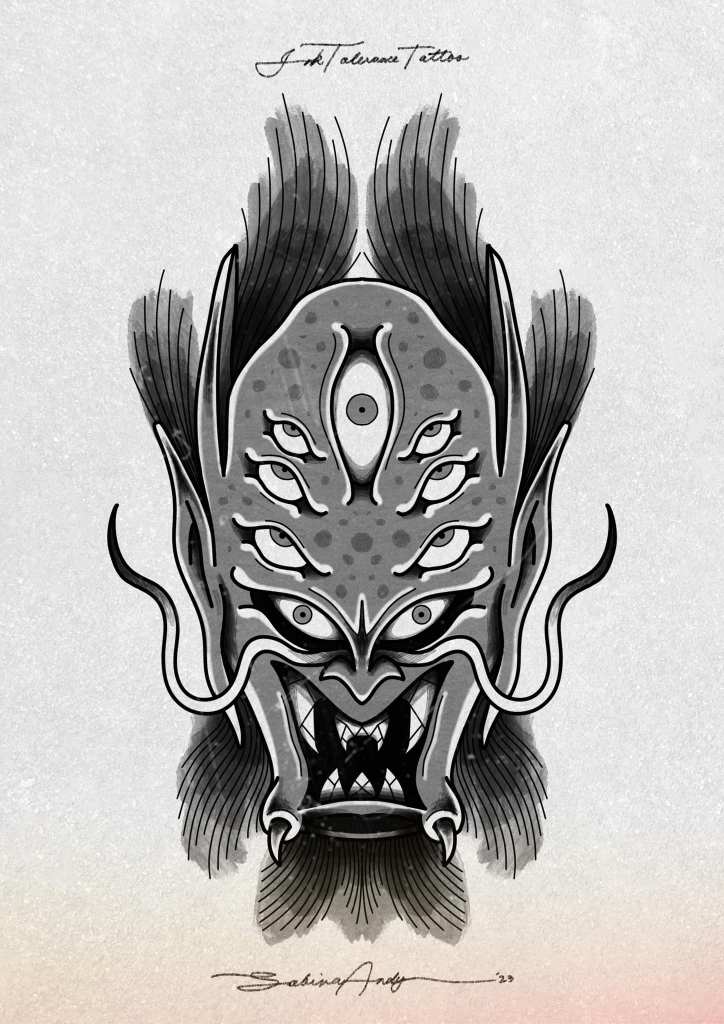

It is told that the one who owns this tattoo will possess extreme power

Pateros, Philippines.
Full body design

Honolulu, Hawaii

The Philippines are culturally very interesting. Neither Asian nor Latino (but somehow both) they share intimate links with Mesoamerica and Mexico in particular. The two countries were intimately linked through the ports of Manila and Acapulco from 1565 to 1815 via the Galeón de Manila (Manila galleon; Filipino: Galyon ng Maynila) which was both the name of the ship and trade route that mostly carried cargoes of Chinese and other Asian luxury goods to “New Spain” in exchange for New World silver.
The Philippines was named “Las Islas Felipinas” by the Spanish explorer Ruy López de Villalobos in honour of (the strongly Catholic) King Philip II of Spain (21 May 1527 – 13 September 1598) and was a Spanish colony for 333 years (1565–1898). Mexico was a Spanish colony for about 300 years, from approximately 1521 to 1821.
Like most countries in Latin America, the vast majority of the Filipino population is Catholic (about 90%). And like all good Catholics, Filipinos and Latinos really love baby Jesus. The Santo Niño de Cebú is especially venerated by Filipino Catholics.
Throughout the colonial period Spanish was the official language of government, education, and trade.
The most common surnames in the Philippines are all Spanish and include, Santos, Reyes, Cruz, Garcia, Mendoza, Torres, Vargas, Castro.
Spanish words and their derivatives have made their way into the islands’ native language, Tagalog. (Even some swear words have carried over, like putang for puta. No, I wont help you with a translation for this one). Filipino Spanish also contains many Mexican Spanish words of Nahuatl (or Aztec) origin that did not exist in European Spanish. Words like: bayabas (from guayaba), abokado (avocado), papaya, sayote (chayote), and zapote (sapote).
The Filipinos also have lots of food in common: flan, lechón, chicharrón, tamales, and adobo. Although it does get a bit weird sometimes……
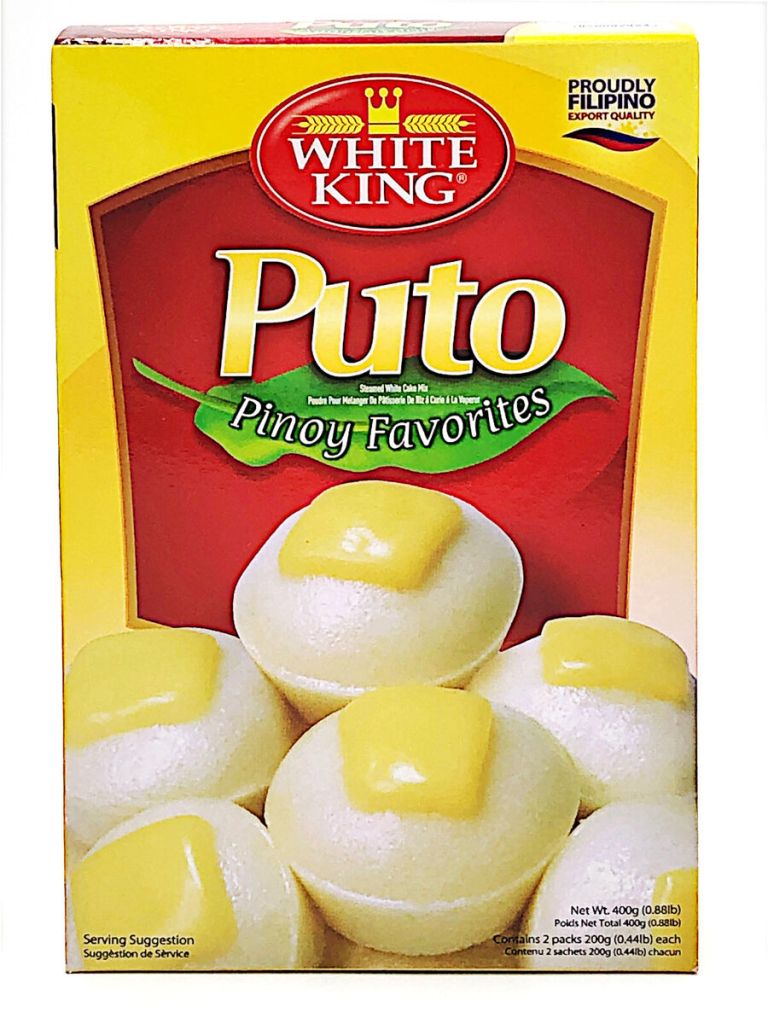
Puto is a Filipino steamed rice cake, traditionally made from slightly fermented rice dough (galapong). It is eaten alone or as an accompaniment to a number of savoury dishes. Puto is also an umbrella term for various kinds of indigenous steamed cakes.
References
- Al-Snafi, Ali. (2018). Pharmacological and therapeutic effects of Jasminum sambac – A review. 10.5281/zenodo.1210527.
- Blust, Robert & Trussel, Stephen. “Austronesian Comparative Dictionary: *ba(ŋ)kuq”. Austronesian Comparative Dictionary. Retrieved 7 July 2018
- Buyser, Fernando A. (1926) Mga Sugilanong Pilipinhon (Folk lore Filipino) (Cebú dialect) Philippine Church Printing
- Buyser, Fernando A. (1913) Mga Sugilanong Karaan (Old Stories)
- Clemen-Pascual LM, Macahig RAS, Rojas NRL. Comparative toxicity, phytochemistry, and use of 53 Philippine medicinal plants. Toxicol Rep. 2021 Dec 10;9:22-35. doi: 10.1016/j.toxrep.2021.12.002. PMID: 34976744; PMCID: PMC8685920.
- Erazo, Vanessa (2014) 10 Reasons Why Latinos and Filipinos Are Primos – https://remezcla.com/lists/culture/film-10-reasons-why-latinos-and-filipinos-are-primos/
- Eugenio, Damiana L & Philippine National Science Society & U.P. Folklorists. (1982). Philippine folk literature / compiled and edited by Damiana L. Eugenio. Quezon City : U.P. Folklorists, Inc. ; Philippine National Science Society
- Joy, P. and Raja, D.P., 2008. Anti-bacterial activity studies of Jasminum grandiflorum and Jasminum sambac. Ethnobotanical leaflets, 2008(1), p.59.
- McCoy, Alfred (1982). “Baylan : Animist Religion and Philippine Peasant Ideology”. Philippine Quarterly of Culture and Society. 10 (3): 141–194
- Porras, Mansueto; (1919) Signosan : nativitate domine nostri Jesuchristi : Passi, Iloilo: La Panayana, 1919.
- Stuart, G.U., 2010. Philippine alternative medicine. Manual of some Philippine medicinal plants [online] Retrieved 18.11.24
- Tan, Michael (1980) Philippine medicinal plants in common use : Alay Kapwa Kilusang Pangkalusugan (Philippines) : Luzon Secretariat of Social Action : AKAP, Quezon City
Websites / Images
- Bakunawa – Bicol Myths – https://bicolanomythsofgodsandmonsters.blogspot.com/2016/11/
- The Bakunawa Chart taken from Mansueto Porras’ Signosan (1919) via The Aswang Project on Facebook : https://www.facebook.com/photo.php?fbid=3167358646664302&id=101949063205291&set=a.150223701711160&locale=ml_IN …which was taken from : https://www.aswangproject.com/pre-colonial-diy-a-brief-how-to-list-of-early-filipino-practices/?fbclid=IwY2xjawGij5RleHRuA2FlbQIxMAABHQVmaz8Ex9TA2UeXG-dfEs1BRc_PKpQ52MFhpJYj4s9sNmwjlITMFE_WRA_aem_TL7BAA5zRSZBYFWJ0Hjz3A#google_vignette
- Bakunawa Mask Tattoo Flash via Ink Tolerance on Facebook : https://www.facebook.com/photo.php?fbid=707858674689198&set=pb.100063952154481.-2207520000&type=3
- Bakunawa Mask Tattoo via LMWL Tattoo Studio Baguio on Facebook : https://www.facebook.com/photo/?fbid=798402385732584&set=a.361736949399132
- Bicol Region map – https://bicolanomythsofgodsandmonsters.blogspot.com/2016/11/
- Bulan – https://mythlok.com/bulan/ and Haliya – https://bicolanomythsofgodsandmonsters.blogspot.com/2016/11/haliya.html
- Philippine Medicinal Plants : Sampaguita : http://www.stuartxchange.org/Sampagita
- Tenegre sword from Panay with a Bakunawa head hilt : By Lorenz Lasco http://filhistory.com – Own work, CC BY-SA 4.0, https://commons.wikimedia.org/w/index.php?curid=7964417
- Visayan tenegre horn hilt closeup : By Lorenz Lasco http://filhistory.com – Own work, CC BY-SA 4.0, https://commons.wikimedia.org/w/index.php?curid=7979656
 Masa Americana