
Antimicrobial resistance (AMR) arising from the misuse and overuse of antibiotics is a significant global health concern (Saed etal 2024). Studies have found that approximately 40 % of all registered resistant infections were caused by bacteria resistant to last-line antibiotics, which makes them nearly impossible to treat (Murray etal 2022) (Hofer 2019). It is expected that if the antimicrobial resistance issue remains unsolved, the associated loss of lives will get up to 10 million deaths annually by 2050 (Dadgostar 2019).
Researchers have been investigating other options for novel antibiotics and to address bacteria that have become antibiotic drug resistant. To do that (well, in this case anyway) they are investigating the phytochemistry of plant secondary metabolites (1) and gold nano particles (2).
- Secondary metabolites, such as alkaloids, saponins, glucosides, anthocyanins, carotenoids, and terpenes, are small molecules or organic compounds produced by plants that aren’t directly involved in their development, normal growth, and reproduction. Secondary metabolites are seldom found throughout all plant tissues but rather are deposited in specific tissues or even specialized organs (Dixon & Dickinson 2024). Over 50,000 secondary metabolites have been discovered in the plant kingdom (Teoh 2015) and many of them are potent medicines i.e. morphine (pain killer), codeine (antitussive), ephedrine (stimulant), quinine (antimalarial), scopolamine (travel sickness), berberine (psoriasis), caffeine (stimulant), capsaicin (rheumatic pains), colchicine (gout) (Umashankar 2020).
- Gold nano particles not only have their own antimicrobial properties (Saed etal 2024) but they have also shown to be very effective at delivering antibiotic substances to target tissues (Khorsandi etal 2021)

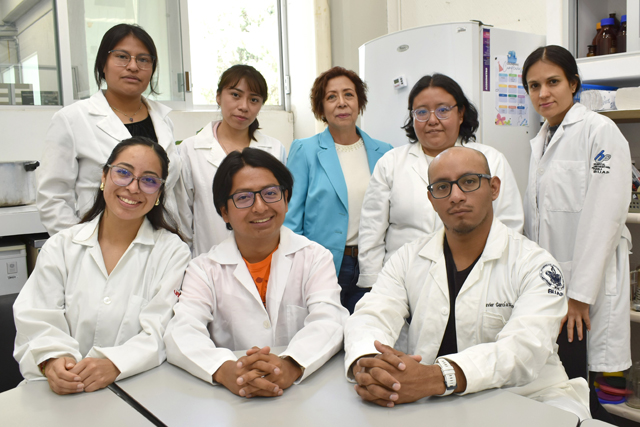
Dr. Rocío Pérez Terrón, a researcher at the Faculty of Biological Sciences (FCB) of the Benemérita Universidad Autónoma de Puebla (BUAP – Autonomous University of Puebla) and Alma Rosa Rodríguez López, a graduate of the Master’s Degree in Biological Sciences at BUAP in collaboration with Dr. Marlon Rojas López, from the National Polytechnic Institute have evaluated the activity of extracts of pápalo (1) and pipicha (2) leaves to combat the growth of pathogenic bacterial strains, such as Escherichia coli, Staphylococcus aureus, Klebsiella pneumoniae and Enterococcus faecalis.
- Quelite : Quillquina : Porophyllum ruderale
- Quelite : Chepiche/Pipicha : Porophyllum tagetoides (syn Porophyllum linaria)


In the article they list Papalo as being Porophyllum ruderale (Jacq.) Cass (1) but the plant I know as Papalo is Porophyllum ruderale subsp. macrocephalum (DC.) R.R. Johnson (the image below).
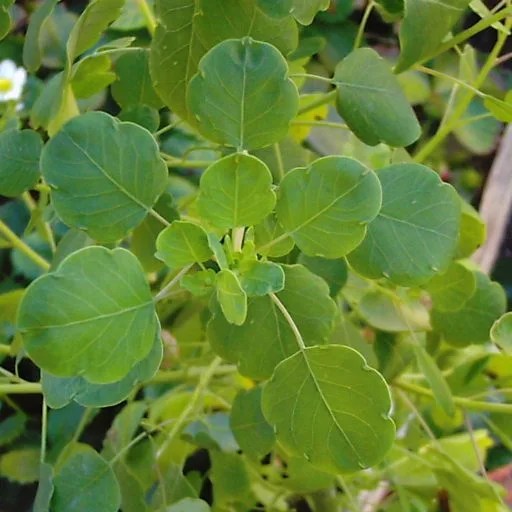
Quelite : Pápaloquelite : Porophyllum macrocephalum
Now this is a bugbear of mine. The article notes that “Porophyllum ruderale (Jacq.) Cass and Porophyllum linaria (Cav.) DC, commonly known as pápalo and pipicha, respectively, are used in food preparation.” but….I think you’ll find that in Mexico the culinary herb known as Papalo is not P.ruderale (1) but P.macrocephalum. It is not uncommon for this kind of mistake to be made and one that particularly gets on my goat is when they do it with flor de jamaica (2). I’d like to think that scientists wouldn’t make this kind of error. They aren’t cooks after all (although they are Mexican and Poblano to boot so you’d think food would be in the blood). This error is also somewhat exacerbated by Wikipedia who state that “In Puebla cuisine, pápalo is used as a condiment on traditional cemita sandwiches, a regional type of Mexican torta” (3). They are not alone in this (4) as other botanical sites quote the same (almost verbatim).
- from what I have seen, P.ruderale is more commonly used as a culinary herb in Bolivia and peru
- Flor de Jamaica : A Confusion of Hibisci*
- https://en.wikipedia.org/wiki/Porophyllum_ruderale
- https://www.inaturalist.org/taxa/78701-Porophyllum-ruderale

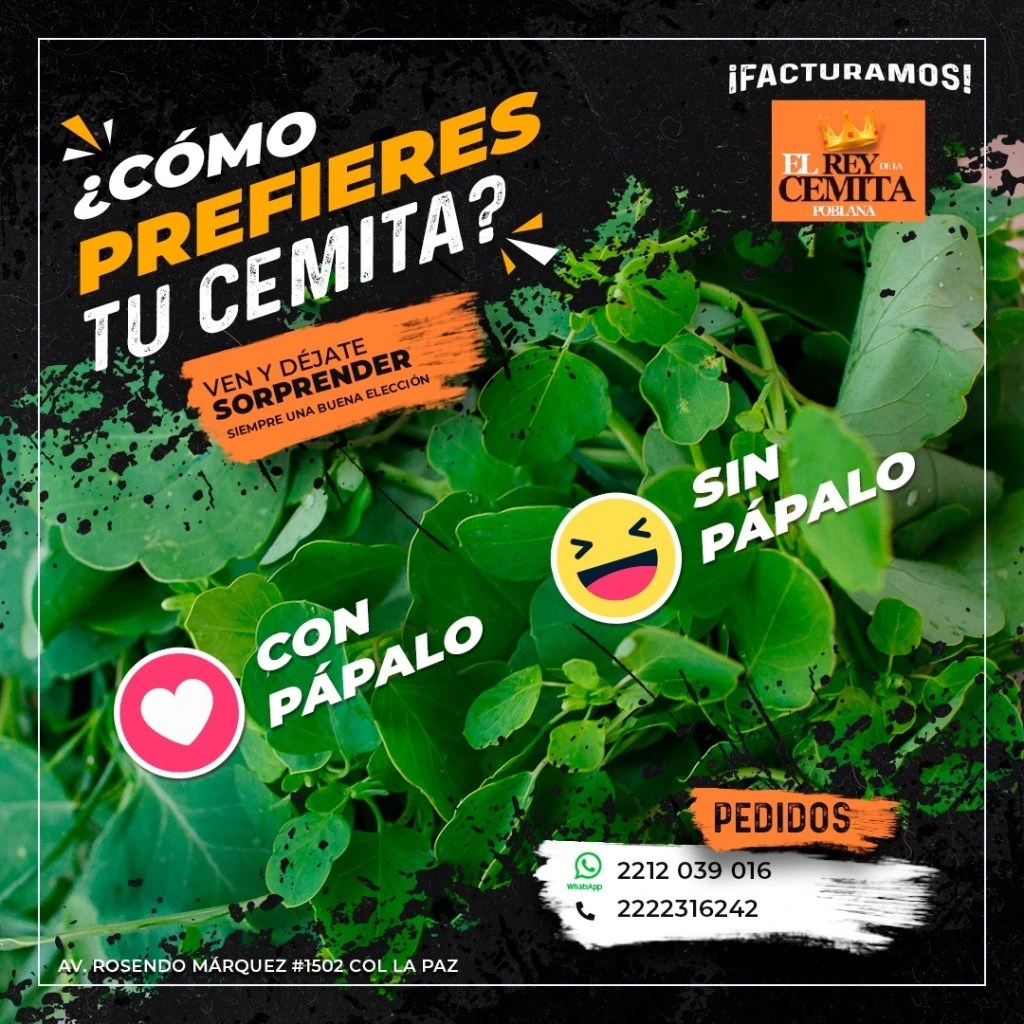

Just ask El Rey de la Cemita (1) which the preferred variety is.

In this evaluation Alma noted that with the pure plant extracts a greater inhibition of the bacterial species of Staphylococcus aureus and Enterococcus faecalis. This changed when gold nanoparticles were added to the mix.
Gold nanoparticles exhibit potent antibacterial activity. These nanoparticles can effectively disrupt bacterial cell membranes, generate reactive oxygen species (ROS), and interfere with essential cellular processes, leading to bacterial death. These nanoparticles paired with herbal medicines demonstrate one method of reducing the reliance on using (and over using) antibiotic drugs.
Gold nanoparticles can be functionalized to carry antibiotics directly to infection sites, enhancing the efficacy of the treatment while minimizing side effects. This targeted approach helps in overcoming bacterial resistance by ensuring higher concentrations of the antibiotic at the site of infection and reducing the likelihood of drug resistance development. This was also the process used here but instead of antibiotic drugs, herbal medicine was used.

To enhance the effect of plant extracts, gold nanoparticles coated with the active potential of these herbs were synthesized. The nanoparticles enhanced the effects of the actions of the phytochemicals creating therapeutic effects more rapidly and with greater efficacy. It was observed when they used the gold nanoparticles as a drug delivery system that P.linaria greatly reduced the growth of Escherichia coli (by as much as 90%) and that P.ruderale reacted most strongly with Staphylococcus aureus.
In experiments with pure extracts and coated gold nanoparticles, the researchers found that both plant species – pápalo and pipicha – have various secondary metabolites that participate in antimicrobial activity. This Post examines some of this chemistry…..Essential Oil Properties
For further info on the medicinal uses of plants in the Porophyllum species see the following Posts
- Medicinal use of Papalo in 1651 as noted by Hernández
- Porophyllum ruderale : A Medical Study
- Porophyllums : Medicinal Utility : A Recap
You can also search for the individual herbs by name – there are many – this Post outlines most that I’ve written of…..Papalo – A Lexicon of Local Names
The Porophyllum family is an under recognised and under utilised source of medicinal herbs. Some study has been done (and more is sorely needed) and some varieties (1) are utilised in medical clinics in the city (rather than by curanderos in villages) but all species in this family need further study.
References
- Dadgostar, P. (2019). Antimicrobial Resistance: Implications and Costs. Infection and Drug Resistance, Volume 12, 3903–3910. doi:10.2147/idr.s234610
- Dixon RA, Dickinson AJ. A century of studying plant secondary metabolism-From “what?” to “where, how, and why?”. Plant Physiol. 2024 Apr 30;195(1):48-66. doi: 10.1093/plphys/kiad596. PMID: 38163637; PMCID: PMC11060662.
- Hofer, U. The cost of antimicrobial resistance. Nat Rev Microbiol 17, 3 (2019). https://doi.org/10.1038/s41579-018-0125-x
- Jit, M., Ng, D. H. L., Luangasanatip, N., Sandmann, F., Atkins, K. E., Robotham, J. V., & Pouwels, K. B. (2020). Quantifying the economic cost of antibiotic resistance and the impact of related interventions: rapid methodological review, conceptual framework and recommendations for future studies. BMC medicine, 18, 1-14.
- Khorsandi, K., Hosseinzadeh, R., Sadat Esfahani, H., Keyvani-Ghamsari, S., & Ur Rahman, S. (2021). Nanomaterials as drug delivery systems with antibacterial properties: current trends and future priorities. Expert Review of Anti-Infective Therapy, 19(10), 1299–1323. https://doi.org/10.1080/14787210.2021.1908125
- Murray, Christopher JL, Kevin Shunji Ikuta, Fablina Sharara, Lucien Swetschinski, Gisela Robles Aguilar, Authia Gray, Chieh Han et al. (2022)”Global burden of bacterial antimicrobial resistance in 2019: a systematic analysis.” The lancet 399, no. 10325 (2022): 629-655.
- Saed, Marwan; D. Ayivi, Raphael D.; Wei, Jianjun & Obare, Sherine O. (2024) Gold nanoparticles antibacterial activity: Does the surface matter?, Colloid and Interface Science Communications, Volume 62, 2024, 100804, ISSN 2215-0382, https://doi.org/10.1016/j.colcom.2024.100804.
- Teoh ES. Secondary Metabolites of Plants. Medicinal Orchids of Asia. 2015 Nov 5:59–73. doi: 10.1007/978-3-319-24274-3_5. PMCID: PMC7123774.
- Umashankar DD. (2020) Plant Secondary Metabolites as Potential usage in Regenerative Medicine. The Journal of Phytopharmacology 2020; 9(4): 270-273 : ISSN 2320-480X
- Zorrilla Martínez, Lizbeth Emeli (2021) “Evaluación de la actividad antimicrobiana de extractos etanólicos obtenidos de la parte aérea y hojas de pipicha (Porophyllum tagetoides) deshidratada” : Instituto Tecnológico Superior de Acatlán de Osorio : División de la Carrera de Ingeniería en Industrias Alimentarias : https://rinacional.tecnm.mx/jspui/bitstream/TecNM/3168/2/TESIS%20EMELI.pdf
 Masa Americana