
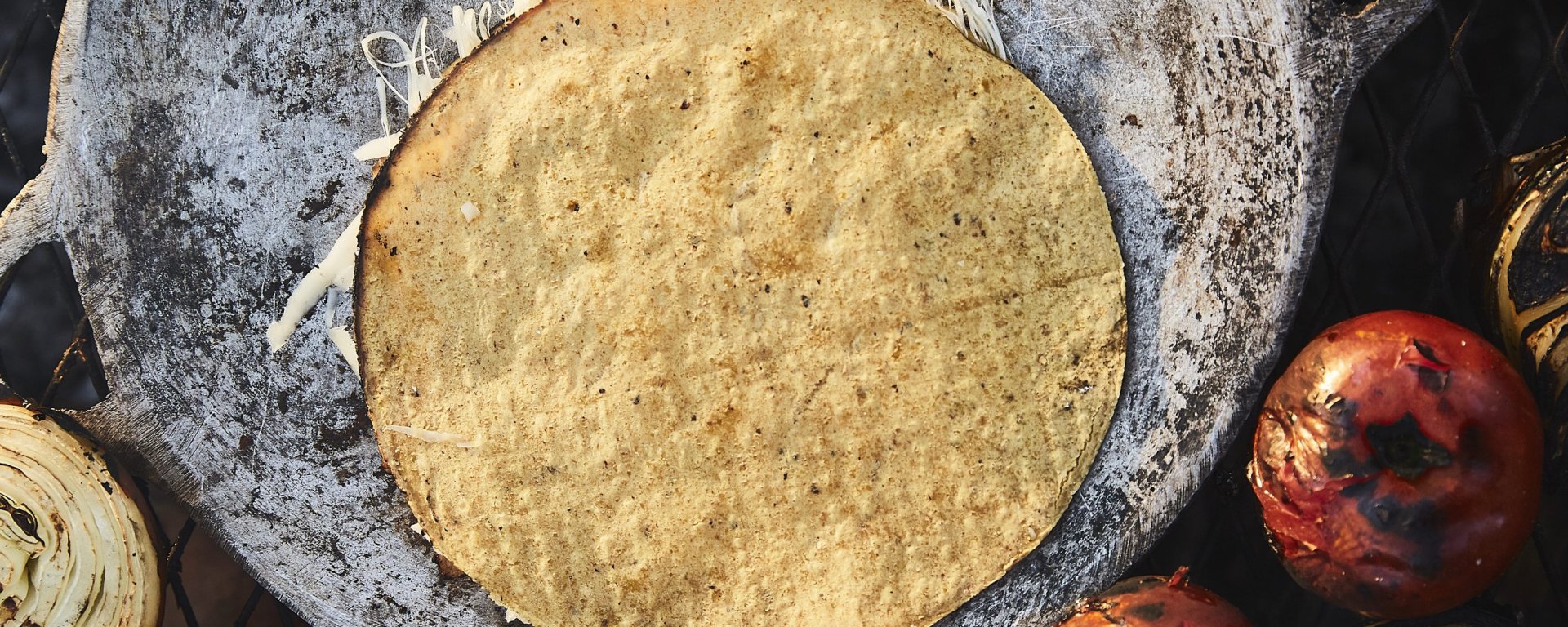
Tlaxcallan bread soup?
Bread “soup” is a food of the poor (well at least that’s how it started) . Nothing was “left over” and nothing went to waste. Stale bread (and as we’ll see, tortillas) can be used as the base of a recipe. In this case we are looking at atole made with yesterdays tortillas (instead of masa or masa harina) but first lets look at how we did it with bread before the tortilla came on the scene.
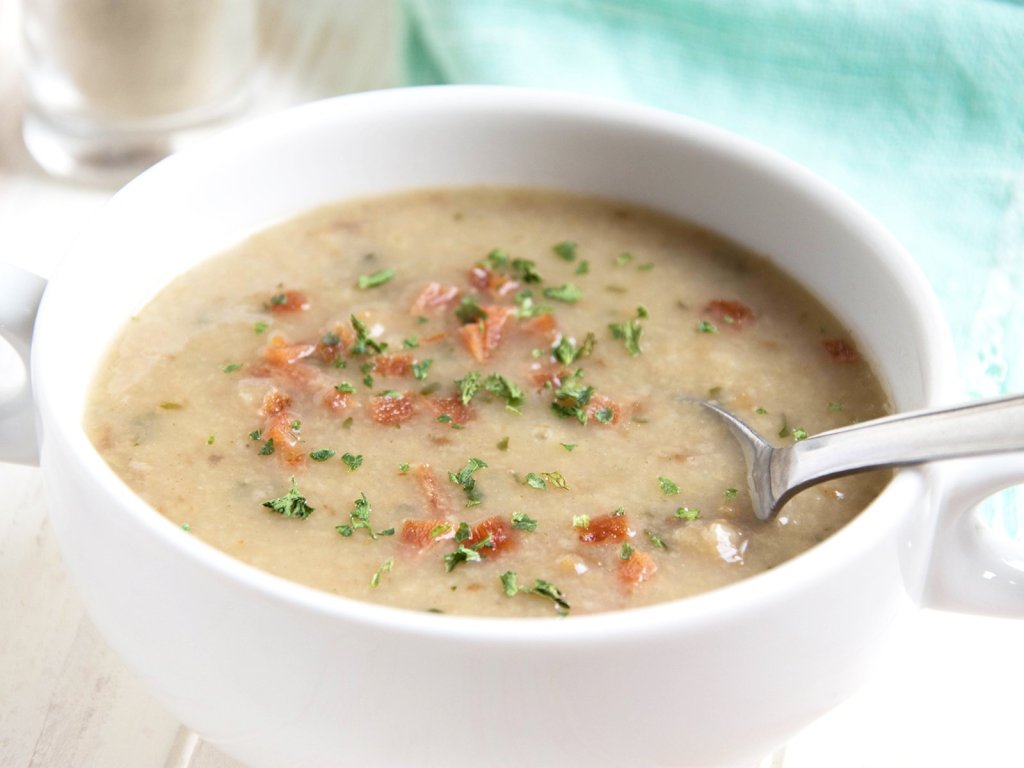
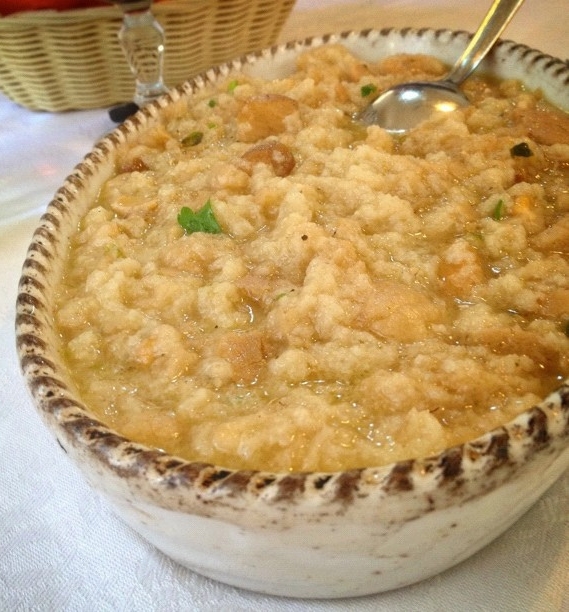
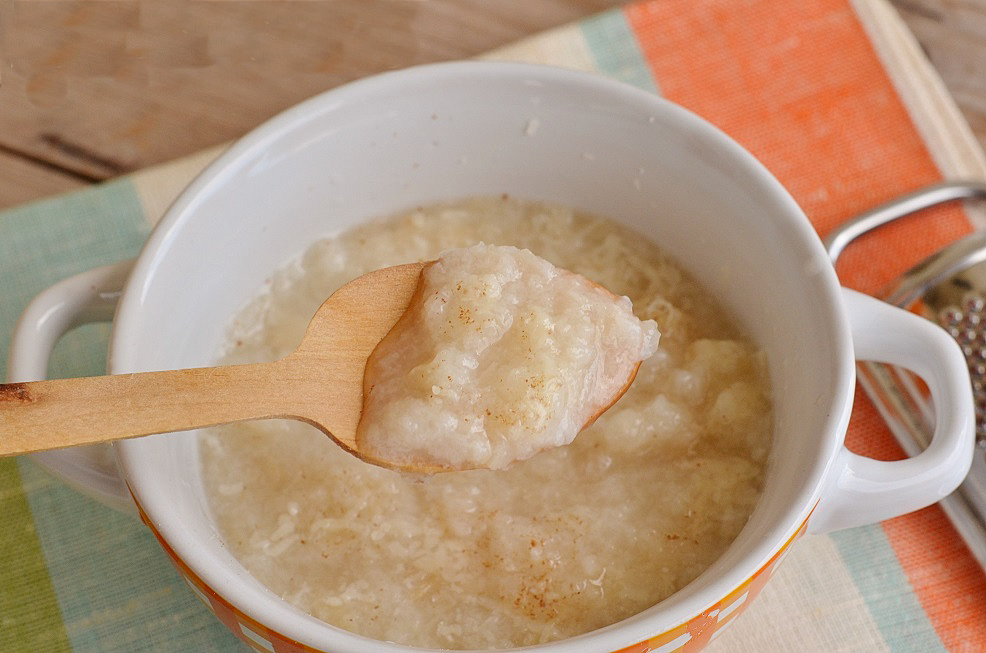
- Acquacotta lit. ’cooked water’) is a hot broth-based bread soup in Italian cuisine that was originally a peasant food. Its preparation and consumption dates back to ancient history, and it originated in the coastal area known as the Maremma, in southern Tuscany and northern Lazio.
- Pancotto is a soup prepared with pieces of stale bread boiled in broth or water and seasoned. In the past, especially in Lombardy and in Tuscany, it was used to promote lactation and it was served to convalescents. (Fiorini 2012)
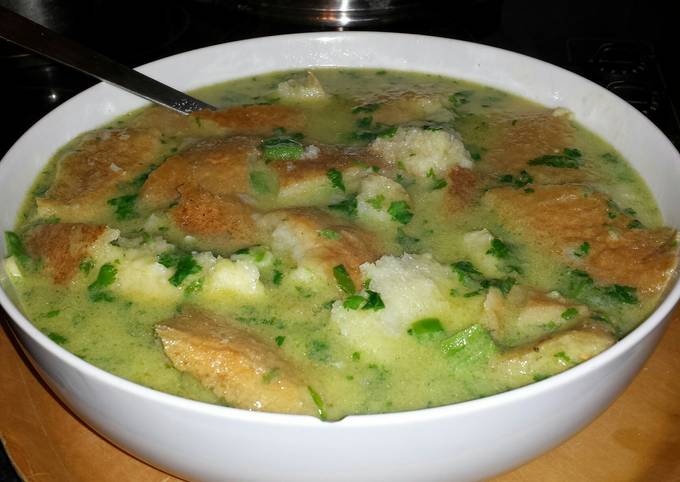
- Açorda is a traditional Portuguese dish composed of cubed or sliced stale bread with garlic, coriander, and poached eggs. It is a type of bread soup, although some variants have a consistency closer to that of a porridge (really starting to stray into atole territory here I think). The primitive Arab açorda, tharîd, can be traced as far as the 5th century in the Pre-Islamic Arabia. It is one of the most characteristic dishes of the Arab cuisine and its creation is attributed to Hāshim ibn ‘Abd Manāf (Rei 2016). The dish’s origins are as a poverty food, intended to prevent waste by using leftover bread
- Brotsuppe or bread soup, is a humble German dish based on stale bread and meat broth (usually beef) or vegetable broth. Pieces of leftover bread (usually rye bread) are fried in butter or lard alongside onions until nicely colored and crispy before they are added to a hot broth seasoned with salt and pepper and enhanced with aromatic spices such as marjoram, caraway, or nutmeg
Tlaxcalatolli
Tlaxcalatolli (one assumes this means Tlaxcallan atole or, and more likely, it is named after the Nahuatl word for tortilla, which is tlaxcalli, and is also the root word for the name of the region Tlaxcala (the land of the tortilla). See Tlaxcales : Prehispanic Corn Biscuits for more details.
Most explanations for this food quote almost verbatim the following…
“Tlaxcalatolli is prepared from ground corn. Three-finger-thick tortillas are made in the comalli , and when they are well cooked, the crust is removed, the crumb is crushed, mixed with cold water and put back on the fire. It is served in glasses” (1) (2)
- Tlaxcalatolli, se prepara de maíz molido, en el comalli se hacen tortillas de tres dedos de grueso, y cuando están bien cocidas, se les quita la corteza, se machaca la miga, se mezcla con agua fría y se pone de nuevo al fuego. Se sirve en vasos
- Tlaxcalatolli. It is prepared with ground corn. Three-finger-thick tortillas are made on a griddle and when they are well cooked, the crust is removed, the crumb is crushed, mixed with cold water and put back on the heat, stirring until it begins to thicken. It is served in glasses and eaten with a spoon.
Other Nahuatl dictionaries explain it a little differently (Gran Diccionario Náhuatl – UNAM)
Tlaxcalatolli : migas de pan cozido. (Cooked bread crumbs ); papas para niños (Potatoes for children); Atole contenant des morceaux de tortillas (Atole containing tortilla chips); migas de pan o puchas (1) (Bread crumbs or puchas) (2); Migas de pan cocido (Cooked bread crumbs)
Francisco Hernández (1), author of the Natural History of New Spain, writing during the contact period (la época de contacto), refers to corn atole (2). Francisco mentions tortilla atole or tlaxcalatole, made from toasted and ground tortillas, as a nutritious drink for convalescents. For the same purpose, in the 16th century, tlaxcalatolli was made from cooked corn dough from which the “little cloth” (3) or “little belly” (4) was removed.
- Francisco Hernández de Toledo (c. 1515 – 28 January 1587) was a naturalist and court physician to Philip II of Spain. In 1530 he began to study medicine at the University of Alcalá and received a bachelor’s degree in 1536 (Varey 2000). From 1556 to 1560 Hernández served as a physician at the Hospital y Monasterio de Guadalupe in Extremadura. In 1570, Hernández was ordered to embark on the first scientific mission in the New World, to compile a study of the region’s medicinal plants and animals.
- atole de espiga de maíz
- telita
- pancita
Atole de tortilla
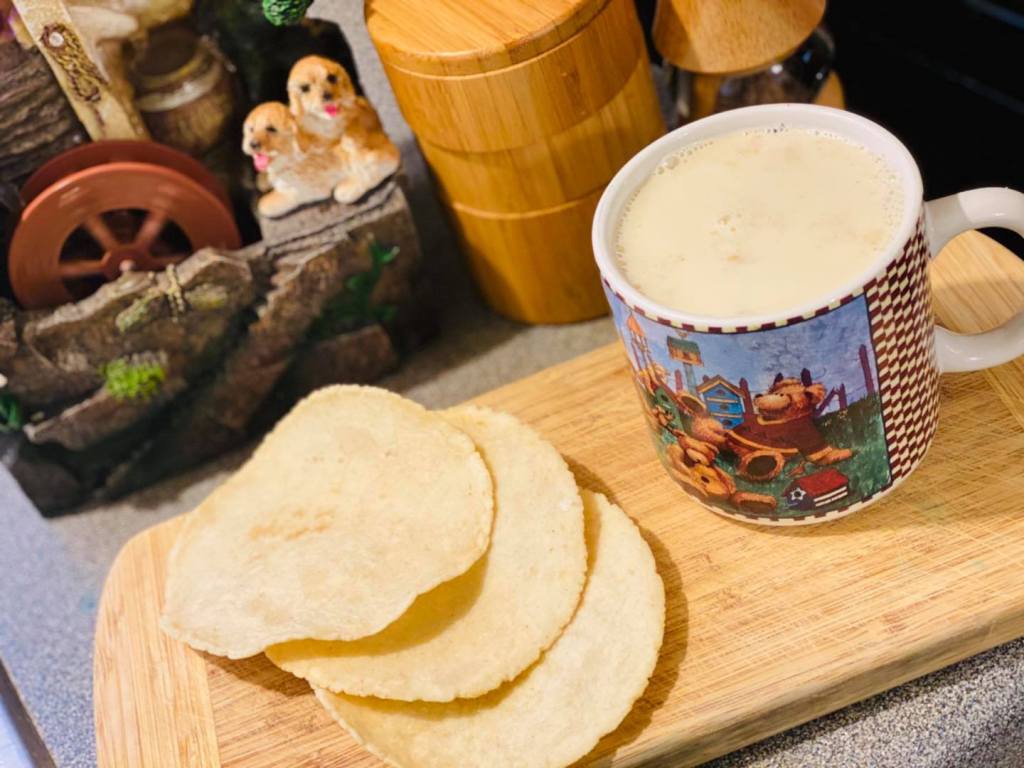
Mission Chocolate shows us (mas o menos) how to do this with their experiments making champurrado (chocolate atole) using tortillas instead of masa (or masa harina). We are going to leave out the chocolate though.
- 1.5 cups of milk (300ml)
- 1 corn tortilla cut into pieces
- 1/4 stick of ceylon cinnamaon (Mexican soft cinnamon) about 5 grams (1/4 tsp) in powder form
- 2 tablespoons of brown sugar (15 grams)
- 10 grams of unrefined chocolate or 100% chocolate
Instructions
- Boil milk, tortilla, brown sugar, and cinnamon for 1 minute.
- Pour into a strong blender, add chocolate, and blend until you cannot see the tortilla. About 30 seconds.
- Pour everything back into the pot and whisk until it comes to a boil.
- When it boils, remove from heat and pour through a sieve into a cup.
Now the tortillas used by Mission are not the “three-finger-thick tortillas” mentioned in the production of tlaxcalatolli but you get my gist.

Oaxaca
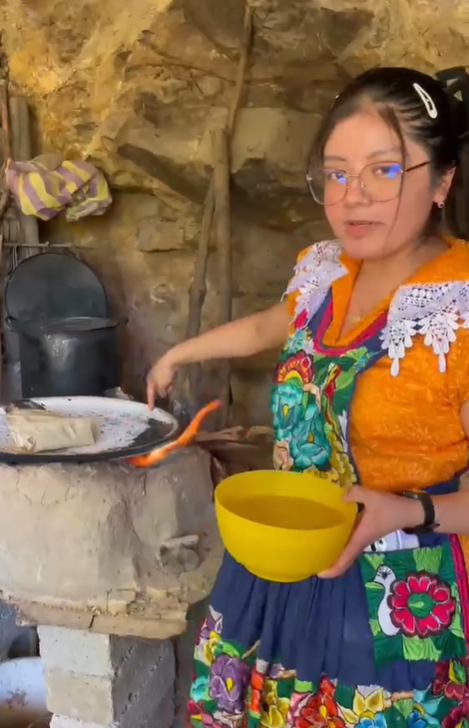
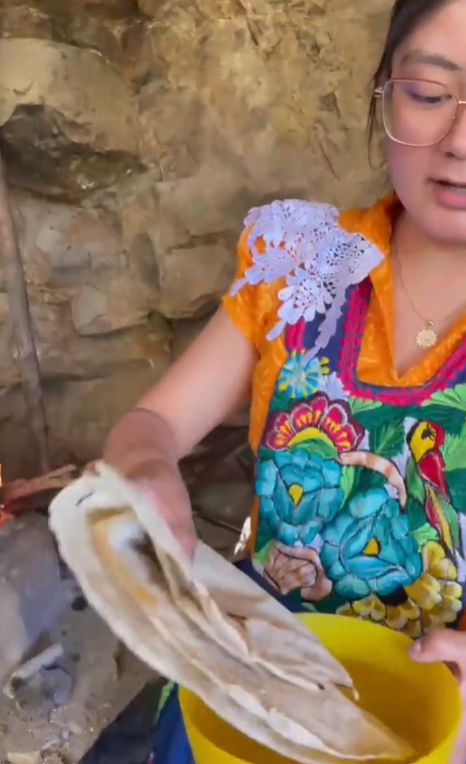
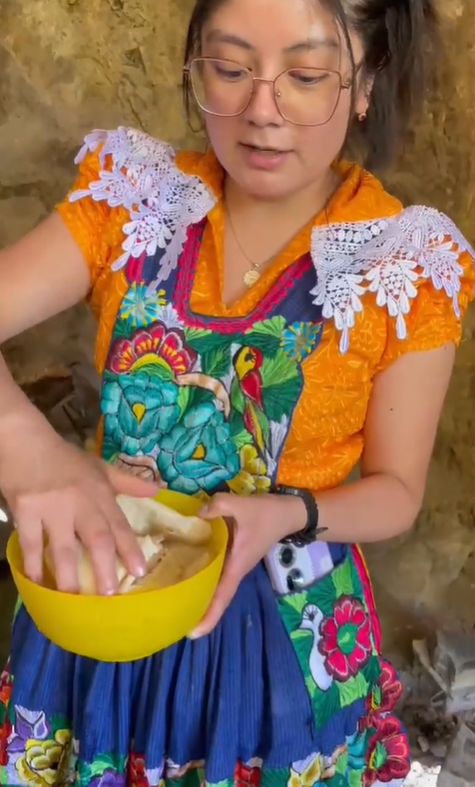
Atole de tortilla, se puede hacer con tortilla recién hecha o ya tostadas y solo se calienta en agua.
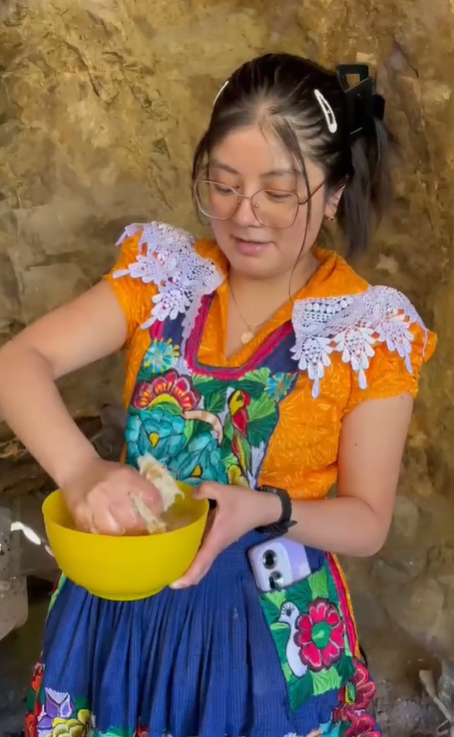
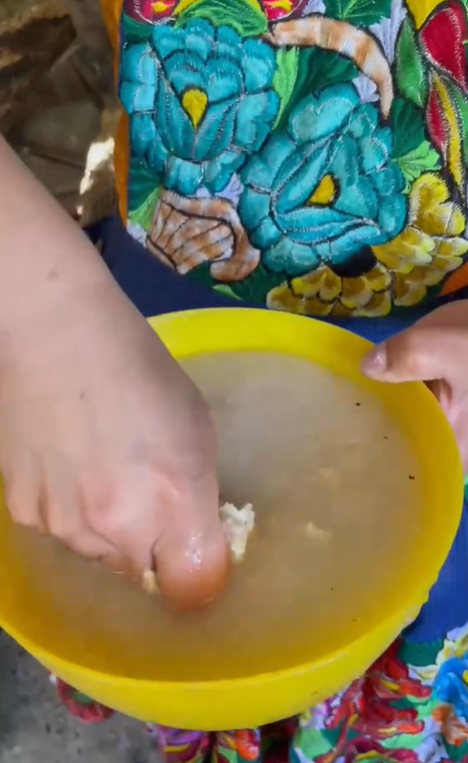

Tortilla atole, can be made with freshly made tortillas or already toasted ones and is simply heated in water.
ari_trinidad6 makes a no-cook atole de tortilla in the simplest of ways. Dry your tortilla on the comal. Don’t toast or colour it too much. Fold the tortilla up and add it to a bowl of hot water (as hot as you can manage). Mush the tortilla into a paste. Most of this will remain in the bowl. The mooshing of the tortilla will flavour the water. Drink.
Guatemala
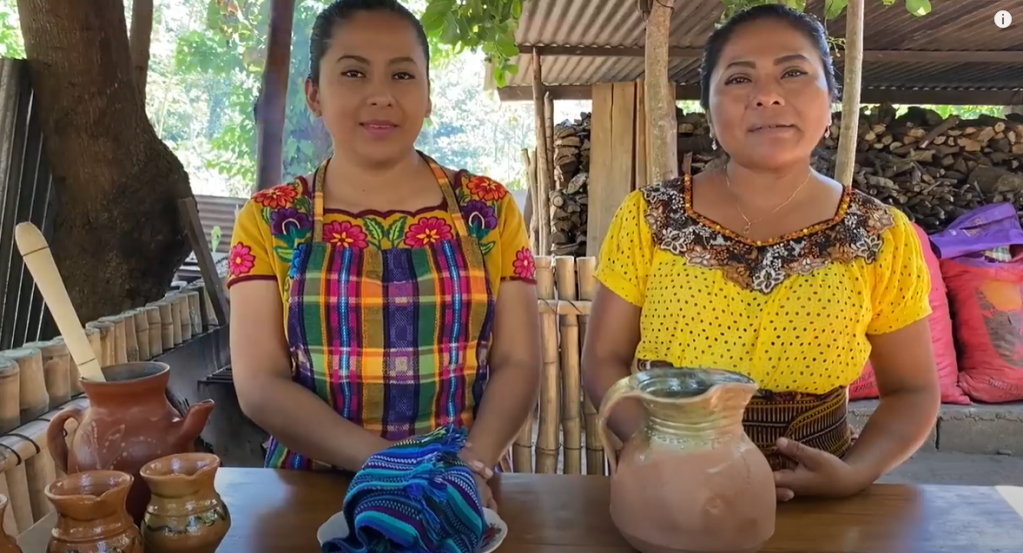
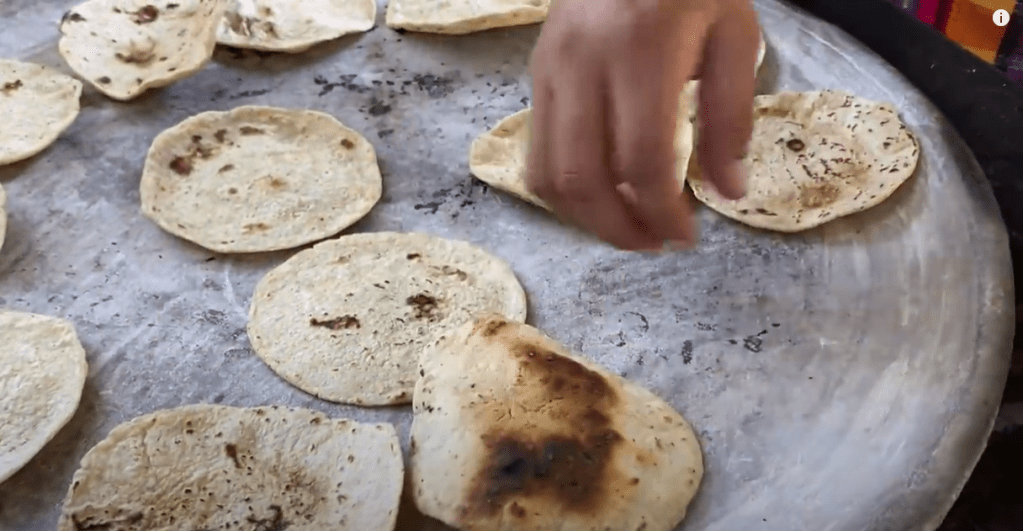
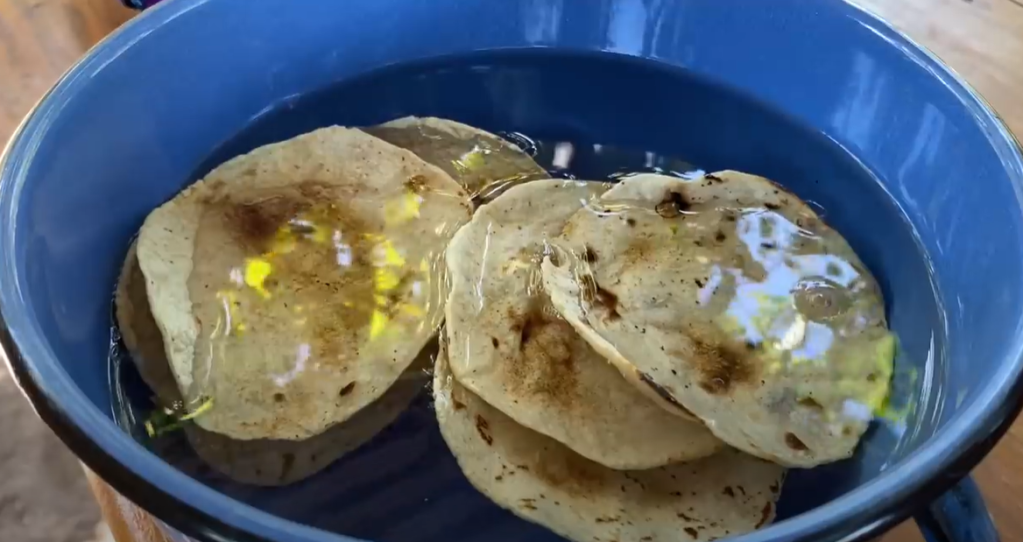
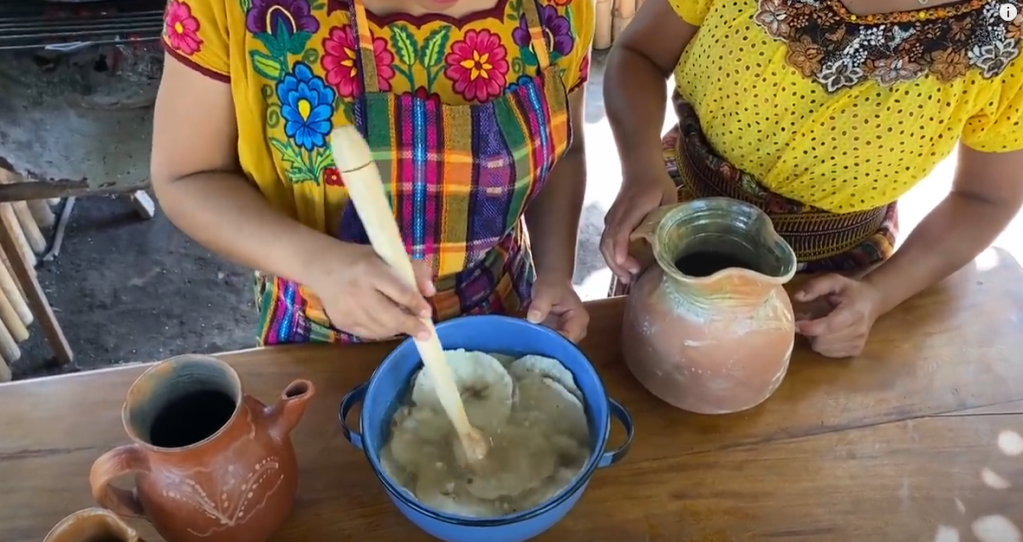
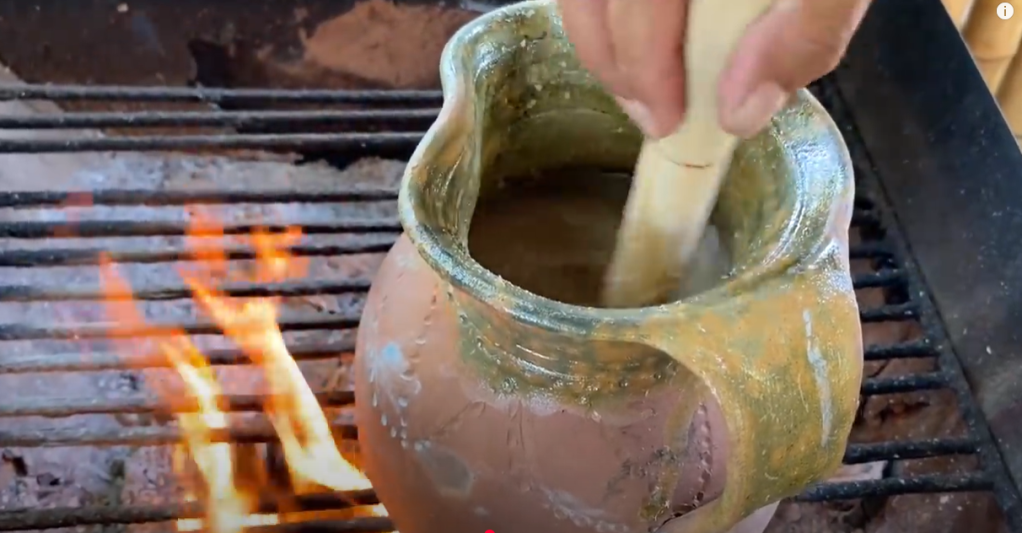
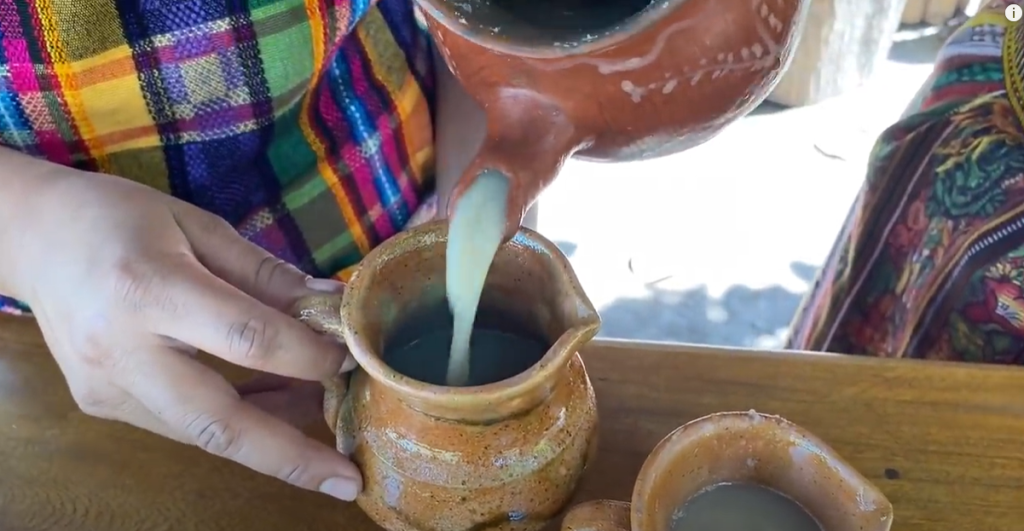
Las Hermanas Sajvin from Guatemala approach the same recipe a little differently. They toast the tortillas darkly and they further cook the tortilla enriched liquid to thicken it. which is similar to……
Atole de tortilla quemada : Burnt tortilla atole
Prepared from the powder obtained by grinding burnt tortillas on a metate, which is dissolved in water and sweetened with panela. It is made, above all, to cure indigestion. It is mainly used by the Totonacs of the northern coast of Veracruz.
A much richer and more decadent atole de tortilla is presented to us by Aglaeh.
Atole de tortilla estilo Aglaeh
Ingredients
- 4 tortillas soaked in milk
- 2 cans evaporated milk
- 1 can condensed milk
- half a cup of brown sugar
- 1 cup of cornstarch
- 1 tablespoon of cinnamon
- 1 litre of milk
She then invites you to her video of the cooking of the atole.
But there is no link.
¿Por qué?
We can probably just look at Las Hermanas Sajvins method and use that.
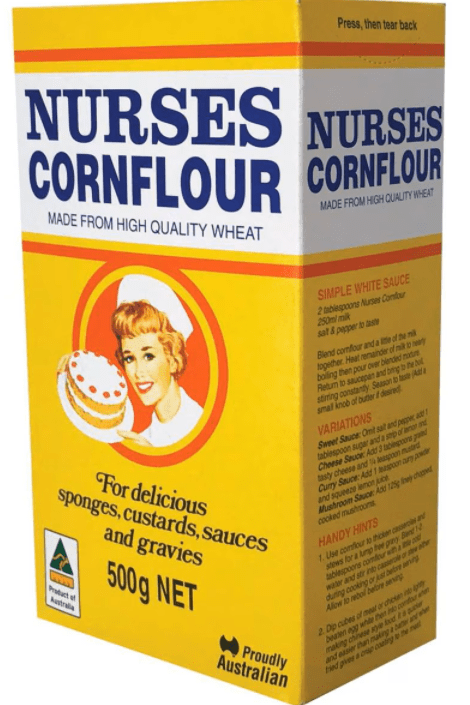
The cornstarch is a cheats trick though. It is the thickening agent in this recipe. It doesn’t really have its own flavour so won’t dilute the “tortillaness” of the bebida but maybe we leave it out (particularly in Australia where cornstarch is made from wheat)

Or, instead of a hot drink such as atole you can use your toasted tortillas to make a cold agua fresca
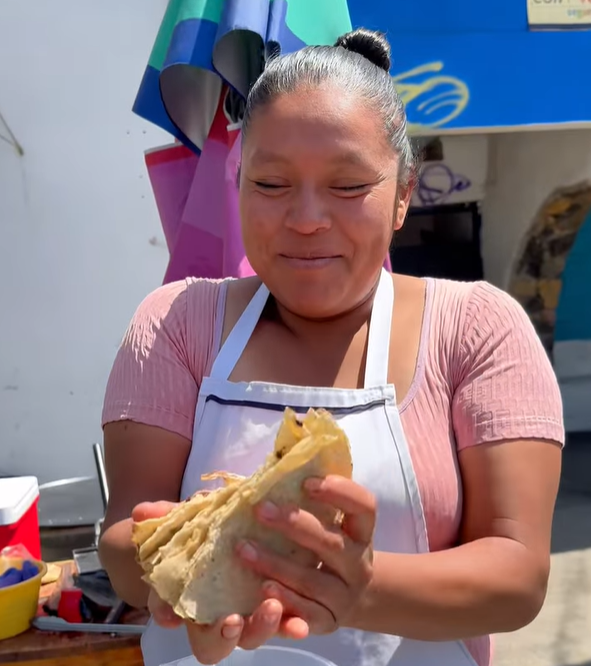
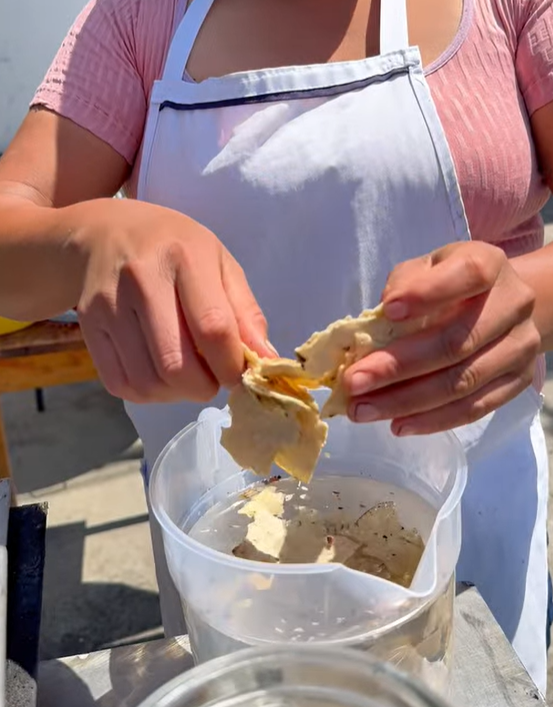
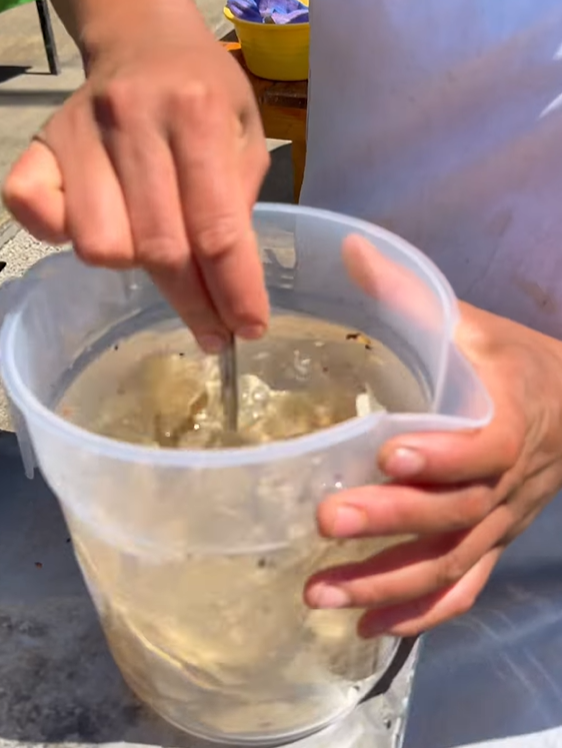
Agua de tortilla
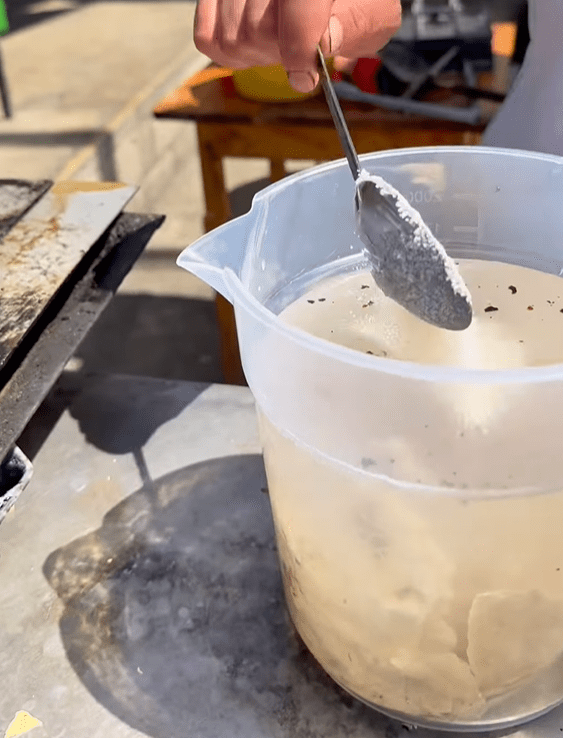
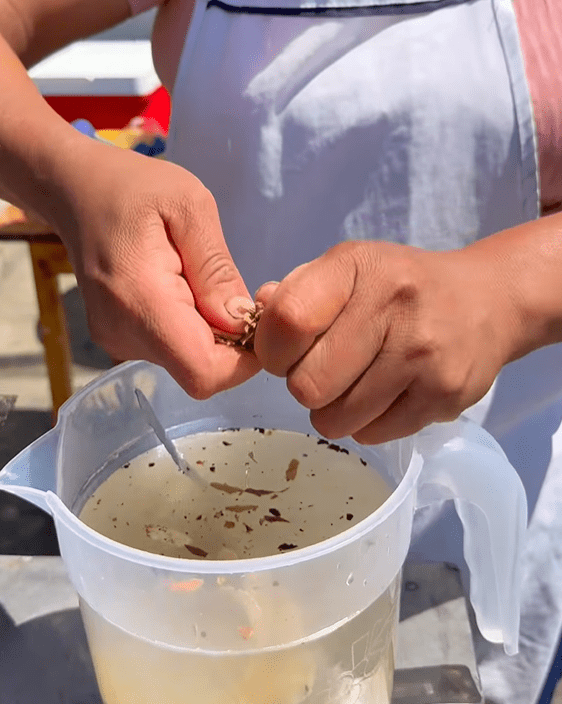
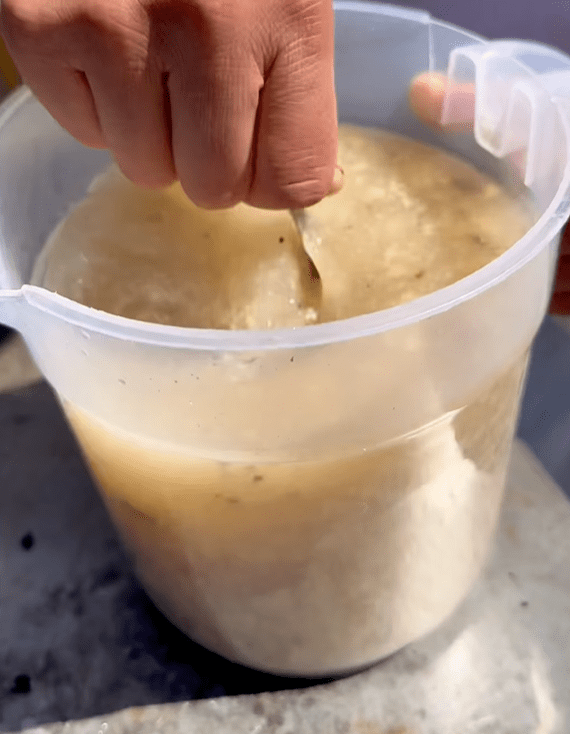
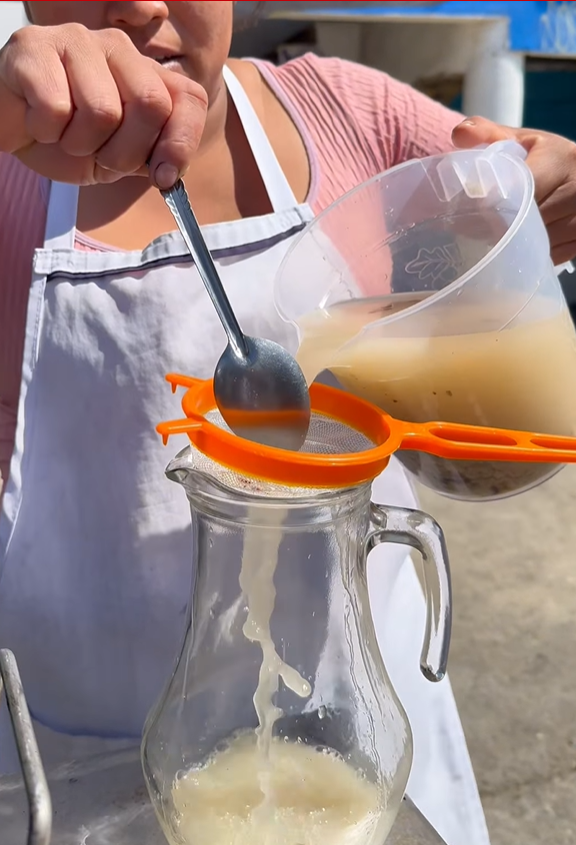
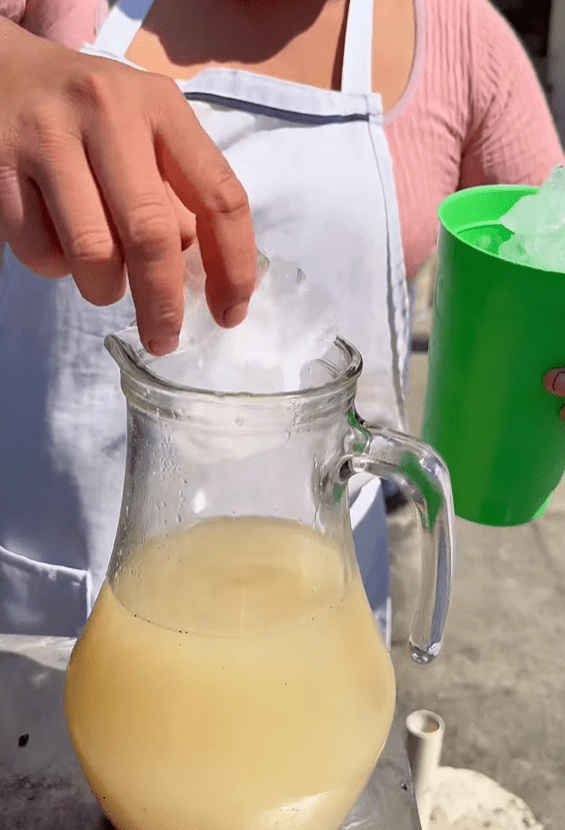
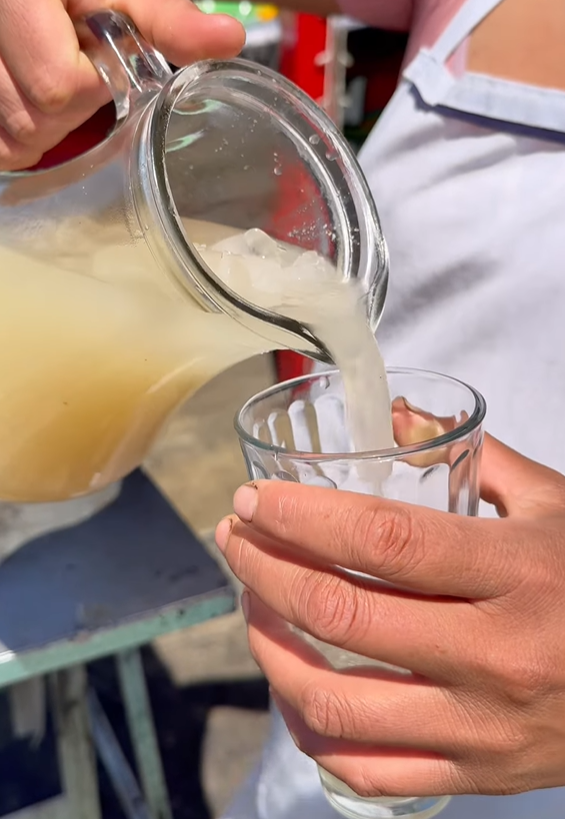
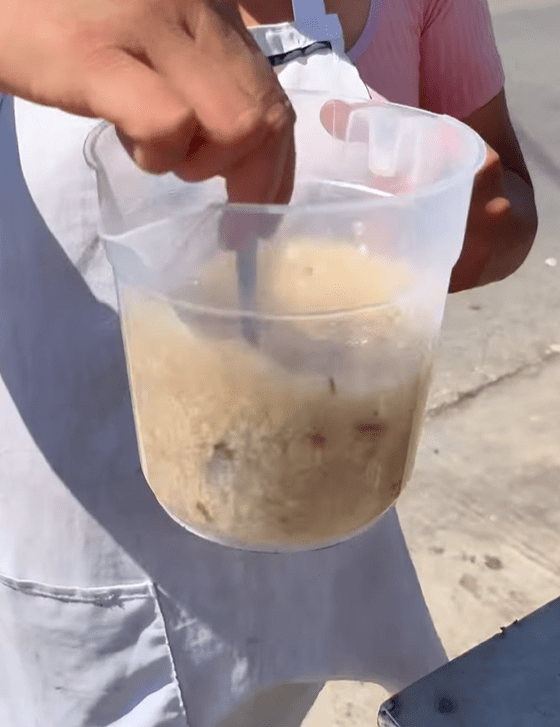
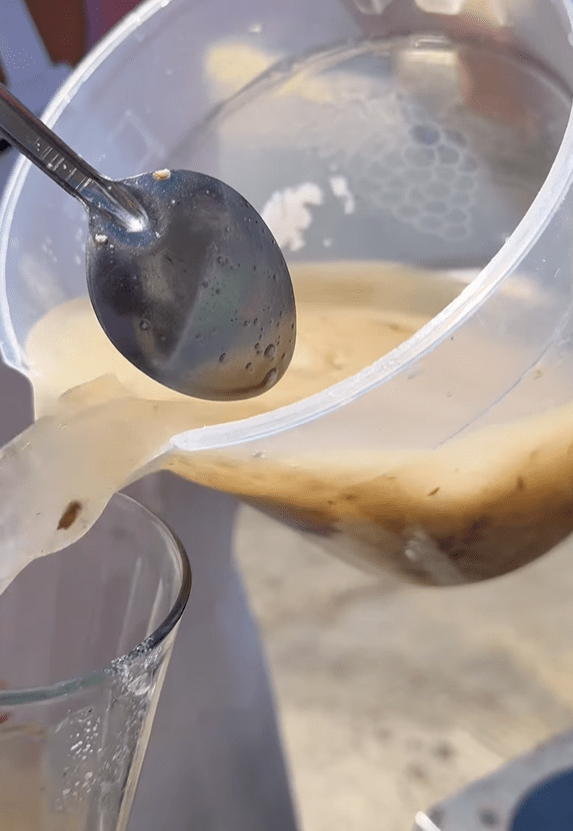
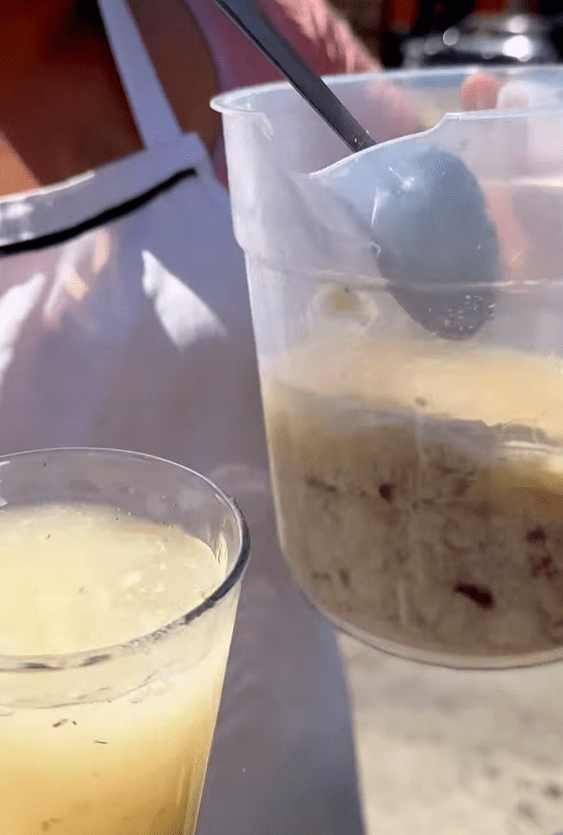
Not a typical agua fresca flavour though.
Typically aguas frescas are made from fruits but can also include fresh herbs, seeds (chia in Bate) (1), grains (rice in horchata) (2), flowers (flor de jamaica in, oddly enough, agua de jamaica) (3) and even “vegetables” such as pepino (cucumber) and cactus (nopalitos).
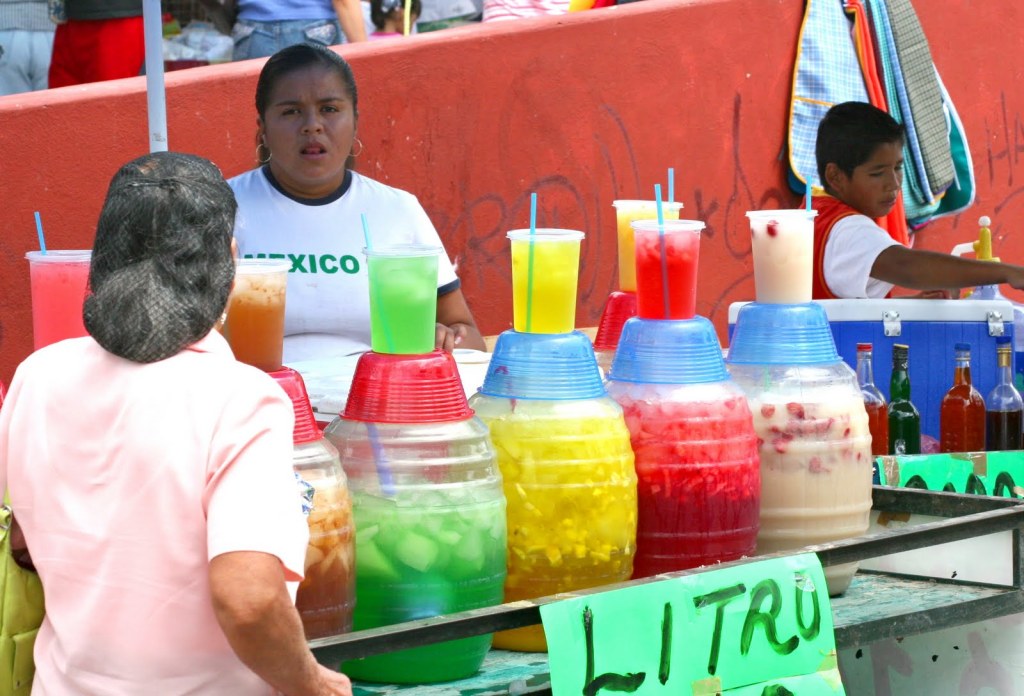
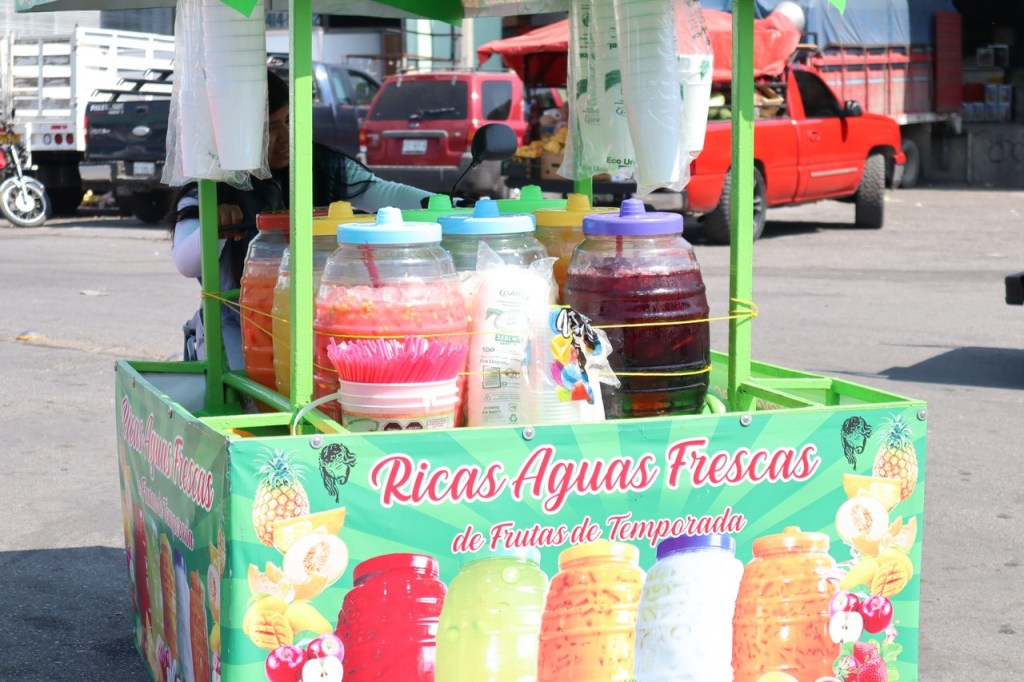
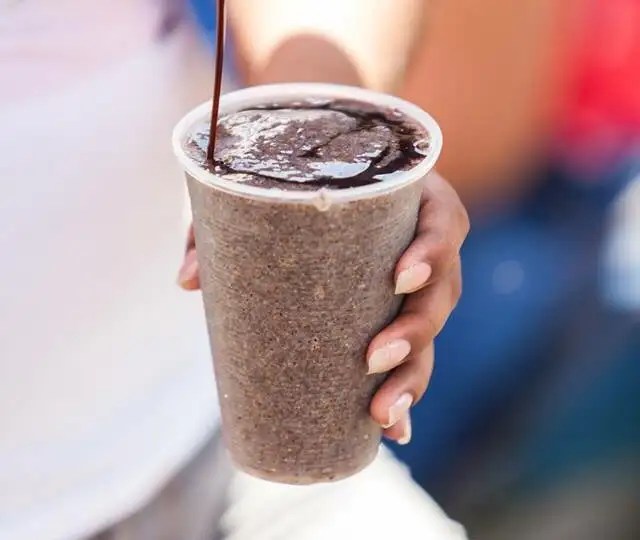
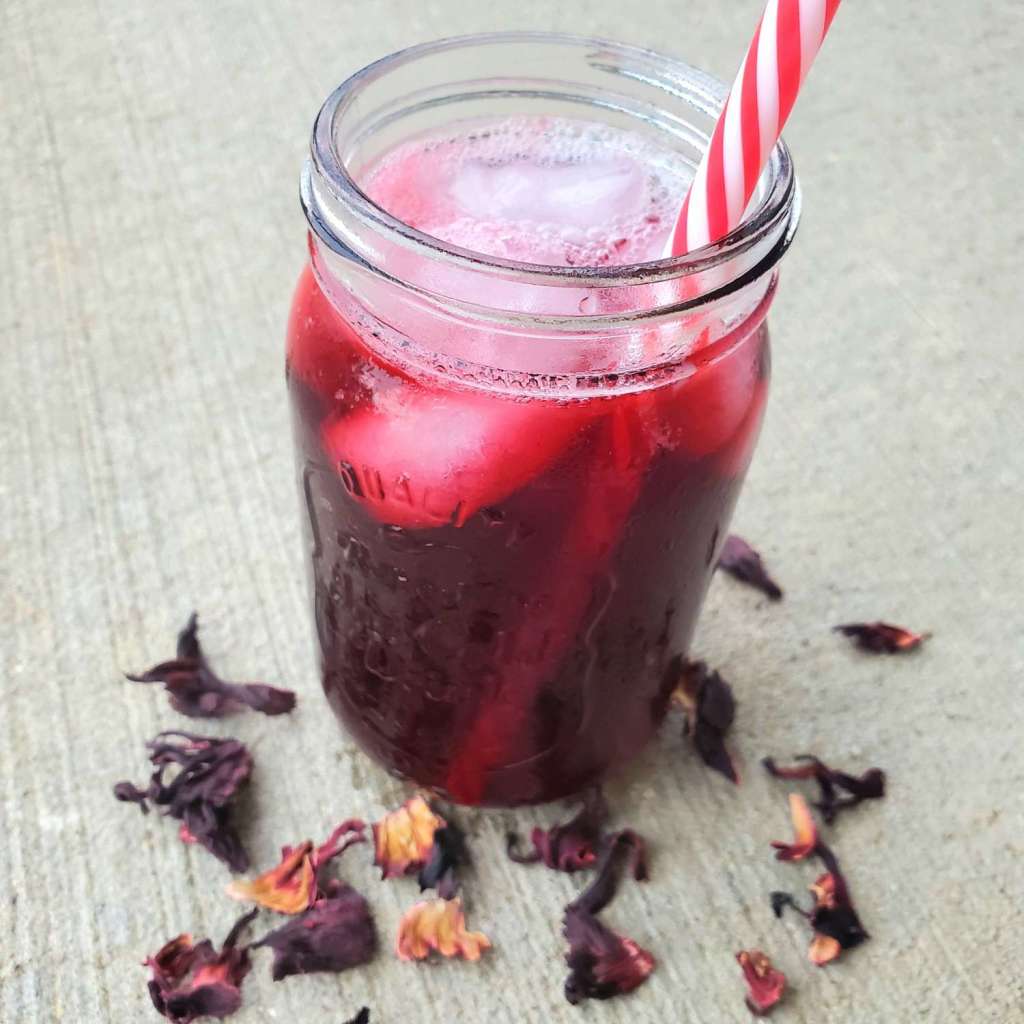
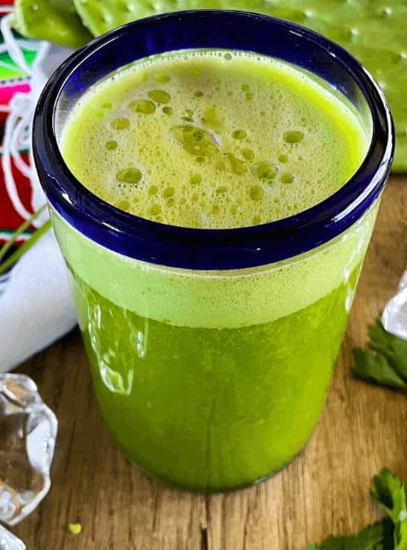

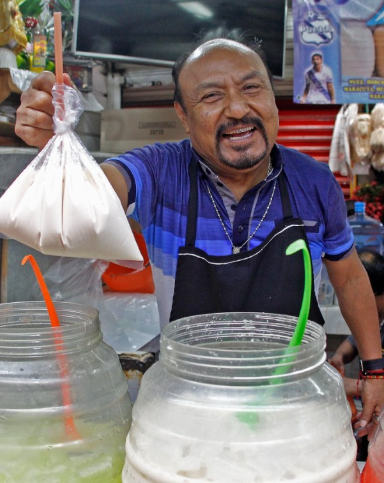
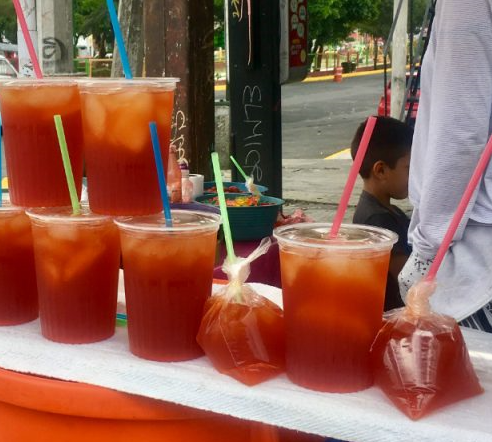
- bate
- agua de jamaica
- agua de nopal
- agua de pepino
- horchata (en la bolsa por supuesto). Bebidas, en la Bolsa : Drinks, in the bag
- and another agua well worth mentioning. The lightly fermented tepache. Tepache
References
- Fiorini, Lorena. (2012). Il grande libro del pane. Newton Compton Editori. ISBN 978-88-541-4401-9.
Rei, António. (2016) “A Açorda. Uma sopa de pão, da Alta Idade Média à atualidade” (Açorda. A bread soup, since Upper Middle Age until now) Revista Diálogos Mediterrânicos Número 10 – Junho/2016NOVA University Lisbon.
Websites/Images
- Açorda image – https://cookpad.com/us/recipes/352455-acorda-the-poor-mans-dish
- Acquacotta image – By Giorgio Minguzzi from Italy – File:Acquacotta_soup.jpg, CC BY-SA 2.0, https://commons.wikimedia.org/w/index.php?curid=35327144
- Así se prepara el agua de tortilla – Yecapixtla Food – https://www.facebook.com/watch/?v=1374131119942086&t=16
- Atole de tortilla – ari_trinidad6 – https://www.tiktok.com/@ari_trinidad6/video/7438413859611888951
- Atole de tortilla – Cocina con Aglaeh – https://www.facebook.com/photo/?fbid=187702699503310&set=a.113889466884634
- Atole de tortilla quemada : Burnt tortilla atole – Larousse Cocina: https://laroussecocina.mx/palabra/atole-de-tortilla-quemada/
- Brotsuppe image – https://www.gutekueche.de/brotsuppe-rezept-1405
- Cómo hacer atol de tortillas doradas – Hermanas Sajvin – https://www.youtube.com/watch?v=JETM09Bpk5o
- Mission Chocolate – https://missionchocolaterecipes.com/how-to-make-hot-chocolate-with-a-tortilla/
- Pancotto image – https://www.calendariodelciboitaliano.it/2021/02/27/giorn-nazionale-del-pancotto-e-dell-acquacotta/
- Tlaxcalatolli – Gran Diccionario Náhuatl – UNAM – https://gdn.iib.unam.mx/diccionario/tlaxcalatolli/141934
- Tlaxcalatolli (1) – https://periodicolaesperanza.com/archivos/8741
- Tlaxcalatolli (2) – https://aulex.org/nahuatl/?busca=ni%C3%B1o
- Tlaxcalatolli (3) – https://deas.inah.gob.mx/pdf/biblioteca/adquisiciones/adquisicion(89103)-3903.pdf
 Masa Americana