
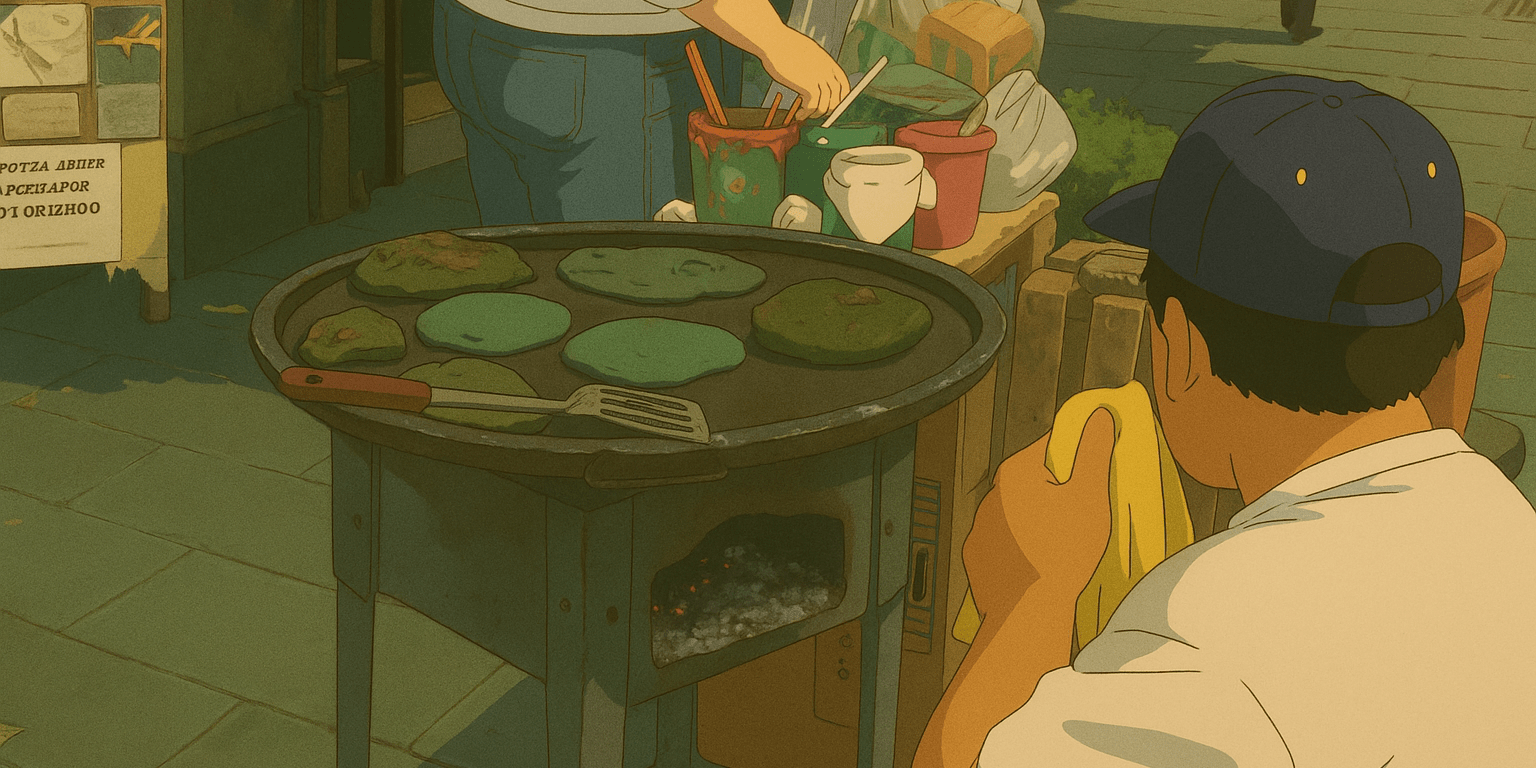
Another facet of the nutritional category known as “Vitamina T” or Vitamin T?
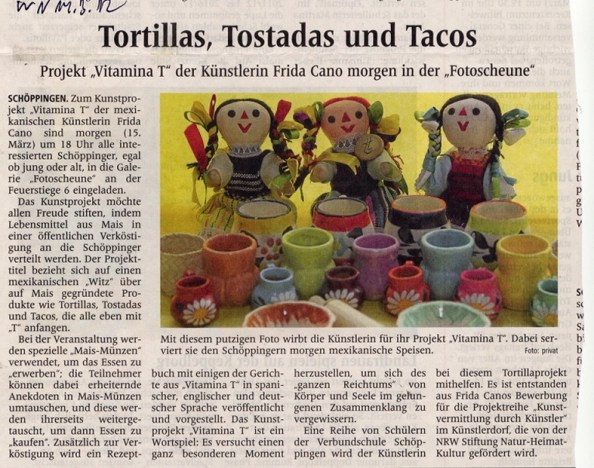
Vitamin T is a substance called torulitine found in sesame seeds, egg yolks and pumpkin seeds (1). Vitamin T seems to be the forgotten vitamin with little research and attention paid to it. The Oxford Reference Dictionary would have us believe Vitamin T is “Factor found in insect cuticle, mould mycelia, and yeast fermentation liquor, and is claimed to accelerate maturation and promote protein synthesis. Also known as torulitine. Probably a mixture of folic acid, vitamin B12, and DNA”
- It’s also present in insect cuticles (a protective, non-cellular layer covering the insect’s body, acting as an exoskeleton for support and defence against dehydration, pathogens, and predators), mould mycelia (the network of fine, thread-like structures that make up a significant part of a mould’s body), and yeast fermentation liquor (the sugary liquid mixture that undergoes alcoholic fermentation by yeast to create alcoholic beverages like wine, beer, and distilled spirits).

Johann Heinrich Wilhelm Goetsch (25 October 1887 – 20 March 1960) was a German zoologist and entomologist who was best known for several books on ants. T-Vitamin was first prepared by Dr. Goetsch in 1945 from ants which obtained it from the yeasts and fungi forming their food. It was at first called torulitin (1) and was reported as having powerful growth-promoting properties for insects, fowls, mice, frogs and the human infant; it was thought to be related to vitamin B12. (Berger 1950)
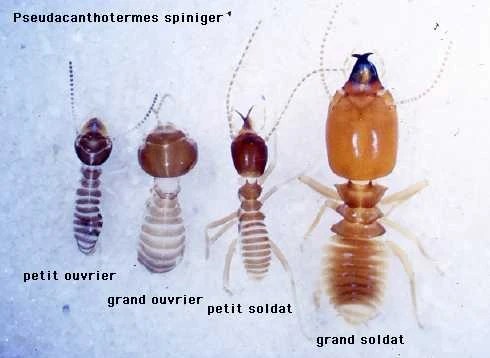
- Ladislav Zeman (2015) also calls this substance “termitin”, which is noted as being an antimicrobial peptide found in termites, although it has been noted that “Termitin” is not a known antimicrobial peptide (AMP) and the term appears to be a misspelling of a related concept (termicin). Termicin is a cysteine-rich peptide found in the haemocytes (2) of the termite Pseudacanthotermes spiniger. Termicin is an antimicrobial peptide and has anti-gram-positive bacteria, filamentous fungi and yeast activity. (Da Silva et al 2003)
- Hemocytes are the immune cells of invertebrates, functioning similarly to blood cells in vertebrates. They circulate in the haemolymph (insect “blood”) and are responsible for defence against pathogens and foreign invaders
Darüber reden wir aber nicht.
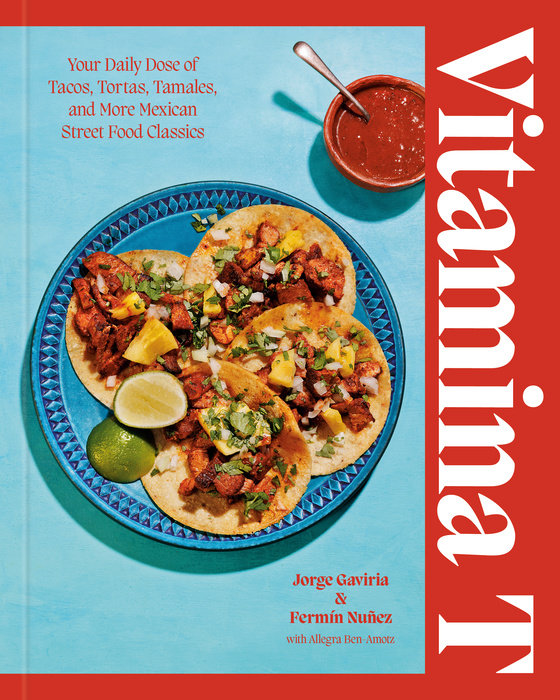
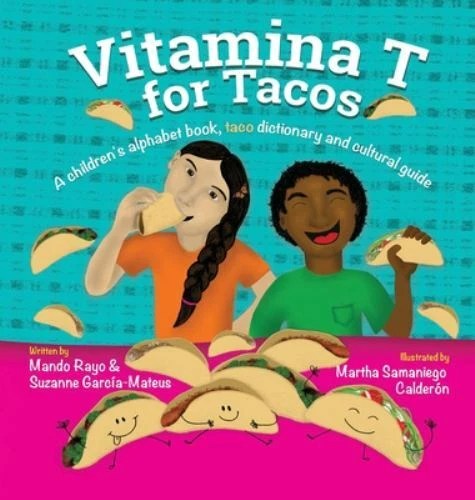
Vitamina T however has nothing to do with this. Vitamina T is the name given to a mythically large number of foodstuffs created from a base ingredient called masa which is of course created from that very Mexican staff of life (1) maiz (or corn. Please tell me that if you’re reading this blog then you know this.)
- “Staff of life” is a metaphor referring to a staple food, most commonly bread, which serves as a crucial, essential source of sustenance for a population or person. The term originated from the idea that such a food provides support and sustenance, much like a physical staff provides support to a person.
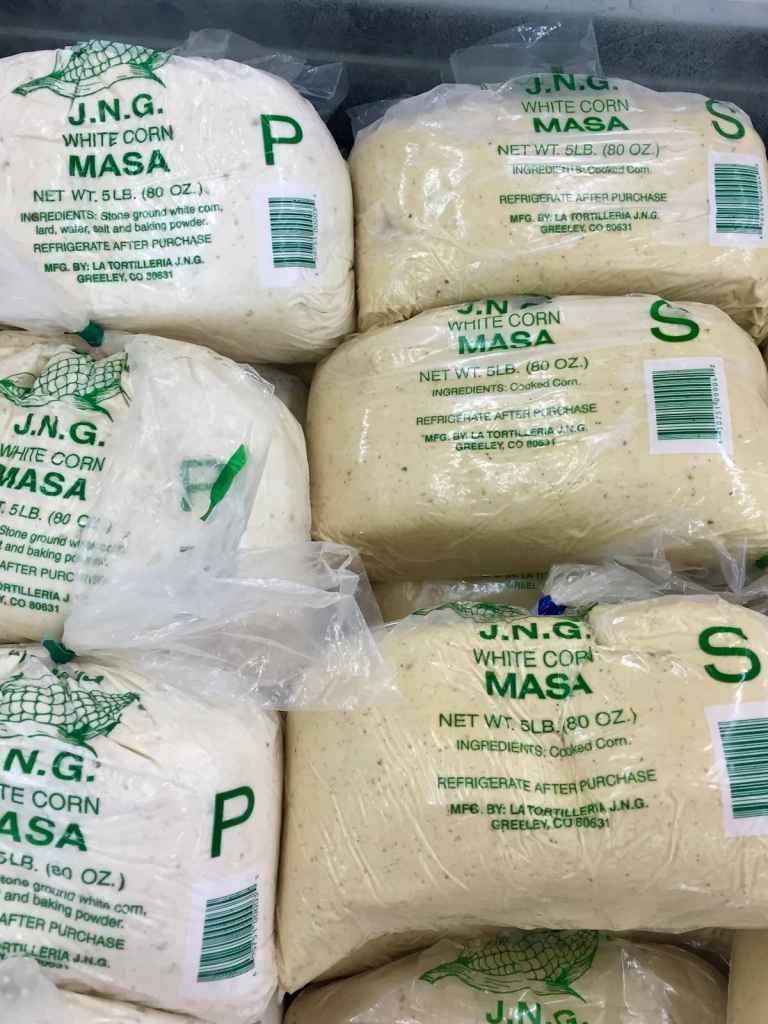
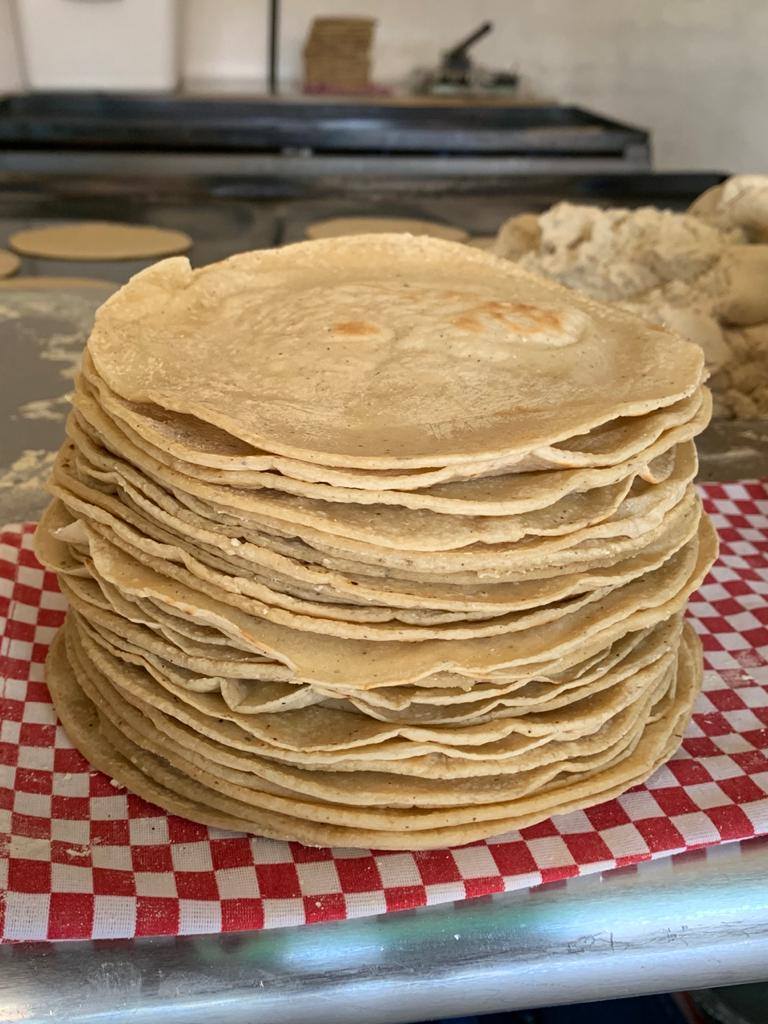
Now Vitamina T primarily consists of masa based foods beginning with anything made from a tortilla, the King of which is the taco.

If the tortilla is a day old we might cut it into wedges and fry them into totopos (and then perhaps making chilaquiles) or we could leave the tortilla whole and fry it into a Oaxacan style tostada.

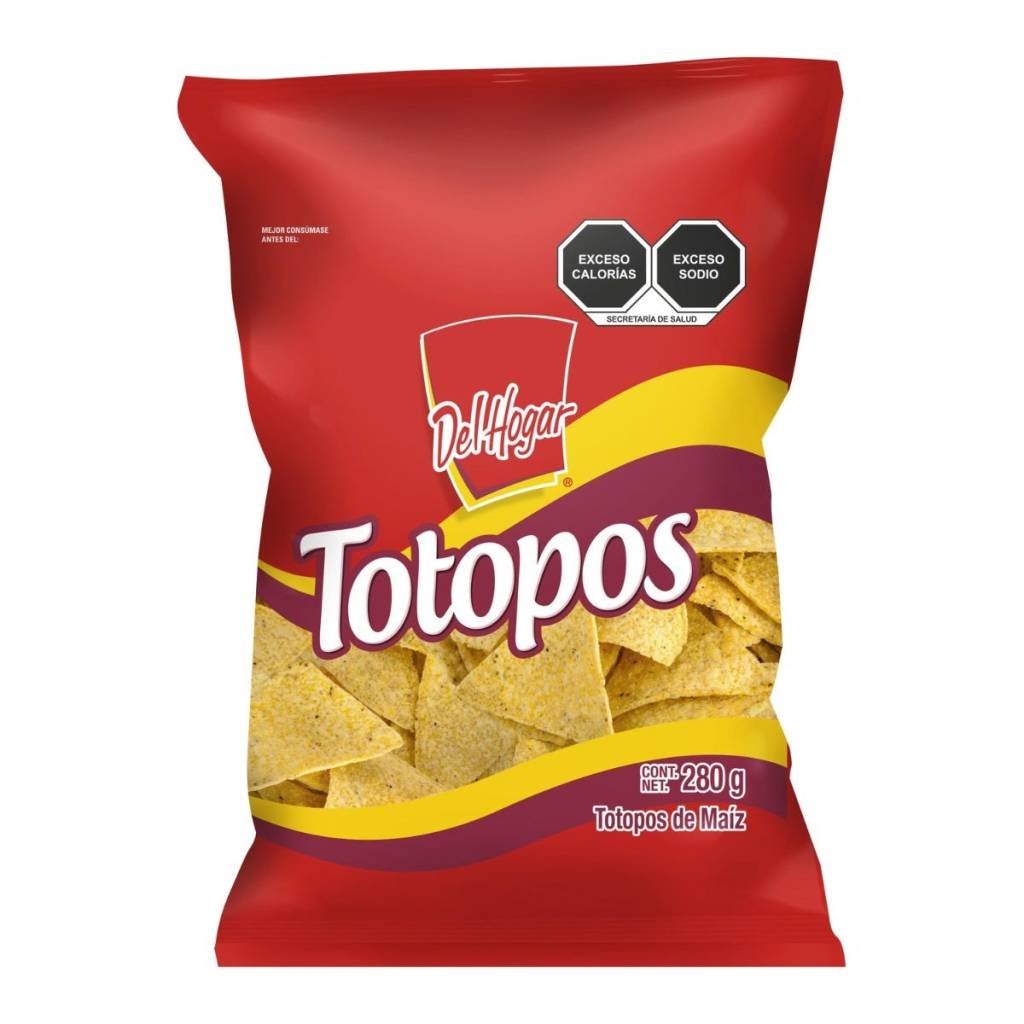
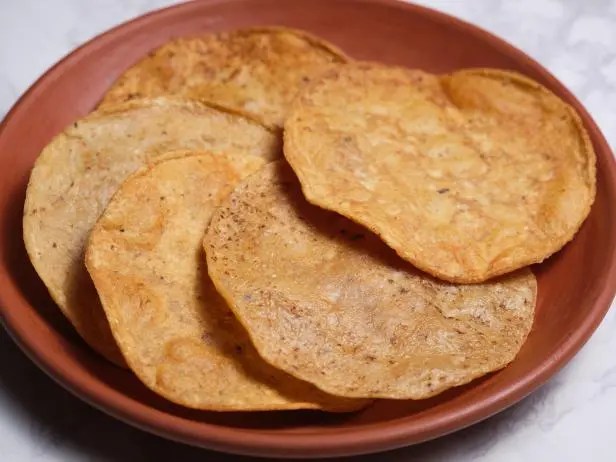
(Más o menos) Totopos are triangular, fried or toasted corn chips meant for dipping or scooping, while tostadas are whole, crispy tortillas that act as an open-faced base for various toppings like meat, beans, and avocado. The main difference is that totopos are cut-up tortilla chips, whereas a tostada is an unbroken, toasted or fried tortilla.

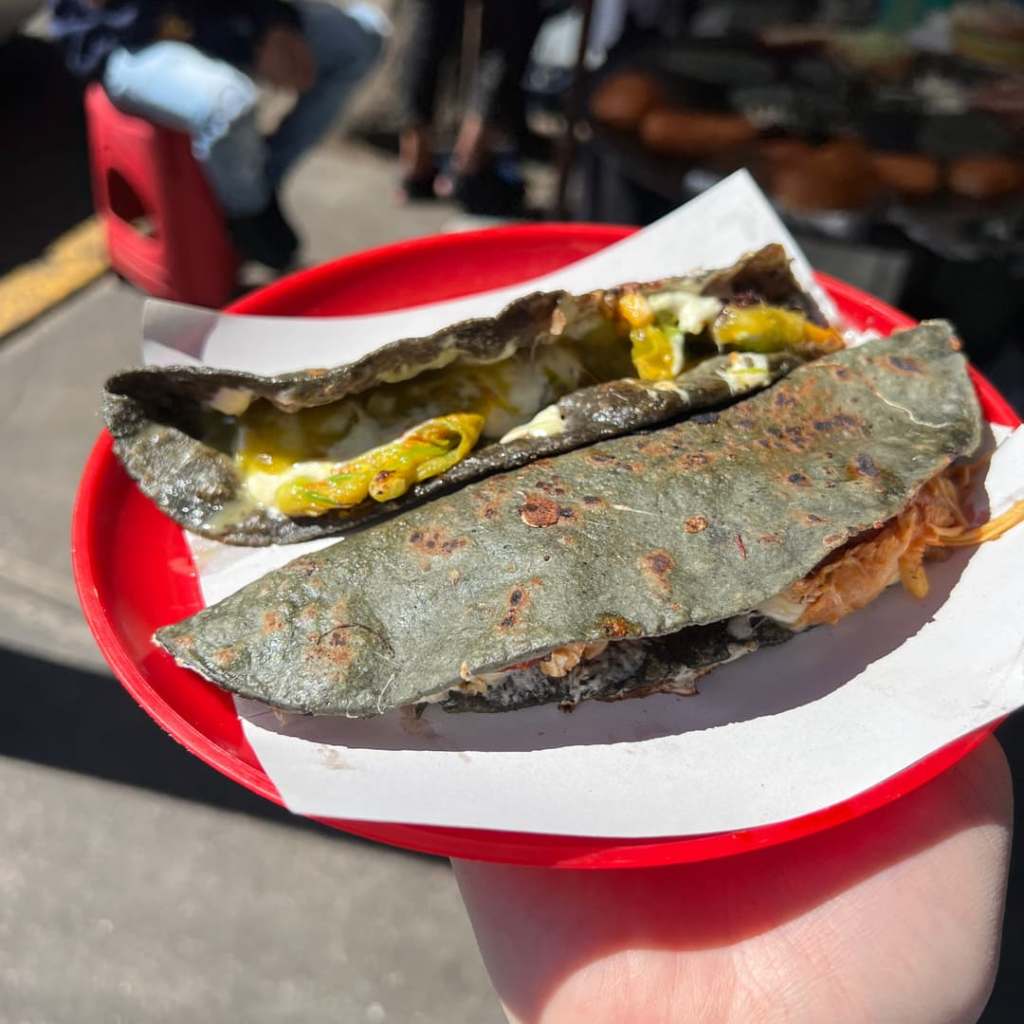
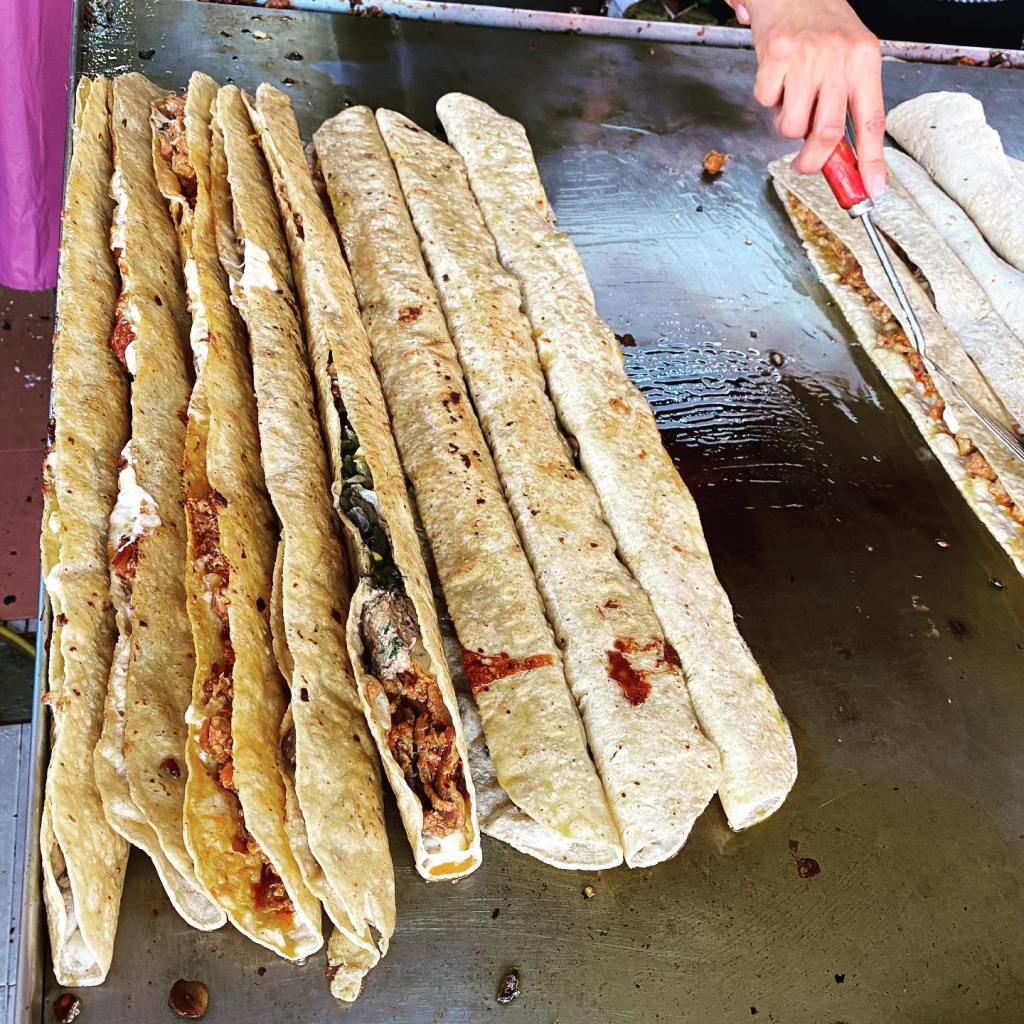
(Again with the más o menos) A tostada is typically a smaller, deep-fried, and very crunchy tortilla, while a tlayuda is a larger, thin, and toasted Oaxacan tortilla that remains somewhat pliable in the centre with a crunchy edge, often folded in half like a taco and served as a main dish.
Ingredient : Asiento and a Brief History of Tlayudas, Doraditos and Huaraches.
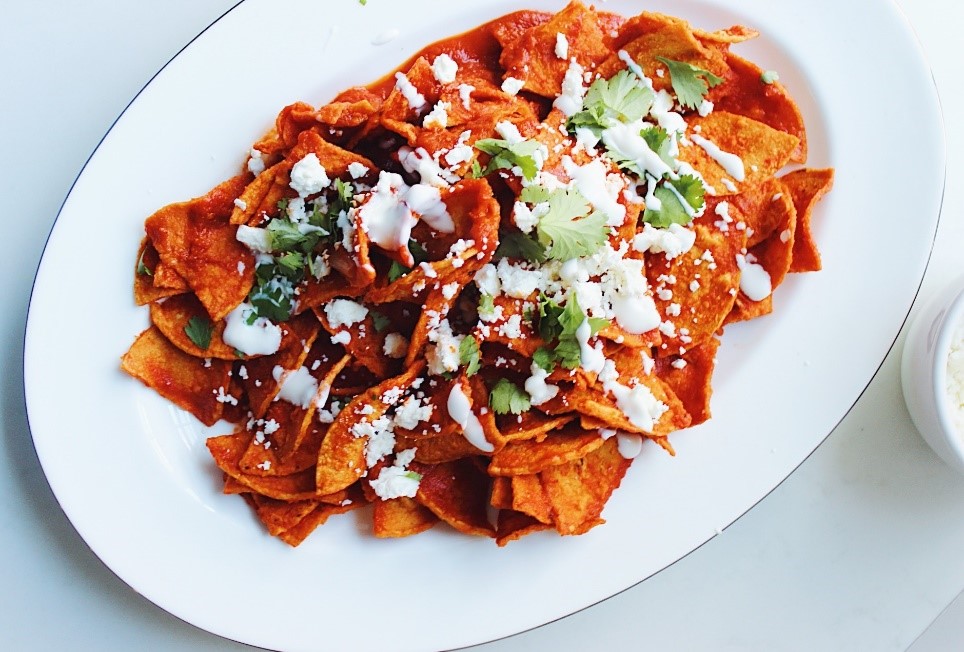
And, as is always the case with chilaquiles. Where does your loyalty lie? Rojo or verde?

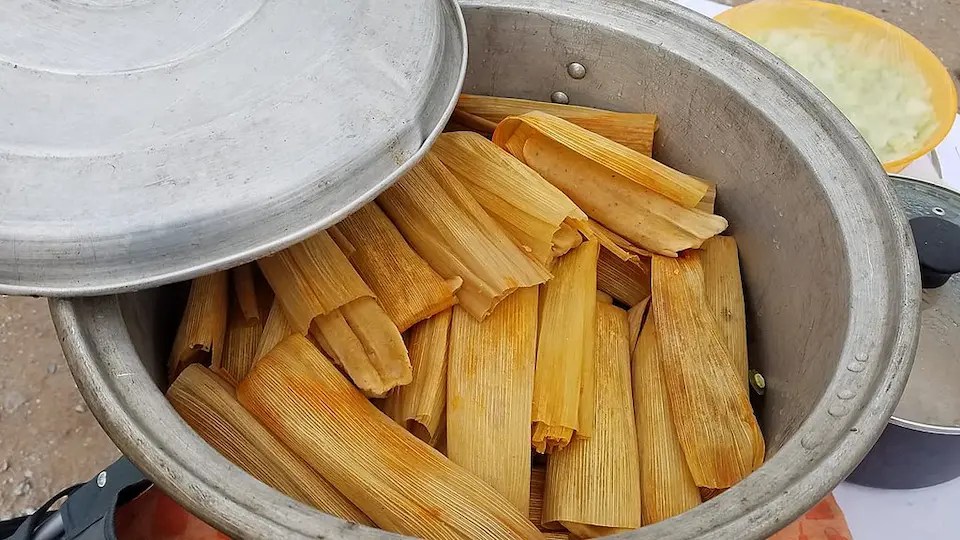
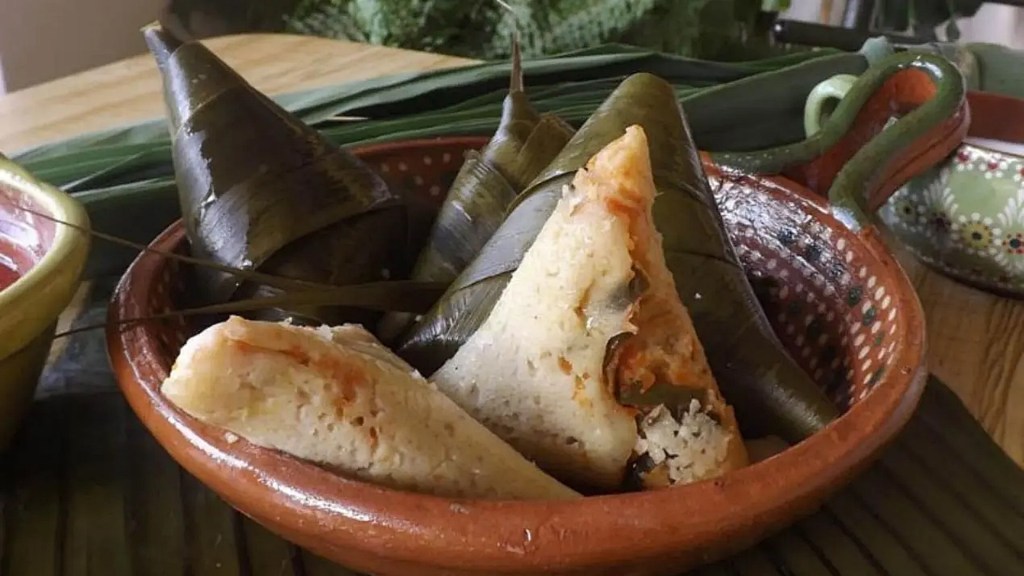
Then we’ve got the raw masa dough itself. This can be filled, shaped, wrapped in a corn husk (or banana leaf – or myriad of other leaves) and steamed into a tamal (or muchos tamales) or possibly a tlapique (OK, OK, tlapiques don’t really contain masa but hey do have a cool “T” name).
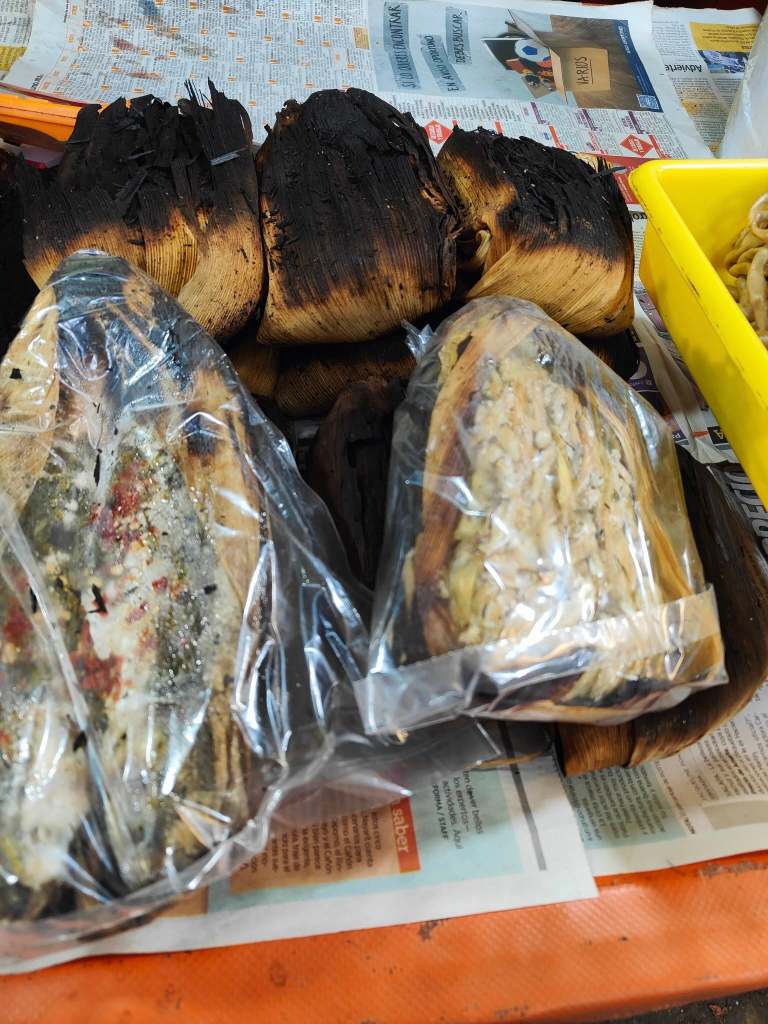

The steamed masa treat called tamales. These can be simply steamed, plain masa or can be filled with a myriad of savoury or sweet fillings.
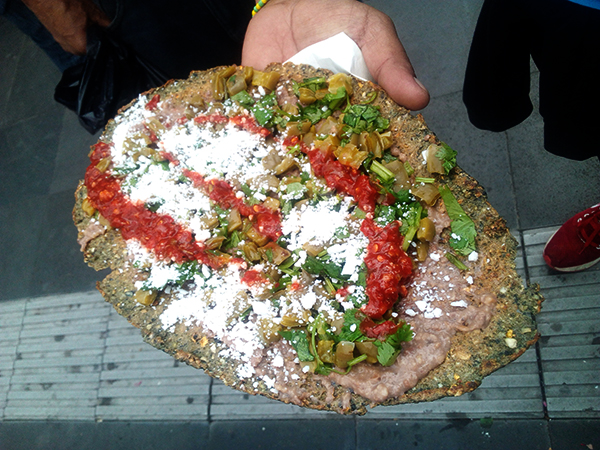
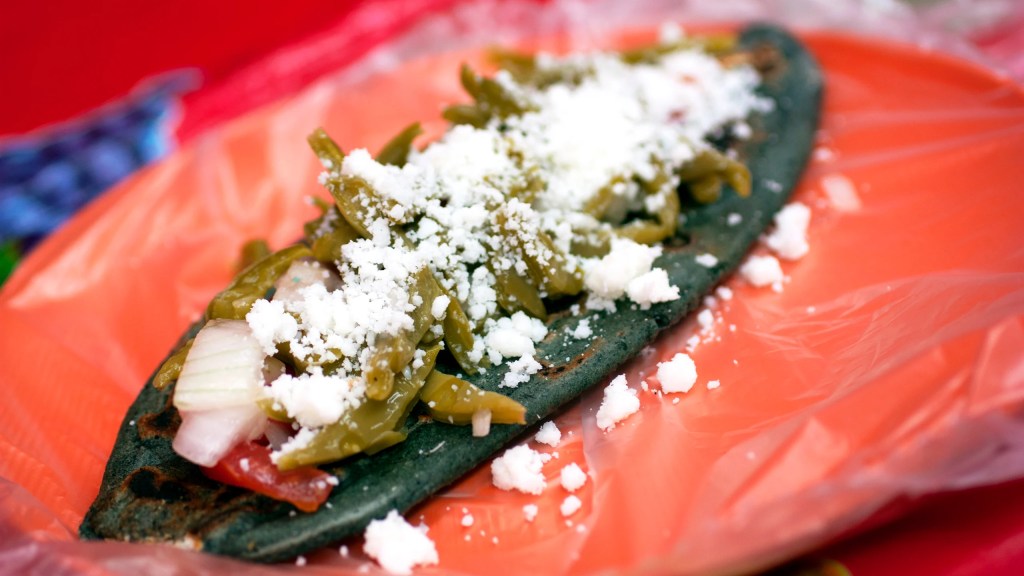
Or….we can do the same but instead of steaming we can cook the filled, shaped masa on the comal (or even a BBQ hotplate) and make tlacoyos or tlayudas. Now not everything in this category has a cool “T” name but each is a hero in its own right.
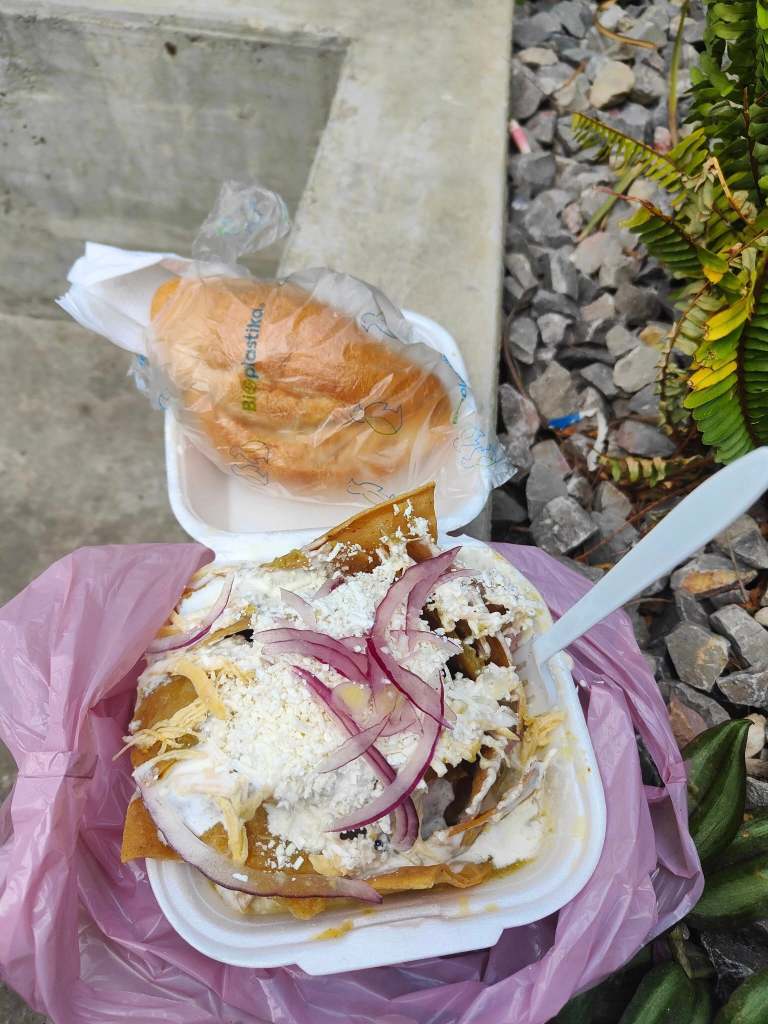
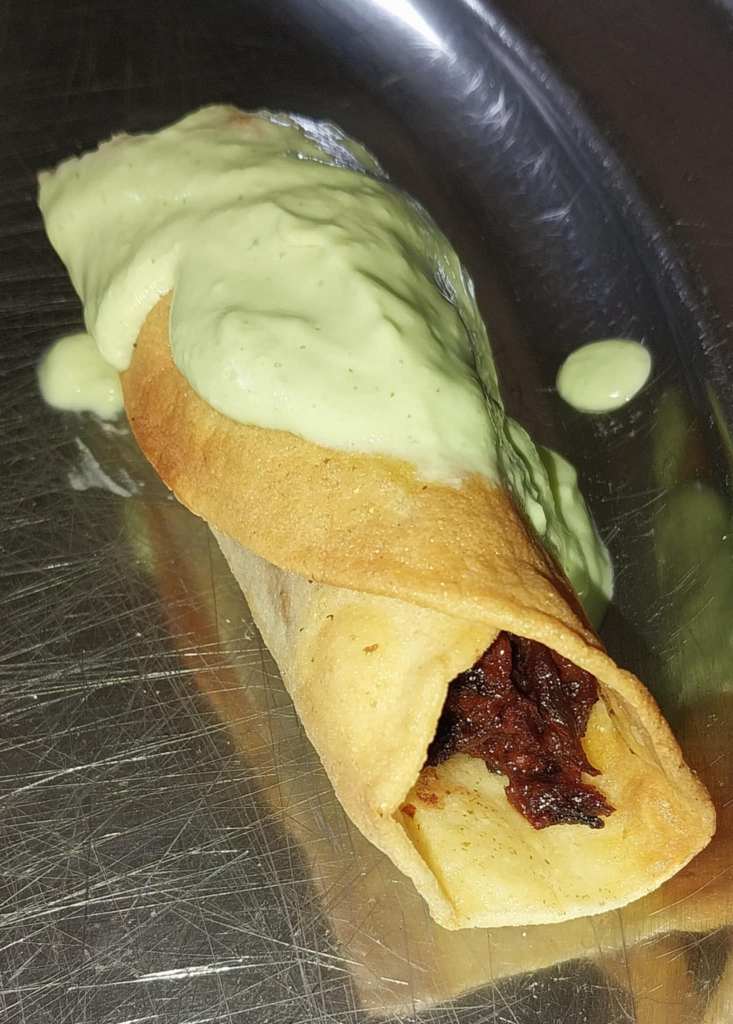
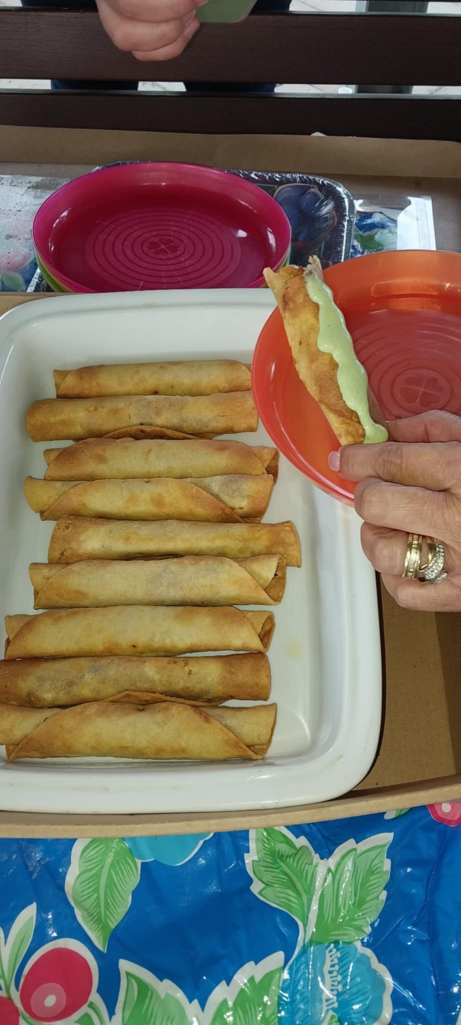
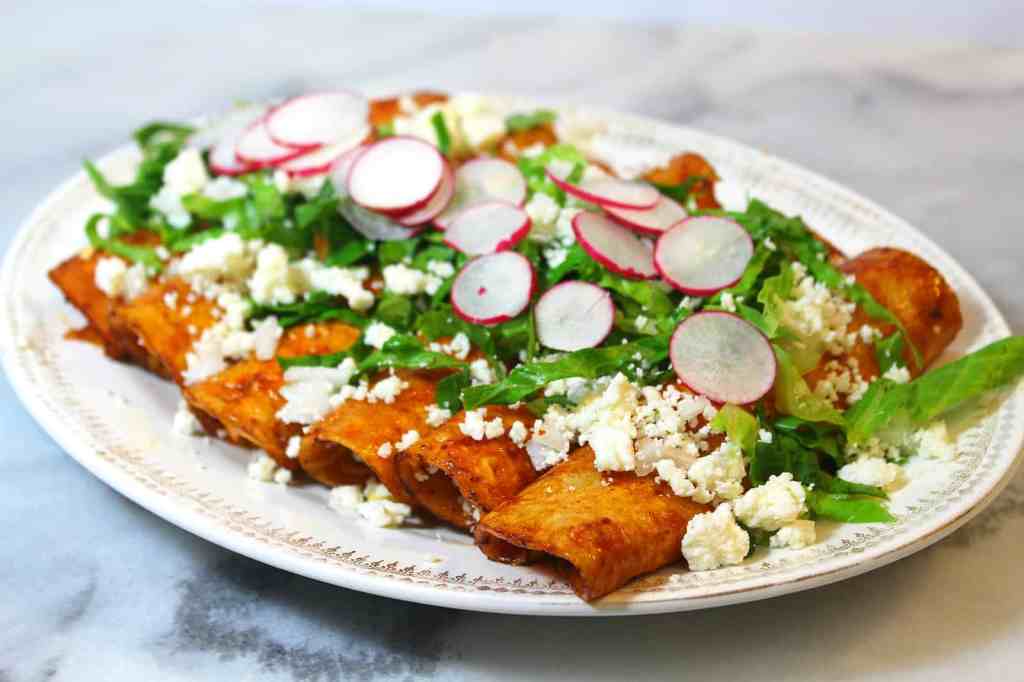
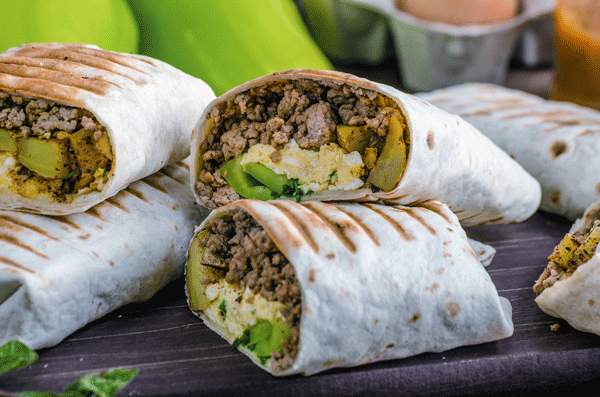
In the tortilla category we have wrapped and fried tacos called flautas (or tacos dorados quizas), you can dip the tortilla in salsa, fill it, roll it and cover it in sauce to make enchiladas or Mayan papadzules; or maybe fill it and fold it (with or without cheese, your choice) and make quesadillas. The burrito also fits in here.
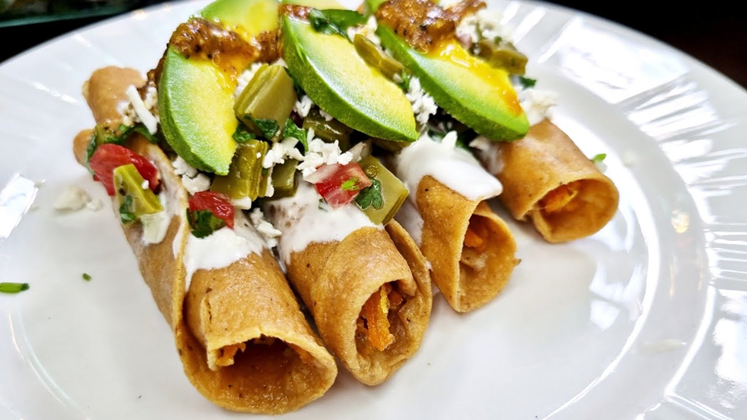
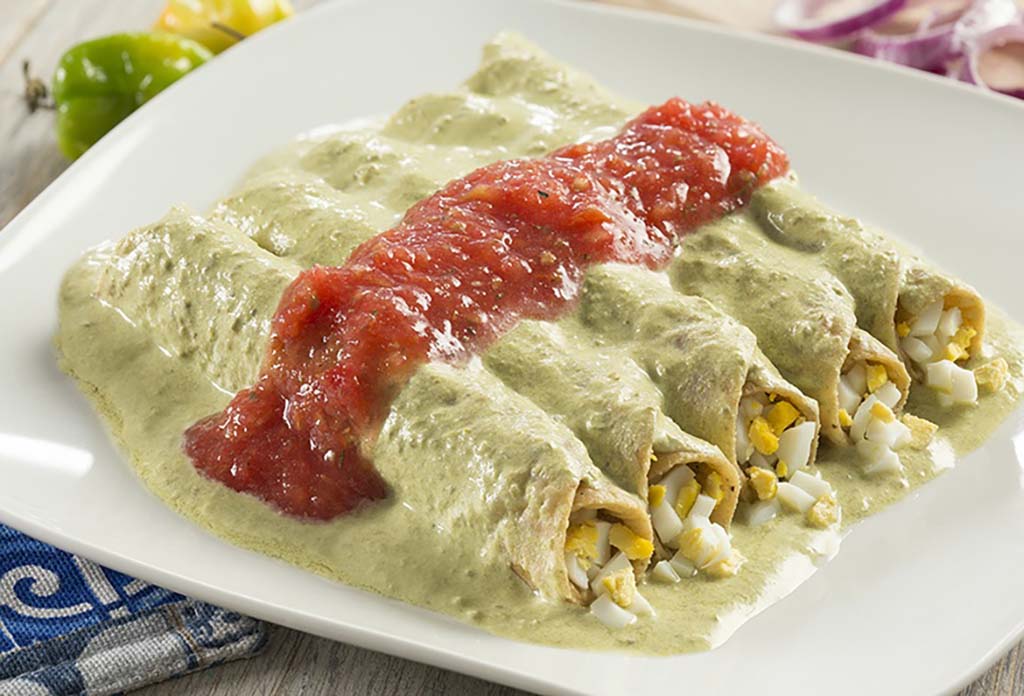
Check out this recipe for Flor de Jamaica : Tacos dorados con Crema de Aguacate
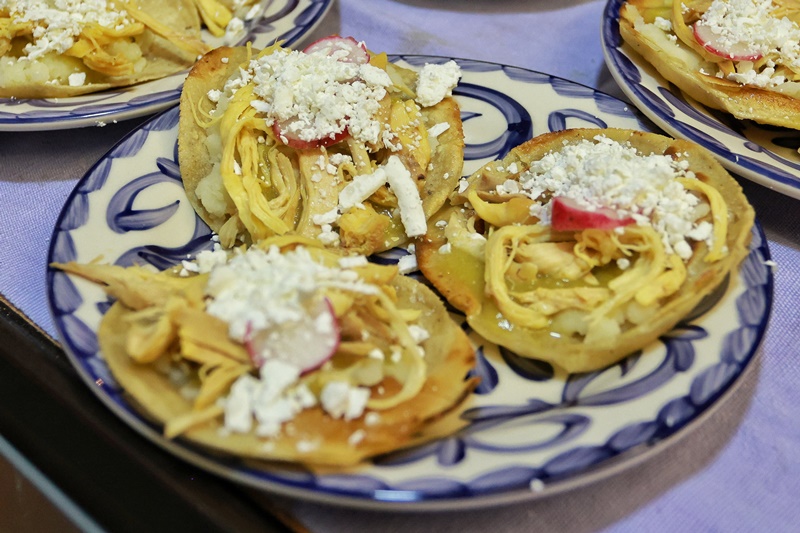
I’ve mentioned the fried tortillas in which the wedges can be used to make chilaquiles but you’ve also got the Lovecraftian horror that are dorilocos or tostilocos made from commercially packaged totopos (1). The whole fried totopos can be covered in a myriad of ways and are known in Oaxaca as tostadas and/or tlayudas. A similar dish in the Yucatan are salbutes (fried corn tortillas topped with shredded meat and vegetables) and in Guatemala the garnachas. The Yucatecos take it one step further and fry the tortillas until they puff up, cut them open and stuff them with fried beans before topping the fried, stuffed tortilla with cabbage, pickled onions and shredded meat to make panuchos.
- You’ll find Tostilocos here Authentic Mexican Food?
The raw masa dough is where things shine though. It can be shaped and filled (or not) and cooked to produce any number of non”T” goodies such as chalupas, corundas, gorditas, huaraches, memelas, molotes, pellizcadas, sopes, tetelas, tlacoyos…..the list goes on.
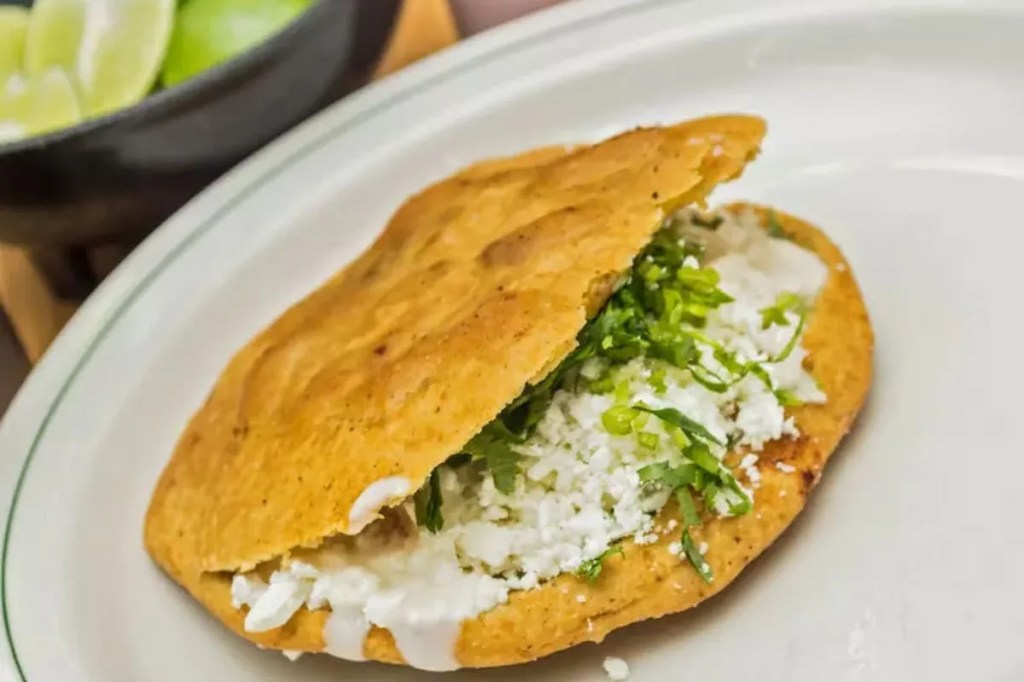
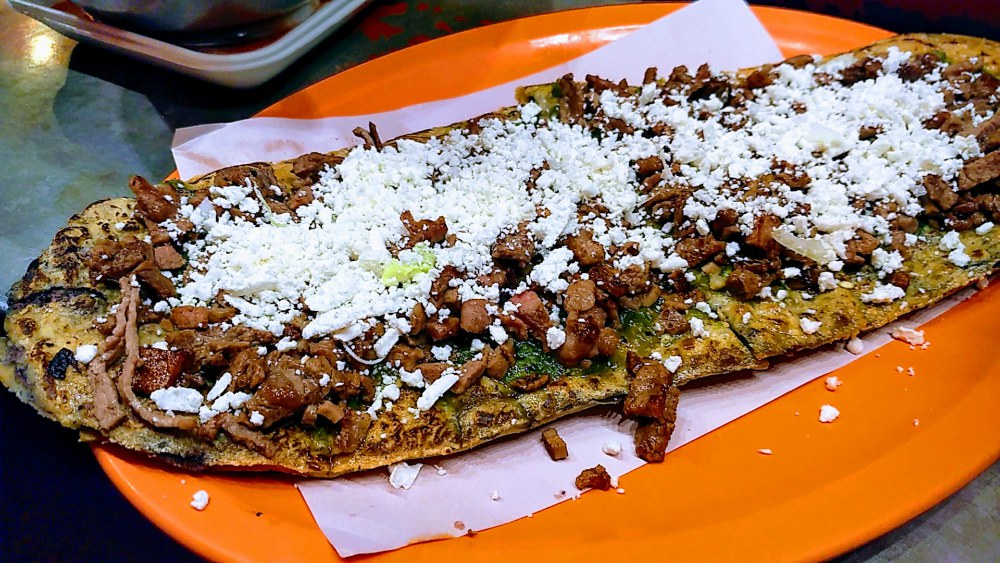
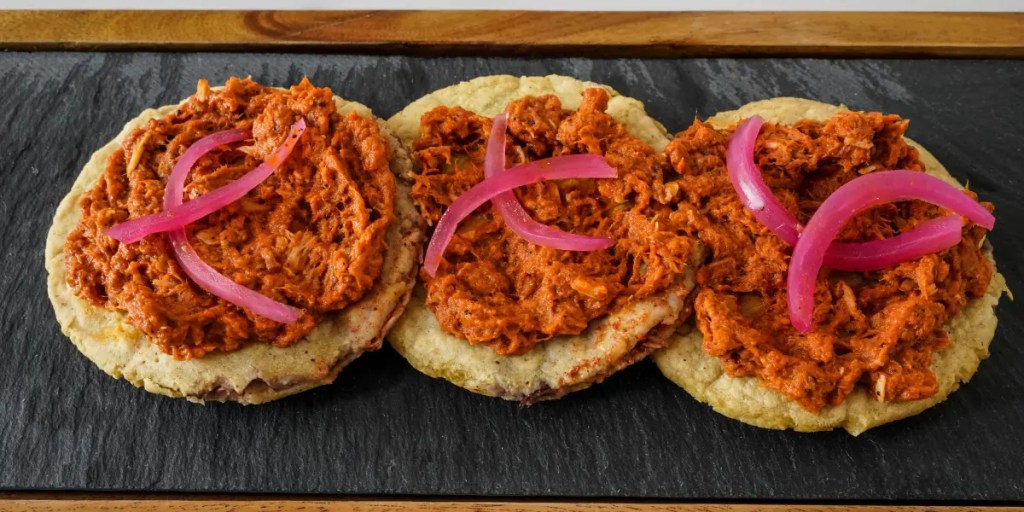
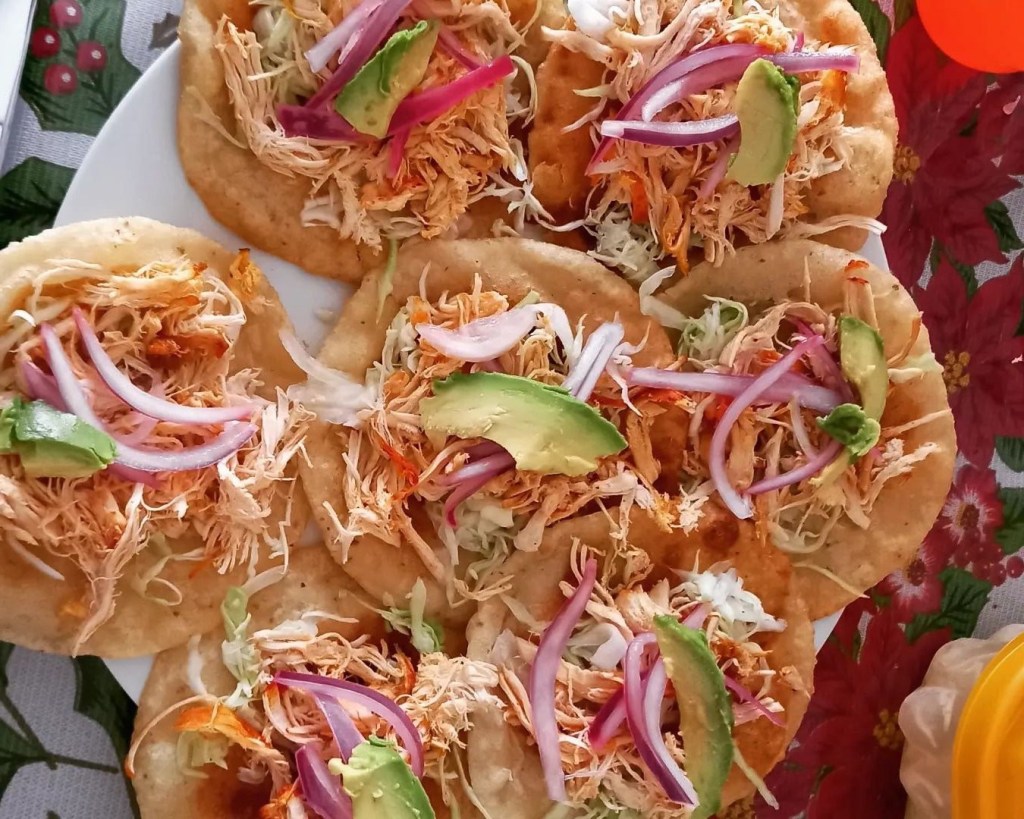
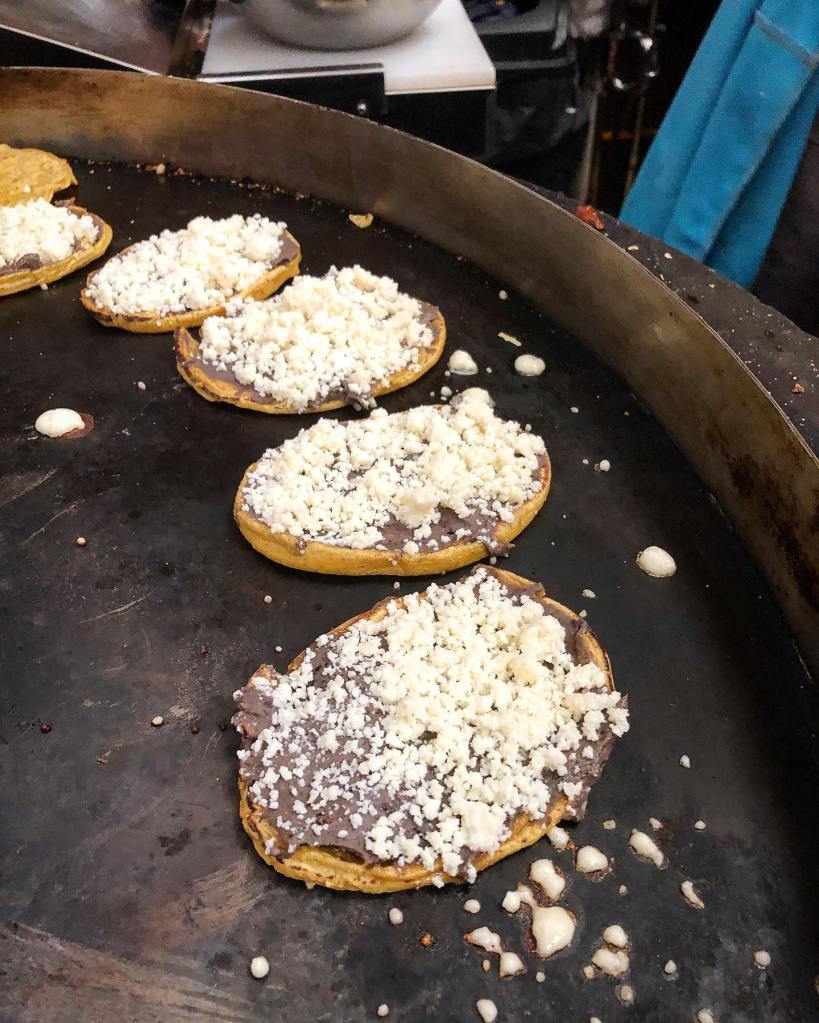
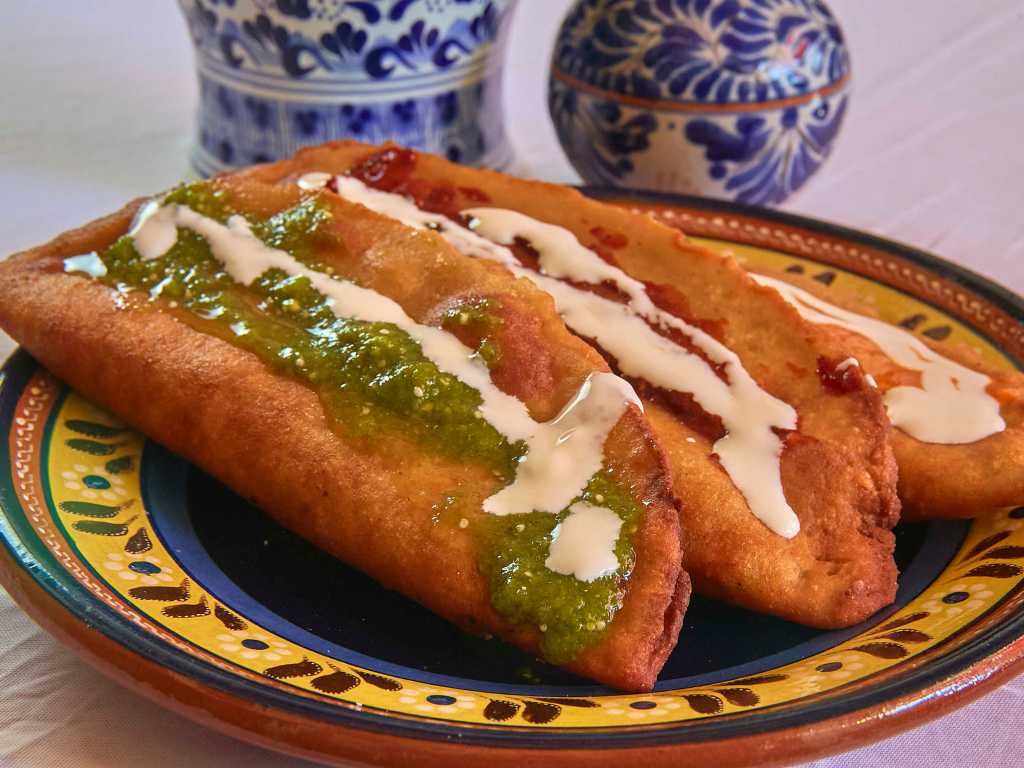
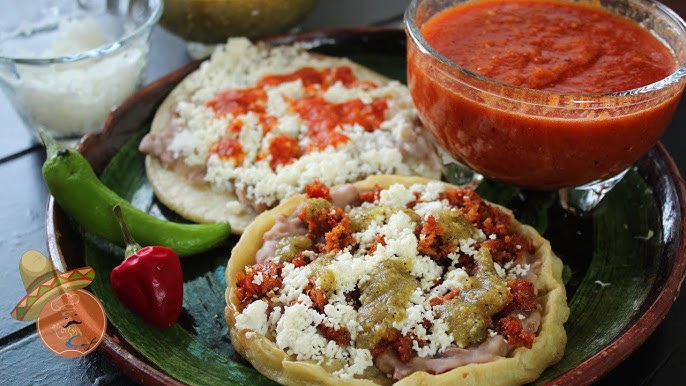
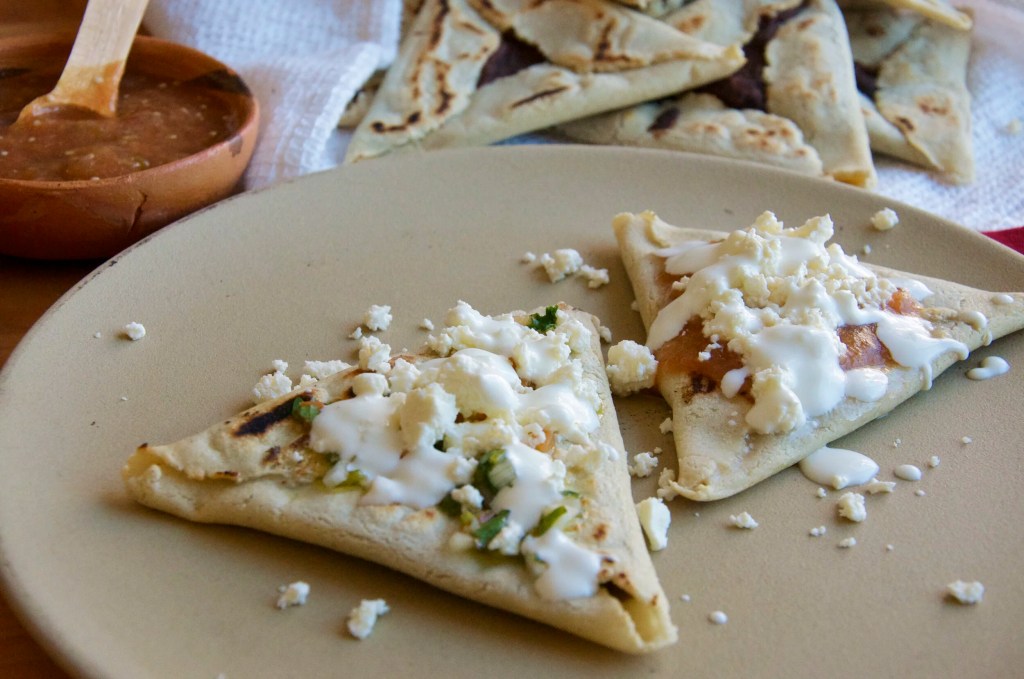
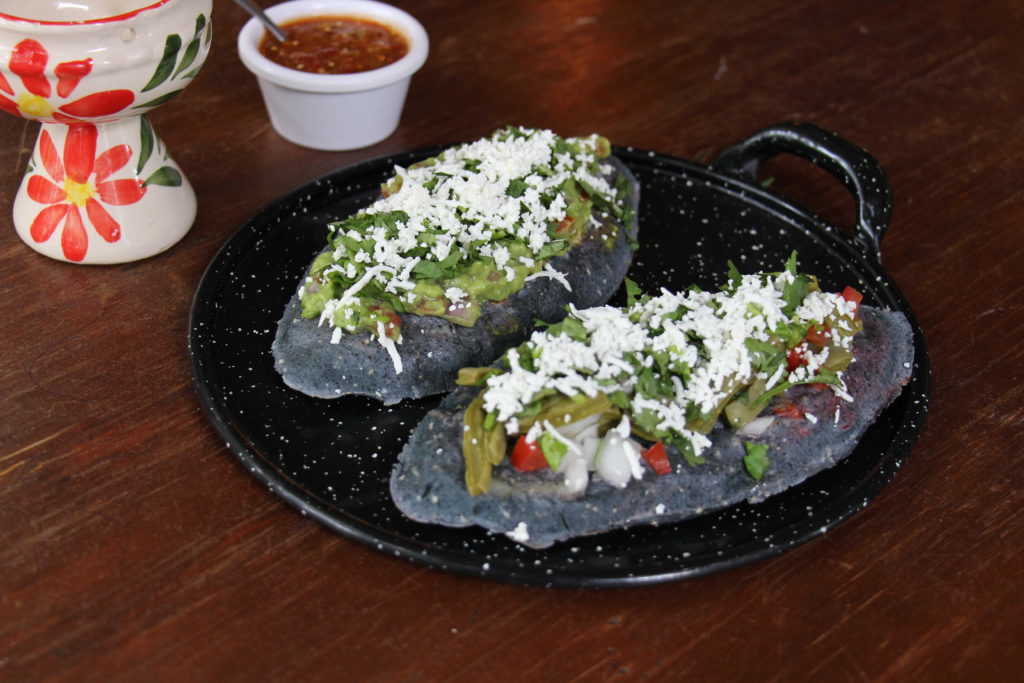
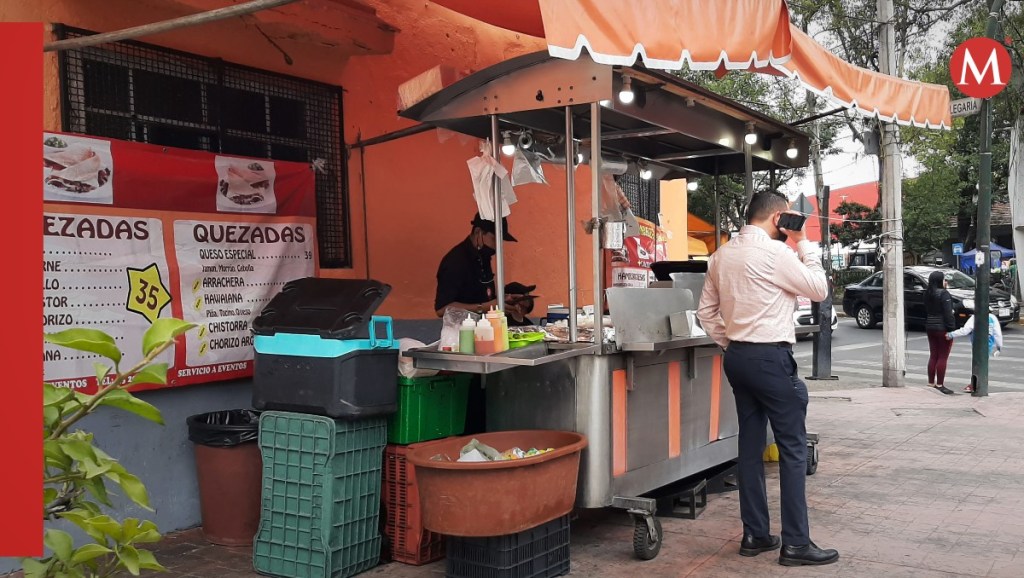
Now the list is primarily of comida callejera or “street food” and as a result it has picked up non-masa based foods (usually in the “sandwich” category) such the filled bread rolls called tortas and pambazos (a type of torta ahogada – drowned – in salsa and fried before filling) or perhaps cemitas en Puebla. I’ve even seen the mollete (toasted bean and cheese covered bread rolls) in this category
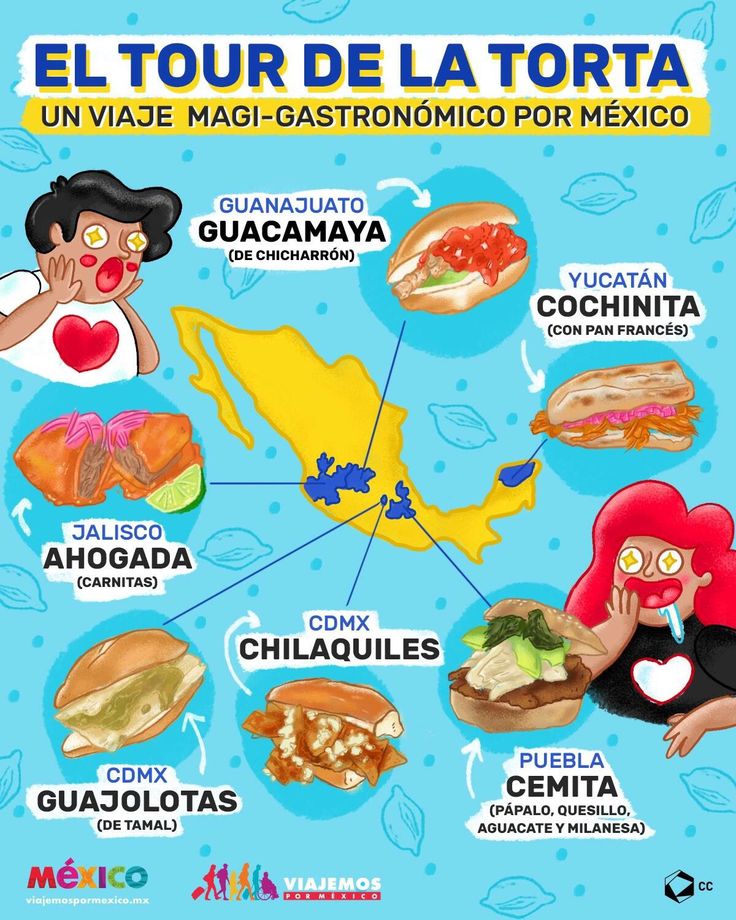
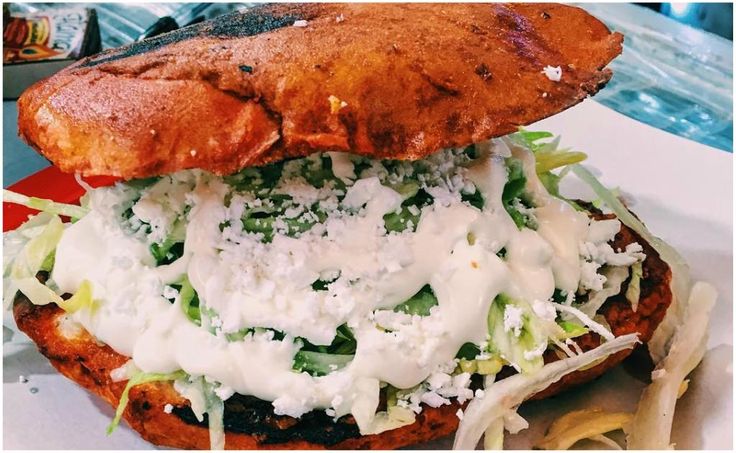
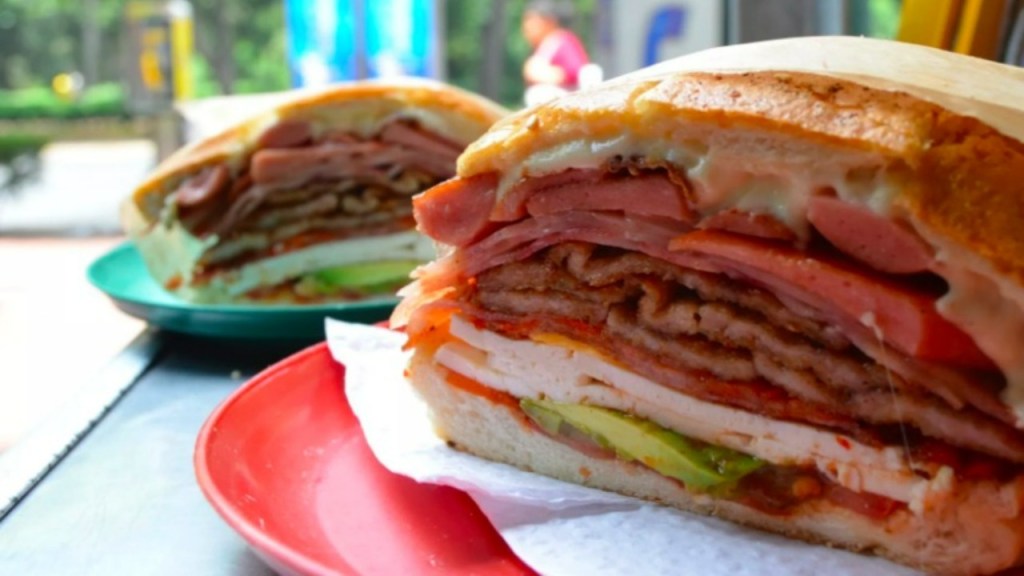
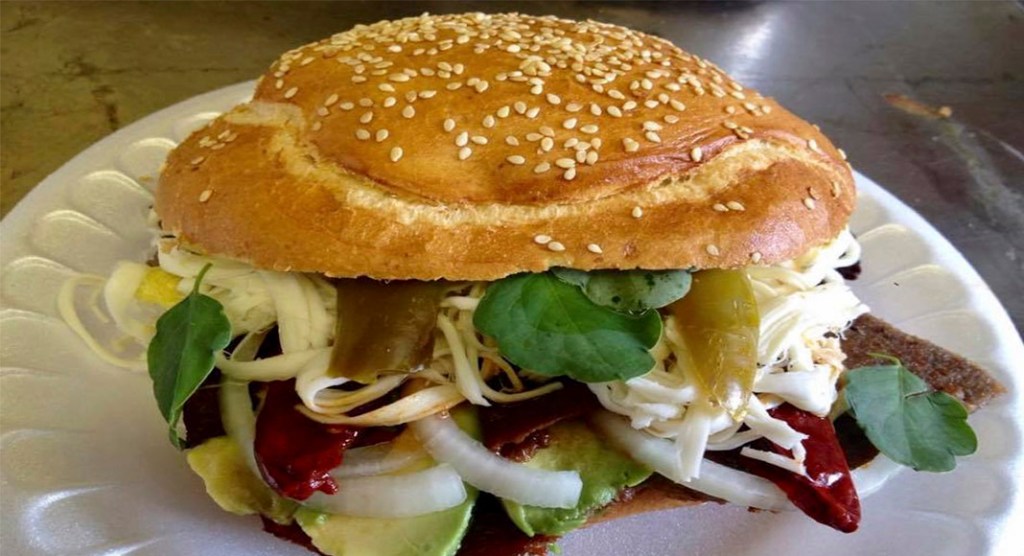
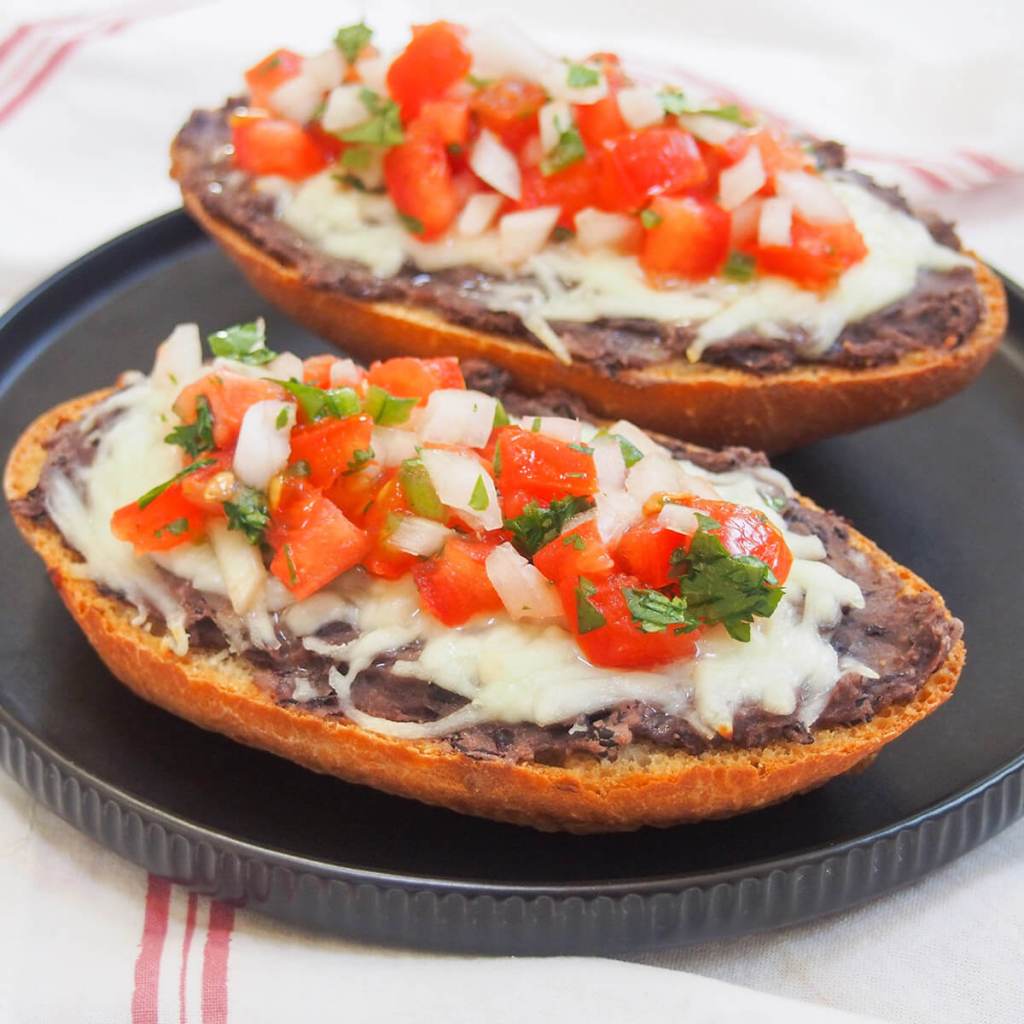

Anyway.
I digress (more than a little it seems) as today we look at Tlatlapas.
Now before we go any further I have to confess that there will be NO MASA (1) in this recipe.
So. Is it even Vitamina T?
- There’s also no masa in Prehispanic Veganismo – The Tlaltequeada but it does have a cool “T” name.
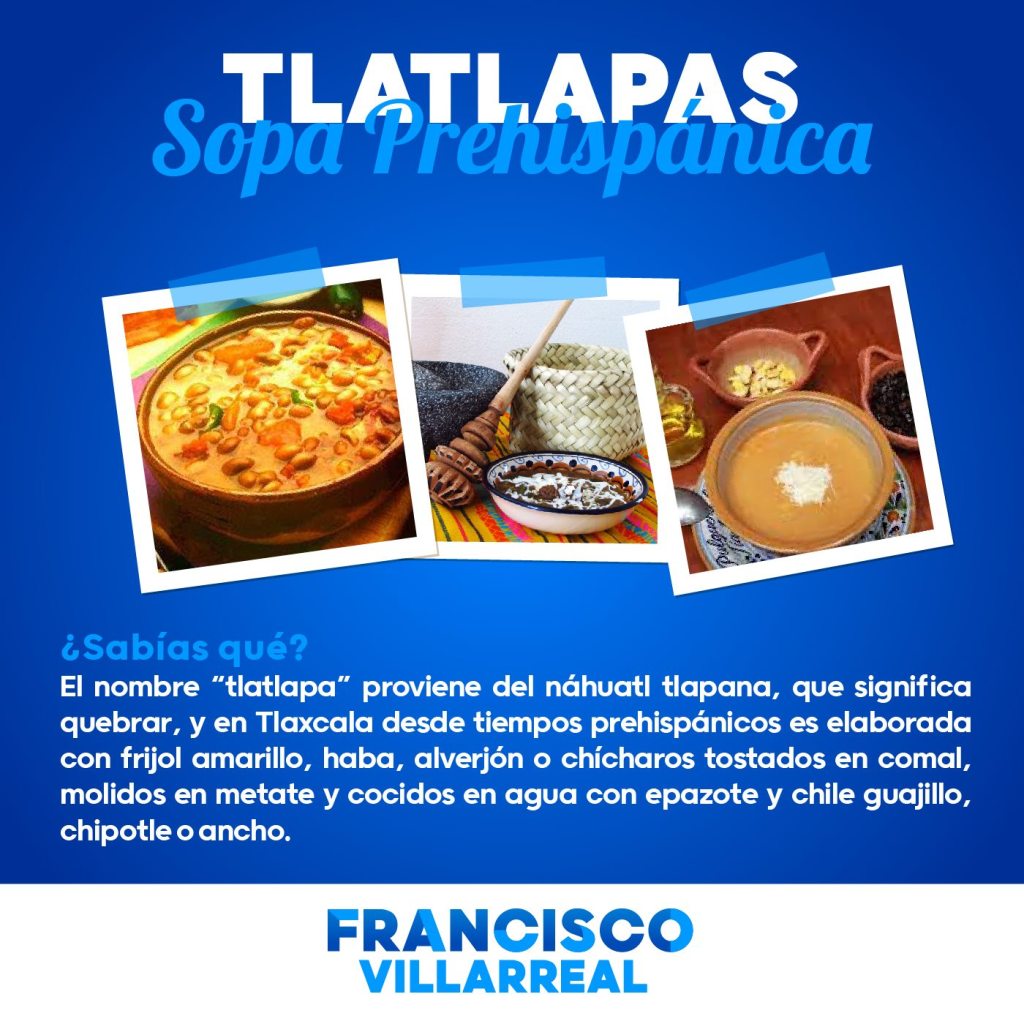
Tlatlapas.
Now although this dish contains no masa I place it loosely in this category as it is an incarnation (if a somewhat far removed cousin) of the masa based drink called atole. It, like the atole, can be made as thick or as thin as one desires but, unlike an atole, it is thickened with dried, powdered frijoles.
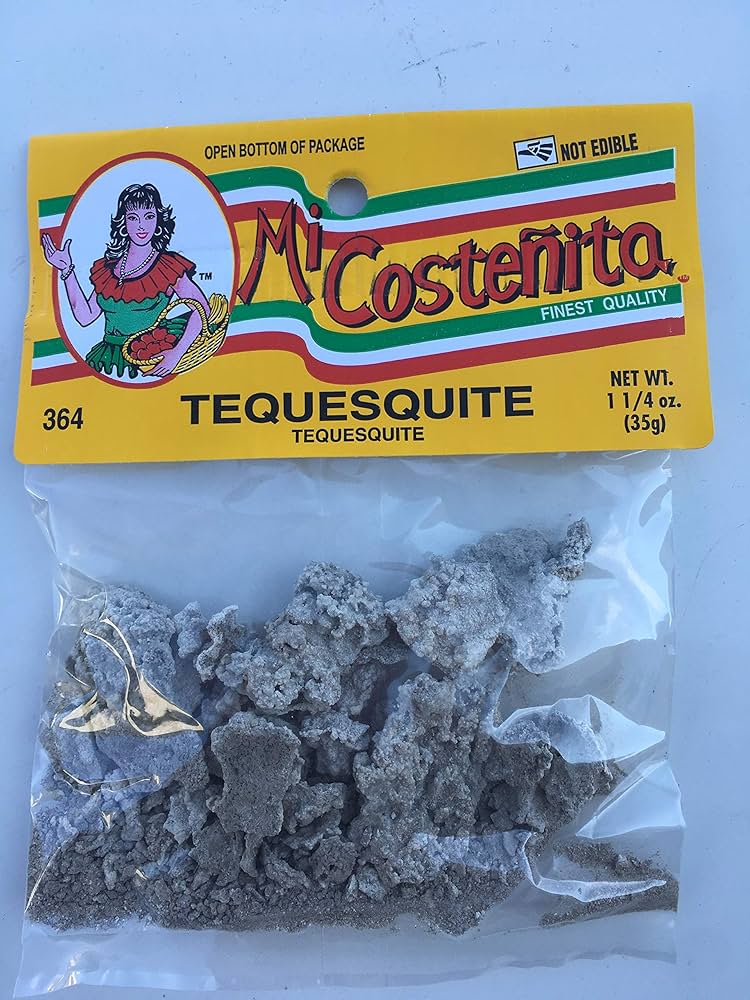
Tlatlapa – from the Nahuatl tlapana (1), to break. A thick soup made with yellow beans (2), broad beans (3), dried peas (4) or peas roasted on a comal (5), ground on a metate and cooked in water with epazote and guajillo, chipotle or ancho chile. The soup includes cooked nopales and it is customary to add tequesquite to soften the beans further. It is common in Hidalgo, Puebla and Tlaxcala. Also known as tlatlapa.
- tlapana. Principal English Translation: to break up, split, divide : James Lockhart, Nahuatl as Written: Lessons in Older Written Nahuatl, with Copious Examples and Texts (Stanford: Stanford University Press and UCLA Latin American Studies, 2001), 237. https://nahuatl.wired-humanities.org/content/tlapana
- frijol Amarillo
- haba
- alverjón
- chícharos tostados en comal
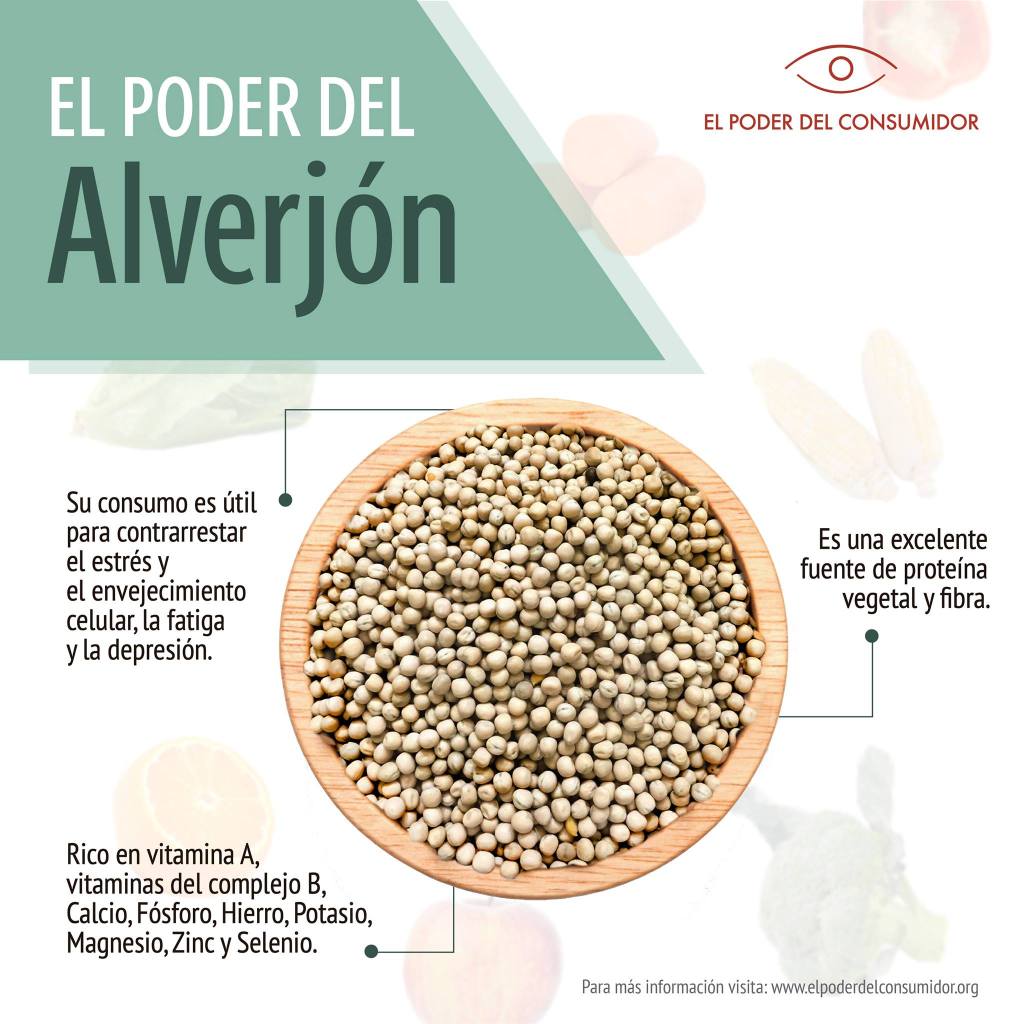
Alverjón. Dried peas.
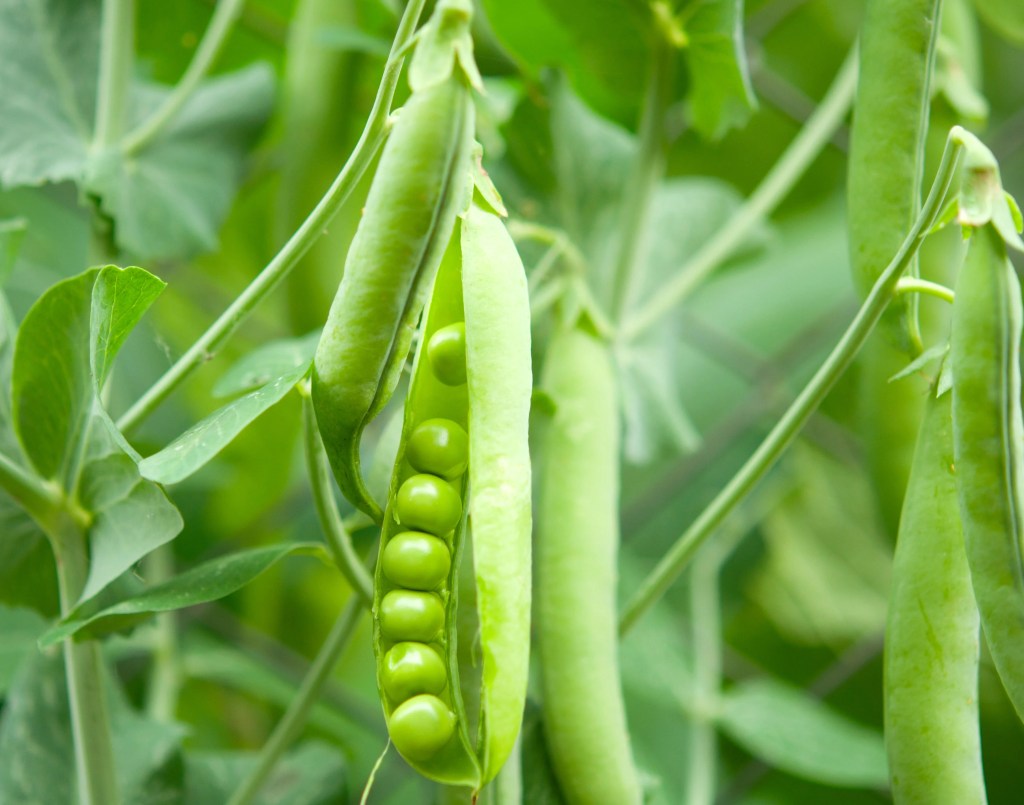
Purchase your peas already dried (alverjón) or take the long way round and dry your chicharos on the comal


Receta tradicional de tlatlapas (sin jitomate)
Ingredients (15 servings)
- ½ kg of yellow beans (frijol Amarillo)
- 5 dried chipotle chiles
- 5 tender nopalitos
- A few sprigs of epazote
- 1 tablespoon of manteca
- Salt to taste
Preparation:
- Clean the beans well and toast them on a comal, stirring constantly to prevent them from burning.
- Grind the beans on a metate (or in a blender) until you obtain a fine flour.
- In a pot with water over medium heat, add the bean flour and stir constantly to avoid lumps.
- Soak the chipotle chiles in boiling water until soft, grind and strain them. Add the ground chile to the pot with the bean mixture.
- Add the sliced nopales, the manteca, the epazote, and salt to taste. Let it simmer for 30 minutes over medium heat.
- Serve hot, accompanied by salsa verde molcajeteada and warm tortillas .
The word ‘jitomate‘ comes from the Nahuatl ‘xictomatl’ (literally: navel tomato), a mix of ‘xictli’ (navel) and ‘tomatl’ (tomato). Some refer to the jitomate specifically being the Roma tomato.
“molcajeteada” refers to something prepared or served in a molcajete, a traditional Mexican mortar and pestle made from volcanic rock. Most commonly, it refers to salsa molcajeteada, a rustic, chunky salsa where the ingredients like roasted tomatoes, chiles, and garlic are crushed and blended in the molcajete, giving them a distinct texture and rich flavour compared to blender-made salsas.


Receta de tlatlapas (con jitomate)
Ingredients (8 Servings)
- 1/4 kilo of yellow beans (can also be bay or canary),
- 2 1/4 liters of water,
- 5 guajillo or red chipotle chiles, boiled, blended, and strained,
- 6 red tomatoes,
- 1 tablespoon of lard,
- 10 tender nopalitos cooked in tequesquite water, cut into strips and rinsed well to remove the slime,
- epazote to taste
- salt to taste.
PREPARATION
- The beans are toasted on the comal, stirring constantly so they toast evenly. Let them cool, then grind them on the metate until they become powder (they can also be ground in a mill).
- Bring the water to a boil, and when it boils, add the bean flour dissolved in a little cold water.
- Let it cook over medium heat, stirring constantly to prevent the beans from forming balls and sticking to the bottom.
- When it begins to thicken, add the ground, fried, and strained cooked tomato along with the chile, lard, nopalitos, epazote, and salt to taste.
- Let the tlatlapas reach the desired consistency, which is a light atolito (atolito ligero), and then serve in clay soup bowls, accompanied by freshly made tortillas.
“Atole ligero” refers to a light or thin version of atole, a traditional, hot, and creamy Mexican drink made primarily from masa, water or milk, and sweetened with sugar or other flavourings like cinnamon or vanilla. The term “ligero” (light) suggests a less thick consistency than the typical atole, making it a less filling option.
A Naturopathic View of the Aztec Diet : Part 2 : Appendix 1 : Atole
Tlaxcalatolli. Atole de Tortilla.
Mexican Cooking Equipment : The Molinillo
Can atole be considered an aspect of Vitamina T? It is masa based after all.

References
- Barros, C. and Buenrostro, M. (2007). The diet of ancient Mexicans in the natural history of New Spain by Francisco Hernández . Mexico City: National Autonomous University of Mexico.
- Berger, H.H. (1950) Klinische Erfahrungen mit T. Vitamin (Goetsch). “Clinical experience with T-Vitamin-Goetsch : Monatsschrift fur Kinderheilkunde, 1950, Vol. 98, 433-436 : https://www.cabidigitallibrary.org/doi/full/10.5555/19501405782
- Da Silva P, Jouvensal L, Lamberty M, Bulet P, Caille A, Vovelle F.(2003) Solution structure of termicin, an antimicrobial peptide from the termite Pseudacanthotermes spiniger. Protein Sci. 2003 Mar;12(3):438-46. doi: 10.1110/ps.0228303. PMID: 12592014; PMCID: PMC2312453
- Zeman, Ladislav. (2015) Koně. Výživa a Krmení (Horses. Nutrition and Feeding)
Websites/Images
- Alverjón : El Poder del Consumidor : https://www.facebook.com/elpoderdelc/photos/al-ch%C3%ADcharo-seco-se-le-conoce-como-alverj%C3%B3n-es-rico-en-vitaminas-y-minerales-ade/3069708323063310/
- Cemita – Takos – https://www.yelp.com/biz/takos-bellflower-4?start=160
- Chalupitas Pachuqueas – https://oem.com.mx/elsoldehidalgo/local/la-chalupa-pachuquena-fue-reconocida-en-la-ciudad-de-mexico-13557215
- Chicharos : https://www.koppert.mx/cultivos/cultivos-herbaceos/chicharos/
- Chilaquiles rojo – https://www.mexgrocer.co.uk/featured-recipes/chilaquiles-rojos
- Chilaquiles verde – https://mbmarcobeteta.com/lugares-cdmx-chilaquiles/
- Chilaquiles verde – https://cravingcalifornia.com/chilaquiles-verdes/
- Como Tostar Chicharos Secos : https://www.youtube.com/watch?v=VN0q7kF4Tvg
- Corundas – elpiojito.granja on Instagram – https://www.instagram.com/elpiojito.granja/p/CyYiw9_OwUD/
- Gorditas de chicharron – El Rincon de Borrego – doordash.com/en/store/el-rincon-del-borrego-upper-marlboro-31994849
- Guajolota – Cocina los Ramones – https://www.mapquest.com/us/texas/cocina-los-ramones-764131962
- Huaraches de Gigante CDMX – https://masaamerica.com/2024/04/18/ingredient-asiento-and-a-briefhistory-of-tlayudas-doraditos-and-huaraches/
- Machetes : La Ruta de la Garnacha via Facebook : https://www.facebook.com/photo?fbid=1364243570404392&set=pcb.1364243620404387
- Memelas – Culinaria Mexicana on Facebook – https://www.facebook.com/photo.php?fbid=2412079005687344&id=1657534754475110&set=a.1657604124468173
- Molletes – via carolinescooking o Instagram – https://www.instagram.com/p/C6ZA_B8tC9U/
- Molotes – Molotes Alruss – https://web.didiglobal.com/mx/food/puebla-pue/molotes-alruss/5764607699392921917/
- Pambazo – https://www.eluniversal.com.mx/menu/antojo-garnachero-comete-un-rico-pambazo-en-la-cdmx/
- Panuchos – https://us.kiwilimon.com/recipe/main-courses/mexican/panuchos-de-cochinita-pibil
- Pellizcadas – Sazonando a mi Estilo on youtube – https://www.youtube.com/watch?v=tApfKpsBZso
- Receta de tlatlapas (Con jitomate) – https://www.mexicodesconocido.com.mx/tlatlapas.html
- Receta tradicional de tlatlapas (Sin jitomate) – https://oem.com.mx/elsoldetlaxcala/turismo/conoces-la-receta-las-tlatlapas-son-un-sabor-ancestral-de-tlaxcala-22316552
- Salbutes – https://topyucatan.com/notas/gastronomia/que-es-un-salbut-un-platillo-tipico-de-yucatan
- Sopes – https://traveltooaxaca.com/best-oaxaca-street-food-guide/
- Street food vendor – https://lasalud.mx/2024/12/11/vendedores-ambulantes-actores-esenciales-en-el-sistema-alimentario-de-la-cdmx/
- Tamales – https://es.wikipedia.org/wiki/Gastronom%C3%ADa_de_Coahuila
- Tetelas – https://www.theculturalkitchen.com/blog/2020/3/7/the-cutest-shaped-antojito-has-to-be-the-tetela
- Tlacoyos – https://www.chilango.com/comida/tlacoyos-en-la-condesa/
- Tlalapa or tlatlapas : Encyclopedic Dictionary of Mexican Gastronomy : https://laroussecocina.mx/palabra/tlalapa-o-tlatlapas/
- Tlapiques – https://www.imer.mx/rmi/de-saberes-y-sabores-el-tlapique-un-platillo-lacustre-de-origen-prehispanico/
- Tlatlapas recipe (1) https://casamexicana.shop/blogs/recipes/easy-bean-soup-or-tlatlapas?srsltid=AfmBOoqwew59GLxjR4EquGgHGQy7lzxYJRRKTqlROuj5k35b-eNDlDfY
- Tlatlapas recipe (2) https://www.mexicanrecipes.me/Tlatlapas.htm
- Tlatlapas recipe (3) https://www.mexicodesconocido.com.mx/tlatlapas.html
- Tlatlapas recipe hints https://escenariotlx.com/tlaxcalteca-que-se-respeta-sabe-preparar-tlatlapas-aqui-una-receta/
- Tlatlapas. Sopa Prehispanica : Francisco Villarreal : https://www.facebook.com/photo.php?fbid=156826036358861&id=106410664733732&set=a.107121074662691
- Tlayudas CDMX style – Aleida Alavez Ruiz on Facebook – https://www.facebook.com/photo.php?fbid=3693187997432417&id=190628341021751&set=a.226365717448013
- Torta – https://www.msn.com/es-mx/noticias/other/descubre-la-mejor-torter%C3%ADa-de-cdmx-seg%C3%BAn-taste-atlas-don-polo/ar-AA1rKsfV?cvid=1F5FFBAA6E614920AE02FEB174FBFFD2&ocid=hpmsn&apiversion=v2&noservercache=1&domshim=1&renderwebcomponents=1&wcseo=1&batchservertelemetry=1&noservertelemetry=1
- Tostada (from Oaxaca) Yo amo la comida (food lovers) on Facebook – https://www.facebook.com/yoam0lacomida/posts/tlayudas-oaxaque%C3%B1asingredientes-tlayudas-oaxaque%C3%B1asasiento-de-mantecafrijoles-mo/1468532389906154/
- Vitamin T : https://www.oxfordreference.com/display/10.1093/oi/authority.20110803120116242
 Masa Americana