In November of 2025 I visited Mexico and spent some time at a friends childhood home in Tetipac in the mountains of Guerrero between Ixtapan de la Sal and Taxco.

His family has a long history in this area and his father, a very knowledgeable man, introduced me to a quelite known as chichihuachi. He described it as a “kind of papalo” whose flavour was not as strong as papalo. It was unfortunately coming into Summer so the weather was quite warm and dry and well past the cooler and wetter environment required for a herb as delicate as this one and I was unable to meet this plant personally. It has however begun a new quest (1).
- it took me nearly 5 years to meet the herb Papalo after first coming across its name.
My research into this plant has not been very fruitful. It exists in none of my books on Mexico, neither in books on cooking or herbs/herbal medicine. I quite literally have hundreds of books, some of which contain fairly obscure information and some of which contain information dating back to the late 1500’s to the early 1600’s so this was quite the mystery plant. A lot of what has been gleaned here comes primarily from two sources and that was the content creators (Facebook, TikTok and YouTube) Picho Bustamante and La cuinique. These two creators are very familiar with this plant and provide both culinary and gardening tips regarding it.
I have as yet been unable to discern the Latin name for this quelite. If you do not know what a quelite is (or quelites are) then please check out Quelites : Quilitl
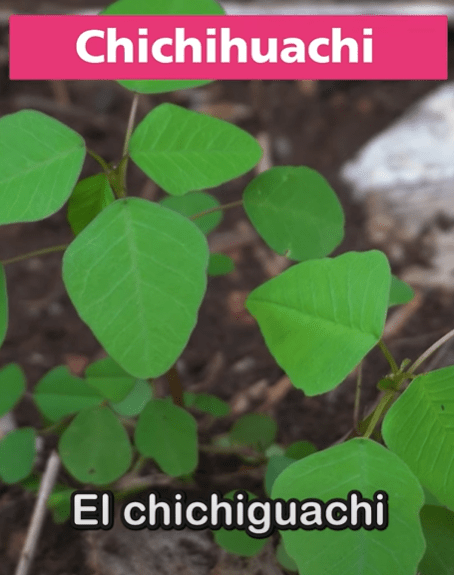
Reference : Image 6 : via La cuinique on Facebook
In my studies of the poreleaf (Porophyllum species of herb) (1) I had never come across this plant but my research did uncover the fact that I was aware of some of its common names (2).
- This entire Blog started because of my introduction to the Quelite : Pápaloquelite : Porophyllum macrocephalum
- Which reiterated the importance of the identification of plants using their Latin names. See A Note on Deer Weed : The Danger of Common Names for more detail on this.
Another name used for chichihuachi was tlapanche which only confuses things and again reiterates the danger of common names when identifying plants (1) . Tlapanche (2) is definitely in the poreleaf (Porophyllum) family (3) and it exhibits the oil filled glands on the leaves typical to papalo but which are notably absent on chichihauchis.
- A Note on Deer Weed : The Danger of Common Names
- see Quelite : Tlapanche for more information on this herb (it also shares the Common Name “frailes”)
- Papaloquelite : What’s in a name?
So what is chichihuahi?
Papalo and chichihuachis are often conflated but they are most certainly not the same plant.
Chichihuachi
Also called : chichihuache – chichiguachi – chichiguaches – zizihuachi – chichihuas – chichihuate
Other names include
- atlapansi (Durango)
- copal quilitl
- copal quelite (Coacoyula Guerrero)
- copalkilit (Nahuatl)
- copaltzin (Huitzuco Guerrero)
- frailes (Guerrero) (Oaxaca) (Puebla) (Acatlán de Osorio, Puebla) (Morelos)
- hierva de Venado (hierba de venado)
- mesis (Poza Rica, Veracruz) (Huejutla, Hidalgo)
- olorosos (Guerrero) (olorosos = “fragrant”)
- papalo criollo (Morelos)
- quelite cuaresmeño (Guanajuato)
- quelite de trigo
- tepehua (San Luis Potosi)
Commenters on Picho Bustamantes Posts noted
“Los frailes” is what we call them in the eastern part of the state of Guerrero, bordering the state of Oaxaca.
I’m from Guerrero and I know it as copalquelite. Since I was a child, I remember that it doesn’t grow everywhere. My town is very dry and it doesn’t grow there, but in my mother’s town, the climate is cool and it does
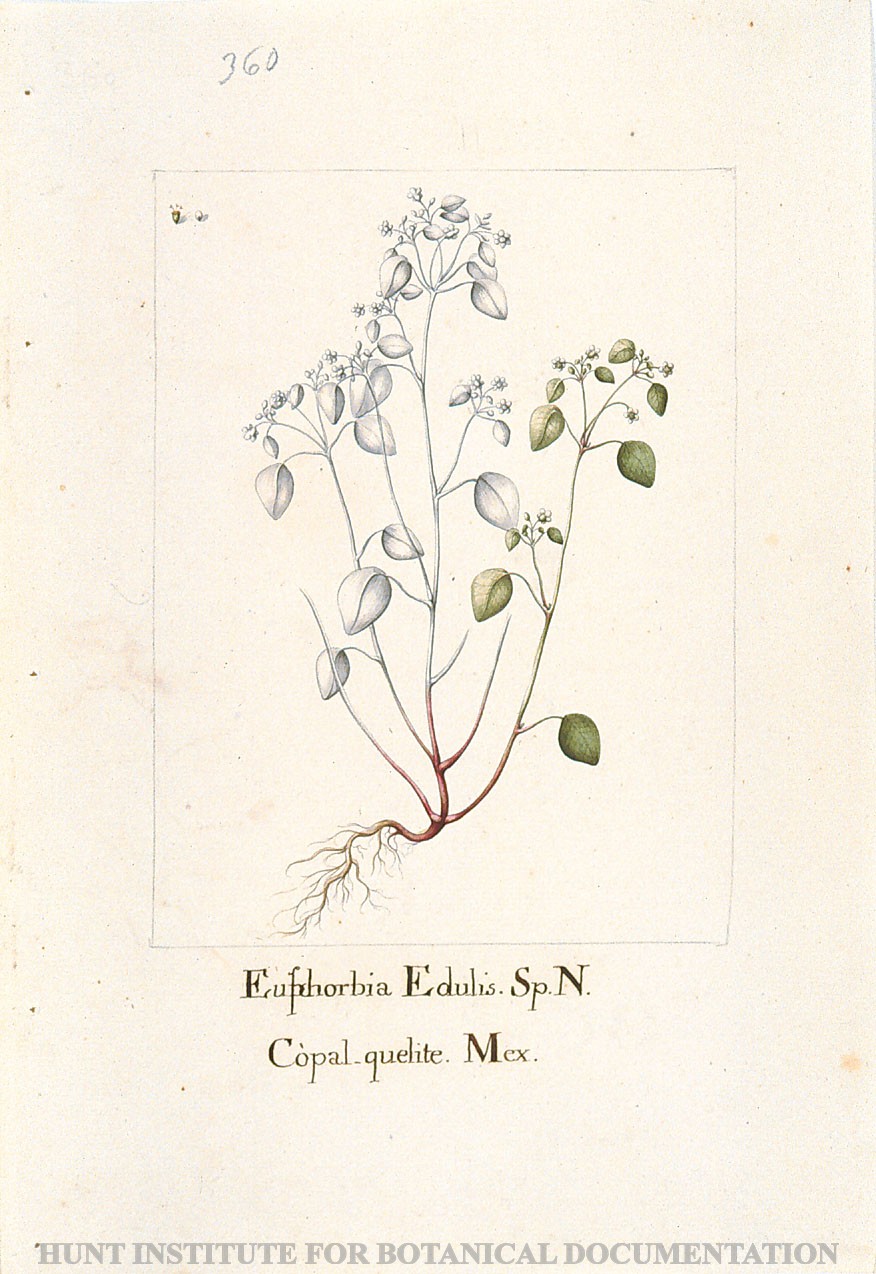
The only botanical image I could find of the plant was…

Reference : Image 2. The term “Euphorbia edulis Sp. N.” refers to a newly described (or species nova) plant specimen within the diverse Euphorbia genus, which has been historically noted in botanical illustrations and collections, particularly in connection with specimens from Mexico. The name edulis suggests that the plant might be edible.
Martínez-Gordillo (2014) lists Euphorbia graminea as having the following names “fraile, golondrina, onob-kax (Maya), quelite de copal, quelite fraile” and UNESCO (Sanz 2025) also identifies copalquilitl or fraile as Euphorbia graminea Jacq. but as the images below show, this is simply not the same plant.
Euphorbia graminea
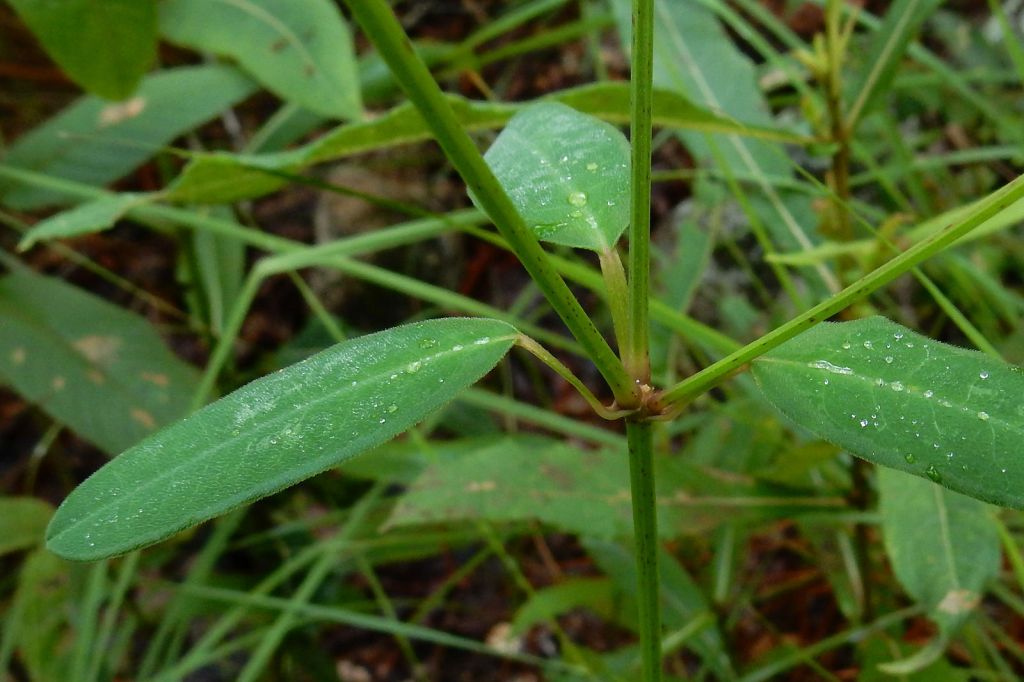
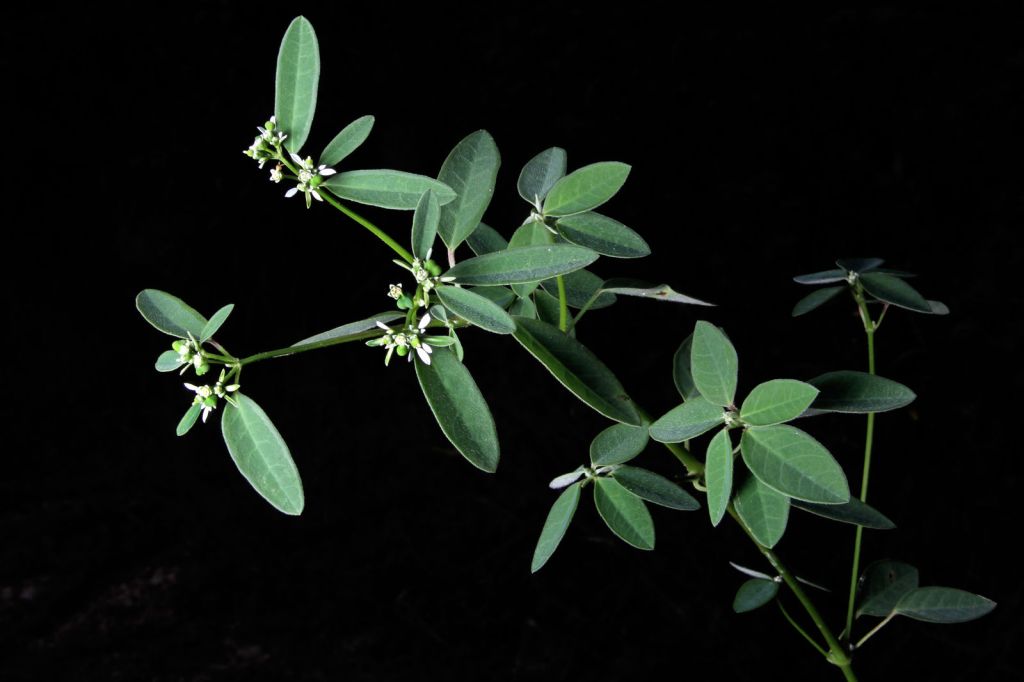
Urbina (1903) identifies copalquilitl as Euphorbia calcicola (now identified as Euphorbia paniculata ssp. calcicola)
Euphorbia calcicola
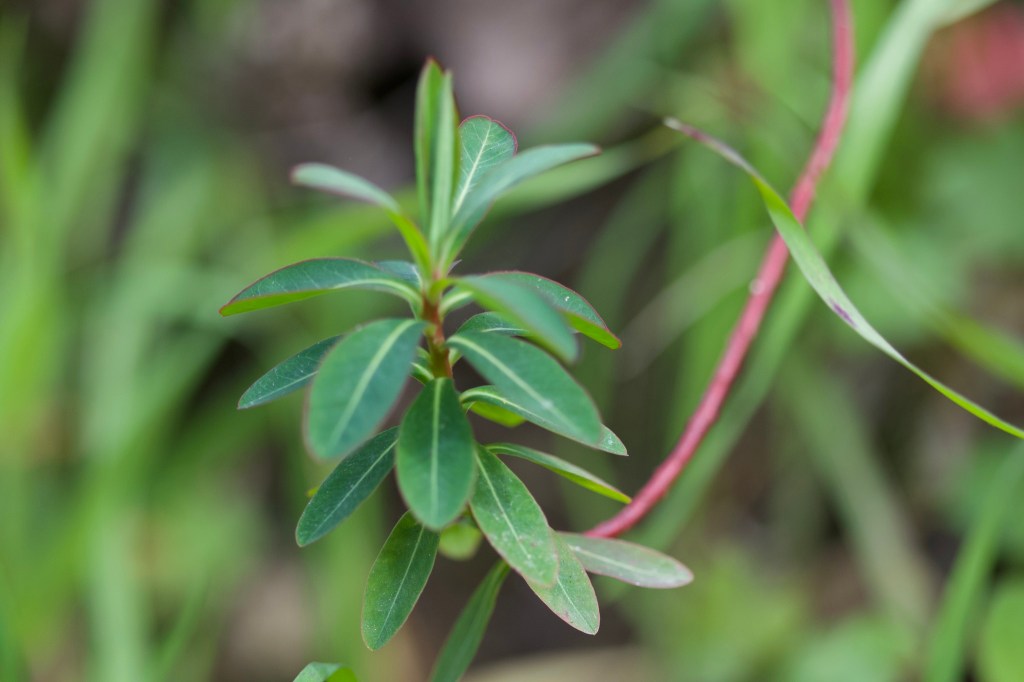
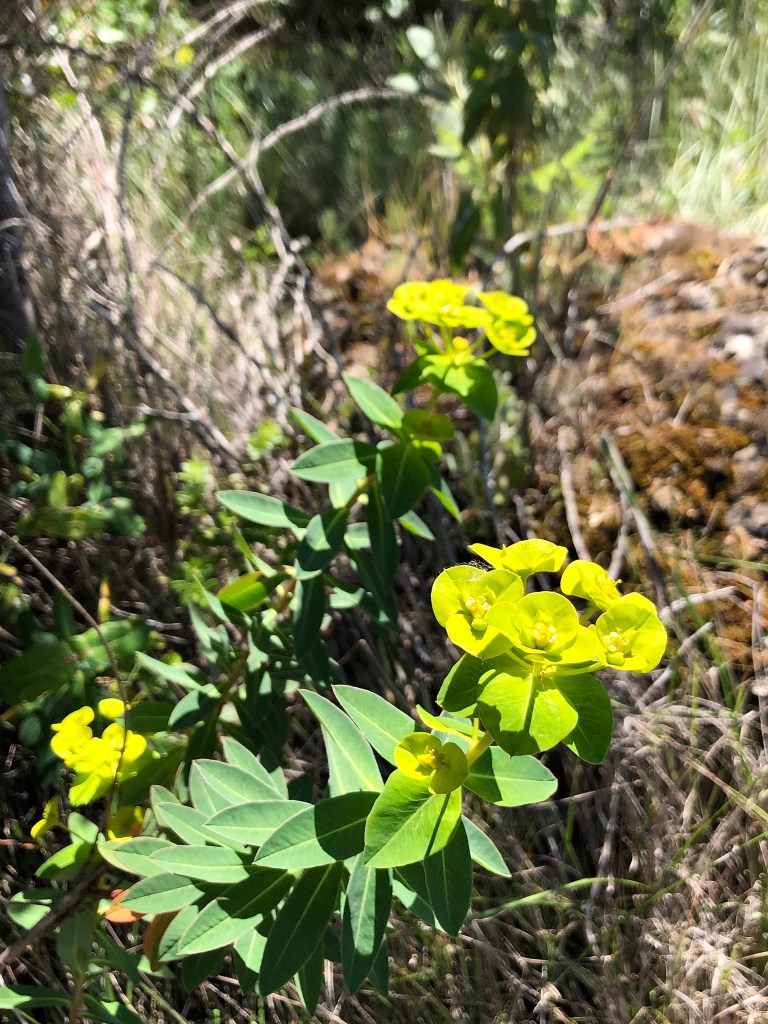
Image 9 : Euphorbia calcicola
Now I do think this identification to be erroneous as the Euphorbia species of plants are toxic in regards to human consumption.
Touching the sap produced by cut or broken stems or leaves of any Euphorbia species may cause a rash and skin irritation. Euphorbia latex that comes into contact with the eyes can cause intense irritation and even blindness. Eating or chewing on Euphorbia plants will irritate the mouth, throat, and stomach causing vomiting, diarrhoea and in extreme cases convulsions and coma. The danger of these plants is magnified for children.
WARNING
Skin Exposure
- Wash Immediately: Gently wash the area with soap and water to remove the sap.
Eye Exposure (Requires Urgent Care)
- Irrigate: Flush eyes copiously with clean water or saline for at least 15-20 minutes.
- Seek Immediate Help: Go to an ER or ophthalmologist for evaluation, even if symptoms seem mild.
Ingestion
- Do NOT Induce Vomiting: This can re-expose the esophagus to the toxin.
When to See a Doctor
- Eyes: Always seek immediate eye care.
- Skin: If rash is severe, blistering, oozing, painful, or if you develop fever or breathing issues.
- Ingestion: Any significant ingestion.
There are some exceptions to these WARNINGS with some species being considered “edible” (after extensive and careful preparation) : Euphorbia heterophylla (Mexican Fireplant), Euphorbia sieboldiana (Siebold’s Spurge), Euphorbia lathyris (Caper Spurge). I would however not recommend consumption of this species of plant
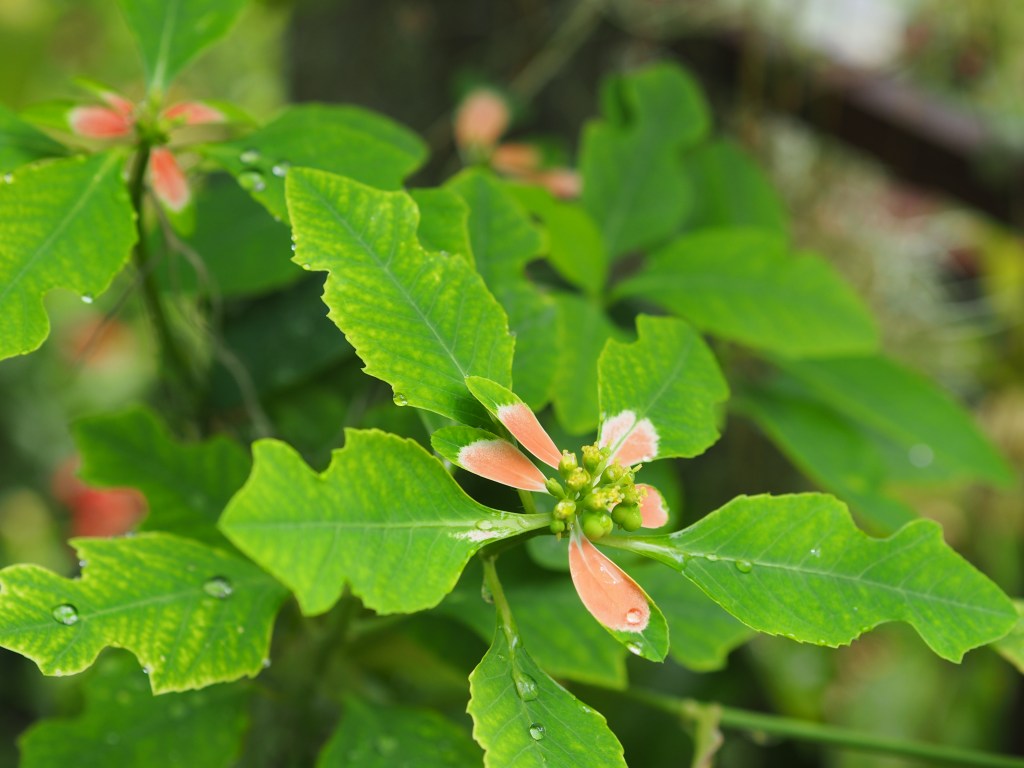
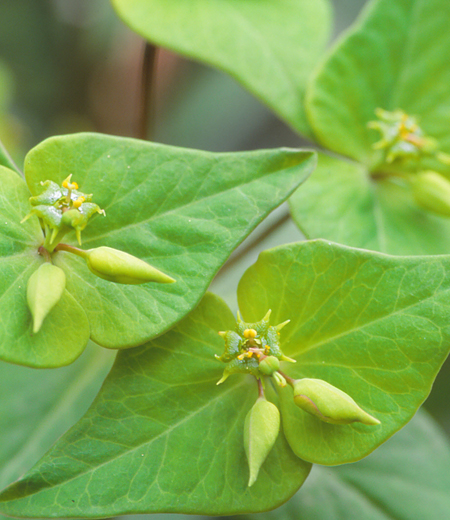
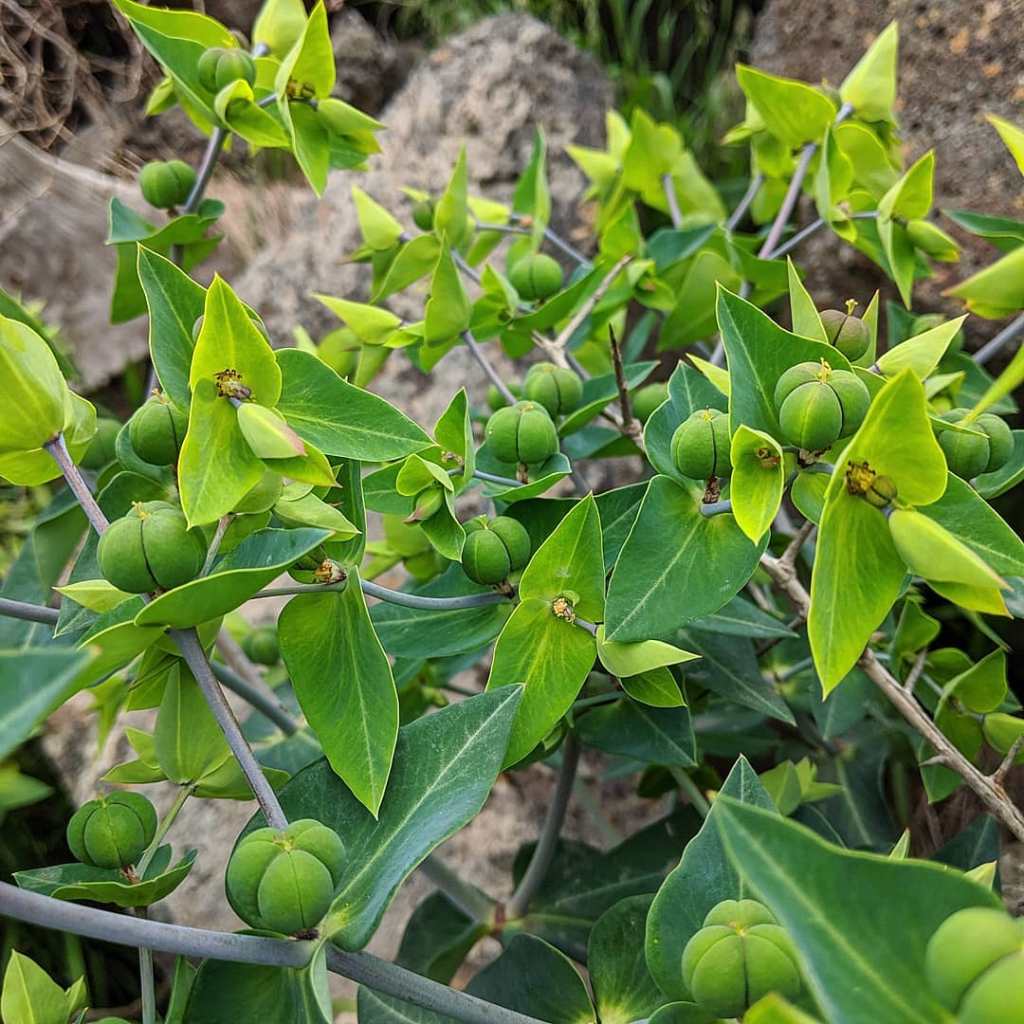
Some species of Euphorbia are medicinal and are primarily used as anti-cancer treatments (Ramsay et al 2011) (Wang et al 2011) (Ben Jannet et al 2017) (Jian et al 2018)
A Mexican Euphorbia you might be aware of is Cuetlaxochitl : The Poinsettia
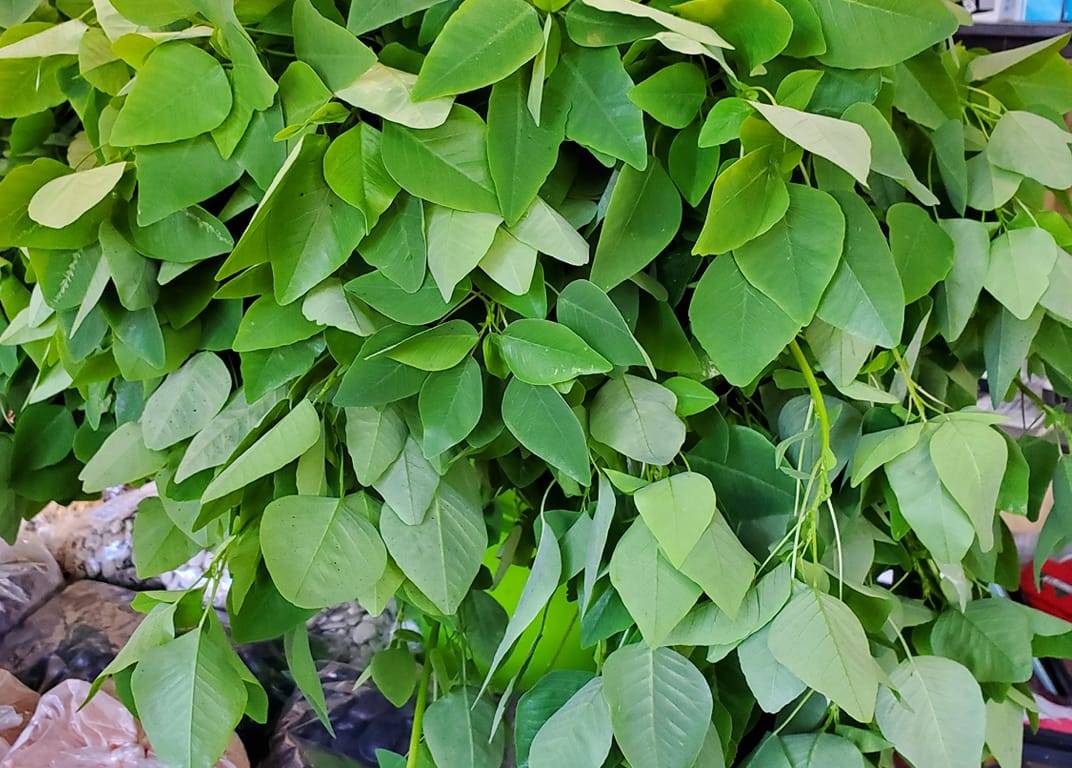
The only references I could find to chichihuachis came via social media platforms by very regional content creators and (funnily enough) several images came from fresh food markets in the U.S.A.
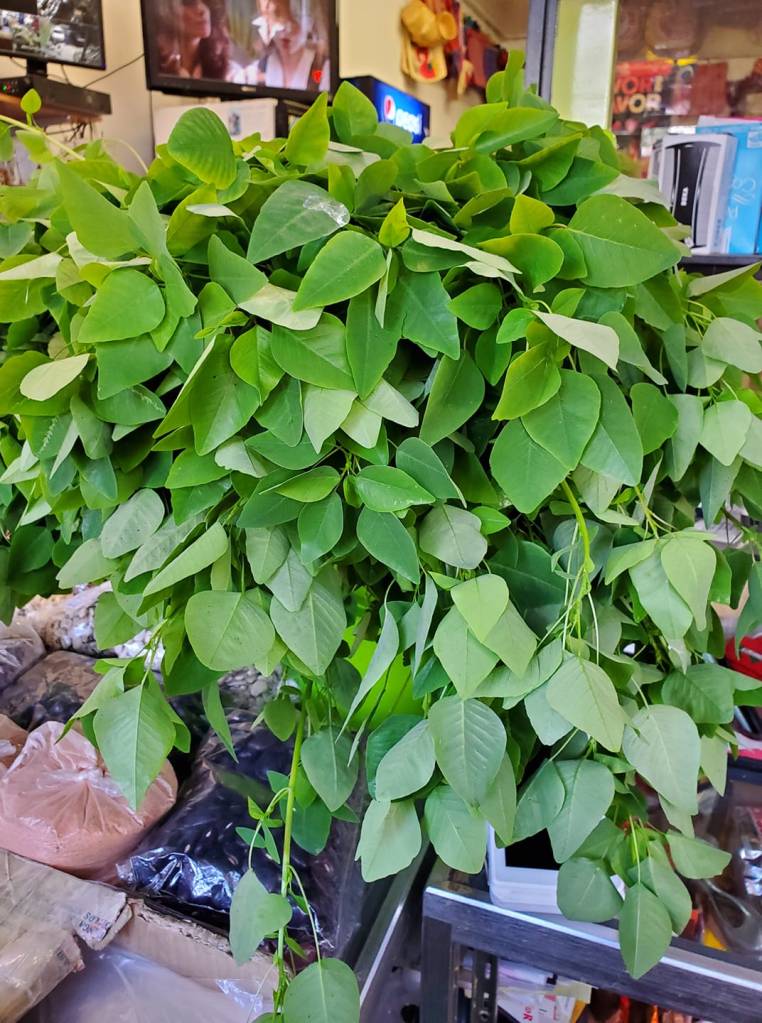
Reference : Image 1 : via La Guerrerense on Facebook. This photo was taken at a market in Chicago (1).
- Mexicans form a significant portion of Chicago’s population, making up around 21.5% of the city’s total residents and a large majority (nearly 74%) of its Latino community
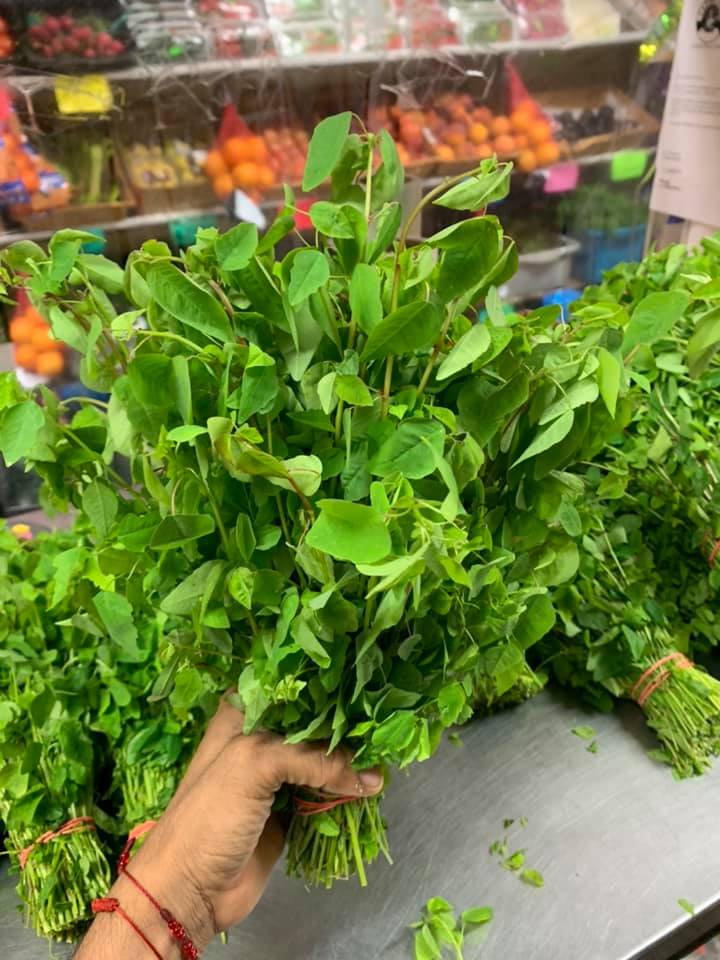
Image 7 : via Romero Fruit Market (New York U.S.A) on Facebook
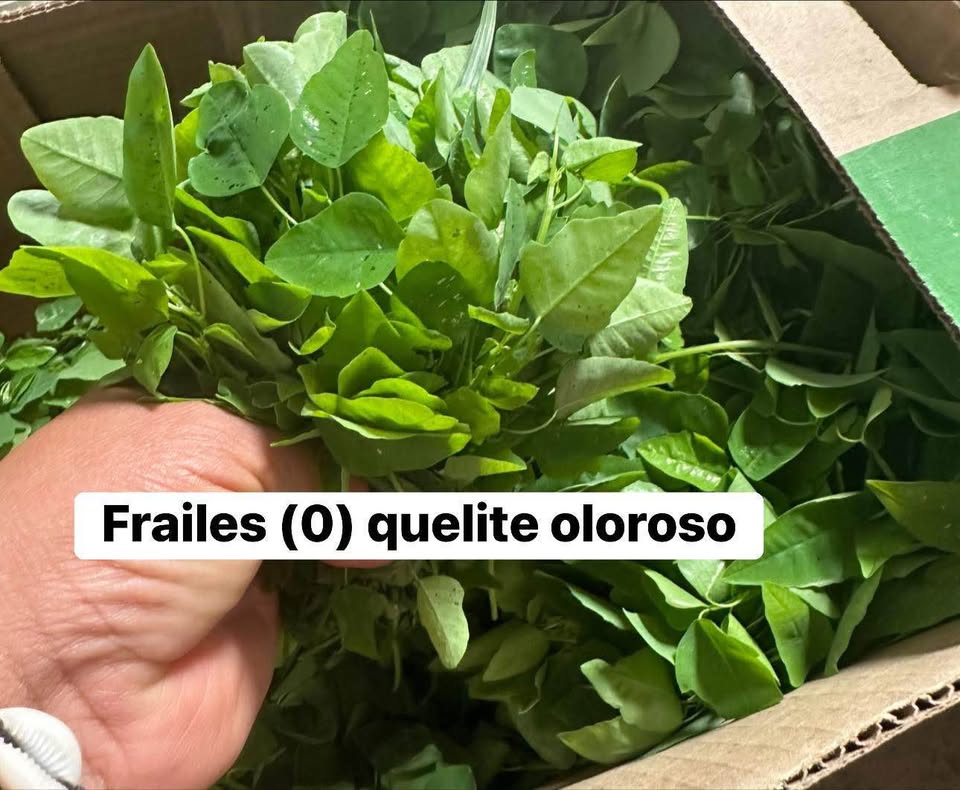
Image 8 via Las Acapulqueñas Produce (Oxnard California) on Facebook
Chichihuachis in the garden.
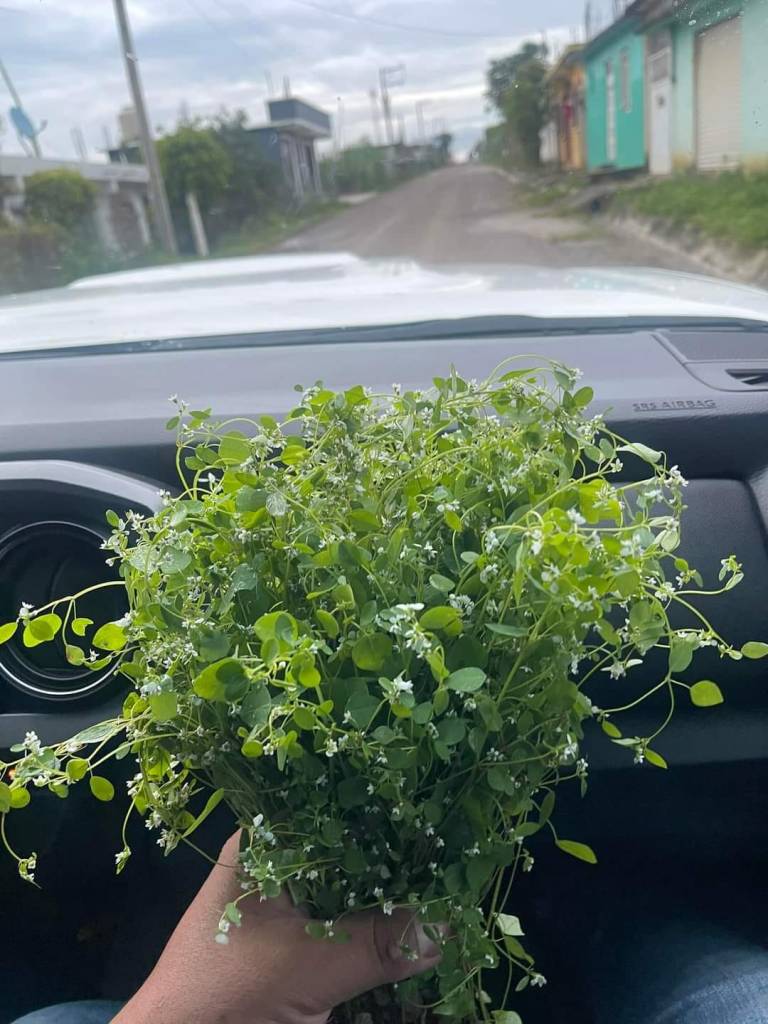
Image 10 via GENTE Humilde De Guerrero
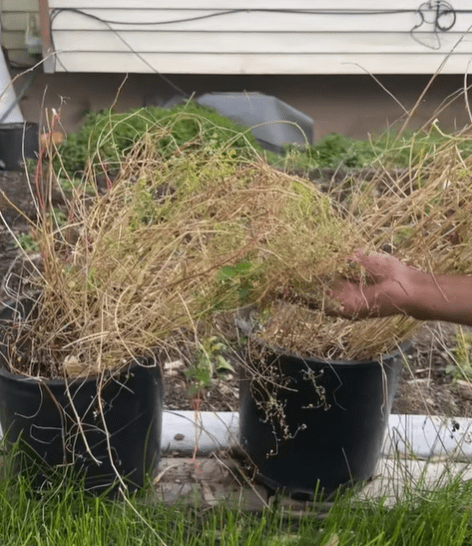


Reference : Image(s) 3 via Picho Bustamante on lacocinadebustamante on Tiktok. In this video Picho demonstrates the cultivation of chichihuachis. The seeds are very small and can be difficult to come by. One commenter notes “They do sell it in Jojutla, but the seeds are very expensive, precisely because they are difficult to harvest.” It is a perfect example of a regional quelite that is only available at specific times of the year.
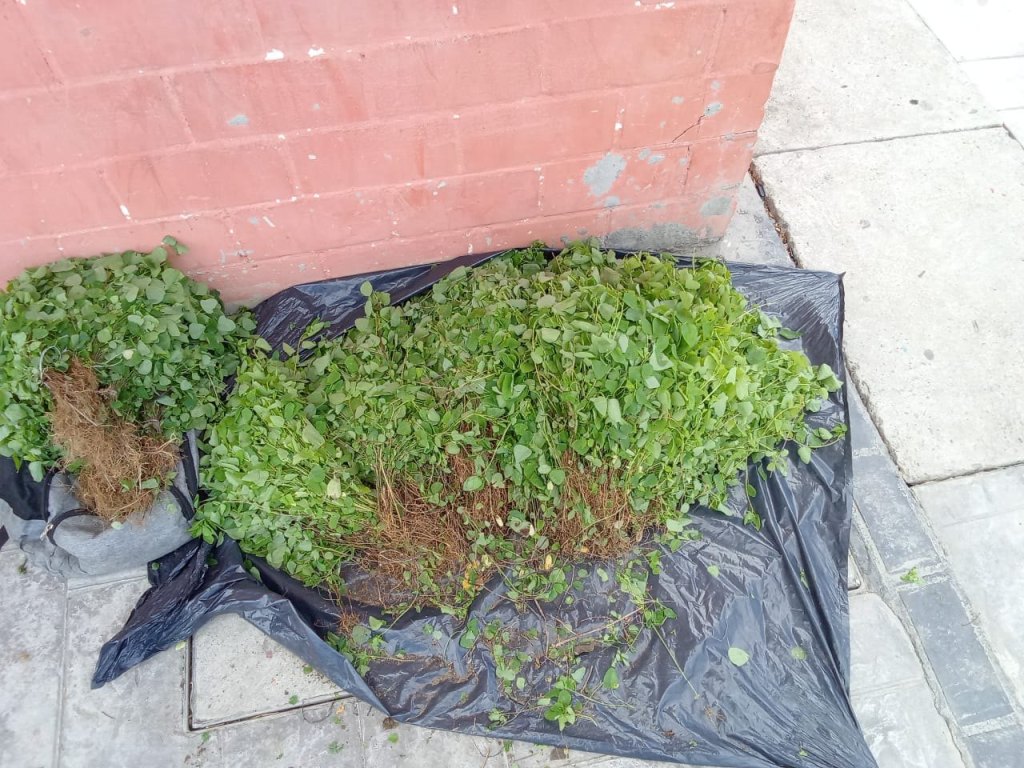
Reference : Image 4 : via montesanalidia on Instagram
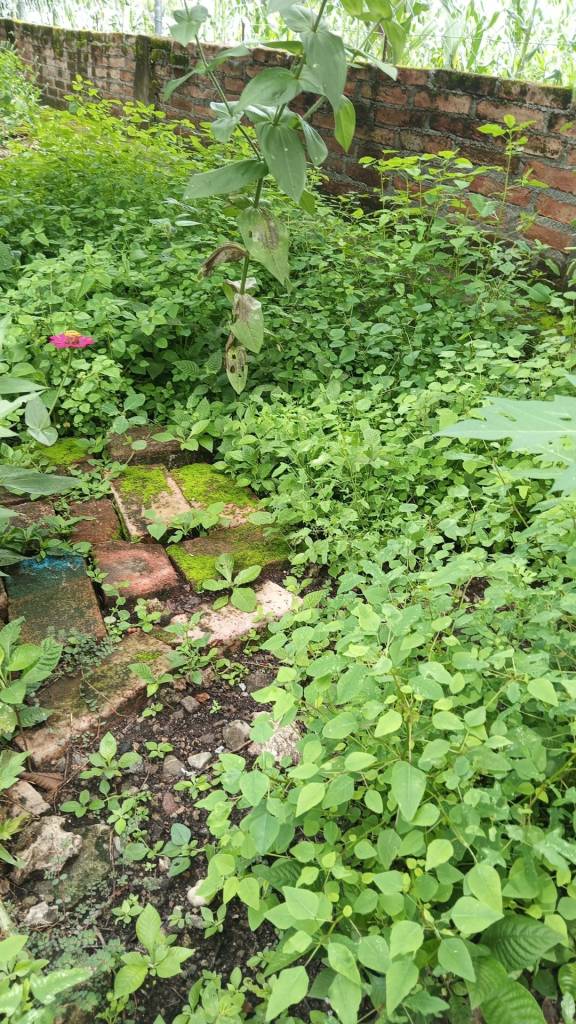
Reference : Image 5 : via Celia Castrejon on Facebook
Culinary use
Its leaves and stems are eaten raw and added to tacos or guisados. Its flavour, compared to papalo, is very mild, making it easy for anyone to consume (1). It’s found mainly in the state of Guerrero.
- Papalo is a strongly flavoured herb (not quite as aggressively flavoured as epazote but if you know epazote then you know where I’m headed)
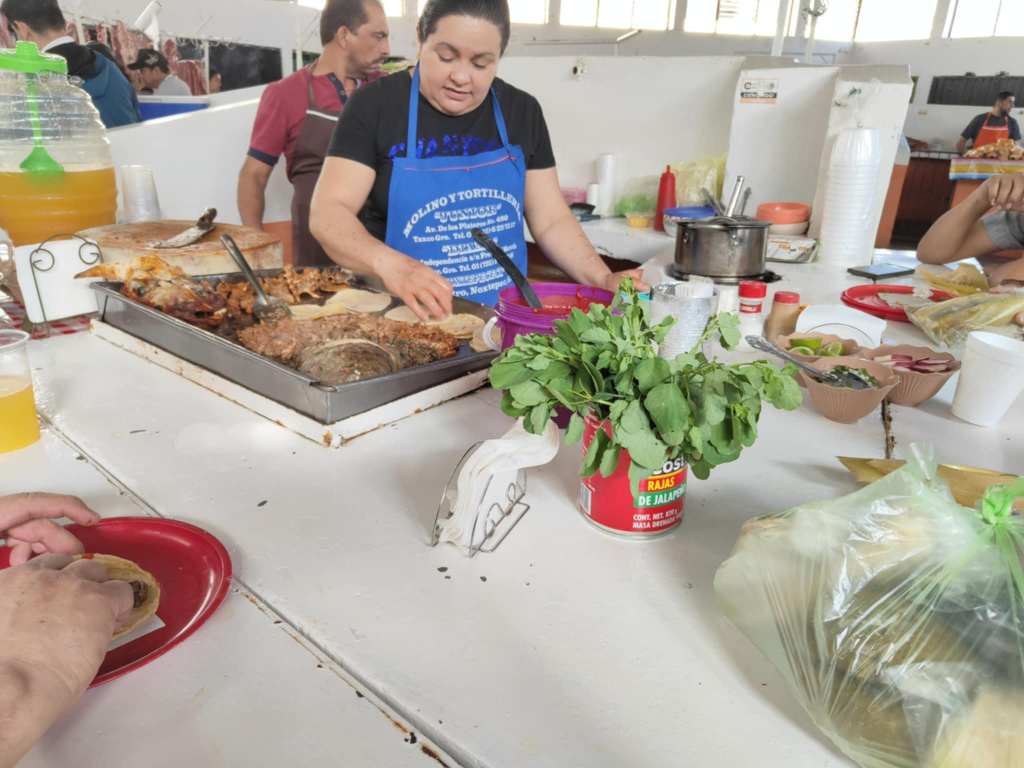
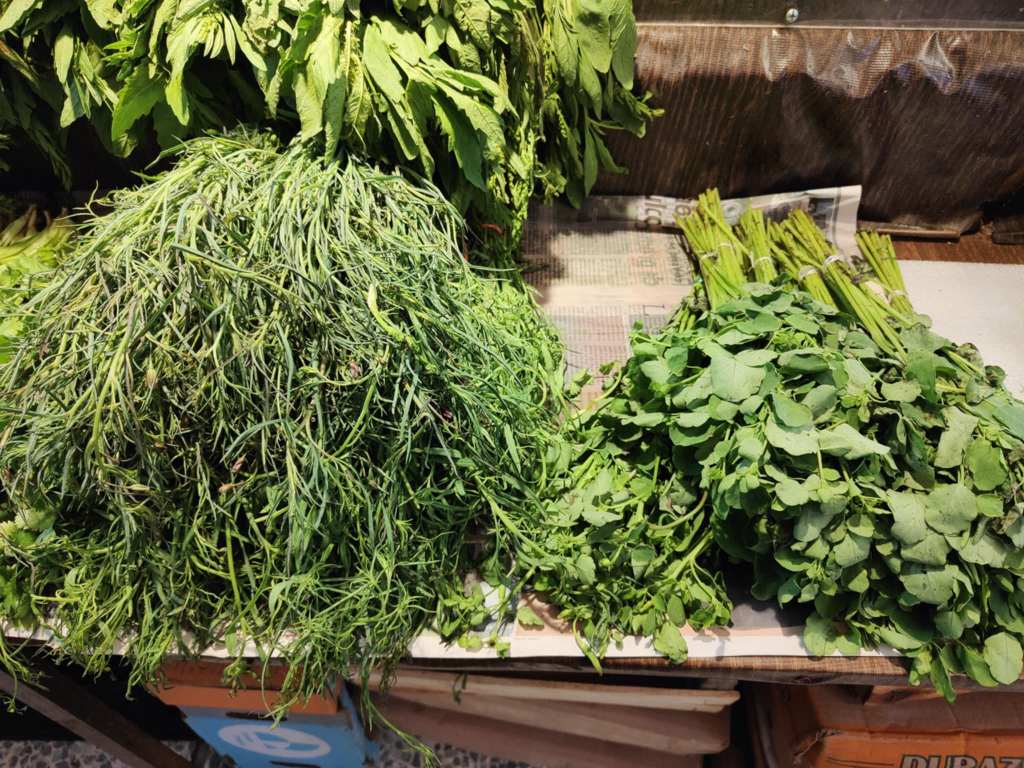
There were few references to this herb being used other than “added fresh to tacos” (much in the same way papalo is used) but I did find a reference to it in the Diccionario gastronómico of the Larousse Cocina
Tlaxcalecamahua
Del náhuatl tlaxcalli, tortilla y camahuac, amarillo o casi maduro. Variedad de tlaxcal que se prepara con masa de elote amarillo, puede estar dorada y se acompaña con queso o ramitas de una hierba olorosa regional llamada chichihuachi. Se cuecen al comal, y se acostumbra en la zona central de Guerrero.
From the Nahuatl words tlaxcalli, meaning tortilla, and camahuac (1), meaning yellow or almost ripe. A variety of tlaxcal made with yellow corn dough, it can be golden brown and is served with cheese or sprigs of a fragrant regional herb called chichihuachi. It is cooked on a comal (griddle) and is a common dish in central Guerrero.
- Camahuac (camauac) : Somewhat dry, half-dry, or seasoned, like corn or beans, or that the corn is tender, and not completely cured.
Elote camahua refers (particularly in Guerrero) to a specific stage of very mature corn which is firmer and stronger than regular fresh corn, where the kernels are very ripe, starting to harden and dry, without having lost all its moisture, but are not yet fully mature or dried. It is firmer than a fresh elote (corn on the cob) but is not yet a suitable grain for grinding.
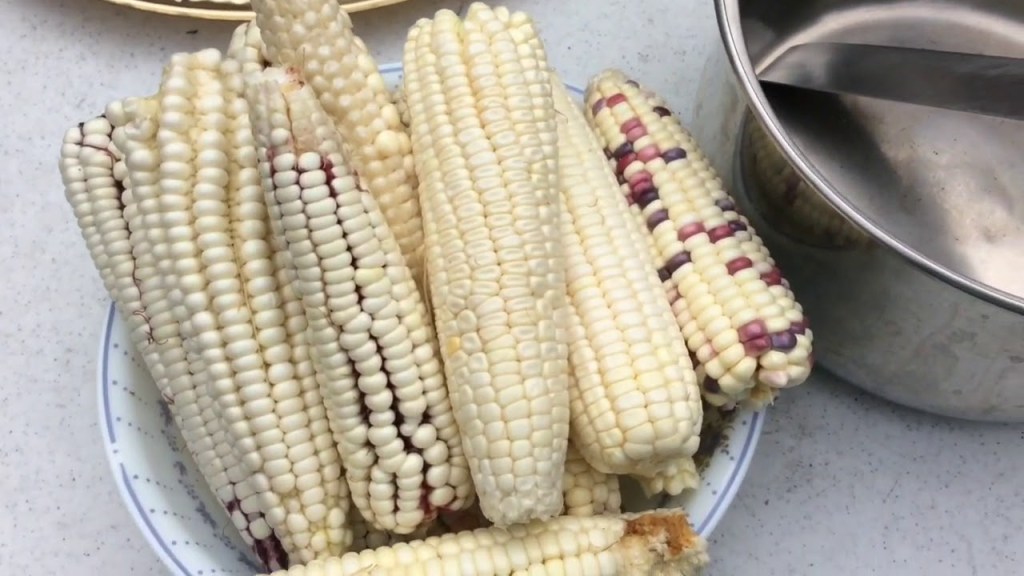
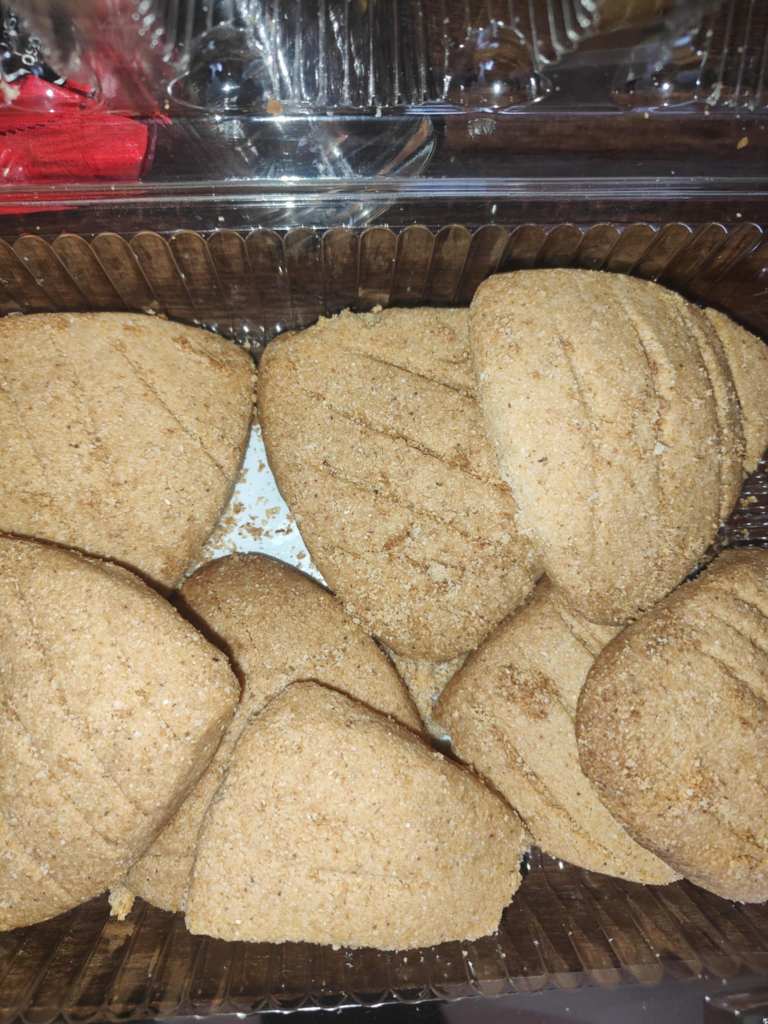
Tlaxcales : Prehispanic Corn Biscuits
These ones were made by my friends mum
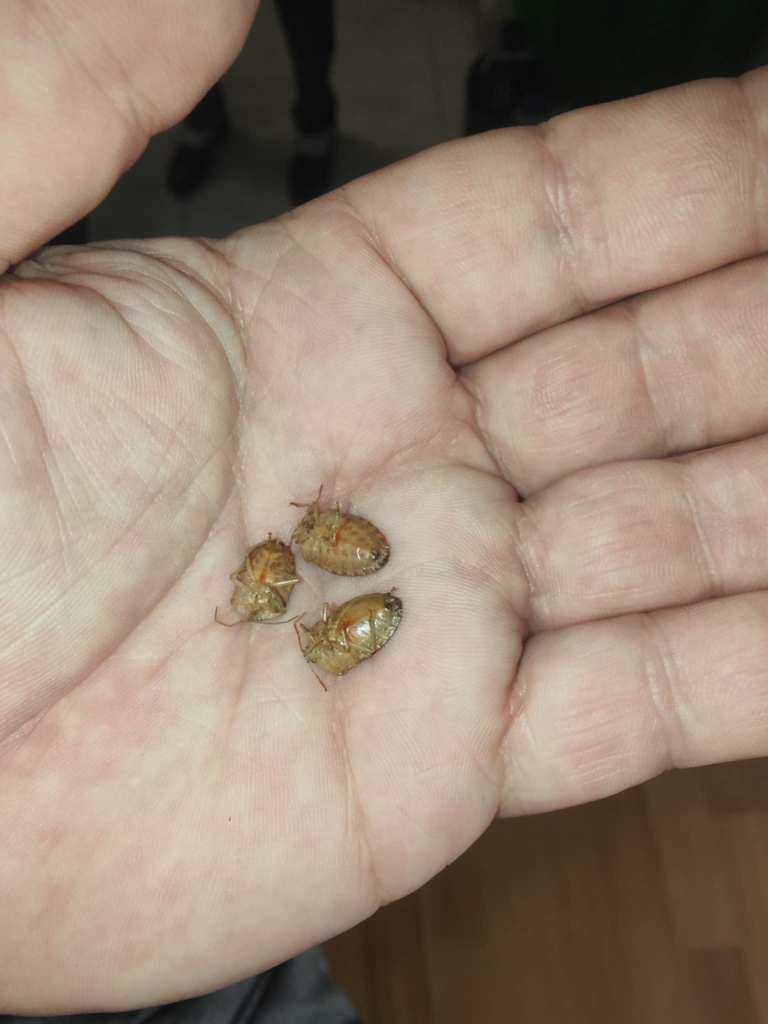
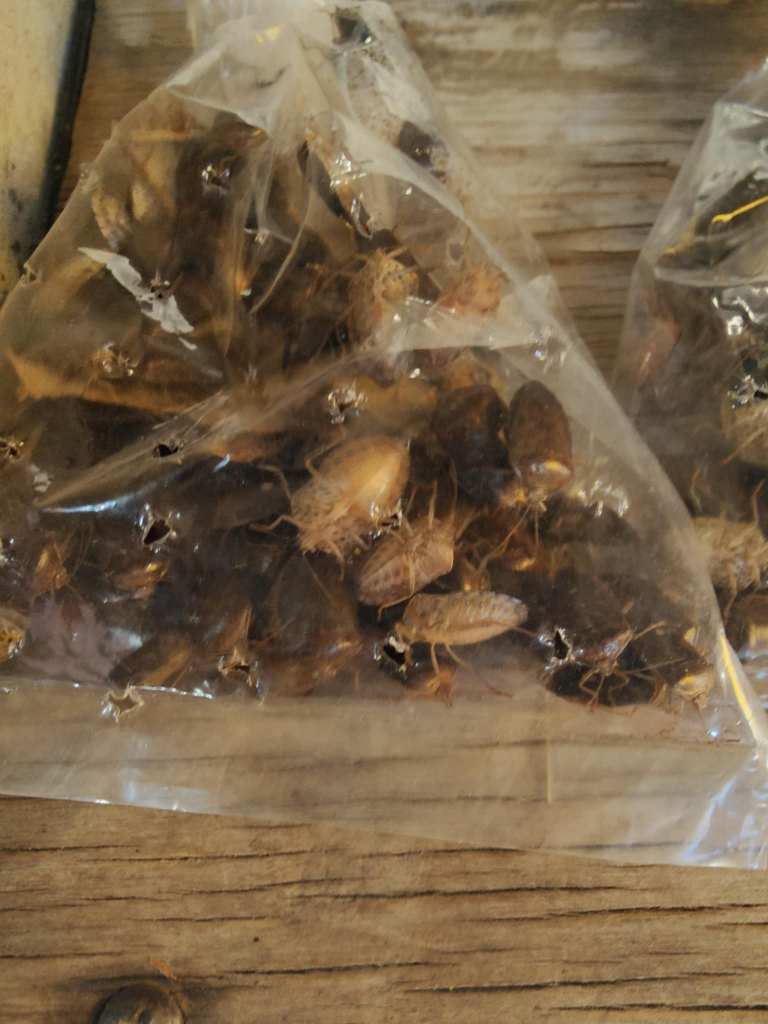
Abuelita also introduced me to jumiles, but that’s another story
Research continues.
References
- Ben Jannet, S., Hymery, N., Bourgou, S., Jdey, A., Lachaal, M., Magné, C., & Ksouri, R. (2017). Antioxidant and selective anticancer activities of two Euphorbia species in human acute myeloid leukemia. Biomedicine & Pharmacotherapy, 90, 375–385. https://doi.org/10.1016/j.biopha.2017.03.072
- Jian B, Zhang H, Han C, Liu J. Anti-Cancer Activities of Diterpenoids Derived from Euphorbia fischeriana Steud. Molecules. 2018; 23(2):387. https://doi.org/10.3390/molecules23020387
- Martínez-Gordillo M. 2014. Inventario florístico de Tetipac y sus alrededores (Sierra de Taxco). Facultad de Ciencias. Universidad Nacional Autónoma de México. Bases de datos SNIB-CONABIO, proyecto JF091. México, D. F.’
- Ramsay JR, Suhrbier A, Aylward JH, Ogbourne S, Cozzi SJ, Poulsen MG, Baumann KC, Welburn P, Redlich GL, Parsons PG. The sap from Euphorbia peplus is effective against human nonmelanoma skin cancers. Br J Dermatol. 2011 Mar;164(3):633-6. doi: 10.1111/j.1365-2133.2010.10184.x. Epub 2011 Jan 27. PMID: 21375515
- Sanz, Nuria (editora), (2025) El Origen y la evolución de la producción de alimentos y su impacto en los patrones de consumo “The origin and evolution of food production and its impact on consumption patterns,” Biblioteca Digital Juan Comas, consulta 10 de diciembre de 2025, http://bdjc.iia.unam.mx/items/show/352.
- Sessé, M. (1887). Plantae Nouae Hispaniae. Mexici: apud I. Escalante.
- Urbina, Manuel (1903) Plantas comestibles de los antiguos mexicanos. Anales Del Instituto Nacional De Antropología E Historia, 2(1), 503-591. https://revistas.inah.gob.mx/index.php/anales/article/view/6609
- Wang, Z. Y., Liu, H. P., Zhang, Y. C., Guo, L. Q., Li, Z. X., & Shi, X. F. (2011). Anticancer Potential of Euphorbia helioscopia L Extracts Against Human Cancer Cells. The Anatomical Record, 295(2), 223–233. Portico. https://doi.org/10.1002/ar.21517
Images
- Euphorbia graminea (image) – https://powo.science.kew.org/taxon/urn:lsid:ipni.org:names:101568-2
- Euphorbia heterophylla : Wikipedia : By Psumuseum – Own work, CC BY-SA 4.0, https://commons.wikimedia.org/w/index.php?curid=35084952
- Euphorbia lathyris : Weeds of Melbourne https://weedsofmelbourne.org/caper-spurge-euphorbia-lathyris
- Euphorbia sieboldiana : Takao 599 Museum : https://www.takao599museum.jp/treasures/plants/%E3%83%88%E3%82%A6%E3%83%80%E3%82%A4%E3%82%B0%E3%82%B5%E7%A7%91/2260/?lang=en
- Image 1 : via La Guerrerense on Facebook – https://www.facebook.com/photo/?fbid=2404544489633705&set=a.438664196221754
- Image 2 : Euphorbia edulis Sp.N (Copal quelite) : Torner Collection of Sessé and Mociño Biological Illustrations, courtesy of the Hunt Institute for Botanical Documentation, Carnegie Mellon University, Pittsburgh, Pa. – https://huntbot.org/torner/sites/default/files/illustration/1072.JPG
- Image(s) 3 via Picho Bustamante on lacocinadebustamante on Tiktok – https://www.tiktok.com/@lacocinadebustamante/video/7243139270779637038?lang=en
- Image 4 : via montesanalidia on Instagram – https://www.instagram.com/p/DOeahcdjUw-/
- Image 5 : via Celia Castrejon on Facebook – https://www.facebook.com/photo.php?fbid=1065797945067312&set=p.1065797945067312&type=3
- Image 6 : via La cuinique on Facebook – https://www.facebook.com/reel/1429398481781762
- Image 7 : via Romero Fruit Market on Facebook – https://www.facebook.com/photo/?fbid=2692064221109405&set=pcb.2692064567776037
- Image 8 : Frailes o quelites olorosos (Image) via Las Acapulqueñas Produce (Oxnard California) on Facebook – https://www.facebook.com/commerce/listing/848741041150713/?media_id=0&ref=share_attachment
- Image 9 : Euphorbia calcicola – https://www.inaturalist.org/observations/156429843
- Image 10 via GENTE Humilde De Guerrero on Facebook – https://www.facebook.com/photo/?fbid=834923185476535&set=a.403004502001741
Websites
- Camahua (definition) Larousse Cocina: https://laroussecocina.mx/palabra/elote-camahua/
- Camahuac (definition) – https://gdn.iib.unam.mx/diccionario/camahuac/227861
- Conoce los CHICHIHUACHIS. Un quelite mexicano muy aromático. (Meet the CHICHIHUACHIS. A very aromatic Mexican quelite.) via La cuinique on Facebook – https://www.facebook.com/watch/?v=1429398481781762
- Tlaxcalecamahua : Larousse Cocina: https://laroussecocina.mx/palabra/tlaxcalecamahua/
 Masa Americana