
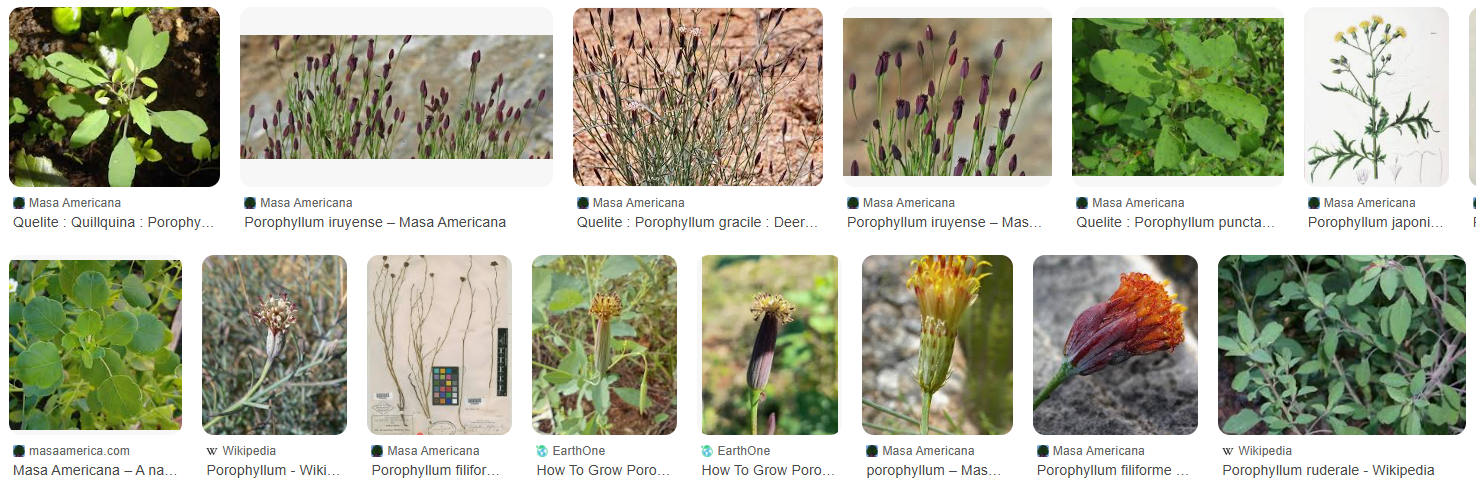
Even though I consider Papalo (1) to be a quintessentially Mexican herb I feel I must note that the Mother of this Family (2) originates from lands further south than the Basin of Mexico and is even commonly known as “Bolivian coriander”. I have briefly written on Papalo in Peru, a land sharing a border with Bolivia, (3) which I would like to expand upon a little here (and I’ve encountered – possibly – the reason why this herb is known as “vulture” marigold (or grass) (4).
- Porophyllum ruderale spp macrocephalum : Quelite : Pápaloquelite : Porophyllum macrocephalum
- Porophyllum ruderale : Quelite : Quillquina : Porophyllum ruderale. Porophyllum is a genus of roughly 28 to 32 species of flowering plants in the daisy family (Asteraceae), which originated and are primarily native to the Western Hemisphere, ranging from the Southwestern United States through Mexico to South America. Porophyllum ruderale has also been introduced and naturalized in other parts of the world, including Australia, Southeast Asia (Indonesia, Malaysia), and West Africa.
- The Pore Leaf in Peru
- Papalo – A Lexicon of Local Names
First we’ll start with Perus northern neighbour, Colombia where one name for this plant is Yerba de chulo. The name is applied to this species in Cundinamarca and it is so named “Probably because its leaves, when crushed, give off an unpleasant smell” (Bernal et al 2012). This , the smell I mean, is not unusual for this species. The smell of Porophyllums is as divisive as the taste of cilantro and it is either loved or not, but not with the same polarising vehemence that cilantro attracts. At best Papalo is described as being “strongly scented” but this is being polite. Other descriptors include “pungent”, “ill smelling” or “foul smelling” and that the plant “exhales a stench” (1) and has an “unpleasant, rank odour”. Ouch. I guess one name kind of sums it up, Skunk Weed. For more on this see (2) (3).
- The quote being “so called because the plant exhales a stench similar to that which gives off the meat of the deer” (sic) (Hieronymus 1882)
- Papalo and Pipicha. Skunk Weed?
- Skunkweed and the Skunk
see also Gallinaza
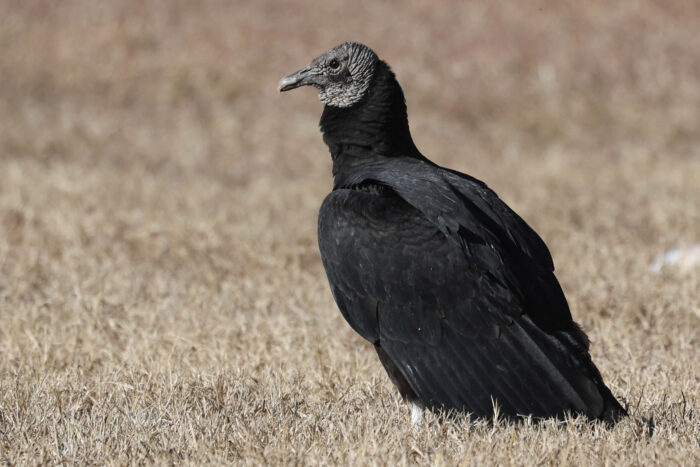
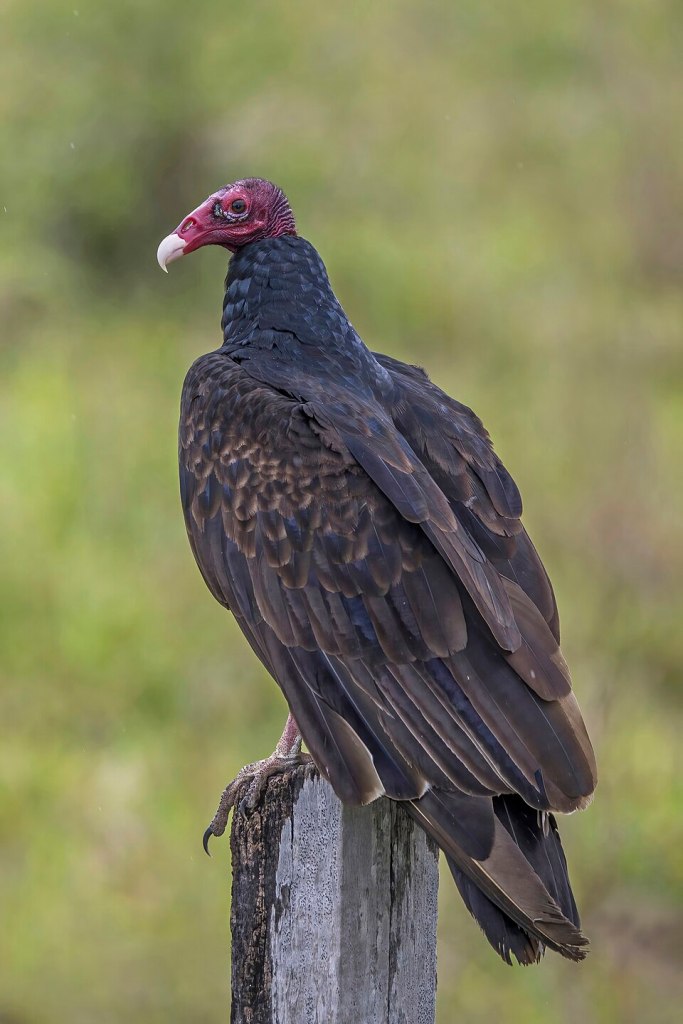
The name applied to this species in nearby Antioquia, Chocó and Tolima, is Gallinaza (or Gallinazo). Gallinazo is a word that usually refers to chicken manure (which again, perhaps relates to the strong smell of the herb) and Gallinazo refers to the Turkey vulture or the Black vulture (1)
- The word “vulture” originates from the Latin vulturus or voltur, which translates to “tearer,” in reference to the bird’s scavenging feeding habits of tearing meat. Etymologically voltur is likely derived from the Latin verb vellere, meaning “to pluck” or “to tear”
Turkey vultures defecate on their own legs as a specialized cooling mechanism known as urohidrosis. This behaviour helps them stay cool in hot weather, as the evaporation of water from the faeces and urine lowers their body temperature. Additionally, the highly acidic excreta acts as an antiseptic, sanitizing their legs after walking on decaying carcasses.
It also brings to mind “unpleasant, rank odours” which tie into the descriptors of this plant when relating its aroma (which, quite frankly, I find intoxicatingly agreeable)
Colombia
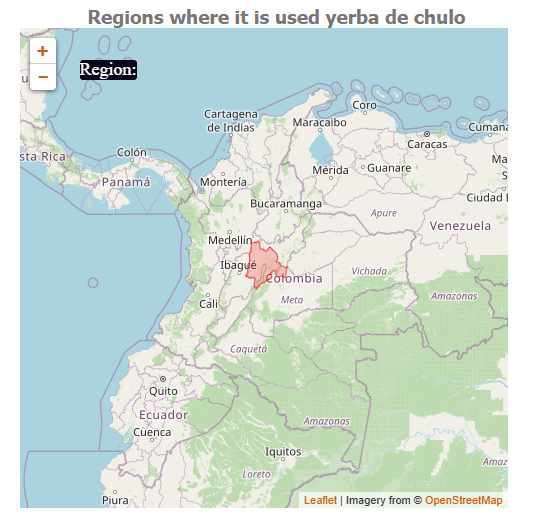
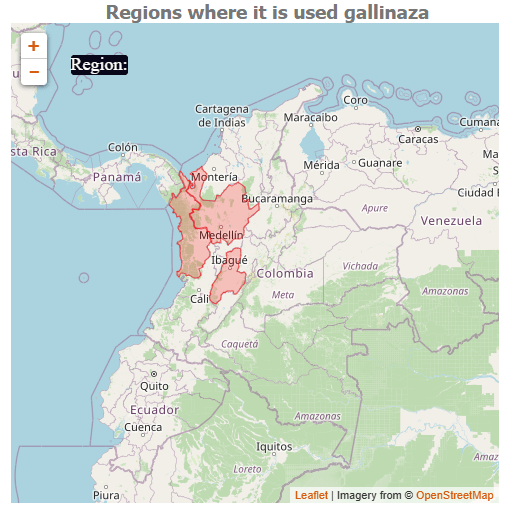
In the regions mapped out above Papalo is also known as:
- chiata
- chipaca (a name also used for Bidens pilosa Aceitilla : Bidens pilosa)
- chivata
- chucha
- flor de muerto (a name also used for a marigold in the Tagetes genus. You will know this flower….Cempasúchil
- gallinaza de azotea
- gallinazo
- hierba de chulo
- hierba de gallinazo
- hierbaechulo
- maturranga
- purranga
- ruda
- ruda de gallina
- ruda de gallinazo
- ruda gallinaza
- venadillo
- verdolaga
- yerba de chulo
Other local regional names include, Shuca ruda (Santamaria Baldera 2022); ruda de río (river rue) (Alala Sheron 2024); shinqu, shingo, (Carranza Romero 2003); Pedorera (Hajdu 2011). These are but a few on the local names for this plant (1)
- See Papalo – A Lexicon of Local Names for more
The name Gallinazo is also utilised further south in Peru where it also has the carrion eating, avian monikers of zopilote (another name for the Black vulture) and Wiskul. Wiskul is another name for the Turkey vulture, “a bird of the Yungas region that eats carrion”.
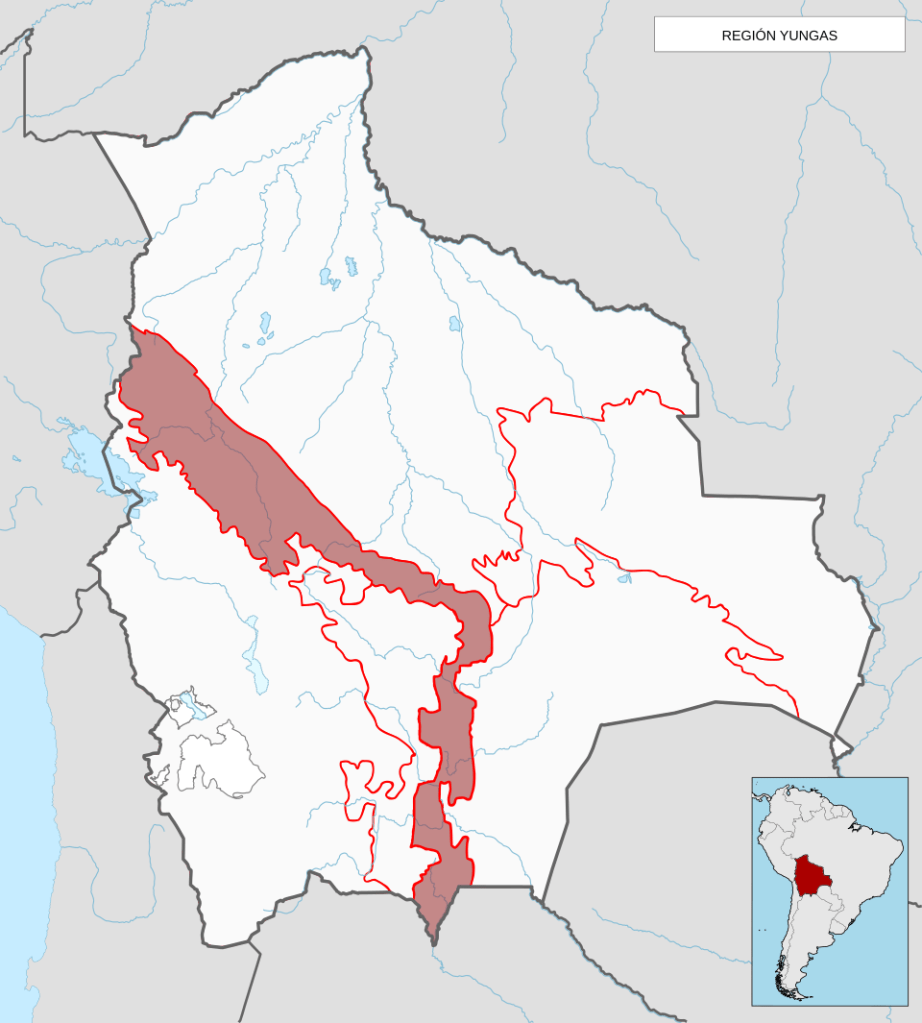
The Yungas is a bioregion of a narrow band of forest along the eastern slope of the Andes Mountains from Peru and Bolivia, and extends into Northwest Argentina at the slope of the Andes pre-cordillera (1). It is a transitional zone between the Andean highlands and the eastern forests. Like the surrounding areas, the Yungas belong to the Neotropical realm; the climate is rainy, humid, and warm.
- Precordillera is a Spanish geographical term for hills and mountains lying before a greater range, similar to foothills. The term is derived from cordillera (mountain range)—literally “pre-mountain range”—and applied usually to the Andes
The Yungas region in Bolivia is an historically isolated area primarily inhabited by the Afro-Bolivian community (1), alongside indigenous Aymara and Quechua peoples. Numbering around 23,000, these Afro-descendants have lived in the Yungas valleys since the 19th century, cultivating coffee, coca, and citrus fruits while maintaining distinct cultural traditions and a symbolic, officially recognized monarchy (2).
- descendants of enslaved Africans brought by the Spanish to work in Potosí mines before being moved to the warmer Yungas valleys
- Mururata is the seat of a symbolic, ancestral Afro-Bolivian kingdom, officially recognized in 2007, currently led by King Julio Bonifaz Pinedo.
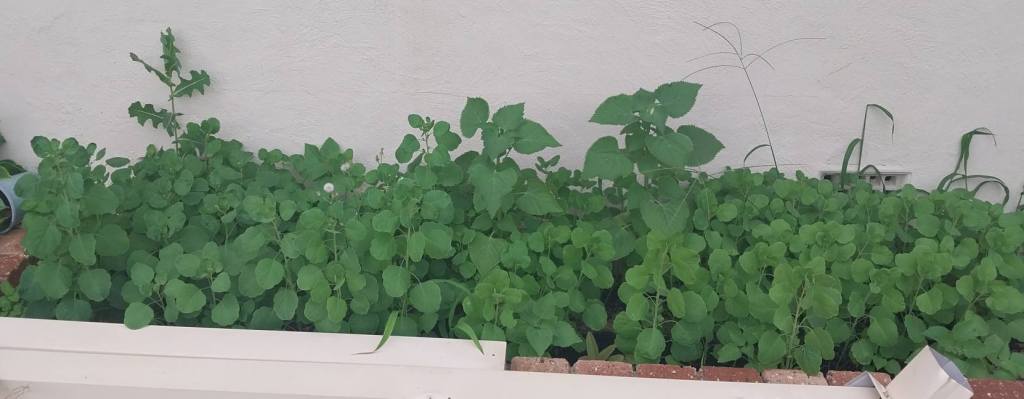
Another interesting thing occurred to me yesterday as I was explaining to my daughter that Papalo adopts a “sleep habit” at night to protect itself. The leaves at the top of the plant fold themselves over the growing tip of the plant to protect it from the cold.
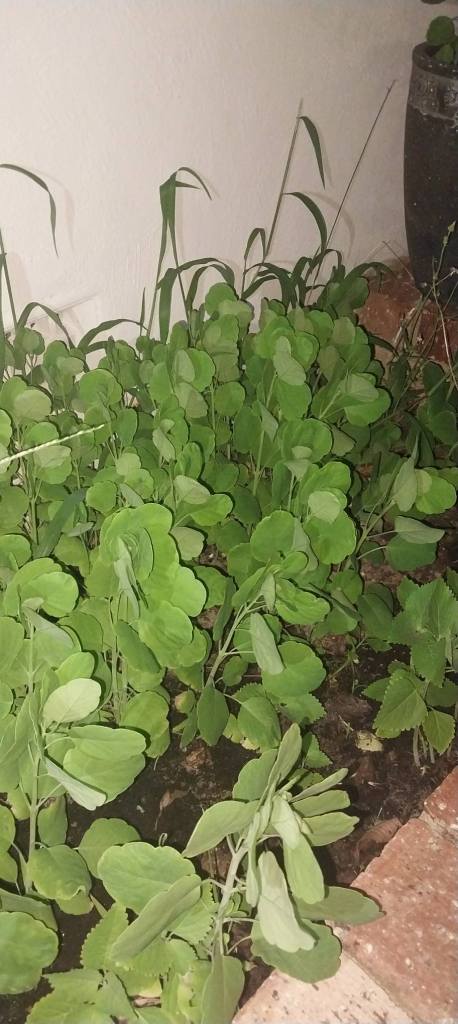
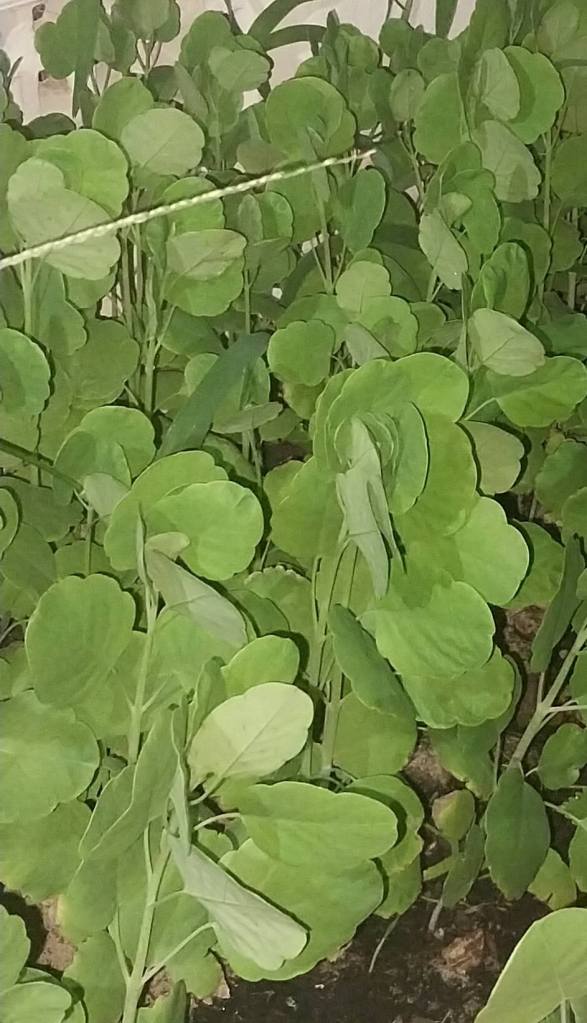
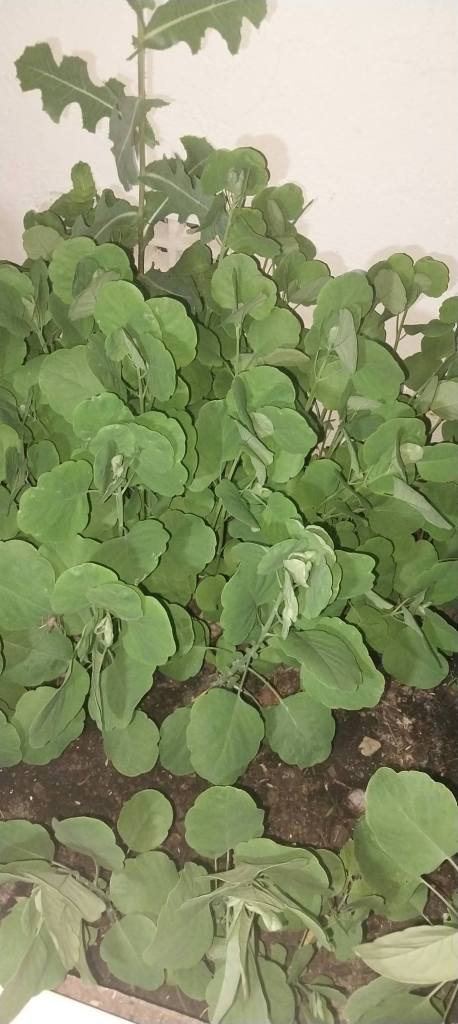
As I’m telling her this it occurred to me that perhaps my perspective was out. The herb, most often identified as “butterfly” (Papalo coming from Papalotl, the Nahuatl word for butterfly). This has variously been said to be because of “the leaf’s shape”, “the way the leaves flutter in a gentle breeze like a butterfly’s wings” or because the plant itself attracts butterflies (likely for pollination purposes) but, as I look at these sleeping Papalo plants it struck me that the leaves like this look like a butterfly (or moth) standing with its wings folded behind its back.
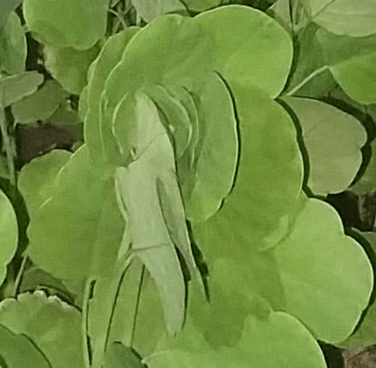
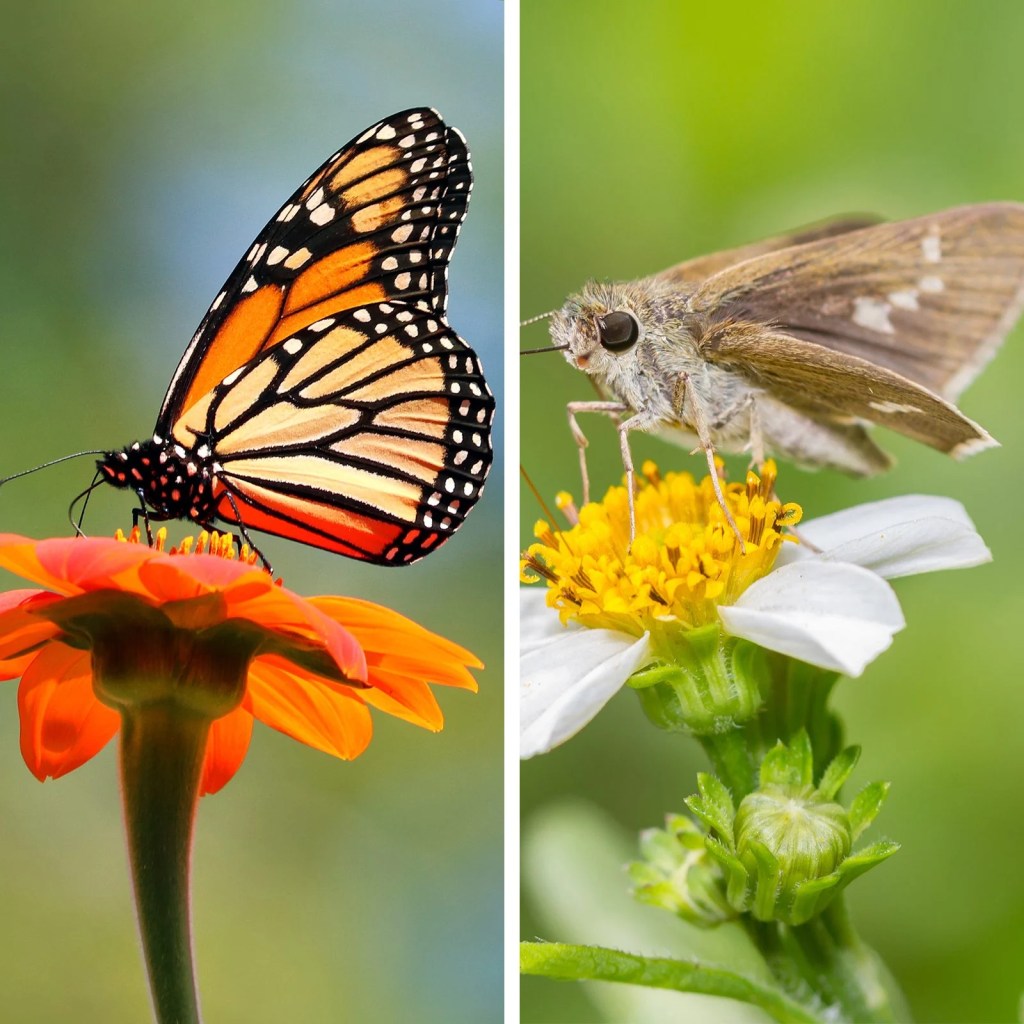
OK. So maybe the angle is a little wrong on the Papalo image above but you get my drift.
The variety of Porophyllum shown in the images above is that of P.ruderale spp macrocephalum but the Mother plant being discussed in this case is Quillquina (a local Bolivian name) or Porophyllum ruderale (1). These two (ruderale and macrocephalum) have very similar flavour and chemistry profiles and can be used interchangeably in both the kitchen and the infirmary.
An interesting Study has looked at the antibacterial activities of extracts of Quillquina (P.ruderale) on beef. It shows that an alcohol based marinade of the herb is an effective antimicrobial (when used on carne de res – beef meat). They did however fail to mention how the meat tasted after being marinaded in the herb (and then being grilled and served in a taco one assumes).
The objective of this study was to determine the preservative effect of extracts of rue (Porophyllum ruderale (Jacq.) Cass.) on beef. Plant material was collected from the Sonche district (Chachapoyas province, Amazonas region, Peru), and three extracts were prepared using water, ethanol, and methanol as solvents. The antioxidant activity (DPPH assay), total polyphenol content (Folin-Ciocalteu assay), and antibacterial activity of the extracts were evaluated. Additionally, the extracts were added to beef samples for microbial counts. The results showed that the methanolic extract (91.01%), followed by the ethanolic extract of rue, had the greatest inhibitory capacity. Regarding polyphenol content, the ethanolic extract reached 92.02 mg (GAE)/100g extract. Regarding antibacterial activity, the ethanolic extract showed a broader spectrum of action against Escherichia coli, Staphylococcus aureus, and Salmonella sp.; finally, it was determined that the methanolic extract in the three dilutions used showed greater power by reporting a lower microbial count in beef.
The aqueous, ethanolic, and methanolic extracts were prepared according to the modified method, which consisted of:
- Approximately 500 g of rue shuca were collected.
- The plants were air-dried for 10 days.
- The rue shuca extract samples were prepared using three solvents: water (WA), ethanol (EE), and methanol (EM).
- The mixtures were allowed to stand for 12 hours.
- The liquid was then separated from the solid by filtration.
- Finally, the resulting extract was placed in a 500 ml beaker for later use.
The next formula I bring up due to the inclusion of “the root of maturranga (species unknown)”(Garcia Regalado 2014). It is a digestive formula “Primarily for bile and stomach problems” and falls well within the medicinality of the Porophyllum species. The root of the Porophyllum is not really utilised these days and its highly likely that the knowledge of its use in this manner is being (or has been completely) forgotten.
I have written on the use of Porophyllum root of some varieties. See…. Papaloquelite : Chaoacocopin….. and……Quelite : Tepepapaloquilitl
First…… en español. All of the plants mentioned in the formula are displayed below, and an English translation below that.
Indicaciones: Para la bilis y problemas estomacales, principalmente.
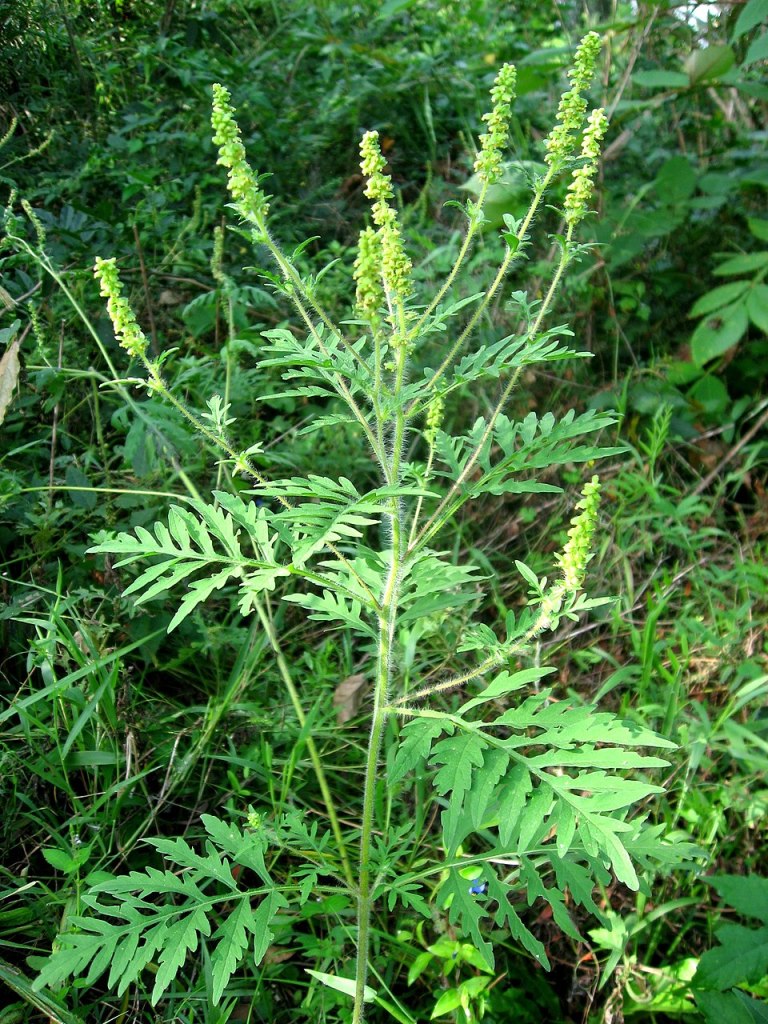
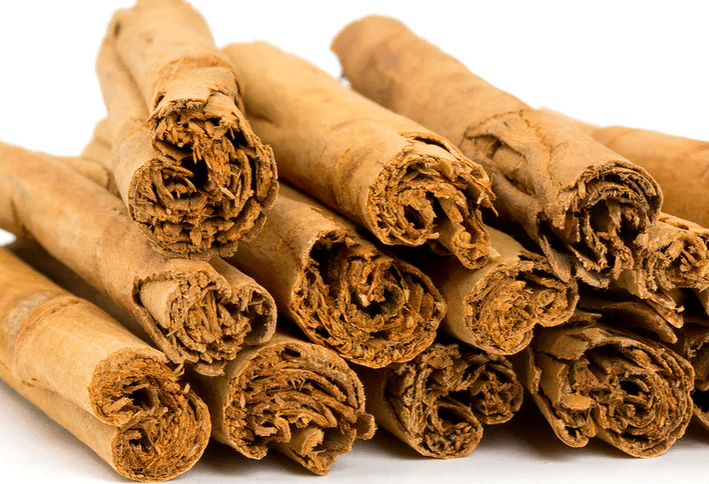
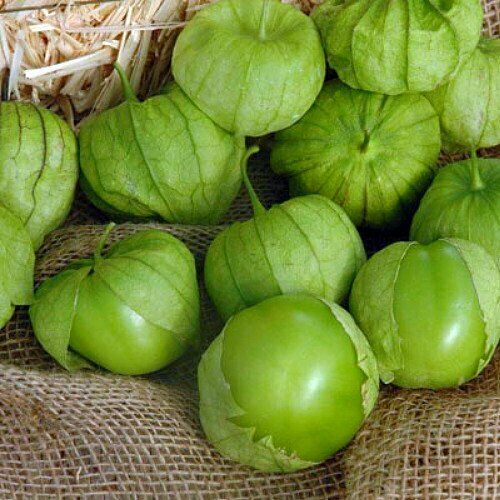
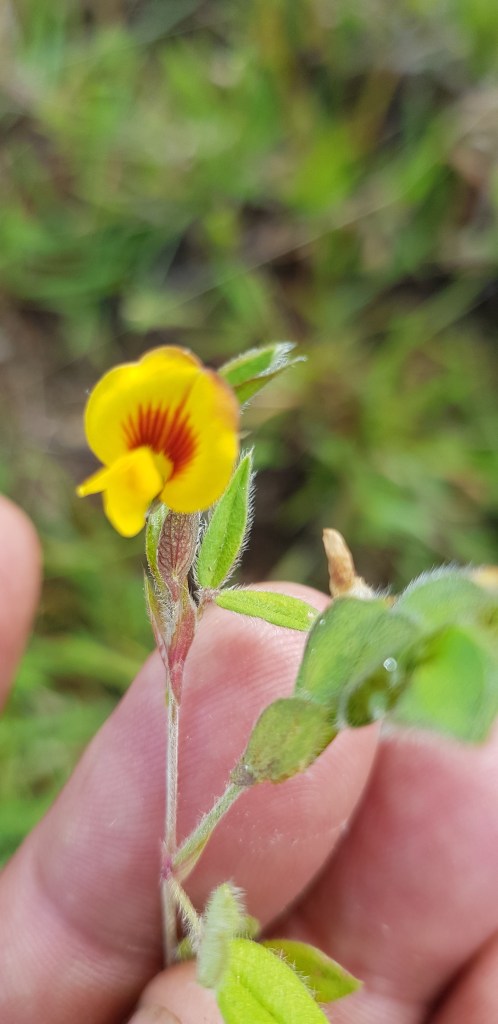
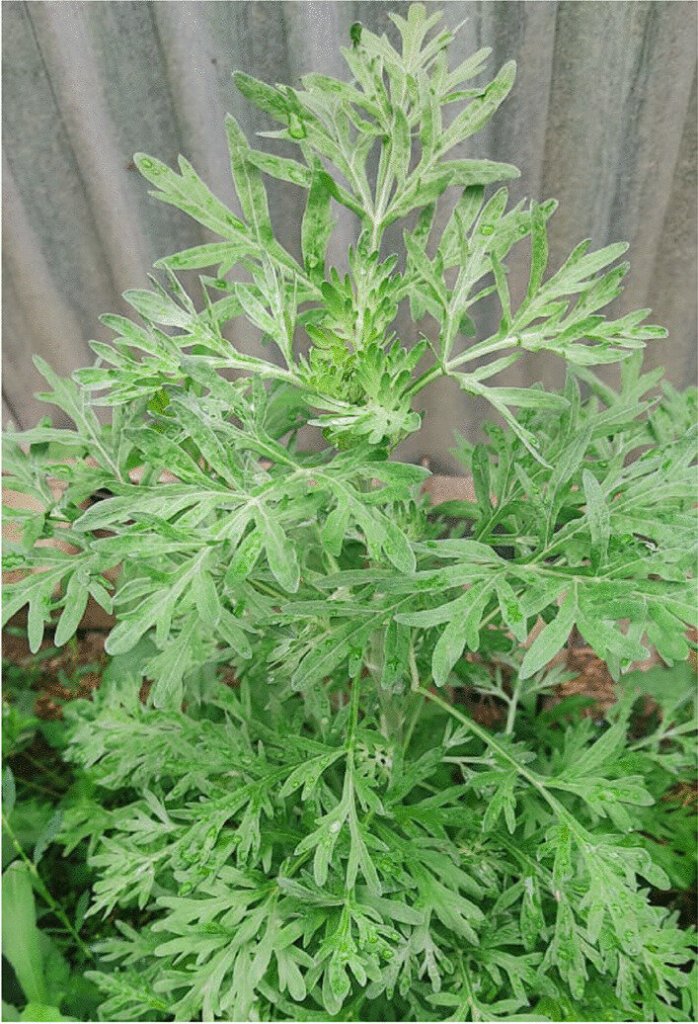
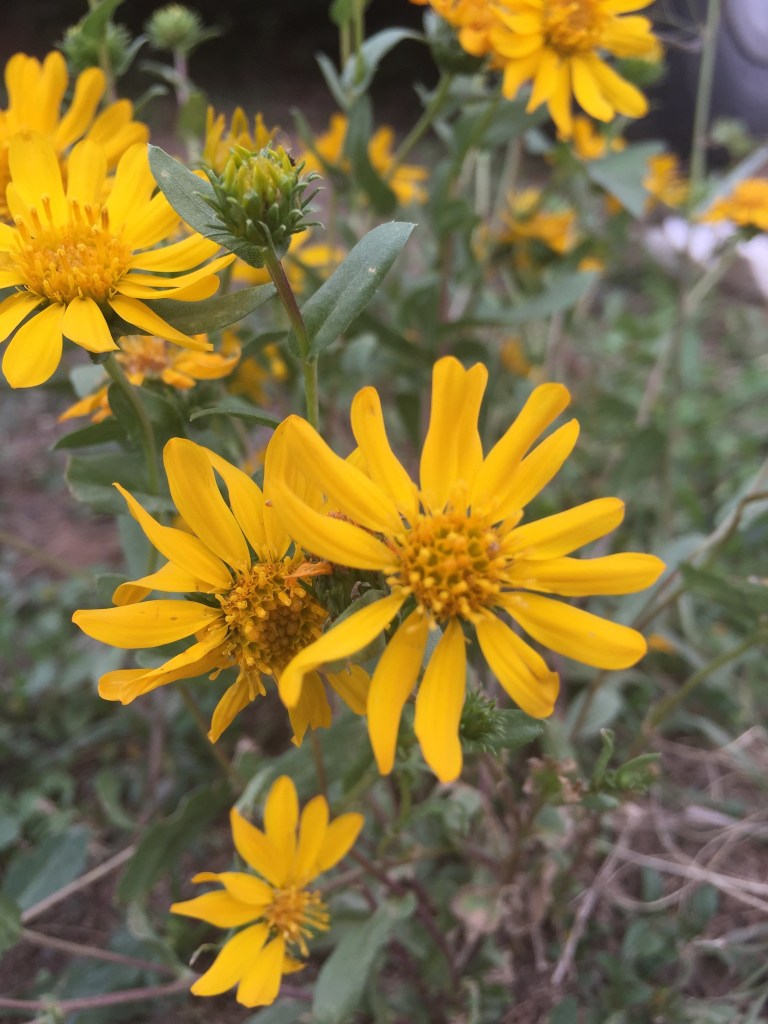
Modo de empleo: Se toma como té todos los días en ayunas para la bilis, el dolor de estómago y cualquier tipo de dolor. También se puede tomar durante nueve días en ayunas la cocción de las ramas preparada con raíz de maturranga (especie desconocida), flor de altamisa (Ambrosia artemisifolia), cáscara de tomatillo (Physalis sp.) y un trozo de canela (Cinnamomum ceilanicum) o hervida con hierba de la víbora (Zornia thymifolia), prodigiosa (Artemisia absinthium) y árnica amarilla (Grindelia oxylepis).
Indications: Primarily for bile and stomach problems.
How to use:
Take as a tea daily on an empty stomach for bile,stomach pain, and any type of pain.
Alternatively, for nine days on an empty stomach, take a decoction of the branches prepared with the root of maturranga (species unknown), altamisa flower (Ambrosia artemisifolia), tomatillo peel (Physalis sp.), and a piece of cinnamon (Cinnamomum ceilanicum) (sic)……………..
………… or boiled with viper’s herb (Zornia thymifolia), artemisia absinthium, and yellow arnica (Grindelia oxylepis)
References
- Ayala Sheron, D. (2024). Caracterización química de las hojas comestibles de la ruda de río (Porophyllum ruderale) y evaluación de los parámetros de extracción de aceite esencial para su aplicación en los alimentos. (Chemical characterization of the edible leaves of river rue (Porophyllum ruderale) and evaluation of the parameters for essential oil extraction for its application in food) : oai:repositorio.unsch.edu.pe:20.500.14612/6982
- Bernal, R., G. Galeano, A. Rodríguez, H. Sarmiento y M. Gutiérrez. (2012). Gallinaza. (Porophyllum ruderale) Nombres Comunes de las Plantas de Colombia. http://www.biovirtual.unal.edu.co/nombrescomunes/en/detalle/ncientifico/5733/
- Bernal, R., G. Galeano, A. Rodríguez, H. Sarmiento y M. Gutiérrez. (2012). Yerba de chulo. (Porophyllum ruderale) Nombres Comunes de las Plantas de Colombia. http://www.biovirtual.unal.edu.co/nombrescomunes/en/detalle/ncientifico/5746/
- Carranza Romero, Francisco (2003) Diccionario Quechua Ancashino – Castellano. / Edición y prólogo de Wolf Lustig. 9783964565112. Doi 10.31819/9783964565112
- García Regalado, Gerardo (2014) Planta Medicinales de Aguascalientes : Universidad Autónoma de Aguascalientes : ISBN 978-607-8359-83-7
- Hajdu, Z. (2011). An ethnopharmacological survey of the traditional medicine utilized in the community of Porvenir, Bajo Paraguá Indian Reservation, Bolivia. Journal of Ethnopharmacology. https://doi.org/10.1016/J.JEP.2011.12.029
- Hieronymus, G. (Georg) : Plantae diaphoricae florae Argentinae : 1882
- Pico, Belen & Nuez, Fernando. (2000). Minor crops of Mesoamerica in early sources (II). Herbs used as condiments. Genetic Resources and Crop Evolution – GENET RESOUR CROP EVOLUTION. 47. 541-552. 10.1023/A:1008732626892.
- Santamaria Baldera, Edwin. (2022). Efecto antimicrobiano de extractos de shuca ruda (Porophyllum ruderale (Jacq.) Cass.) en carne de res (Antimicrobial effect of extracts of shuca ruda (Porophyllum ruderale (Jacq.) Cass.) in beef) : oai:repositorio.untrm.edu.pe:20.500.14077/2954
Websites
- Tico Ethnobotanical Dictionary : https://s10.lite.msu.edu/res/msu/botonl/b_online/library/dr-duke/p.html
Images
- Ambrosia artemisiifolia – By Qwert1234 – Qwert1234’s file, CC BY-SA 4.0, https://commons.wikimedia.org/w/index.php?curid=92449634 : https://species.wikimedia.org/wiki/Ambrosia_artemisiifolia#/media/File:Ambrosia_artemisiifolia_080908.JPG
- Black Vulture – https://www.chesapeakebay.net/discover/field-guide/entry/black-vulture
- Butterly/Moth image – https://www.familyhandyman.com/article/butterfly-vs-moth/?srsltid=AfmBOoqFg3ulIlxi0-HBVcJ9OfJIvLfjVxy4bsk5hCpMpoH7jf9WMQZs
- Grindelia oxylepis – By (c) Oscar C. González Martínez, some rights reserved (CC BY-SA) – https://www.inaturalist.org/photos/333269041, CC BY-SA 4.0, https://commons.wikimedia.org/w/index.php?curid=164953170 : https://en.wikipedia.org/wiki/Grindelia_oxylepis#/media/File:Grindelia_oxylepis,_Hidalgo_del_Parral,_Chih.,_M%C3%A9xico_imported_from_iNaturalist_photo_333269041.jpg
- Turkey Vulture – By Charles J. Sharp – Own work, from Sharp Photography, sharpphotography.co.uk, CC BY-SA 4.0, https://commons.wikimedia.org/w/index.php?curid=129777403
- Zornia thymifolia – Eugenio Padilla – some rights reserved (CC BY-SA) : https://www.inaturalist.org/taxa/290444-Zornia-thymifolia/browse_photos
 Masa Americana
