
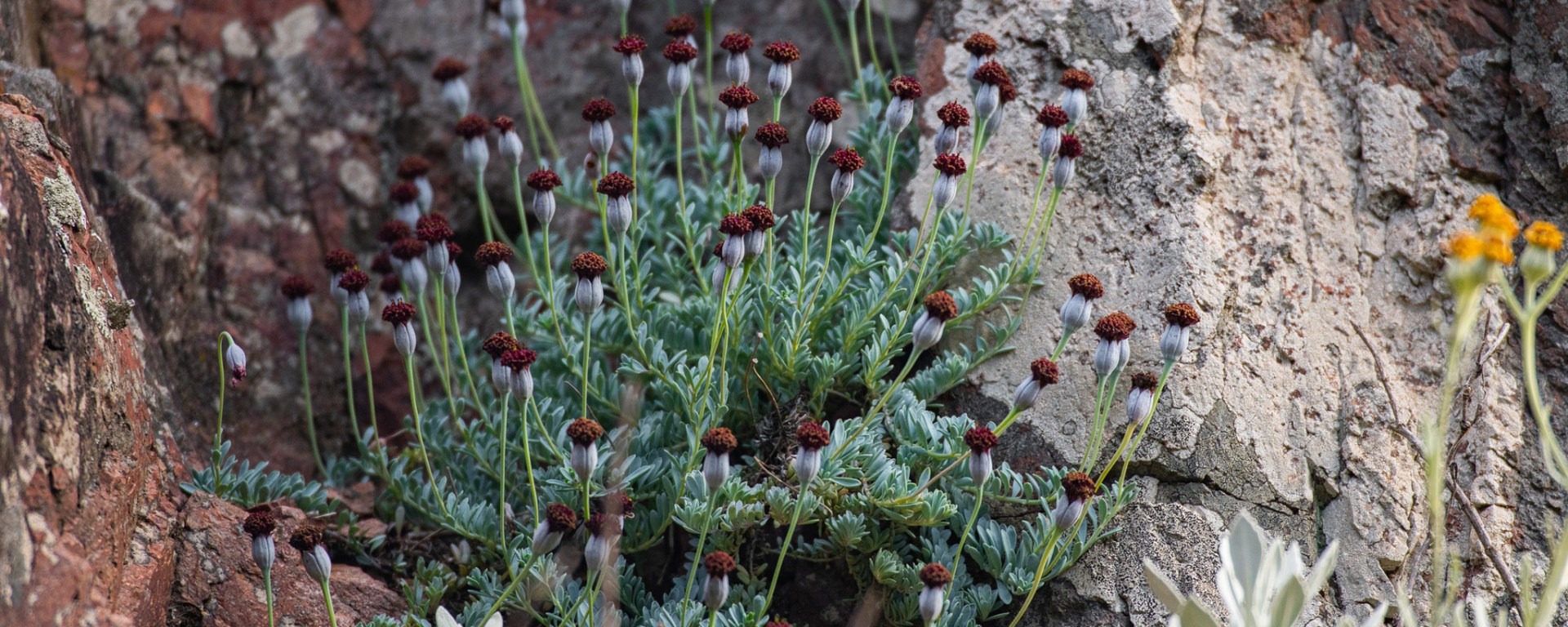
Porophyllum maritimum.
Heterotypic Synonyms (1) : Porophyllum porfyreum (Rose & Standl 1916)
- A heterotypic synonym, also known as a taxonomic synonym or subjective synonym, is a scientific name based on a different type specimen than the currently accepted name, but which taxonomists (2) consider to belong to the same taxon (3). Unlike homotypic synonyms (4), they represent a matter of opinion or classification.
- Taxonomists are specialized scientists who discover, name, and classify organisms based on their shared characteristics, evolutionary history, and genetic information.
- A taxon (plural: taxa) is any unit or group used in the science of biological classification (taxonomy) to classify organisms based on shared characteristics. These groups, representing levels in a hierarchy like species, genus, family, or kingdom, are defined by biologists to represent evolutionary relationships.
- A homotypic synonym (also known as a nomenclatural or objective synonym) is a scientific name for an organism that shares the exact same type specimen as another name. These synonyms occur when a species is renamed, reclassified, or moved to a different genus, resulting in multiple names based on the same, original biological, material.
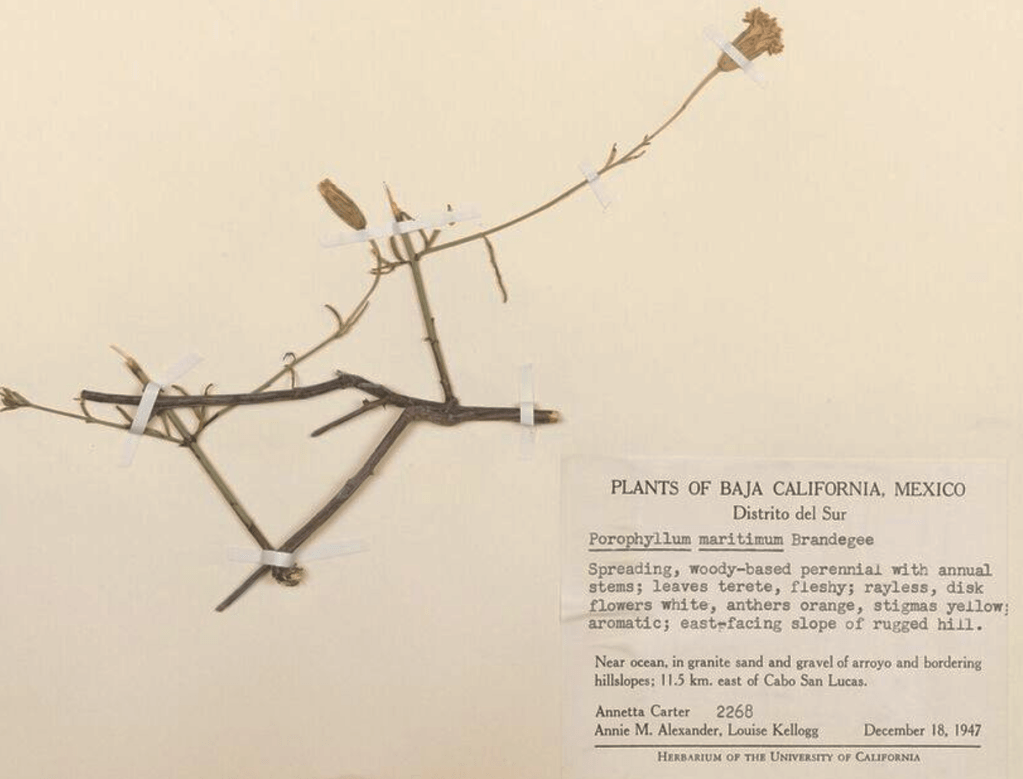
Porophyllum porfyreum
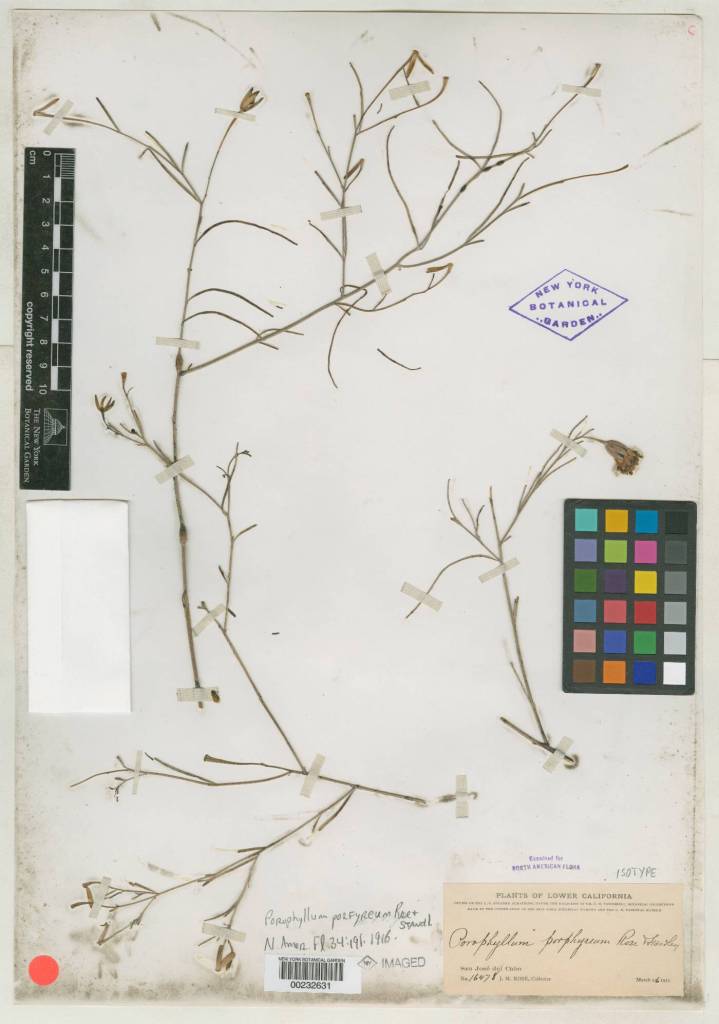
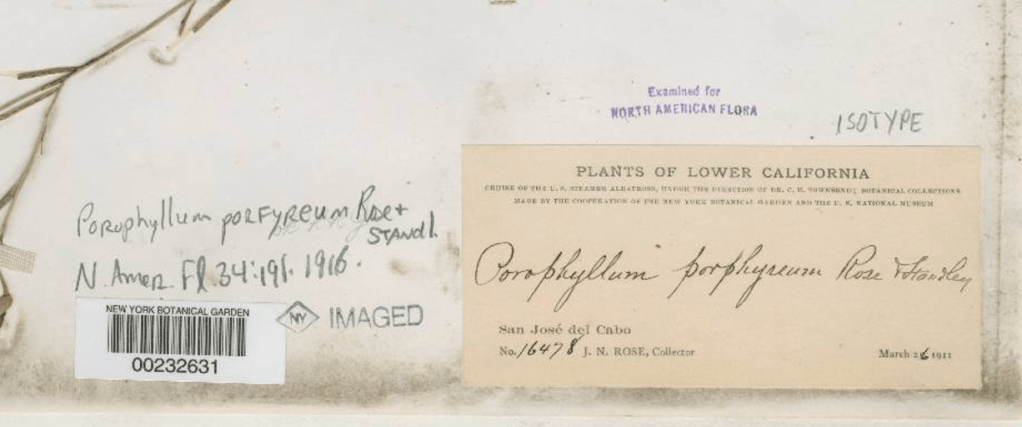
Not a great specimen to be honest. (well it was collected in 1911)
Also called : Odoro (1), Hierba del venado, Seaside purslane
- Shrub w/ very strong odor.
Also known as the Seaside Poreleaf (1), it belongs to the poreleaf genus, which includes, among others, the aromatic, culinary, and medicinal P. ruderale.
- Not to be confused with Coastal Poreleaf – Porophyllum linifolium
Porophyllum linifolim
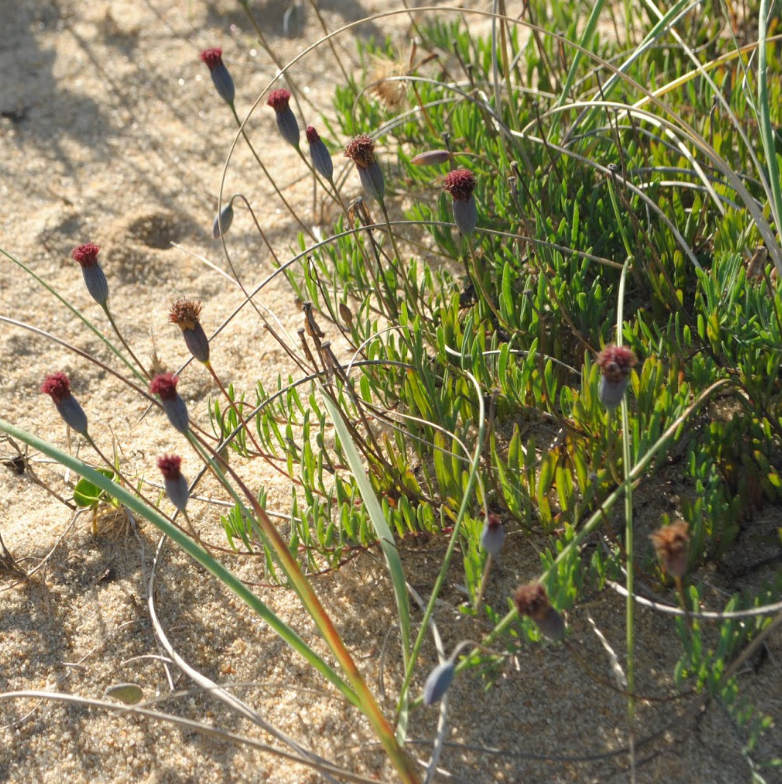
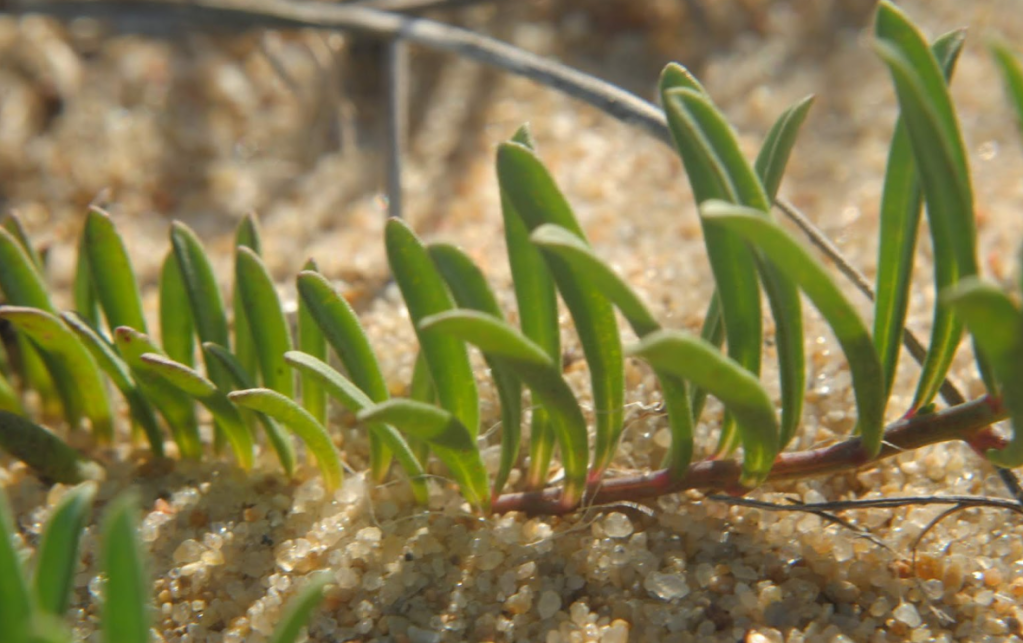
Porophyllum maritimum
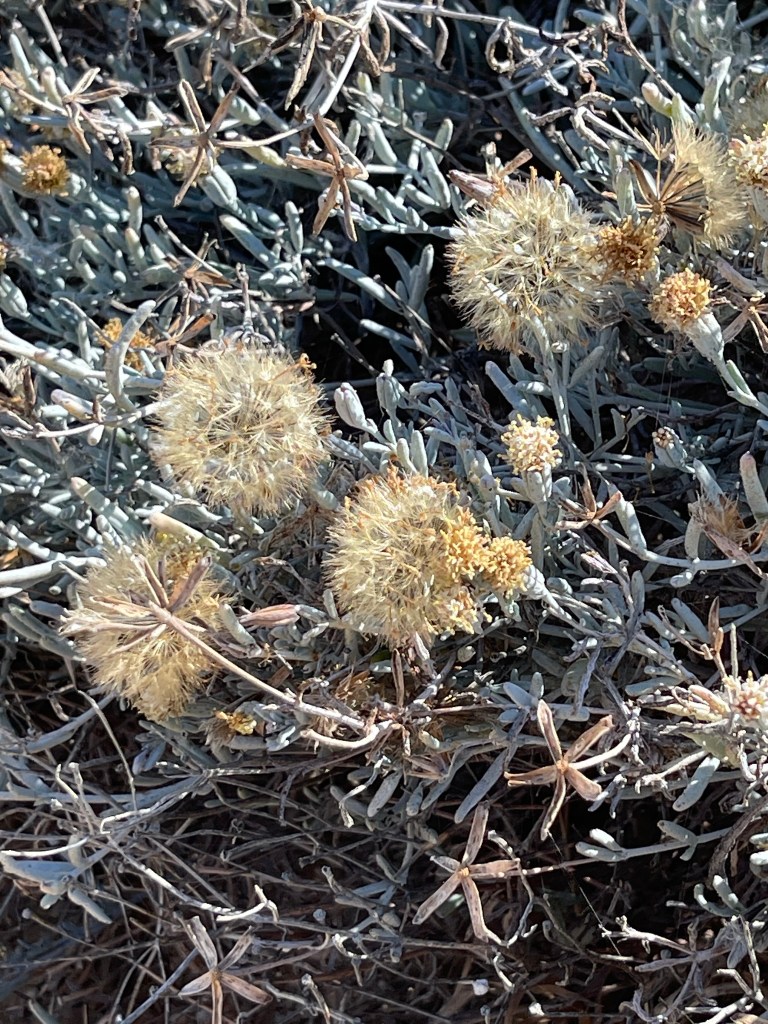
Porophyllum maritimum is a rare, succulent-like, coastal-dwelling shrublet in the Asteraceae family, native to Baja California in northwest Mexico.
Information on P. maritimum is limited in comparison to more common, edible Porophyllum species (1), and it is frequently listed in botanical databases as a specific, native, coastal species.
- I have yet to find any references to this variety of Porophyllum as either food or medicine
Variations in flowers and foliage
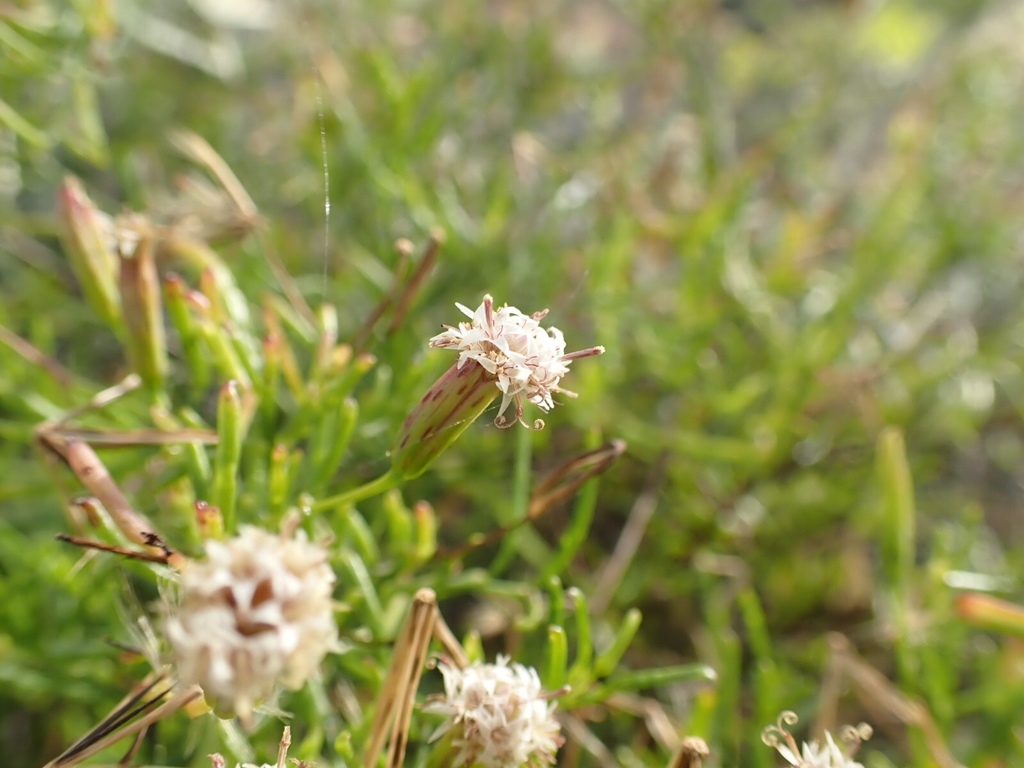
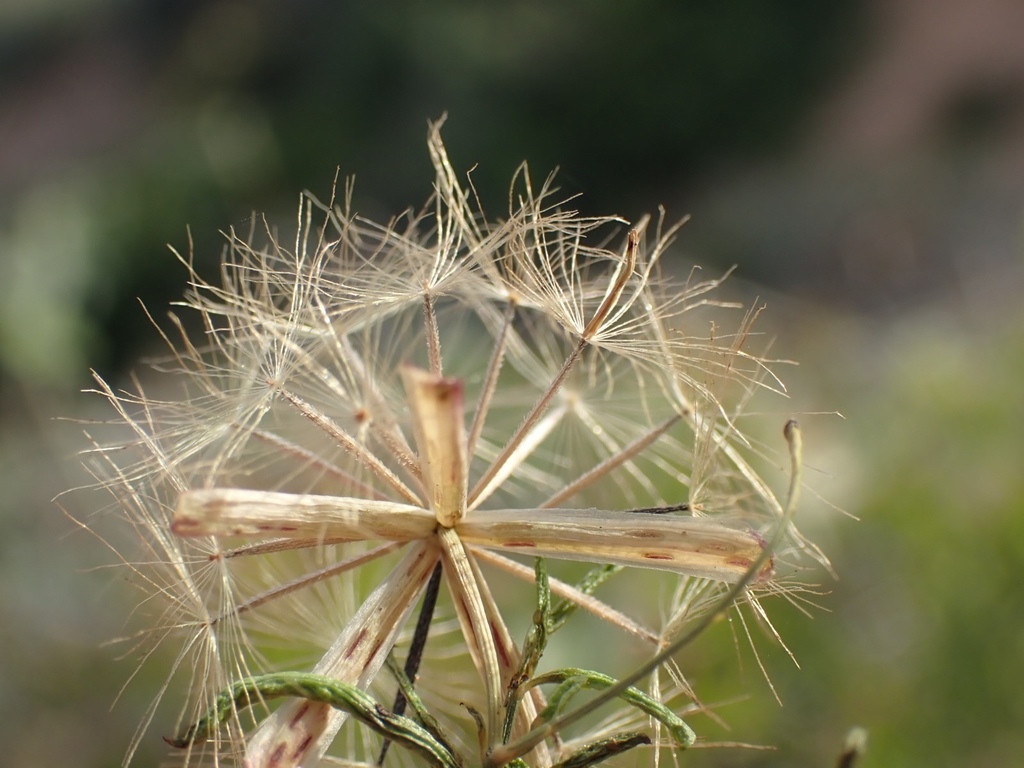
Foliage
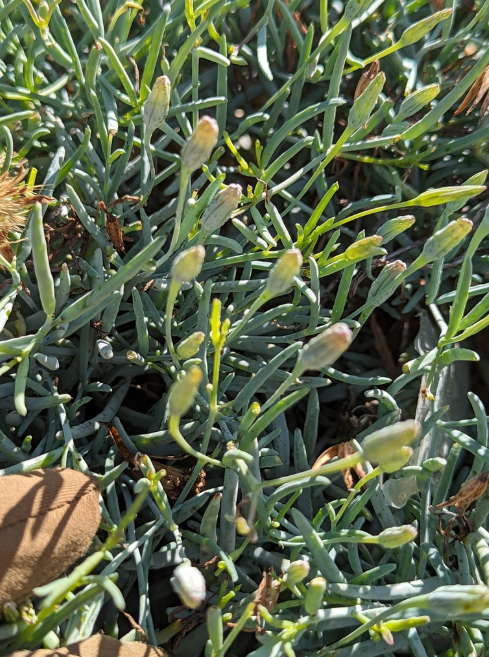
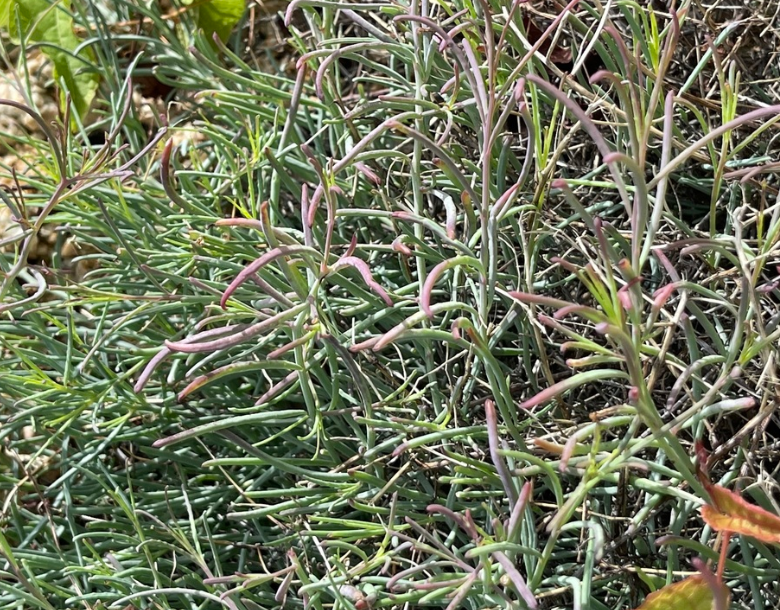
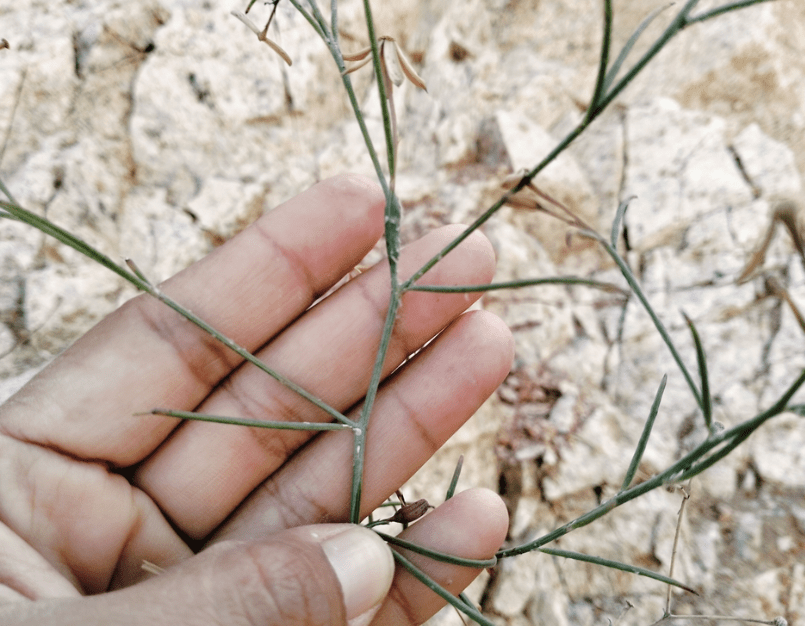
Flowers
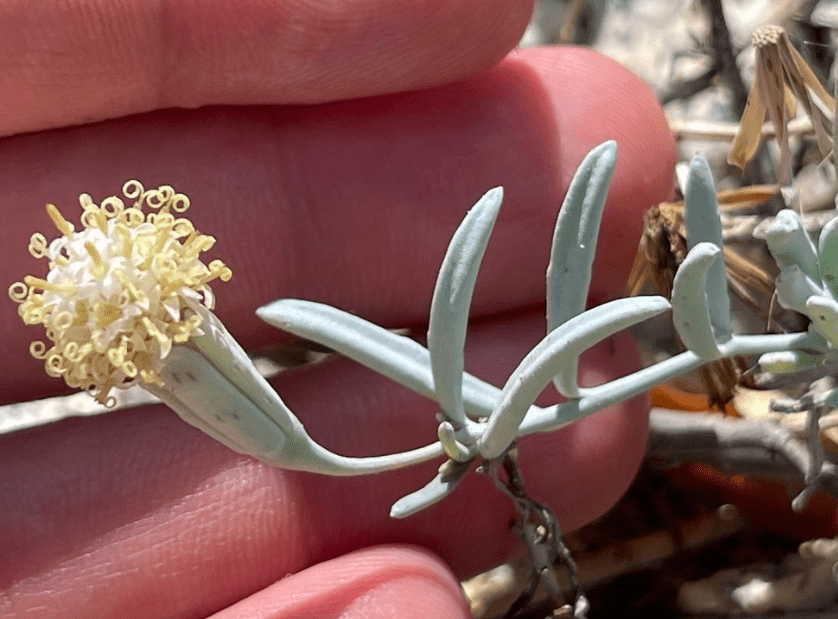
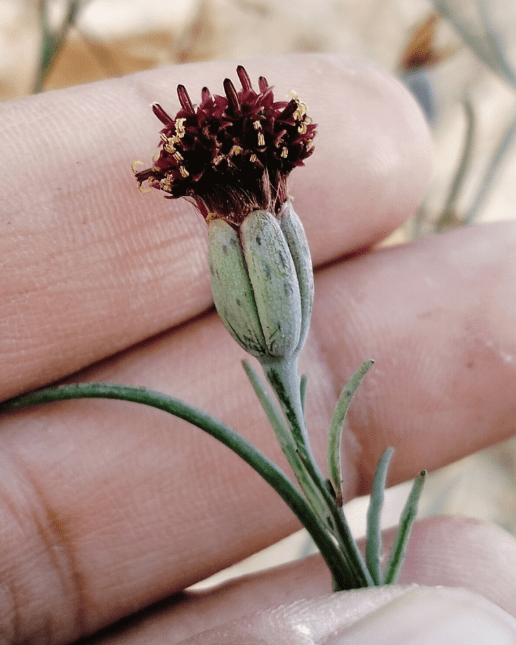
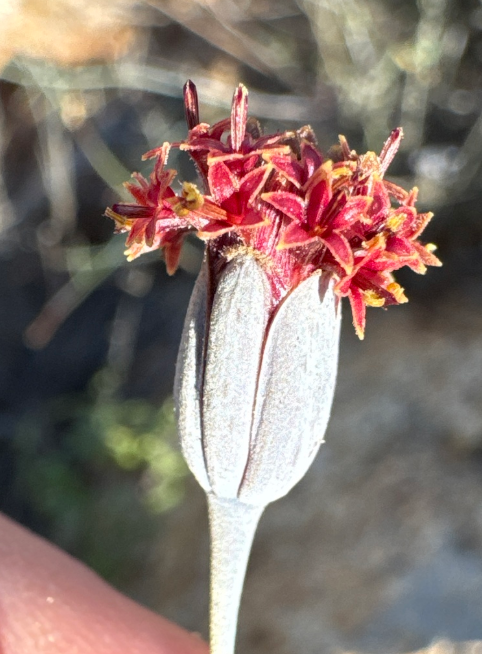
Porophyllum maritimum is endemic (1) to the Baja California peninsula in northwestern Mexico.
- narrowly endemic to the Los Cabos region of Baja California Sur, Mexico.
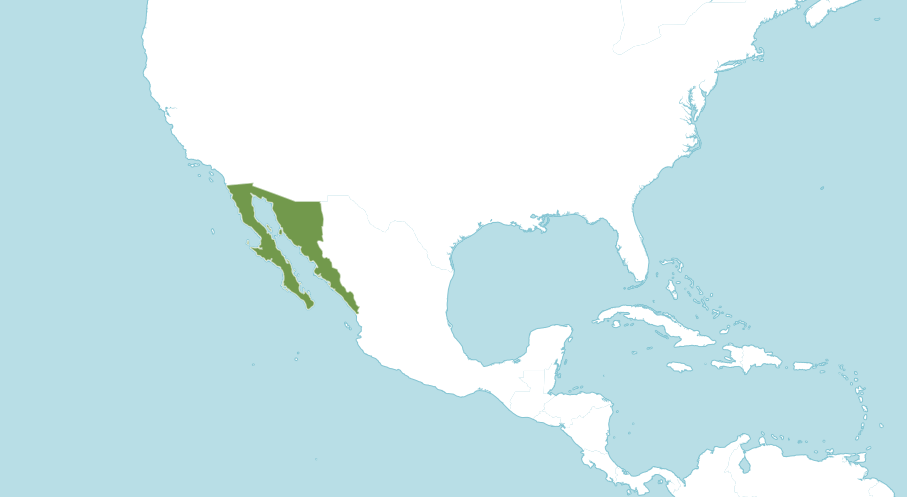
this succulent-like, subshrubby plant is found in sandy coastal habitats
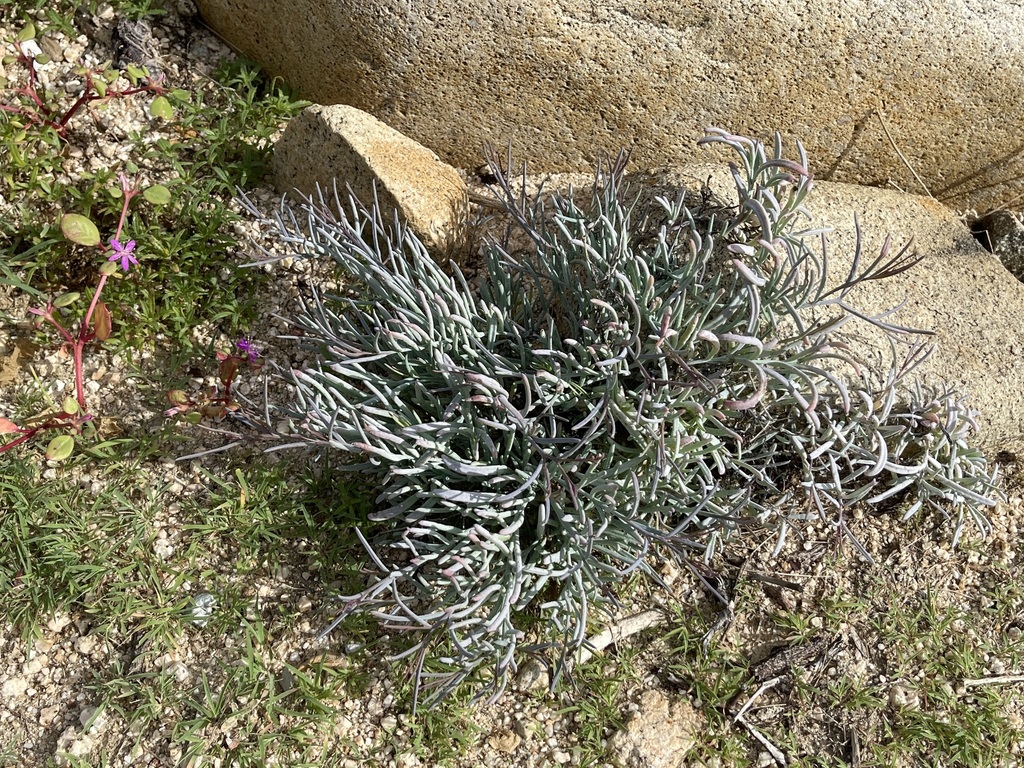
It is characterized by glaucous stems and fleshy (carnose) leaves.
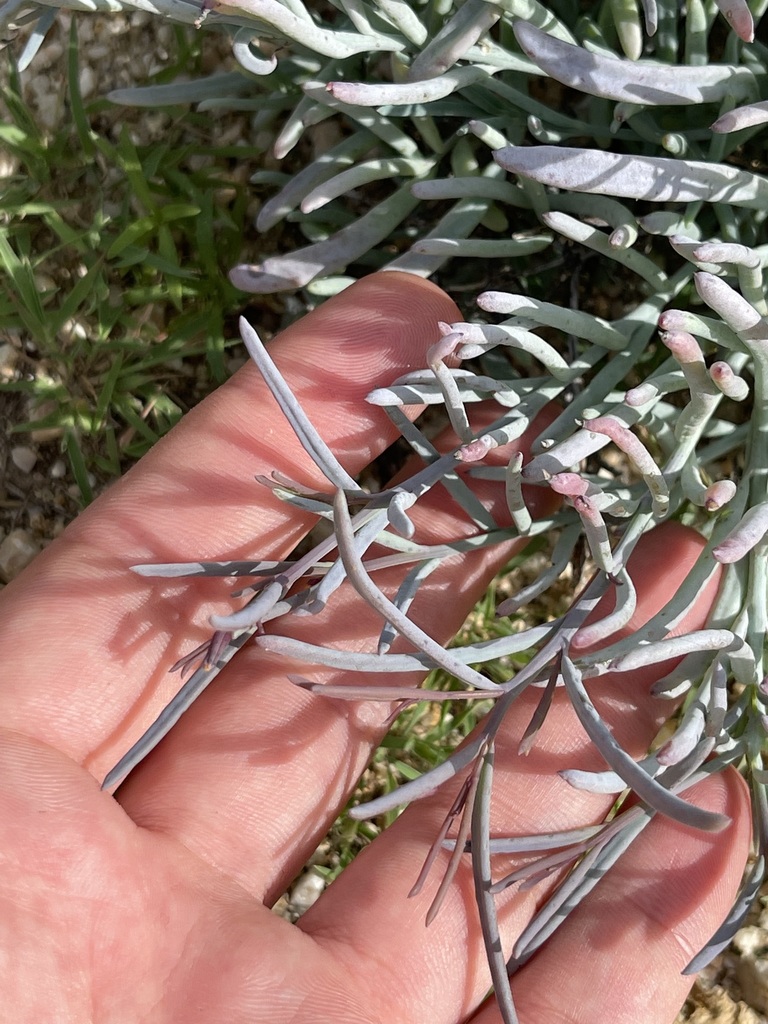
In botany, carnose (derived from the Latin carnōsus, meaning “fleshy” or “full of flesh”) is an adjective used to describe plant structures that are thick, pulpy, and succulent.
The geographic distribution of plant species is already being affected by climate change. Cropping patterns of edible plant species and their wild relatives will also be affected, making it important to predict possible changes to their distributions in the future.
A study where species distribution models were generated for two cultivated species of the Porophyllum genus (Asteraceae), known commonly as ‘pápalos’ or ‘pápaloquelites’, as well as their Mexican wild relatives, at five points in time (21,000 years ago, present, 2020, 2050, and 2080).
Using a database of 1442 entries for 16 species of Porophyllum and 19 environmental variables, species distribution models were constructed for each time period using the Maxent modelling (1) algorithm (3); those constructed for the future used a severe climate change scenario. Three species of Porophyllum were predicted to increase in distribution area.
- Maxent (Maximum Entropy) modelling is a popular machine-learning method (2) used to predict species’ potential distributions or habitat suitability by analysing known presence-only locations alongside environmental variables (e.g., climate, elevation). It works by finding the distribution with maximum entropy—closest to uniform—constrained by environmental constraints, providing a probability surface of suitability.
- Machine learning (ML) methods are subset-of-AI algorithms that enable computers to learn from data, identify patterns, and make predictions or decisions without being explicitly programmed for every task. The core process involves training models on historical data, which are then used to predict, classify, or analyse new data.
- The Maxent modelling algorithm (short for maximum entropy modelling) is a machine learning technique widely used in ecology for predicting the potential geographic distribution or habitat suitability of a species using only presence records. The algorithm is based on the principle of maximum entropy, which states that, given a set of constraints (information about where a species is known to occur), the most accurate probability distribution is the one that is most uniform or spread out, without making any additional assumptions.
The most extreme case of range expansion was that of P. zimapanum B.L. Turner, where a 2283% increase was predicted. P. maritimum Brandegee was predicted to increase by 218% in its distribution area and P. punctatum (Mill.) S. F. Blake was predicted to have a more moderate 89% increase in distribution area. It was concluded that the most important agricultural areas where the cultivated species are grown will not be greatly affected, while the areas inhabited by the wild species will. (Estrada Márquez et al 2016)
This may be turning around Bachmans (2024) work suggests a possibility (although a low one) of something more dire. I dare say, as Estrada Márquez (2016) suggests it is primarily wild populations of the herbs that will be affected. Those grown in agricultural areas will of course be well tended by their human staff.
Predicted extinction risk: threatened. Confidence: low confidence (Bachman et al 2024)
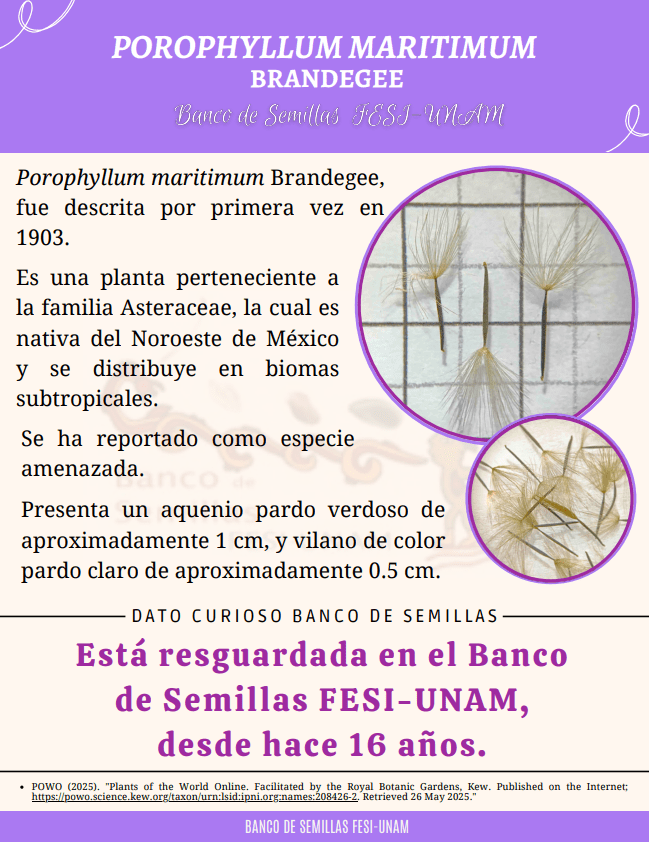
The seed of P.maritimum has been stored in the FESI-UNAM (1) Seed Bank for 16 years (as at 2025).
- Facultad de Estudios Superiores Iztacala, UNAM, México
References
- Bachman, S.P., Brown, M.J.M., Leão, T.C.C., Nic Lughadha, E. and Walker, B.E. (2024), Extinction risk predictions for the world’s flowering plants to support their conservation. New Phytol, 242: 797-808. https://doi.org/10.1111/nph.19592
- Estrada Márquez, Ana & Ortiz, Enrique & Villaseñor, Jose & Espinosa-García, Francisco. (2016). The distribution of cultivated species of Porophyllum (Asteraceae) and their wild relatives under climate change. Systematics and Biodiversity. 14. 1-11. 10.1080/14772000.2016.1205678.
- Hansen, Debra. “Molecular Phylogeny of Pectis (Tageteae, Asteraceae), a C4 Genus of the Neotropics, and Its Sister Genus Porophyllum,” n.d. doi:10.25224/1097-993X-19.1.6.
- Peinado, Manuel, Macías, Miguel Ángel, Aguirre, Juan Luis, Delgadillo, José, A Phytogeographical Classification of the North American Pacific Coast Based on Climate, Vegetation and a Floristic Analysis of Vascular Plants, Journal of Botany, 2009, 389414, 30 pages, 2009. https://doi.org/10.1155/2009/389414
- Rose & Standl. in N.L.Britton & al. (eds.), N. Amer. Fl. 34(3): 191 (1916)
Websites
- Bahía Asunción Plants A-B : Las Ecomujeres : https://www.lasecomujeres.org/plants/asuncion01.html
- Porophyllum linifolium : Flora nativa de Uruguay : https://floranativadeuruguay.blogspot.com/2009/12/porophyllum-linifolium-asteraceae.html#google_vignette
- P.maritimum leaf – image by Glenn Ehrenberg – algunos derechos reservados (CC BY-NC) : https://www.naturalista.uy/taxa/289085-Porophyllum-maritimum/browse_photos
- Rico Arce M D L, Comisión nacional para el conocimiento y uso de la biodiversidad C (2025). Base de datos de las familias Compositae y Umbelliferae. Donación del Herbario Kew. Version 1.12. Comisión nacional para el conocimiento y uso de la biodiversidad. Occurrence dataset https://doi.org/10.15468/dmdge8 accessed via GBIF.org on 2026-02-12. https://www.gbif.org/occurrence/2629803737
Images
- Flowers
- Variation 1 – bajanativa – https://www.biodiversity4all.org/observations/129170958
- Variation 2 – kardungar17 – https://www.biodiversity4all.org/observations/255551062
- Variation 3 – Jrebman – https://www.biodiversity4all.org/observations/255363481
- Foliage
- Variation 1 – abrahamsanchez – https://www.biodiversity4all.org/observations/191177670
- Variation 2 – bajanativa – https://www.biodiversity4all.org/observations/95821937
- Variation 3 – kardungar17 – https://www.biodiversity4all.org/observations/255551062
 Masa Americana