
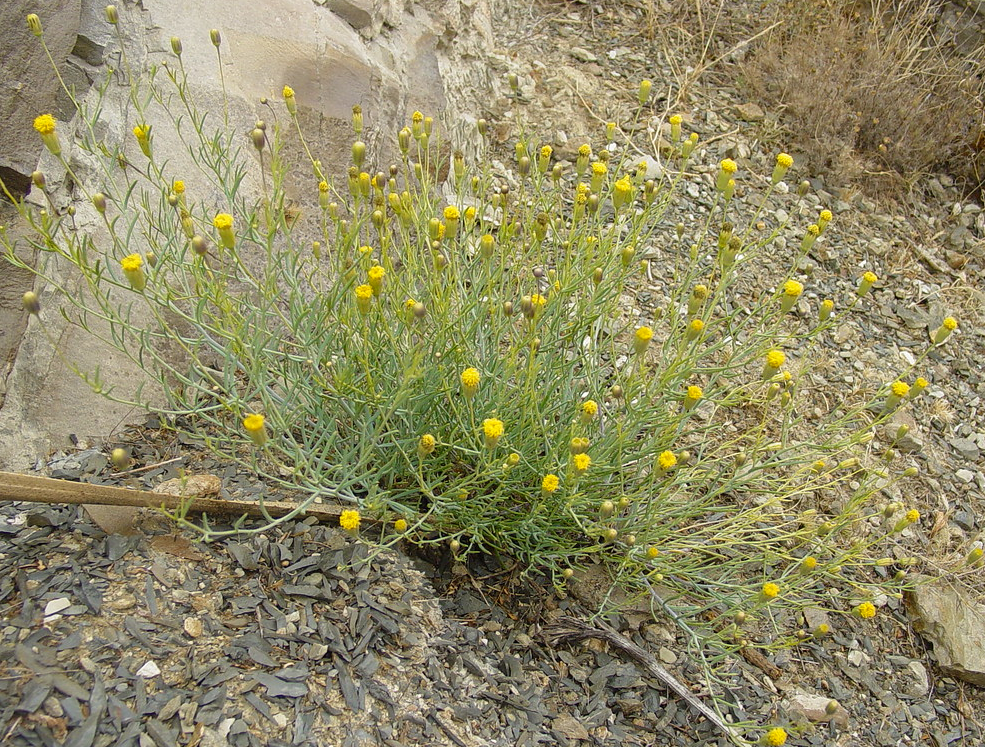
Quelite : Porophyllum scoparium delves into this herb from a Mexican point of view (1). Here we look at it from the other side of the Rio Bravo (the Rio Grande if you’re standing on its northern banks).
- I go into greater detail of its culinary and its medicinal usage. This plant is very interesting is that it is being used in a clinical environment by Doctors in Mexico City
Also called : West Texas poreleaf,
The plant of the week is Trans-Pecos Poreleaf (Porophyllum scoparium), one of the many members of Asteraceae. It grows in sandy and rocky soils in arroyos and mountain sides in southern New Mexico into the Big Bend region of Texas and adjoining Mexico.
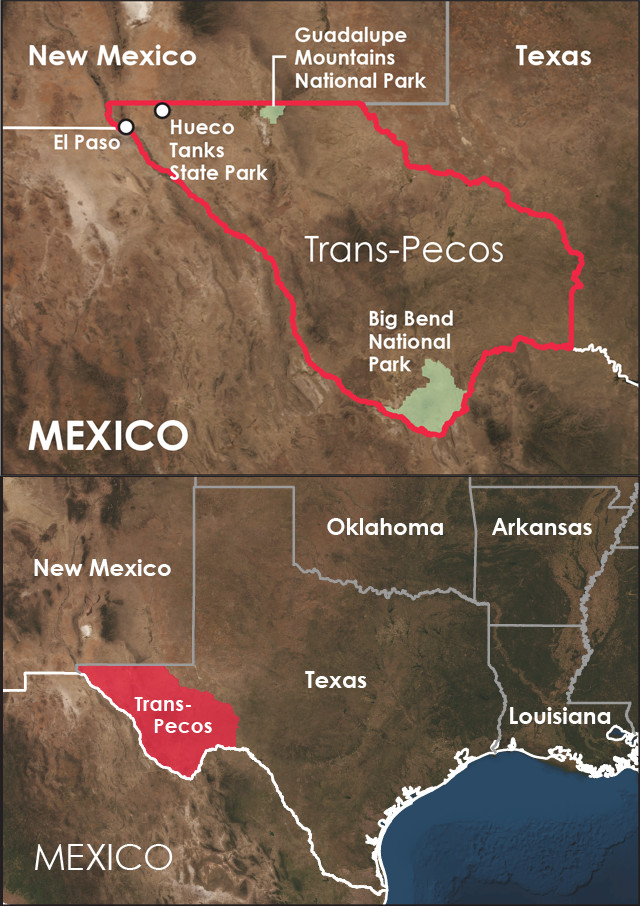
The Trans-Pecos, as originally defined in 1887 by the Texas geologist Robert T. Hill, is a 19-million-acre geographic region in Far West Texas located west of the Pecos River. The term is considered synonymous with Far West Texas, a subdivision of West Texas. It is characterized by arid, mountainous, and desert landscapes—part of the Chihuahuan Desert—featuring high biodiversity, including canyons, sand hills, and mountain peaks
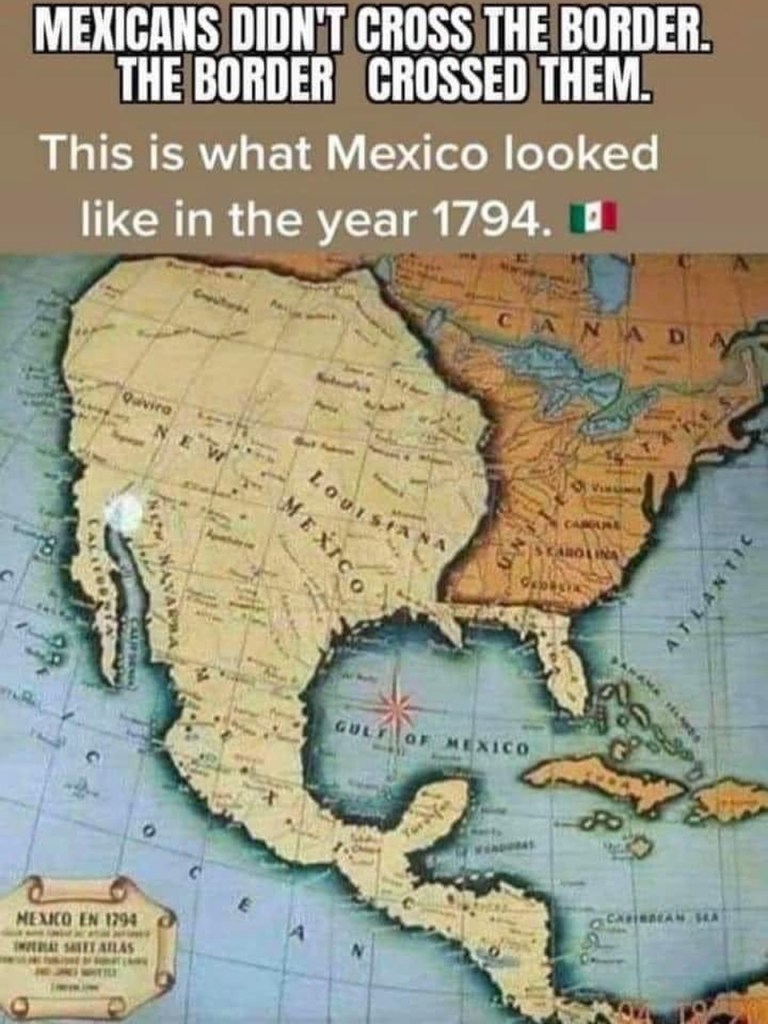
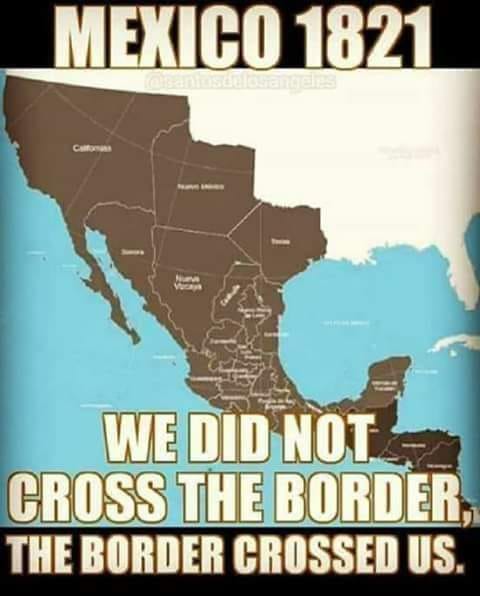
This herb is in every essence a Mexican herb simply by dint of its location. It is often said, particularly of people in this area, that they did not cross the border but that the border crossed them. This is true as much of this land was the territory of Mexico not that long ago.
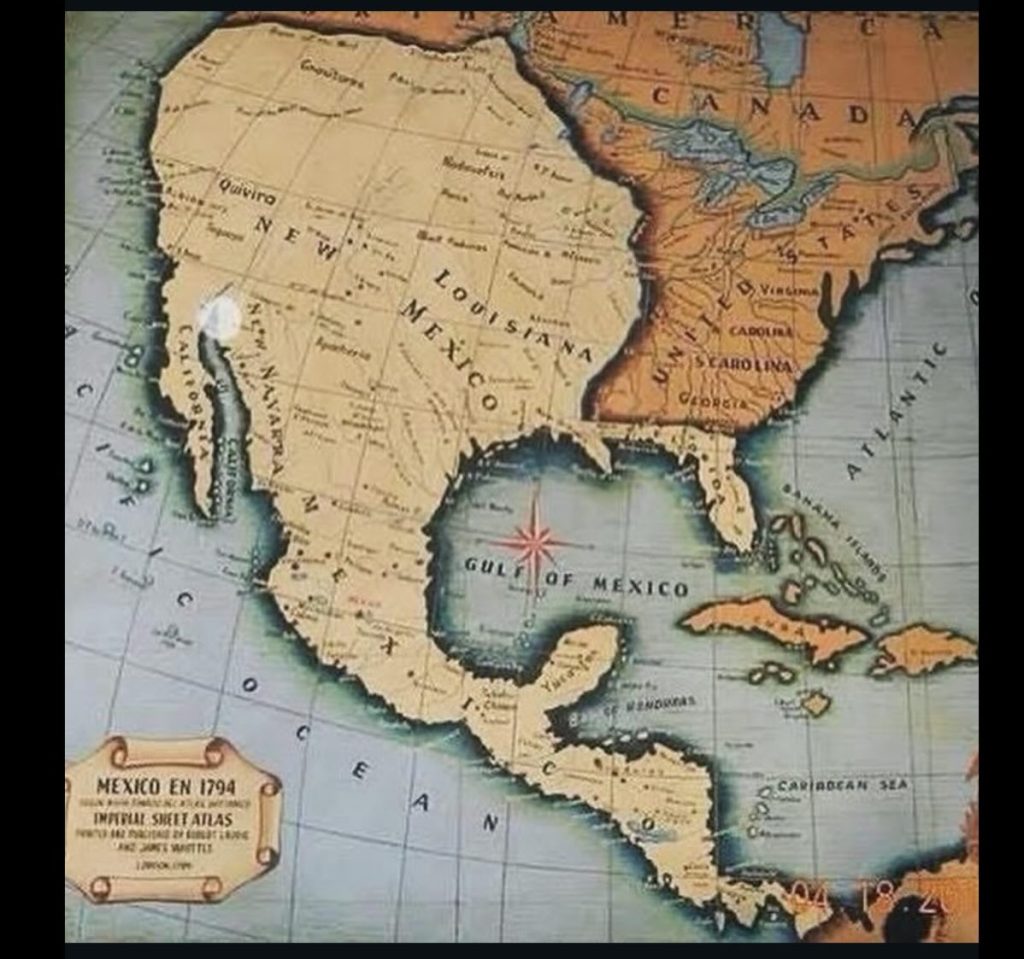
1794
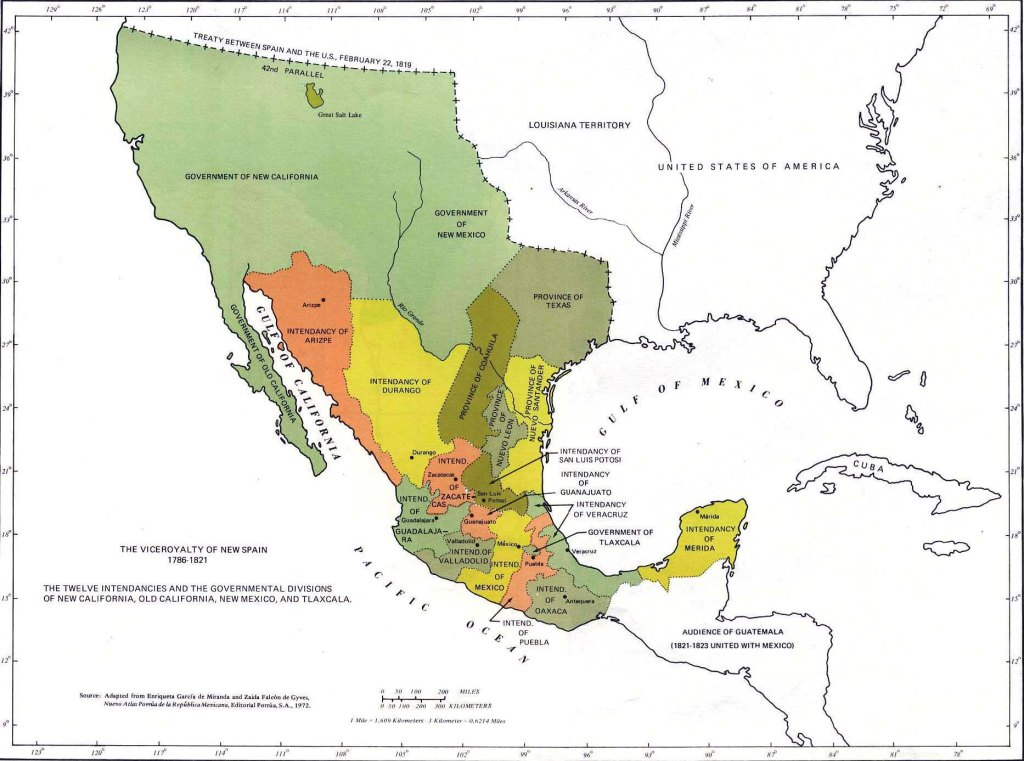
The Viceroyalty of New Spain,
1786-1821
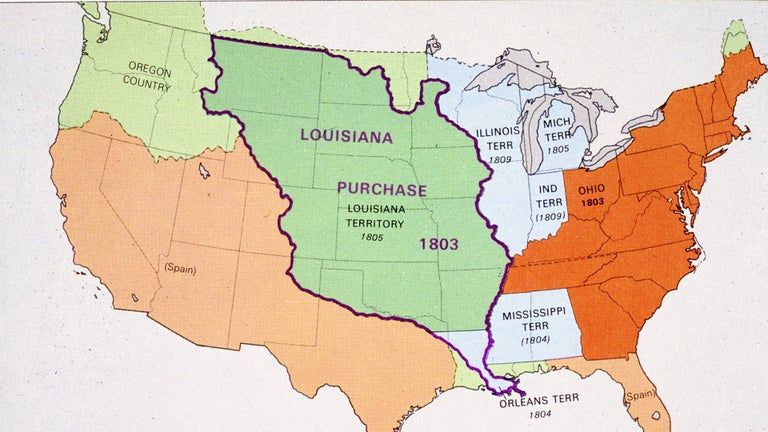
1803
Map 1 : 1794 : is often used in reference to being “crossed by the border” but, as has been pointed out, “Mexico was not an independent nation at the time of this map. It declared independence on September 28, 1821, and it wasn’t even recognized by Spain until 1836. France administered most of the map (you cite) until the US purchased the Louisiana territories from Napoleon in 1803, (which is shown in Map 3). Spain administered the rest until 1821 at the earliest. Santa Anna ceded Texas in 1836, the independent nation of Mexico controlled their Northern territories for a grand total of 27 years (if we are to be generous)”, regardless of this statement the United States of America did not own the land (irregardless of its current owners being called “Mexico” or not) and they seized it by war.

Plants don’t care for politics or human boundaries though. (They just wait for us to die so that we can be buried and fertilise the soil).

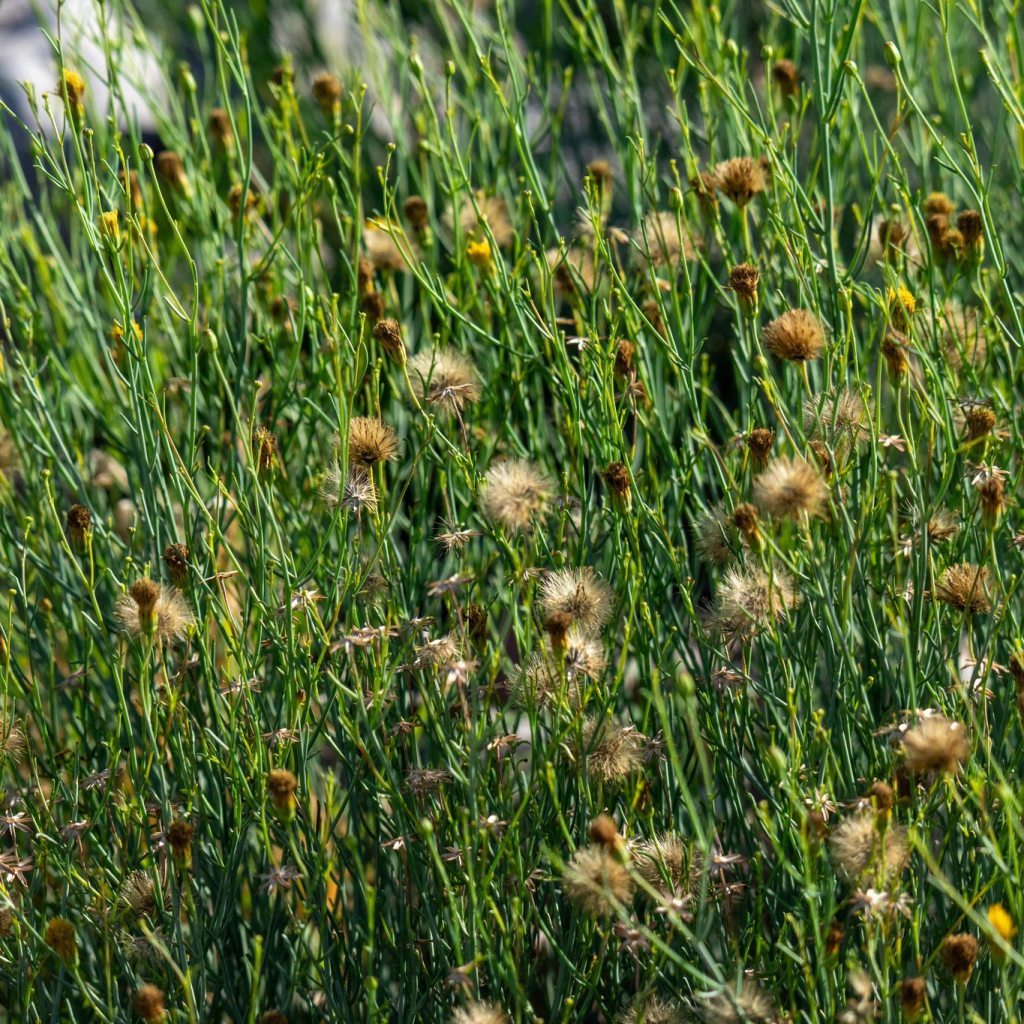
Trans-pecos pore leaf is a shrubby perennial which grows to about two feet (60cm) tall. A few thread-like leaves grow along the stem, but often this plant, when out of bloom, could be mistaken for a small desert broom or Mormon tea. The rayless yellow blossoms appear mostly after rains and attract a wide diversity of pollinators.
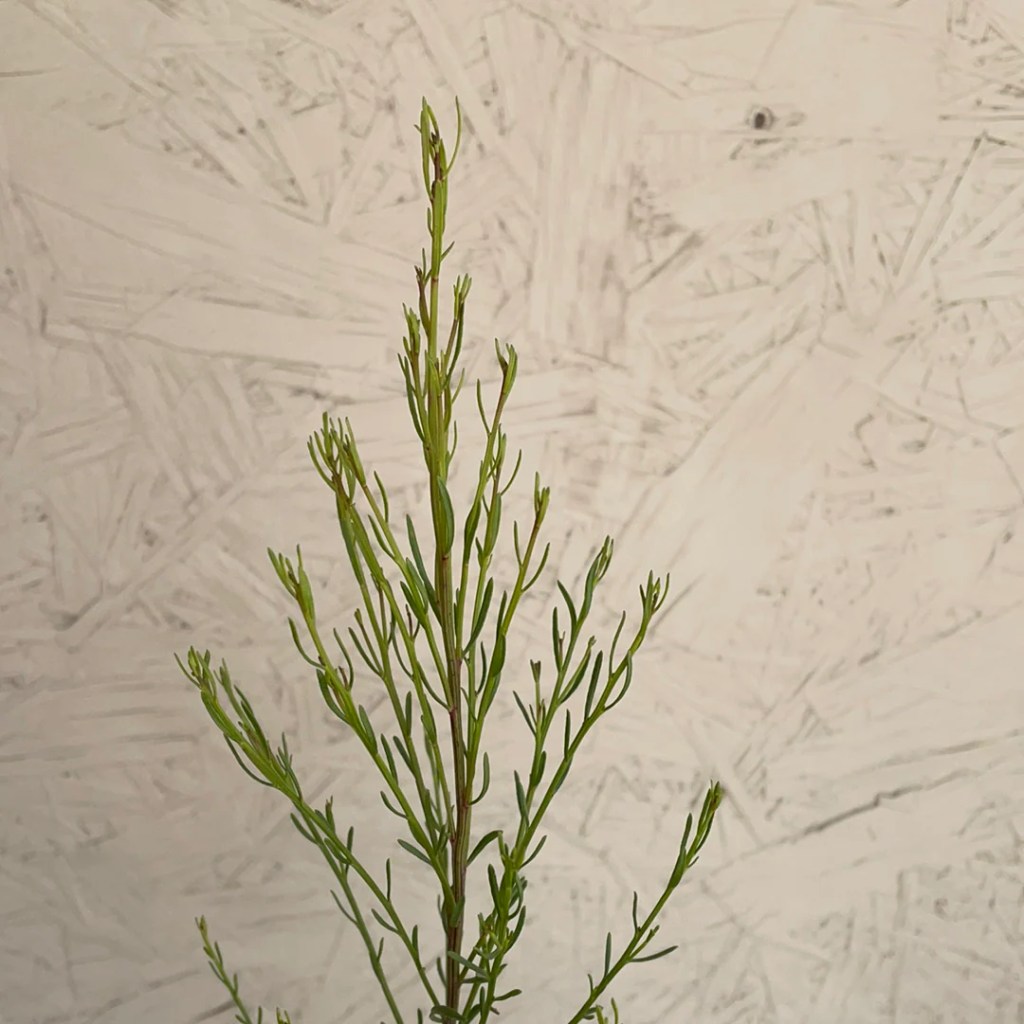
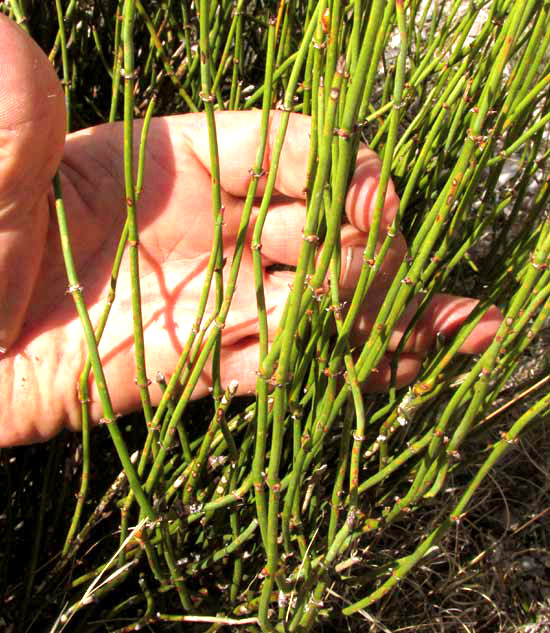
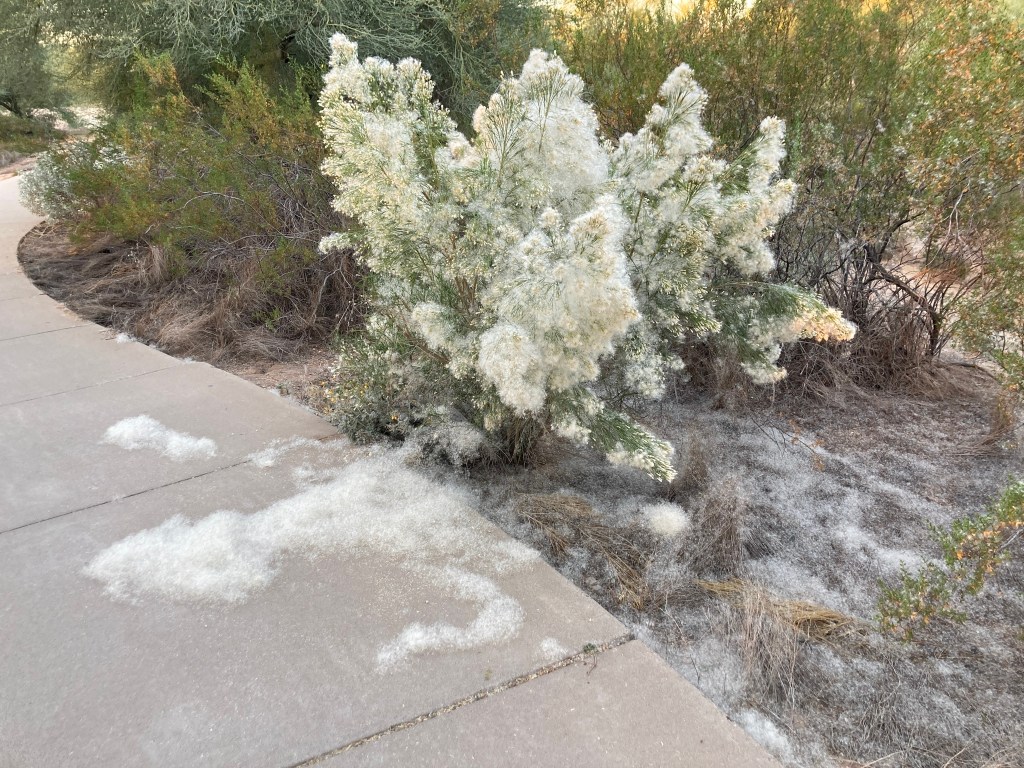
Desert Broom : Baccharis sarothroides
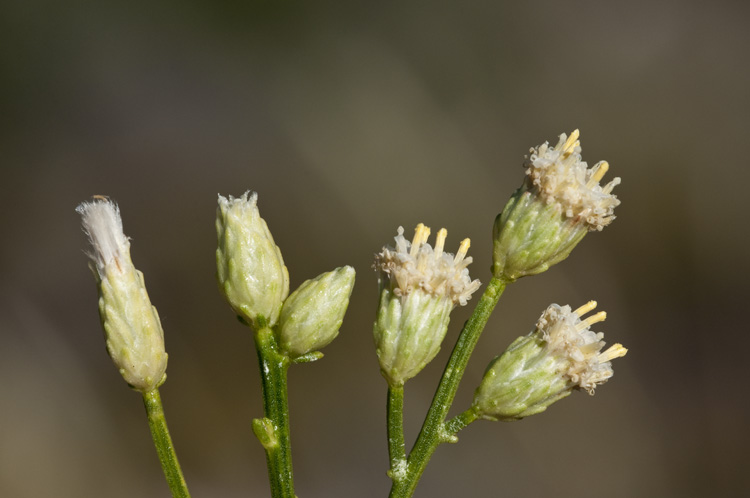
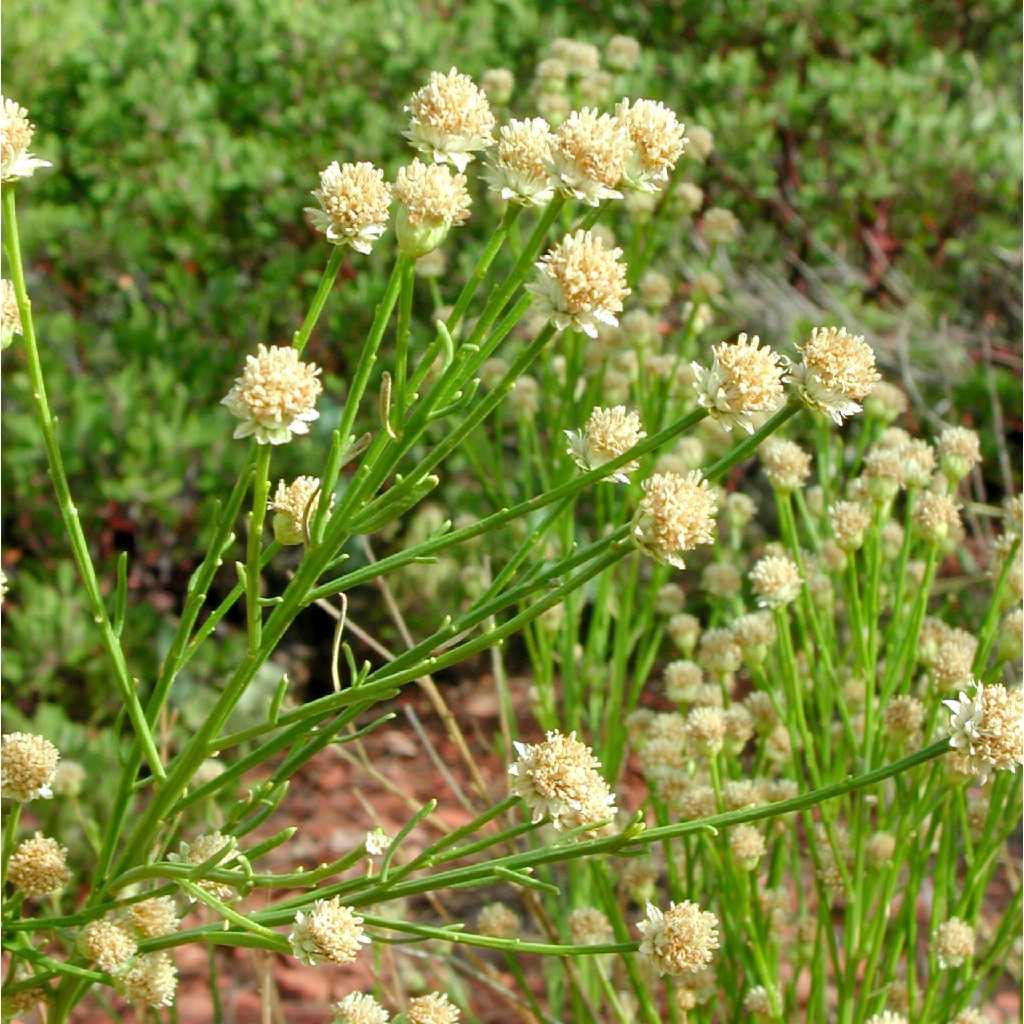
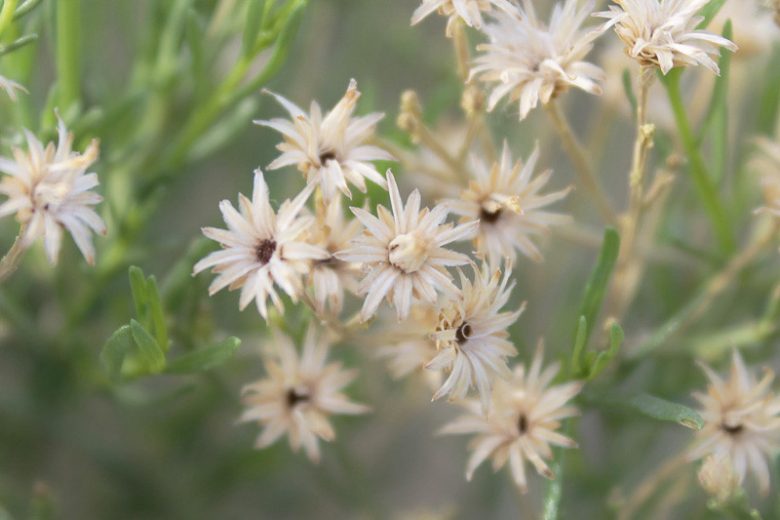
Baccharis sarothroides is a North American species of flowering shrub known by the common names broom baccharis, desertbroom, greasewood, rosin-bush and groundsel in English and “escoba amarga” or “romerillo” in Spanish. This is a spreading, woody shrub usually sticky with glandular secretions along the primarily leafless green stems. The small, thick leaves are a few centimeters long and are absent much of the year, giving the shrub a spindly, twiggy appearance. It flowers abundantly with tiny green blooms on separate male and female plants. In late summer the female flowers produce large amounts of seed in flamboyant fluffy white seed heads. The immature male flowers bear a resemblance to the flowers of the Porophyllums so I can see how these plants (at certain stages) might be confuse for one another.
Mormon Tea
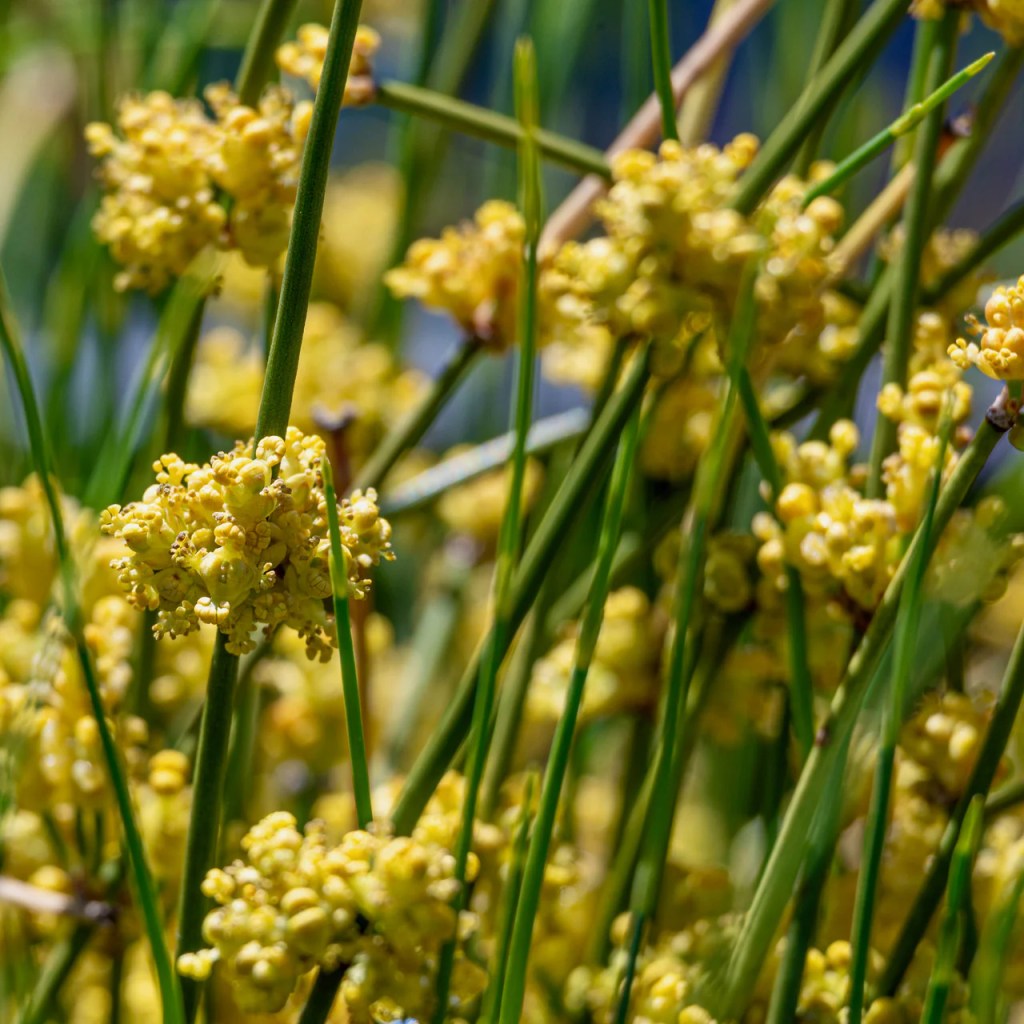
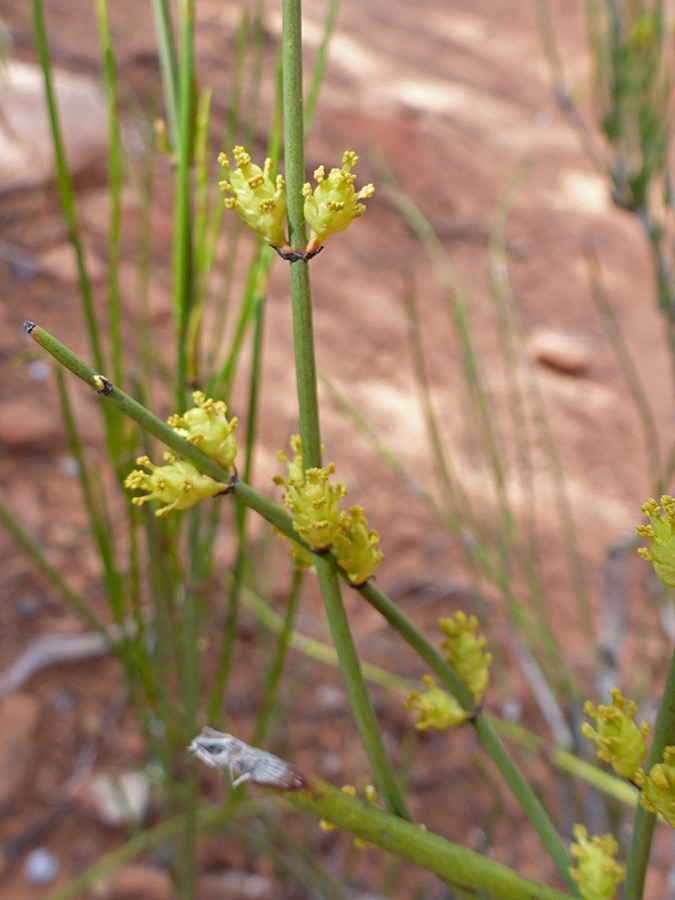
Early Mormon pioneers steeped the green or dry twigs of the Ephedra species in boiling water to make a tea both as a social drink and as a medicinal infusion, a use likely adopted from local Native American tribes (Bashor 2016). Native Americans made a tea of stems and also a coffee-like tea from the roasted seeds, for both drink and medicinal purposes (USDA NRCS), to treat such ailments as coughs, colds, rheumatism, stomach ulcers, kidney problems, and anaemia (Moerman 1998). The Shoshoni, Havasupai, Paiute, and other tribes also used an infusion of the plant (minus the root) to treat various venereal diseases, including gonorrhoea and syphilis (1). The Navajo of Arizona gathered the twigs and leaves and boiled them with alum to produce a light-tan colour dye (ASM & Wyman 1951). Navajos, Paiutes and other tribes have used the mature crushed stems for a yellowish green dye (Native Memory Project 2021).
- uses that likely contributed to another common name, whorehouse tea (González-Juárez et al 2020)
No-one is mistaking the flowers of Mormon Tea for those of Porophyllums. The thin leaved foliage might though (at a distance maybe).
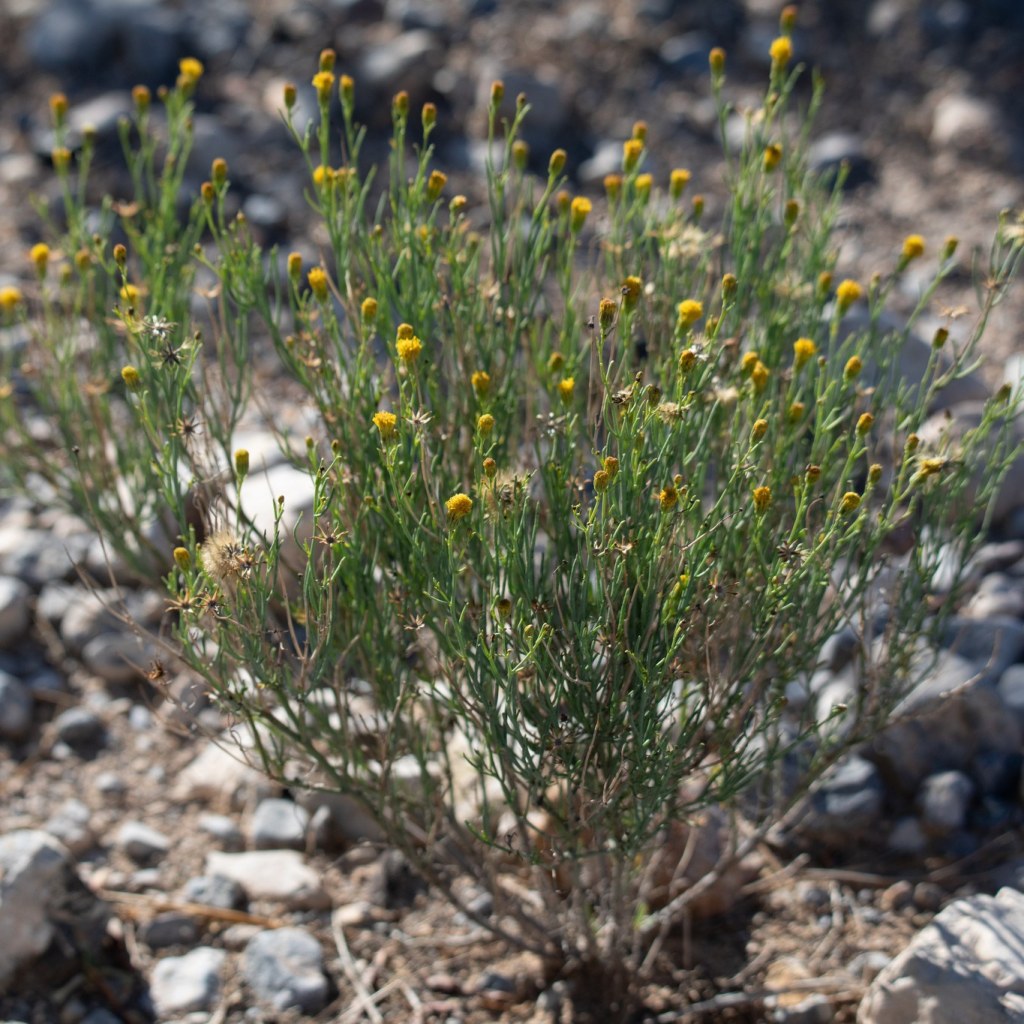
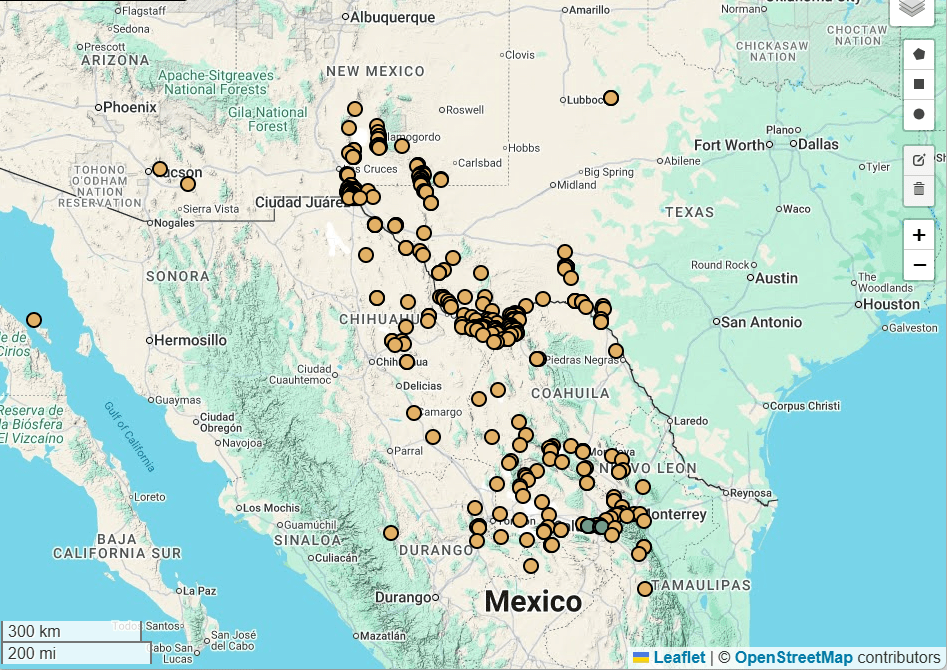
Porophyllum scoparium is native to the semi-arid, warm temperate to subtropical regions of southwestern USA and northern Mexico. In the United States it is found in southern New Mexico, Texas (specifically the Trans-Pecos/Big Bend region), and Arizona. Its range extends into northern Mexico, specifically in the states of Chihuahua, Coahuila, Nuevo León, Durango, San Luis Potosí, and Zacatecas
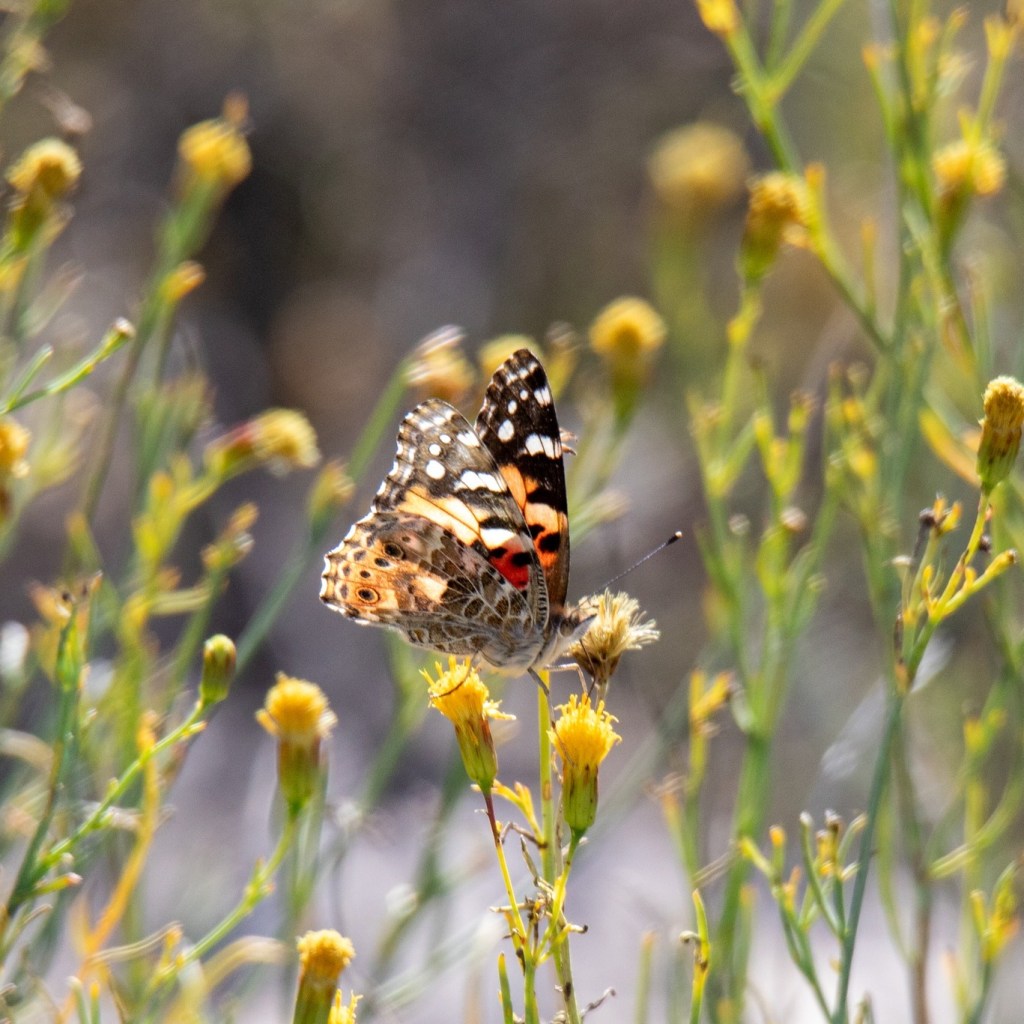
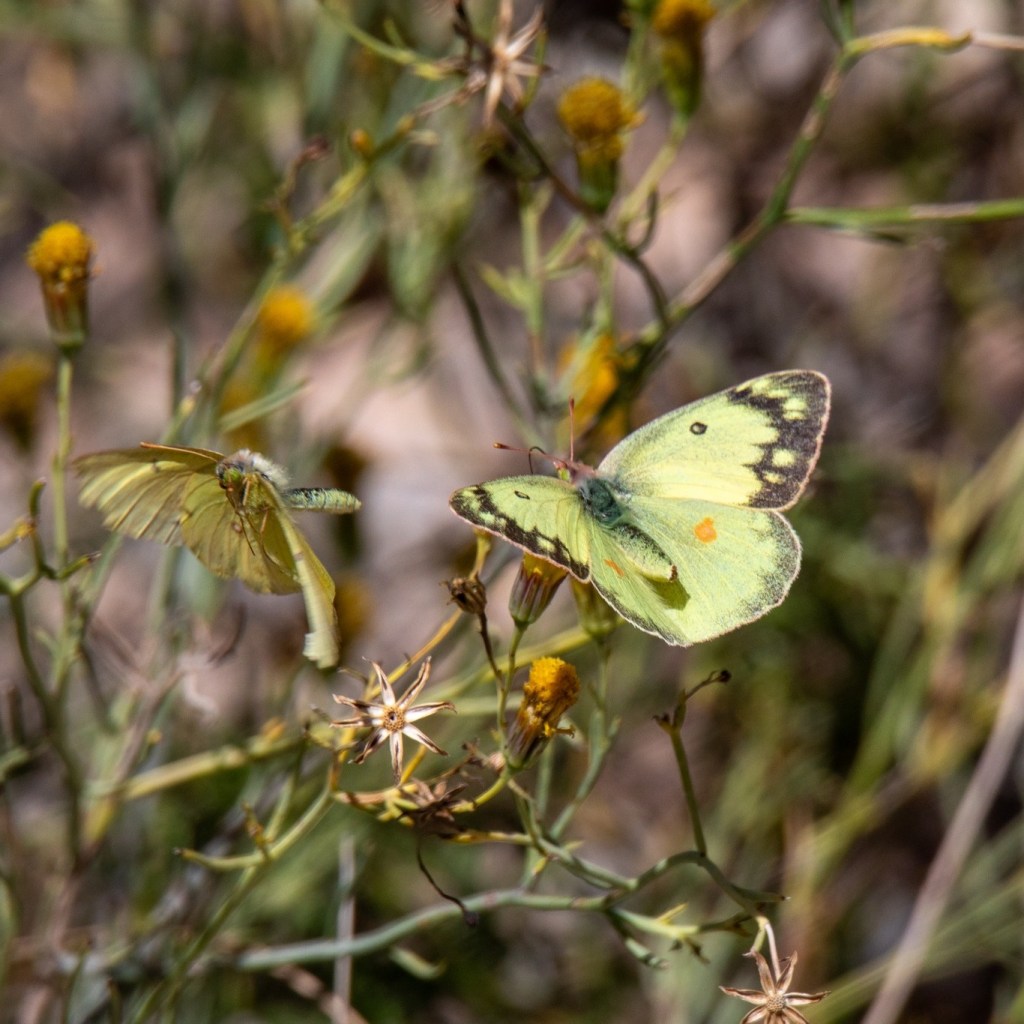
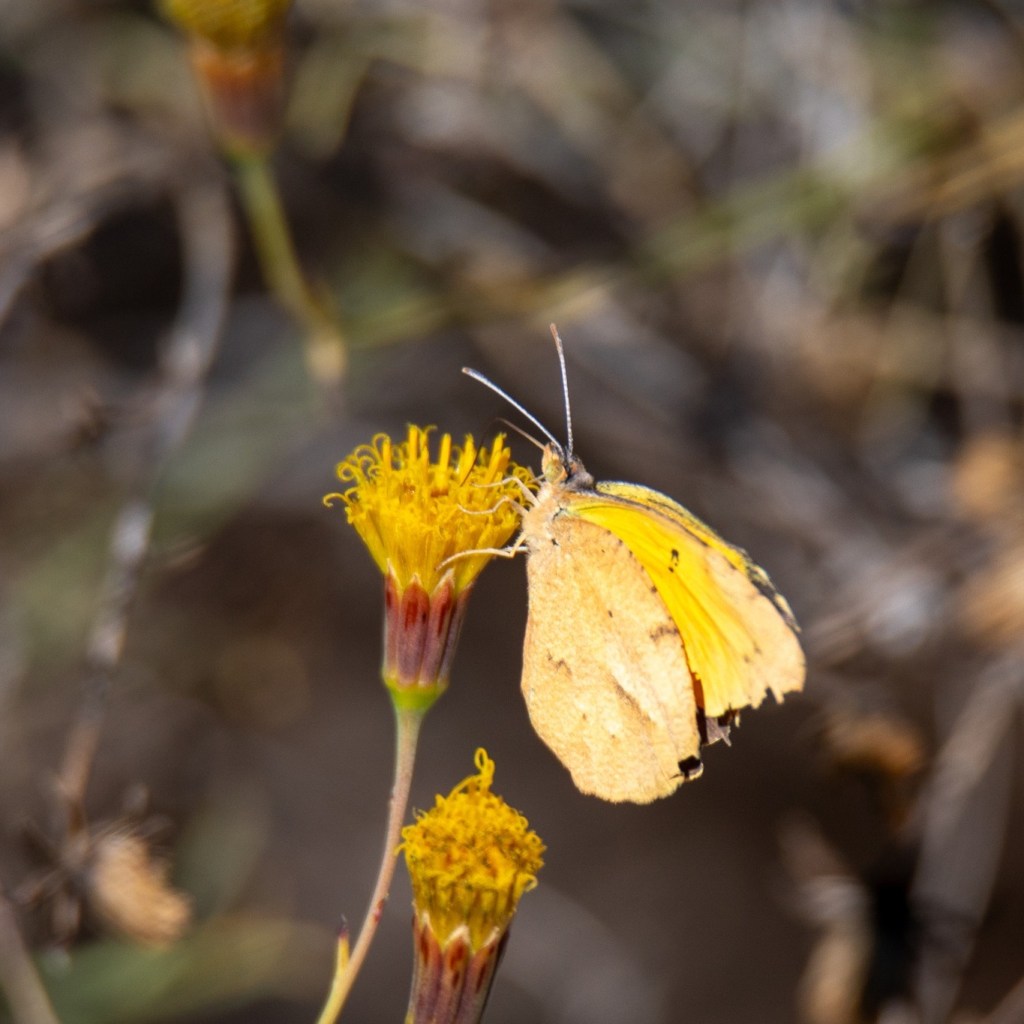
The U.S. National Park service shows us why these plants are called papalo(tl) or “butterfly” herb.
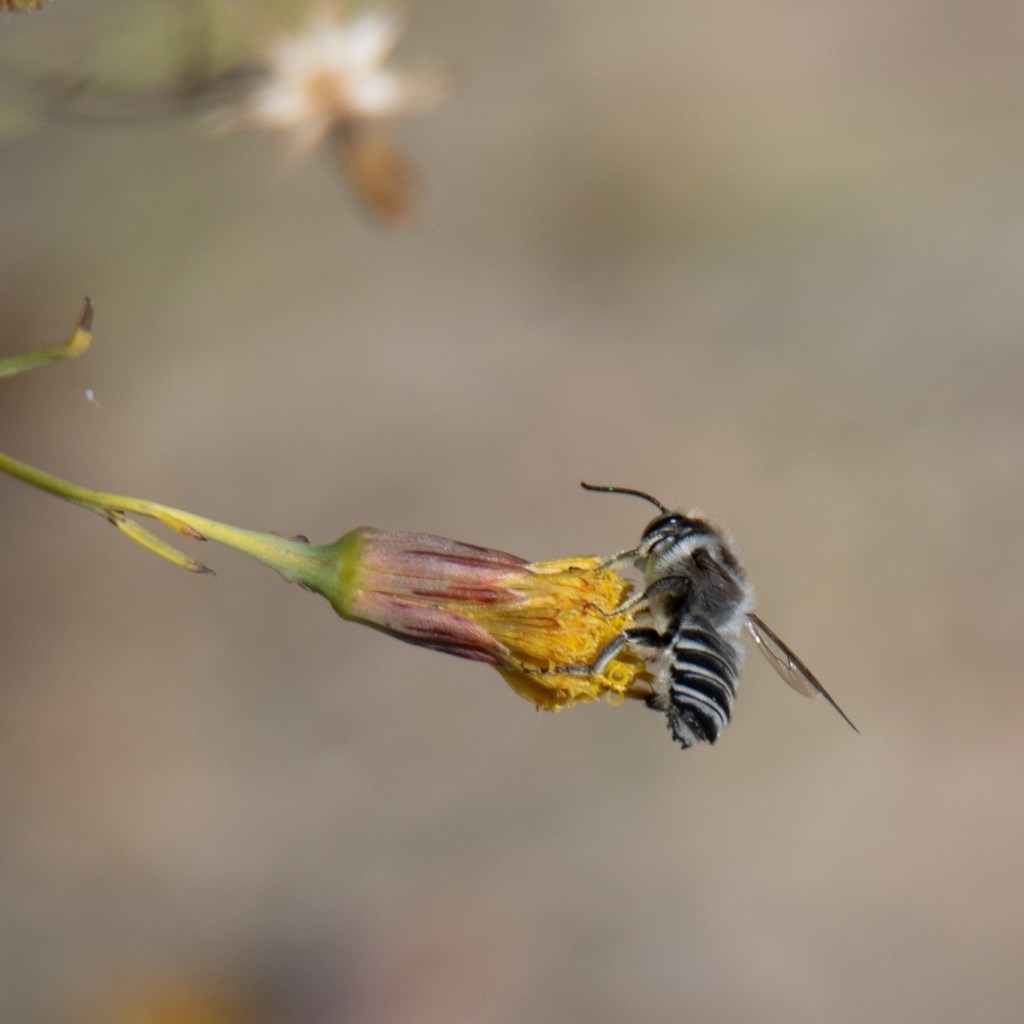
And why wouldn’t a bee want to be in on the action?
References
- ASM (Arizona State Museum) & Wyman, Leland C. (1951). The Ethnobotany of the Kayenta Navaho: An Analysis of the John and Louisa Wetherill Ethnobotanical Collection.
- Bashore, M.L. 2016. Quitting Coffee and Tea: Marketing Alternatives Hot Drinks to Mormons. Journal of Mormon History, 42(1), pp.73-104.
- González-Juárez, D.E., Escobedo-Moratilla, A., Flores, J., Hidalgo-Figueroa, S., Martínez-Tagüeña, N., Morales-Jiménez, J., Muñiz-Ramírez, A., Pastor-Palacios, G., Pérez-Miranda, S., Ramírez-Hernández, A. and Trujillo, J., 2020. A review of the Ephedra genus: distribution, ecology, ethnobotany, phytochemistry and pharmacological properties. Molecules, 25(14), p.3283.
- Moerman, Daniel E. 1998. Native American Ethnobotany. Timber Press (OR).
- Native Memory Project, “Green Ephedra” 17 June 2021, nativememoryproject.org/plant/green-ephedra/
- Powell, A. M. (1998). Trees & Shrubs of the Trans-Pecos and Adjacent Areas (2nd ed.). University of Texas Press.
Websites
- USDA NRCS National Plant Data Team. “Ephedra viridis Coville Plant Profile.” USDA Plants Database, plants.usda.gov/home/plantProfile?symbol=EPVI.
- West Texas poreleaf, – https://www.sciencesource.com/1433480-west-texas-poreleaf.html
Images
- Desert Broom (Baccharis sarothroides) (small) – https://plant-material.com/products/baccharis-sarothroides-desert-broom
- Desert broom female flower – https://www.gardenia.net/plant/baccharis-sarothroides
- Desert broom flower bud – https://gardeningwithsoule.net/desert-broom-5-reasons-to-celebrate/
- Desert broom opened flowers – https://swbiodiversity.org/seinet/taxa/index.php?taxauthid=1&taxon=1364&clid=1
- Desert broom seeding – https://www.inaturalist.org/observations/102605117
- Mormon tea (Ephedra species) – https://backyardnature.net/mexnat/ephedra.htm
- Photos by Kevin Floyd, El Paso Chapter New Mexico (U.S. National Park Service)
- Painted lady butterfly
- A smaller individual in bloom
- The numerous cypselae (fruits) have tufts that help with wind dispersal
- A leafcutter bee
- Sleepy orange butterfly
- Two Southern dogface butterflies
- Map of observations on iNaturalist.org
- Trans-pecos map (image) : Travels in Geology: Touring Texas’ Trans-Pecos – https://www.earthmagazine.org/article/travels-geology-touring-texas-trans-pecos/#google_vignette
 Masa Americana