
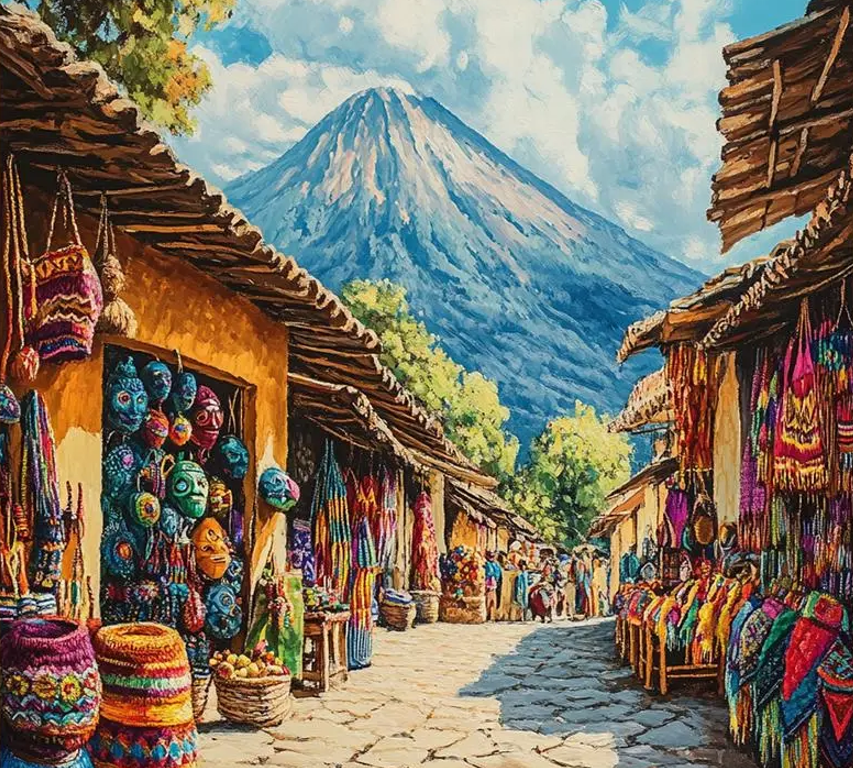
I have a small (but growing) collection of masks and I am ever on the lookout for new additions, particularly from Mexico. I find it fascinating thinking of the journey the mask made to end up in Australia and into my hands. For some reason (maybe clumsiness?) I prefer wooden masks over the clay/ceramic ones. I like the feel of wood, the story it tells of being shaped at the hands of an artist can be seen and felt in the wood.
Mascaras Mexicanas : Mi Colección
Mascara Mexicana? Mexican Mask?
I recently acquired a mask of a moon spirit from Grenada (It doesn’t really bear any relevance to this story though. Its just a cool mask). This one is interesting in that it has been made from bamboo.
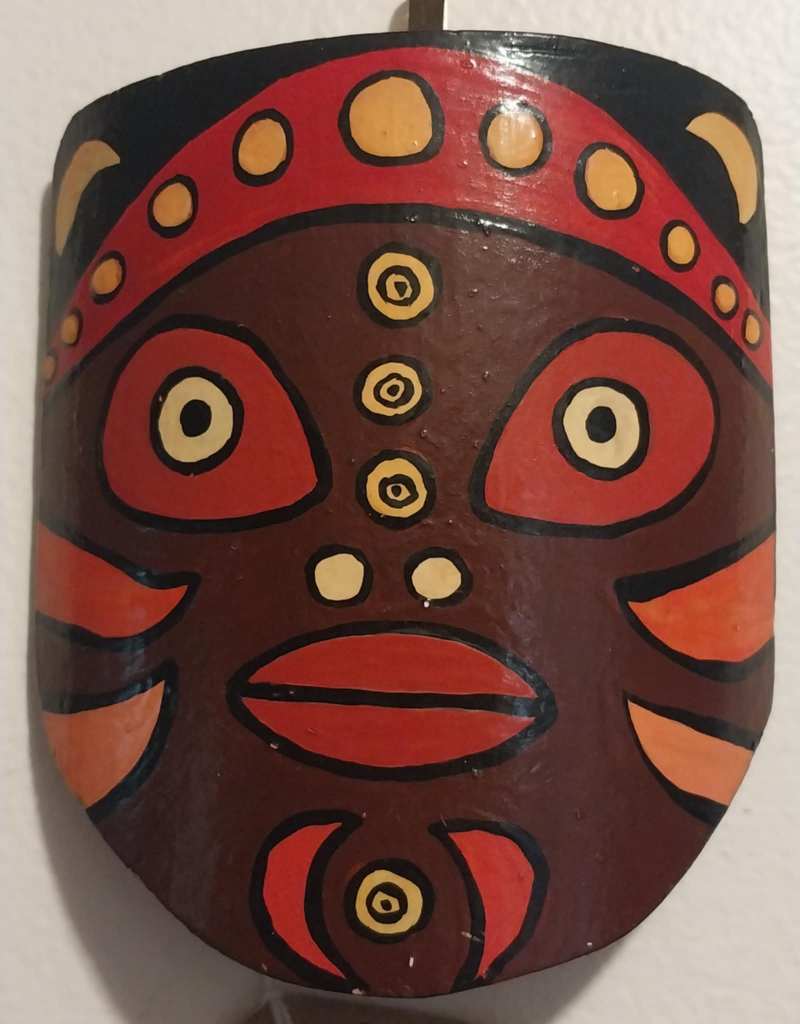
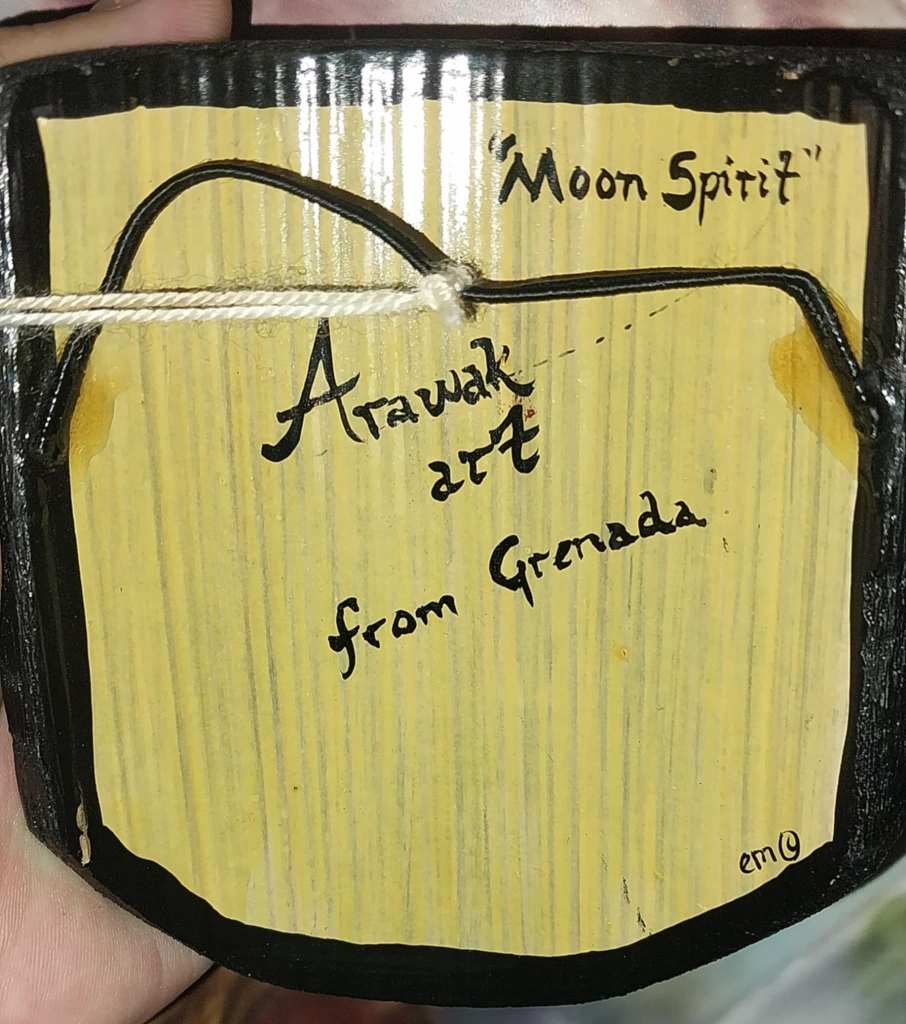
I only add this here as I have (somewhat cheekily I think) hung this mask above the Bakunawa mask I have in my collection. I also say “cheekily” as the Bakunawa is serpent with a proclivity for eating moons. Discover the legend of the Bakunawa at Mis Mascaras : The Bakunawa
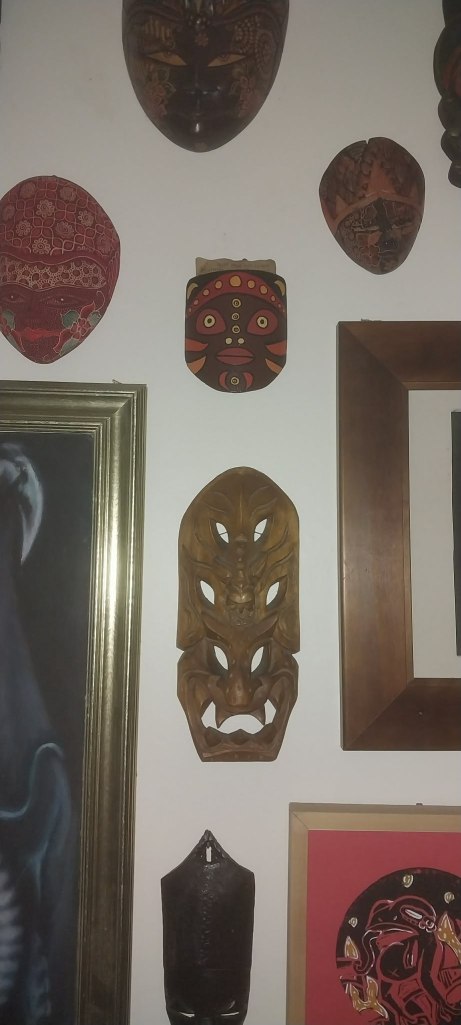
The latest mask to enter my collection (via Facebook Marketplace) is from the lands of the Maya in Guatemala.
Guatemala, (officially the Republic of Guatemala) (1), is a country in Central America (2). It is nestled snugly between the southern border of Mexico, the western border of Belize and the northern borders of Honduras and El Salvador.
- República de Guatemala
- Along with Belize, Costa Rica, El Salvador, Honduras, Nicaragua, and Panama.
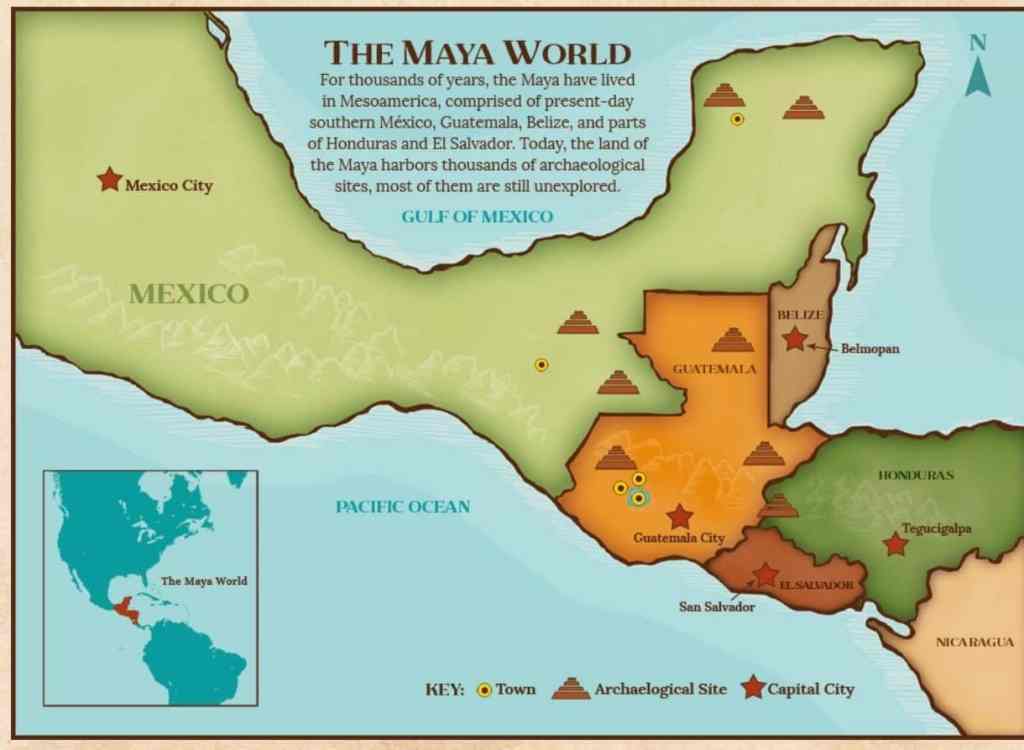
Guatemala
The estimated population of Guatemala in 2025 was approximately 18.6 million to 18.7 million people, Guatemala is the most populous country in Central America, the fourth most populous country in North America and the 11th most populous country in the Americas.
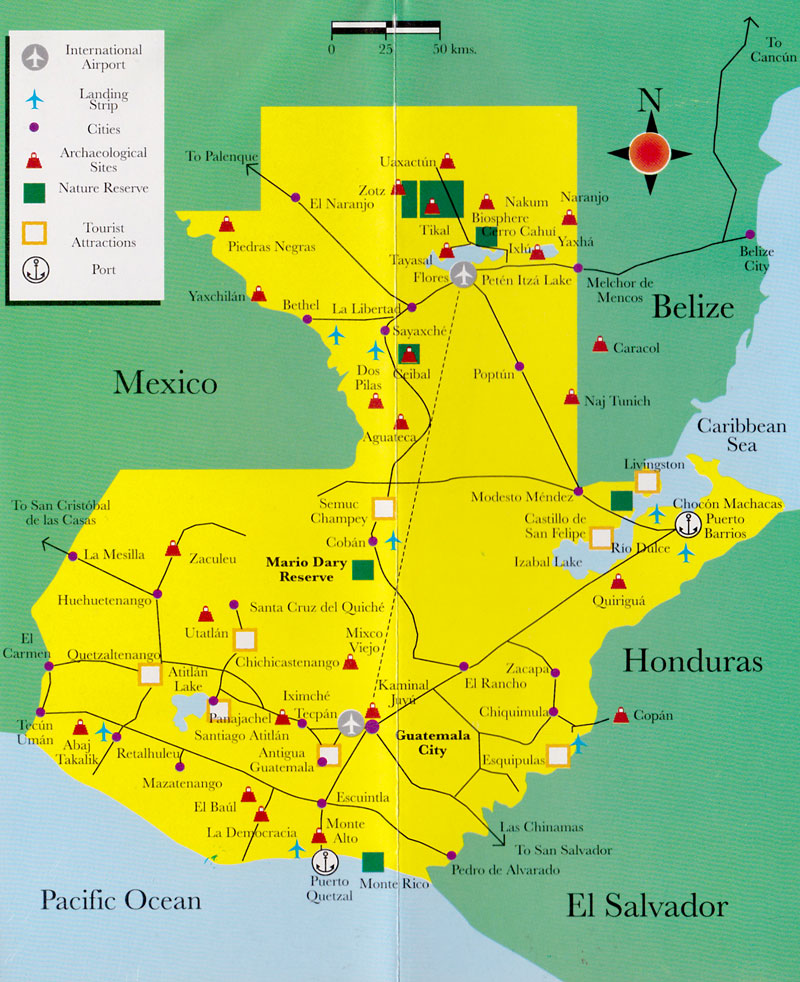
Guatemala is important to the Americas as it was the core of the Mayan civilisation (1)
- The Maya civilization was located in Mesoamerica, spanning a large region that included southeastern Mexico (covering the entire Yucatán Peninsula), all of Guatemala and Belize, and the western parts of Honduras and El Salvador.
The Classic period of Mesoamerican civilization (1) corresponds to the peak of the Maya civilization. This era also witnessed the height of Teotihuacan. For reference sake the Mexica/Azteca did not enter the Valley of Mexico until around 1250 AD.
- 250 – 900 AD
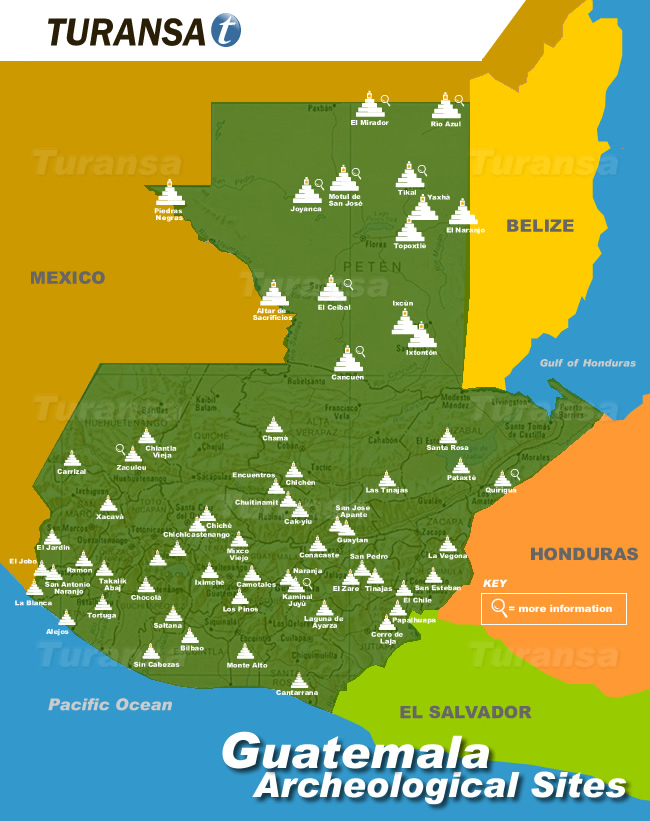
The territory of modern Guatemala hosted the core of the Maya civilization, which extended across Mesoamerica and which is represented by countless archaeological sites throughout Guatemala.
The map below shows some of the more “important” archaeological sites in Guatemala.
Masks can have a deeply spiritual significance in the Mayan culture and are often play a part in religious ceremonies. They are believed to have the power to connect the wearer with the gods and ancestors and are used to communicate with the spirit world.
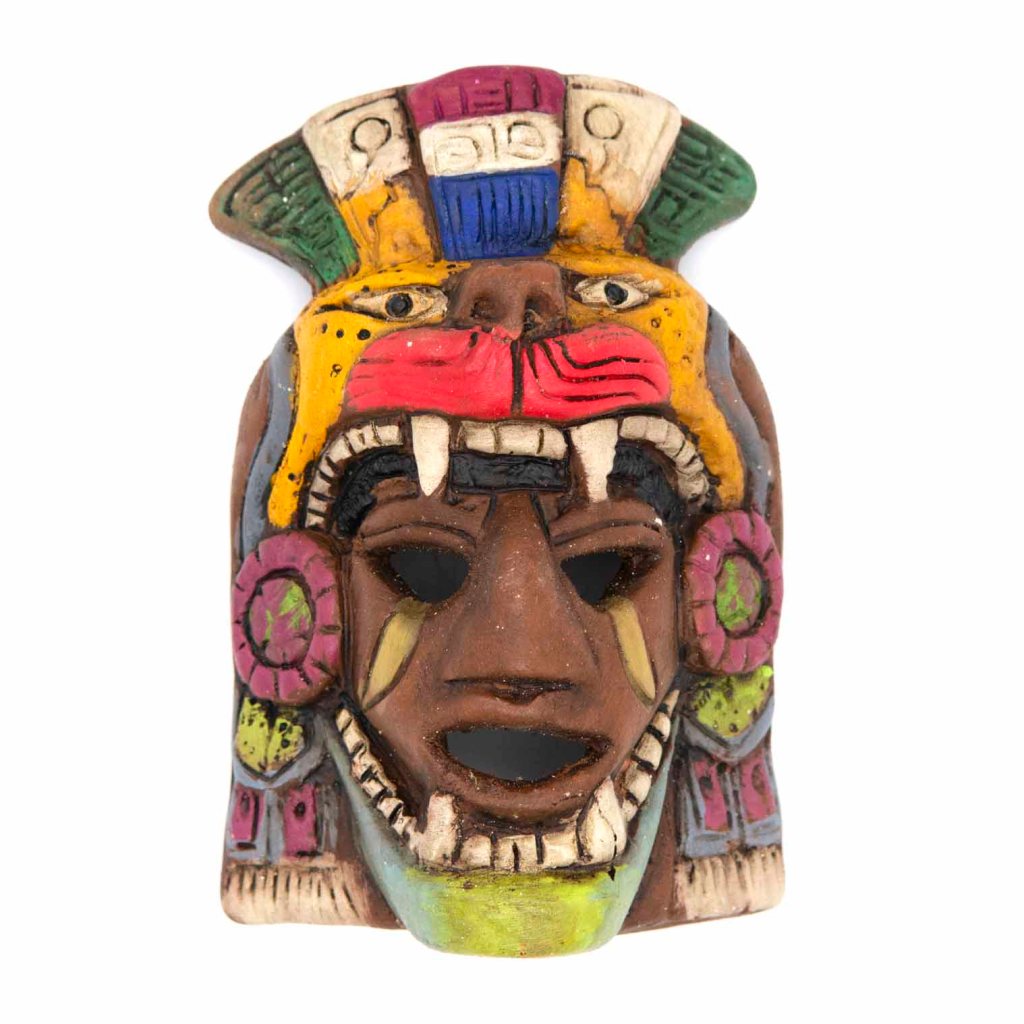
Mayan masks are often decorated with symbols and designs that represent the gods or spirits they are intended to honor.
Masks are more than costumes; they are seen as transformative tools. When a dancer dons a mask, they are believed to connect with or inhabit the essence of the deity, ancestor, or animal represented.
This is deeply rooted in Mayan cosmovision, where the boundary between the human and spirit worlds is fluid.
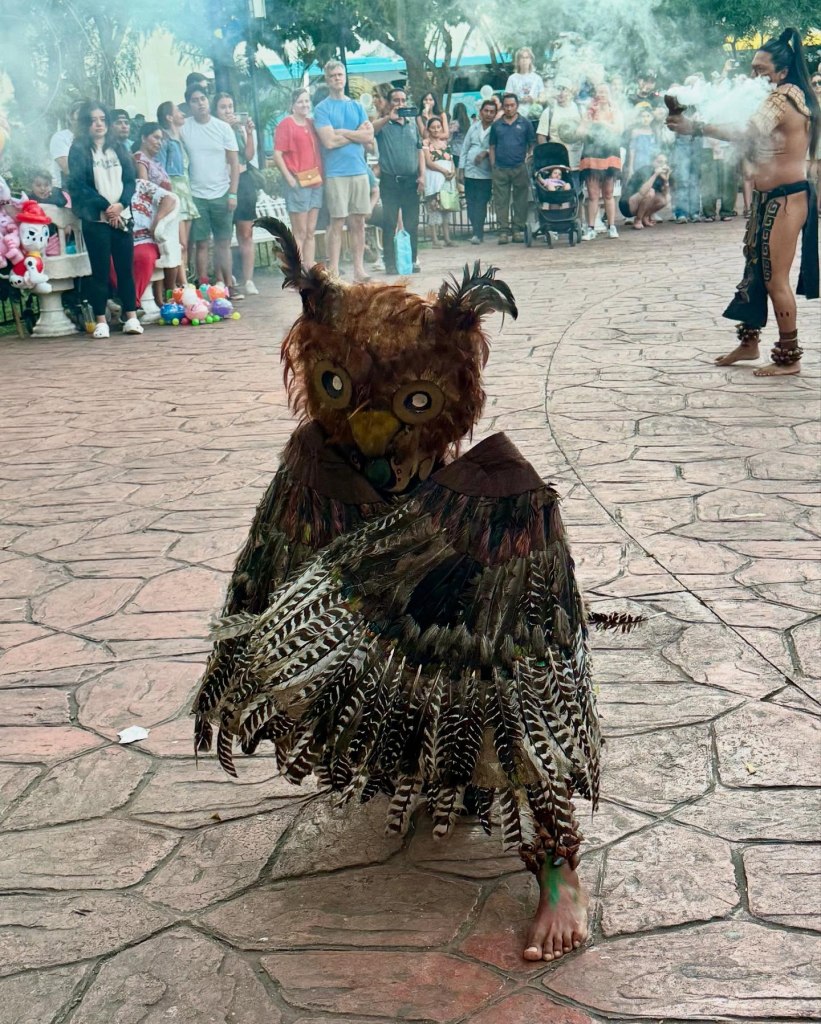
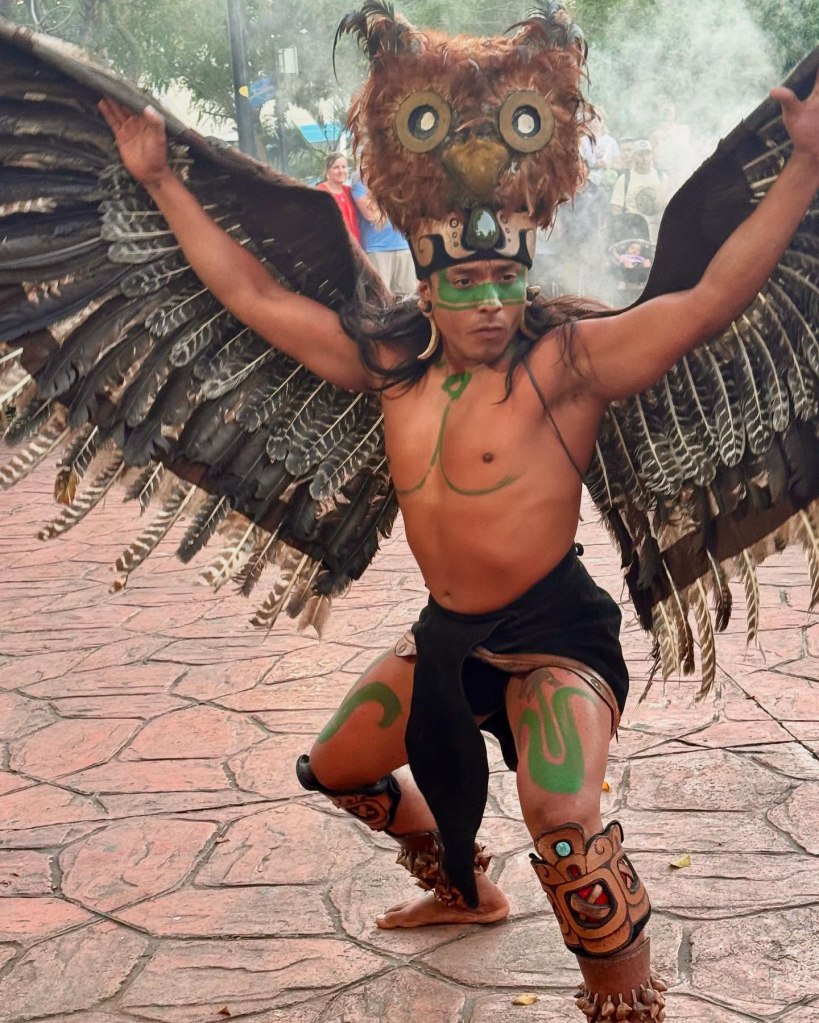
The Dance of the Owl is a pre-Hispanic performance which in this case was performed Xcaret Park in the Riviera Maya (1) in Mexico. Although the owl is often associated with death, this dance showcases the owl as a messenger, wise counsellor, and guide through the unknown.
- The Riviera Maya is a stretch of Caribbean coastline on Mexico’s northeastern Yucatán Peninsula.
Xcaret
Xcaret Park is a privately owned and operated eco-theme park, resort and self-described ecotourism development located in the Riviera Maya, a portion of the Caribbean coastline of the Mexican state of Quintana Roo.
The park educates over one million visitors per year about Mayan history, local marine and wildlife, indigenous culture, and the delicate ecosystem that defines the Mexican Caribbean.
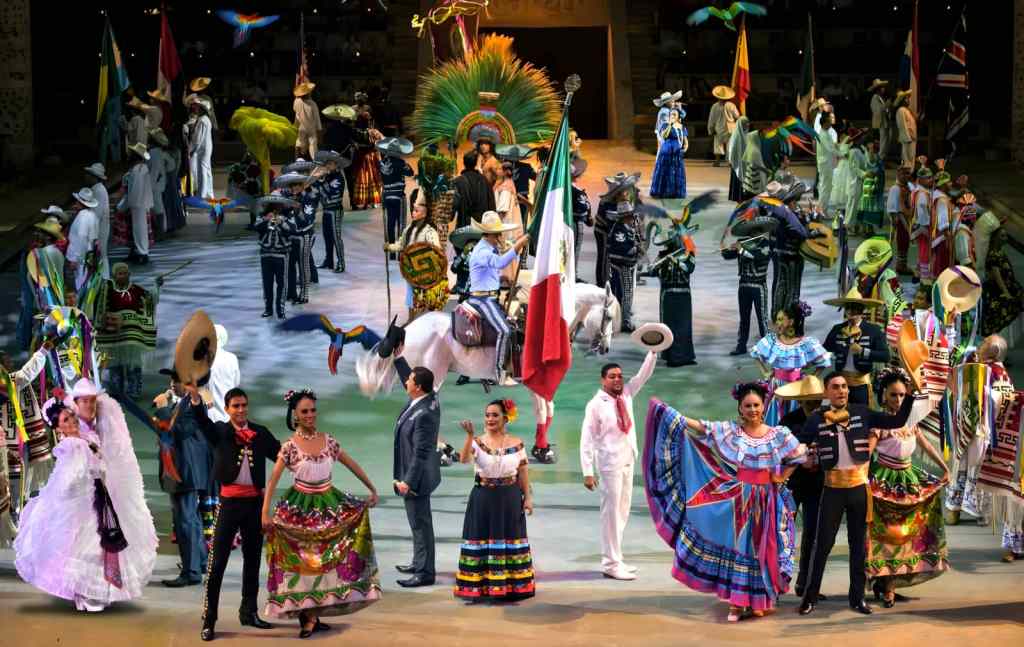
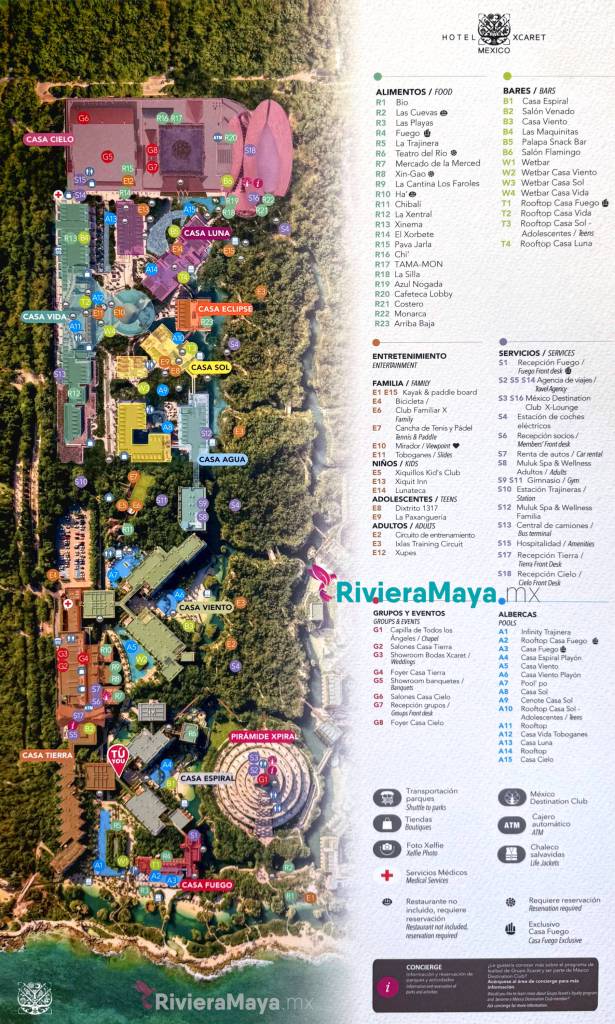
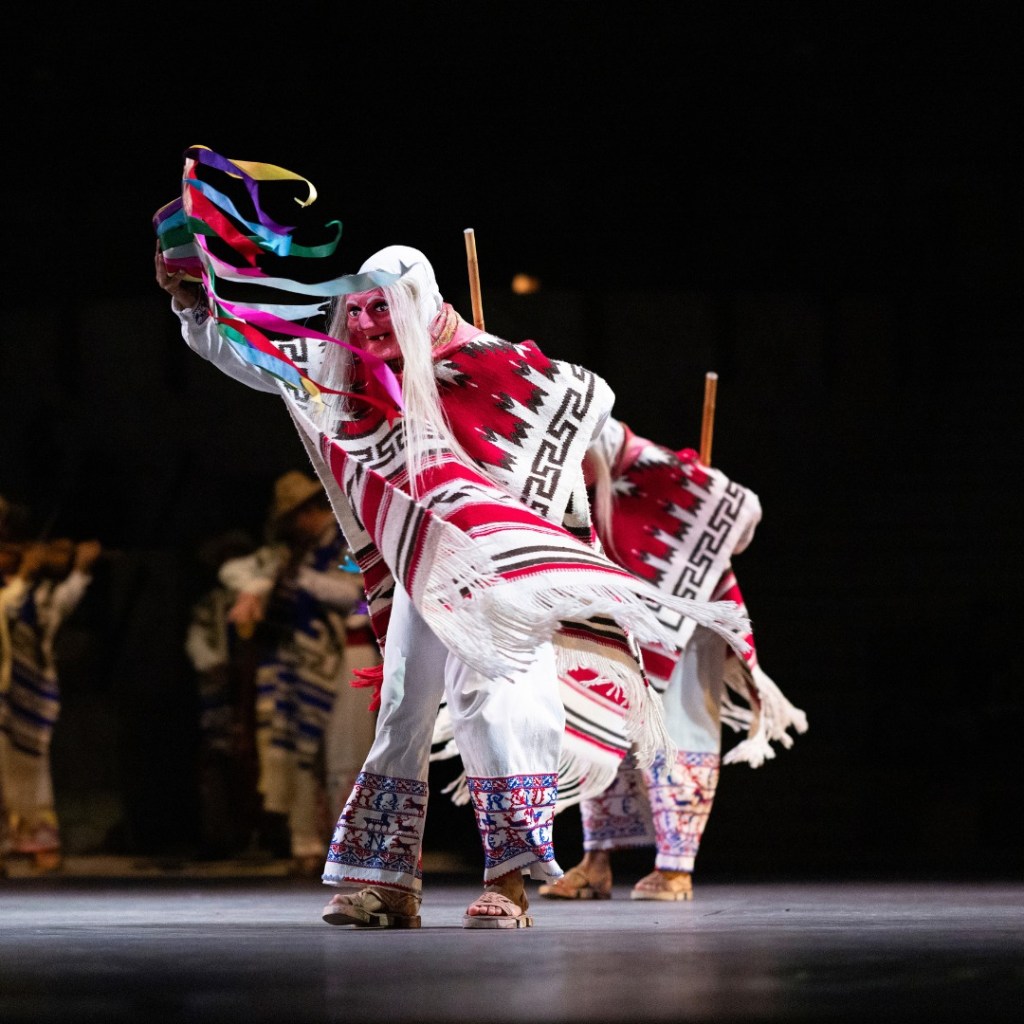
In 1984 the current Xcaret property was purchased by Miguel Quintana Pali who had fallen in love with this 12 acre piece of land. Miguel was an architect who was looking for the “perfect personal retreat”. Whilst clearing areas of the property Miguel discovered underground rivers, lagoons, and the remnants of an ancient Mayan city. He contacted INAH with his discoveries and requested they examine what he’d uncovered. They informed him that what he had found was indeed part of an ancient Mayan city. This changed Miguels focus. No longer was he building a personal retreat but a public focus on the cultural and environmental richness of not only the region but the whole country.
Miguel believes that Mexico’s 31 states are actually 31 countries that have 31 unique histories, traditions, and cultures so he designed Xcaret as a platform to show the unique history of both the Maya and Mexico’s inherent diversity.
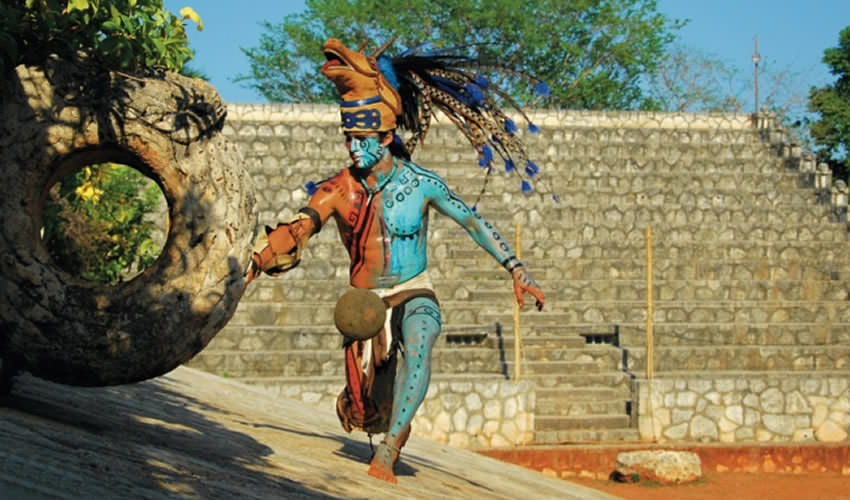
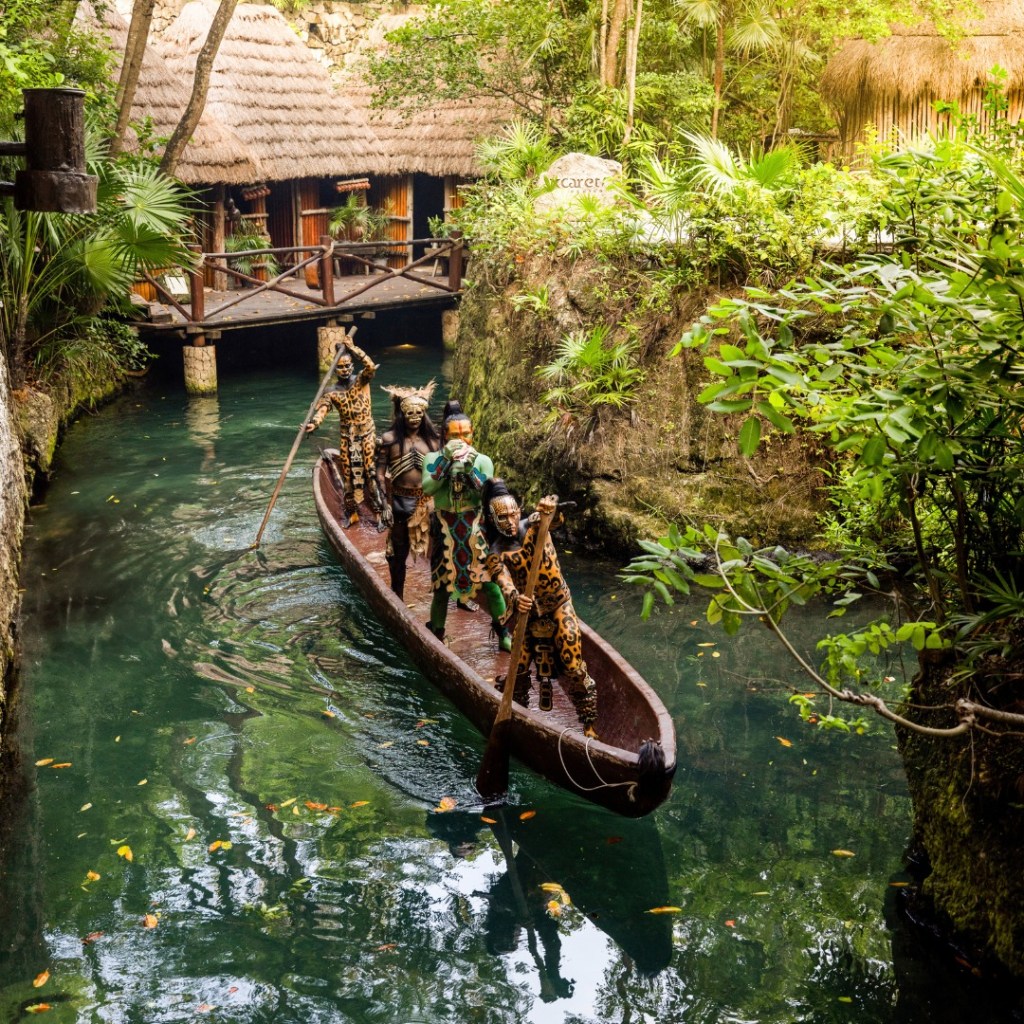
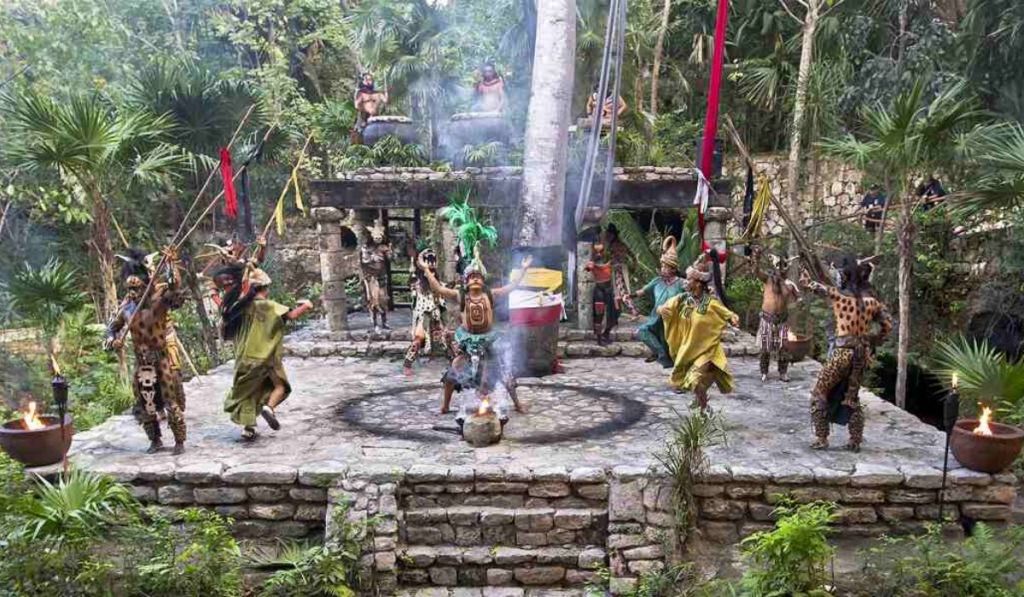
Miguel also states that Xcaret IS NOT a fantasy theme park. He wanted to build a living museum and a sensory experience for visitors interested in gaining deeper understanding of Mexico’s natural resources. Since opening its doors in 1990 I believe that Xcaret has done exactly that.
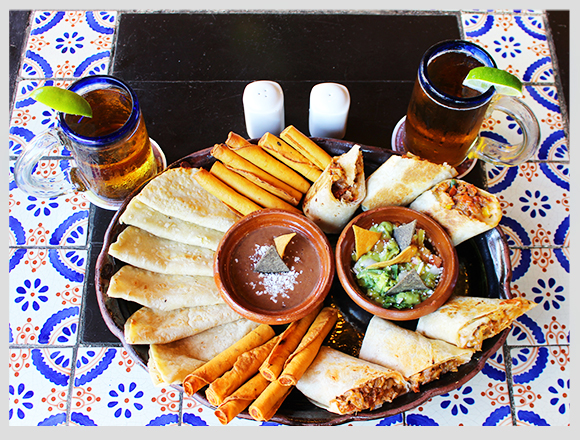
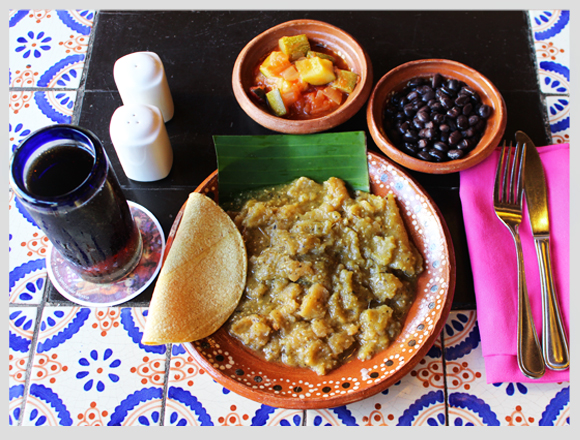
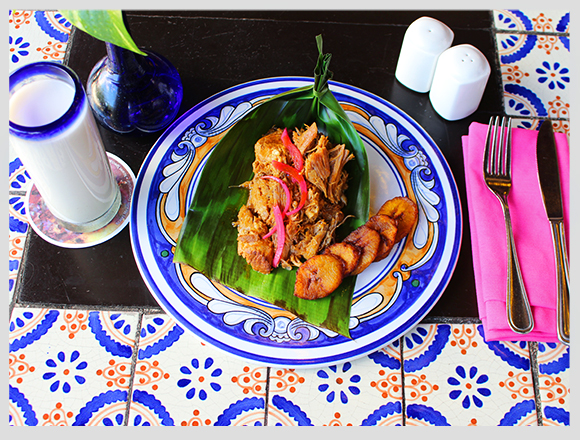
And of course there is the food. The history of Mexicos gastronomy is also showcased throughout the park. Here is a small sample of the selection available at Restaurante “La Cocina’
In contemporary Guatemala, wooden masks continue to be an important cultural symbol. Although the use of masks in traditional ceremonies has diminished in some areas due to modernization, efforts have been made to preserve these traditions as a vital part of Guatemalan identity. Many artisans still dedicate themselves to the craft, passing on their skills to younger generations (1) to ensure that the art of mask-making endures.
1.The craftsmanship is often passed down through families, and these masks are treated as precious heirlooms.
While some masks have become prized art pieces and souvenirs, they remain central to community festivals and saint day celebrations. Whether in a ritual dance or a modern procession, the mask persists as a symbol of resilience, maintaining the connection between the contemporary Guatemalan people and their multifaceted history
The transformation of man.
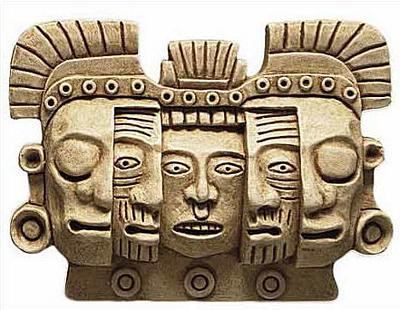
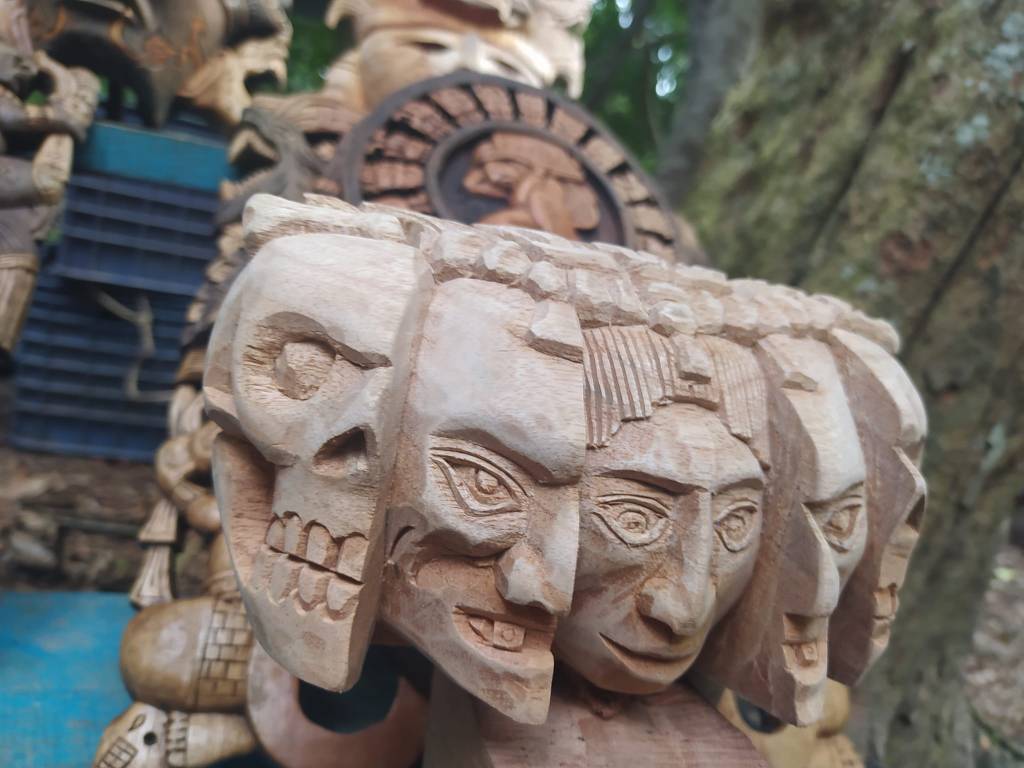
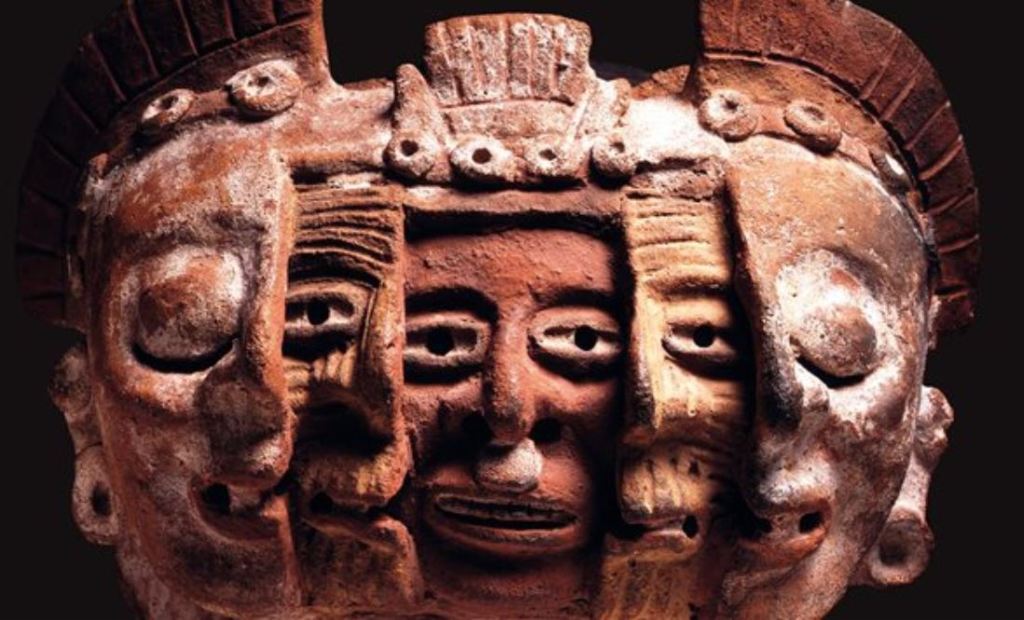
This mask shows the different stages of life as part of a never ending circle of human evolution through life and the afterlife as it was understood by the Maya. The mask has three layered faces, each representing one particular stage of life. The inner face represents the beginning of life at birth. The middle face is the most important one since it represents the adult stage when the person comes into his full potential and most of his life experiences happened. The outer or third face represents the end of earthly life. This sacred time was viewed by the Maya as the end of one cycle and the beginning of another one.
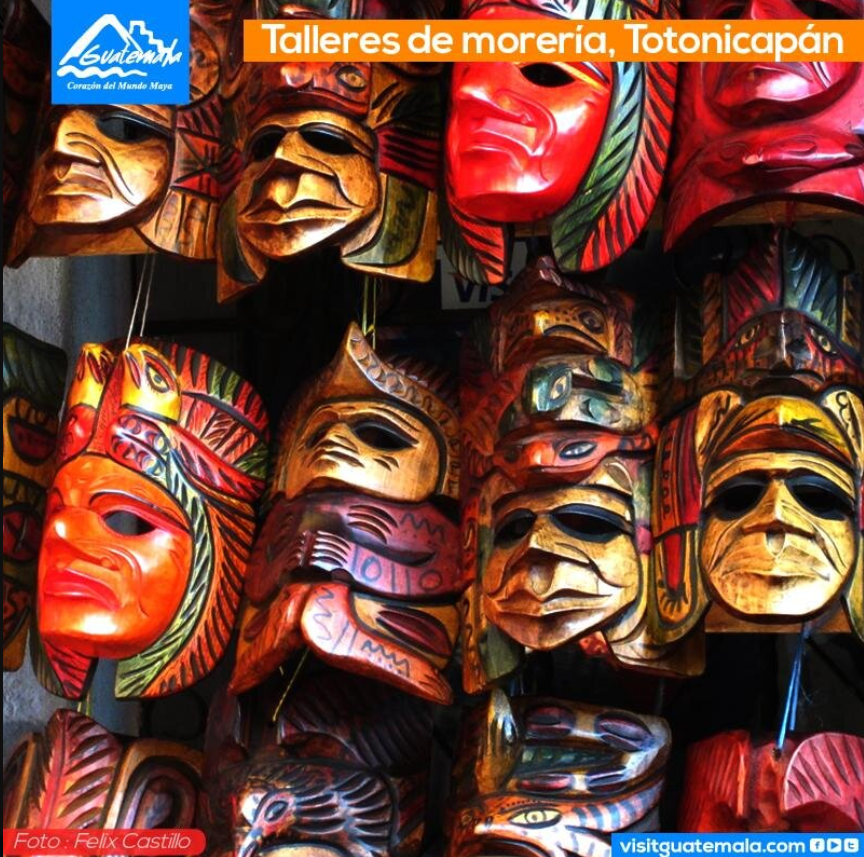
Tourism has also contributed to the continued popularity of these masks. Many visitors are captivated by the artistry and cultural significance of Guatemalan wooden masks, purchasing them as souvenirs or works of art. While some masks are made specifically for tourists and may not carry the same cultural weight as those used in ceremonies, they nonetheless help to spread awareness of Guatemala’s rich heritage and provide income for local artisans.
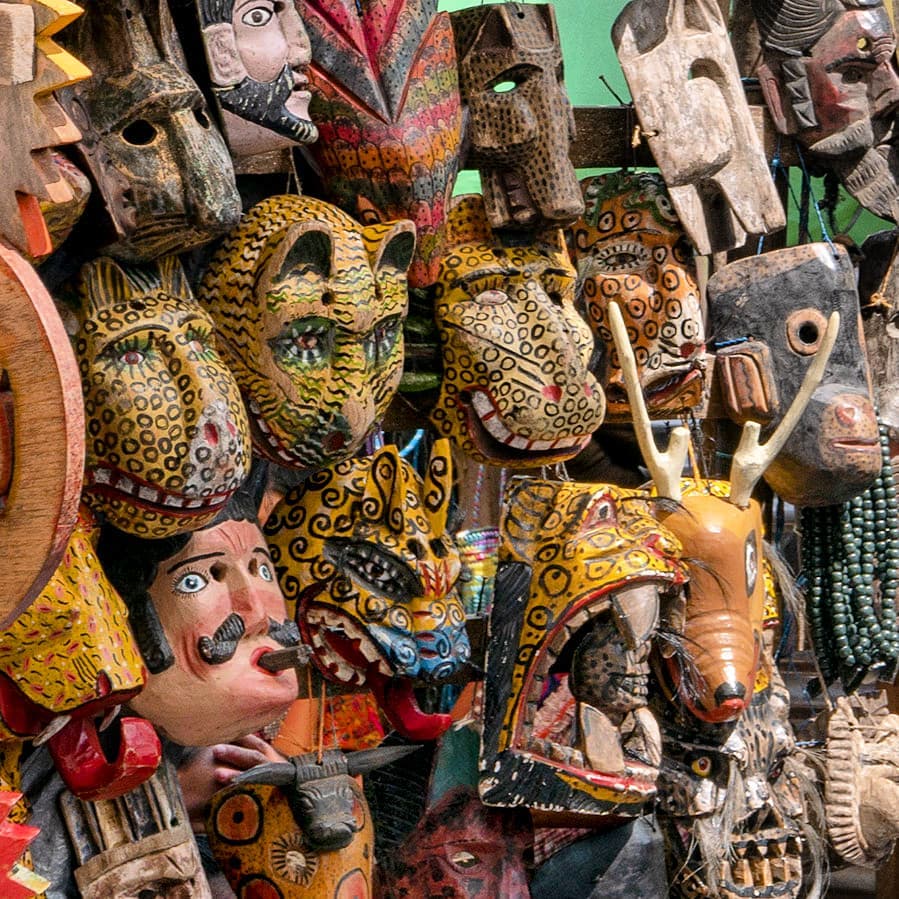
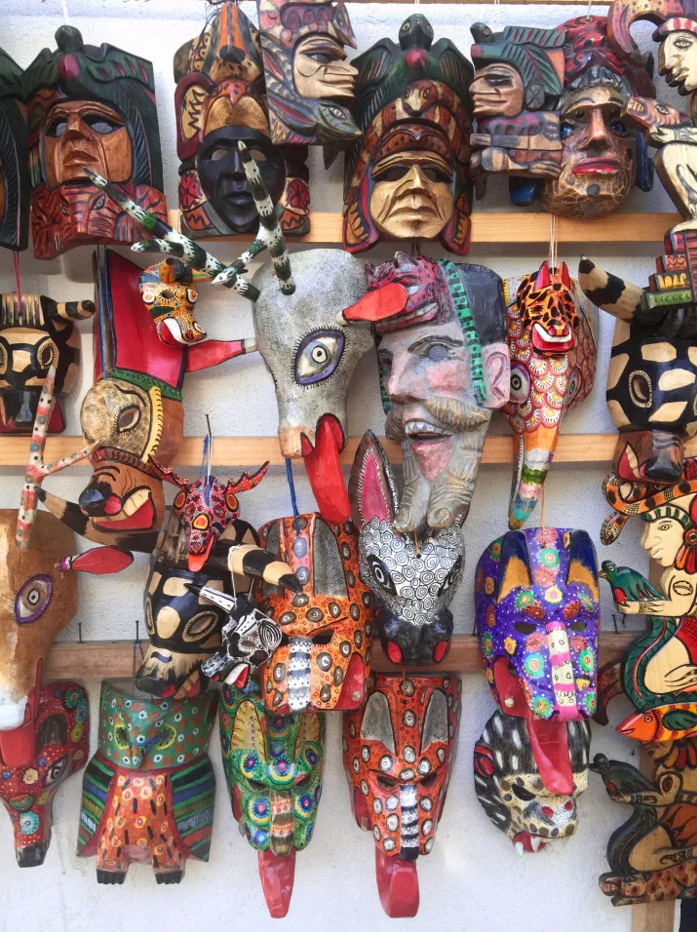
The mask below was purchased in Guatemala in the year 2000
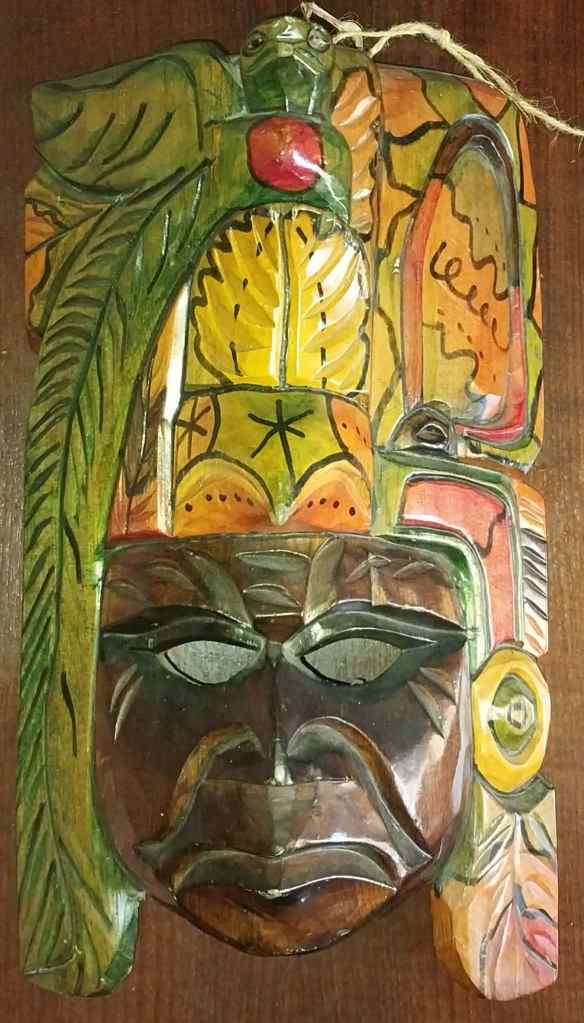
No other information was given to me other than “my brother bought it back for me from Guatemala”. I could not even determine from where in Guatemala that the mask might have originated.
Carlos García Escobar, a researcher at the Center for Folkloric Studies of Guatemala and an expert on masks and dances, explains that the function of masks was “to become invisible to the profane world and to assume the character being represented”
“All the masks were used for magical-religious rituals, both in the pre-Hispanic past and in the present day” he added.
The ancient Maya wore masks and dressed in a particular way. The priest would don the mask of the deity, thus establishing contact between the sacred and profane worlds.
Carlos however believes that the masks sold in the country’s markets today have no sacred significance and are only used for tourist consumption.
The masks that are used for indigenous dances and rituals differ from the tourist masks in that they are made by mask makers who still use the ancient technique of polishing and painting, as was done in colonial times.
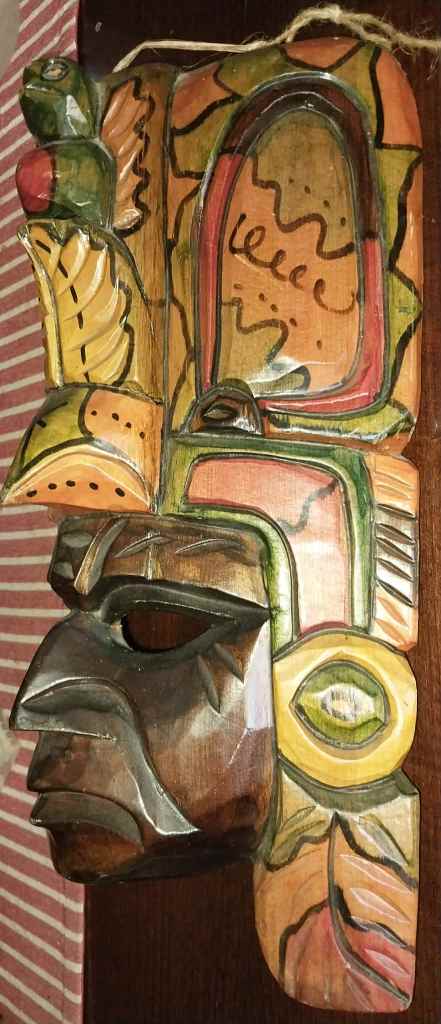
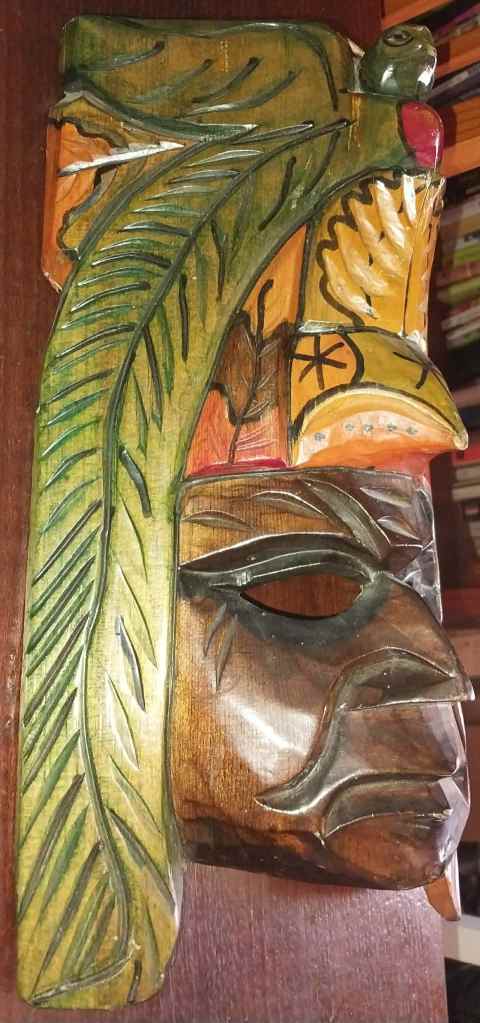
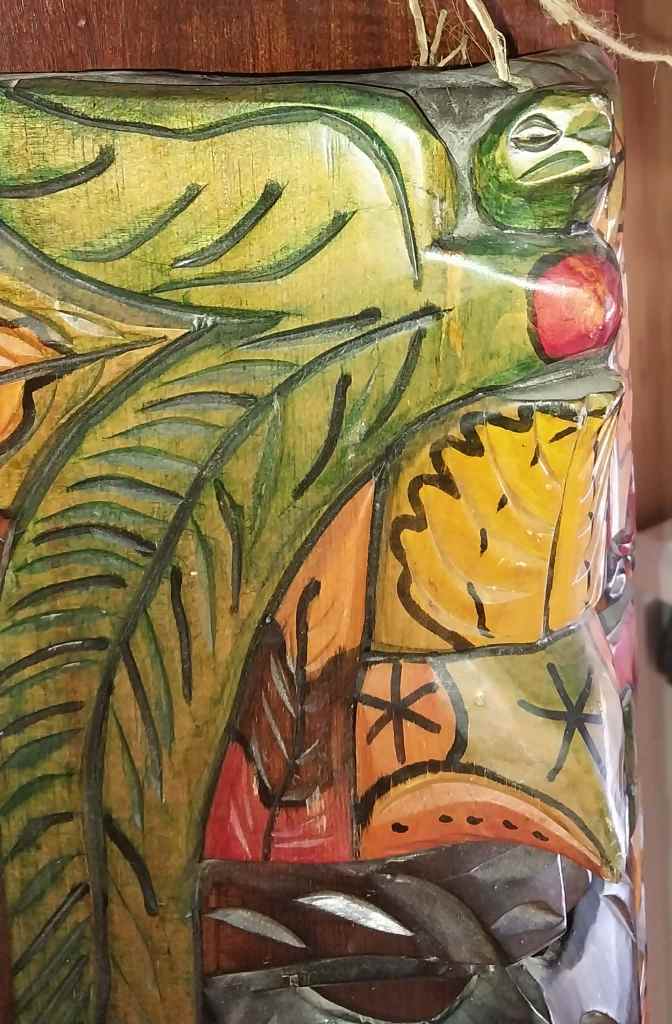
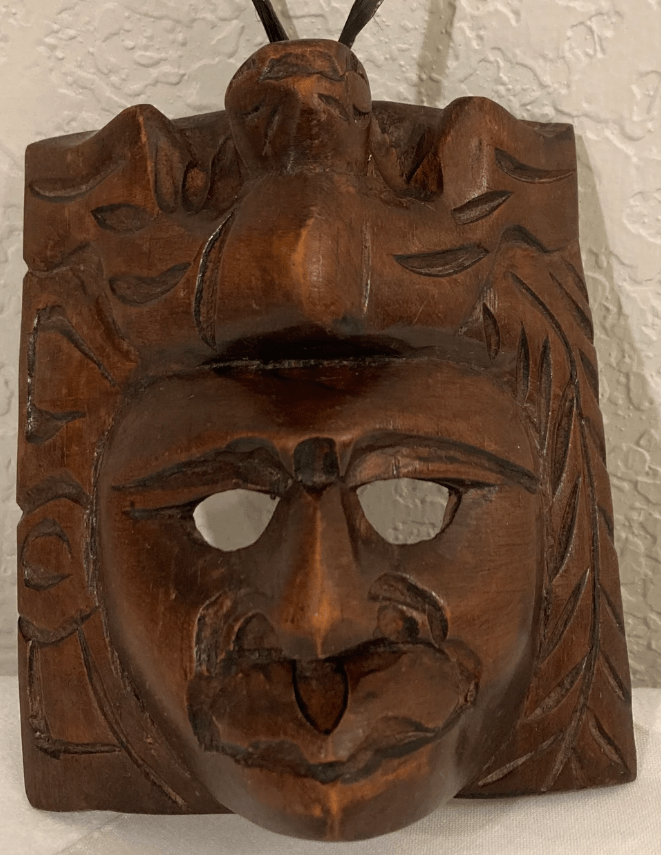
The symbolism that indicates to me that this was a Mayan mask (before even knowing it came from Guatemala) is the presence of the quetzal perched on the forehead of the mask and whose tail feathers drape down the right hand side of the face.
The resplendent quetzal (Pharomachrus mocinno) is a small bird found in Central America and southern Mexico that lives in tropical forests, particularly montane (1) cloud forests (2).
- The Latin root of montane is the Latin mons, or “mountain.” Definition of montane. adjective. of or inhabiting mountainous regions.
- A cloud forest, also called a water forest, primas forest, or tropical montane cloud forest, is a generally tropical or subtropical, evergreen, montane, moist forest characterized by a persistent, frequent or seasonal low-level cloud cover, usually at the canopy level
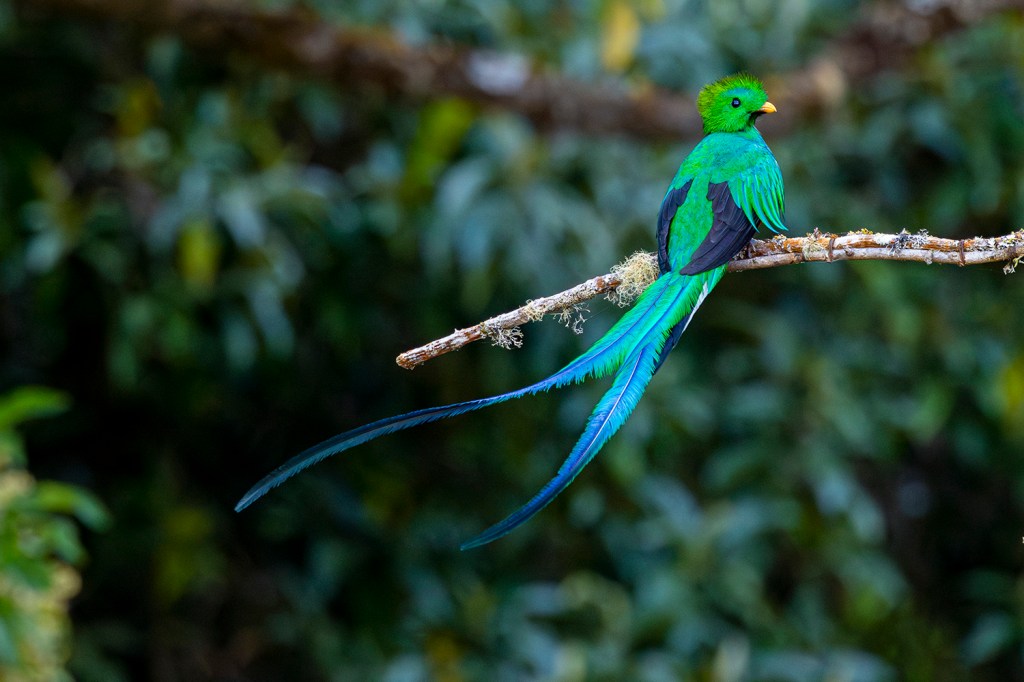
Considered sacred by several Mesoamerican civilizations, the Resplendent Quetzal remains culturally significant to this day.
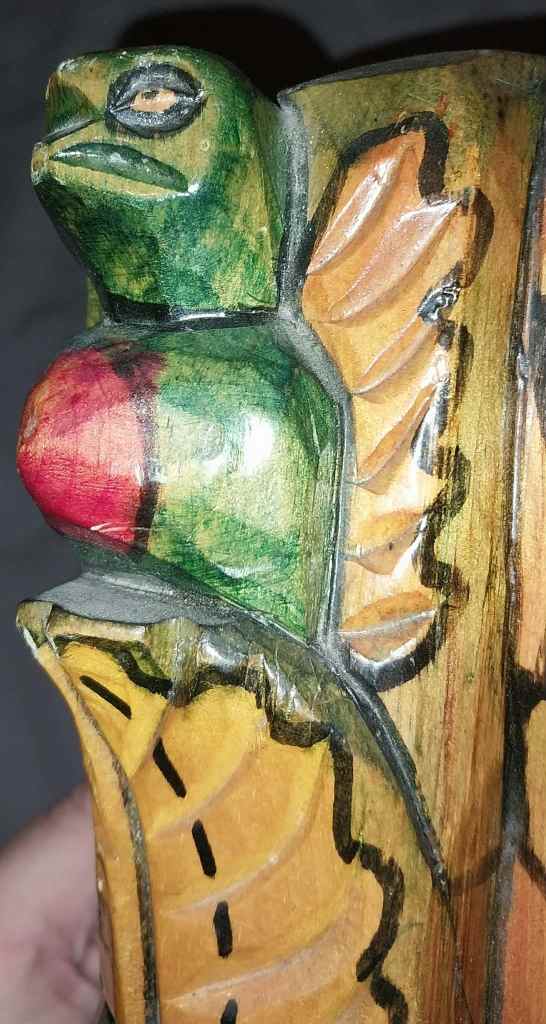
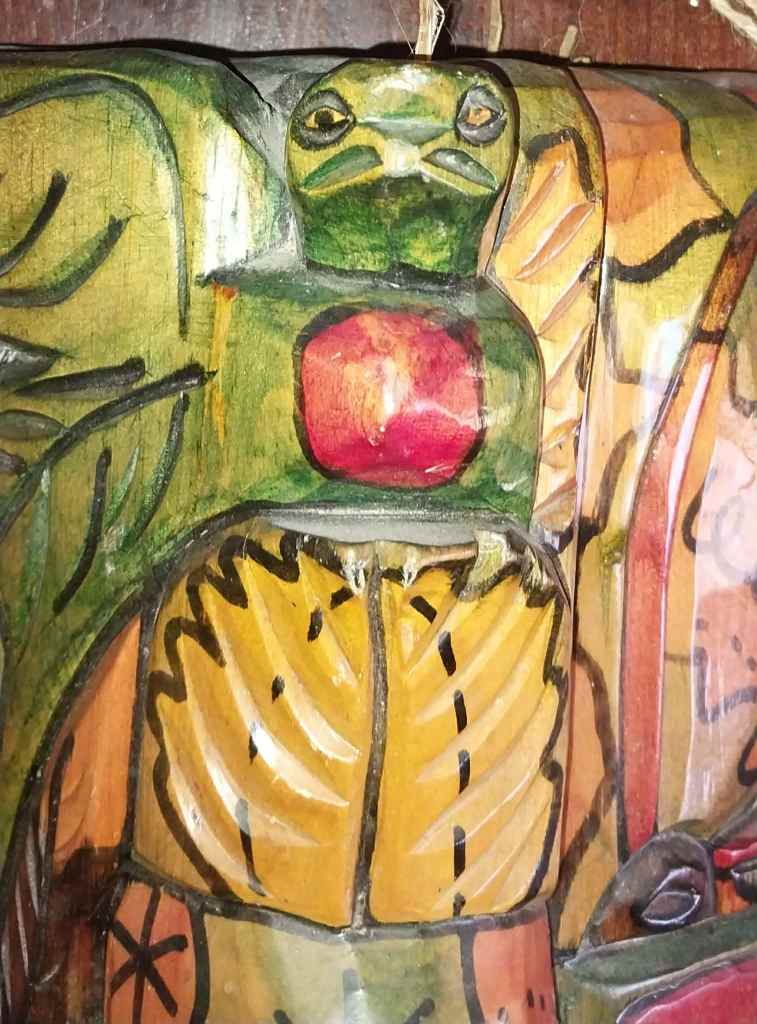
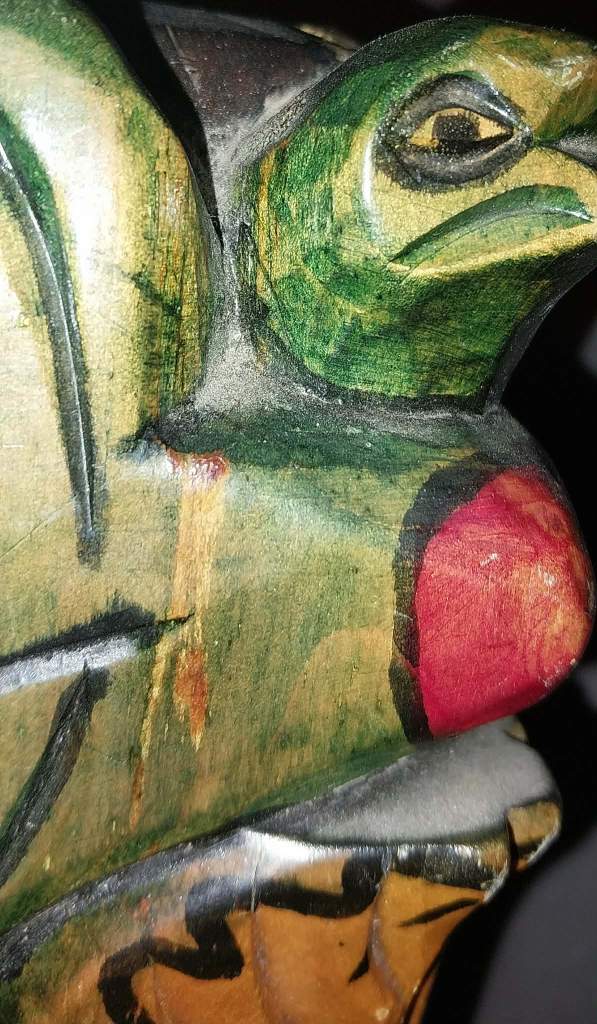
I am a little worried though that my little quetzal friend (image above left) may have partaken a little to liberally of a locally favoured and eponymic (1) drink.
- (of a name, especially a place name) derived from the name of a real or mythical person. 2. of or pertaining to the person from whom such a name is derived.
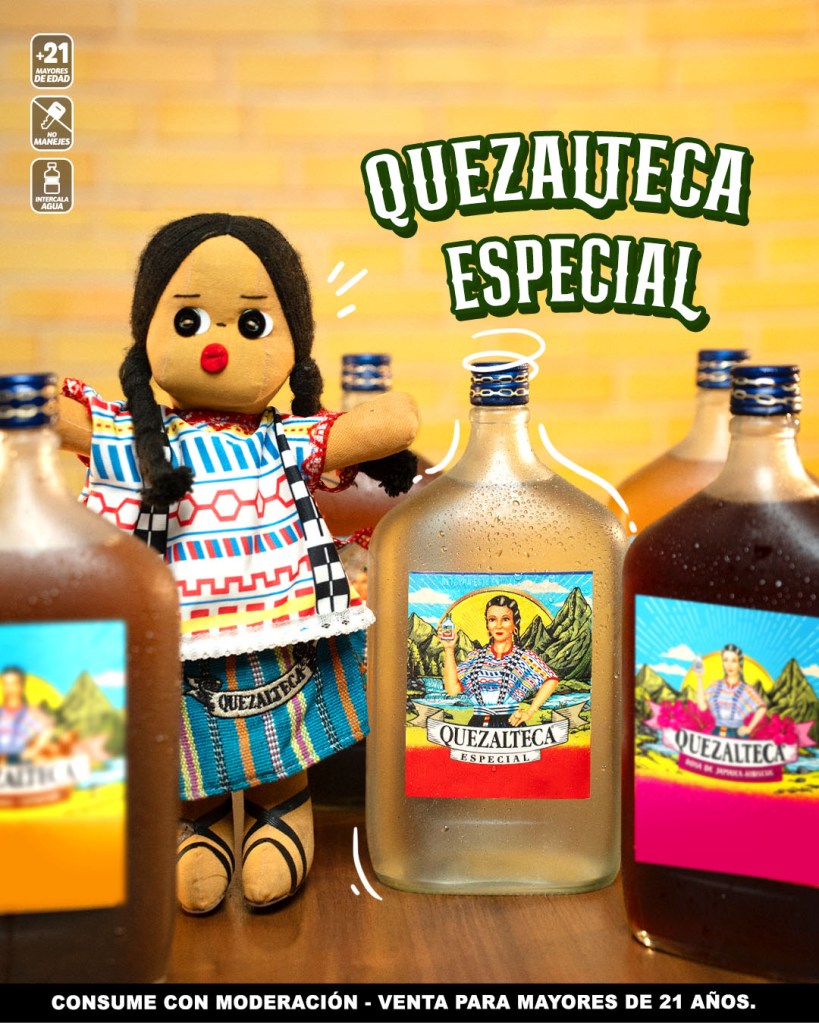
It appears that even la muñeca is a little worried about our lazy eyed, resplendent friend.
Produced by Licores de Guatemala, Quetzalteca is Guatemala’s most iconic sugarcane spirit. A strong liquor (40% ABV). it’s a cultural staple, affordable and popular and is known for its classic version and flavours like Hibiscus, Tamarind, and Blackberry. Although Quetzalteca is said to represent the tradition and fun of Guatemalan culture through the figure of Rosita: a flirtatious and cheerful woman who is as iconic as a saint, it is also sometimes known as “Indita,” due to the very same picture of the indigenous woman on the bottle. “Indita” is a derogatory slang term for indigenous women, and this nickname has caused increasing controversy in Guatemala. Regardless of this Quetzalteca has seen a resurgence in popularity, as more people rediscover and appreciate its traditional roots and distinctive taste. This revival has made it a prominent and cherished part of Guatemalan heritage.
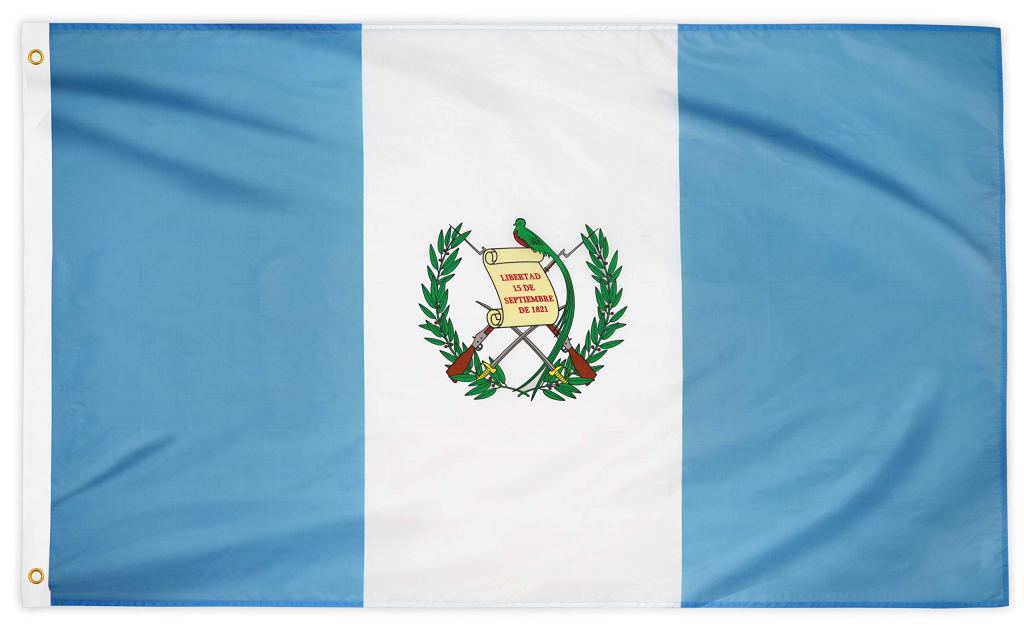
The Resplendent Quetzal is also the national bird of Guatemala and is pictured on the country’s flag and coat of arms. It was thought to be the spirit guide of a Maya ruler and hero, Tecún Umán, who fought against the Spanish conquest.
The dance in Guatemala that features a mask adorned with a quetzal bird is the Baile de la Conquista (Dance of the Conquest), where it represents the Mayan warrior-prince Tecún Umán. This dance is a traditional folkloric drama that re-enacts the Spanish invasion of the K’iche’ kingdom and the battle between Tecún Umán and the Spanish conquistador Pedro de Alvarado in 1524.
According to legend, Tecún Umán was killed as he fought the conquistador Pedro de Alvarado. As Tecún Umán lay dying, a quetzal flew down and landed on his chest, dipping its feathers in the hero’s blood. This is supposedly how the bird acquired its red breast and belly feathers
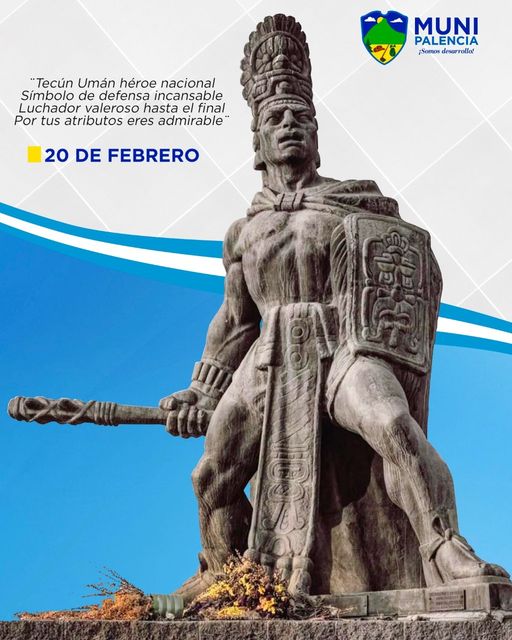
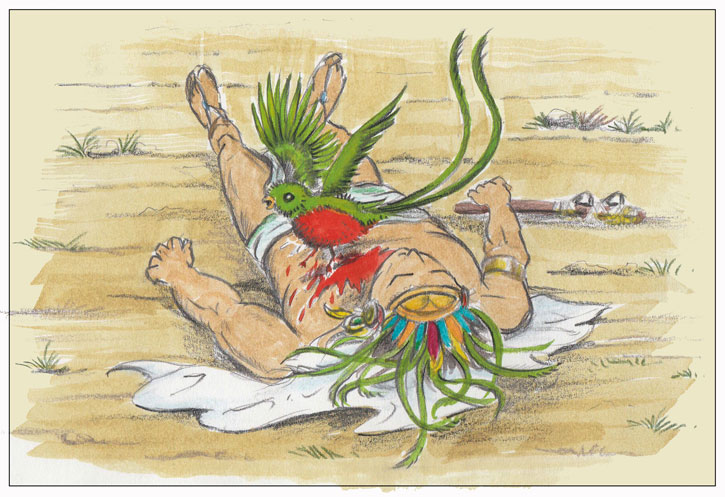
The quetzal mask represents the spirit guide of Tecún Umán and symbolizes liberty, as the bird is believed to not survive in captivity.
Tecún Umán was officially declared Guatemala’s national hero on 22 March 1960, and is commemorated annually on 20 February, the popular anniversary of his death.
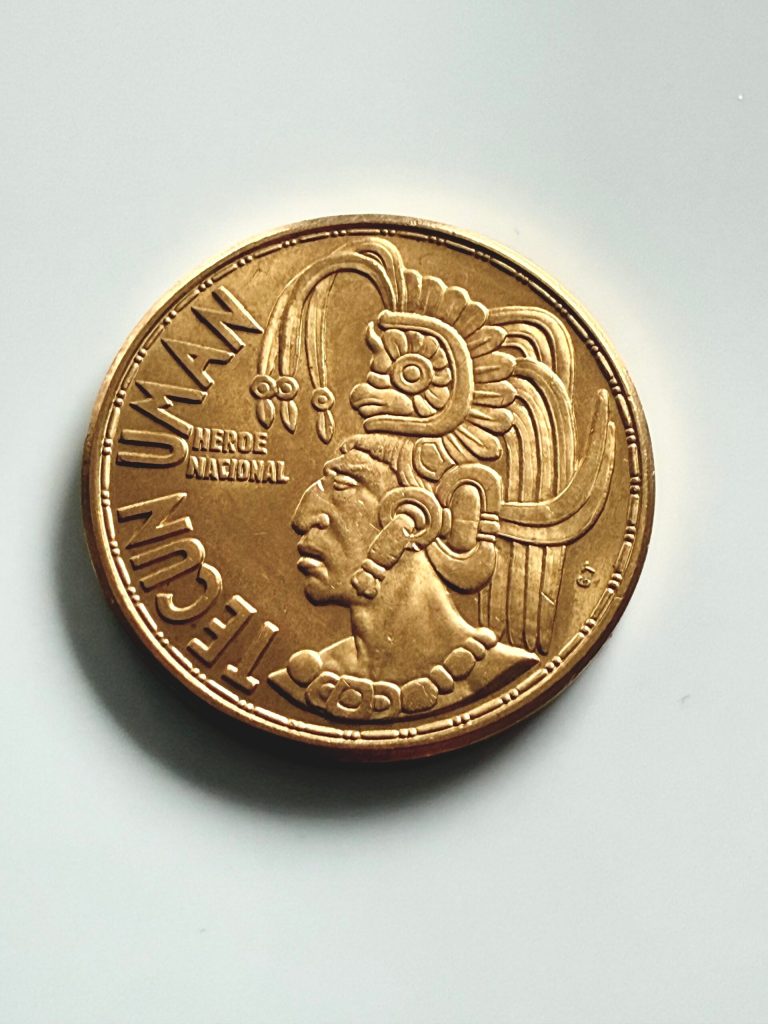
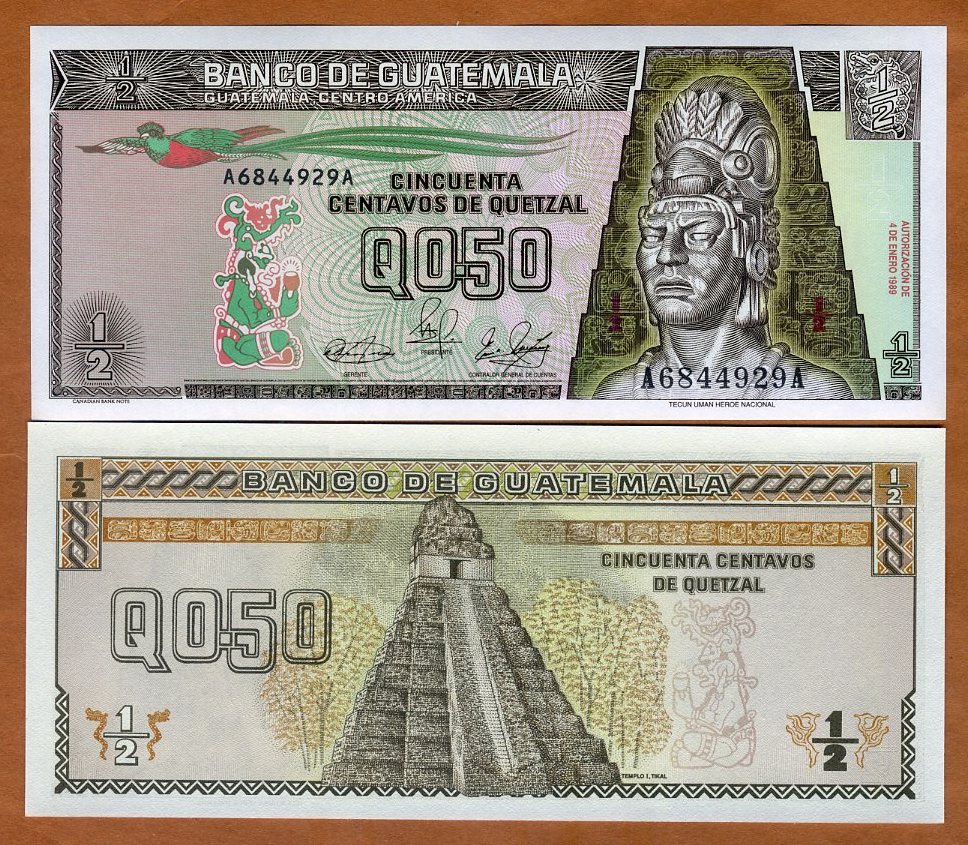
The quetzal (plural quetzales) is the currency of Guatemala, named after the national bird of Guatemala, the resplendent quetzal. It is divided into 100 centavos, or len (plural lenes) in Guatemalan slang. The fifty-cent quetzal bill (the one above) is out of circulation, but it still has value.
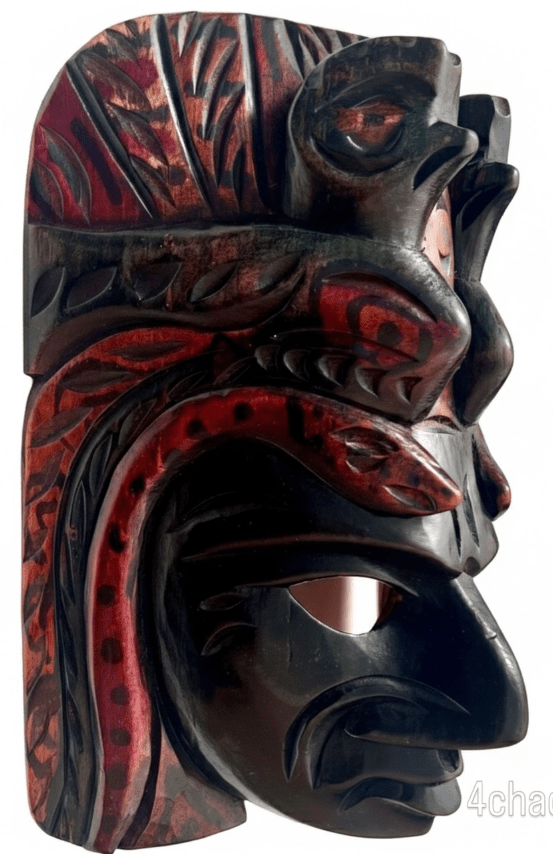
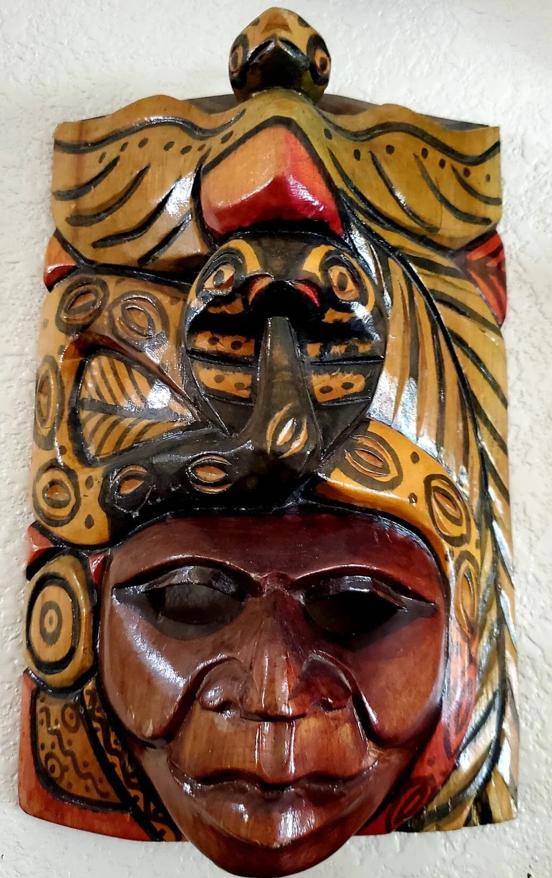
Tecún Umán masks.
Tourist masks
Antique masks
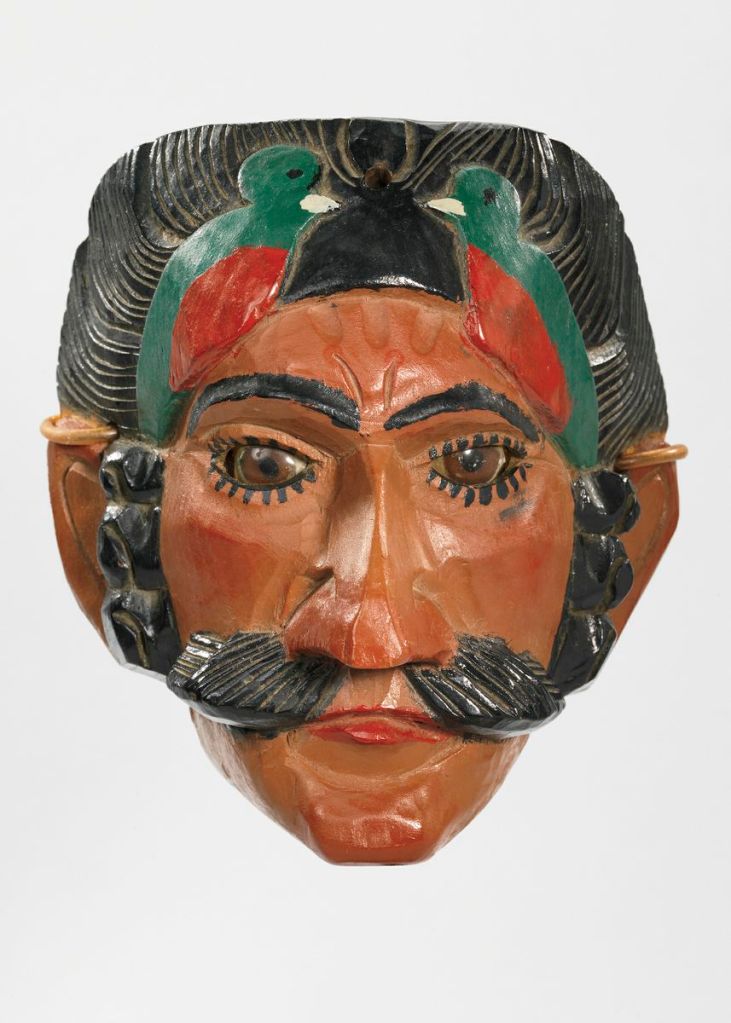
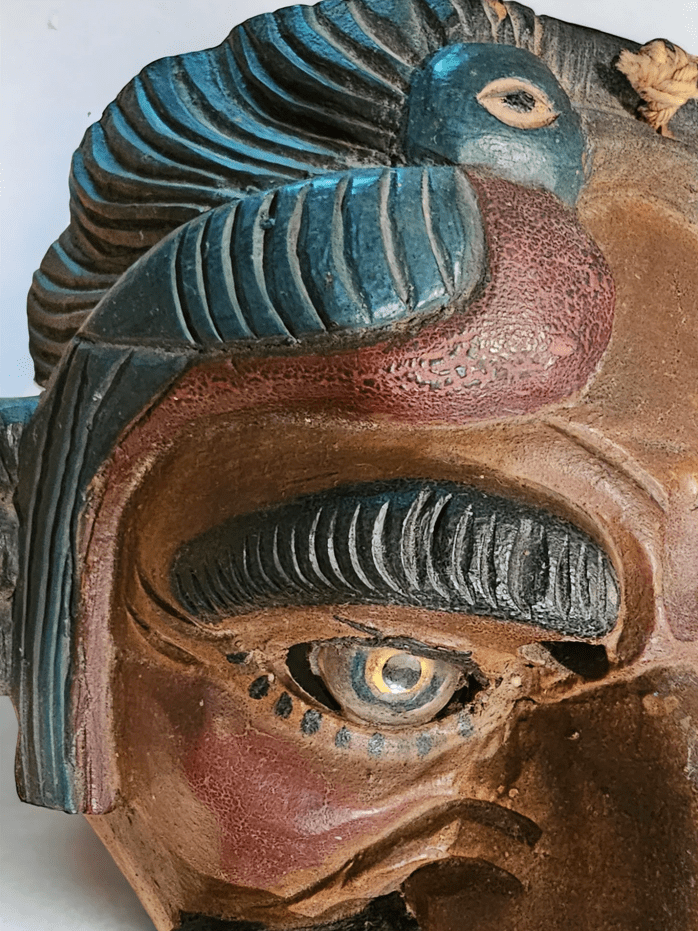
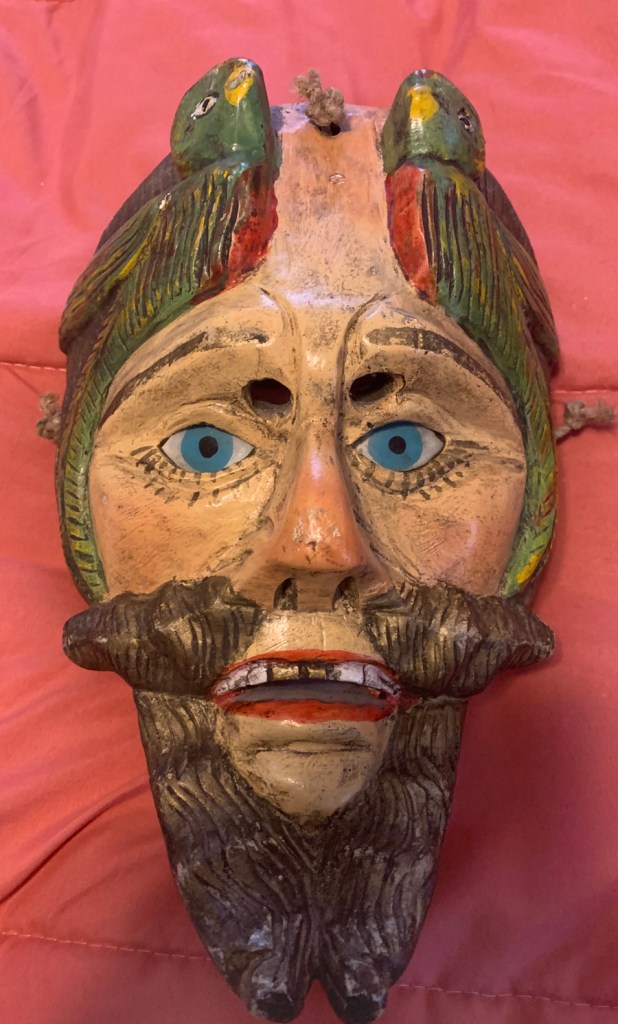
The more I research this mask the more convinced I become that mi mascara is one of Tecún Umán his very self.
Masks from the land of the Maya in my collection
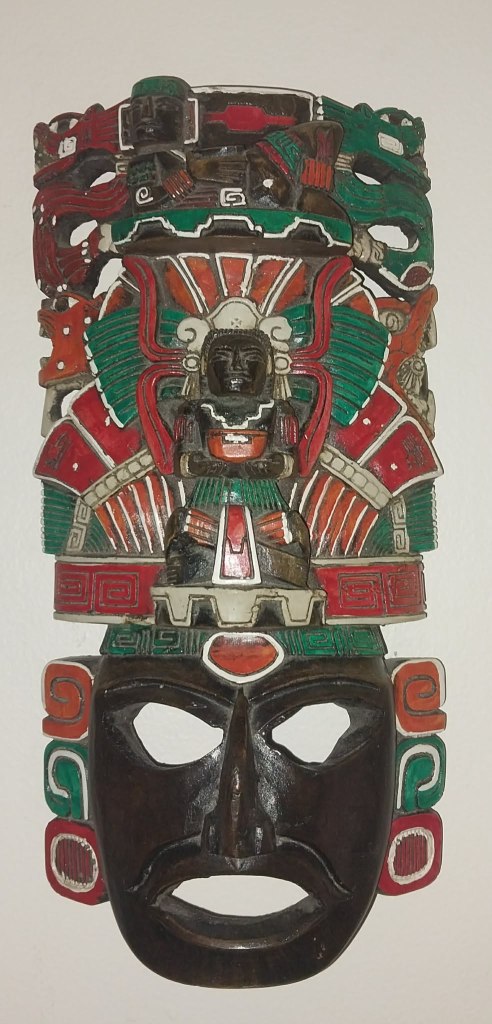
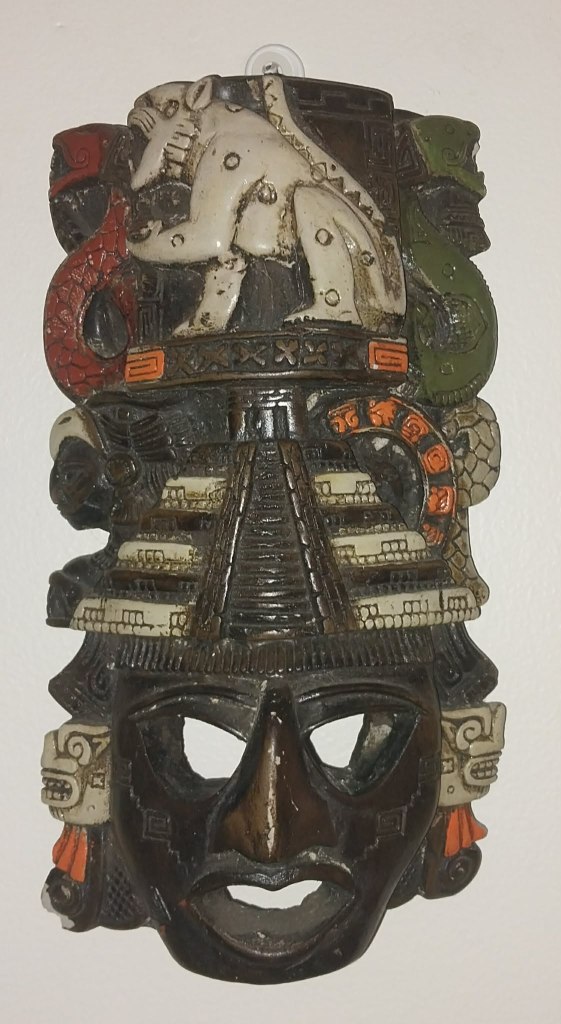
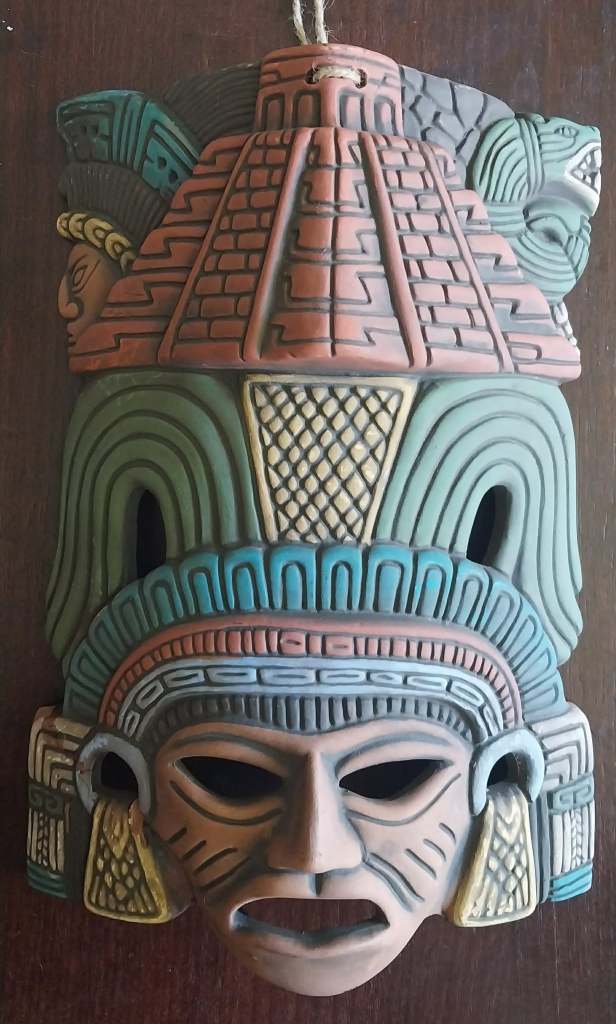
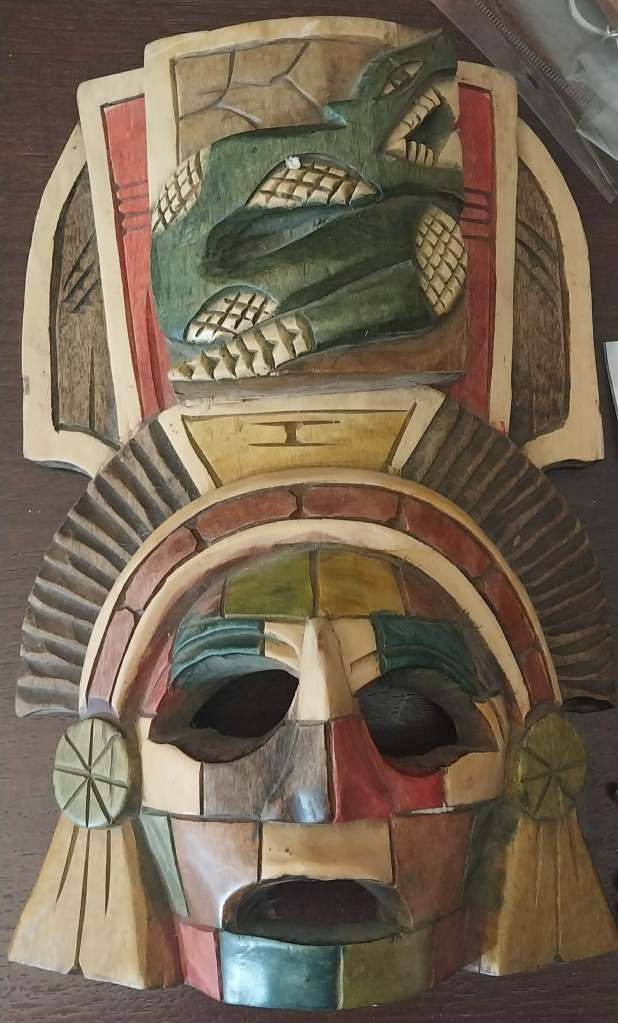
The two masks above have been in my collection for a few years (1). Both were found (in Western Australia) on Facebook marketplace and were oddly enough purchased from the same seller maybe a year apart. They are made from some kind of white ceramic type clay or perhaps some kind of resin. The material can be seen in the image (above right) on the left hand side ear where it has been chipped off.
- these masks are made from some kind of resin or perhaps ceramic.
In October-November of 2025 I visited Mexico for Dia de Muertos (and to celebrate my chilango friends birthday).
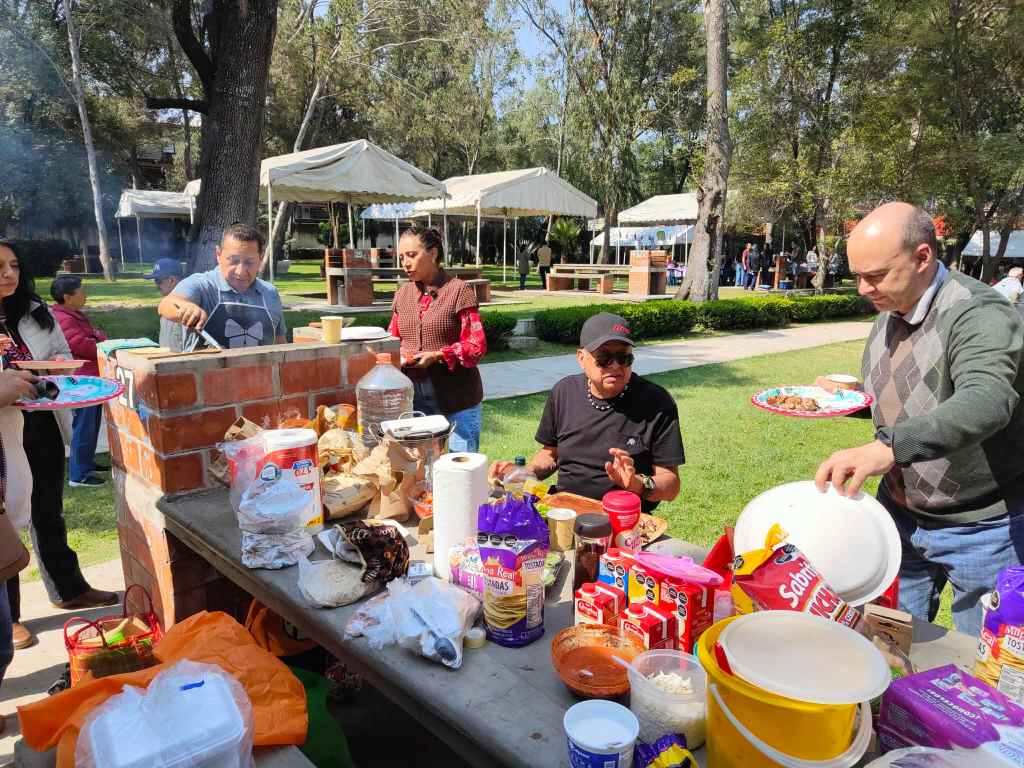
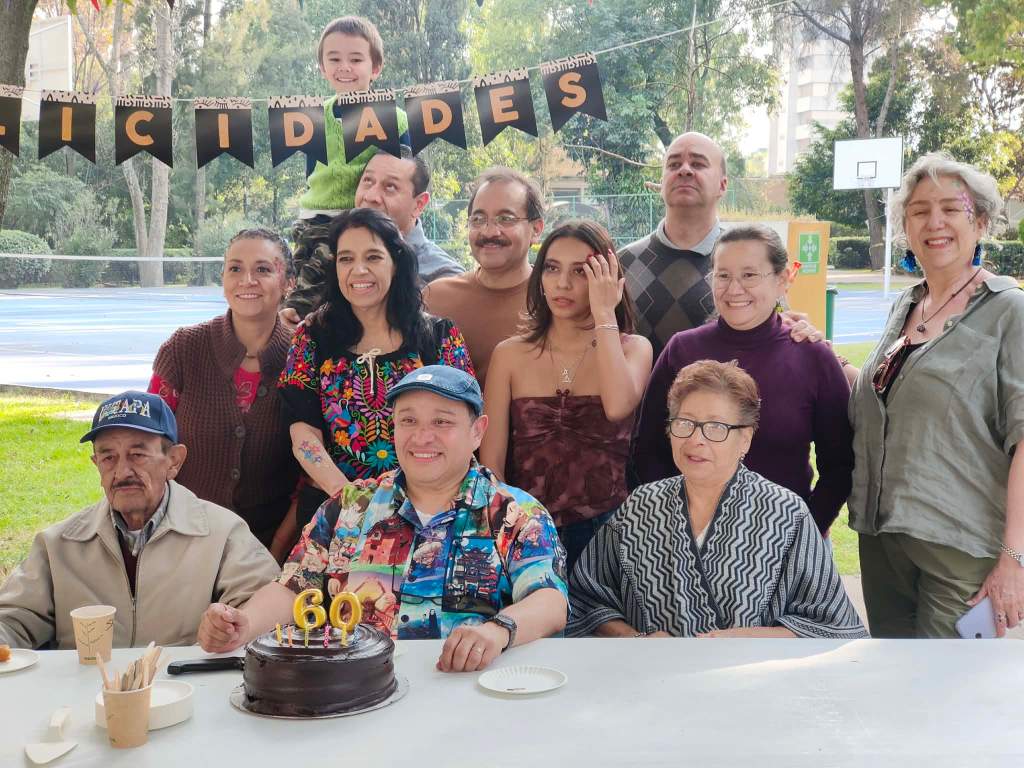
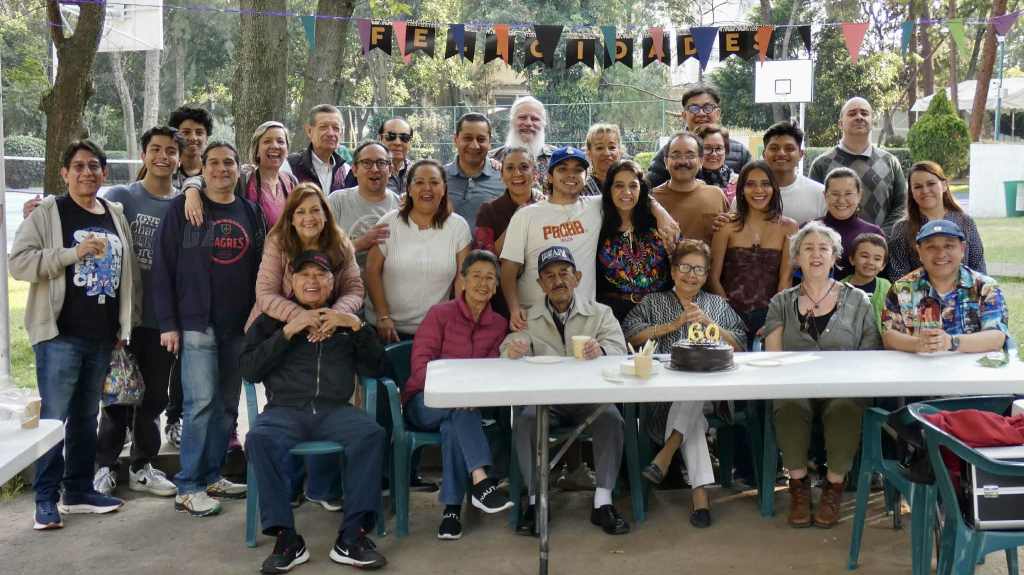
Mexicanos too like to BBQ (or carne asada) in el parque.
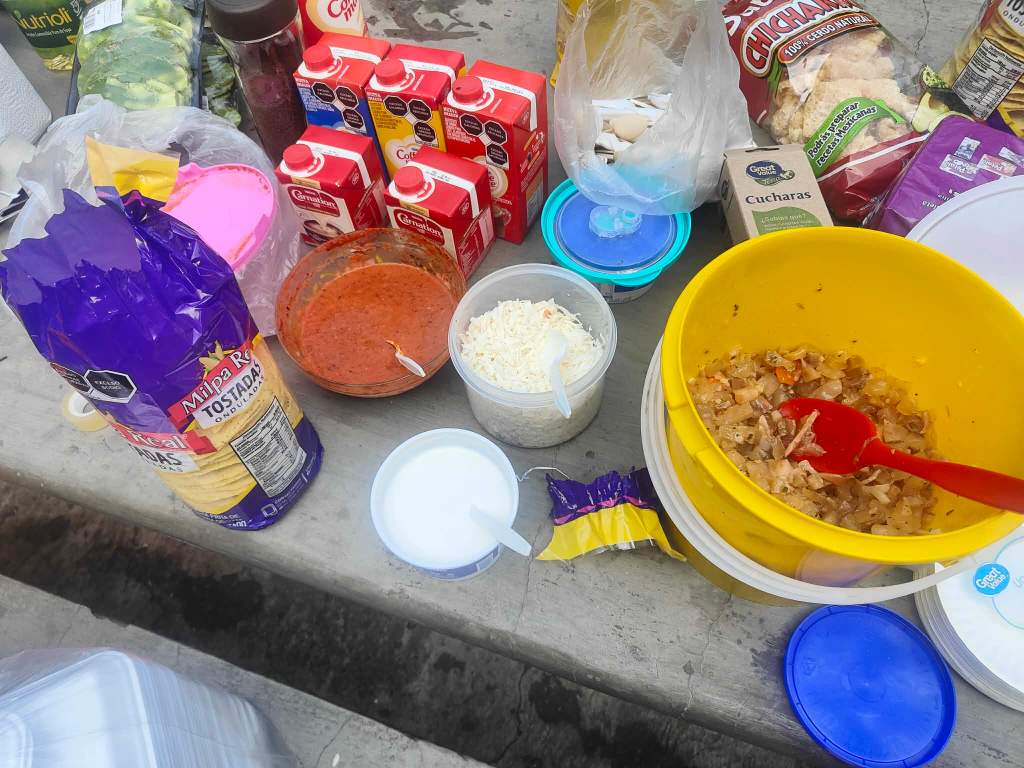
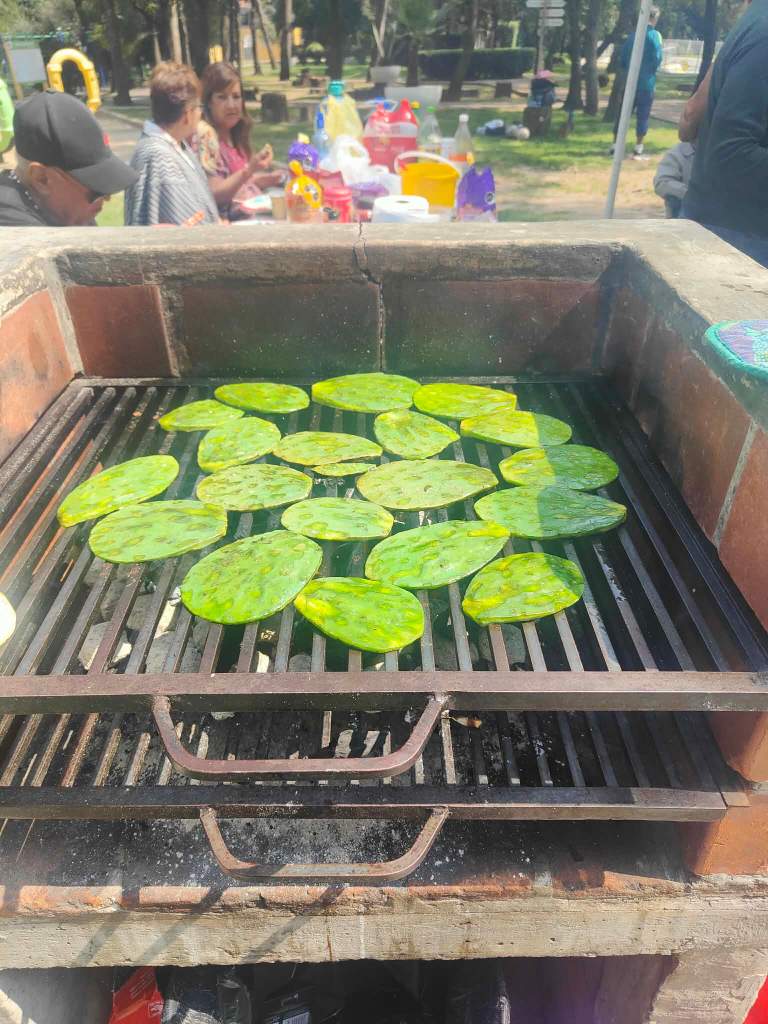
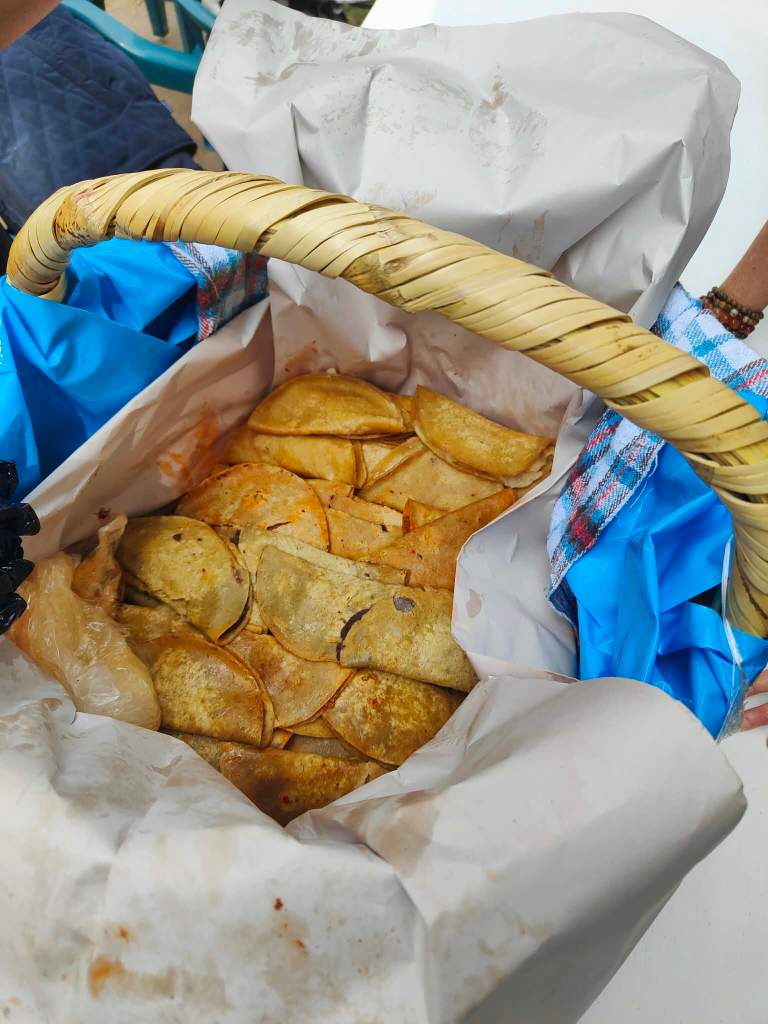
Most of the comida was cooked at the park but a specialist taquera de canasta was hired to supply the party goers with “sweaty” tacos.
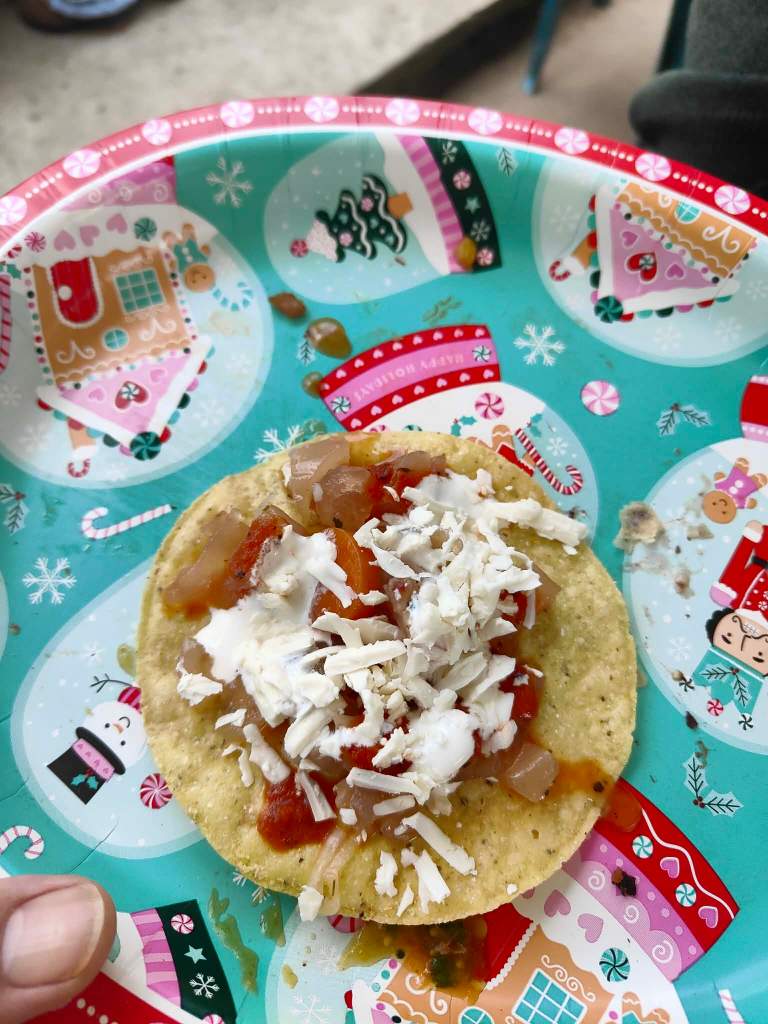
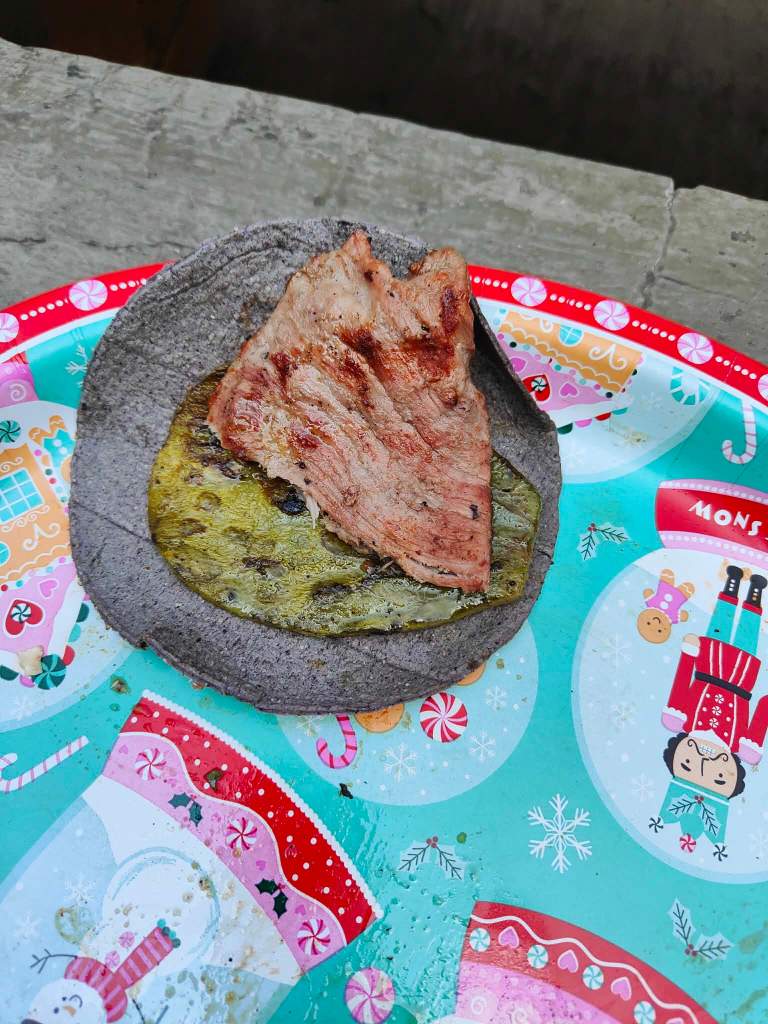
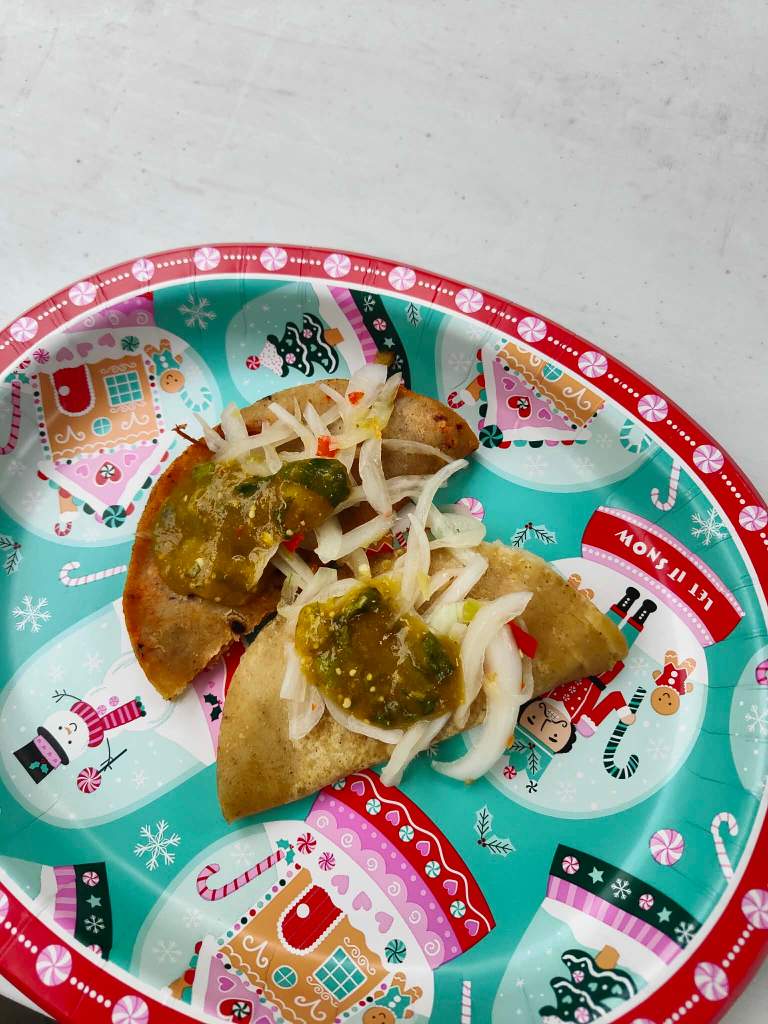
The tacos de carne asada y nopal was a very simple dish and was probably my favourite of the day. Antonio (the BBQ master) managed to put so much flavour into this most basic of dishes.
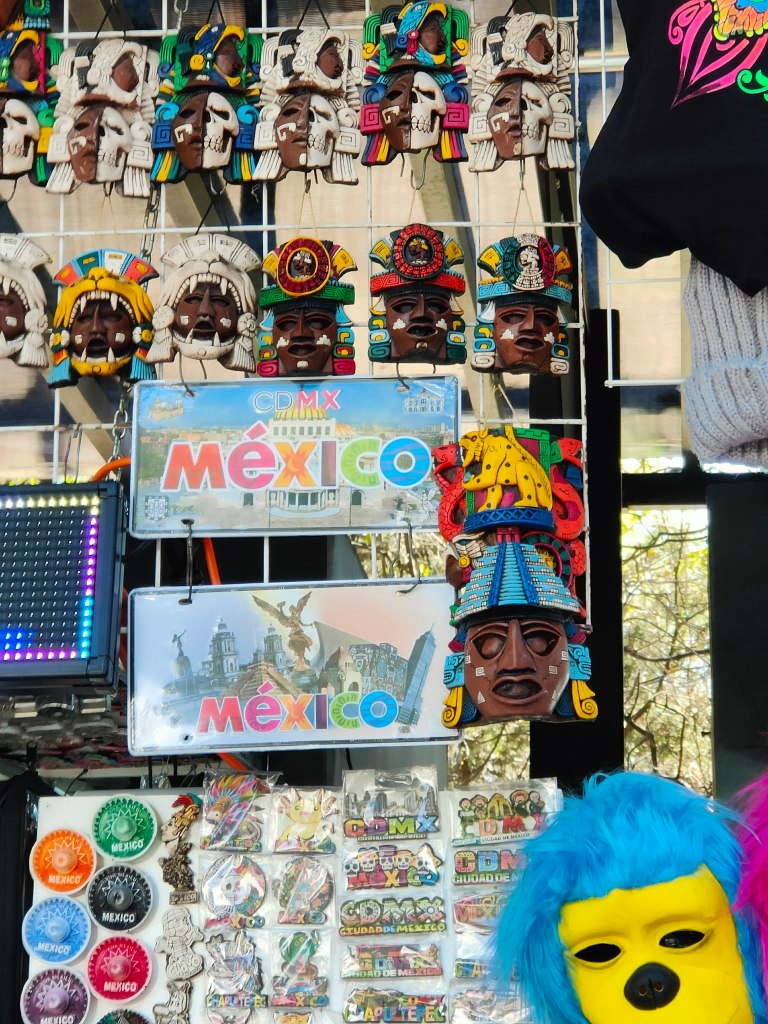
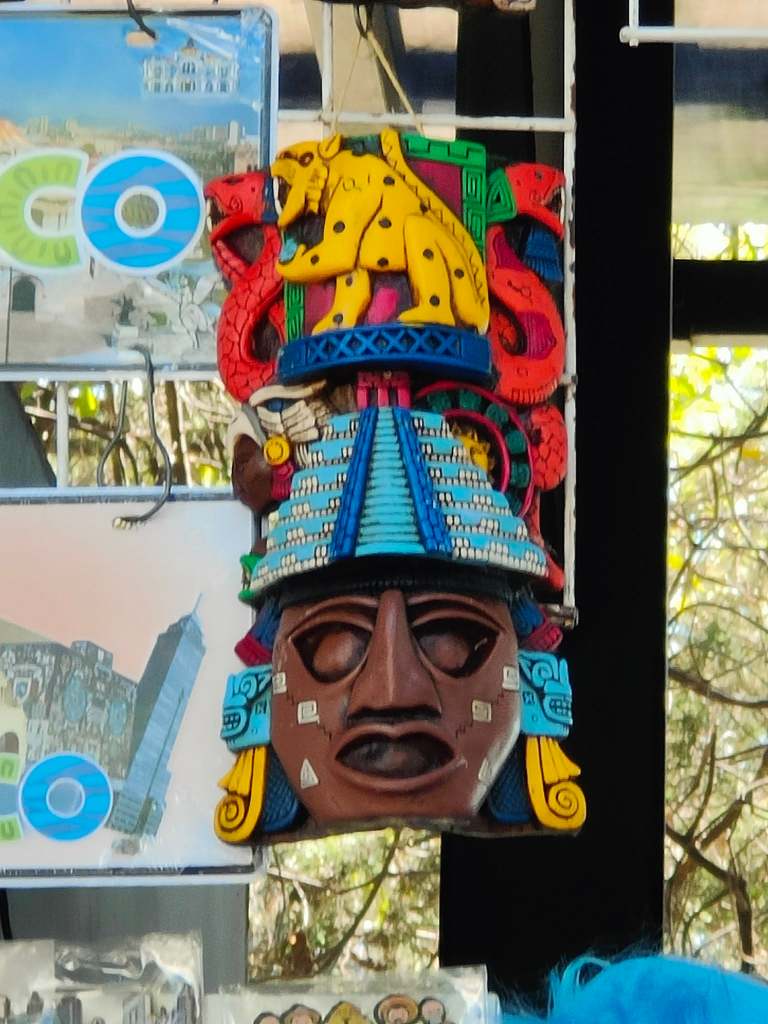
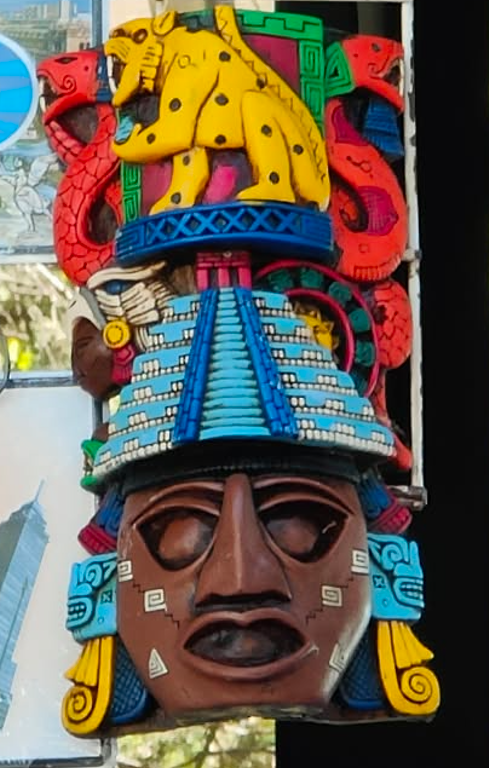
I found a wooden copy of one of the masks in my collection at a vendor strategically set up outside the Museo Nacional de Antropologia in Mexico City.
Otras máscaras mayas
Websites and Images
Guatemala Archeological Sites Map : https://www.turansa.com/paginas/general/guatemala-archeological-sites-map.htm
GUATEMALA: Máscaras, una tradición de la época prehispánica (1999) https://ipsnoticias.net/1999/01/arte-y-cultura-guatemala-mascaras-una-tradicion-de-la-epoca-prehispanica/
Guatemalan Wooden Masks: Tradition, Craftsmanship, and Cultural Inspiration : https://seashorepics.com/guatemalan-wooden-masks-tradition-craftsmanship-and-cultural-inspiration/
Historia y uso de las máscaras de Guatemala (2018) https://molycata.com/mascaras-artesanales-guatemaltecas/
How the male quetzal got his red chest : https://www.mexicolore.co.uk/maya/teachers/resource-how-the-male-quetzal-got-his-red-chest
Quetzalteca : Rediseñar una bebida icónica preservando su tradición – https://www.tridimage.com/proyectos/quezalteca/
Resplendent Quetzal : Pharomachrus mocinno : https://abcbirds.org/birds/resplendent-quetzal/
Xcaret – https://www.xcaret.com/en/?langRedirect=1
Xcaret (Gastronomy) – https://www.xcaret.com/en/gastronomy-xcaret/
 Masa Americana