The Frapulcurado. A Mexican Take on the Frappé

A frappé (frap-pay) is a chilled drink which has been blended with ice (or frozen) to a slushy consistency. Frappé s were said to have been created by accident at an International Trade Fair in Thessaloniki, Greece in 1957. Dimitris Vakondios couldn’t find any hot water to make his instant coffee so he grabbed a mixer being demonstrated for mixing a childrens chocolate drink and, … Continue reading The Frapulcurado. A Mexican Take on the Frappé

Pulque as a Cooking Ingredient

As the flavour and texture of pulque can be somewhat confronting it is often mixed with other ingredients to produce a drink known as a pulque curado. Curados can be flavoured with fruits (pineapple, mango, strawberry, watermelon), vegetables (celery, tomatillo, maize), nuts (almonds, walnuts, peanuts) or other flavours (oats, tamarind, coconut, cajeta). Much like the Mexican artistry in producing unusual flavour combinations for paletas the options … Continue reading Pulque as a Cooking Ingredient

Xochipilli. The Prince of Flowers

Xochipilli (1) was considered one of the more benevolent of the Mesoamerican deities and he was popular amongst the chinampa dwellers to the south of Tenochtitlan. This statue was excavated near Tlalmanalco (2) in the shadow of the volcano Iztaccihuatl (3) and has been registered as part of the collection of the National Museum of Anthropology since 1882. Sacrifices to him generally consisted of garlands … Continue reading Xochipilli. The Prince of Flowers

Quelite : Pericón : Tagetes lucida

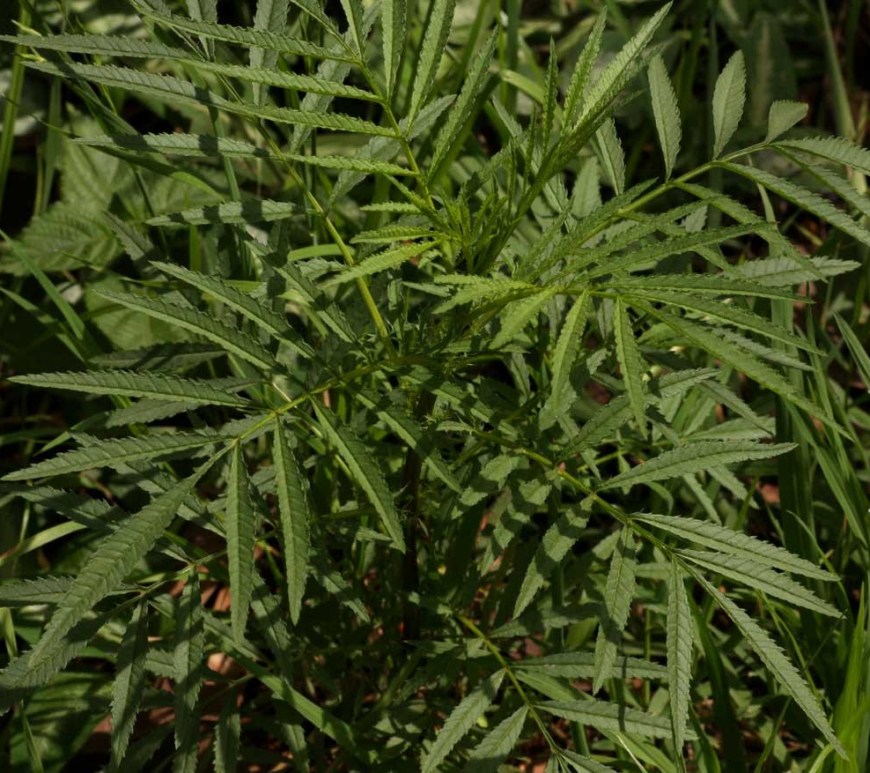
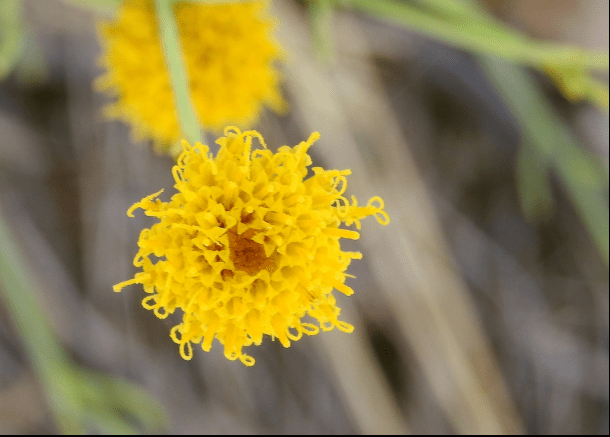
Tagetes lucida. also called : Mexican tarragon, sweet mace, periquillo, anicillo, basigó, basigoko (Tarahumara), ohoom (Huastec), tumutsali (Huichol) Pericó, Anisillo, atagote, cedrón, flor de xuchitl, hierbanís, hierba anís, hierba de nubes, hierba de San Juan, hierba santa, periquillo, rincón, Santa María, Santa María de jardín, tatalencho, yerbanís. Chiapas: k’anal nich wamal, k’ixin vomol, perikon vomol, tzitz ak, tzitz pox, tzitz vomol, tzitzilal ul (tzotzil), tzitzak … Continue reading Quelite : Pericón : Tagetes lucida

Quelite : Chepiche/Pipicha : Porophyllum tagetoides

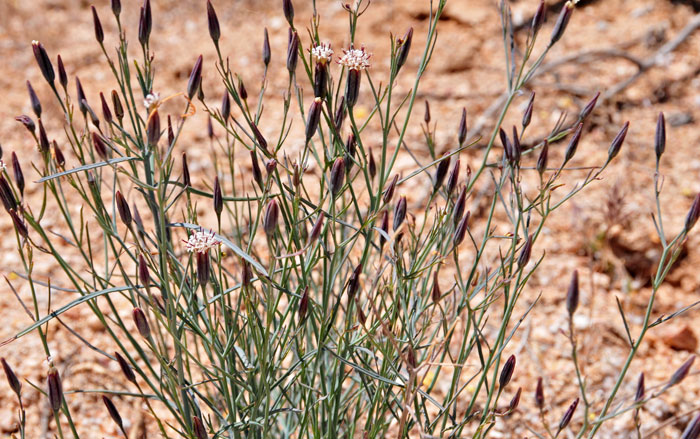
Porophyllum tagetoides (syn P.linaria, Kleinia tagetoides ): chepiche, chepito, pipicha, pipitza, pipitzcaquilitl (Nahuatl), tepicha, quelite oaxaqueño, escobeta, papalo delgado (thin papalo), Cole de coyote (coyote tail), yerba de la venado (so called because the plant exhales a stench similar to that which gives off the meat of the deer)(sic) (Hieronymus. G), nlí-dún (Zapotec) named after a stinging ant (ndún), one assumes because of its smell … Continue reading Quelite : Chepiche/Pipicha : Porophyllum tagetoides

Papaloquelite : What’s in a name?

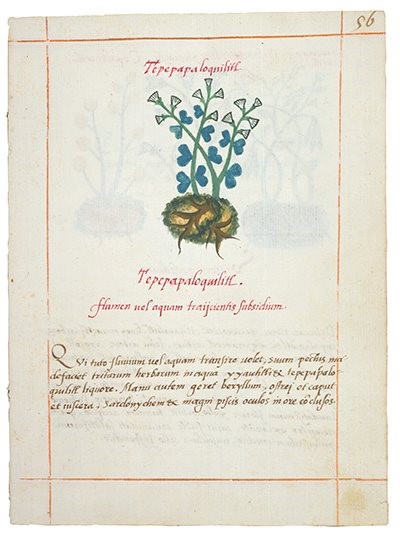
Porophyllums were first described by Linnaeus in 1753. The University of Arizona has specimens in their Herbarium collected from the Sonora and Chihuahua regions in the 1800’s. The Latin translations of some of the names in the poreleaf family are as follows;  The common name “Papaloquelite” is from the Nahuatl words papalotl (butterfly), and quilitl (edible weed, vegetable; adj green). Quilitl (quelite) is from the Goddess Quilaztli, the goddess of “those … Continue reading Papaloquelite : What’s in a name?

Quelite : Quillquina : Porophyllum ruderale

Updated 07/07/22 Also called, chapáhuate (Totonac), chucha, cilantro boliviano, Bolivian coriander, Killkiña, (Bolivia) Quilquiña / Quillquiña / Quirquiña (del quechua killkiña), killi, hierba del shingo (Peru), namu, anamu (strongly scented herb), chucha, shuca ruda (Peru), guacamaya, Picão-branco, cravo de urubu (black vulture marigold)(Brazil), yerba de cabra (goat plant), yerba de venado (deer grass), yerba del ciervo (deer grass), yerba galinazo (buzzards breath), yerba porosa, rudade gallina, … Continue reading Quelite : Quillquina : Porophyllum ruderale

Medicinal Uses of the Maguey

The maguey has been used in the treatment of syphilis, to accelerate the healing of wounds, as a cure for gonorrhoea, is a formidable antiseptic of the stomach and intestines and has laxative properties. According to the Antiguo Recetario Medicinal Azteca, to treat syphilis; the fluid extract of the maguey root is used, from which 10 drops are taken in the morning dissolved in a little water and 10 … Continue reading Medicinal Uses of the Maguey

Is Tequila Medicinal?

In 2018 it was popularly reported that the consumption of tequila was linked to (and may actually be good for) weight loss. Unfortunately this was just media generated hype. The key issue with the misrepresentation of this information involves a particular type of carbohydrate known as a fructan, more specifically agavin. A paper was presented at the 247th National Meeting of the American Chemical Society in … Continue reading Is Tequila Medicinal?