Bebidas, en la Bolsa : Drinks, in the bag

In Mexico you can purchase your drinks from various vendors by the bag (or bolsa). This is simply a bag with a straw in it. Mexico has long made aguas frescas (fresh waters) from water, fruits and seeds long before soda came on the scene. This tradition would have been greatly boosted by the herbs and fruits and grains (such as barley and rice) that … Continue reading Bebidas, en la Bolsa : Drinks, in the bag

What is the World coming to? Should I be horrified or amused? The Epidemic of Obesity.

A recent article in the Medscape medical journal has entered my feed and I don’t know whether to laugh or cry. It did bring up some relevant and thought provoking points (although none that, as a health professional, I was unaware of) but its source material was something I never thought I’d see in such a journal. Although these days I should not be surprised. … Continue reading What is the World coming to? Should I be horrified or amused? The Epidemic of Obesity.

Prehispanic Drinks – Bate

The beverage, bate, is a traditional beverage of the state of Colima made from toasted and ground chan, beaten with water and sweetened with honey or a kind of molasses prepared from piloncillo, or hard brown sugar. The chan seed is an interesting pseudograin that hails originally from the Mexican state of Colima. Suchitlán is a small town around 20 kilometres outside of the state … Continue reading Prehispanic Drinks – Bate

Xochipilli and the Zapote

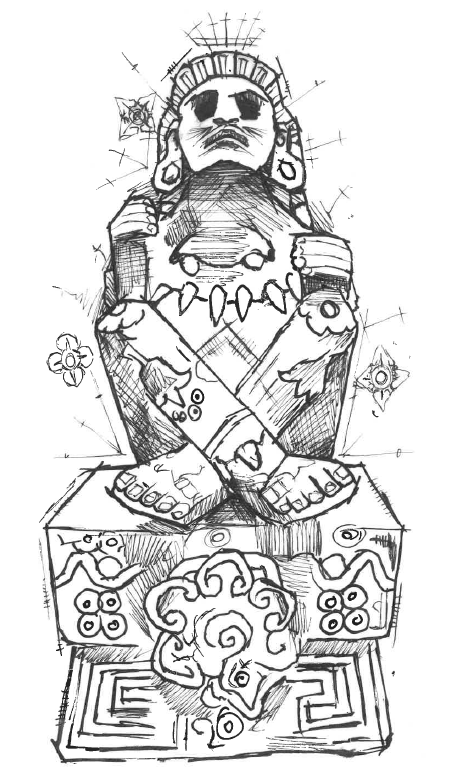
I would like to look at some interesting information regarding a little known (to me) statue of Xochipilli that has recently been mentioned by two history related sites (1)(2) The Posts I speak of. via Tetzcoco Prehispánico on Facebook SCULPTURE OF XOCHIPILLI, HUEXOTLA. Image: Wilhelm Bauer 1901 – 1910 This beautiful tezontle (1) stone sculpture, from Huexotla (2), State of Mexico, measures 15.5 x 11 … Continue reading Xochipilli and the Zapote

Battle of the Gods in Yucatan

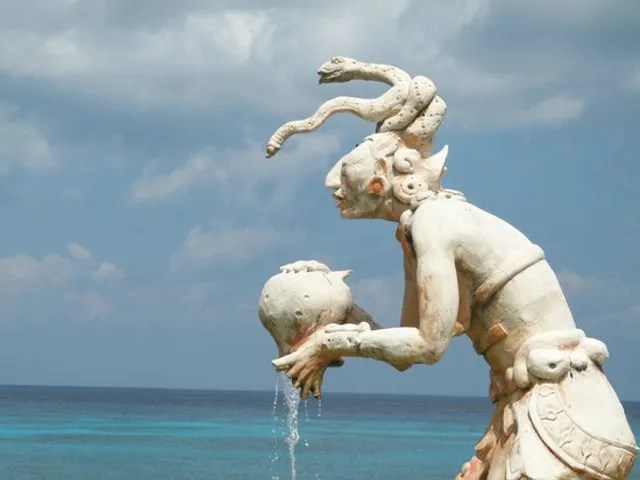
Progreso is a port city in the Mexican state of Yucatán, located on the Gulf of Mexico in the north-west of the state some 30 minutes north of state capital Mérida (the biggest city on the Yucatán Peninsula) In May of 2024 a three-meter tall sculpture of the Greek God Poseidon, made of fiberglass, created by the sculptor Chapa Balam Díaz ,was erected approximately five … Continue reading Battle of the Gods in Yucatan

Ixchel and the Legend of Chepil

I have posted on the herb chipilin previously and noted both its culinary and medicinal uses. Check this out at Quelite : Chipilin : Crotalaria longirostrata I want to expand upon my original Post with some cultural background on the herb and a legend on the creation of the plant. Many plants have creation myths, usually involving death, violence and/or a tragic love story, and … Continue reading Ixchel and the Legend of Chepil

No tacos para ti : Prehispania Mania

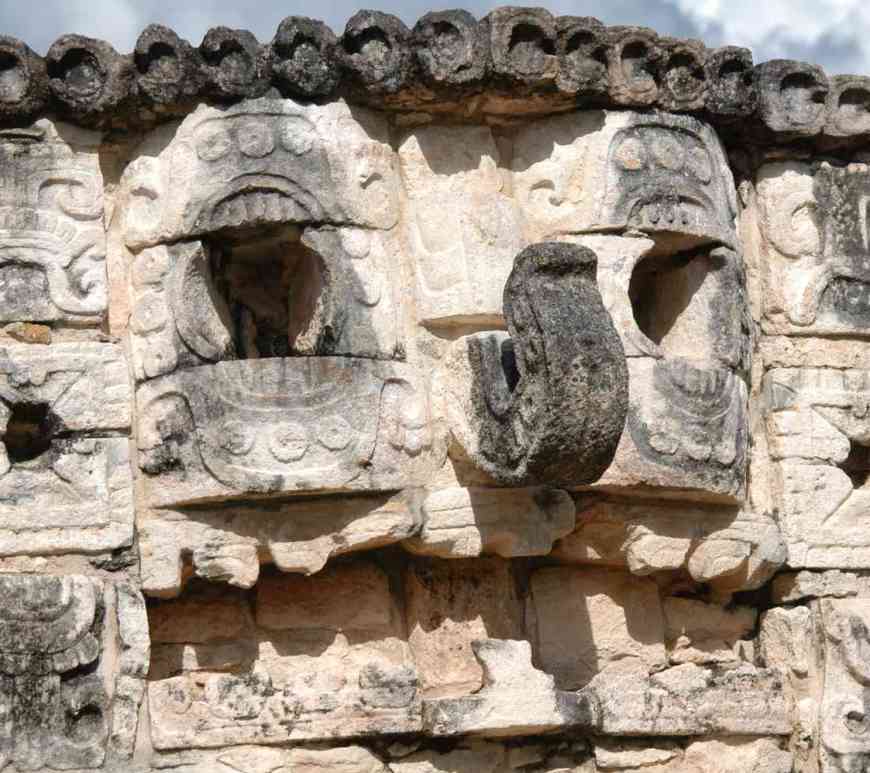
Cover Image : mis disculpas a Vera Cruz (1) A Mesoamerican retrospective delivered in memes (focussing on the Azteca por supuesto). There is some controversy over the term “Aztec”. It has been posited that the word was “invented” by white anthropologists (and sometimes more specifically Friedrich Heinrich Alexander von Humboldt) (1) to describe the people of the Valley of México because, at this stage, Western … Continue reading No tacos para ti : Prehispania Mania

Quelite : Mafafa : Eating the Taro stem

I have briefly written of this plant (or one of its ilk). See my previous Post Quelite : Mafafa. It is important you check the WARNINGS in this Post as all varieties of this plant contain highly irritant calcium oxalate crystals which need to be removed (by cooking) before the plant can be safely consumed. A couple of months ago I noted an African person … Continue reading Quelite : Mafafa : Eating the Taro stem

Ingredient : Asiento and a Brief History of Tlayudas, Doraditos and Huaraches.

When I was a child a snack that my father would sometimes eat was bread and dripping. Dripping was the fat left in the pan after roasting (usually) either beef or mutton (1). After the roast was removed from the pan the “juices” were allowed to settle and any excess oil rose to the surface. This fat is clear at first but as the contents … Continue reading Ingredient : Asiento and a Brief History of Tlayudas, Doraditos and Huaraches.