Papalo and Pipicha. Skunk Weed?

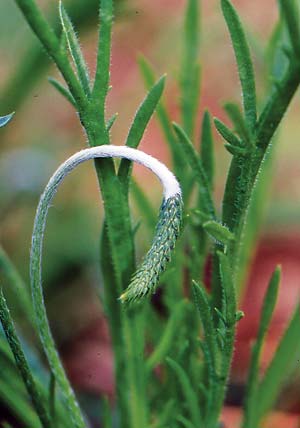
Hierba de Zorrillo Amongst the names papalo has accrued lies the not altogether unexpected moniker “skunk weed”, although I have never found the word “zorrillo” used and for some reason online translators always come back with “hierba mofeta”; the word used is mampuritu (1) and mampurite (2) (Morton 1968). My grasp of Spanish is rudimentary at best and there is no doubt I am missing … Continue reading Papalo and Pipicha. Skunk Weed?

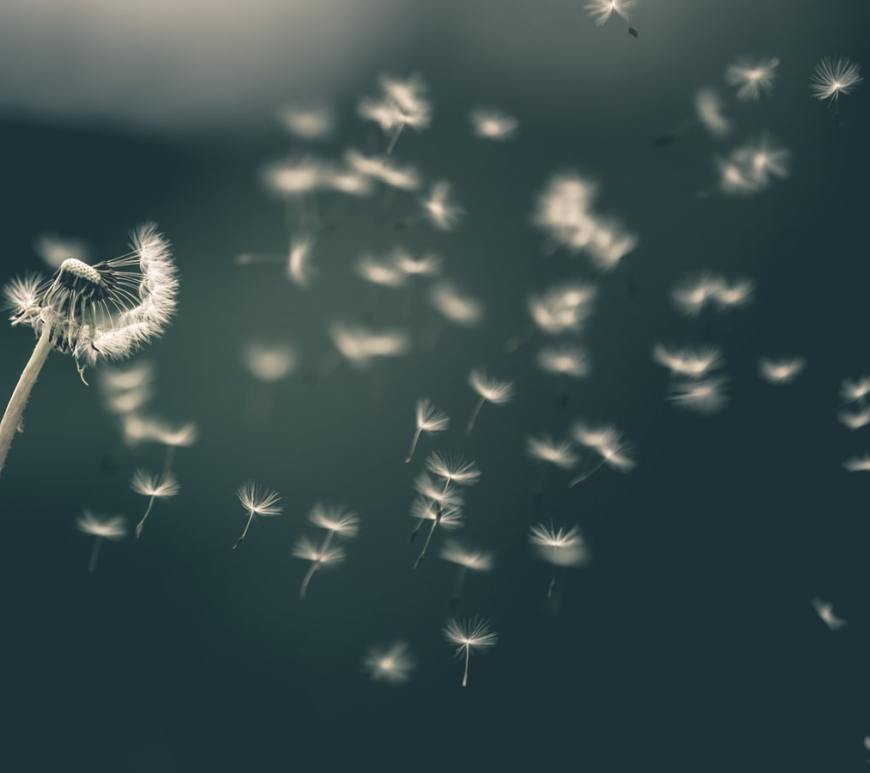
Dandelion? Identifying Wild Plants

I recently came across a term that I had never heard before. Plant Blindness. The term was coined in 1999 by botanists James Wandersee and Elisabeth Schussler. They described it as “the inability to see or notice the plants in one’s own environment”. William (2003) puts a little more into it “Plant blindness is a form of cognitive bias, which in its broadest meaning, is … Continue reading Dandelion? Identifying Wild Plants

Chaya

Cnidoscolus chayamansa (Syn C.aconitifolius) Also called : Tree spinach Chaya or Chayamansa is originally from southern Mexico and is popular in Yucatecan Maya cuisine. Chaya grows in size from a large shrub to a small tree. It has edible leaves that are considered more nutritious than spinach that are rich in vitamin C, calcium, iron, phosphorus, and are an important source of protein. There are many … Continue reading Chaya

Quelite : Dandelion

Featured Image by Saad Chaudhry Taraxacum officinale Also called : Diente de león , amargón (bitter), plumerillo, panadero, moraja (Sinaloa), cerraja (Jalisco), globillo, chipule, achicoria, lechuguilla, nocuana-gueeta (Zapotec), botón de oro (gold button) Dandelions are an ubiquitous weed that can be found in all environments from the countryside to the inner city. They are considered native to Eurasia but have migrated to all countries on … Continue reading Quelite : Dandelion

Glossary of Terms used in Herbal Medicine.

glossary/ˈɡlɒs(ə)ri/an alphabetical list of words relating to a specific subject, text, or dialect, with explanations; a brief dictionary. Throughout this blog I use terms that many may not be familiar with. Due to my training as a naturopath and herbalist I tend to use the terms I was taught without thinking that others may not have a clue about the words I am babbling forth. … Continue reading Glossary of Terms used in Herbal Medicine.

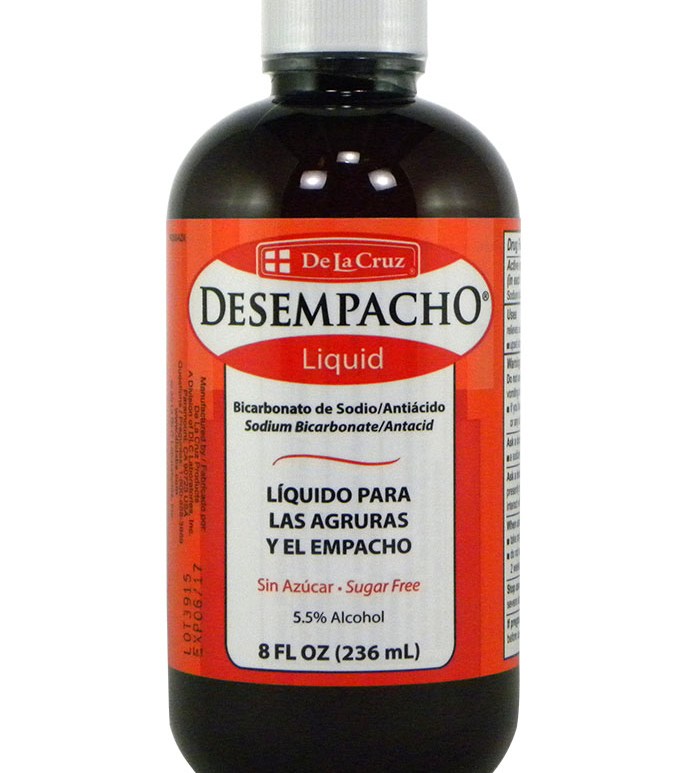
Empacho

Curanderismo and its practices are used to treat an illness of the gastrointestinal tract called empacho. It is considered to be a blockage or an infection in the intestines that can result from either physical or emotional/mental causes. Empacho can be indicated by any number of gastrointestinal symptoms such as stomach cramping, intestinal gas, loss of appetite, vomiting, diarrhoea and/or constipation. This illness can impact … Continue reading Empacho

Quelite : Huauzontle

Chenopodium nuttalliae (syn : C.berlandieri) “hairy amaranth” – from the Nahuatl huauhtli ‘amaranth’ and tzontli ‘hair’ According to a Mexican government website (1) the cultivation of huauzontle was prohibited by the Spanish, along with amaranth (2), due to its use in religious rites linked to human sacrifice. Huauzontles are a highly nutritious plant from the Chenopodium or “Goosefoot” family. Other plants in this family include … Continue reading Quelite : Huauzontle

Damiana : Turnera diffusa

syn T.aphrodisiaca (although there are claims that these are two different plants) Also called : Hierba del pastor, shepherds herb, Hierba del venado, damiana de California (or Guerrero), mizib-coc (misibcoc, misib-cooc, xmisibcoc, miixcoc)(Maya) This herb is native to Mexico, southern Texas, Central and South America, and the Caribbean. In Mexico it is used to flavour liqueurs for an aphrodisiac effect. In 1699 Father Juan Maria … Continue reading Damiana : Turnera diffusa

Quelite : Plantain

Plantago major also called : lanté (Chiapas), lanten, llantén, rorogochi (Raramuri)Common names : white man’s foot (because everywhere the white man walks it springs up in their footsteps), common plantain, waybread Family : PlantaginaceaeParts used : leaves – aerial parts, seeds Constituents : Leaves – mucilage, glycosides (aucubin), tannins, chlorogenic acid, ursolic acid, silicic acid, mineralsSeeds – mucilage, oils, protein, starch Plantain has been cited … Continue reading Quelite : Plantain

Chenopodiums

Chenopod – from Ancient Greek χήν (khḗn, “goose”) + πούς (poús, “foot”) One of the most tenacious, hardy and useful species of wild herb is the Chenopodium. The use of this family of plants has a long history. Archaeological finds suggest that some chenopods, such as fat hen, were not only collected from the wild but may in fact have been cultivated as far back … Continue reading Chenopodiums