Cempasúchil

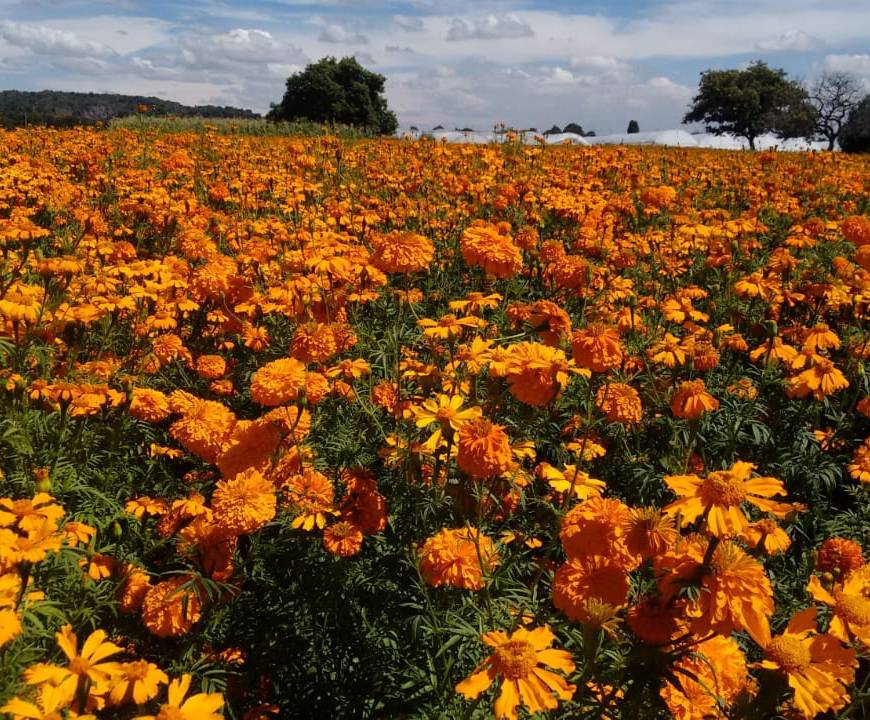
Tagetes erecta (syn Caryophyllus Indicus)Also known as : Flor de muerto, African marigold, Cempoalxόchitl (Nahuatl name “twenty flower”, from cempohualli – twenty and xochitl – flower), cempasuchitl, zempasuchitl, apátsicua (purépecha and tarasco), caxiyhuitz (huasteco), guie’biguá, guie’coba, picoa and quiepi-goa (zapoteco), kalhpu’xa’m (totonaco), Ita-Cuaan (Mixtec), Jondri (Otomí), Genda phool, Genda (Hindi, Bengali), Chenduhoovu, Chendu huva (Kannada), Ghenda (Marathi), Galaghoto (Gujarati), Chendu malli (Malayalam), Banti Puvuu (Telgu), … Continue reading Cempasúchil

Cumin

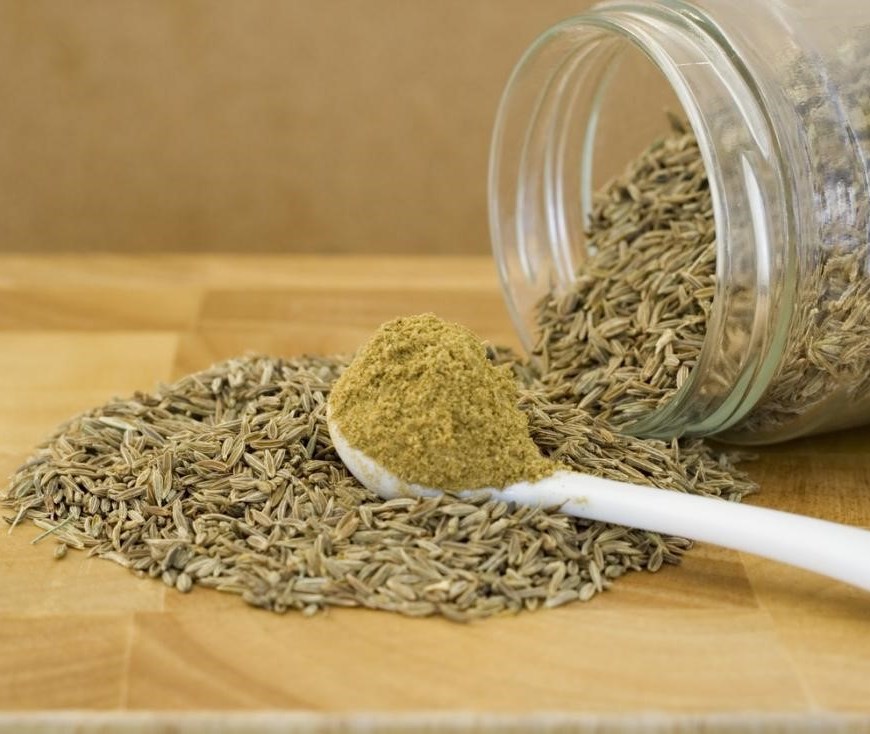
Amongst the spices introduced to Mexico with the Spanish was the seed of an umbelliferous plant in the Apiaceae family (1) known as Cumin (Cuminum cyminum). Cumin was very popular in ancient Rome and containers of it were kept on the dinner table much like pepper is today. Cumin is native to an area of the Eastern Mediterranean known as the Levant. The term Levant originally meant “the … Continue reading Cumin

Medicinal use of Miel de Agave (agave honey)

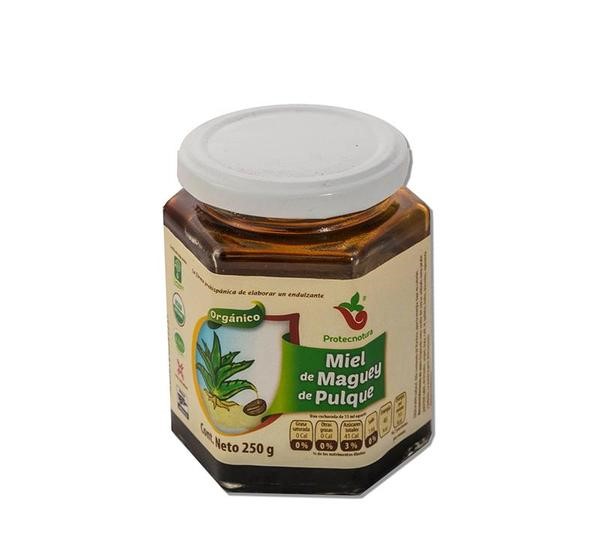
A type of “honey” can be made from aguamiel. Aguamiel is heated in a pot until most of the moisture has evaporated and the liquid has thickened to the texture of honey and becomes dark amber in colour. For every 9 litres of aguamiel you will produce around only 1 litre of agave honey. According to CINVESTAV (The Center for Research and Advanced Studies of the … Continue reading Medicinal use of Miel de Agave (agave honey)

Quelite : Epazote

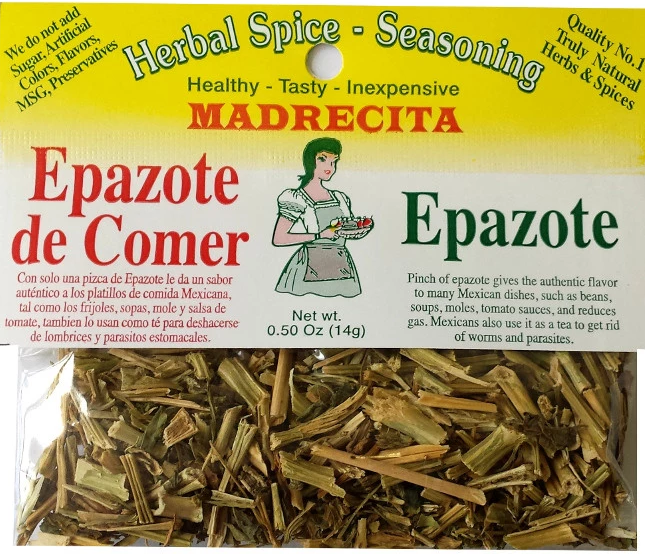
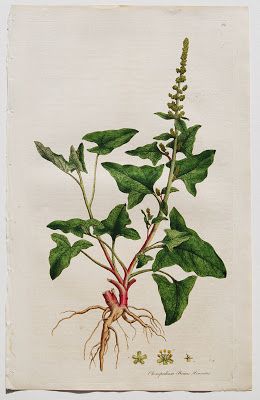
Chenopodium ambrosiodes (Synonyms: Teloxys ambrosioides, Dysphania ambrosioides) Epazōtl : from Nahuatl, epatl – skunk and tzotl – sweat (1). I have seen this translation noted as being “epatli = skunk; zotli = grass”. There’s no confusion re skunk but I think there may have been over “zotli = grass”. The Nahuatl word for grass is zacatl (zacate en Español). There is a Nahuatl word “tzontli” … Continue reading Quelite : Epazote

Quelite : Tlapanche

also called, quelite de venado, lapandzi, lapantsi, átlapántsin, aclapanchis, papalo de cerro, papalo criollo Jesús Hoyos Hernández on his blog (1) speaks of this herb. It is not very well known and can be confused with papalo as it is similar in appearance although, according to Jesús, its aroma and taste is very different. This plant has previously been identified as P.punctatum but P.pringlei, P.ruderale, P.nutans (2) and P.calcicola have … Continue reading Quelite : Tlapanche

Quelite : Porophyllum obscurum

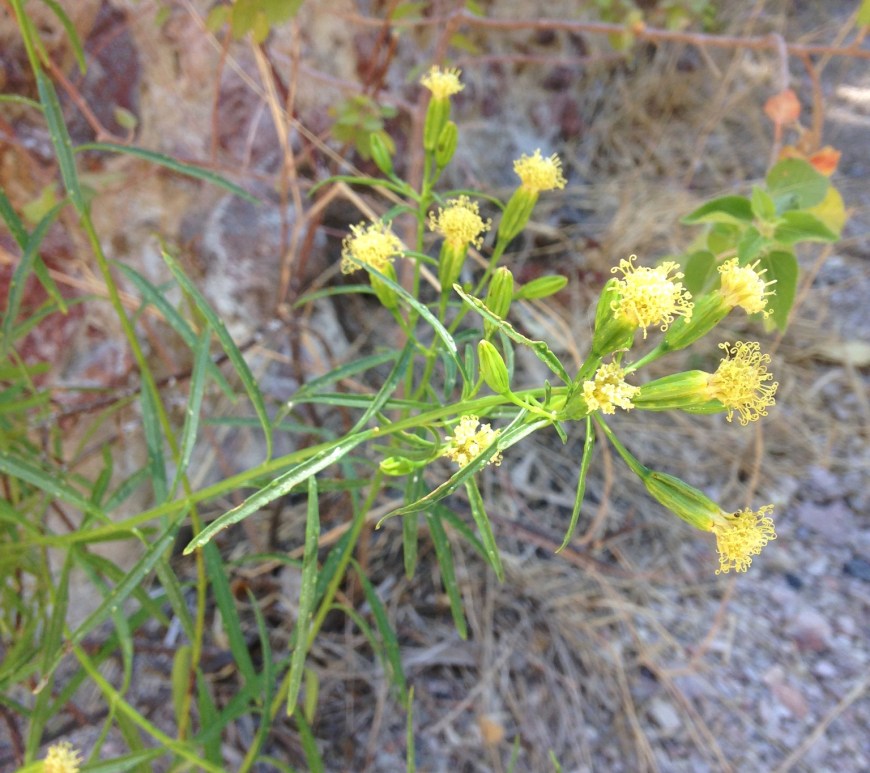
(Syn: P.eremophilum, P.oblanceolatum, Kleinia linifolia) also called Catinga-de-urubu, curupaimi, kilkina, quirquina, matapulgas (literal translation “killing insects”), yerba de la gama, ruda blanca, cominillo, yerba del venado, yerba del ciervo. Another of the less well known species of porophyllum. Found south of Brazil into Paraguay and the north east of Argentina there is very little information to be found on this particular variety of pore leaf. … Continue reading Quelite : Porophyllum obscurum

Medicinal Qualities of Pulque

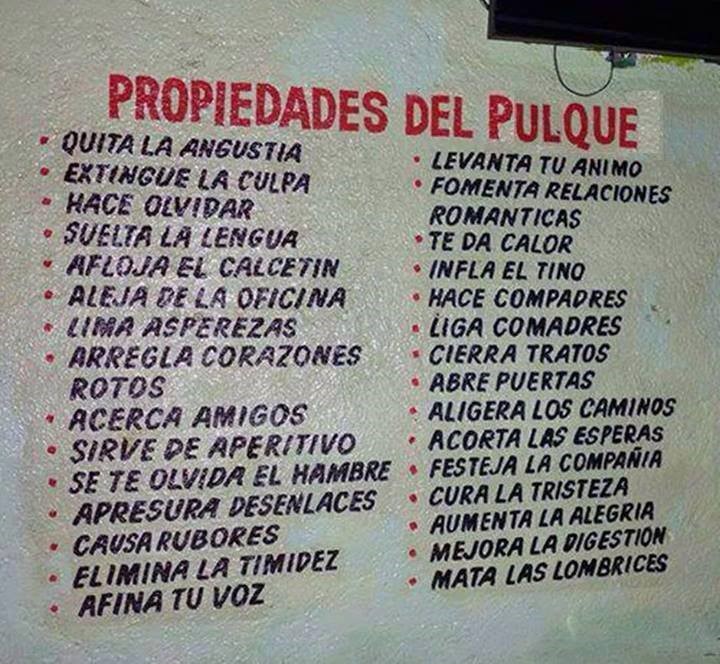
Aguamiel and pulque are both highly nutritive liquids. Aguamiel in its raw state (prior to fermentation) contains essential amino acids, proteins, vitamins, gums and minerals and is a valuable water substitute in areas where water may be scarce or potentially contaminated and unsafe to drink. When aguamiel is dehydrated it is composed of around 90% sugars (mainly sucrose, glucose and fructose) and around 10% fructooligosaccharides (fructans – primarily … Continue reading Medicinal Qualities of Pulque

Quelite : Porophyllum pausodynum

Also called :  Guaymas Poreleaf, hierba del venado, maravilla P.pausodynum, a less well known variety of slender poreleaf that was used by the Mexicans of Guaymas to alleviate headaches. (Johnson 1969). Guaymas poreleaf is native to the semi-arid region of subtropical northern Mexico and is named after an historical port city in Sonora. Before European settlement this area was populated by the Guaymas, Seri and Yaqui peoples. … Continue reading Quelite : Porophyllum pausodynum

Nutritional Value of Aguamiel

Nutritional value of aguamiel from Agave atrovirens Minerals mg/100 g Potassium (K) 120.44 Calcium (Ca) 11.70 Zinc (Zn) 0.18 Iron (Fe) 0.81 Sodium (Na) 0.83 Copper (Cu) 0.07 Magnesium (Mg) 0.55 Selenium (Se) 0.047 Water-soluble vitamins mg/100 g Thiamine (B1) 0.10 Riboflavin (B2) 0.38 Niacin (B3) 4.77 Pyridoxine (B6) 0.57 Ascorbic acid (C) 17.99 Amino acids mg/100 g Aspartic acid 7.91 Glutamic acid 20.08                                                Serine 4.48 … Continue reading Nutritional Value of Aguamiel