Flor de Jamaica (Hibiscus sabdariffa)

Also called : Roselle, Rosella, Red sorrel, Karkady, Karkade Another popular street food in México are the agua frescas (fresh waters or cool waters). These are light non-alcoholic beverages which are flavoured with fruits, cereals, flowers, or seeds blended with sugar and water. Chia seed is often added. These drinks are typically served from large barrel-shaped glass containers and can be found in markets, taquerias, tianguis and on … Continue reading Flor de Jamaica (Hibiscus sabdariffa)

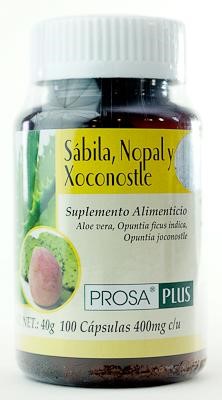
Medicinal uses of Xoconostle

The habitual consumption of the skin and fruit of the xoconostle can be useful in the control of serum glucose in individuals with Type 2 diabetes. In healthy people xoconostle can help prevent hyperglycaemic states and potentially reduce the concentration of cholesterol and triglycerides which may be related to metabolic syndrome.(Pimienta-Barros etal) Xoconostle pears (Opuntia matudae) have attracted the attention of researchers around the world due to this … Continue reading Medicinal uses of Xoconostle

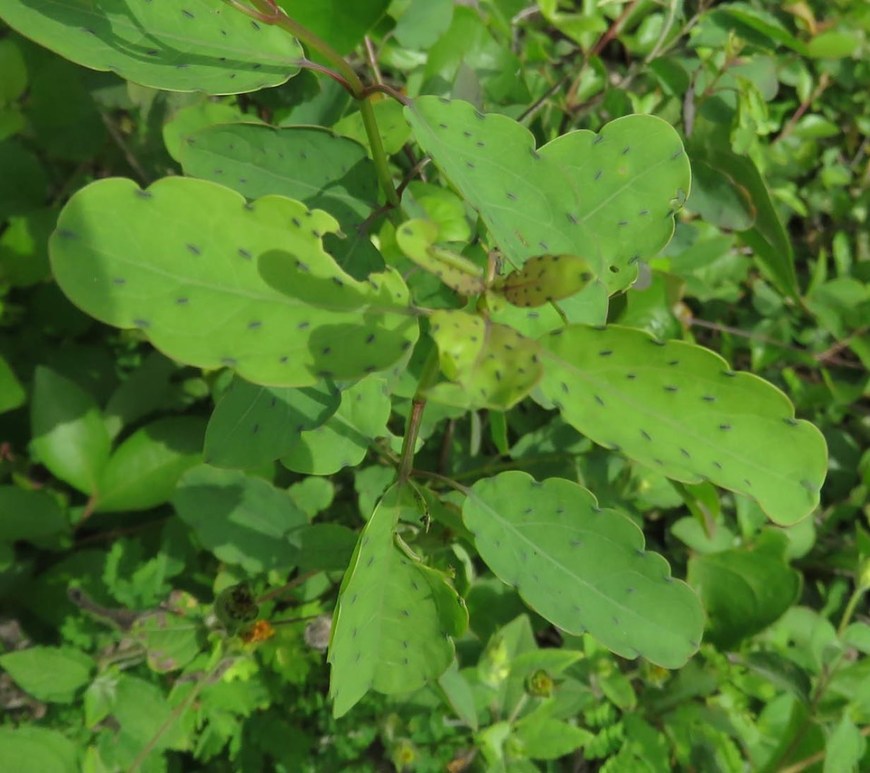
Quelite : Porophyllum punctatum

Synonym : Porophyllum millspaughii BL Rob. Also called: Tlapanche, tepepapaloquilitl, eek’ puk che’ (Maya), hierba de dunas costeras, hierba del venado, mal de ojo, paloquelite, pech’ uk’ (Maya), pech’uk-il (Maya), pioja, pio-jillo (Nahuatl), Mata piojo (louse killer), piojillo, piojo, papalillo pipisca de venado, pipixat, pipitzcaquilitl, quelite, ruda de monte, sorrio, tepalcachu, ucuchoo, uk’ che’ (Maya), uk’ xiw (Maya), xiiw (Maya), xpechuekil, x- pechuk’il, yerba de … Continue reading Quelite : Porophyllum punctatum

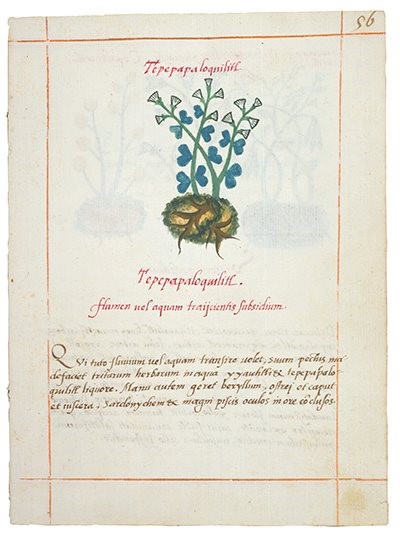
Quelite : Tepepapaloquilitl

Also called : tepalcachu, pápalo, pipizca de venado. Tepepapaloquilitl (tepetl – mountain, hill : papalotl – butterfly : quilitl – weed), it is so named because it is a herb which attracts butterflies and it grows on hilly ground or in the mountains. Porophyllum gracile has also been identified as tepepapaloquilitl. In the mountains outside Toluca there is a root called “chautl” which comes from a plant identified by … Continue reading Quelite : Tepepapaloquilitl

Quelite : Porophyllum lanceolatum

Also called, clavelina, hierba del ciervo, hierba del venado, yerba del venado, ıvira käti (Isoceño-guaran´ı) quilquina (Argentina) This herb is used in west-central Argentina primarily as an infusion. One study of P.lanceolatum (Mattana etal) showed that extracts from this plant look promising as a potential natural therapy against Gram-positive bacteria (1).  According to the Colegio de Farmacéuticos de Santa Fe (2) in Argentina it is … Continue reading Quelite : Porophyllum lanceolatum

Quelite : Mexixquilitl

Mexixquilitl (as L.virginicum) also called lentejilla The picture above depicts a plant from the tropaeolum genus. These are commonly known as nasturtiums. The leaves of the nasturtium are edible and have a “peppery” bite to them. The Tropaeolum genus is native to Central and South America and were introduced into Europe from Peru by the Spanish. Nasturtiums received their common name because the produce an … Continue reading Quelite : Mexixquilitl

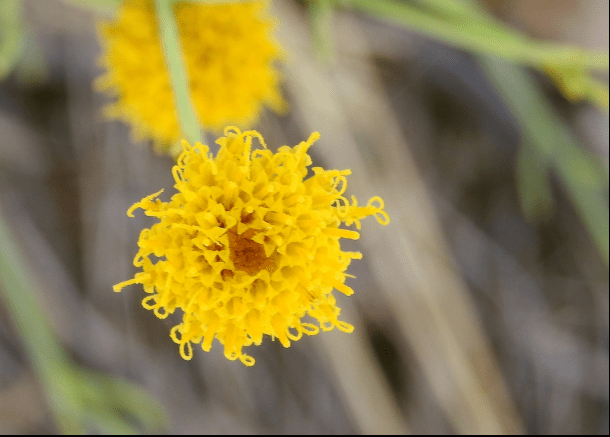
Quelite : Porophyllum scoparium

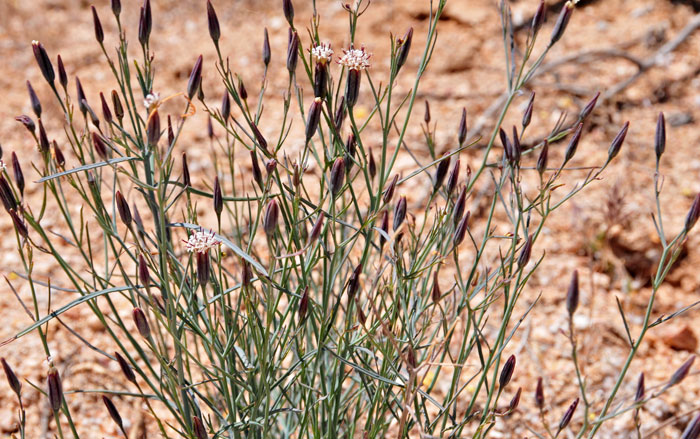
Also called : shrubby poreleaf, hierba del venado, jarilla, romerillo, pomerillo, Transpecos poreleaf. P.scoparium is a narrow leaved variety of pore leaf. In Mexico P.scoparium is used as a remedy for rheumatism, fever and intestinal problems. This herb is currently being used by the Grupo Medico Dr. Zurita SA de CV in Mexico City. Dr’s Manuel A Zurita Lopez and Maria Esther Zurita Jiminez on their … Continue reading Quelite : Porophyllum scoparium

Quelite : Porophyllum gracile : Deer Weed

Synonyms: P.junciforme, P.putidum, P.caesium, P.cedrense , P.leucospermum , P.nodosum , P.ochroleucum , P.pinifolium , P.vaseyi , P.confertum var. ochroleucum Also called, slender pore leaf, odora, (hierba) yerba del venado (deer herb), maravilla, tepepapaloquilitl, Pech’uk-il (Mayan name), xtisil or xtesel (Seri name), hestej (Guarijio), jestej (Guarijío) The first text I have come across that refers to papaloquelite under the moniker “deer weed” is that of Hernandez who writes of the herb MAZATLIPAPALOQUILITL or deer papaloquilitl. … Continue reading Quelite : Porophyllum gracile : Deer Weed

Quelite : Chepiche/Pipicha : Porophyllum tagetoides

Porophyllum tagetoides (syn P.linaria, Kleinia tagetoides ): chepiche, chepito, pipicha, pipitza, pipitzcaquilitl (Nahuatl), tepicha, quelite oaxaqueño, escobeta, papalo delgado (thin papalo), Cole de coyote (coyote tail), yerba de la venado (so called because the plant exhales a stench similar to that which gives off the meat of the deer)(sic) (Hieronymus. G), nlí-dún (Zapotec) named after a stinging ant (ndún), one assumes because of its smell … Continue reading Quelite : Chepiche/Pipicha : Porophyllum tagetoides

Papaloquelite : What’s in a name?

Porophyllums were first described by Linnaeus in 1753. The University of Arizona has specimens in their Herbarium collected from the Sonora and Chihuahua regions in the 1800’s. The Latin translations of some of the names in the poreleaf family are as follows;  The common name “Papaloquelite” is from the Nahuatl words papalotl (butterfly), and quilitl (edible weed, vegetable; adj green). Quilitl (quelite) is from the Goddess Quilaztli, the goddess of “those … Continue reading Papaloquelite : What’s in a name?