Tlatlaolton. Which Porophyllum Are You?

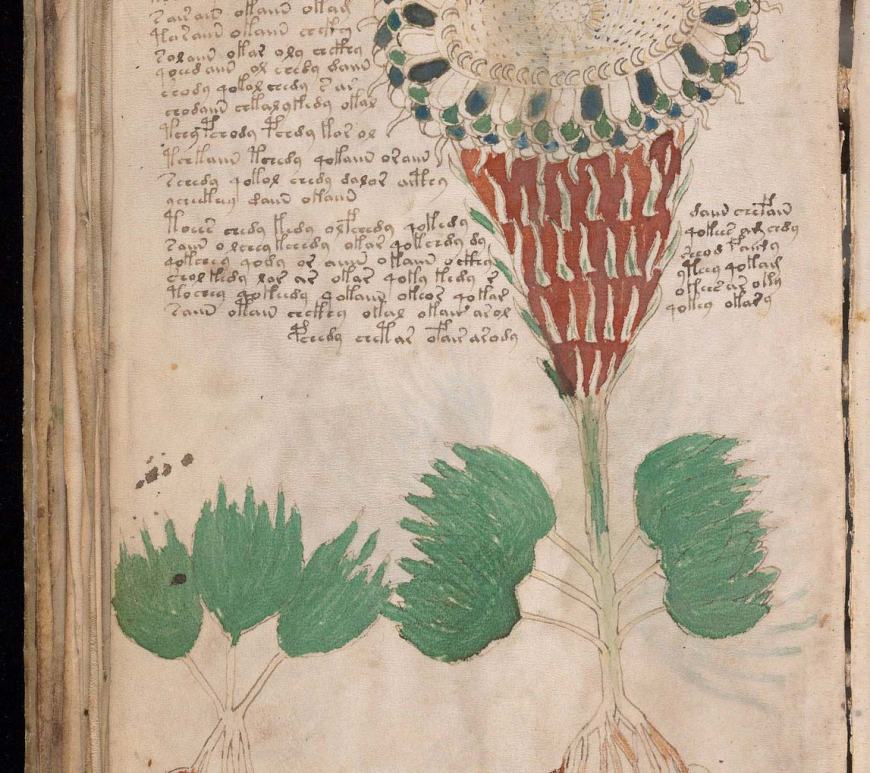
Cover Image from the Voynich Manuscript Also called : Chepiche, escobilla, pipicha, pipizca Are you even a Porophyllum? It appears so. But let’s investigate. Tlatlaolton has been classified as Porophyllum coloratum (1) (Kunth) DC (2). Esparza Villarreal (2019) : Synonyms : Kleinia colorata Kunth; Porophyllum seemannii Sch. Bip.: Porophyllum simplex M.E. Jones P.gracile, P.tagetoides, P.seemanii and P.viridiflorum have all been put forward as contenders in … Continue reading Tlatlaolton. Which Porophyllum Are You?

Nutritional Profile of Amaranth

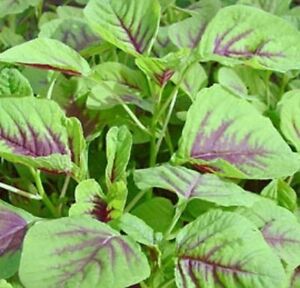
Amaranth seed Amaranth grain is an ancient superfood. Although botanically it is not considered a grain it, along with the pseudocereal quinoa, is botanically a seed. This is merely pedantic nit picking and in no way diminishes the high nutritional value of this plant. The plant has several culinary uses. The leaves are edible and the seeds can be eaten whole, ground, popped or can … Continue reading Nutritional Profile of Amaranth

Medicinal Qualities of Amaranth

Amaranthus species plants can be broken down into 3 basic categories, grain, leaf and ornamental. All varieties of the plant can be eaten as a green leafy vegetable when the plants are young enough and all will provide seed to one degree or another but only a few provide enough seed to be considered viable as a foodstuff. Species primarily used for their seeds are … Continue reading Medicinal Qualities of Amaranth

Chinchweed : Pectis papposa

(Pectis papposa) Syn. Pectis angustifolia Torr also called Fetid marigold, Pague, Limoncillo, Lemonscent, Crownseed Pectis, Lemon-scented Pectis, Lemonscent Pectis, Lemonweed, TshéGdannItc’iih (Navajo), manzanilla del coyote, ban mansani:ya, caasol heecto (small caasol), caasol ihasii quiipe (pleasant smelling caasol (Seri), ban manzani;ya I have recently come across this plant during my research into the porophyllums. I was initially drawn to the porophyllum species because of the impact … Continue reading Chinchweed : Pectis papposa

Papalo and Pipicha. Skunk Weed?

Hierba de Zorrillo Amongst the names papalo has accrued lies the not altogether unexpected moniker “skunk weed”, although I have never found the word “zorrillo” used and for some reason online translators always come back with “hierba mofeta”; the word used is mampuritu (1) and mampurite (2) (Morton 1968). My grasp of Spanish is rudimentary at best and there is no doubt I am missing … Continue reading Papalo and Pipicha. Skunk Weed?

The Botany of Papaloquelite

I have previously avoided going too much into the scholarly side of anything whilst creating this Blog. It is my intent to create information that can be accessible to anyone. There are some specifics that cannot be avoided when discussing the medicinal qualities of plants but they are necessary and I have included information that may be beyond some but will be relevant to those … Continue reading The Botany of Papaloquelite

Dandelion? Identifying Wild Plants

I recently came across a term that I had never heard before. Plant Blindness. The term was coined in 1999 by botanists James Wandersee and Elisabeth Schussler. They described it as “the inability to see or notice the plants in one’s own environment”. William (2003) puts a little more into it “Plant blindness is a form of cognitive bias, which in its broadest meaning, is … Continue reading Dandelion? Identifying Wild Plants

Chaya

Cnidoscolus chayamansa (Syn C.aconitifolius) Also called : Tree spinach Chaya or Chayamansa is originally from southern Mexico and is popular in Yucatecan Maya cuisine. Chaya grows in size from a large shrub to a small tree. It has edible leaves that are considered more nutritious than spinach that are rich in vitamin C, calcium, iron, phosphorus, and are an important source of protein. There are many … Continue reading Chaya

Culantro : A Cilantro Mimic

Eryngium foetidum Also called : Eryngo, sawtooth Coriander, Mexican coriander, wild coriander, cilantro de hoja, cilantro de monte, ancha (broadleaf cilantro), long coriander,  recao, chandon beni, perennial coriander, fitweed, Mexico: cilantron, cilantrillo, cilantro extranjero, Perejil de Tabasco (Mexico), Caribbean: Culantro de Monte, China: Jia Yuan Qian, Germany: Langer Koriander, Mexicanischer Koriander, Jamaica: Spiritweed, Laos: Hom Tay Malaysia: Daun Ketumbar Jawa, Ketumbar Java, Thailand: Pak Chi Farang, … Continue reading Culantro : A Cilantro Mimic

Quelite : Dandelion

Featured Image by Saad Chaudhry Taraxacum officinale Also called : Diente de león , amargón (bitter), plumerillo, panadero, moraja (Sinaloa), cerraja (Jalisco), globillo, chipule, achicoria, lechuguilla, nocuana-gueeta (Zapotec), botón de oro (gold button) Dandelions are an ubiquitous weed that can be found in all environments from the countryside to the inner city. They are considered native to Eurasia but have migrated to all countries on … Continue reading Quelite : Dandelion