Chenopodiums

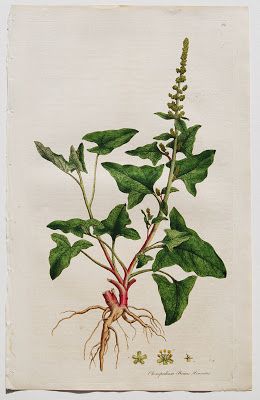
Chenopod – from Ancient Greek χήν (khḗn, “goose”) + πούς (poús, “foot”) One of the most tenacious, hardy and useful species of wild herb is the Chenopodium. The use of this family of plants has a long history. Archaeological finds suggest that some chenopods, such as fat hen, were not only collected from the wild but may in fact have been cultivated as far back … Continue reading Chenopodiums

Yerba Porosa : (Unknown Porophyllum)

The porophyllum species continues to surprise. I have recently come across an organic seed seller in Florida who is selling a plant they call Yerba porosa. Yerba porosa is a common name that frequently refers to P.ruderale and translates to “porous herb” (grass) in reference to the oil filled glands (or pores) that give this herb its distinctive flavour profile. The variety of this plant … Continue reading Yerba Porosa : (Unknown Porophyllum)

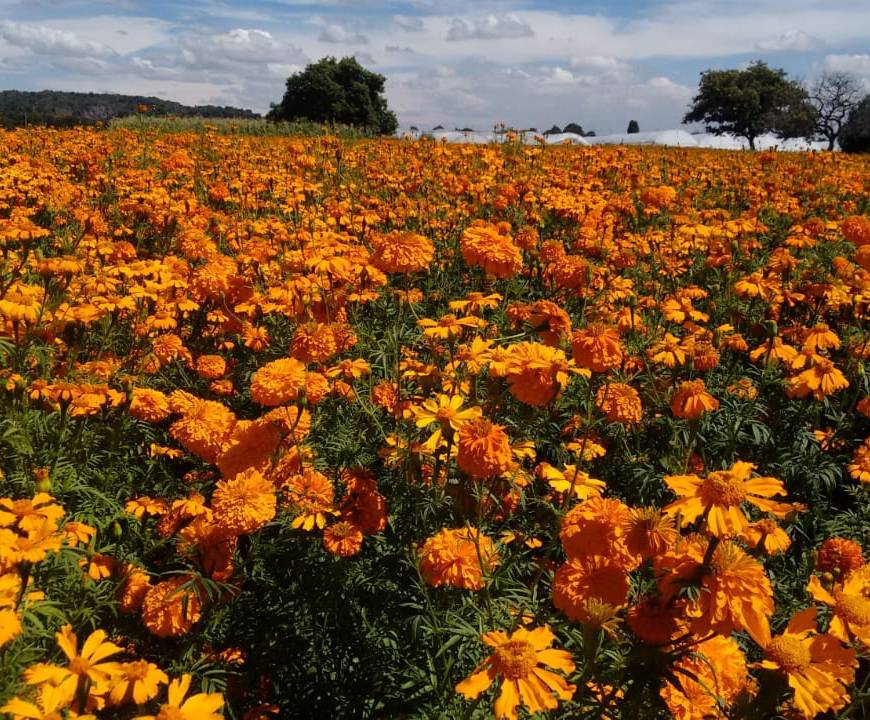
Cempasúchil

Tagetes erecta (syn Caryophyllus Indicus)Also known as : Flor de muerto, African marigold, Cempoalxόchitl (Nahuatl name “twenty flower”, from cempohualli – twenty and xochitl – flower), cempasuchitl, zempasuchitl, apátsicua (purépecha and tarasco), caxiyhuitz (huasteco), guie’biguá, guie’coba, picoa and quiepi-goa (zapoteco), kalhpu’xa’m (totonaco), Ita-Cuaan (Mixtec), Jondri (Otomí), Genda phool, Genda (Hindi, Bengali), Chenduhoovu, Chendu huva (Kannada), Ghenda (Marathi), Galaghoto (Gujarati), Chendu malli (Malayalam), Banti Puvuu (Telgu), … Continue reading Cempasúchil

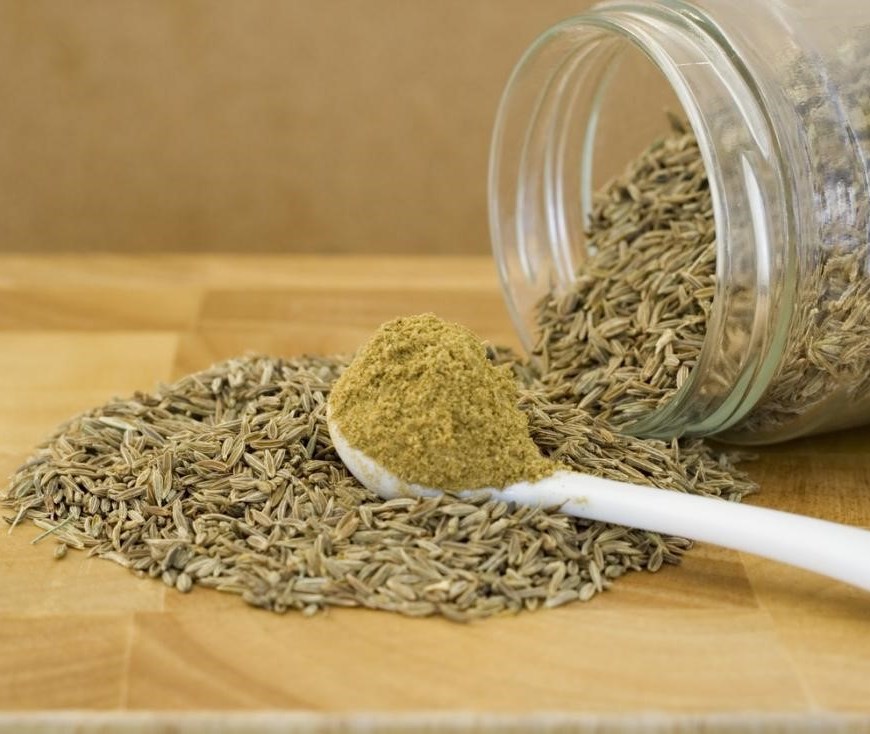
Cumin

Amongst the spices introduced to Mexico with the Spanish was the seed of an umbelliferous plant in the Apiaceae family (1) known as Cumin (Cuminum cyminum). Cumin was very popular in ancient Rome and containers of it were kept on the dinner table much like pepper is today. Cumin is native to an area of the Eastern Mediterranean known as the Levant. The term Levant originally meant “the … Continue reading Cumin

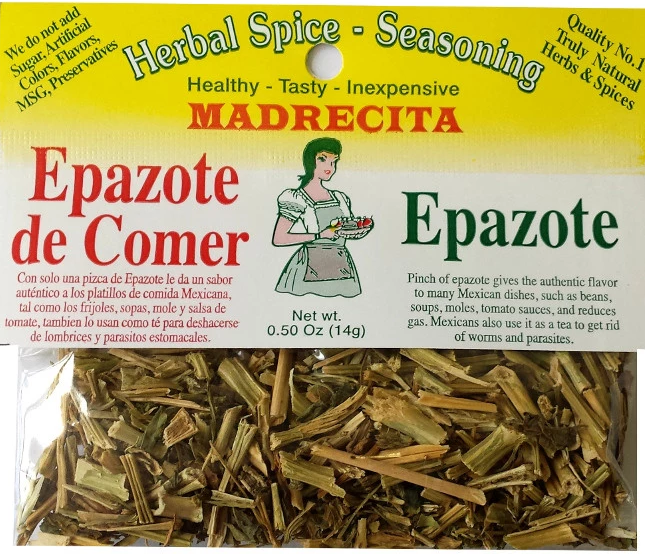
Quelite : Epazote

Chenopodium ambrosiodes (Synonyms: Teloxys ambrosioides, Dysphania ambrosioides) Epazōtl : from Nahuatl, epatl – skunk and tzotl – sweat (1). I have seen this translation noted as being “epatli = skunk; zotli = grass”. There’s no confusion re skunk but I think there may have been over “zotli = grass”. The Nahuatl word for grass is zacatl (zacate en Español). There is a Nahuatl word “tzontli” … Continue reading Quelite : Epazote

Quelite : Tlapanche

also called, quelite de venado, lapandzi, lapantsi, átlapántsin, aclapanchis, papalo de cerro, papalo criollo Jesús Hoyos Hernández on his blog (1) speaks of this herb. It is not very well known and can be confused with papalo as it is similar in appearance although, according to Jesús, its aroma and taste is very different. This plant has previously been identified as P.punctatum but P.pringlei, P.ruderale, P.nutans (2) and P.calcicola have … Continue reading Quelite : Tlapanche

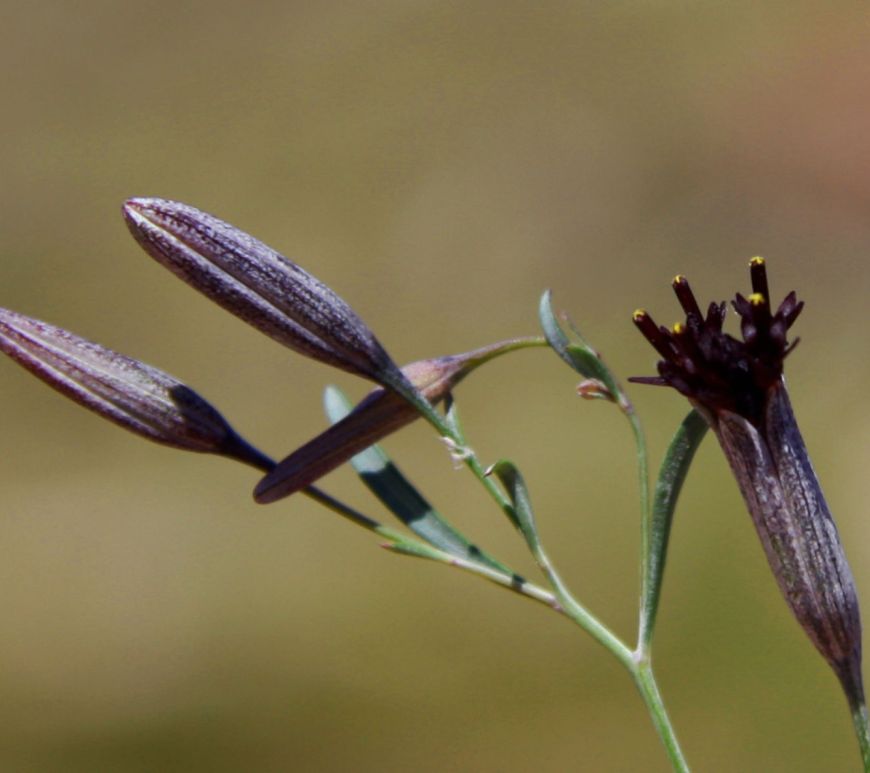
Quelite : Porophyllum obscurum

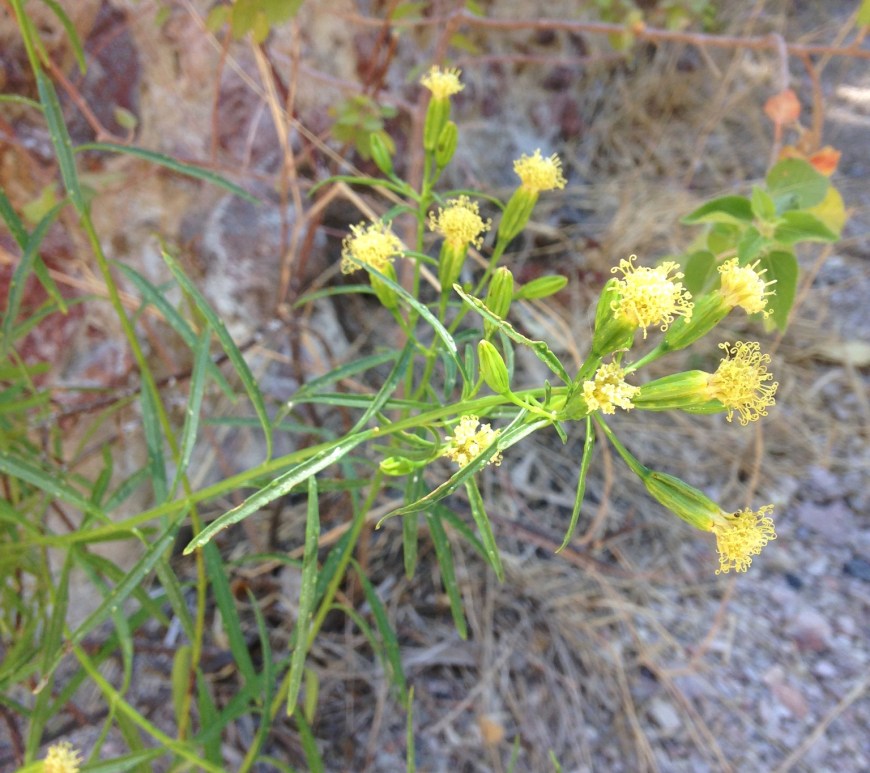
Cover Image : Porophyllum obscurum (Spreng.) DC. – Specimen Zappi, D.C. 2294 ID:6558 © RBG Kew https://creativecommons.org/licenses/by/3.0/ Synonyms (1) Kleinia obscura Spreng. (basionym) Kleinia linifolia Gillies & D.Don ex Hook. & Arn. Porophyllum eremophilum Cabrera Porophyllum haenkei DC. Porophyllum lineare DC. Porophyllum oblanceolatum Rusby Basionym (2) : Kleinia obscura Heterotypic (3) Synonyms Kleinia linifolia Gillies & D.Don ex Hook. & Arn. Porophyllum eremophilum Cabrera Porophyllum … Continue reading Quelite : Porophyllum obscurum

Quelite : Porophyllum pausodynum

Also called :  Guaymas Poreleaf, hierba del venado, maravilla P.pausodynum, a less well known variety of slender poreleaf that was used by the Mexicans of Guaymas to alleviate headaches. (Johnson 1969). Guaymas poreleaf is native to the semi-arid region of subtropical northern Mexico and is named after an historical port city in Sonora. Before European settlement this area was populated by the Guaymas, Seri and Yaqui peoples. … Continue reading Quelite : Porophyllum pausodynum

Unknown Porophyllums

In all corners of Mexico there are varieties of porophyllum unknown to the scientific community. They remain unclassified and without the Latin nomenclature that science is so fond of. There are many varieties of pore leaf yet to be catalogued. One such variety would be Copanquelite. According to Diana Kennedy, this as yet unidentified porophyllum (My Mexico, 1998) is a delicate plant with smaller leaves … Continue reading Unknown Porophyllums

Quelite : Porophyllum punctatum

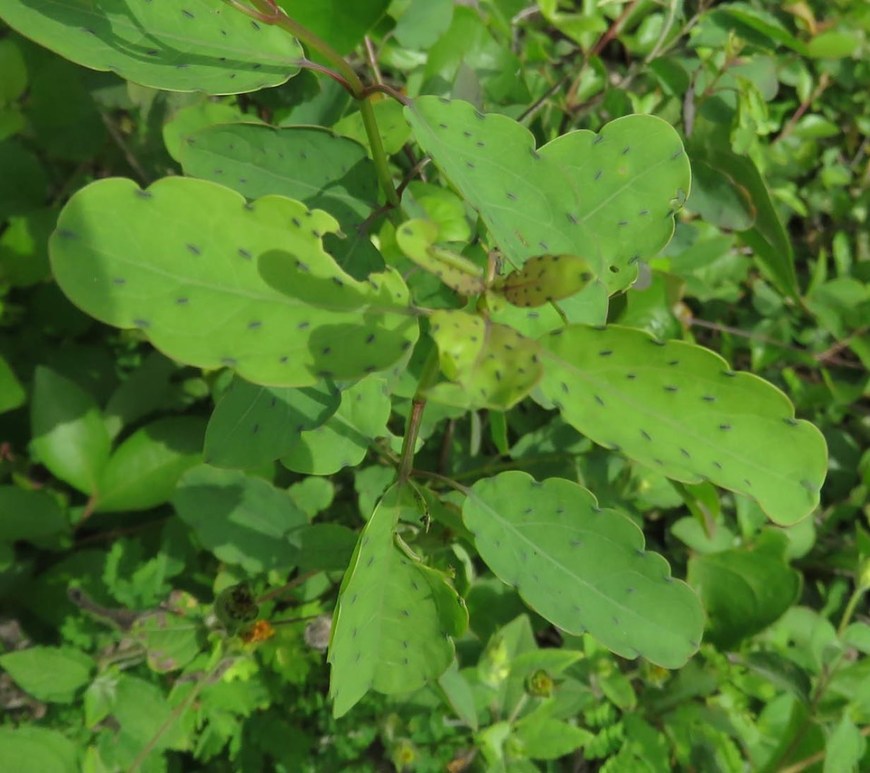
Synonym : Porophyllum millspaughii BL Rob. Also called: Tlapanche, tepepapaloquilitl, eek’ puk che’ (Maya), hierba de dunas costeras, hierba del venado, mal de ojo, paloquelite, pech’ uk’ (Maya), pech’uk-il (Maya), pioja, pio-jillo (Nahuatl), Mata piojo (louse killer), piojillo, piojo, papalillo pipisca de venado, pipixat, pipitzcaquilitl, quelite, ruda de monte, sorrio, tepalcachu, ucuchoo, uk’ che’ (Maya), uk’ xiw (Maya), xiiw (Maya), xpechuekil, x- pechuk’il, yerba de … Continue reading Quelite : Porophyllum punctatum