Quelite de Venado : Another Deer Weed

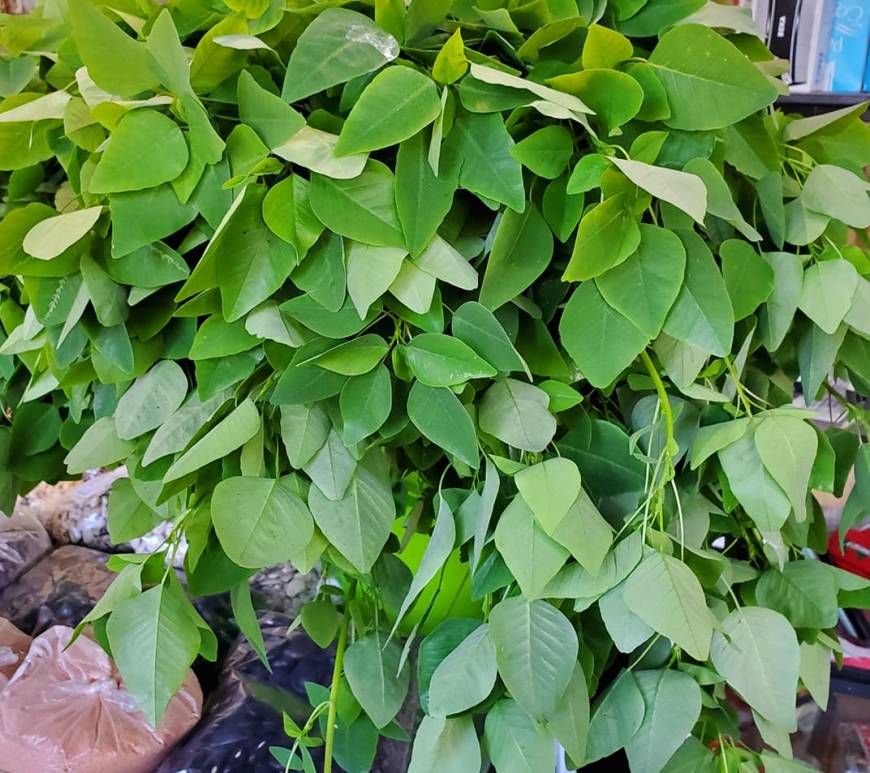
We add another one to the list : A Note on Deer Weed : The Danger of Common Names Scientific name: Peperomia lenticularis A plant with smooth, slightly heart-shaped green leaves. Common names : Sopa-causasa, cumazani, Tequelite chiquito (1) other sources note Tequelite chiquito as being Peperomia peltilimba Known in other languages ​​as: cuc’sazan also Laktsu kuksasan (Totonac, northern mountains of Puebla) tancharapo (Nahuatl, northern … Continue reading Quelite de Venado : Another Deer Weed

Porophyllum zimpanum

Let me introduce you to an uncommon Porophyllum, Porophyllum zimapanum (B. L. Turner). This porophyllum, named after its collector Billie Lee Turner (1) and the image below represents the only sample of this particular species. The scientific name Porophyllum zimapanum was first published by botanist Billie Lee Turner in 1983. The plant was found growing in the cliffs of the Barranca de Toliman in the … Continue reading Porophyllum zimpanum

Porophyllum japonicum

Papalo has a primo chino or Chinese cousin who unfortunately has been poorly done by when it comes to its name. The Japanese named “Sanshichi-so” (Porophyllum japonicum) (1) belongs to the Asteraceae family as do the others originating in the Americas but it is a perennial herb that is native of the southern part of China. Modern Latin, fem. of japonicus “Japanese, of Japan,” from … Continue reading Porophyllum japonicum

Rábano. The Radish.

So. What is Mike complaining about? The radish (rábano en español) The radish (Raphanus sativus) is a flowering plant in the mustard family, Brassicaceae, which also includes Brassica rapa – the turnip, Brassica oleracea – the cabbage and its relatives (1); and Armoracia rusticana – horseradish. Other herbs in this family include arugula (rocket), mustard, and watercress (horseradish should be here I guess. I consider … Continue reading Rábano. The Radish.

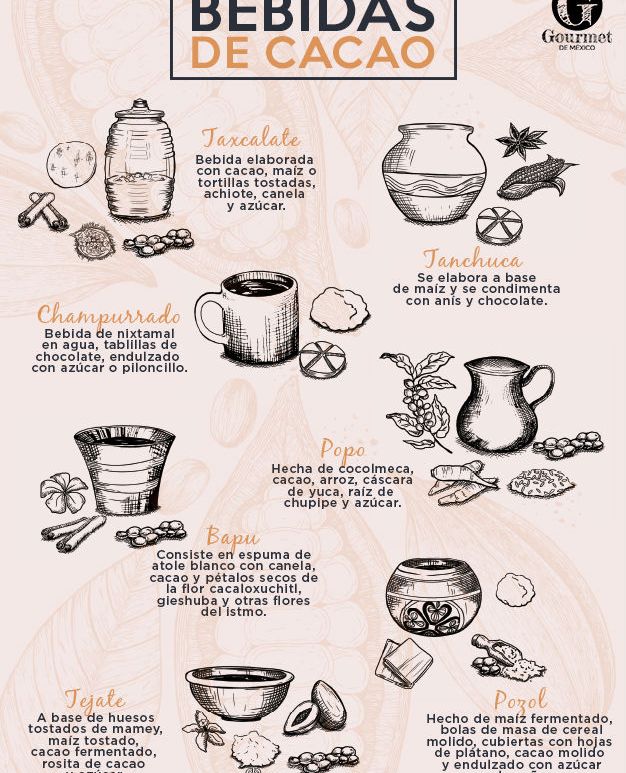
A Naturopathic View of the Aztec Diet : Part 2 : Appendix 2 : Chocolate Drinks

I briefly look at the masa based drink called atole in a couple of earlier Posts (1)(2) and I recommend you check these out for a little more context (culturally speaking). They’ll introduce you to the core ingredient (and arguably the basis of life in Mexico), the nixtamalised corn dough called masa, and it will introduce you to an archetypal piece of Mexican cooking equipment, … Continue reading A Naturopathic View of the Aztec Diet : Part 2 : Appendix 2 : Chocolate Drinks

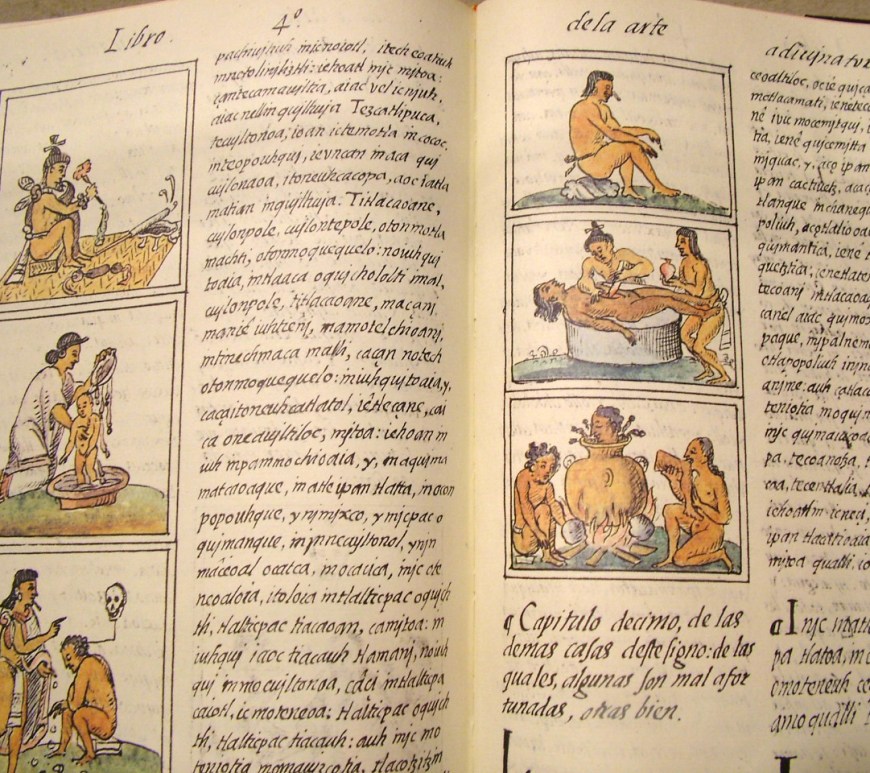
A Naturopathic View of the Aztec Diet : Part 2 : Diet

“We must repeat it: Mesoamericans do not plant corn, Mesoamericans make cornfields. And they are different things because corn is a plant and the cornfield is a way of life. The cornfield is the matrix (womb) of Mesoamerican civilization. If we really want to preserve and strengthen our deep identity, not only agroecological but also socio-economic, cultural and civilizational, we must move from the corn … Continue reading A Naturopathic View of the Aztec Diet : Part 2 : Diet

New Porophyllum Discovered.

Anzuinelli and crew are at it again. Their botanical wanderings of Argentina has bought to light a new species of pore leaf. In July of 2024 Anzuinelli (et al 2024) published an article commenting on the cataloguing of a “new endemic species” of Porophyllum less than 6 months after doing the very same with Porophyllum iruyense. They also had an interesting occurrence with the species … Continue reading New Porophyllum Discovered.

Tzitziqui(litl)

The investigation into this quelite came about as a result of one of my favourite anise scented herbs, Pericón (Tagetes lucida) (1) which also just happens to be in one of my favourite genera (and Families too now that I think on it – family Asteraceae in case you wondered). Sorry, got side-tracked, it happens on occasion. Now, pericón is also colloquially known as “cloud” … Continue reading Tzitziqui(litl)

Papalo as Medicine : Study Continues.

Antimicrobial resistance (AMR) arising from the misuse and overuse of antibiotics is a significant global health concern (Saed etal 2024). Studies have found that approximately 40 % of all registered resistant infections were caused by bacteria resistant to last-line antibiotics, which makes them nearly impossible to treat (Murray etal 2022) (Hofer 2019). It is expected that if the antimicrobial resistance issue remains unsolved, the associated … Continue reading Papalo as Medicine : Study Continues.