Papaloquelite : Chaoacocopin

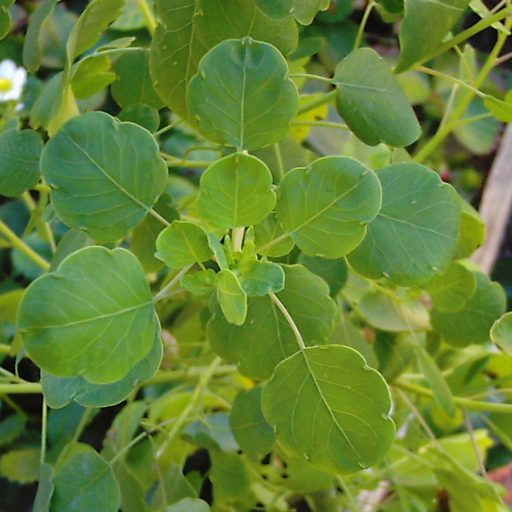
Chaoacocopin has been previously noted as one of the common names of Papaloquelite (Porophyllum macrocephalum) (1). I have come across this plant in an old text and would like to delve a little more deeply into this particular pore leaf (P.macrocephalum is most definitely my favourite pore leaf so far. I am however waiting to get the chance to grow some of the narrow leaved … Continue reading Papaloquelite : Chaoacocopin

Flor de Jamaica : A Confusion of Hibisci*

*Hibiscuses? (both are valid it seems) A vital component of medicinal herbalism is knowing EXACTLY what plant you are using. This is extremely important if you are taking the plant internally. Knowing a plant with 100% certainty is the equivalent of knowing the difference between milk and orange juice when you go to the fridge. If you don’t know the plant with this level of … Continue reading Flor de Jamaica : A Confusion of Hibisci*

Green Rice : Arroz Verde

When you think of rice in Mexican cuisine it is often as rice, beans and tortillas. Rice, beans and tortillas are often the only foods available to the poorest (financially speaking) people in México (1). Rice (Oryza sativa) is considered to have reached the New World via two main means. Initially it was introduced by Spanish colonists through the port of Vera Cruz, probably in … Continue reading Green Rice : Arroz Verde

Papaloquelite : The Butterfly Herb* (salsa recipe included)

*See Post : Papaloquelite : What’s in a name? Why “butterfly” herb? papalotl.Principal English Translation:a butterfly (see Molina and Karttunen); also, a person’s name (attested as male and possibly female) Alonso de Molina:papalotl. mariposa.Alonso de Molina, Vocabulario en lengua castellana y mexicana y mexicana y castellana, 1571, part 2, Nahuatl to Spanish, f. 79v. col. 2. Thanks to Joe Campbell for providing the transcription. Frances … Continue reading Papaloquelite : The Butterfly Herb* (salsa recipe included)

Prehispanic Veganismo – The Tlaltequeada

A tlaltequeada is a kind of vegetable based rissole (1) typically made with vegetables, fruits, flowers and seeds. It is the perfect example of a quilitl (quelite) based dish and it could be argued that it is representative of a vegetable based cuisine as it would have been practised by prehispanic Mesoamericans. rissoles are what an Australian might call meat patties that include some grated … Continue reading Prehispanic Veganismo – The Tlaltequeada

Quelite : Chipilin : Crotalaria longirostrata

also called : chepil, chepilin, cascabel de vibora, chapilin, chinchín de zope, chipilín de zope, chipilín de caballo, chipilino, garbancillo, parrajachel, tcap-in, tronador, longbeak rattlebox. Some 600 or more species of Crotalaria are described worldwide, mostly from the tropics with at least 500 species known from Africa: 19 species are native to Australia (Ryan etal 2011). The common name rattlepod or rattlebox is derived from … Continue reading Quelite : Chipilin : Crotalaria longirostrata

Lactucarium : The Journey Continues.

My initial foray into the production of lactucarium was hampered by one main issue, the lack of harvestable material. This has changed this season (Spring 2021). I recently moved into a new house. When I did a walk through inspection about 6 weeks ago the lawns were all mowed and the gardens manicured as you can see in the photo below. The date we moved … Continue reading Lactucarium : The Journey Continues.

Recipe : Alegrias de Amaranto : Amaranth Joys.

Amaranth was an important grain in Mesoamerica. Known to the Aztecs as huauhtli they are believed to have dedicated more than 5000 hectares of land to its growth and produced between 15 and 20 tons of grain per year (1). This is just the Aztecs. Amaranth was in high demand as a tribute and annually 20 provinces supplied amaranth to Tenochtitlan as part of their … Continue reading Recipe : Alegrias de Amaranto : Amaranth Joys.