Arte Mexicano : Mi Colección

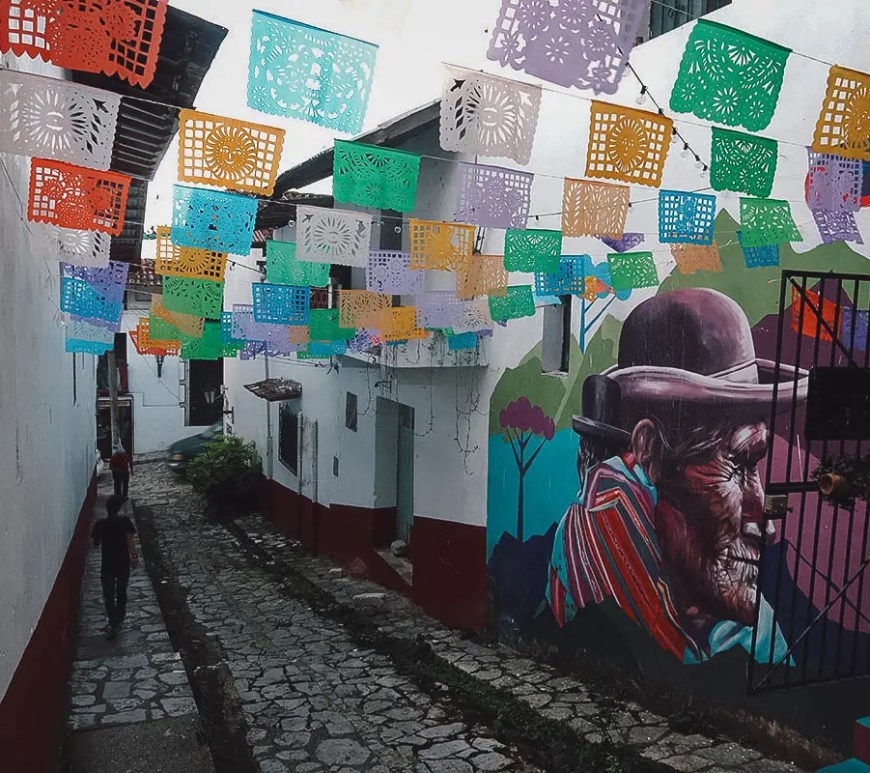
I have begun to collect Mexican art. I stumbled upon this beautifully textured oil painting in a second hand store and was immediately drawn to the bugambilia flowers (1). The aesthetics of the painting strongly suggested Mexico to me and upon further investigation I found that it was painted in Cuetzalan Puablo (sic) (1) The next piece to enter mi coleccion was a lovely watercolour. … Continue reading Arte Mexicano : Mi Colección

Ketumbar Bolivia : The Poreleaf in Southeast Asia

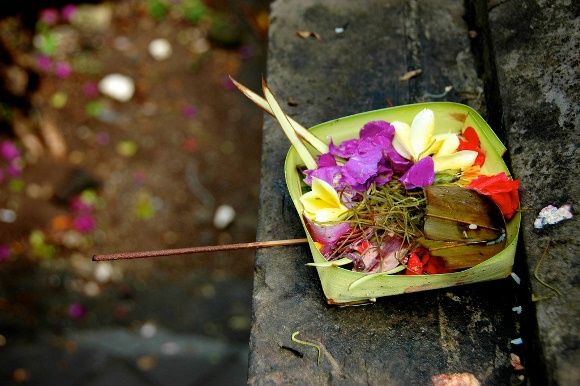
Cover image : roadside offering to the Gods on a street in Bali. Ketumbar Bolivia = Bolivian Coriander : generally identified as Porophyllum ruderale (syn P.ellipticum) Also called : Seungit (fragrant, smells good – Indonesia.) In southeast Asia Ketumbar Bolivia is a type of papalo usually identified as being the variety known as Porophyllum ruderale. Ketumbar (katumbar) is a Brunei Malay (1) word signifying the … Continue reading Ketumbar Bolivia : The Poreleaf in Southeast Asia

Gentification of the Molinillo?

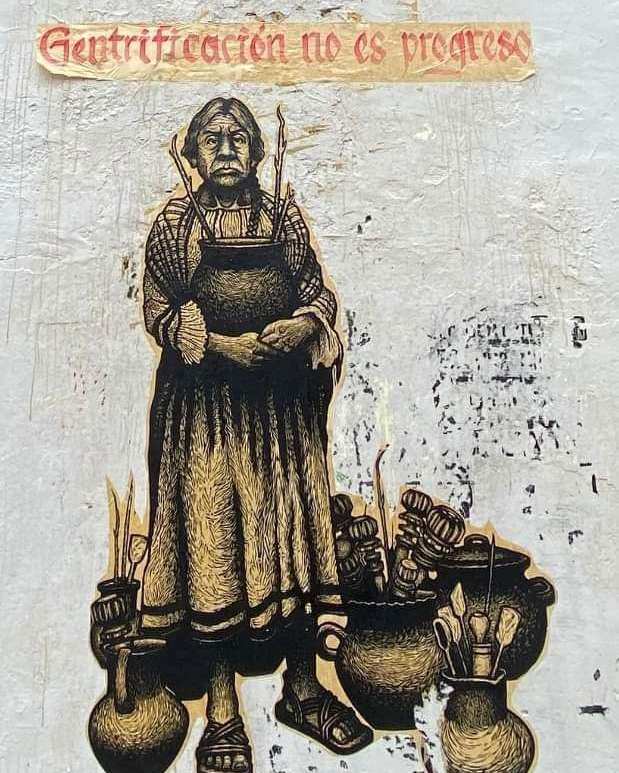
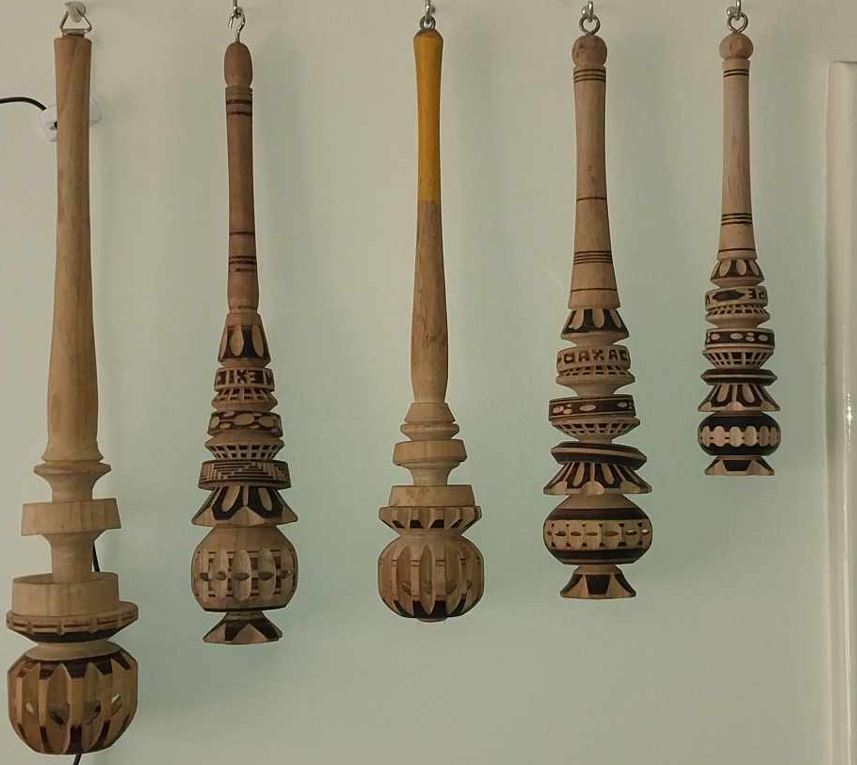
Cultural appropriation (and appreciation), gentrification and gentefication. What’s in the mix? I recently published a Post on an unique prehispanic cooking tool called the molinillo. Mexican Cooking Equipment : The Molinillo This tool has become, more or less, the focus for this Post as a molinillo that has recently entered my collection raised a few questions within myself regarding when (and how) is it OK … Continue reading Gentification of the Molinillo?

Medicinal use of Papalo in 1651 as noted by Hernández

One of the first written references to papaloquilitl is to be found in the work Historia natural de Nueva España (7 Volumes) penned by Francisco Hernández de Toledo circa 1570 AD Now, to the author…. Francisco Hernández de Toledo (c. 1515 – 28 January 1587) was a naturalist and court physician to King Philip II of Spain. He was among the first wave of Spanish … Continue reading Medicinal use of Papalo in 1651 as noted by Hernández

Papaloquelite : It’s History in Text

The first written references to papaloquelite (papaloquilitl) appear in the Libellus de Medicinalibus Indorum Herbis (“Little Book of the Medicinal Herbs of the Indians”) or more commonly the Codex de la Cruz-Badiano (Badianus Manuscript) . This text was written by Martín de la Cruz in the Colegio de Santa Cruz de Tlatelolco (1) in 1552 and then translated into Latin by Juan Badiano. The book … Continue reading Papaloquelite : It’s History in Text

Mexican Cooking Equipment : The Molinillo

A friend recently sent me a message saying she’d found something at a second hand store, she didn’t know what it was, but thought I’d like it as it was from México. It turns out she’d found a molinillo or a hand held kitchen tool used in México for mixing and “frothing” hot chocolate. The literal translation for molinillo often comes out as “grinder”. This … Continue reading Mexican Cooking Equipment : The Molinillo

Books along the way

As a chef I have amassed a collection of books regarding the cuisines of many cultures. The largest section of my collection is by far the books on México (and México adjacent) cuisine. This is a small journey through the library of my mind. This was the book that fundamentally changed my understanding of Mexican cuisine and cookery. This book also introduced me to the … Continue reading Books along the way

Cooking Technique : Martajar (and the Molcajete)

Martajar : TRANSITIVE VERB : (Centroamérica) (México) [+maíz] to pound; grind “Es la acción de machacar alimentos, ya sea en molcajete o metate, con antiguos utensilios de la época prehispánica, obteniendo una mezcla con aspecto rústico al que se le denomina molcajeteado, martajado o “no bien molido”. It is the action of crushing food, either in a molcajete or metate, with old utensils from pre-Hispanic … Continue reading Cooking Technique : Martajar (and the Molcajete)