Quelite : Chichihuachi. Papalo Adjacent

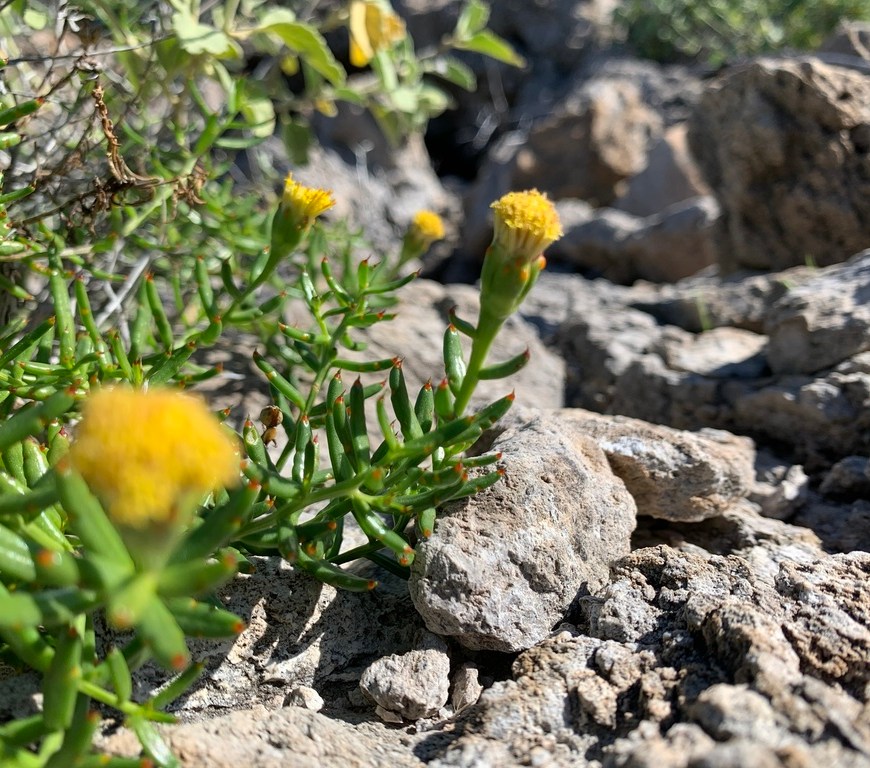
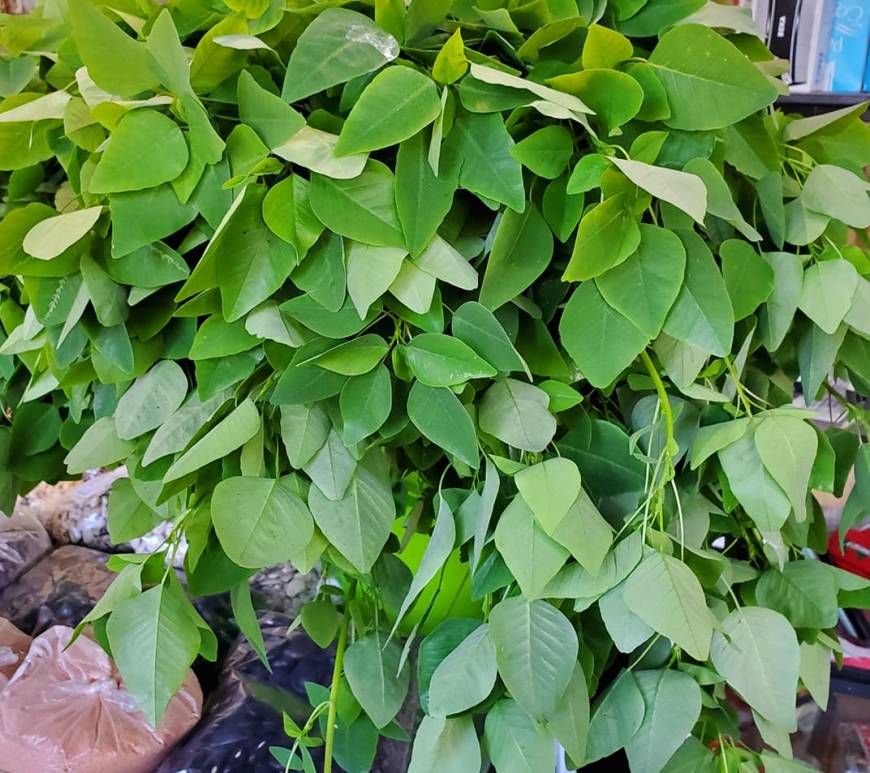
In November of 2025 I visited Mexico and spent some time at a friends childhood home in Tetipac in the mountains of Guerrero between Ixtapan de la Sal and Taxco. His family has a long history in this area and his father, a very knowledgeable man, introduced me to a quelite known as chichihuachi. He described it as a “kind of papalo” whose flavour was … Continue reading Quelite : Chichihuachi. Papalo Adjacent

Quelite de Venado : Another Deer Weed

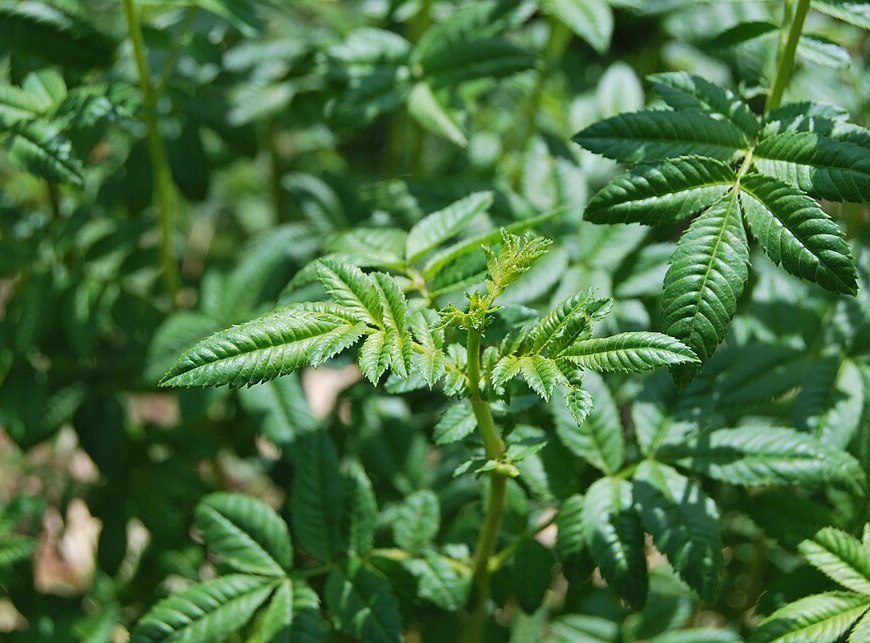
We add another one to the list : A Note on Deer Weed : The Danger of Common Names Scientific name: Peperomia lenticularis A plant with smooth, slightly heart-shaped green leaves. Common names : Sopa-causasa, cumazani, Tequelite chiquito (1) Known in other languages ​​as: cuc’sazan also Laktsu kuksasan (Totonac, northern mountains of Puebla) tancharapo (Nahuatl, northern mountain range of Puebla) Below are some descriptions of … Continue reading Quelite de Venado : Another Deer Weed

Porophyllum zimpanum

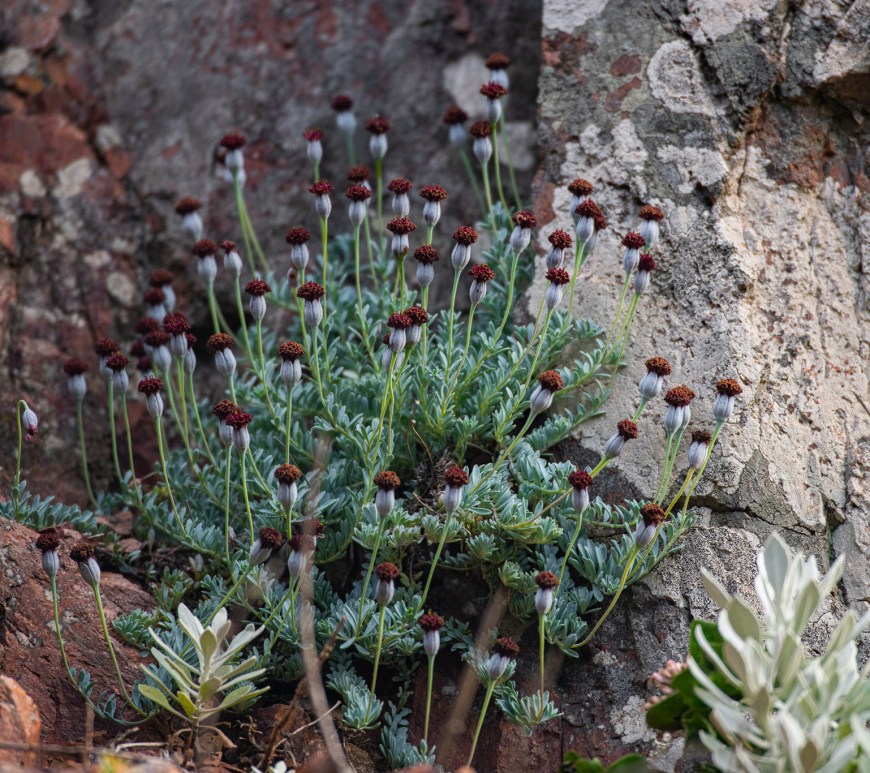
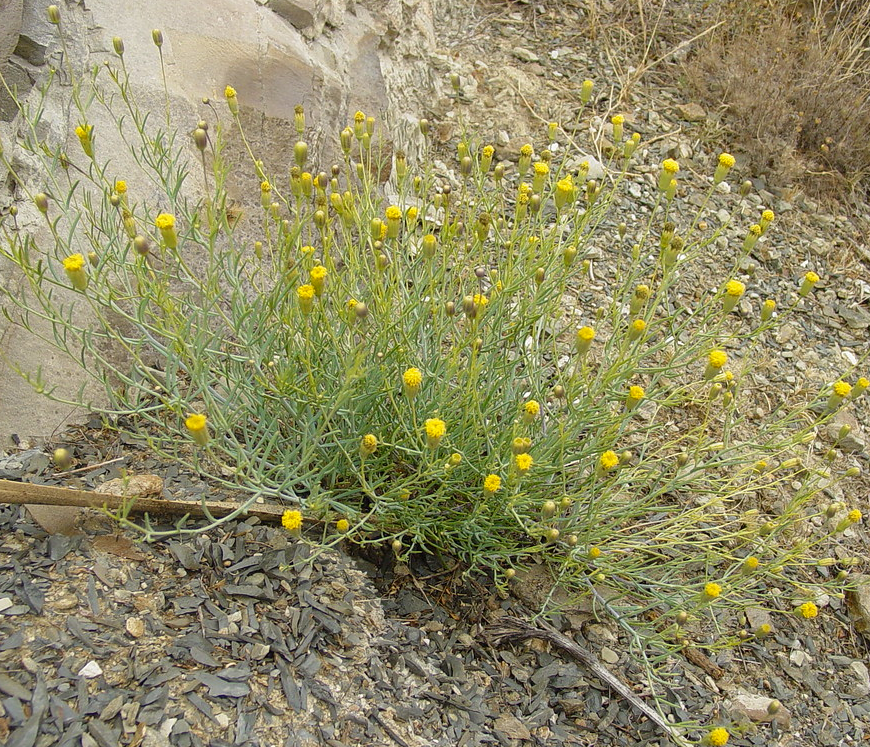
Let me introduce you to an uncommon Porophyllum, Porophyllum zimapanum (B. L. Turner). This porophyllum, named after its collector Billie Lee Turner (1) and the image below represents the only sample of this particular species. The plant was found growing in the cliffs of the Barranca de Toliman in the State of Hidalgo. Turner found this plant 10.5 miles West of Hotel Fundicion in Zimapan … Continue reading Porophyllum zimpanum

Porophyllum japonicum

Papalo has a primo chino or Chinese cousin who unfortunately has been poorly done by when it comes to its name. The Japanese named “Sanshichi-so” (Porophyllum japonicum) (1) belongs to the Asteraceae family as do the others originating in the Americas but it is a perennial herb that is native of the southern part of China. It was introduced into Japan as a herbal medicine … Continue reading Porophyllum japonicum

A Naturopathic View of the Aztec Diet : Part 2 : Appendix 2 : Chocolate Drinks

I briefly look at the masa based drink called atole in a couple of earlier Posts (1)(2) and I recommend you check these out for a little more context (culturally speaking). They’ll introduce you to the core ingredient (and arguably the basis of life in Mexico), the nixtamalised corn dough called masa, and it will introduce you to an archetypal piece of Mexican cooking equipment, … Continue reading A Naturopathic View of the Aztec Diet : Part 2 : Appendix 2 : Chocolate Drinks

A Naturopathic View of the Aztec Diet : Part 2 : Diet

“We must repeat it: Mesoamericans do not plant corn, Mesoamericans make cornfields. And they are different things because corn is a plant and the cornfield is a way of life. The cornfield is the matrix (womb) of Mesoamerican civilization. If we really want to preserve and strengthen our deep identity, not only agroecological but also socio-economic, cultural and civilizational, we must move from the corn … Continue reading A Naturopathic View of the Aztec Diet : Part 2 : Diet

Tzitziqui(litl)

The investigation into this quelite came about as a result of one of my favourite anise scented herbs, Pericón (Tagetes lucida) (1) which also just happens to be in one of my favourite genera (and Families too now that I think on it – family Asteraceae in case you wondered). Sorry, got side-tracked, it happens on occasion. Now, pericón is also colloquially known as “cloud” … Continue reading Tzitziqui(litl)

Cempasúchil and Popocatepetl

It is that time of year again. The days are waning, the nights are cooling (well they would be if I was Northern hemispherical) and my feeds are filling up with the autumnal imagery of this season of spirits. The boundaries between the worlds of the living and the dead fluctuate and bleed into each other and we welcome the memories of those who have … Continue reading Cempasúchil and Popocatepetl

Porophyllum iruyense

Porophyllum is a genus of phanerogamous (1) plants belonging to the family Asteraceae (2) . The pore-leaf family includes 101 described species and of these, only 27 are accepted. They are native subshrubs of the Americas. As their name suggests (4), their leaves often have large glands that produce aromatic oils that give off a strong odour. The large majority of these plants are used … Continue reading Porophyllum iruyense