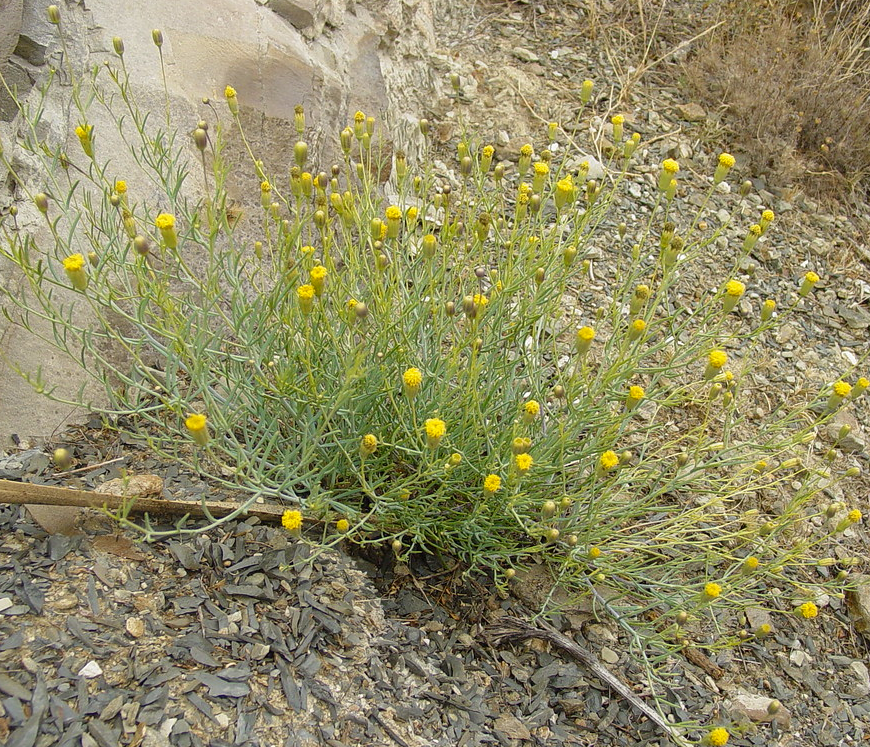
Tlatlapas. ¿Qué es eso? Vitamina T?

Another facet of the nutritional category known as “Vitamina T” or Vitamin T? Vitamin T is a substance called torulitine found in sesame seeds, egg yolks and pumpkin seeds (1). Vitamin T seems to be the forgotten vitamin with little research and attention paid to it. The Oxford Reference Dictionary would have us believe Vitamin T is “Factor found in insect cuticle, mould mycelia, and … Continue reading Tlatlapas. ¿Qué es eso? Vitamina T?

Atlaquetzalli. The Drink of Kings*

*well “Tlatoanis” actually if you want to be pedantic about it (and I do) I briefly look at the masa based drink called atole in my Post Mexican Cooking Equipment : The Molinillo and go into it in a bit more detail in, A Naturopathic View of the Aztec Diet : Part 2 : Appendix 1 : Atole, and then expand upon it again in another related … Continue reading Atlaquetzalli. The Drink of Kings*

Pozole : Part 2 (Well, Part 1 really)

In a previous Post (Rábano. The Radish.) I mentioned briefly the dish known as pozole (go check the Post out for a bit of a breakdown on the origin and meaning of the word pozole, it’s interesting – well I reckon it is anyway – and it links with a little more etymology in this Post) Anyway. Back to the Pozole. At its most basic … Continue reading Pozole : Part 2 (Well, Part 1 really)

Rábano. The Radish.

So. What is Mike complaining about? The radish (rábano en español) The radish (Raphanus sativus) is a flowering plant in the mustard family, Brassicaceae, which also includes Brassica rapa – the turnip, Brassica oleracea – the cabbage and its relatives (1); and Armoracia rusticana – horseradish. Other herbs in this family include arugula (rocket), mustard, and watercress (horseradish should be here I guess. I consider … Continue reading Rábano. The Radish.

Mexican Cooking Equipment : The Alcahuete

We can thank Mexico (and mesoamerica in general) for chocolate. How chocolate is done outside of Mexico is very different to how it was traditionally used. One aspect of this is the variety of drinks produced from chocolate (1) and another is the equipment used. I have looked at one of these tools previously (2) and today I would like to look at another, the … Continue reading Mexican Cooking Equipment : The Alcahuete

Tlaxcalatolli. Atole de Tortilla.

Tlaxcallan bread soup? Bread “soup” is a food of the poor (well at least that’s how it started) . Nothing was “left over” and nothing went to waste. Stale bread (and as we’ll see, tortillas) can be used as the base of a recipe. In this case we are looking at atole made with yesterdays tortillas (instead of masa or masa harina) but first lets … Continue reading Tlaxcalatolli. Atole de Tortilla.

A Naturopathic View of the Aztec Diet : Part 2 : Appendix 1 : Atole

I briefly look at the masa based drink called atole in my Post Mexican Cooking Equipment : The Molinillo but lets go into it in a bit more detail here and in another related Post I’ll investigate a range of chocolate beverages based on this ingredient called masa. Atole (Spanish) from atolli (Nahuatl) which, according to the definition, is a beverage made from finely ground maize, mixed … Continue reading A Naturopathic View of the Aztec Diet : Part 2 : Appendix 1 : Atole

A Naturopathic View of the Aztec Diet : Part 2 : Appendix 2 : Chocolate Drinks

I briefly look at the masa based drink called atole in a couple of earlier Posts (1)(2) and I recommend you check these out for a little more context (culturally speaking). They’ll introduce you to the core ingredient (and arguably the basis of life in Mexico), the nixtamalised corn dough called masa, and it will introduce you to an archetypal piece of Mexican cooking equipment, … Continue reading A Naturopathic View of the Aztec Diet : Part 2 : Appendix 2 : Chocolate Drinks

A Naturopathic View of the Aztec Diet : Part 2 : Diet

“We must repeat it: Mesoamericans do not plant corn, Mesoamericans make cornfields. And they are different things because corn is a plant and the cornfield is a way of life. The cornfield is the matrix (womb) of Mesoamerican civilization. If we really want to preserve and strengthen our deep identity, not only agroecological but also socio-economic, cultural and civilizational, we must move from the corn … Continue reading A Naturopathic View of the Aztec Diet : Part 2 : Diet