Tequila and Mezcal : A Primer : How to read a tequila or mezcal label.

All tequila is mezcal but not all mezcal is tequila. Tequila and mezcal are both spirits created by the distillation of the juice that has been sourced from the heart of an agave. This heart (or piña) is roasted (in the case of mezcal) or steamed (in the case of tequila) (1) then crushed to obtain the juice. This juice is then fermented and distilled … Continue reading Tequila and Mezcal : A Primer : How to read a tequila or mezcal label.

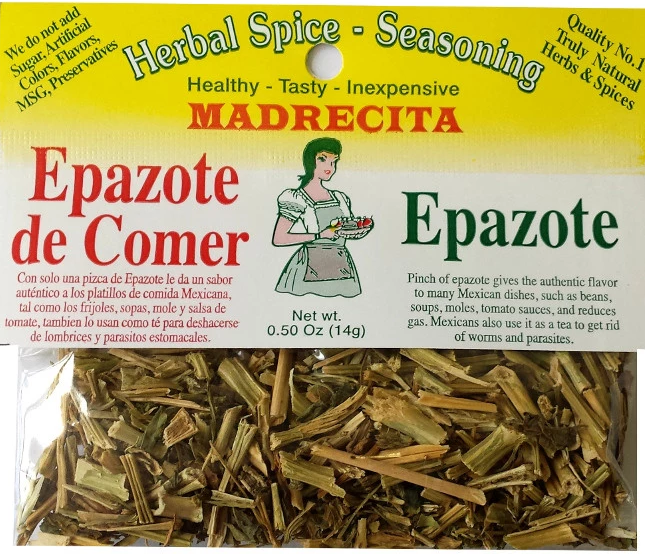
Quelite : Epazote

Chenopodium ambrosiodes (Synonyms: Teloxys ambrosioides, Dysphania ambrosioides) Epazōtl : from Nahuatl, epatl – skunk and tzotl – sweat (1). I have seen this translation noted as being “epatli = skunk; zotli = grass”. There’s no confusion re skunk but I think there may have been over “zotli = grass”. The Nahuatl word for grass is zacatl (zacate en Español). There is a Nahuatl word “tzontli” … Continue reading Quelite : Epazote

Flor de Maguey : The Agave Flower

We primarily know the maguey as being edible for its “juice” which can be used to make the fermented drink pulque or the distilled drinks mezcal, tequila, bacanora and raicilla (as well as all the un-named vino de agaves). But…..did you know the agave can be eaten? The baked pencas (1) and quiote (2) are quite edible (3). The outer petals of the maguey flowers … Continue reading Flor de Maguey : The Agave Flower

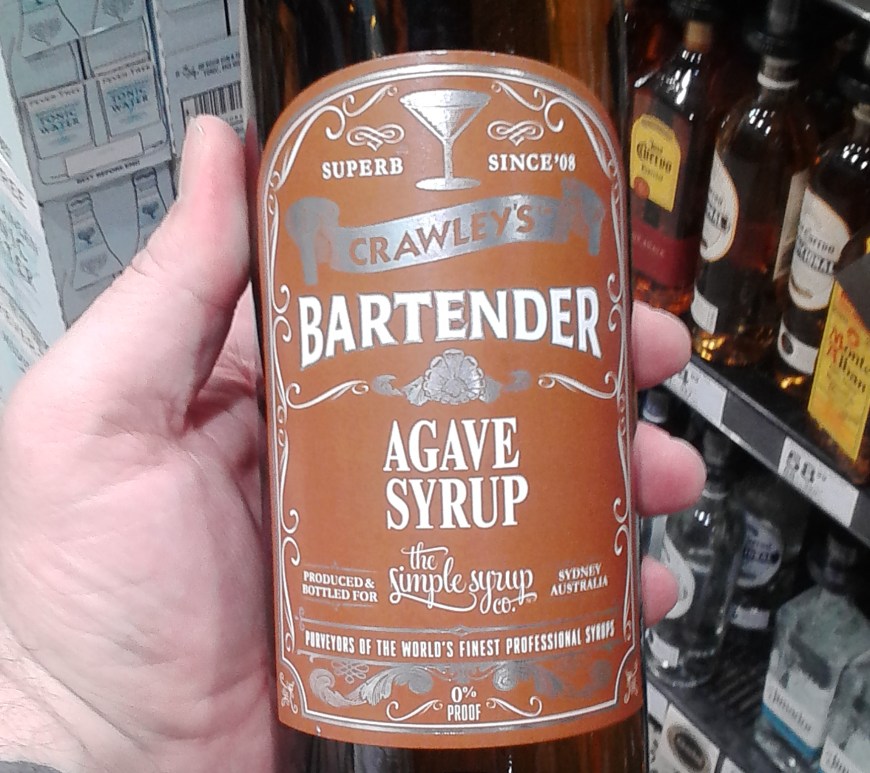
Agave Syrup. A Healthy Alternative to Sugar?

Agave syrup has been touted as an organic, raw food, healthy alternative to sugar but what exactly is it? The agave species is native to México and the southwestern United States of America. They are neither a cactus nor a relative of the aloe plant which they resemble. There are over 200 varieties of this plant. The agave was known as “metl” in the lingua franca … Continue reading Agave Syrup. A Healthy Alternative to Sugar?

Nutritional Value of Aguamiel

Nutritional value of aguamiel from Agave atrovirens Minerals mg/100 g Potassium (K) 120.44 Calcium (Ca) 11.70 Zinc (Zn) 0.18 Iron (Fe) 0.81 Sodium (Na) 0.83 Copper (Cu) 0.07 Magnesium (Mg) 0.55 Selenium (Se) 0.047 Water-soluble vitamins mg/100 g Thiamine (B1) 0.10 Riboflavin (B2) 0.38 Niacin (B3) 4.77 Pyridoxine (B6) 0.57 Ascorbic acid (C) 17.99 Amino acids mg/100 g Aspartic acid 7.91 Glutamic acid 20.08                                                Serine 4.48 … Continue reading Nutritional Value of Aguamiel

The Agave, Barbacoa and Mixiotes

The leaves of the maguey, called “pencas” are utilised for numerous purposes. One variety is used to create the fibre known as sisal while the thicker varieties can be cooked and eaten. Even the thorns were used as needles and for the practice of auto sacrifice. Some religious devotees and priests would pierce their earlobes, tongues or genitals with the thorns and collect the blood … Continue reading The Agave, Barbacoa and Mixiotes

Flor de Jamaica (Hibiscus sabdariffa)

Also called : Roselle, Rosella, Red sorrel, Karkady, Karkade Another popular street food in México are the agua frescas (fresh waters or cool waters). These are light non-alcoholic beverages which are flavoured with fruits, cereals, flowers, or seeds blended with sugar and water. Chia seed is often added. These drinks are typically served from large barrel-shaped glass containers and can be found in markets, taquerias, tianguis and on … Continue reading Flor de Jamaica (Hibiscus sabdariffa)

Frutos de Cactus : Colonche

Updated 08 June 2022 Colonche (1) is another Mesoamerican fermented drink similar in design to tepache and pulque. It is produced from the tuna fruits of several species of the nopal cactus (most notably O.strepthacantha) and is fermented using wild yeasts. Its shelf life, like that of tepache is somewhat longer than that of pulque and it can be expected to last for as long as 14-15 days. It is a … Continue reading Frutos de Cactus : Colonche