Frutos de Cactus : Xoconostle

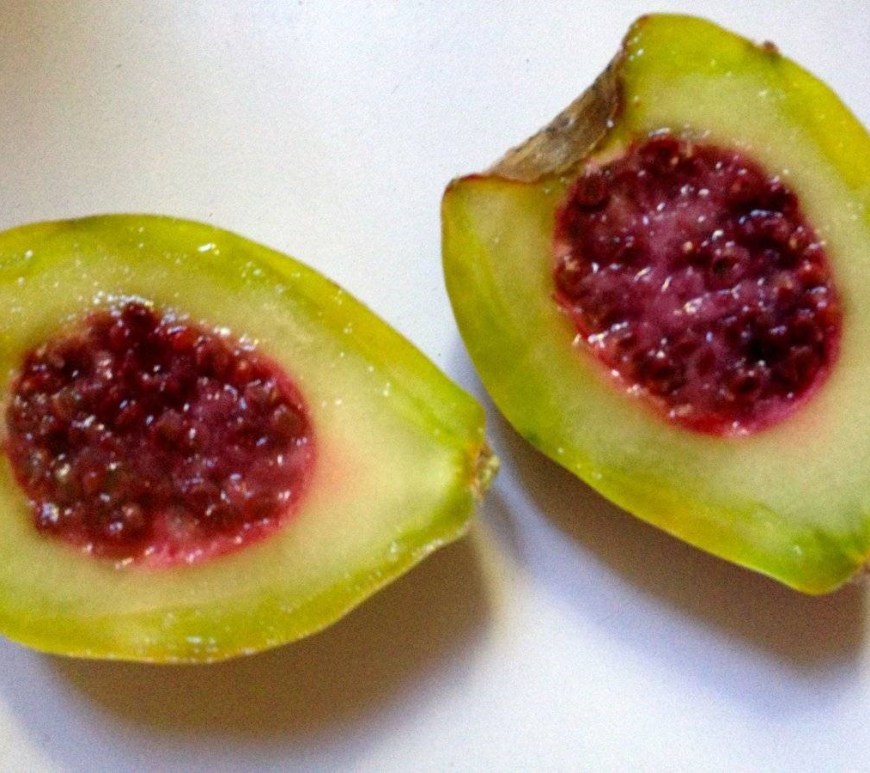
The xoconostle (from Nahuatl xoconōchtli – ‘Xococ’ = ‘sour’ and ‘nochtli’ = tuna or prickly pear fruit) is native to central México and the arid semi-desert areas such as: Coahuila, Zacatecas, Jalisco, San Luis Potosi, Guanajuato, Queretaro, State of Mexico and Hidalgo. It is the fruit of a type of Opuntia cactus. There are more than 15 varieties of this fruit. Opuntia joconostle, O.chávena, O.lasiacantha Pfeiffer, O.matudae and O.delafuentiana are noted … Continue reading Frutos de Cactus : Xoconostle

Pulque Production

The processing of pulque happens in four stages. Castration Pit scraping and aguamiel extraction Seed/mother preparation Fermentation Castration It can take between 7 and 40 years before an agave is ready to harvest the aguamiel and it can take an expert to know when exactly to castrate the plant, if done too late then the plant will produce no aguamiel, if done too early then aguamiel production will be greatly … Continue reading Pulque Production

Quelite : Huacatay : Tagetes minuta

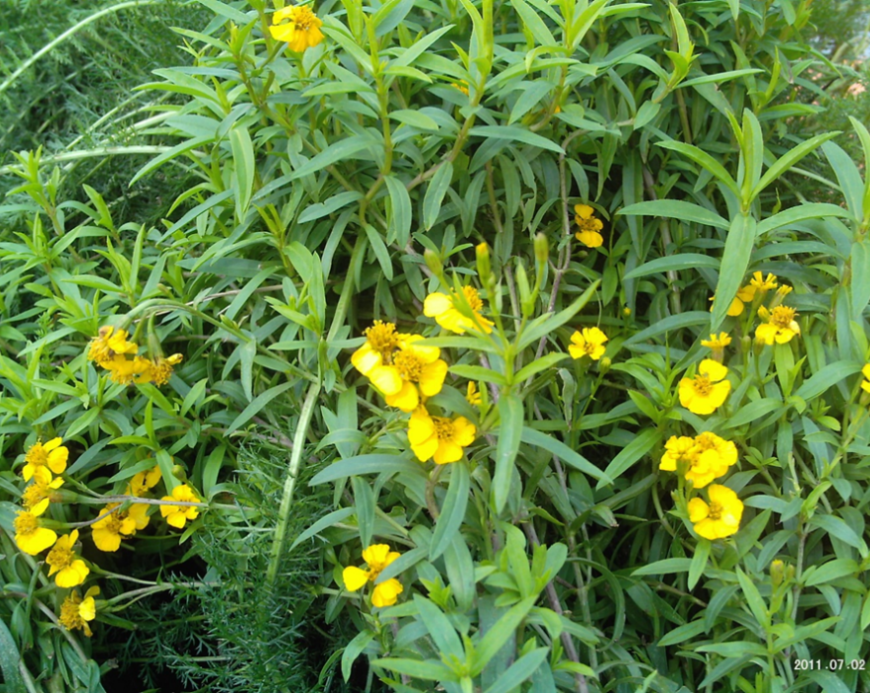
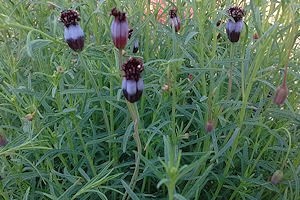
Inca marigold, Peruvian black mint, Stinking Roger, Ocopa, Cravo-de-defunto (generic name used for Tagetes species marigolds), cravo-de-urubu (vulture marigold), enxota, Aztec marigold Huacatay is native to southern South America (Argentina, Chile, Bolivia, Peru, and the Chaco region of Paraguay). It has a liquorice like aroma/taste and is a popular culinary herb, beverage herb and medicinal tea. Plants of the Tagetes species are known as Marigolds … Continue reading Quelite : Huacatay : Tagetes minuta

Quelite : Mexixquilitl

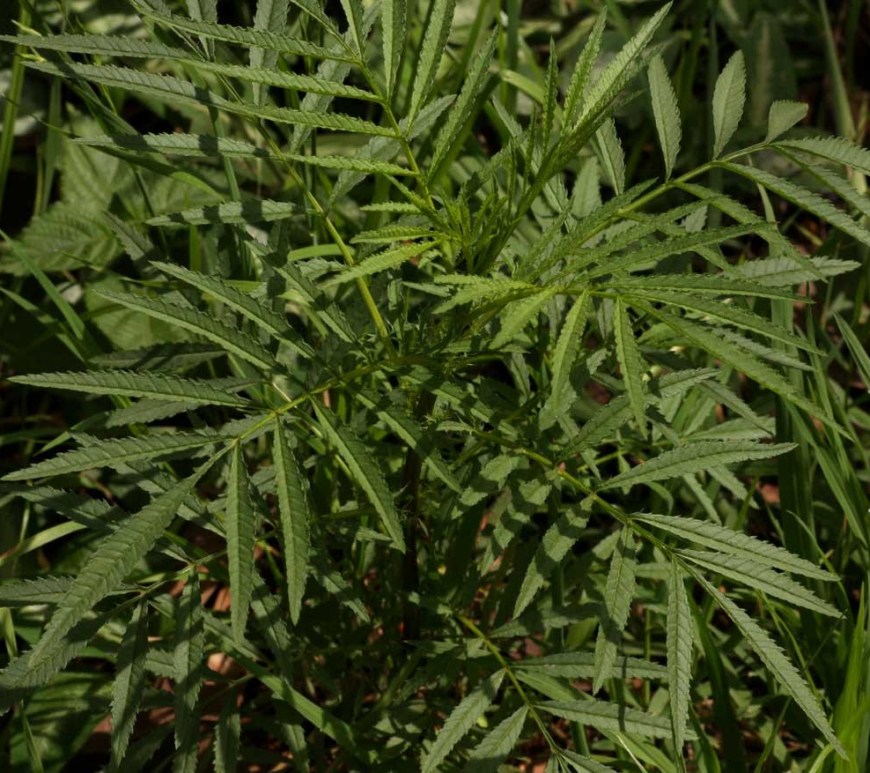
Mexixquilitl (as L.virginicum) also called lentejilla The picture above depicts a plant from the tropaeolum genus. These are commonly known as nasturtiums. The leaves of the nasturtium are edible and have a “peppery” bite to them. The Tropaeolum genus is native to Central and South America and were introduced into Europe from Peru by the Spanish. Nasturtiums received their common name because the produce an … Continue reading Quelite : Mexixquilitl

Quelite : Porophyllum gracile : Deer Weed

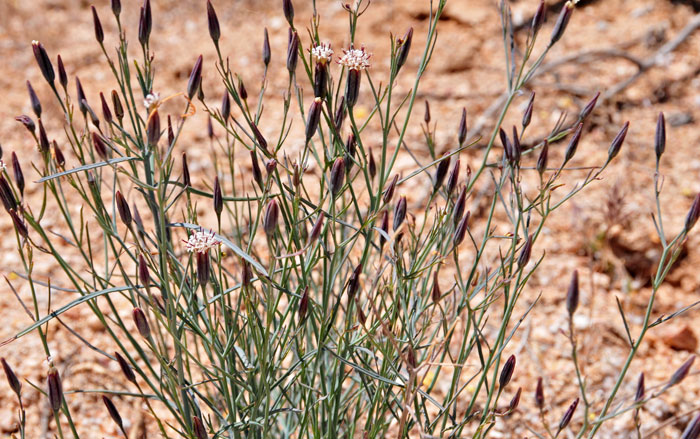
Synonyms: P.junciforme, P.putidum, P.caesium, P.cedrense , P.leucospermum , P.nodosum , P.ochroleucum , P.pinifolium , P.vaseyi , P.confertum var. ochroleucum Also called, slender pore leaf, odora, (hierba) yerba del venado (deer herb), maravilla, tepepapaloquilitl, Pech’uk-il (Mayan name), xtisil or xtesel (Seri name), hestej (Guarijio), jestej (Guarijío) The first text I have come across that refers to papaloquelite under the moniker “deer weed” is that of Hernandez who writes of the herb MAZATLIPAPALOQUILITL or deer papaloquilitl. … Continue reading Quelite : Porophyllum gracile : Deer Weed

The Frapulcurado. A Mexican Take on the Frappé

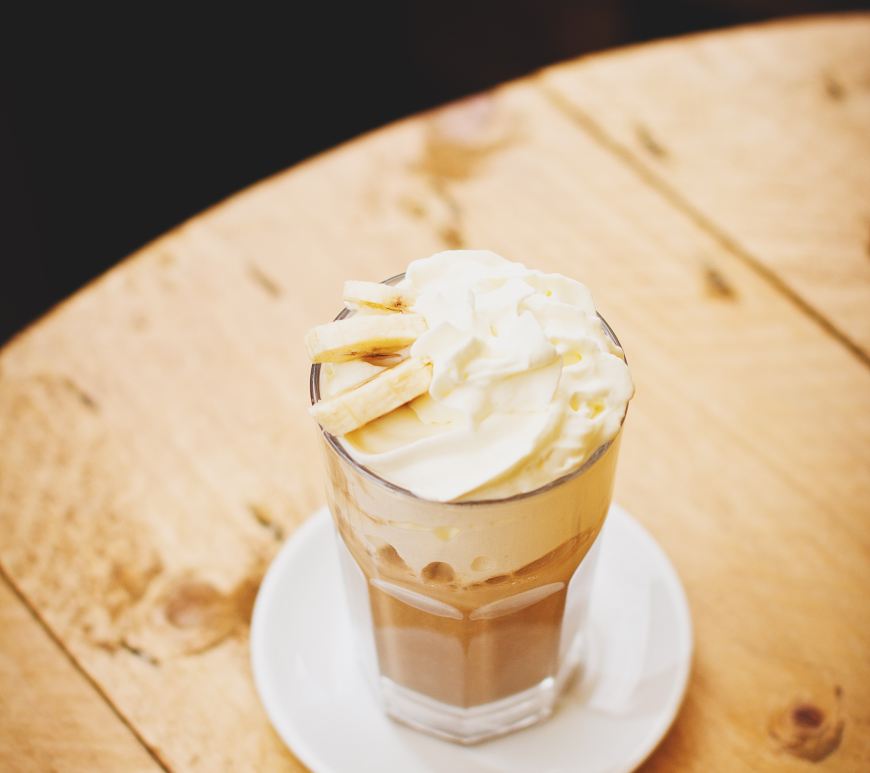
A frappé (frap-pay) is a chilled drink which has been blended with ice (or frozen) to a slushy consistency. Frappé s were said to have been created by accident at an International Trade Fair in Thessaloniki, Greece in 1957. Dimitris Vakondios couldn’t find any hot water to make his instant coffee so he grabbed a mixer being demonstrated for mixing a childrens chocolate drink and, … Continue reading The Frapulcurado. A Mexican Take on the Frappé

Pulque as a Cooking Ingredient

As the flavour and texture of pulque can be somewhat confronting it is often mixed with other ingredients to produce a drink known as a pulque curado. Curados can be flavoured with fruits (pineapple, mango, strawberry, watermelon), vegetables (celery, tomatillo, maize), nuts (almonds, walnuts, peanuts) or other flavours (oats, tamarind, coconut, cajeta). Much like the Mexican artistry in producing unusual flavour combinations for paletas the options … Continue reading Pulque as a Cooking Ingredient

Quelite : Pericón : Tagetes lucida

Tagetes lucida. also called : Mexican tarragon, sweet mace, periquillo, anicillo, basigó, basigoko (Tarahumara), ohoom (Huastec), tumutsali (Huichol) Pericó, Anisillo, atagote, cedrón, flor de xuchitl, hierbanís, hierba anís, hierba de nubes, hierba de San Juan, hierba santa, periquillo, rincón, Santa María, Santa María de jardín, tatalencho, yerbanís. Chiapas: k’anal nich wamal, k’ixin vomol, perikon vomol, tzitz ak, tzitz pox, tzitz vomol, tzitzilal ul (tzotzil), tzitzak … Continue reading Quelite : Pericón : Tagetes lucida

Quelite : Chepiche/Pipicha : Porophyllum tagetoides

Porophyllum tagetoides (syn P.linaria, Kleinia tagetoides ): chepiche, chepito, pipicha, pipitza, pipitzcaquilitl (Nahuatl), tepicha, quelite oaxaqueño, escobeta, papalo delgado (thin papalo), Cole de coyote (coyote tail), yerba de la venado (so called because the plant exhales a stench similar to that which gives off the meat of the deer)(sic) (Hieronymus. G), nlí-dún (Zapotec) named after a stinging ant (ndún), one assumes because of its smell … Continue reading Quelite : Chepiche/Pipicha : Porophyllum tagetoides

Papaloquelite : What’s in a name?

Porophyllums were first described by Linnaeus in 1753. The University of Arizona has specimens in their Herbarium collected from the Sonora and Chihuahua regions in the 1800’s. The Latin translations of some of the names in the poreleaf family are as follows;  The common name “Papaloquelite” is from the Nahuatl words papalotl (butterfly), and quilitl (edible weed, vegetable; adj green). Quilitl (quelite) is from the Goddess Quilaztli, the goddess of “those … Continue reading Papaloquelite : What’s in a name?