Quelite : Quillquina : Porophyllum ruderale

Updated 07/07/22 Also called, chapáhuate (Totonac), chucha, cilantro boliviano, Bolivian coriander, Killkiña, (Bolivia) Quilquiña / Quillquiña / Quirquiña (del quechua killkiña), killi, hierba del shingo (Peru), namu, anamu (strongly scented herb), chucha, shuca ruda (Peru), guacamaya, Picão-branco, cravo de urubu (black vulture marigold)(Brazil), yerba de cabra (goat plant), yerba de venado (deer grass), yerba del ciervo (deer grass), yerba galinazo (buzzards breath), yerba porosa, rudade gallina, … Continue reading Quelite : Quillquina : Porophyllum ruderale

Is Tequila Medicinal?

In 2018 it was popularly reported that the consumption of tequila was linked to (and may actually be good for) weight loss. Unfortunately this was just media generated hype. The key issue with the misrepresentation of this information involves a particular type of carbohydrate known as a fructan, more specifically agavin. A paper was presented at the 247th National Meeting of the American Chemical Society in … Continue reading Is Tequila Medicinal?

Quelites : Quilitl

Even though anthropological studies are often undertaken there are no truly accurate records of the native use of wild plants. The daily foods of indigenous peoples are usually considered a food of low social status and are often overlooked by peoples of a “developing” society, in particular those people of the society doing the developing. This was the case in Mexico where some plants were … Continue reading Quelites : Quilitl

FOMEX : The Friends of Mexico

The Friends of Mexico is a cultural friendship group with chapters around the world. In Perth, Western Australia it was born in 2006 under the initiative of Ambassador H.E. Martha Ortiz de Rosas. It is run by a group of dedicated and enthusiastic volunteers who get together to celebrate the culture of Mexico and share it with the people of Perth. FOMEX has expatriate members … Continue reading FOMEX : The Friends of Mexico

Frutos de Cactus : Tunas. The fruit of the nopal.

The fruits of the cactus are also known as prickly pears (or sometimes Indian figs) and come in a range of colours from green to yellow and the whole spectrum of pinks and reds. They too both have medicinal and culinary uses. Cactus fruit contains substantial amounts of ascorbic acid, vitamin E, carotenoids, fibres, amino acids and antioxidant compounds (phenols, flavonoids, betaxanthin and betacyanin). These phytonutrients … Continue reading Frutos de Cactus : Tunas. The fruit of the nopal.

The Nopal as Food

The Opuntia species of cactus, also commonly called the Prickly Pear, is another seemingly hostile plant (along with the maguey) that despite its thorny exterior is a source of both food and medicine. Both its leaves (botanically known as cladodes) and fruits, called “tunas” are eaten on a daily basis in Mexico. As a cactus it must be treated carefully during preparation. They all carry spines … Continue reading The Nopal as Food

Proteger la tortilla (Protect the Tortilla)

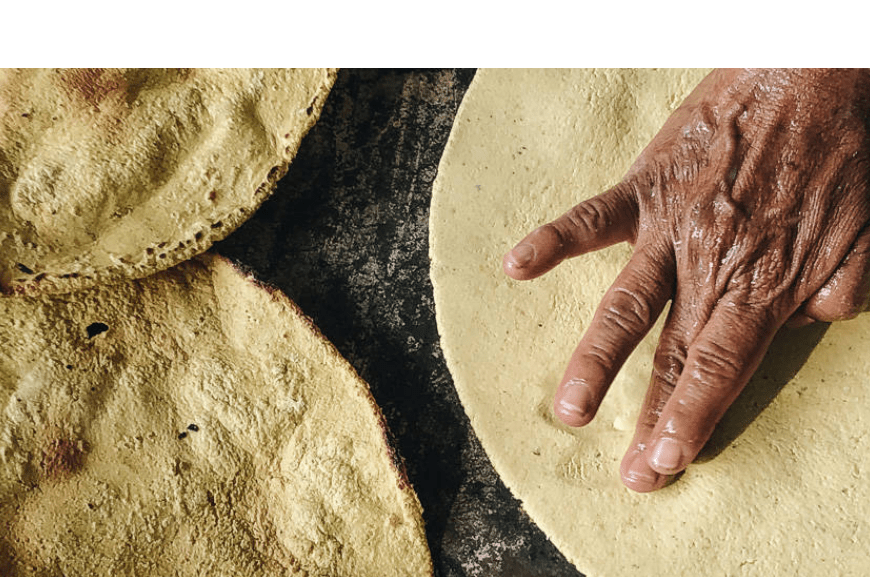
As is common in this age of rushing headlong into the future the old ways are being brushed aside for the microwave generation. Whether through misguided philanthropy or sheer rampant greed our agriculture and food culture often suffers and historical cultural knowledge and richness is lost. This is currently the case with the worlds most important grain, maize. Through the interference by large companies such … Continue reading Proteger la tortilla (Protect the Tortilla)

Nixtamal

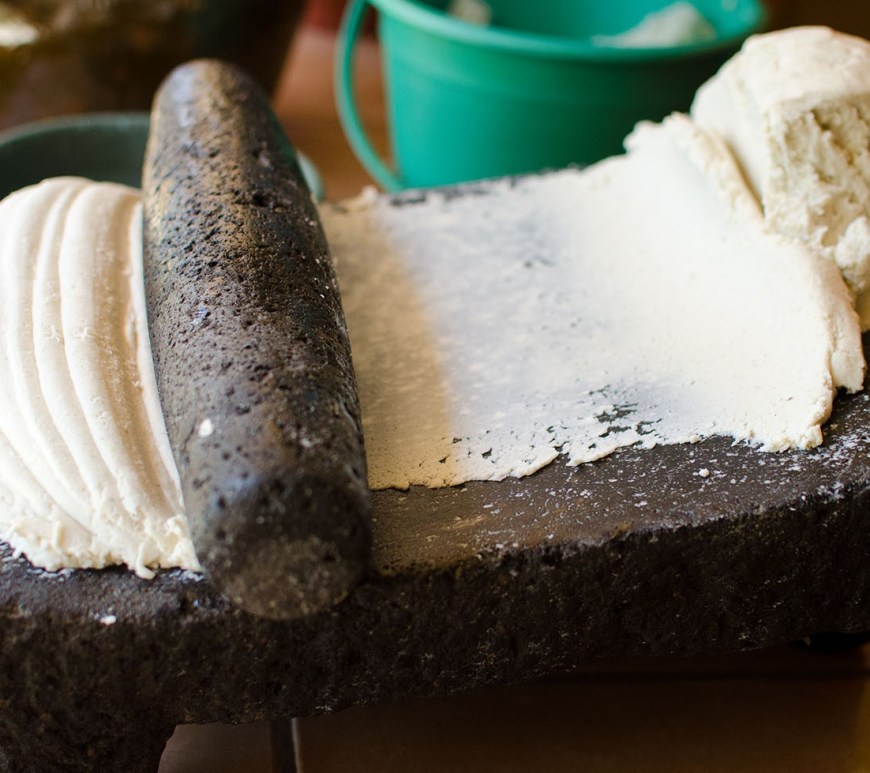
Until wheat was introduced to the Americas the primary grain was (and still is really) corn. Corn, botanically known as Zea mays, is native to Mexico and there are hundreds of species in a wide range of colours each with slightly different nutritional values. It is the nutritional value of corn that is the most interesting. Corn can be difficult to digest and a kernel of corn … Continue reading Nixtamal