




Celebrity Tequila : A New Chapter?
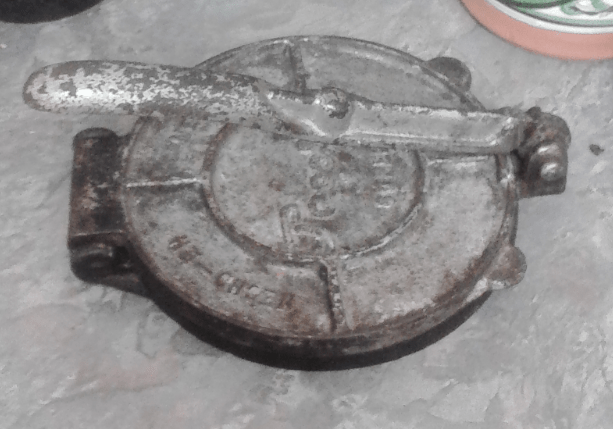
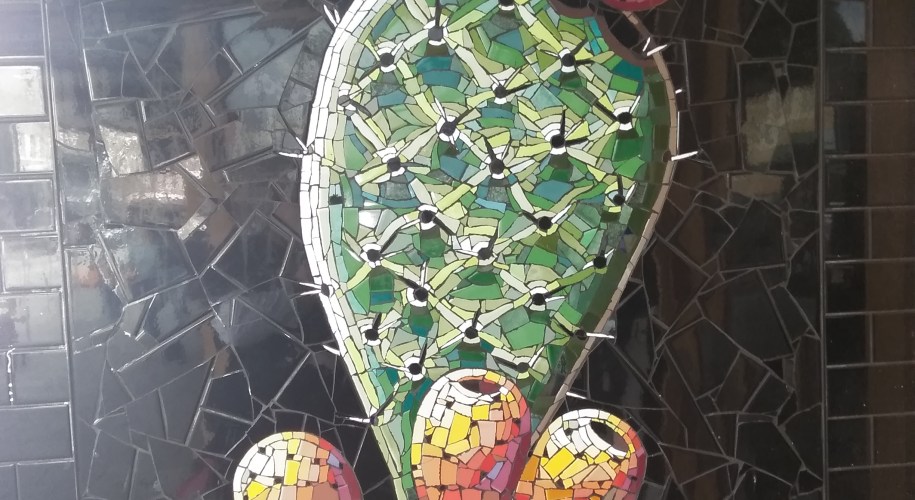
A new chapter? Probably too much to ask I’d reckon. I have previously Posted on celebrities jumping on the tequila (or mezcal, or sotol) bandwagon to “create” new brands of tequila for “discerning” consumers. Celebrity Tequila. Cultural Appropriation? Gentrification? Only a few hours ago (on the twenty sixth day of October in the year of our Lord two thousand and twenty three) a new celebrity … Continue reading Celebrity Tequila : A New Chapter?


Papalo, Guerrero, and the Cemita Poblana.
Papalo is a herb that falls under the designation of “quelite” (1). Quelites are (usually) wild herbs that are allowed to grow if they spontaneously sprout within the milpa or are collected from the wild. The term quelite is not limited to leafy herbs but also encompasses the flowers (2), roots (3), vines, stems (4) and seeds (5) of various plants (including trees)(6). Some quelites … Continue reading Papalo, Guerrero, and the Cemita Poblana.
Mexican Cooking Equipment : The Molinillo
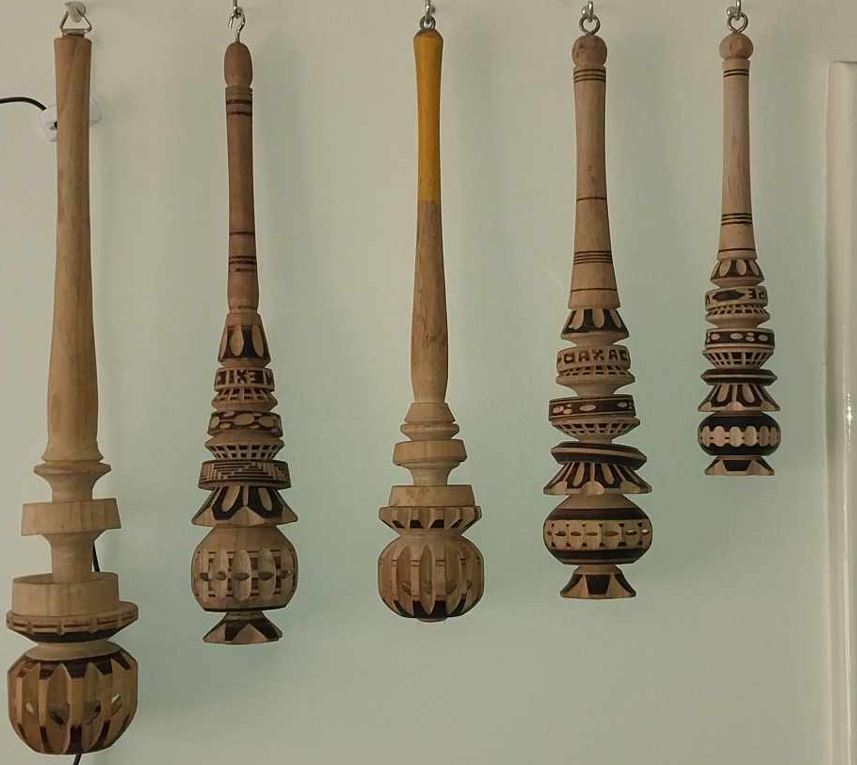
A friend recently sent me a message saying she’d found something at a second hand store, she didn’t know what it was, but thought I’d like it as it was from México. It turns out she’d found a molinillo or a hand held kitchen tool used in México for mixing and “frothing” hot chocolate. The literal translation for molinillo often comes out as “grinder”. This … Continue reading Mexican Cooking Equipment : The Molinillo

Papalo at the Taqueria
One of the first times I came across this herb it was mentioned that it could be found in taquerias. Small bouquets of this quelite could be found on your table and you just pluck what you need and add it to your taco (1). This was said to be more common in el D.F. (2) and was considered to be more of a habit … Continue reading Papalo at the Taqueria

FOMEX* and Dia de Muertos.
*FOMEX : The Friends of Mexico Dia de Muertos is approaching and I have been tasked with baking some pan de muerto for the celebrations about to be put on by the Friends of México Society. FOMEX has again been asked by the West Australian Museum as part of their Boola Bardip (1) program This river, the Derbal Yerrigan, was created by the mythical rainbow … Continue reading FOMEX* and Dia de Muertos.

Books along the way
As a chef I have amassed a collection of books regarding the cuisines of many cultures. The largest section of my collection is by far the books on México (and México adjacent) cuisine. This is a small journey through the library of my mind. This was the book that fundamentally changed my understanding of Mexican cuisine and cookery. This book also introduced me to the … Continue reading Books along the way
The Etymological* Roots of Cilantro
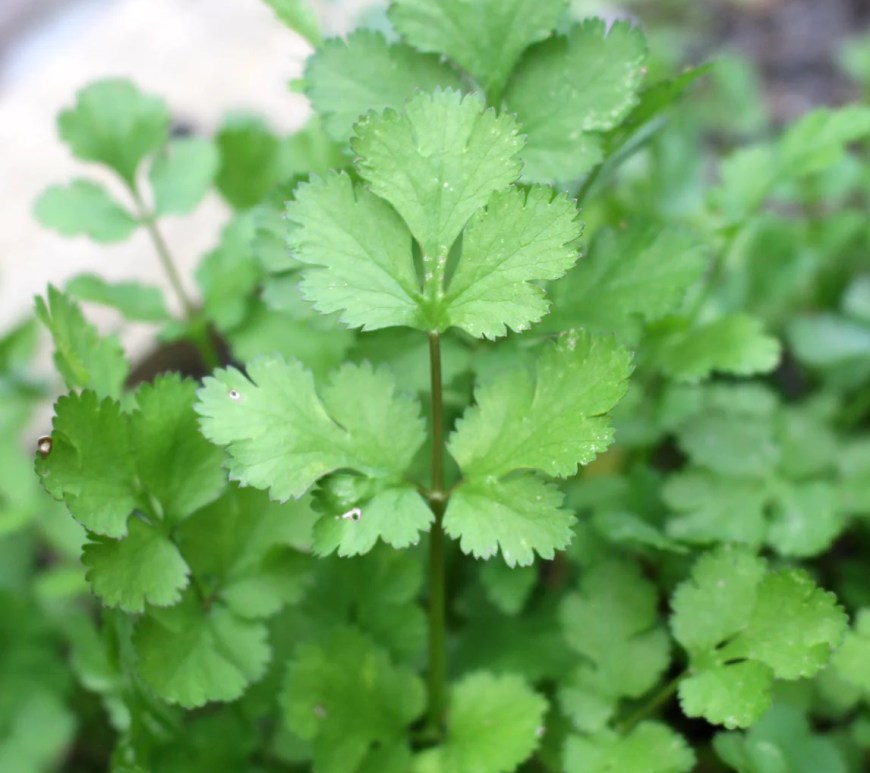
* relating to the origin and historical development of words and their meanings. I love words. I love to read and when I come across a new word I like to study its origin and how it may have evolved over the years. I am left in a constant state of curiosity at how words migrate from one language and one culture into others and … Continue reading The Etymological* Roots of Cilantro

Mezcal con papalo
Whaaaaa??? Papalo in mezcal?? Have I died and gone to heaven? I do have some questions though. Well, only one really. Who is the genius that came up with this one? OK, OK, I do have a second question. Pechuga or abocado? Now a pechuga starts with a double distilled mezcal which is then distilled a third time. In this third distillation any number of … Continue reading Mezcal con papalo

Mexican Taco Laws
1. It is acceptable to eat tacos for any meal but only certain kinds of tacos may be eaten for certain meals. 2. Seafood tacos can only be eaten at lunch time. The most important meal of the day is lunch (comida) and normally served between 1 and 3 p.m. (2-4pm, it’s adjustable) 3. Tacos al pastor are only for dinner time. The last meal … Continue reading Mexican Taco Laws

Recipe : Salsa Macha (cookie * recipe included)
*that’s “biscuit” (or bikkie) for my Australian brethren. I recently came across a flourless cookie recipe for a peanuty buttery chile crispy cookie. I love the idea of a chile cookie and one of my staples is an ancho chile, dried cherry and dark chocolate Italian style biscotti. This cookie however was quite different and I was intrigued. Well, where exactly does salsa macha (1) … Continue reading Recipe : Salsa Macha (cookie * recipe included)
 Masa Americana