



Mole de Olla
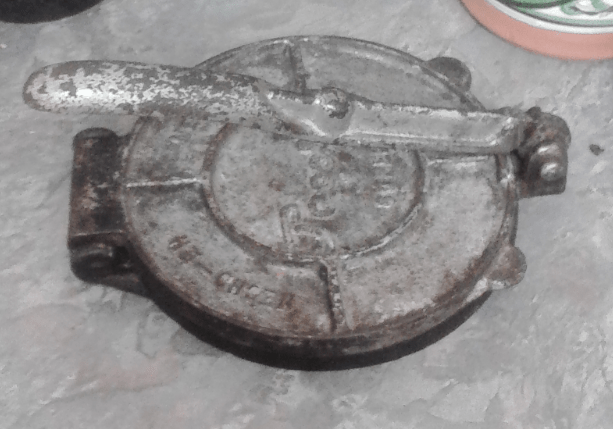
Let’s deconstruct a recipe. ¡A darle que es mole de olla! A popular saying of Mexican origin that variously translates to….. Mole de olla (1) is a traditional Mexican soup. It is made of xoconostle, squash, zucchini, green beans, corn, potato (or other vegetables), chambarete and aguja (cuts of meat), submerged into a broth of chile guajillo and chile pasilla seasoned with garlic, onion, and … Continue reading Mole de Olla

Nejayote
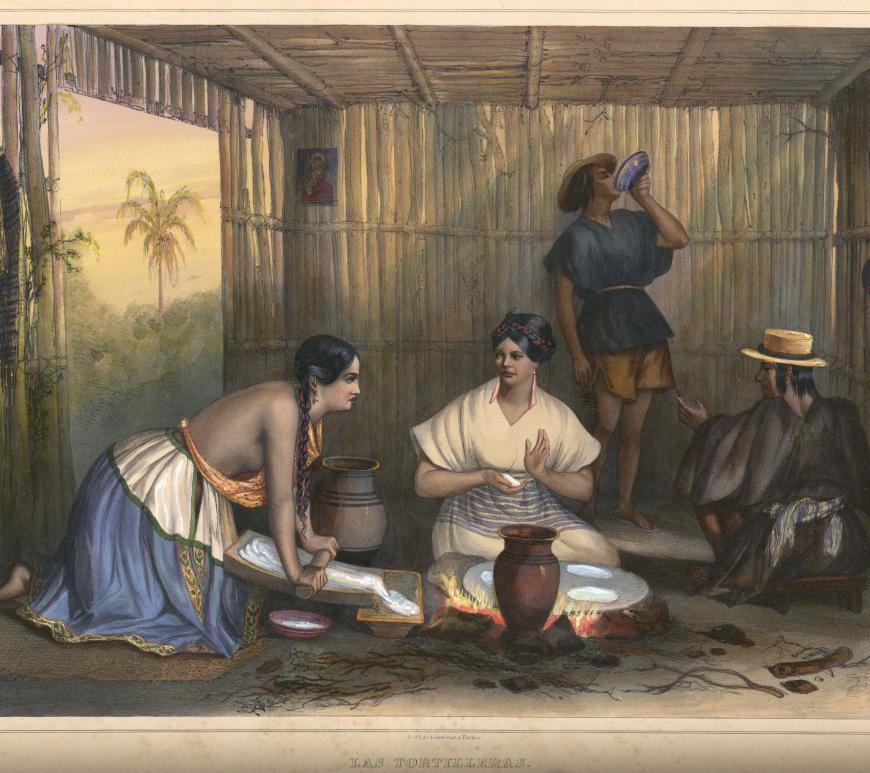
Cover Image by Carl Nebel – Voyage pittoresque et archéologique dans la partie la plus intéressante du Mexique par C. Nebel, Architecte. 50 Planches Lithographiées avec texte explicatif., Public Domain Nejayote Also nijayote : from Guerrero Nahuatl nexayotl, Tlamacazapa Nahuatl nexayotl Corn was traditionally processed by cooking and steeping the kernels with lime or wood ashes (1), discarding the cooking liquor or nejayotl (from tenextli … Continue reading Nejayote

México’s contributions to the World : The Botanical Treasures of Mexico
This last Saturday (27/06/22) I was blessed with the opportunity of being able to present a talk on México at the Western Australian Museum. I was invited by the Friends of Mexico Society (FOMEX) to present one of a series of four talks on México. Cesar (the President of FOMEX in W.A.) presented the first talk on 10 Interesting Facts About Mexico and Ernesto (the … Continue reading México’s contributions to the World : The Botanical Treasures of Mexico

Porophyllum filiforme
Porophyllum filiforme Rydb. (S .F Blake) : Syn. Syn. Porophyllum filifolium Gray, Proc.fl Amer. Acad. 19:35. 1883, not P. filifolium DC, 1836. Also called : Yerba del venado, Benna dia, Jarilla esbelta marron (slender brown jarilla), slender poreleaf P.filiforme is one of the less common poreleafs. It is native to areas around Coahuila, Nuevo Leon, and San Luis Potosi. As of 2016 Rebman (etal) states … Continue reading Porophyllum filiforme

El Avatar de Xochipilli
The Avatar (1) of Xochipilli an embodiment (as of a concept or philosophy) often in a person (in this case a statue) The most common reference for the discovery of this statue that you will find will likely be “In the mid-19th century, a 16th-century Aztec statue of Xochipilli was unearthed on the side of the volcano Popocatépetl near Tlalmanalco” (1) although others state “His … Continue reading El Avatar de Xochipilli
The Pore Leaf in Peru
Porophyllum ruderale Synonyms (1): One of the common names for poreleafs (1) is Bolivian or Peruvian coriander. To the Quechua speaking peoples of Peru, Ecuador and Bolivia it might be called killi or quillquina (2). The plant is both used culinarily and medicinally in these areas and I have Posted on this previously (3) so I wont go over this ground again. Also called : … Continue reading The Pore Leaf in Peru

Xochipilli : A Force of Nature
Yaoehecatl, dancer (1), historian, writer, instructor, lecturer, and Primera Palabra o Jefe del Calpulli Metzcualo-Tonalyeztli (First Word or Chief) of the Calpulli (2) Metzcualo-Tonalyeztli (3) has recently published some material which places Xochipilli into the “force of nature” category from the indigenous point of view of the Mexica. The work “Xochipilli y San Juan Bautista. El sincretismo del Solsticio de Verano” (4) equates the current … Continue reading Xochipilli : A Force of Nature

The Queen of Tomatillos : Reina de Malinalco
We all know (at least I hope we all know) that the home of the tomato is Mesoamerica. This where the greatest genetic diversity of this plant can be found. If we include the cultivars as well as the heirloom and landrace varieties there are over 10,000 (that’s right TEN THOUSAND) types of tomato out there (Moore 2021). In Nahuatl this fruit was known as … Continue reading The Queen of Tomatillos : Reina de Malinalco
Pulque Curado : Tolonche
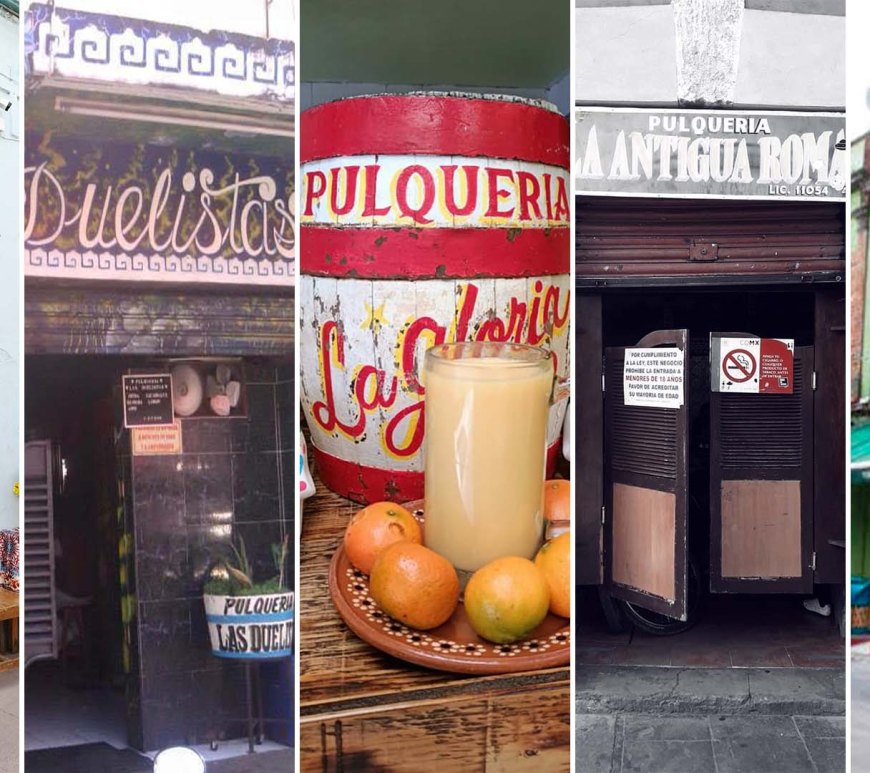
Cover Images : La Antigua Roma, Las Duelistas, La hermosa Hortensia, La Xóchitl y La gloria de Neza. Foto: Facebook/La Joya De La Santa María Facebook/Conecta CDMX. Facebook/Pulqueria La Gloria Neza Facebook/Pulquería La Antigua Roma Twitter/@cuixan I love pulque and I love medicinal herbs so I was quite intrigued by a Post by Carmen Julia Figueredo Urbina. Copaloctli, pulque de incienso o Tolonche. ¿Lo han … Continue reading Pulque Curado : Tolonche

The Pore Leaf in Brazil
Porophyllum ruderale can be found as an urban weed in Brazil with it growing in both urban areas and in high altitude fields. Confirmed sightings of the species have been made at…… North (Acre, Amazonas, Amapá, Pará, Rondônia, Roraima, Tocantins) Northeast (Alagoas, Bahia, Ceará, Maranhão, Paraíba, Pernambuco, Rio Grande do Norte, Sergipe) Central-west (Distrito Federal, Goiás, Mato Grosso do Sul, Mato Grosso) Southeast (Espírito Santo, … Continue reading The Pore Leaf in Brazil
 Masa Americana