



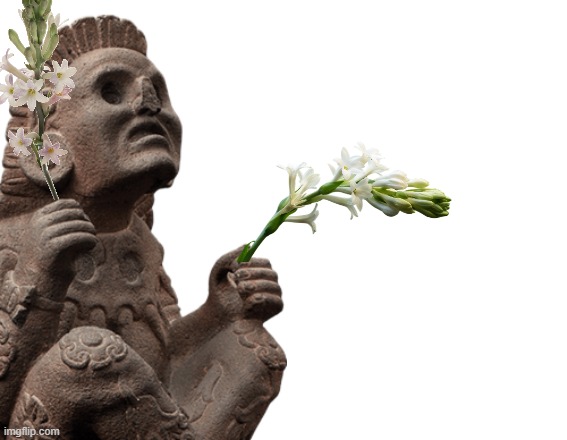
Xochipilli and the Bone Flower
*DISCLAIMER* Any products shown in this Post are for information purposes only. I was researching herbs specific to Tlaloc when a seemingly throwaway line in an article by Ortiz de Montellano (1980) (1) noting that “Certain plants were associated with particular gods: examples include omixochitl (Polianthus tuberosa) with Xochipilli, and cuetlaxochitl (Euphoria pulcherrima) with Xochiquetzal” caught my interest (the section highlighted in BOLD immediately drew … Continue reading Xochipilli and the Bone Flower

Quelite : Chichihuachi. Papalo Adjacent
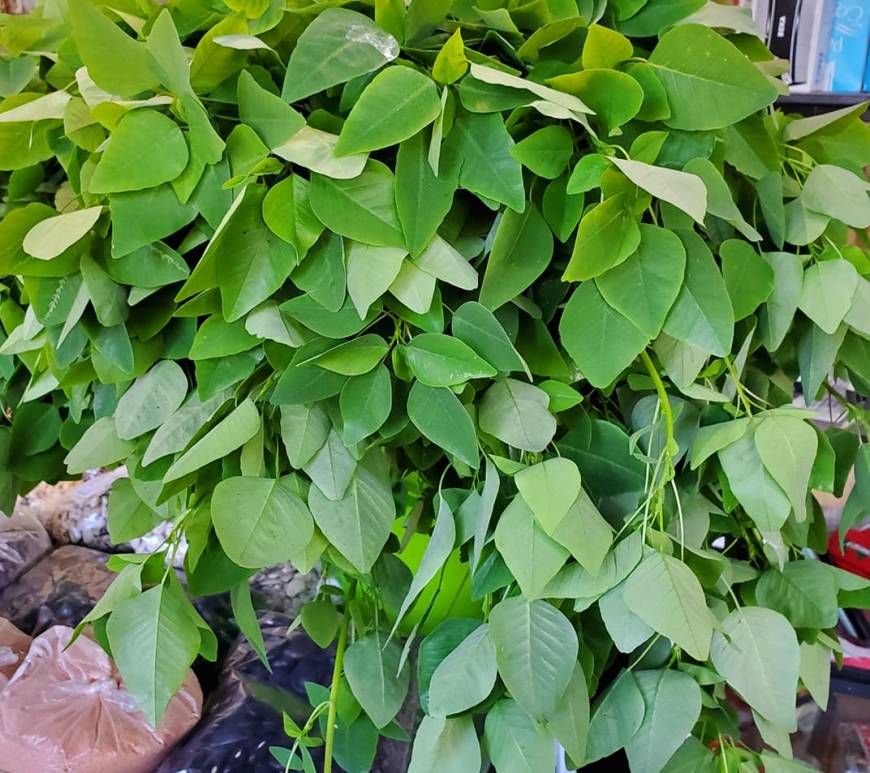
In November of 2025 I visited Mexico and spent some time at a friends childhood home in Tetipac in the mountains of Guerrero between Ixtapan de la Sal and Taxco. His family has a long history in this area and his father, a very knowledgeable man, introduced me to a quelite known as chichihuachi. He described it as a “kind of papalo” whose flavour was … Continue reading Quelite : Chichihuachi. Papalo Adjacent
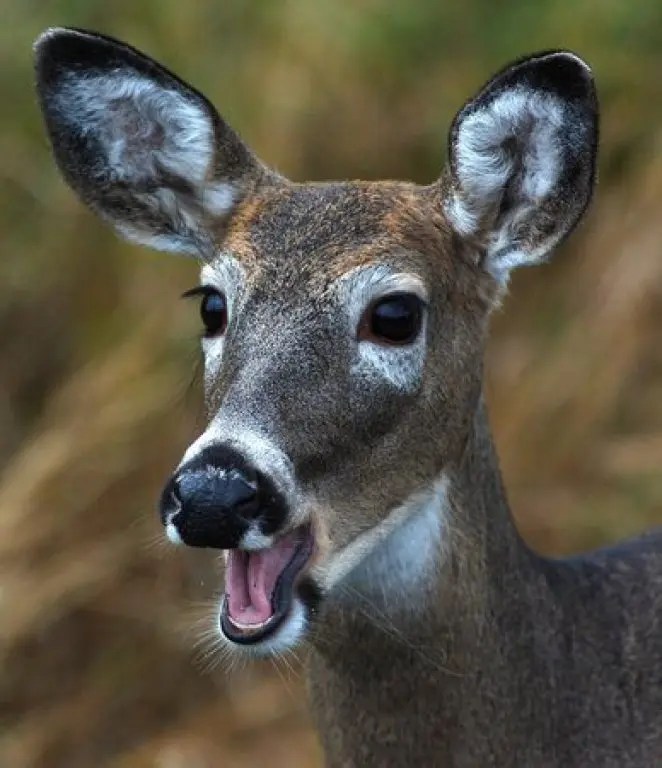
Quelite de Venado : Another Deer Weed
We add another one to the list : A Note on Deer Weed : The Danger of Common Names Scientific name: Peperomia lenticularis A plant with smooth, slightly heart-shaped green leaves. Common names : Sopa-causasa, cumazani, Tequelite chiquito (1) Known in other languages as: cuc’sazan also Laktsu kuksasan (Totonac, northern mountains of Puebla) tancharapo (Nahuatl, northern mountain range of Puebla) Below are some descriptions of … Continue reading Quelite de Venado : Another Deer Weed
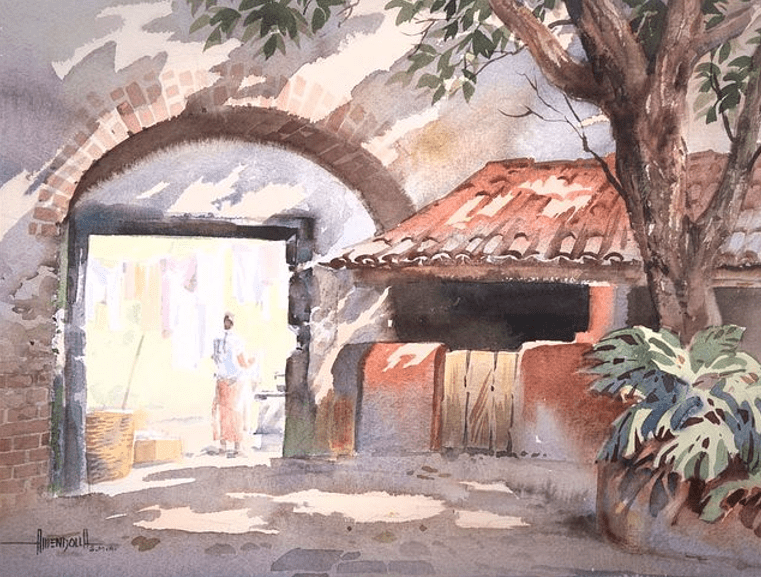
Amendollas signature.
A collection of the artists Luis Ricardo Amendolla Gasparos signatures (that I have been able to find) on various of his artworks. No reason really. Continue reading Amendollas signature.

Amendolla and La Fonda
In my Post Arte Mexicano : Mi Colección I wrote briefly about Luis Amendollas art “on public display” To recap Amendollas art on public display. The Spirit of La Fonda. This book describes the 50-year history and culture of the venerable La Fonda Restaurant in Lafayette, La. (1) one of the state’s most popular eating establishments. The book is also an autobiography of the restaurant’s … Continue reading Amendolla and La Fonda

Tlatlapas. ¿Qué es eso? Vitamina T?
Another facet of the nutritional category known as “Vitamina T” or Vitamin T? Vitamin T is a substance called torulitine found in sesame seeds, egg yolks and pumpkin seeds (1). Vitamin T seems to be the forgotten vitamin with little research and attention paid to it. The Oxford Reference Dictionary would have us believe Vitamin T is “Factor found in insect cuticle, mould mycelia, and … Continue reading Tlatlapas. ¿Qué es eso? Vitamina T?
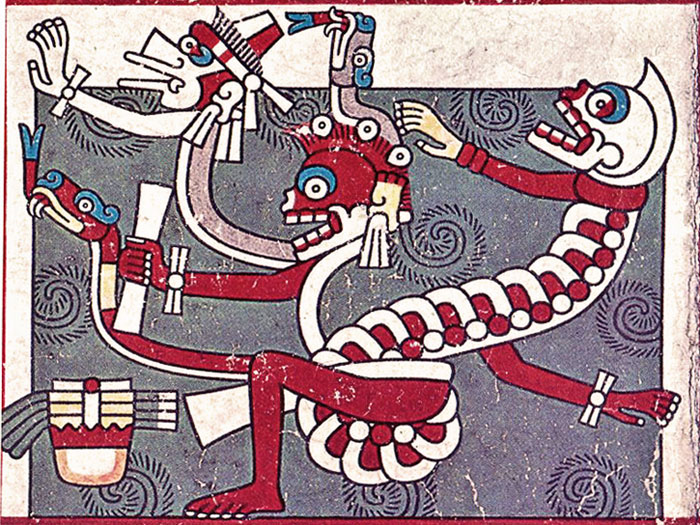
A Short Discourse on the Aztec Soul.
in another Post (1) several references note that the “seat of the soul” for the Aztecs was the intestines and as such gastrointestinal illnesses and conditions, specifically trip ida, are synonymous with another condition called susto (2). My research does not indicate this though. For the Mexica, the human body mirrored the cosmos, both being composed of heavy and light substances. The light substance within … Continue reading A Short Discourse on the Aztec Soul.

Empacho and Tripa Ida
The practice of curanderismo is the living cultural tradition of holistic healing practices of the peoples of “Latin” America. Although variations of this tradition exist within most of the Americas my focus is on the traditions of Mexico and the south-western United States of America. Curanderismo is a holistic healing system that treats the whole person—body, mind, and spirit—using a blend of herbs, rituals, and … Continue reading Empacho and Tripa Ida

Atlaquetzalli. The Drink of Kings*
*well “Tlatoanis” actually if you want to be pedantic about it (and I do) I briefly look at the masa based drink called atole in my Post Mexican Cooking Equipment : The Molinillo and go into it in a bit more detail in, A Naturopathic View of the Aztec Diet : Part 2 : Appendix 1 : Atole, and then expand upon it again in another related … Continue reading Atlaquetzalli. The Drink of Kings*
Pozole : Part 2 (Well, Part 1 really)
In a previous Post (Rábano. The Radish.) I mentioned briefly the dish known as pozole (go check the Post out for a bit of a breakdown on the origin and meaning of the word pozole, it’s interesting – well I reckon it is anyway – and it links with a little more etymology in this Post) Anyway. Back to the Pozole. At its most basic … Continue reading Pozole : Part 2 (Well, Part 1 really)
 Masa Americana