





What is Mole?
Featured Image courtesy of Luis Cordova 2010 Often referred to as the “Mexican sauce with chocolate in it” this dish is poorly understood outside of Mexico. Even referring to mole simply as a sauce is somewhat a misnomer as it is so much more than that. A mole is no less than a culinary work of art. Each ingredient is individually cooked and prepared according … Continue reading What is Mole?


Quelite : Sowthistle : Sonchus oleraceus
also called : smooth sowthistle, milk thistle (1), rauriki, pūhā, pūwhā, pororua, lechuguilla, cerraja, cola de zorra (foxtail), colewort, hares lettuce, hares thistle, rabbit thistle, kŭcài (苦菜)(bitter vegetable) Another plant introduced into Mexico that can be considered a quelite is sowthistle. Sowthistle is an annual herb native to Europe, Asia and northern Africa. It is a common urban plant, which in many places is considered … Continue reading Quelite : Sowthistle : Sonchus oleraceus

Edible Insects : Axayácatl (Ahuautli)
Mesoamericans ate a wide range of insects. The Aztecs (and modern “in the know” locals) ate ahuautli. Ahuautli is the name for the edible eggs of an aquatic fly in the Corixidae or Notonectidae families. They are found in the lakes of the México basin. The eggs (like michihuautli)(1) look (and supposedly taste – although this is subjective) like fish roe. Cakes of it were (and still … Continue reading Edible Insects : Axayácatl (Ahuautli)
Quelites : Romeritos
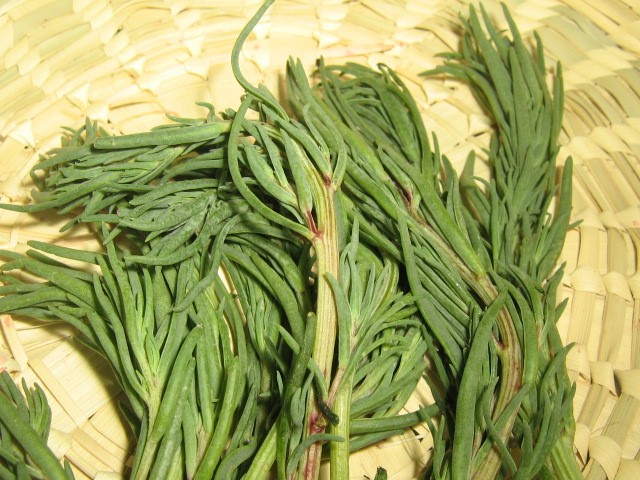
also called romerillo, seepweed, seablite, quelite salado (salty quelite), inkweed, Mojave seablite, shrubby seepweed Romeritos – “little rosemary” (Suaeda torreyana), is so named due to its superficial resemblance to Rosemary. It is an example of a wild plant that, due to its popularity, is now required in commercial quantities. Surveys performed by INEGI (1) have found that gardens in and around Mexico City are responsible for the … Continue reading Quelites : Romeritos
Empacho
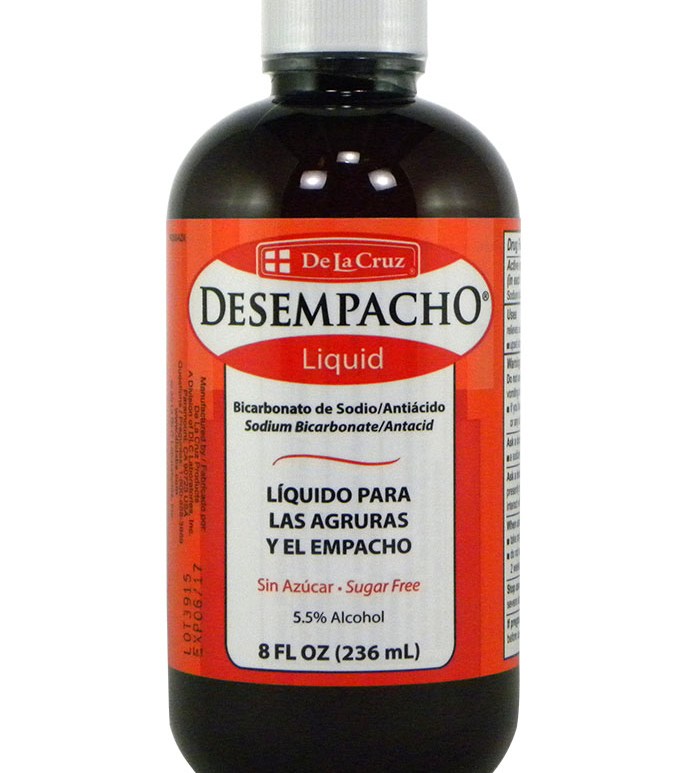
Curanderismo and its practices are used to treat an illness of the gastrointestinal tract called empacho. It is considered to be a blockage or an infection in the intestines that can result from either physical or emotional/mental causes. Empacho can be indicated by any number of gastrointestinal symptoms such as stomach cramping, intestinal gas, loss of appetite, vomiting, diarrhoea and/or constipation. This illness can impact … Continue reading Empacho

Quelite : Huauzontle
Chenopodium nuttalliae (syn : C.berlandieri) “hairy amaranth” – from the Nahuatl huauhtli ‘amaranth’ and tzontli ‘hair’ According to a Mexican government website (1) the cultivation of huauzontle was prohibited by the Spanish, along with amaranth (2), due to its use in religious rites linked to human sacrifice. Huauzontles are a highly nutritious plant from the Chenopodium or “Goosefoot” family. Other plants in this family include … Continue reading Quelite : Huauzontle

Damiana : Turnera diffusa
syn T.aphrodisiaca (although there are claims that these are two different plants) Also called : Hierba del pastor, shepherds herb, Hierba del venado, damiana de California (or Guerrero), mizib-coc (misibcoc, misib-cooc, xmisibcoc, miixcoc)(Maya) This herb is native to Mexico, southern Texas, Central and South America, and the Caribbean. In Mexico it is used to flavour liqueurs for an aphrodisiac effect. In 1699 Father Juan Maria … Continue reading Damiana : Turnera diffusa
Xochimilco and the Axolotl
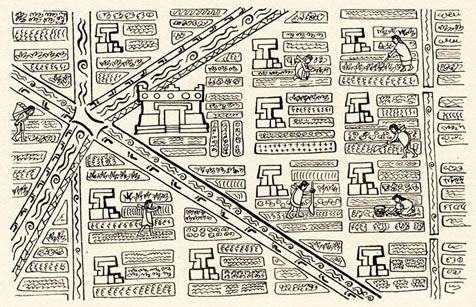
The word “Xochimilco” is Nahuatl for “where the flowers grow”. It is an area of lakes and canals that was a major agricultural centre in Mesoamerica and remains as the only reminder of traditional Pre-Hispanic land-use in the waterways of the Mexico City basin. This compound glyph for the place name Xochimilco features two colourful, detailed flowers [xochi(tl)], and a rectangular, segmented, textured parcel of land [mil(li)]. … Continue reading Xochimilco and the Axolotl
Bibliography
Referencing on this Blog has been done in a somewhat haphazard way. Many of the Posts that refer to specific scientific studies will have those studies referenced within the text and noted below the paragraph or at the bottom of the Post. I have many Posts in the draft stage which have yet to be published (as well as already published Posts) and many of … Continue reading Bibliography

Sende : Sendecho
Octli (or pulque) from the maguey and tepache from pineapple are well known; but the knowledge of one drink, Sende (or sendechó/sende choo) is in danger of being lost. Only a few still know the traditional production methods of this drink. It is a labour intensive product and in this day and age of speed and convenience fewer still are prepared to learn the ancient methods of production. When made … Continue reading Sende : Sendecho
 Masa Americana