



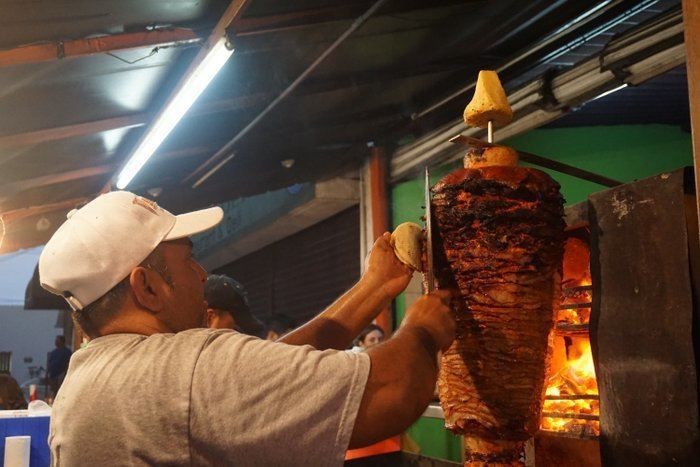
Tacos al pastor
Moorish culture had an impact on more than just the medicinal practices of the Mexicans. The method of cooking tacos al pastor (in the style of the shepherd), is a dish developed in Central Mexico that is based on shawarma spit-grilled meat brought to Mexico by Iraqi immigrants in the early 1900s and Christian Lebanese following the Israel-Lebanon war in 1948 and the 6 day … Continue reading Tacos al pastor


Moorish Influence in Mexico
Spanish thought and culture was influenced by nearly 800 years of Muslim occupation and European civilization in general was profoundly affected by Moorish culture. The use of aromatic herbs and spices was popular in the Old World. Empires were being built on the acquisition of the most exclusive and expensive cooking ingredients (many spices were also used as medicine) and spices too were readily taken up by … Continue reading Moorish Influence in Mexico

Cebadina
Cebadina is a carbonated red drink common on the streets of León in the (Free and Sovereign) State of Guanajuato in central Mexico. Cebadina is a refreshing drink in hot weather. The drink has a tart, sweet, refreshing flavour. It is taken cold and is often used as a digestive beverage due to the inclusion of baking soda and is regularly consumed as a hangover cure. … Continue reading Cebadina
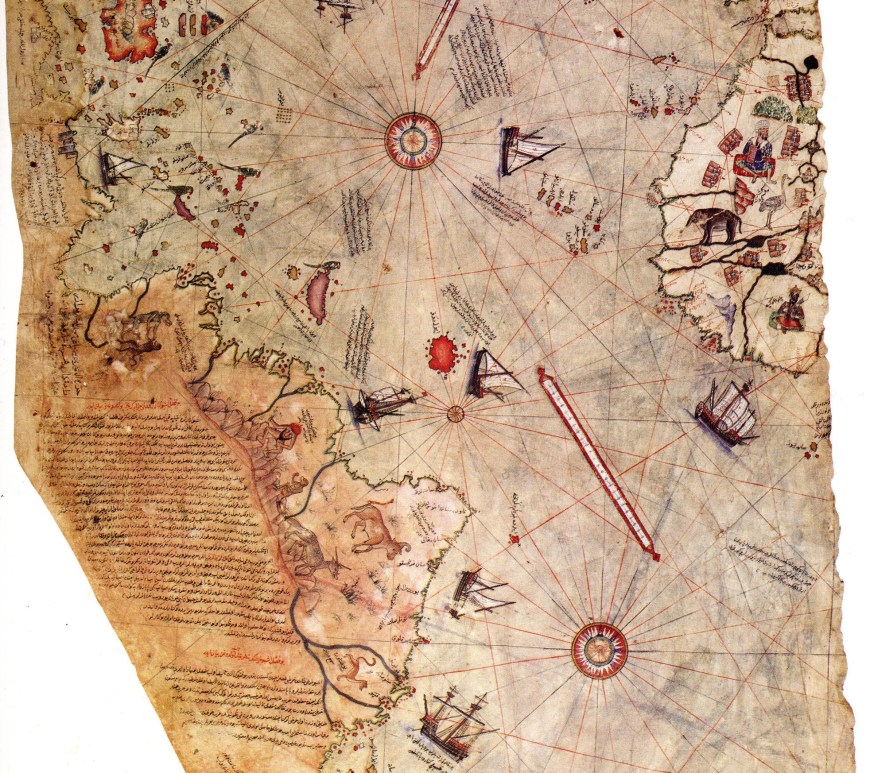
Did Columbus Cheat? The Piri Reis Map
The Piri Reis Map of 1513 is the first surviving map that shows the Americas. It is said to show North America, South America, Greenland and Antarctica. This was surprising since Antarctica had not been discovered until 1820 and somewhat more intriguingly it appears to show the land mass before it was covered in ice, over 6000 years ago. The map showed the outline of … Continue reading Did Columbus Cheat? The Piri Reis Map
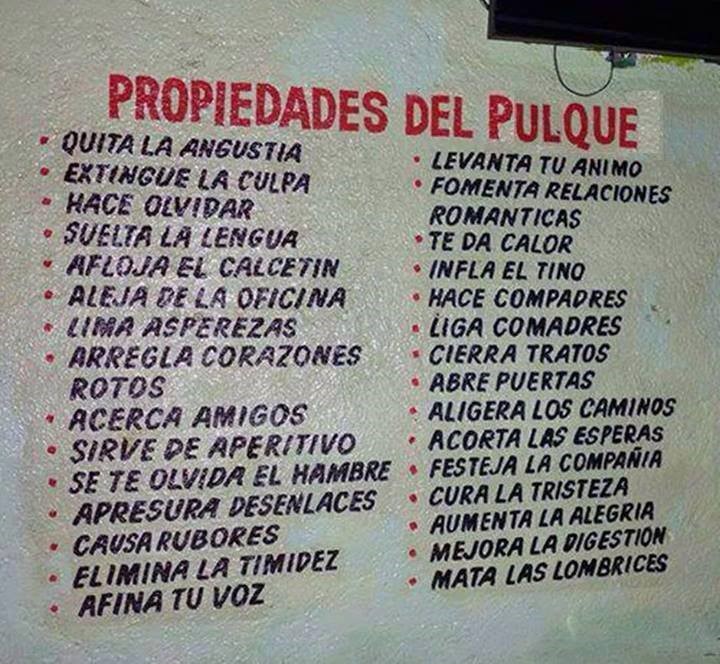
Medicinal Qualities of Pulque
Aguamiel and pulque are both highly nutritive liquids. Aguamiel in its raw state (prior to fermentation) contains essential amino acids, proteins, vitamins, gums and minerals and is a valuable water substitute in areas where water may be scarce or potentially contaminated and unsafe to drink. When aguamiel is dehydrated it is composed of around 90% sugars (mainly sucrose, glucose and fructose) and around 10% fructooligosaccharides (fructans – primarily … Continue reading Medicinal Qualities of Pulque
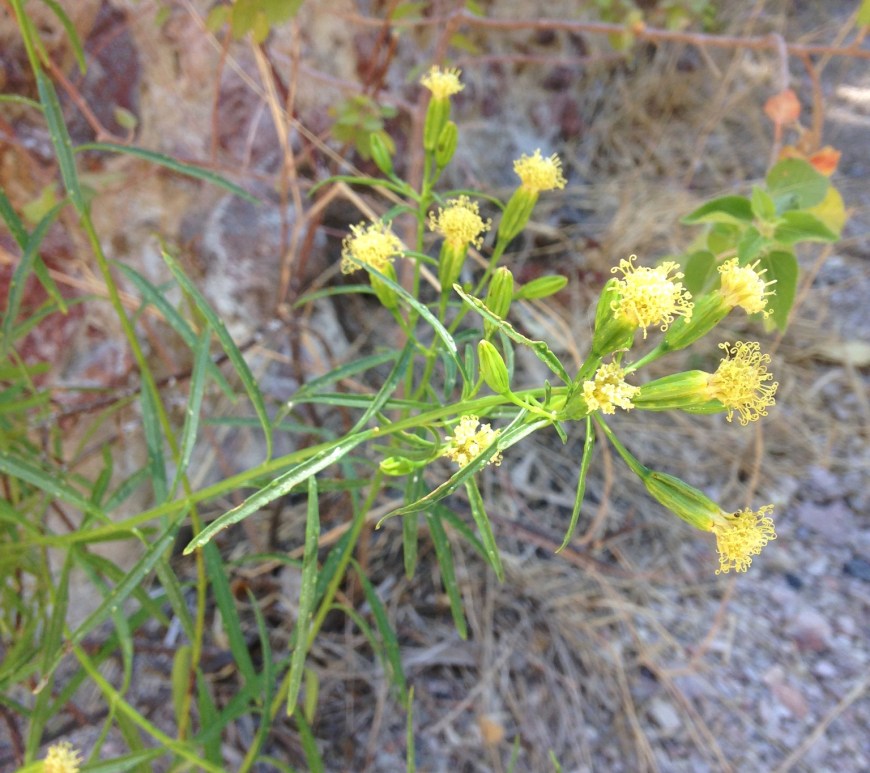
Quelite : Porophyllum pausodynum
Also called : Guaymas Poreleaf, hierba del venado, maravilla P.pausodynum, a less well known variety of slender poreleaf that was used by the Mexicans of Guaymas to alleviate headaches. (Johnson 1969). Guaymas poreleaf is native to the semi-arid region of subtropical northern Mexico and is named after an historical port city in Sonora. Before European settlement this area was populated by the Guaymas, Seri and Yaqui peoples. … Continue reading Quelite : Porophyllum pausodynum
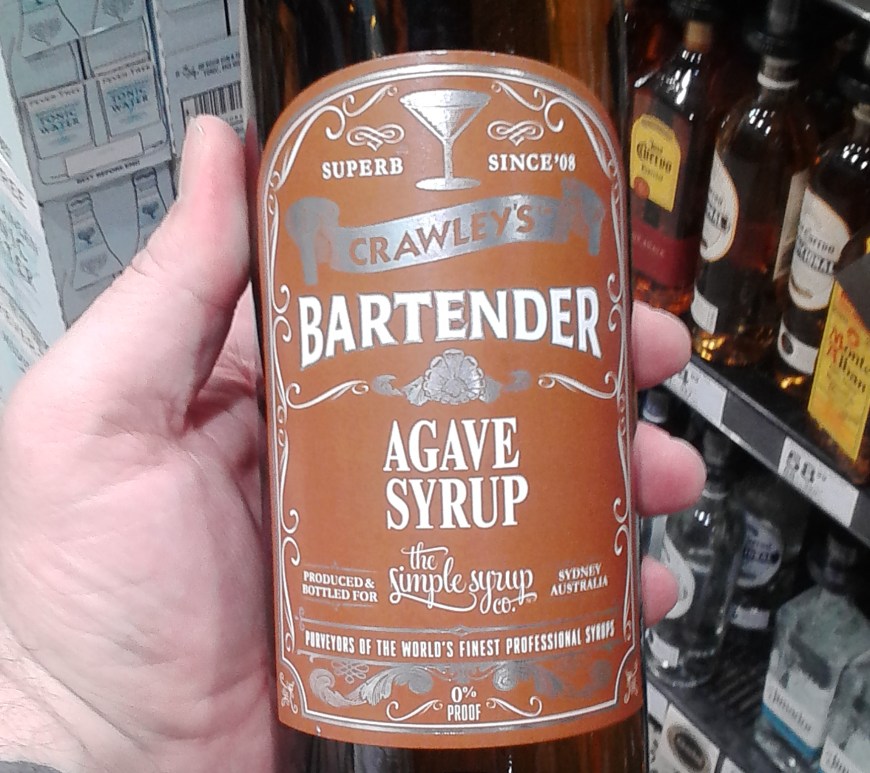
Agave Syrup. A Healthy Alternative to Sugar?
Agave syrup has been touted as an organic, raw food, healthy alternative to sugar but what exactly is it? The agave species is native to México and the southwestern United States of America. They are neither a cactus nor a relative of the aloe plant which they resemble. There are over 200 varieties of this plant. The agave was known as “metl” in the lingua franca … Continue reading Agave Syrup. A Healthy Alternative to Sugar?

Nutritional Value of Aguamiel
Nutritional value of aguamiel from Agave atrovirens Minerals mg/100 g Potassium (K) 120.44 Calcium (Ca) 11.70 Zinc (Zn) 0.18 Iron (Fe) 0.81 Sodium (Na) 0.83 Copper (Cu) 0.07 Magnesium (Mg) 0.55 Selenium (Se) 0.047 Water-soluble vitamins mg/100 g Thiamine (B1) 0.10 Riboflavin (B2) 0.38 Niacin (B3) 4.77 Pyridoxine (B6) 0.57 Ascorbic acid (C) 17.99 Amino acids mg/100 g Aspartic acid 7.91 Glutamic acid 20.08 Serine 4.48 … Continue reading Nutritional Value of Aguamiel

The Agave, Barbacoa and Mixiotes
The leaves of the maguey, called “pencas” are utilised for numerous purposes. One variety is used to create the fibre known as sisal while the thicker varieties can be cooked and eaten. Even the thorns were used as needles and for the practice of auto sacrifice. Some religious devotees and priests would pierce their earlobes, tongues or genitals with the thorns and collect the blood … Continue reading The Agave, Barbacoa and Mixiotes

Flor de Jamaica (Hibiscus sabdariffa)
Also called : Roselle, Rosella, Red sorrel, Karkady, Karkade Another popular street food in México are the agua frescas (fresh waters or cool waters). These are light non-alcoholic beverages which are flavoured with fruits, cereals, flowers, or seeds blended with sugar and water. Chia seed is often added. These drinks are typically served from large barrel-shaped glass containers and can be found in markets, taquerias, tianguis and on … Continue reading Flor de Jamaica (Hibiscus sabdariffa)
 Masa Americana