





Frutos de Cactus : Colonche
Updated 08 June 2022 Colonche (1) is another Mesoamerican fermented drink similar in design to tepache and pulque. It is produced from the tuna fruits of several species of the nopal cactus (most notably O.strepthacantha) and is fermented using wild yeasts. Its shelf life, like that of tepache is somewhat longer than that of pulque and it can be expected to last for as long as 14-15 days. It is a … Continue reading Frutos de Cactus : Colonche

Medicinal uses of Xoconostle
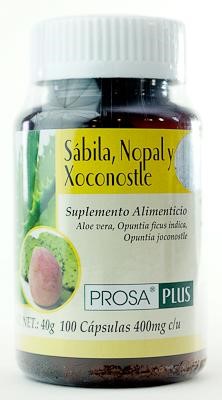
The habitual consumption of the skin and fruit of the xoconostle can be useful in the control of serum glucose in individuals with Type 2 diabetes. In healthy people xoconostle can help prevent hyperglycaemic states and potentially reduce the concentration of cholesterol and triglycerides which may be related to metabolic syndrome.(Pimienta-Barros etal) Xoconostle pears (Opuntia matudae) have attracted the attention of researchers around the world due to this … Continue reading Medicinal uses of Xoconostle
Frutos de Cactus : Xoconostle
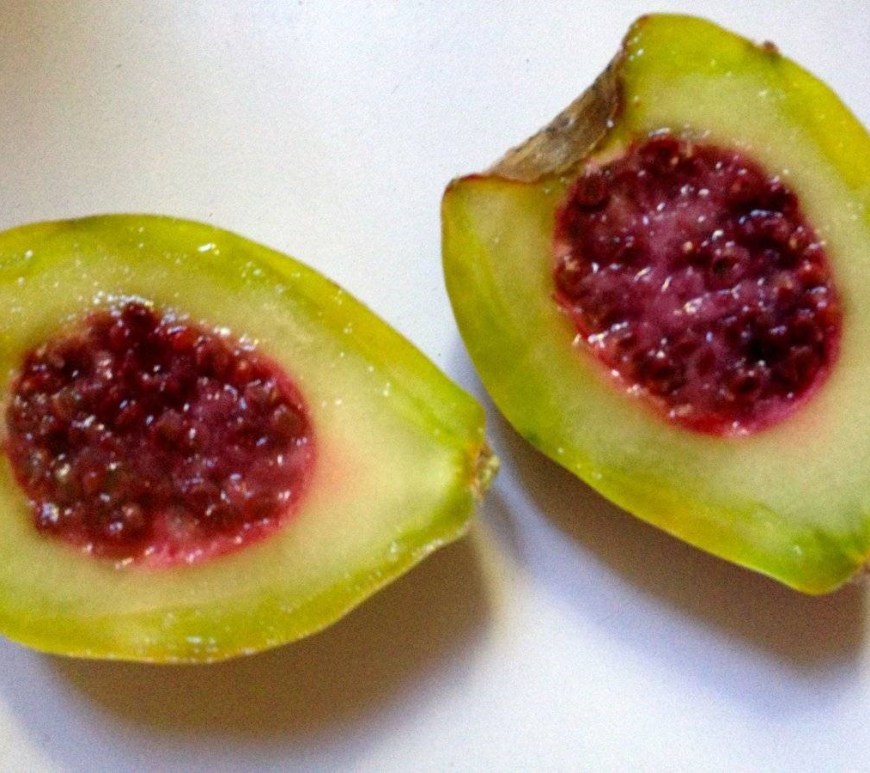
The xoconostle (from Nahuatl xoconōchtli – ‘Xococ’ = ‘sour’ and ‘nochtli’ = tuna or prickly pear fruit) is native to central México and the arid semi-desert areas such as: Coahuila, Zacatecas, Jalisco, San Luis Potosi, Guanajuato, Queretaro, State of Mexico and Hidalgo. It is the fruit of a type of Opuntia cactus. There are more than 15 varieties of this fruit. Opuntia joconostle, O.chávena, O.lasiacantha Pfeiffer, O.matudae and O.delafuentiana are noted … Continue reading Frutos de Cactus : Xoconostle

Unknown Porophyllums
In all corners of Mexico there are varieties of porophyllum unknown to the scientific community. They remain unclassified and without the Latin nomenclature that science is so fond of. There are many varieties of pore leaf yet to be catalogued. One such variety would be Copanquelite. According to Diana Kennedy, this as yet unidentified porophyllum (My Mexico, 1998) is a delicate plant with smaller leaves … Continue reading Unknown Porophyllums
Quelite : Porophyllum punctatum
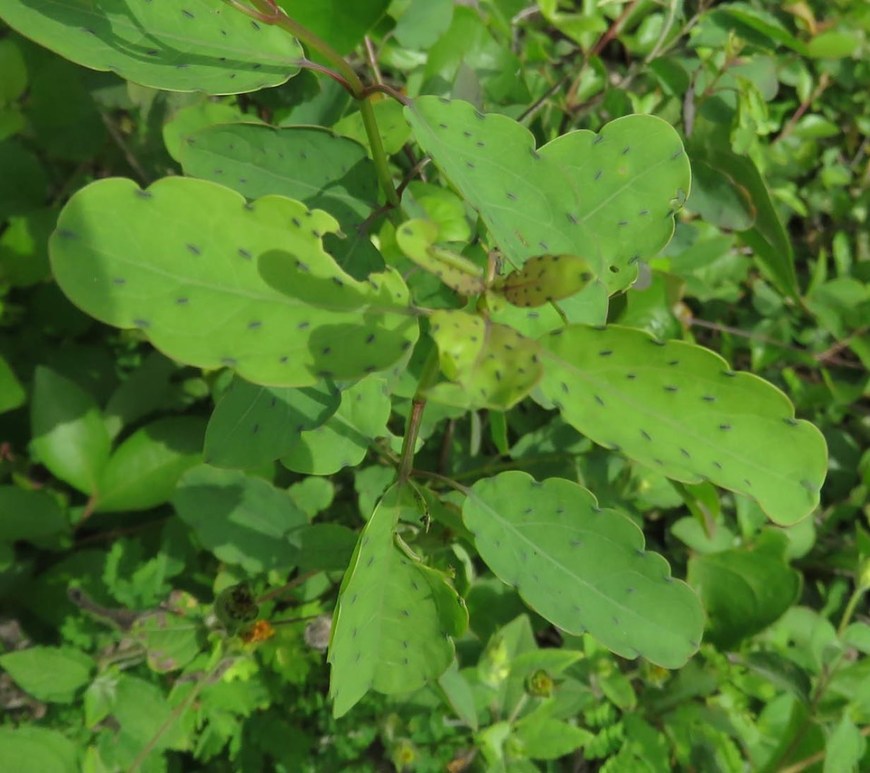
Synonym : Porophyllum millspaughii BL Rob. Also called: Tlapanche, tepepapaloquilitl, eek’ puk che’ (Maya), hierba de dunas costeras, hierba del venado, mal de ojo, paloquelite, pech’ uk’ (Maya), pech’uk-il (Maya), pioja, pio-jillo (Nahuatl), Mata piojo (louse killer), piojillo, piojo, papalillo pipisca de venado, pipixat, pipitzcaquilitl, quelite, ruda de monte, sorrio, tepalcachu, ucuchoo, uk’ che’ (Maya), uk’ xiw (Maya), xiiw (Maya), xpechuekil, x- pechuk’il, yerba de … Continue reading Quelite : Porophyllum punctatum
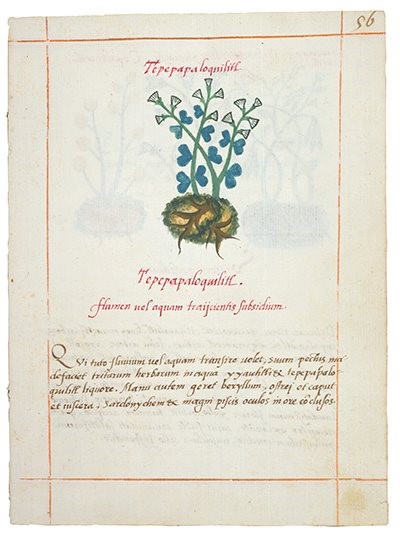
Quelite : Tepepapaloquilitl
Also called : tepalcachu, pápalo, pipizca de venado. Tepepapaloquilitl (tepetl – mountain, hill : papalotl – butterfly : quilitl – weed), it is so named because it is a herb which attracts butterflies and it grows on hilly ground or in the mountains. Porophyllum gracile has also been identified as tepepapaloquilitl. In the mountains outside Toluca there is a root called “chautl” which comes from a plant identified by … Continue reading Quelite : Tepepapaloquilitl

Pulque Production
The processing of pulque happens in four stages. Castration Pit scraping and aguamiel extraction Seed/mother preparation Fermentation Castration It can take between 7 and 40 years before an agave is ready to harvest the aguamiel and it can take an expert to know when exactly to castrate the plant, if done too late then the plant will produce no aguamiel, if done too early then aguamiel production will be greatly … Continue reading Pulque Production
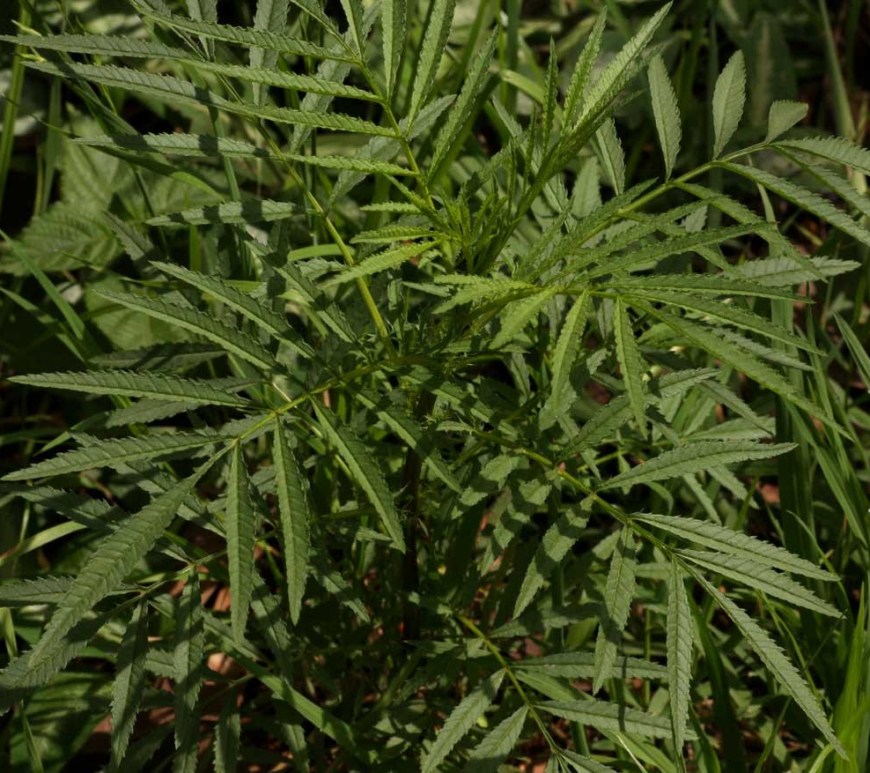
Quelite : Huacatay : Tagetes minuta
Inca marigold, Peruvian black mint, Stinking Roger, Ocopa, Cravo-de-defunto (generic name used for Tagetes species marigolds), cravo-de-urubu (vulture marigold), enxota, Aztec marigold Huacatay is native to southern South America (Argentina, Chile, Bolivia, Peru, and the Chaco region of Paraguay). It has a liquorice like aroma/taste and is a popular culinary herb, beverage herb and medicinal tea. Plants of the Tagetes species are known as Marigolds … Continue reading Quelite : Huacatay : Tagetes minuta

Quelite : Porophyllum lanceolatum
Also called, clavelina, hierba del ciervo, hierba del venado, yerba del venado, ıvira käti (Isoceño-guaran´ı) quilquina (Argentina) This herb is used in west-central Argentina primarily as an infusion. One study of P.lanceolatum (Mattana etal) showed that extracts from this plant look promising as a potential natural therapy against Gram-positive bacteria (1). According to the Colegio de Farmacéuticos de Santa Fe (2) in Argentina it is … Continue reading Quelite : Porophyllum lanceolatum

Quelite : Mexixquilitl
Mexixquilitl (as L.virginicum) also called lentejilla The picture above depicts a plant from the tropaeolum genus. These are commonly known as nasturtiums. The leaves of the nasturtium are edible and have a “peppery” bite to them. The Tropaeolum genus is native to Central and South America and were introduced into Europe from Peru by the Spanish. Nasturtiums received their common name because the produce an … Continue reading Quelite : Mexixquilitl
 Masa Americana