



La Malinche
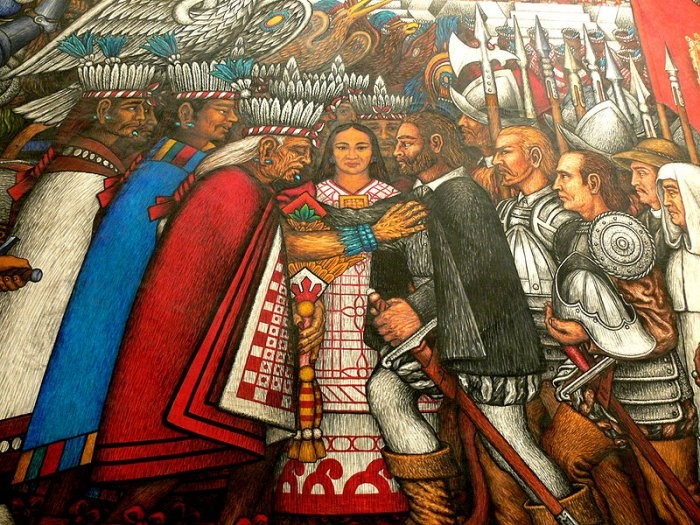
The Mother of the Mexican Nation. Malintzin (or Malinalli), later called Doña Marina, was one of a group of young women offered to Cortés by a Mayan Lord shortly after his arrival on the shores of the New World. She spoke some language of the Maya and was versed in Nahuatl. The story goes that her skills were made known to Cortés when after his … Continue reading La Malinche

Origins of the words Aztec and Mexico
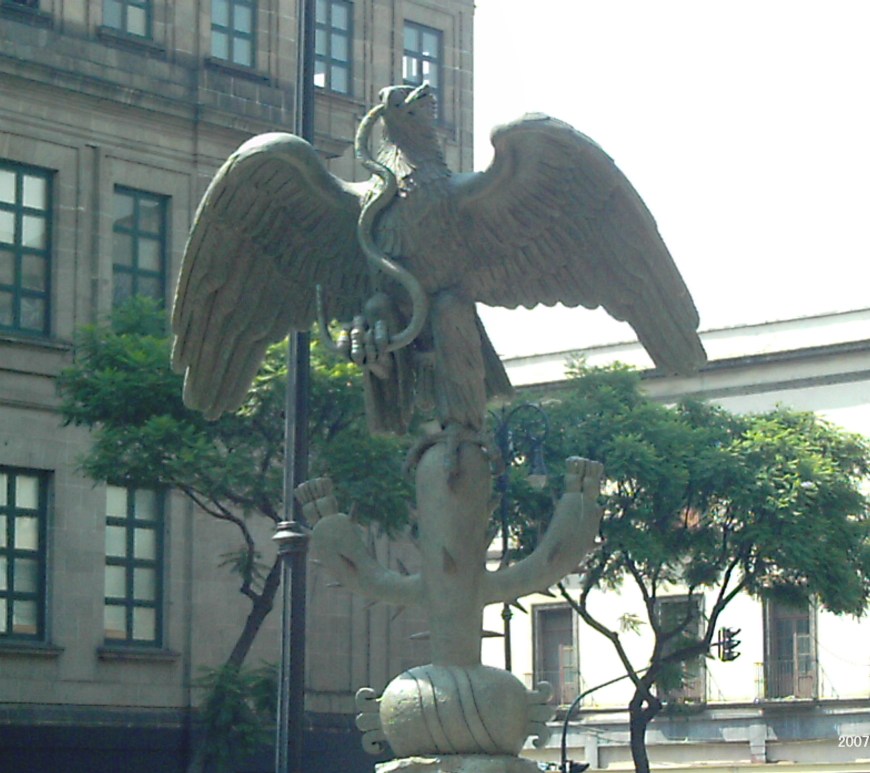
These two words which are integral to the heart of México are inextricably intertwined. It has been posited that the root for the word México was metl, the Náhuatl root of the word maguey or metztli (the moon) and xictli (centre or navel). Others, being friars of the Franciscan or Dominican variety, thought that the Mexican peoples were of Hebrew descent (being one of the … Continue reading Origins of the words Aztec and Mexico
The Triple Alliance
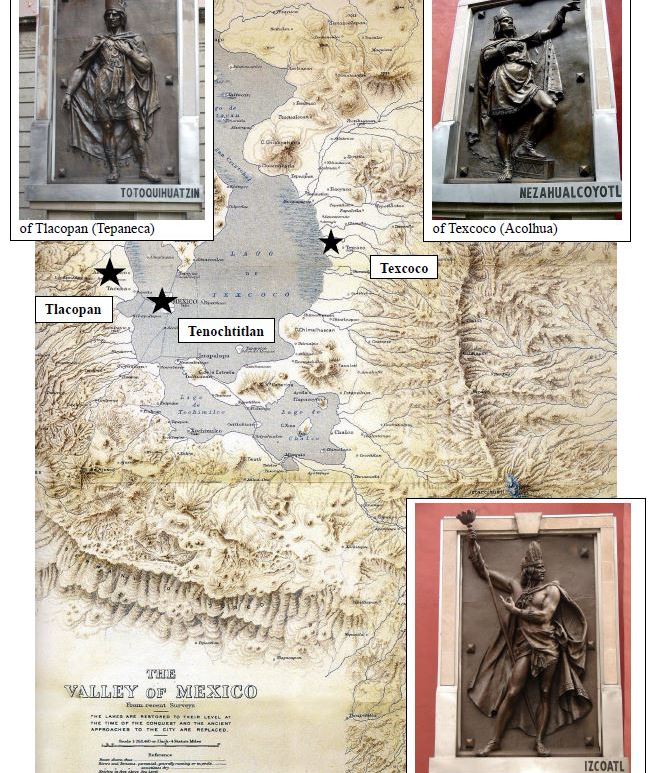
How the terms Mexico and Aztec may have entered history. Who were the Aztecs? Were they an actual people like the Totonacs, the Zapoteca or the Mexica; or did the word Aztec define something else entirely? The first published use of the term “Aztec” was when Father Francisco Javier Clavijero Echegaray included it in his book La Historia Antigua de México (1780). A few decades … Continue reading The Triple Alliance
Quelite : Porophyllum scoparium
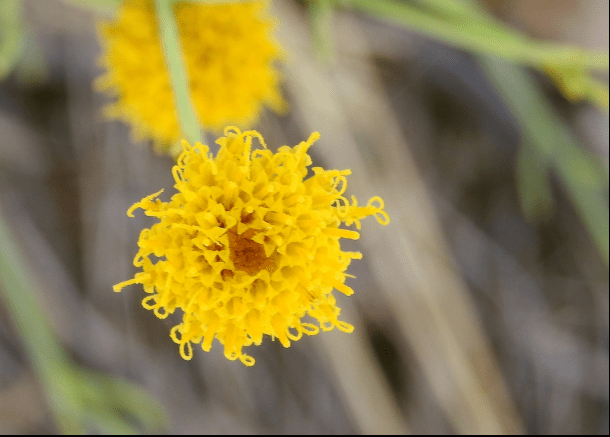
Also called : shrubby poreleaf, hierba del venado, jarilla, romerillo, pomerillo, Transpecos poreleaf. P.scoparium is a narrow leaved variety of pore leaf. In Mexico P.scoparium is used as a remedy for rheumatism, fever and intestinal problems. This herb is currently being used by the Grupo Medico Dr. Zurita SA de CV in Mexico City. Dr’s Manuel A Zurita Lopez and Maria Esther Zurita Jiminez on their … Continue reading Quelite : Porophyllum scoparium
Quelite : Porophyllum gracile : Deer Weed
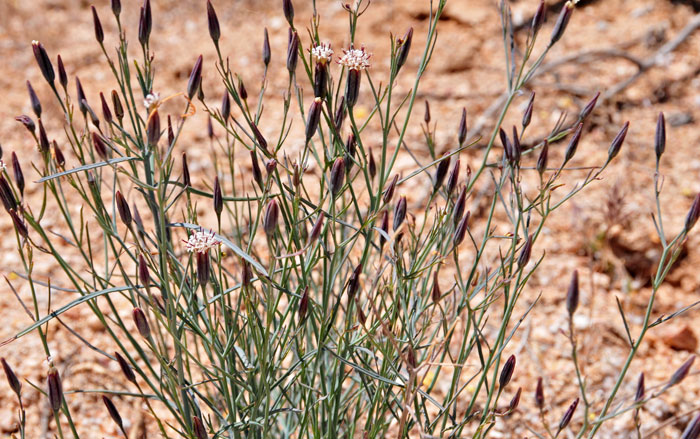
Synonyms: P.junciforme, P.putidum, P.caesium, P.cedrense , P.leucospermum , P.nodosum , P.ochroleucum , P.pinifolium , P.vaseyi , P.confertum var. ochroleucum Also called, slender pore leaf, odora, (hierba) yerba del venado (deer herb), maravilla, tepepapaloquilitl, Pech’uk-il (Mayan name), xtisil or xtesel (Seri name), hestej (Guarijio), jestej (Guarijío) The first text I have come across that refers to papaloquelite under the moniker “deer weed” is that of Hernandez who writes of the herb MAZATLIPAPALOQUILITL or deer papaloquilitl. … Continue reading Quelite : Porophyllum gracile : Deer Weed
A Note on Deer Weed : The Danger of Common Names
Yerba del venado (Hierba de Venado, Yerba del ciervo) The first text I have come across that refers to papaloquelite under the moniker “deer weed” is that of Hernandez who writes of the herb MAZATLIPAPALOQUILITL or deer papaloquilitl. mazatl. Principal English Translation: deer. – Frances Karttunen: MAZĀ-TL pl: MĀMAZAH – MAZĀ-MEH deer / venado (M), ciervo quilitl. Principal English Translation: edible herbs and vegetables – … Continue reading A Note on Deer Weed : The Danger of Common Names
The Frapulcurado. A Mexican Take on the Frappé
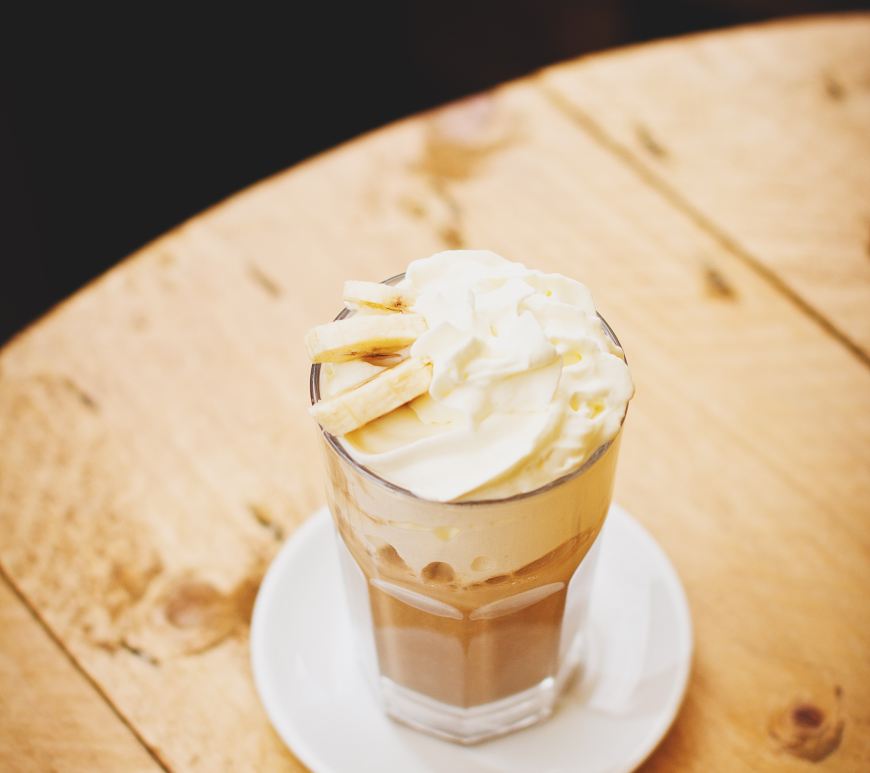
A frappé (frap-pay) is a chilled drink which has been blended with ice (or frozen) to a slushy consistency. Frappé s were said to have been created by accident at an International Trade Fair in Thessaloniki, Greece in 1957. Dimitris Vakondios couldn’t find any hot water to make his instant coffee so he grabbed a mixer being demonstrated for mixing a childrens chocolate drink and, … Continue reading The Frapulcurado. A Mexican Take on the Frappé

Pulque as a Cooking Ingredient
As the flavour and texture of pulque can be somewhat confronting it is often mixed with other ingredients to produce a drink known as a pulque curado. Curados can be flavoured with fruits (pineapple, mango, strawberry, watermelon), vegetables (celery, tomatillo, maize), nuts (almonds, walnuts, peanuts) or other flavours (oats, tamarind, coconut, cajeta). Much like the Mexican artistry in producing unusual flavour combinations for paletas the options … Continue reading Pulque as a Cooking Ingredient

Xochipilli. The Prince of Flowers
Xochipilli (1) was considered one of the more benevolent of the Mesoamerican deities and he was popular amongst the chinampa dwellers to the south of Tenochtitlan. This statue was excavated near Tlalmanalco (2) in the shadow of the volcano Iztaccihuatl (3) and has been registered as part of the collection of the National Museum of Anthropology since 1882. Sacrifices to him generally consisted of garlands … Continue reading Xochipilli. The Prince of Flowers
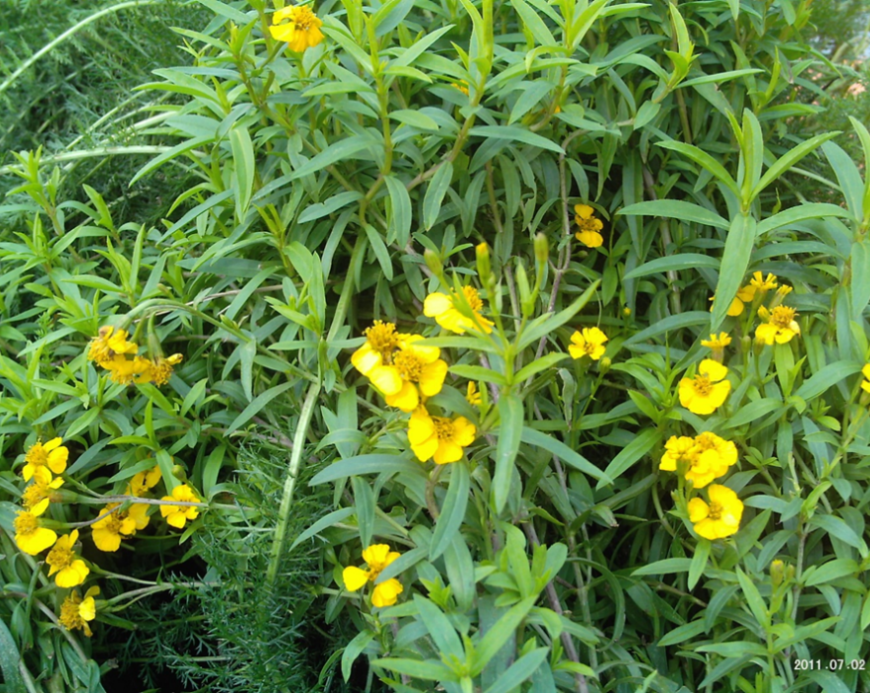
Quelite : Pericón : Tagetes lucida
Tagetes lucida. also called : Mexican tarragon, sweet mace, periquillo, anicillo, basigó, basigoko (Tarahumara), ohoom (Huastec), tumutsali (Huichol) Pericó, Anisillo, atagote, cedrón, flor de xuchitl, hierbanís, hierba anís, hierba de nubes, hierba de San Juan, hierba santa, periquillo, rincón, Santa María, Santa María de jardín, tatalencho, yerbanís. Chiapas: k’anal nich wamal, k’ixin vomol, perikon vomol, tzitz ak, tzitz pox, tzitz vomol, tzitzilal ul (tzotzil), tzitzak … Continue reading Quelite : Pericón : Tagetes lucida
 Masa Americana