




Frutos de Cactus : Tunas. The fruit of the nopal.
The fruits of the cactus are also known as prickly pears (or sometimes Indian figs) and come in a range of colours from green to yellow and the whole spectrum of pinks and reds. They too both have medicinal and culinary uses. Cactus fruit contains substantial amounts of ascorbic acid, vitamin E, carotenoids, fibres, amino acids and antioxidant compounds (phenols, flavonoids, betaxanthin and betacyanin). These phytonutrients … Continue reading Frutos de Cactus : Tunas. The fruit of the nopal.

Huitzilopochtli, Tenochtitlan and the Opuntia Cactus
The Mesoamerican deity Huitzilopochtli was the patron god of the Mexican people and is the primary God of War (and the Sun) in the Aztec pantheon. The legend goes that after he was betrayed by a nephew he killed him and removed his heart. This heart was left on an island in the middle of Lake Texcoco and, like many creation legends involving plants, from the rocks upon … Continue reading Huitzilopochtli, Tenochtitlan and the Opuntia Cactus

The Nopal as Food
The Opuntia species of cactus, also commonly called the Prickly Pear, is another seemingly hostile plant (along with the maguey) that despite its thorny exterior is a source of both food and medicine. Both its leaves (botanically known as cladodes) and fruits, called “tunas” are eaten on a daily basis in Mexico. As a cactus it must be treated carefully during preparation. They all carry spines … Continue reading The Nopal as Food
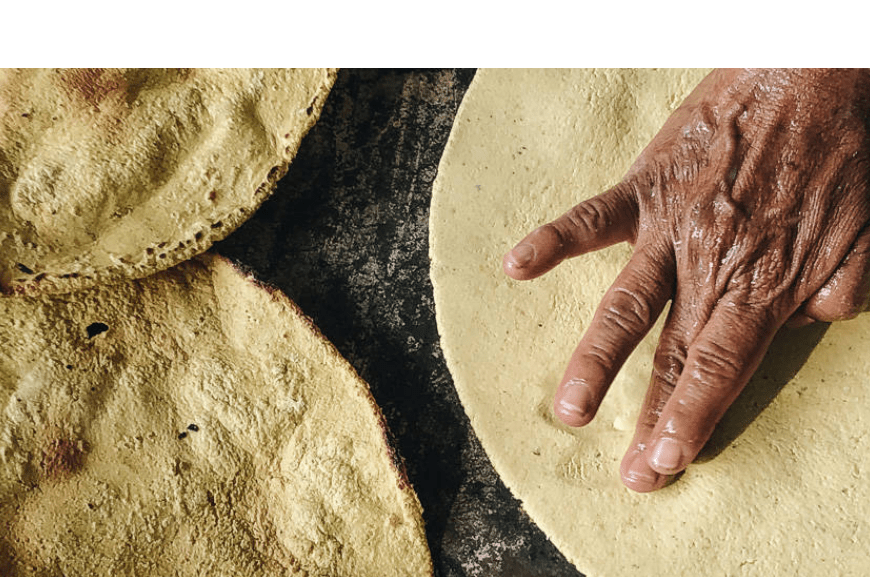
Proteger la tortilla (Protect the Tortilla)
As is common in this age of rushing headlong into the future the old ways are being brushed aside for the microwave generation. Whether through misguided philanthropy or sheer rampant greed our agriculture and food culture often suffers and historical cultural knowledge and richness is lost. This is currently the case with the worlds most important grain, maize. Through the interference by large companies such … Continue reading Proteger la tortilla (Protect the Tortilla)

Masa, Tortillas and Vitamin T
Comida callejera is very popular in Mexico and is enjoyed by people of all social classes. This food is produced by home cooks and it is not unusual to see businessmen standing in line with the working classes and indigenous locals waiting for a dose of vitamin T. The quality of the food is measured by the length of the queue and people will travel … Continue reading Masa, Tortillas and Vitamin T
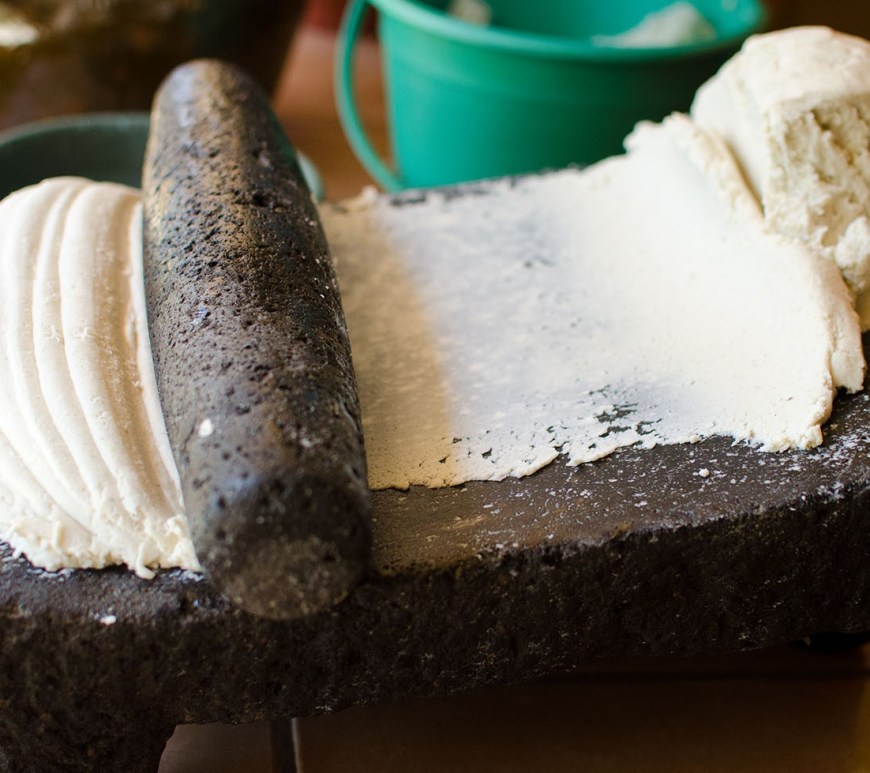
Nixtamal
Until wheat was introduced to the Americas the primary grain was (and still is really) corn. Corn, botanically known as Zea mays, is native to Mexico and there are hundreds of species in a wide range of colours each with slightly different nutritional values. It is the nutritional value of corn that is the most interesting. Corn can be difficult to digest and a kernel of corn … Continue reading Nixtamal

Amaranth and the Tzoalli Heresy
The amaranth species is used for its seed and its leaves are eaten as a green vegetable. The popped grain is popularly used (both in the past and in modern times) to make a sweet treat called “alegria” (happiness/joy). The amaranth species of quelite is a valuable plant and was held in high esteem by the Azteca. It was one of four grains (the others being maize … Continue reading Amaranth and the Tzoalli Heresy

Quelite : Pápaloquelite : Porophyllum macrocephalum
Porophyllum macrocephalum Also called : Papaloquelite, Papaloqulitl (Nahuatl),Papalokilitl, Papalo, pápalo rollizo, (“plump” papalo), Quelite de mariposa, Mariposa Azteca , pucsnan’caca (Totonac), quelites oloroso, ahoyacaquilitl (sweet scented edible plant), chipaca, chaoacocopin, xpechukil, Pech´uk (Yucatán Maya), xac’ani (Otomi), wacamacho, ukche, tepegua (Queretaro), tepelcacho (Chilapa, Guerrero), tepelcasho, Pápalo macho, pápalo hembra (Mixteca), Chapahua (Totonaco, Veracruz Coast) Chapahuate (Totonaco), chivatillo (Michoacán), Mesis, Tepehua (Hidalgo), liendrilla, yerba de peo, yerba de chulo … Continue reading Quelite : Pápaloquelite : Porophyllum macrocephalum
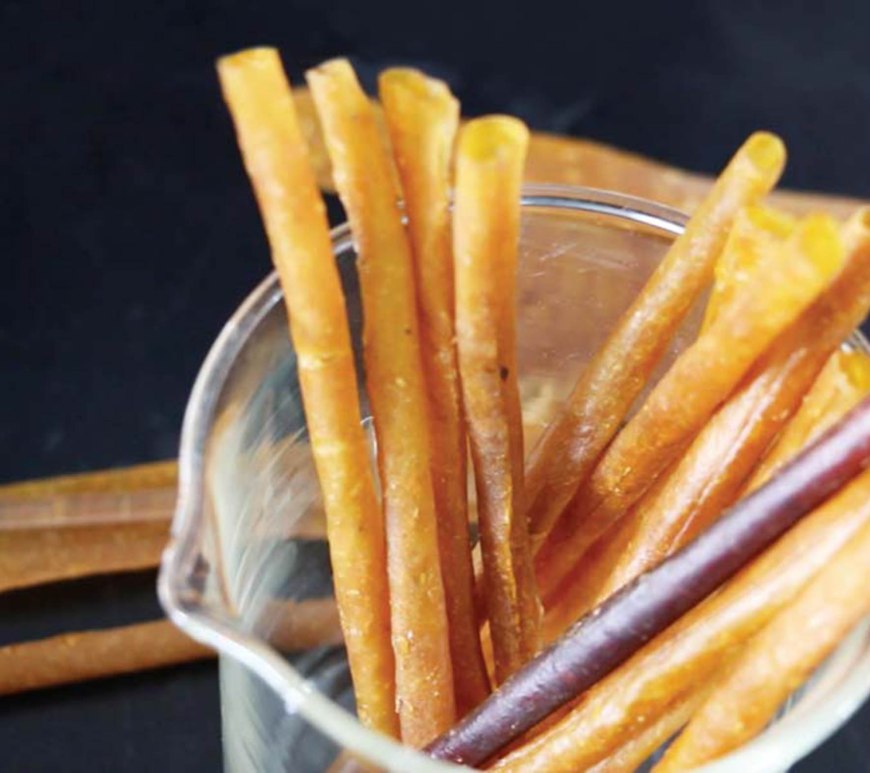
The future of straws may be a cactus.
The National Autonomous University of Mexico, or UNAM as it is commonly known, is once again at the forefront of innovation into addressing the worldwide problem of pollution caused by single use plastics. Plastic straws (or popotes) are a major source of plastic pollution with 2017 figures estimating that 500 million straws are used in the USA alone on a daily basis (1)(2) and are … Continue reading The future of straws may be a cactus.

A solution to single use plastic bags.
The Nopal Cactus may provide a solution to the plastic bag pollution problem. In 2018 Australia banned the use of single use plastic bags. These bags were provided free to shoppers at supermarkets and by 2016 it had been estimated that 5 billion of these bags were used annually in Australia alone and that around 150 million of these ended up as roadside litter (1) … Continue reading A solution to single use plastic bags.
 Masa Americana