A Naturopathic View of the Aztec Diet : Part 2 : Appendix 1 : Atole

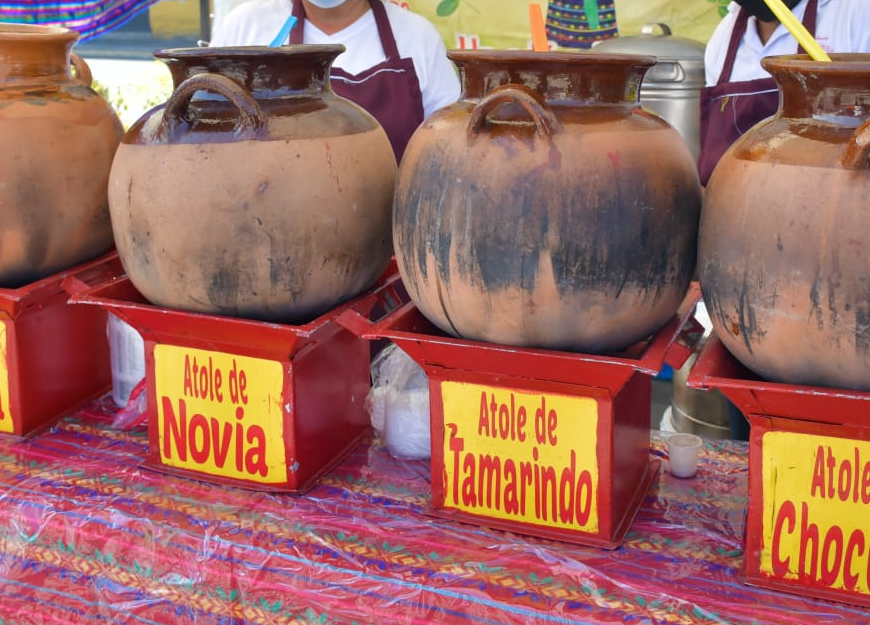
I briefly look at the masa based drink called atole in my Post Mexican Cooking Equipment : The Molinillo but lets go into it in a bit more detail here and in another related Post I’ll investigate a range of chocolate beverages based on this ingredient called masa. Atole (Spanish) from atolli (Nahuatl) which, according to the definition, is a beverage made from finely ground maize, mixed … Continue reading A Naturopathic View of the Aztec Diet : Part 2 : Appendix 1 : Atole

Recipe : Alegrias de Amaranto : Amaranth Joys.

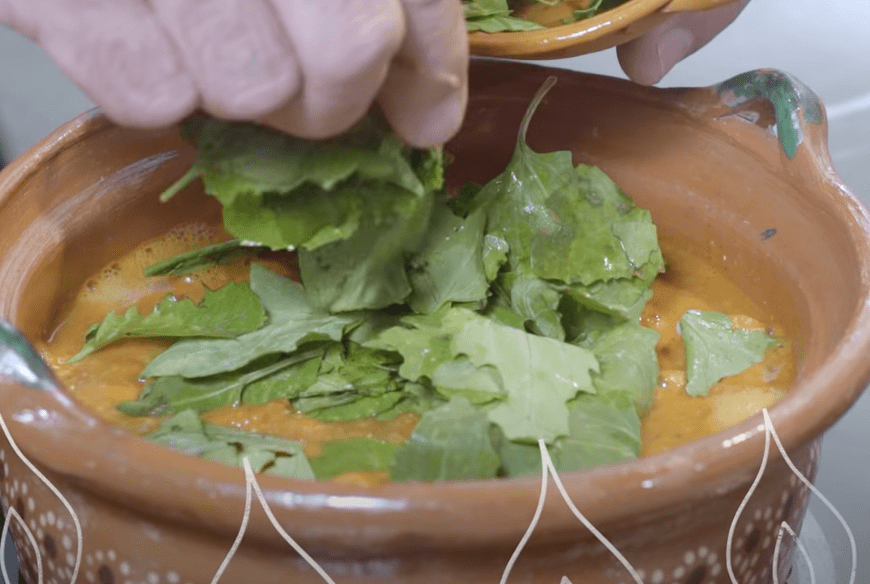
Amaranth was an important grain in Mesoamerica. Known to the Aztecs as huauhtli they are believed to have dedicated more than 5000 hectares of land to its growth and produced between 15 and 20 tons of grain per year (1). This is just the Aztecs. Amaranth was in high demand as a tribute and annually 20 provinces supplied amaranth to Tenochtitlan as part of their … Continue reading Recipe : Alegrias de Amaranto : Amaranth Joys.

Medicinal Qualities of Amaranth

Amaranthus species plants can be broken down into 3 basic categories, grain, leaf and ornamental. All varieties of the plant can be eaten as a green leafy vegetable when the plants are young enough and all will provide seed to one degree or another but only a few provide enough seed to be considered viable as a foodstuff. Species primarily used for their seeds are … Continue reading Medicinal Qualities of Amaranth

Edible Insects : Axayácatl (Ahuautli)

Mesoamericans ate a wide range of insects. The Aztecs (and modern “in the know” locals) ate ahuautli. Ahuautli is the name for the edible eggs of an aquatic fly in the Corixidae or Notonectidae families. They are found in the lakes of the México basin. The eggs (like michihuautli)(1) look (and supposedly taste – although this is subjective) like fish roe. Cakes of it were (and still … Continue reading Edible Insects : Axayácatl (Ahuautli)