Tlatlapas. ¿Qué es eso? Vitamina T?

Another facet of the nutritional category known as “Vitamina T” or Vitamin T? Vitamin T is a substance called torulitine found in sesame seeds, egg yolks and pumpkin seeds (1). Vitamin T seems to be the forgotten vitamin with little research and attention paid to it. The Oxford Reference Dictionary would have us believe Vitamin T is “Factor found in insect cuticle, mould mycelia, and … Continue reading Tlatlapas. ¿Qué es eso? Vitamina T?

Atlaquetzalli. The Drink of Kings*

*well “Tlatoanis” actually if you want to be pedantic about it (and I do) I briefly look at the masa based drink called atole in my Post Mexican Cooking Equipment : The Molinillo and go into it in a bit more detail in, A Naturopathic View of the Aztec Diet : Part 2 : Appendix 1 : Atole, and then expand upon it again in another related … Continue reading Atlaquetzalli. The Drink of Kings*

Mexican Cooking Equipment : The Alcahuete

We can thank Mexico (and mesoamerica in general) for chocolate. How chocolate is done outside of Mexico is very different to how it was traditionally used. One aspect of this is the variety of drinks produced from chocolate (1) and another is the equipment used. I have looked at one of these tools previously (2) and today I would like to look at another, the … Continue reading Mexican Cooking Equipment : The Alcahuete

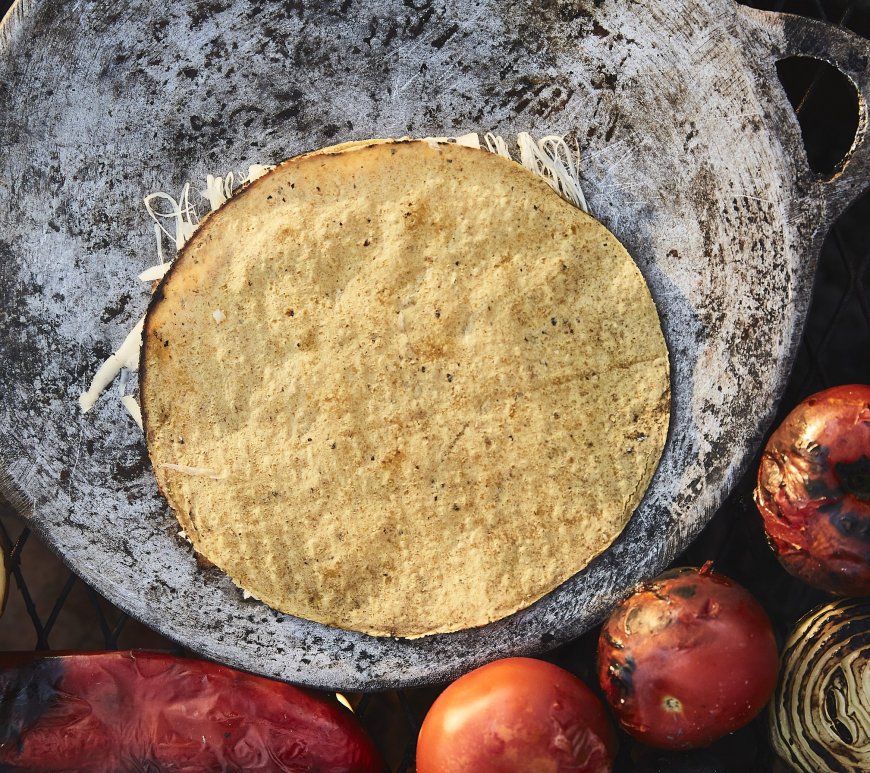
Tlaxcalatolli. Atole de Tortilla.

Tlaxcallan bread soup? Bread “soup” is a food of the poor (well at least that’s how it started) . Nothing was “left over” and nothing went to waste. Stale bread (and as we’ll see, tortillas) can be used as the base of a recipe. In this case we are looking at atole made with yesterdays tortillas (instead of masa or masa harina) but first lets … Continue reading Tlaxcalatolli. Atole de Tortilla.

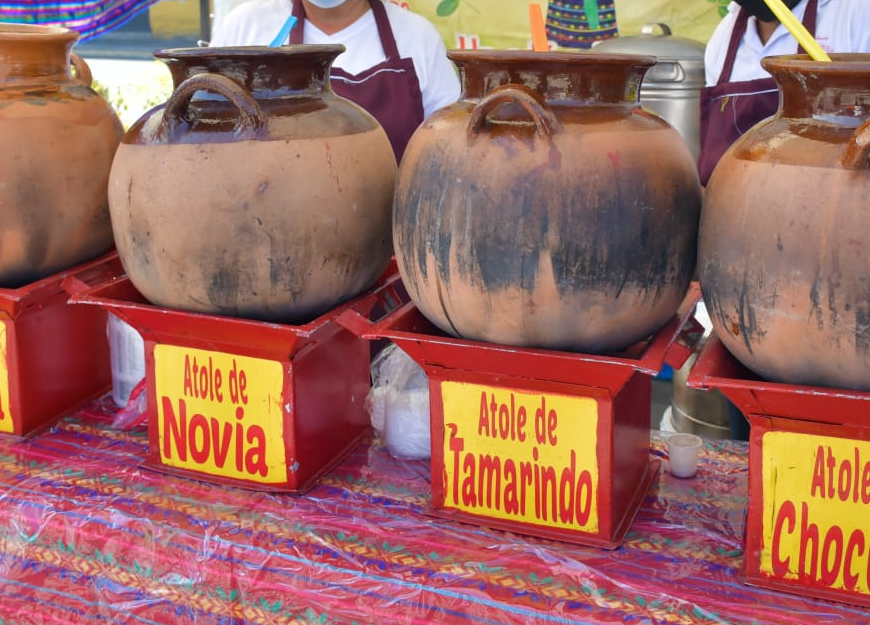
A Naturopathic View of the Aztec Diet : Part 2 : Appendix 1 : Atole

I briefly look at the masa based drink called atole in my Post Mexican Cooking Equipment : The Molinillo but lets go into it in a bit more detail here and in another related Post I’ll investigate a range of chocolate beverages based on this ingredient called masa. Atole (Spanish) from atolli (Nahuatl) which, according to the definition, is a beverage made from finely ground maize, mixed … Continue reading A Naturopathic View of the Aztec Diet : Part 2 : Appendix 1 : Atole

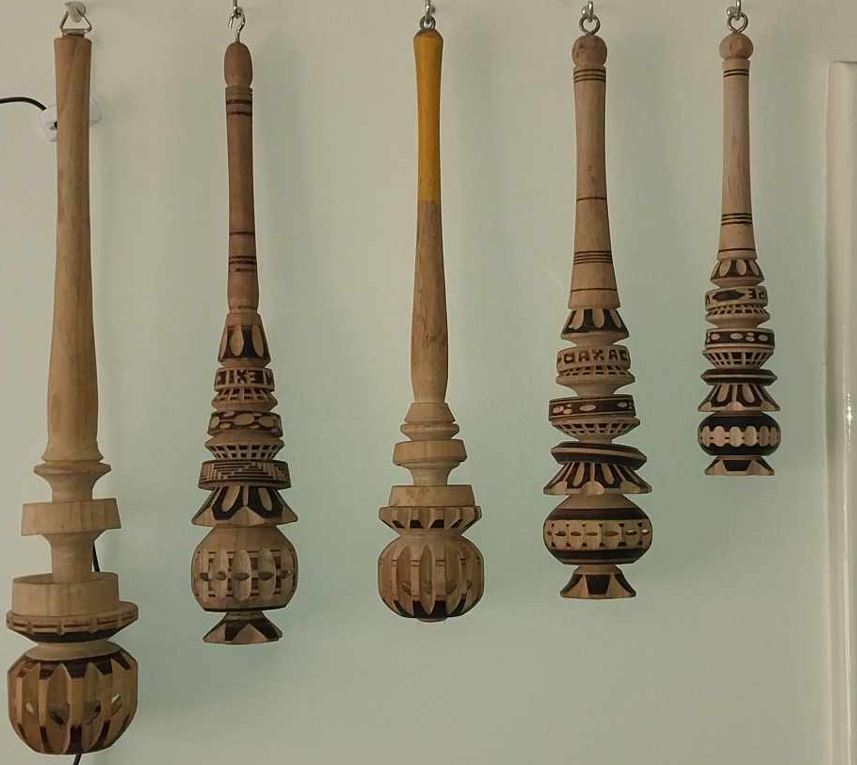
Mexican Cooking Equipment : The Molinillo

A friend recently sent me a message saying she’d found something at a second hand store, she didn’t know what it was, but thought I’d like it as it was from México. It turns out she’d found a molinillo or a hand held kitchen tool used in México for mixing and “frothing” hot chocolate. The literal translation for molinillo often comes out as “grinder”. This … Continue reading Mexican Cooking Equipment : The Molinillo

Quelite : Anis de Chucho : Tagetes micrantha

This plant is often called Tagetes filifolia. They are similarly flavoured and can be used interchangeably both culinarily and medicinally. Anís de chucho, anisillo (Central Mexico, San Luis Potosi, Durango, Chihuahua, Michoacan – more specifically Patzcuaro), anis de campo (Michoacan), anis de suelo (Guerrero), Tanix’ ch’ian (Motozintla, Chiapas), yuku anís (Mixtec), licorice marigold, Anise marigold (Southern Baja), putsut, putzuti (Lascurain-Rangel et al 2022) Tagetes micrantha … Continue reading Quelite : Anis de Chucho : Tagetes micrantha

Quelite : Anís de campo : Tagetes filifolia

Tagetes filifolia The Latin Tagētes is derived from the name of the Etruscan Tages, born from the plowing of the earth.The species epithet, filifolia, is derived from the Latin, filum “thread” and folium “leaf” and describes the plant as having thread-like leaves According to a legend, Tages was a wise child who sprung up from the freshly ploughed earth. Later he taught Etruscans divination.Cicero reports … Continue reading Quelite : Anís de campo : Tagetes filifolia