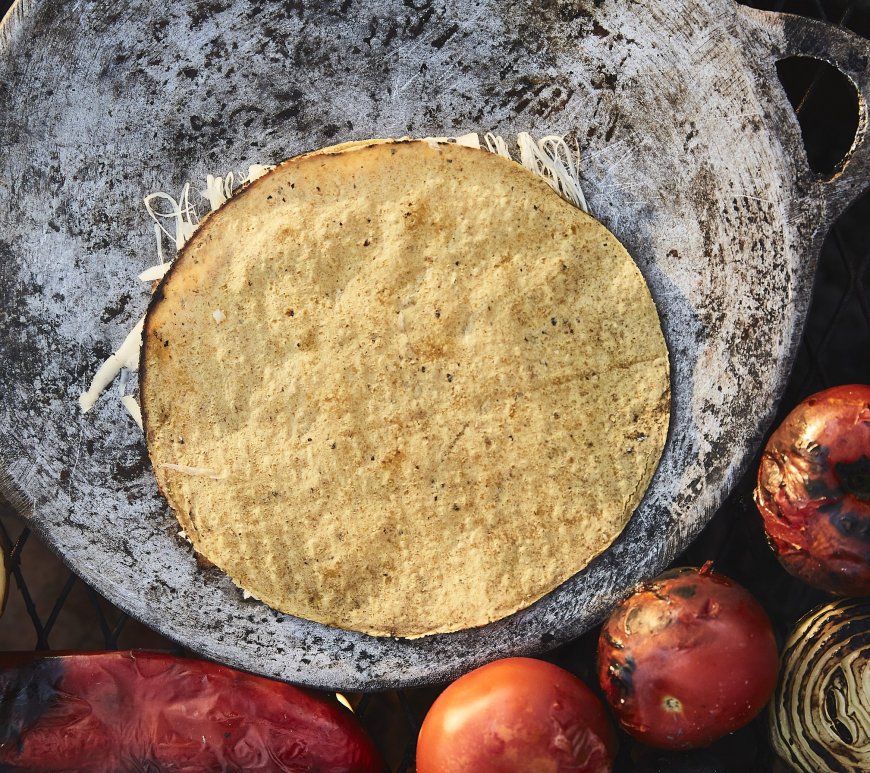
Tlaxcalatolli. Atole de Tortilla.

Tlaxcallan bread soup? Bread “soup” is a food of the poor (well at least that’s how it started) . Nothing was “left over” and nothing went to waste. Stale bread (and as we’ll see, tortillas) can be used as the base of a recipe. In this case we are looking at atole made with yesterdays tortillas (instead of masa or masa harina) but first lets … Continue reading Tlaxcalatolli. Atole de Tortilla.

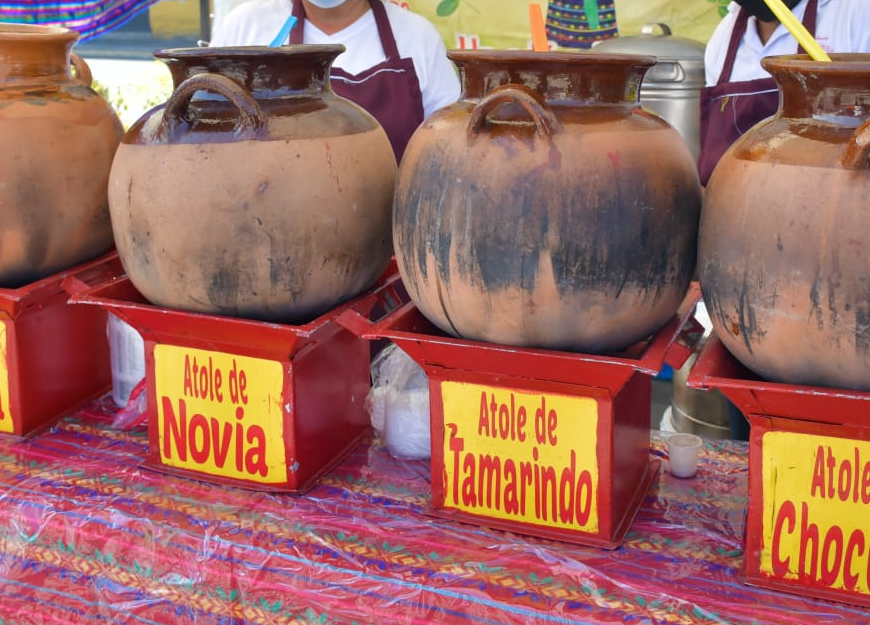
A Naturopathic View of the Aztec Diet : Part 2 : Appendix 1 : Atole

I briefly look at the masa based drink called atole in my Post Mexican Cooking Equipment : The Molinillo but lets go into it in a bit more detail here and in another related Post I’ll investigate a range of chocolate beverages based on this ingredient called masa. Atole (Spanish) from atolli (Nahuatl) which, according to the definition, is a beverage made from finely ground maize, mixed … Continue reading A Naturopathic View of the Aztec Diet : Part 2 : Appendix 1 : Atole

Quelite : Anís de campo : Tagetes filifolia

Tagetes filifolia The Latin Tagētes is derived from the name of the Etruscan Tages, born from the plowing of the earth.The species epithet, filifolia, is derived from the Latin, filum “thread” and folium “leaf” and describes the plant as having thread-like leaves According to a legend, Tages was a wise child who sprung up from the freshly ploughed earth. Later he taught Etruscans divination.Cicero reports … Continue reading Quelite : Anís de campo : Tagetes filifolia

Puches : Part 2 : Puches or Puchas?

Cover Image : Puchas from the Panadería La Purisima De Silao in Guanajuato, Mexico My last Post (1) was borne from a readers comment regarding tequesquite. Tequesquite is a natural mineral salt that has been used in Mexico since pre-Hispanic times (mainly as a culinary ingredient/food seasoning). It was mentioned in an historical document from 1844 that was a list of ingredients, and their costs, … Continue reading Puches : Part 2 : Puches or Puchas?

Frutos de Cactus : Garambullo

Myrtillocactus geometrizans Syn. Myrtillocactus grandiareolatus; Cereus geometrizans Mart. ex Pfeiff.; Cereus pugioniferus Lem.; Myrtillocactus pugionifer (Lem.) A.Berger. Myrtillocactus, in Latin, literally means “blueberry cactus”. From the medieval Latin myrtillus (diminutive of Latin myrtus) which is an obsolete spelling of mirtilo (which means “blueberry”). also called : bilberry cactus, whortleberry cactus, blue candle cactus. It gets its common name from fruits which resemble those of a … Continue reading Frutos de Cactus : Garambullo