FOMEX and Dia de Muertos 2024

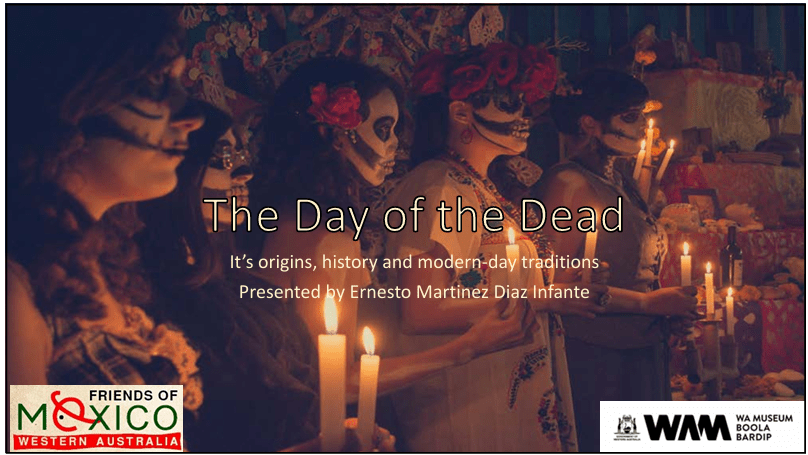
This last Saturday 26th October 2024 the Friends of Mexico held a celebration of Dia de Muertos for the people of Perth in Western Australia. The event was sponsored by the West Australian Museum as part of their cultural exchange program Boola Bardip (Many Stories) Dia de Muertos is a time of celebration and remembrance amongst the peoples of Latin America and is celebrated in … Continue reading FOMEX and Dia de Muertos 2024

Cempasúchil Confusion During Dia de Muertos.

It’s that time of year again. No! Not pumpkin spice season. Dia de Muertos season cabrones (pardon my Galician). This means it is cempoalxóchitl (1) season (2). I have Posted on this herb/flower previously (3). This previous Post discussed the edible and medicinal uses of cempasuchil (and supplies a few recipes too) My social media feeds of late have been filled with a lot of … Continue reading Cempasúchil Confusion During Dia de Muertos.

Identify Me : Am I a Poreleaf?

Cover image by Cempasúchil Tattoo in Morelia via Facebook An inquisitive botanist, Carmen Thierry, has posted on the Facebook page “Identificación de plantas mexicanas” an image of a plant she seeks the identification of. This is quite an attractive flower and, at first glance, my initial impression was that this was a variety of narrow leaved poreleaf (Porophyllum species) in the vein of chepiche/pipicha/pipitza although … Continue reading Identify Me : Am I a Poreleaf?

31 Alimentos que México dio al mundo : 31 foods that Mexico gave to the World

Mexico (and the Americas in general) has given much to the worlds food larder. We are familiar with many of these foods even though we might not know where exactly the came from (1). We can thank the Americas for staple foods such as corn, potatoes, tomatoes, beans (2), squashes, chiles, avocados, the turkey, vanilla and cacao (3) as well as the highly nutritious seeds … Continue reading 31 Alimentos que México dio al mundo : 31 foods that Mexico gave to the World

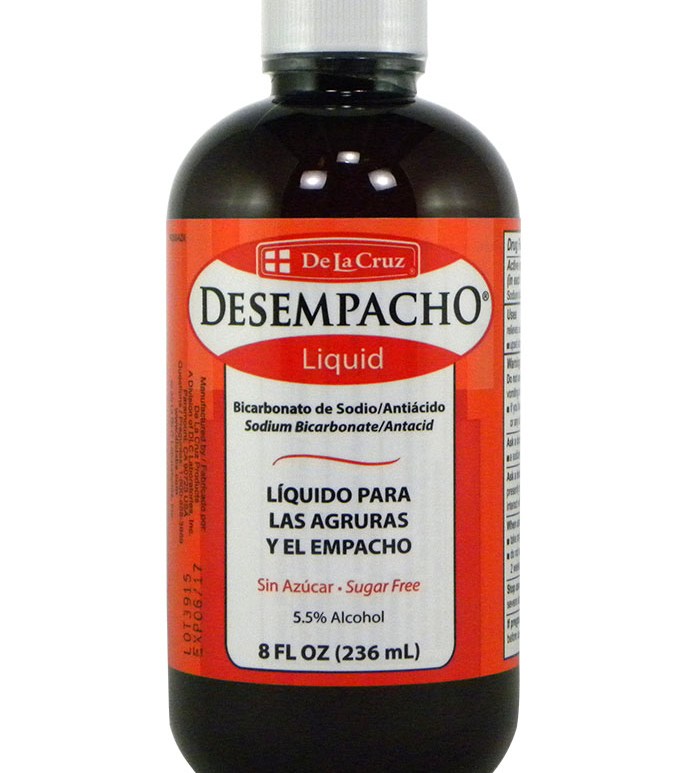
Empacho

Curanderismo and its practices are used to treat an illness of the gastrointestinal tract called empacho. It is considered to be a blockage or an infection in the intestines that can result from either physical or emotional/mental causes. Empacho can be indicated by any number of gastrointestinal symptoms such as stomach cramping, intestinal gas, loss of appetite, vomiting, diarrhoea and/or constipation. This illness can impact … Continue reading Empacho

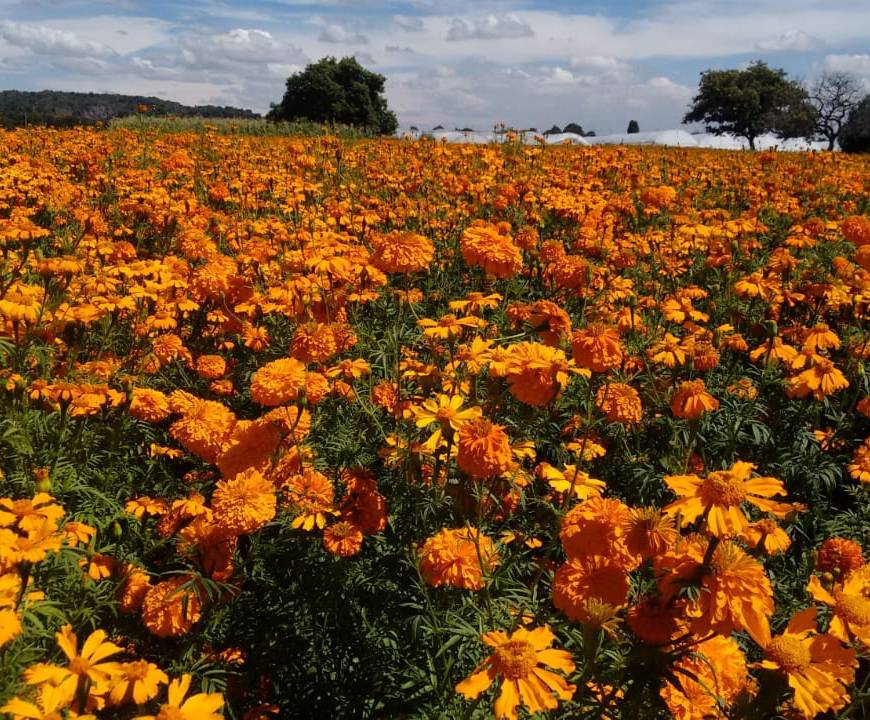
Cempasúchil

Tagetes erecta (syn Caryophyllus Indicus)Also known as : Flor de muerto, African marigold, Cempoalxόchitl (Nahuatl name “twenty flower”, from cempohualli – twenty and xochitl – flower), cempasuchitl, zempasuchitl, apátsicua (purépecha and tarasco), caxiyhuitz (huasteco), guie’biguá, guie’coba, picoa and quiepi-goa (zapoteco), kalhpu’xa’m (totonaco), Ita-Cuaan (Mixtec), Jondri (Otomí), Genda phool, Genda (Hindi, Bengali), Chenduhoovu, Chendu huva (Kannada), Ghenda (Marathi), Galaghoto (Gujarati), Chendu malli (Malayalam), Banti Puvuu (Telgu), … Continue reading Cempasúchil

Papaloquelite : What’s in a name?

Porophyllums were first described by Linnaeus in 1753. The University of Arizona has specimens in their Herbarium collected from the Sonora and Chihuahua regions in the 1800’s. The Latin translations of some of the names in the poreleaf family are as follows;  The common name “Papaloquelite” is from the Nahuatl words papalotl (butterfly), and quilitl (edible weed, vegetable; adj green). Quilitl (quelite) is from the Goddess Quilaztli, the goddess of “those … Continue reading Papaloquelite : What’s in a name?